ZOZOTOWN and Yusaku Maezawa’s Vision for Online Fashion
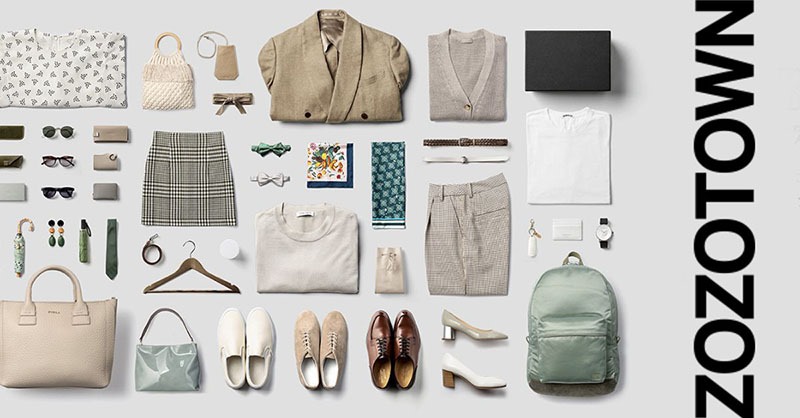
ZOZOTOWN, founded by Yusaku Maezawa, revolutionized Japan’s fashion e-commerce by combining creativity, technology, and exclusive brand partnerships. Discover how the platform transformed online shopping and became Japan’s leading digital fashion destinat
In Japan’s dynamic retail landscape, few names have revolutionized e-commerce like ZOZOTOWN. What started as a small online fashion venture in the early 2000s has evolved into the country’s largest online fashion retailer, connecting millions of customers with thousands of brands. Behind this success stands Yusaku Maezawa, a visionary entrepreneur who transformed how Japanese consumers shop for fashion.
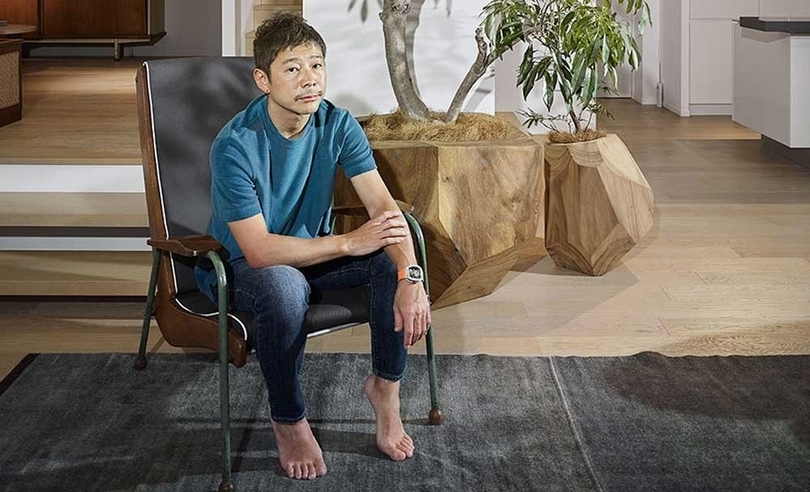
Yusaku Maezawa (前澤友作) is one of Japan’s most fascinating entrepreneurs: a musician-turned-billionaire who redefined Japan’s fashion retail landscape through ZOZOTOWN, and later gained global fame for his SpaceX “dearMoon” project.
Born: November 22, 1975, Kamagaya, Chiba Prefecture, Japan Education: Waseda Jitsugyo High School (did not attend university)
Before becoming a tech entrepreneur, Maezawa was deeply involved in music and youth subculture — which later shaped his understanding of fashion and self-expression. In high school, he was a drummer in an indie rock band called Switch Style. After graduation in the early 1990s, he moved to the U.S. for a short time, collecting CDs and streetwear from American punk and skate brands. When he returned to Japan, he started selling imported CDs and band merchandise by mail order, under the name “Start Today” — a name inspired by a Gorilla Biscuits (hardcore punk) album.
From Mail Order to E-Commerce
By 1998, the Internet was becoming mainstream in Japan. Maezawa saw an opportunity to move from physical catalogs to an online platform. He launched Start Today Co., Ltd. in 1998 as a CD and imported streetwear seller. By 2004, as broadband spread in Japan, Maezawa pivoted from small-scale retail to a multi-brand fashion e-commerce platform — ZOZOTOWN. The idea: rather than compete with brands, host their official shops online so users could browse multiple authentic labels in one place.
Inspiration behind ZOZOTOWN: “I wanted to create a town where fashion lovers could wander freely — not a mall, but a town of style.” “I didn’t create ZOZOTOWN to sell clothes. I created it to make people happier through fashion.” This vision of a virtual fashion “town” (ZOZOTOWN) — instead of a cold e-commerce site — was unique in Japan at the time.
2004: Launch of ZOZOTOWN — featuring early Japanese select brands like BEAMS, UNITED ARROWS, and JOURNAL STANDARD. 2007: ZOZOTOWN becomes one of Japan’s largest online fashion malls. 2012: Launch of “WEAR,” Japan’s biggest fashion social platform. 2018: Launch of “ZOZOSUIT,” a 3D measurement suit for custom-fit clothing — symbolizing his shift toward fashion-tech innovation. 2019: Sold majority shares of ZOZO to Yahoo! Japan (Z Holdings) for about ¥400 billion (~US$3.7 billion) and stepped down as CEO.
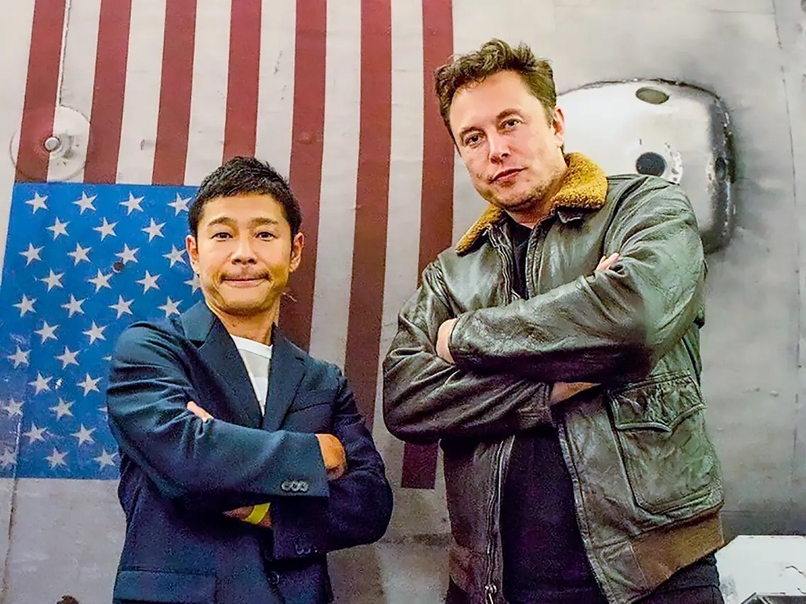
After selling his company, Maezawa pursued a lifelong dream — space travel. He became the first private passenger for SpaceX’s lunar mission (the “dearMoon Project”). He famously invited artists from around the world to join him on the mission, promoting global creativity and peace. This vision reflects his personality — curious, daring, and idealistic — much like how he built ZOZOTOWN.
Art Collector and Cultural Icon
Maezawa is one of Japan’s most prominent art collectors, known for purchasing works by Jean-Michel Basquiat, Pablo Picasso, and Jeff Koons. In 2017, he bought a Basquiat painting for $110.5 million, one of the highest auction prices for an American artist. He shares his art openly on social media, believing art should inspire and be accessible, not hidden in private galleries. His taste for fashion, art, and creativity constantly influenced ZOZOTOWN’s visual identity and marketing campaigns.
Japan has a diverse, style-sensitive fashion scene — from luxury labels to Harajuku streetwear. ZOZOTOWN launched in 2004, just when digital shopping started rising but fashion brands were still hesitant to sell online. Founder Yusaku Maezawa (a former musician and style enthusiast) built ZOZOTOWN around “select shops” — letting trendy brands like BEAMS, UNITED ARROWS, and JOURNAL STANDARD open official online stores under one roof. This gave shoppers access to authentic Japanese brands they already loved, all in one trusted place — which was rare at the time.
Early Entry + Brand Partnerships. In the early 2000s, most Japanese fashion brands didn’t have their own e-commerce systems. ZOZOTOWN solved this by offering a turnkey solution: Brands could open a digital store easily (ZOZO handled web design, logistics, and payments). The platform allowed co-branding — stores kept their own branding inside ZOZOTOWN. Hundreds of fashion houses joined quickly. Shoppers trusted ZOZOTOWN because it hosted official brand shops, not random third-party sellers — unlike many early e-commerce sites.
Fast, Reliable Logistics & Customer Service. Japanese consumers are famously detail-oriented — they value precision, speed, and courtesy. ZOZO invested heavily in ZOZOBASE, its own fulfillment centers with efficient next-day delivery. Their return/exchange system was simple, and customer service gained a good reputation. They added options like “Safe Drop” delivery (secure unattended drop-offs) and eco-packaging.
Innovation Through Fashion Tech. ZOZO didn’t stop at selling clothes; they tackled the fit problem, one of online fashion’s biggest barriers. These innovations reinforced ZOZOTOWN’s image as a smart, futuristic fashion company, not just another online mall — and helped reduce return rates.
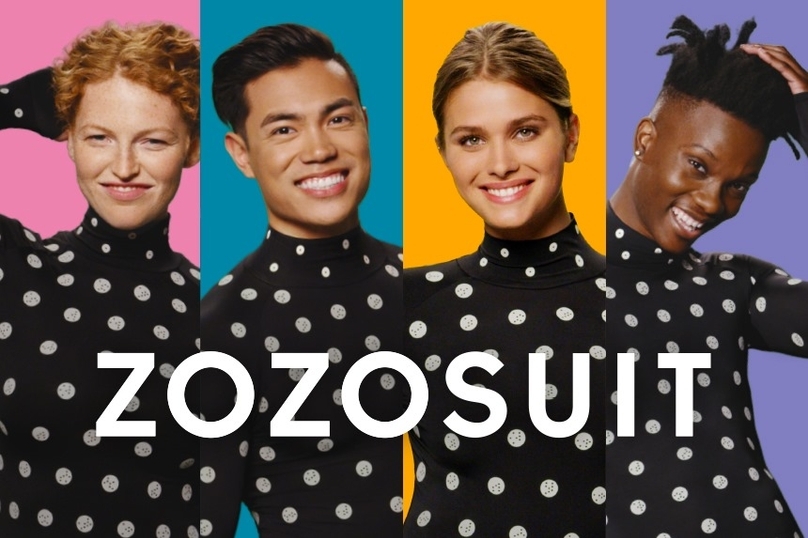
· ZOZOSUIT: a body-measurement suit that helped create custom-fit sizing profiles.
· ZOZOMAT: scanned feet for shoe sizing.
· ZOZOGLASS: detected skin tone for cosmetics shopping.
Lifestyle Integration via “WEAR” App. ZOZO created WEAR, a fashion-social app where users post their outfits (“OOTDs”). It became one of Japan’s largest fashion communities, attracting influencers and stylists. Every outfit post could link directly to ZOZOTOWN product pages. ZOZOTOWN blended social media + e-commerce, letting users discover looks and shop them instantly — long before Instagram Shopping existed.
Trusted Payment & User Experience. ZOZOTOWN emphasized smooth checkout, local payment methods, and flexible options (credit, COD, convenience store pay). They localized every detail — delivery tracking, packaging aesthetics, even thank-you cards — which fits Japan’s omotenashi (hospitality) culture. Shoppers felt they were buying from a premium store, not a faceless website.
Strong Brand Image & Marketing. ZOZO’s early advertising used humor, celebrity endorsements, and bold fashion visuals — different from conservative retail ads. Its former CEO Yusaku Maezawa was charismatic and often in media, helping make ZOZOTOWN a “cool” digital brand. Campaigns like ZOZOCARD (store credit card) and limited-edition collaborations (Nike, BAPE, etc.) boosted visibility. It became synonymous with online fashion in Japan — much like how Zalando or ASOS are in Europe.
Ecosystem Growth & Consistency. Over time, ZOZOTOWN built an ecosystem, not just a website: Platform (ZOZOTOWN). Fashion SNS (WEAR). Tech products (ZOZOSUIT, ZOZOMAT). Category expansion (ZOZOCOSME, ZOZOSHOES). Fulfillment and B2B support (ZOZOBASE). The more users joined, the better ZOZOTOWN got — creating a network effect where brands, users, and data strengthened each other.
By focusing on premium Japanese and international fashion labels, ZOZOTOWN quickly positioned itself as the go-to online destination for style-conscious consumers. The platform’s clean design, intuitive navigation, and exclusive brand collaborations differentiated it from competitors and helped it earn credibility in a market known for its discerning shoppers.
ZOZOTOWN operates primarily as an online marketplace for fashion, offering clothing, shoes, and accessories from over 1,400 brands. Its business model blends consignment-based sales (where brands list and sell through the platform) with direct retail, where ZOZOTOWN buys inventory and sells it directly to consumers.
The company also launched ZOZO, its own in-house brand, which became known for its innovative approach to sizing through technology. This includes the ZOZOSUIT, a 3D body measurement suit designed to collect accurate body data for custom-fit clothing — an ambitious attempt to personalize fashion retail at scale.
ZOZOTOWN’s core business revolves around fashion e-commerce and supporting services that connect consumers with apparel brands through technology, logistics, and data. Below is a breakdown of its core business segments under its parent company ZOZO, Inc.
ZOZOTOWN is Japan’s largest online fashion retail platform, connecting over 1,600+ official brand shops and 9,000+ brands with consumers. Consignment Sales (主力): Brands list their items on ZOZOTOWN; ZOZO handles order processing, payments, and customer service, and takes a commission. Purchased Stock Sales: ZOZO directly buys and sells merchandise, holding its own inventory (smaller share of business). USED Sales: Pre-owned fashion resale marketplace integrated within the platform (“ZOZOUSED”). Commission fees from brands (typically around 25–30% of sales), fulfillment service fees, and product mark-ups on owned inventory.
Fulfillment & Logistics Services (ZOZOBASE). ZOZO operates its own logistics and warehouse centers (ZOZOBASE) across Japan. Storage, packaging, and delivery for ZOZOTOWN and external partner brands. Offers B2B logistics services to other online stores. High efficiency in shipping, returns, and “Safe Drop” (eco-friendly delivery) options, contributing to customer satisfaction and sustainability goals.
New Category Platforms. ZOZOCOSME: Dedicated cosmetics & beauty platform launched in 2021; integrates the ZOZOGLASS skin-tone scanning tool for accurate color matching. ZOZOSHOES: Focused footwear category, leveraging ZOZOMAT for 3D foot measurement and better sizing accuracy. These category-specific sub-platforms expand ZOZO’s reach beyond apparel, appealing to fashion-adjacent markets.
· Purpose: To reduce online purchase uncertainty (fit, size, color), improve personalization, and position ZOZO as a fashion-tech pioneer.
ZOZO has invested in measurement and body-data technologies: for example the ZOZOSUIT (3D body suit), ZOZOMAT (foot-size/fitting measurement), and ZOZOGLASS (skin-tone measurement for cosmetics) among others. They also operate the outfit-sharing app WEAR by ZOZO, which allows users to share styles/outfits and integrates into their fashion ecosystem.
Advertising & Data Solutions. ZOZOTOWN sells digital ad placements (banner, product, or feature promotions) for partner brands. Provides data analytics and marketing insights based on shopper behavior, helping brands plan collections or campaigns. This segment supports monetization beyond retail transactions.
WEAR App (Fashion SNS). A social fashion app where users and influencers share outfit photos (“OOTD” style). Functions as a style community and marketing channel linking directly to ZOZOTOWN for purchasing. Strengthens brand discovery and user engagement.
B2B E-Commerce Support. Through “ZOZO Fulfillment Center Service”, the company provides backend e-commerce support for other brands’ online stores (inventory management, payment, logistics). Helps expand ZOZO’s ecosystem beyond its main marketplace.
ZOZOTOWN is the flagship e-commerce fashion platform operated by ZOZO, Inc. (formerly Start Today Co., Ltd.). The company was founded in 1998; ZOZOTOWN launched in December 2004. Headquarters: Chiba, Japan. As of FY2024/25, ZOZOTOWN handles around 9,000+ brands through about 1,600+ shops on the platform. Their corporate philosophy: “Inspire the world. Deliver joy every day.”
ZOZOTOWN uses several business models: outright purchase/production & sales, consignment sales, and used-item sales via its “USED” business. A large number of “shops” (brands) operate on the platform under consignment. As of March 2025, there were ~1,620 shops. They also support B2B services (fulfilment/operation support for brand e-commerce) and advertising/business media (via their fashion media app etc.).
Strengths & Competitive Advantages
· Scale & brand variety: With thousands of brands and shops, ZOZOTOWN offers a wide selection to consumers.
· Fashion + tech integration: Their investment in measurement tools helps reduce sizing/fit concerns — a major friction in online fashion. For example: skin-tone tools for cosmetics, foot/size scanning devices.
· Strong domestic presence + recognition: They are positioned as one of the major e-commerce fashion players in Japan.
· Logistics and fulfilment infrastructure: They have built in-house fulfilment centres/warehousing and delivery services.
While they have the infrastructure, reaching overseas consumers involves logistical, payment, customs/border complexities. Some non-Japan users report payment/shipping issues. The fashion e-commerce space is crowded (both in Japan and globally). Keeping differentiation and profitability can be challenging. Even with measurement tools, sizing is a perennial challenge for online apparel, especially internationally. Though they expand categories, growth may eventually require more overseas expansion or diversification.
ZOZO’s FY2024/25 report shows: they are aiming for gross merchandise value growth (e.g., moving toward 800 billion yen goal) with “MORE FASHION × FASHION TECH” strategy. They signed a strategic partnership with South-Korean fashion company MUSINSA to bring K-fashion brands to ZOZOTOWN. Cosmetics category (via ZOZOCOSME) growing strongly: For FY2024 the merchandise sales in cosmetics reached ~¥14.7 billion (c. +30% year-on-year). They are also emphasising sustainability & ESG: For example, ~80% of their orders eligible for “Safe Drop” (delivery method) to reduce CO₂.
Maezawa’s journey into fashion wasn’t merely entrepreneurial; it was deeply personal. A passionate art collector and former musician, he saw fashion as a form of self-expression — a bridge between creativity and lifestyle. His time in the music industry exposed him to cultural trends and the power of community among young people. He recognized that online platforms could replicate that same sense of belonging, but through fashion rather than music.
He envisioned ZOZOTOWN as more than an e-commerce store — it was to be a digital fashion ecosystem where brands could tell their stories and customers could explore new styles in a curated environment. His leadership style was unconventional, often blending business with creativity and personal passion. This mindset helped ZOZOTOWN attract not only shoppers but also a loyal following among designers and fashion labels.
How ZOZOTOWN Became Popular in Japan
Brand Partnerships and Trust Maezawa built long-term relationships with top Japanese and international brands. By ensuring that official labels sold directly through the platform, ZOZOTOWN maintained consumer trust — a crucial factor in Japan’s cautious online market.
Exceptional User Experience From the start, ZOZOTOWN emphasized an elegant and minimalist website design. The platform’s fast load times, reliable customer service, and clear return policies helped it stand out when online shopping was still developing in Japan.
Cultural Timing Japan’s fashion-forward youth culture was already thriving, especially in urban areas like Tokyo. As online accessibility improved, ZOZOTOWN became the natural digital extension of that scene.
Marketing and Brand Identity ZOZOTOWN’s advertising often reflected individuality, creativity, and inclusivity — values that resonated with Japan’s millennial and Gen Z demographics. Maezawa himself, known for his high-profile art collections and philanthropic gestures, became a cultural icon that reinforced the brand’s progressive image.
Over time, ZOZOTOWN diversified its offerings and expanded its technological capabilities. It launched ZOZOCOSME, a beauty e-commerce section, and ZOZOVILLA, a luxury segment for designer fashion. In 2019, SoftBank’s Yahoo Japan (now Z Holdings) acquired a majority stake in ZOZOTOWN, marking a major turning point that integrated the platform into a larger digital ecosystem, enhancing logistics and customer reach.
Despite stepping down as CEO in 2019, Maezawa’s influence continues to shape ZOZOTOWN’s culture of innovation and customer focus. His bold thinking has inspired new generations of Japanese entrepreneurs to merge art, technology, and commerce.
Today, ZOZOTOWN remains Japan’s largest online fashion platform and a key player in Asia’s digital retail landscape. With a strong customer base, advanced data analytics, and an ongoing push toward sustainability, the company is well-positioned for future growth.
As e-commerce continues to evolve, ZOZOTOWN’s story exemplifies how a mix of creativity, timing, and technological foresight can redefine an entire industry.