Global Coffee Trends 2025 & Specialty Coffee Expo Insight
Explore global coffee trends in 2025, from hot and cold brew innovations to top-selling formats, packaging, and retail strategies. Learn how the Specialty Coffee Expo 2025 in Houston offers key B2B opportunities for roasters, traders, and coffee retailers
Coffee continues to be one of the most dynamic beverage markets in the world, with evolving consumer tastes, brewing innovations, and global retail shifts. From eco-friendly packaging to high-tech brewing methods, the coffee industry is constantly transforming. This article explores the latest trends in global coffee sales by product type, packaging, and distribution format, including a breakdown of hot and cold brew varieties and leading retail platforms.
The Specialty Coffee Expo 2025 was held from April 25–27 at the George R. Brown Convention Center in Houston, Texas. Organized by the Specialty Coffee Association (SCA), it stands as North America's premier B2B event for the specialty coffee industry, attracting over 17,000 attendees from 85 countries.
Event Highlights: Exhibition Hall: Featured 649 exhibitors showcasing cutting-edge coffee products and services, including equipment manufacturers, roasters, green coffee traders, and tech innovators. Educational Program: Offered 60+ lectures and 20+ workshops covering topics such as sustainability regulations, e-commerce strategies, consumption trends, and technological innovations. World Coffee Roasting Championship: Hosted the only world coffee competition in North America for 2025, where elite roasters competed over three days.
Interactive Experiences: Cupping Exchange: Provided curated tasting sessions hosted by producers, exporters, and importers, offering attendees a chance to explore a variety of coffees. Roaster Village: A vibrant area where boutique roasters and green coffee importers showcased their latest offerings in a café-style setting.
Awards: Recognized excellence through the Best New Product Awards, Coffee Design Awards, and Sustainability Awards, highlighting innovation and commitment within the industry. Portrait Country – Peru: Celebrated Peruvian coffee culture with unique activations and a pop-up café experience, emphasizing the country's rich coffee heritage.
Notable Lectures: Health and Science Behind Filter Coffee Extraction Parameters: Explored how brewing variables affect coffee's chemical composition, impacting flavor and health benefits. The Great Coffee Price Breakaway: Analyzed recent market changes affecting the coffee supply chain, including climate impacts and financial instruments for risk management.
Travel & Accommodations. Attendees were encouraged to book accommodations through the official hotel portal to take advantage of special rates and ensure quality service. The SCA advised against using unauthorized third-party vendors due to potential risks.
At the Specialty Coffee Expo 2025 in Houston, the exhibitor hall showcased a wide range of coffee-related products and services that catered to professionals across the entire coffee value chain — from farm to cup. Here's a breakdown by category:
Coffee Product Formats: Hot vs Cold, Manual vs Ready-to-Drink
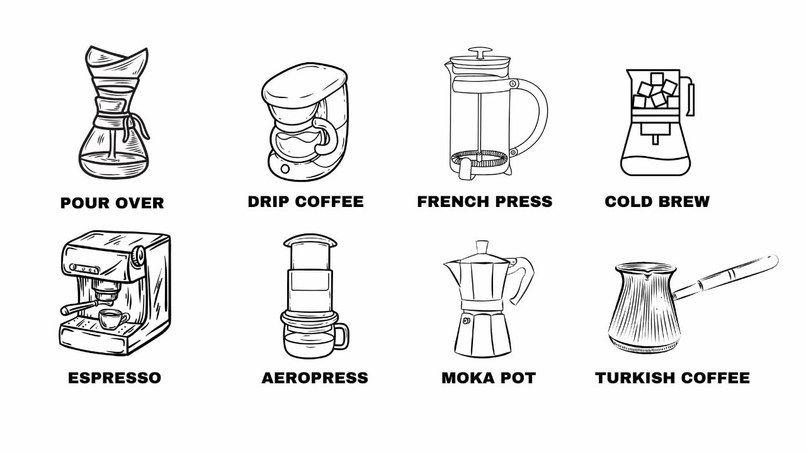
Hot Brew Coffee Formats. Drip Coffee: Brewed with a filter and drip machine, it remains the staple in the U.S., Japan, and parts of Europe. Pour-Over (e.g. V60, Chemex): A preferred choice among specialty cafés in the U.S., Australia, and Japan for its manual precision and flavor clarity. French Press: A classic full-bodied brewing method popular in Europe and North America. Espresso: The base for most café drinks and a cultural staple in Italy and Latin America. Siphon Coffee: A vacuum-based method prized in Japan, Korea, and Taiwan for both aesthetics and flavor. Moka Pot: A stovetop staple in Italy and Latin America. Pods/Capsules: Convenient, machine-based brewing common in the U.S., Europe, and Australia. Instant Sachets: Pre-ground and pre-sweetened, widely consumed across Southeast Asia and Africa.
Cold Coffee Formats. Cold Brew: Coffee steeped in cold water for 12–24 hours, now mainstream in the U.S., Korea, and Japan. Nitro Cold Brew: Cold brew infused with nitrogen gas for a smooth, creamy texture, rising in popularity in the U.S., UK, and Australia. Iced Coffee: Traditionally brewed hot and served cold; a daily habit in many Asian and European countries. Flash Brew/Japanese Iced Coffee: Hot brewed directly onto ice; balances aroma and acidity. RTD Bottled and Canned Coffee: Sold in convenience stores and supermarkets globally; dominant in Japan, Thailand, Korea, and increasingly the U.S. Coffee Concentrates: Cold brew concentrates sold for dilution, a growing trend in North America.
Green Coffee Traders. Importers and Exporters: Companies like InterAmerican Coffee, Cafe Imports, Algrano, and Sucafina offered traceable, high-quality green beans from origin countries including Ethiopia, Colombia, Peru, Guatemala, and Indonesia. Microlots & Specialty Grades: Focus on rare varietals, single-origin microlots, and certified coffees (organic, Rainforest Alliance, Fair Trade). Direct Trade Models: Many traders emphasized transparent sourcing and sustainability through direct relationships with producers.
Roasted Coffee Brands. Artisan Roasters: Roasters like Onyx Coffee Lab, Verve Coffee, Equator Coffees, and Sey Coffee showcased limited-edition blends and single-origin roasts. Ready-to-Drink (RTD): Bottled or canned cold brews, nitro coffee, and flash-chilled coffee from brands like Blue Bottle, Stumptown, and Chameleon Cold-Brew. Functional Coffees: Infused with adaptogens, CBD, vitamins, or nootropics for health-conscious consumers.
Green Coffee Tools & Packaging. Grading & Sorting: Devices for green coffee analysis — color sorters, moisture meters (e.g., Agtron, Felix Instruments). Sustainable Packaging: Compostable, recyclable, or biodegradable bags and pouches from Savor Brands, Elevate Packaging, and Pacific Bag.
Espresso Machines. Top Brands: La Marzocco, Nuova Simonelli, Victoria Arduino, Slayer, Synesso. Innovations: Pressure profiling, pre-infusion controls, dual boilers, and touchscreen interfaces. Home Barista Focus: Compact, high-end consumer machines from brands like Rocket Espresso and Breville Pro.
Grinders. Key Names: Mahlkönig, Fiorenzato, Baratza, DF64. Precision Tech: Stepless adjustments, grind-by-weight, and anti-retention designs for consistency.
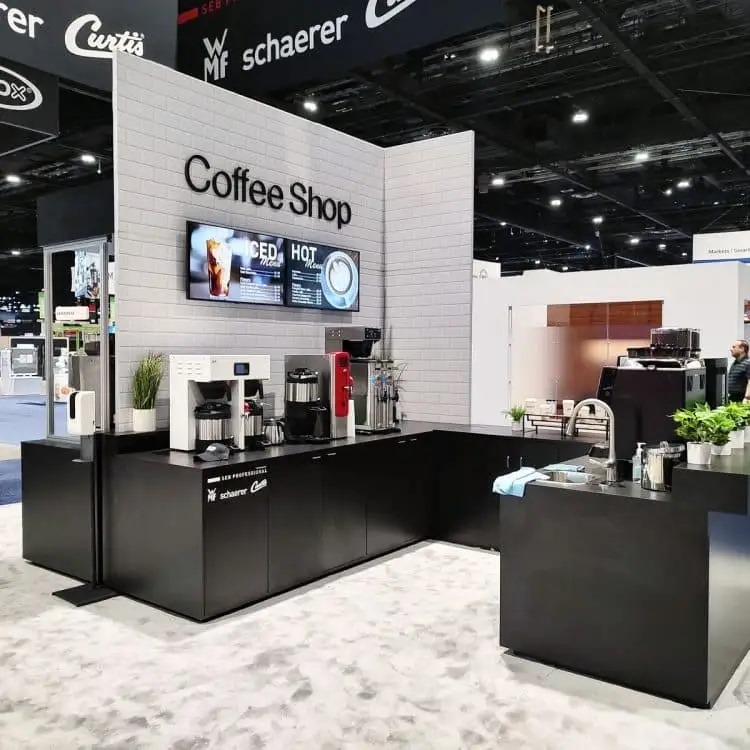
Brewing Equipment. Manual Brewers: V60s, Kalita Waves, AeroPress, Chemex — often with new materials like ceramic-coated metal. Batch Brewers: Advanced brewers from BUNN, Marco, and Curtis with improved thermal stability and brew profiling.
Roasting Machines. For Cafés and Labs: Sample roasters (e.g., Ikawa Pro, Aillio Bullet, Mill City). For Commercial Use: Industrial machines from Probat, Loring, Giesen, and Diedrich with airflow control and roast automation features.
Tech Innovators
Software & Data Platforms. Roast Profiling: Apps and platforms like Cropster and Artisan for logging and analyzing roast curves. Farm Management & Traceability: Blockchain and cloud-based platforms like Farmforce, Demetria, and Olam Specialty Coffee. POS & Café Ops: Systems like Toast, Square, and Lightspeed customized for coffee shop workflows.
Sustainability Tech. Carbon Tracking Tools: Platforms to monitor and reduce carbon emissions throughout the supply chain. Composting & Water Management Systems: Tools for waste reduction in cafés and roasteries.
Quality Control Tech. Digital Refractometers: For measuring Total Dissolved Solids (TDS) and extraction yield (e.g., VST Lab, Atago). AI-Powered Cupping: Emerging tech using machine learning to help predict sensory attributes based on chemical analysis.
Other Services
Design & Branding. Creative Agencies: Specialists in brand identity, packaging design, and storytelling tailored for coffee brands. Labeling & Printing: Custom coffee bag printing with high-end finishes, QR code traceability, and specialty textures.
Education & Certification. Training Providers: Institutions like the Specialty Coffee Association (SCA) and Barista Hustle offered certification programs and workshops at the expo. Sensory Labs: Interactive stations for palate training, aroma kits, and cupping protocols.
Global Coffee Economy. Value Chain: From farm to cup, the global coffee value exceeds $200 billion. Farmgate Prices (what farmers earn): Can be as low as $0.50/lb, while roasted coffee sells at $8–$40/lb. Specialty Coffee commands premiums due to quality, traceability, and sustainability.
Tech & Innovation. AI tools for roast profiling and sensory prediction.Smart espresso machines with app-based controls.Coffee marketplaces connecting roasters with farmers (e.g., Algrano, Cropster Hub).
Ready-to-Drink (RTD) Boom. Cold brew, nitro, and canned specialty coffee are surging.Functional coffee with adaptogens, nootropics, or protein additives.
Rise of Asian Coffee Producers. Thailand, Laos, Myanmar, China (Yunnan), and the Philippines are gaining attention in the specialty scene.
Key Industry Events: Specialty Coffee Expo (USA). World of Coffee (Europe). International Coffee Week (Brazil). SCAJ (Japan). Cafe Show (Seoul & Shanghai)
Key Market Trends. Production Shifts: Brazil maintained its position as the top producer, accounting for approximately 30.8% of global production. Vietnam and Indonesia followed, contributing 17.7% and 6.8% respectively. Consumption Patterns: Global coffee consumption reached over 178 million 60kg bags in the 2022/2023 period, with Europe and North America being the largest consumers. Trade Dynamics: The global coffee import value in 2023 was $43.8 billion, marking a 10.1% decrease from 2022. The top five importers accounted for nearly half (46.4%) of the total imports. Price Fluctuations: Global coffee prices experienced volatility due to factors like weather conditions in key producing countries and geopolitical events affecting trade routes.
The global coffee market embraces a wide range of coffee types, forms, and origins, but some have much higher commercial appeal based on consumer trends, quality standards, versatility, and cultural familiarity. Here's a breakdown of the most sellable coffee types worldwide by form, bean variety, and product category:
Arabica (Coffea arabica). Market Share: ~60–70% of global coffee. Flavor Profile: Smooth, acidic, complex, often fruity/floral. Sellable Regions: USA, Europe, Japan, South Korea, Australia. Top Origins: Colombia, Ethiopia, Brazil, Kenya. Premium Use: Specialty coffee, single-origin, café menus
Robusta (Coffea canephora). Market Share: ~30–40%. Flavor Profile: Strong, bitter, earthy, higher caffeine. Sellable Regions: Eastern Europe, Asia (Vietnam, Indonesia, Philippines), Africa. Top Origins: Vietnam, Uganda, Indonesia. Popular Use: Instant coffee, espresso blends, mass-market brands.
Liberica and Excelsa (niche markets). Flavor: Fruity, woody, smoky (Liberica), tart and complex (Excelsa). Sellable In: Southeast Asia (Malaysia, Philippines). Niche Use: Specialty roasters, local heritage coffees
By Form of Coffee
Whole Beans. Preferred by specialty roasters and coffee connoisseurs. Sell well in the USA, Europe, and Japan
Ground Coffee. Supermarket staple globally. Especially dominant in North America, EU, Middle East
Instant Coffee. Huge market in Asia (China, Philippines, India), Eastern Europe, and Africa. Leading brands: Nescafé, Trung Nguyên, Taster’s Choice
Ready-to-Drink (RTD). Iced lattes, cold brew, nitro coffee. High demand in USA, South Korea, Japan, Thailand. Growth rate: Over 7% CAGR globally
Coffee Pods/Capsules. Popular in high-income markets: USA, EU, Australia. Brands: Nespresso, Keurig, Starbucks by Nespresso
By Origin or Branding
Single-Origin Coffee. Sellable to specialty markets. Countries with strong brand identities: Ethiopia (Yirgacheffe), Panama (Geisha), Kenya (AA), Colombia (Excelso)
Blends. Sell better in mainstream retail and foodservice sectors. Designed for consistent taste and price
Sustainable / Certified Coffees. Organic, Fair Trade, Rainforest Alliance, and Direct Trade labels add value. Strong appeal in North America, Europe, Australia
Packaging Trends. Retail-ready pouches and cans. Nitrogen-sealed bags for freshness. Eco-friendly packaging gaining traction (compostable, recyclable)
The best-selling coffee products globally are not just about the beans, but also about how they’re packaged, where they’re sold, and how consumers experience them. Here’s a breakdown of the top-performing product packaging, retail channels, and coffee shop formats around the world (as of 2024–2025):
Supermarkets & Hypermarkets. Dominant in Europe, USA, Canada, and Australia.Sell ground, instant, beans, capsules.Often partner with brands for exclusive blends.
Convenience Stores. Huge in Asia (Japan, Korea, Taiwan).Sell RTD, instant coffee, and single-serve packs.Examples: 7-Eleven (Japan & Thailand), FamilyMart (Taiwan)
E-commerce Platforms. Amazon, Shopee, Lazada, Alibaba, JD.com. Key channel for specialty roasters and DTC brands. Preferred for single-origin, subscriptions, pods
Subscription Boxes. Monthly or biweekly shipments of specialty coffee. Examples: Blue Bottle, Trade Coffee, Atlas Coffee Club. High-value market in North America and Europe
Coffee Chains (In-Store Sales). Starbucks, Tim Hortons, Costa, Lavazza offer retail bags of their own coffee. Also sell RTD, pods, branded gear
Specialty Cafés / 3rd-Wave Coffee
Focused on: Single-origin beans. Manual brew methods (pour-over, siphon). Education and experience. Countries with booming scenes: USA, Japan, Australia, Korea, UK, Singapore. Brands: Blue Bottle, %Arabica, Verve, The Barn (Berlin)
Drive-Thru Coffee Shops. Fast growth in suburban USA, Australia, and Canada. Examples: Dutch Bros, Scooter’s Coffee, Black Rock
Kiosks / Mini-Coffee Carts. Fast, compact service in Asia (Thailand, Vietnam), Latin America. Sell inexpensive iced coffee, milk coffee, or espresso shots. Trendy in high-traffic urban areas
Coffee Packaging: Function, Sustainability, and Shelf Life
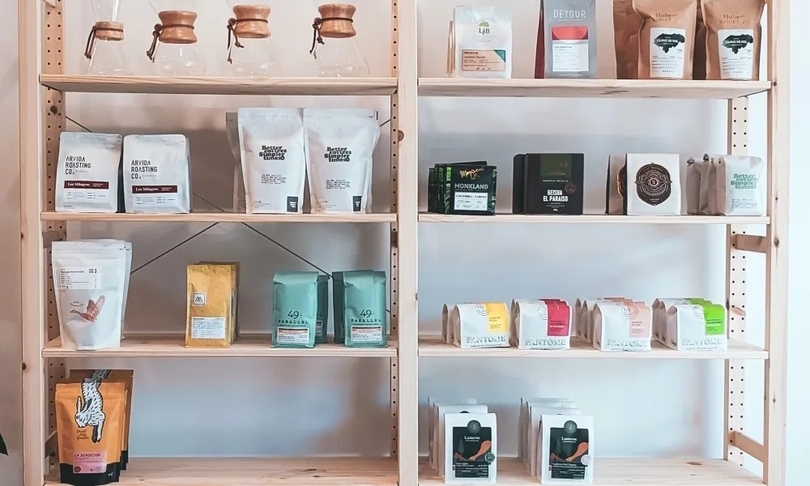
Top Packaging Types. Nitrogen-Flushed Bags: Keeps whole beans fresh; favored in the U.S., UK, and Japan. Valve-Sealed Bags: The global standard for maintaining freshness post-roast. Compostable & Eco-Friendly Packaging: Increasingly popular in Europe, Australia, and Scandinavia. Vacuum-Packed Bricks: Effective for long-term storage; dominant in Latin America and Eastern Europe. Glass Jars and Metal Tins: Associated with premium instant coffee brands in Japan, the UK, and the Middle East. Coffee Pods/Capsules: Aluminum and plastic single-serve containers for Nespresso, Keurig, etc. RTD Bottles and Cans: Popular in Asian markets and gaining ground in North America.
Global Retail Channels: Where Coffee Sells Best
Traditional Retail. Supermarkets & Hypermarkets: Sell a wide range of ground, instant, whole bean, and capsule coffee, dominating in Europe and the U.S. Convenience Stores: Particularly vital in Asia for on-the-go consumers, especially RTD and instant formats.
Digital Channels. E-Commerce: Amazon, Shopee, JD.com, and Lazada have become critical for specialty roasters and DTC (direct-to-consumer) models. Subscription Boxes: Brands like Blue Bottle and Trade Coffee are thriving with curated, monthly deliveries.
Café Retail. In-Store Retail in Chains: Starbucks, Tim Hortons, and Costa Coffee also retail their own branded beans, pods, and bottled drinks. Specialty 3rd-Wave Cafés: Often sell premium single-origin beans and home brewing kits. Drive-Thrus and Kiosks: Growing in popularity in North America, Southeast Asia, and Latin America.
The Future of Coffee Retail
Globally, coffee continues to evolve with consumer preferences, sustainability demands, and retail innovation. While traditional formats like espresso and instant coffee remain dominant, cold brew and RTD innovations are reshaping urban markets. Retailers and brands that align their products with local consumer habits and emerging brewing trends are best positioned for growth.
Whether you're an exporter, a startup café, or a coffee tech innovator, understanding these shifting dynamics is essential to capturing market share in 2025 and beyond.