The Digital and Franchise-Driven Rise of Yum! Brands Worldwide
Yum! Brands drives global growth through KFC, Pizza Hut, and Taco Bell with a franchise-led model, localized menus, and digital innovation. Operating in 155+ countries, the company is redefining quick service restaurants with tech and market insight.
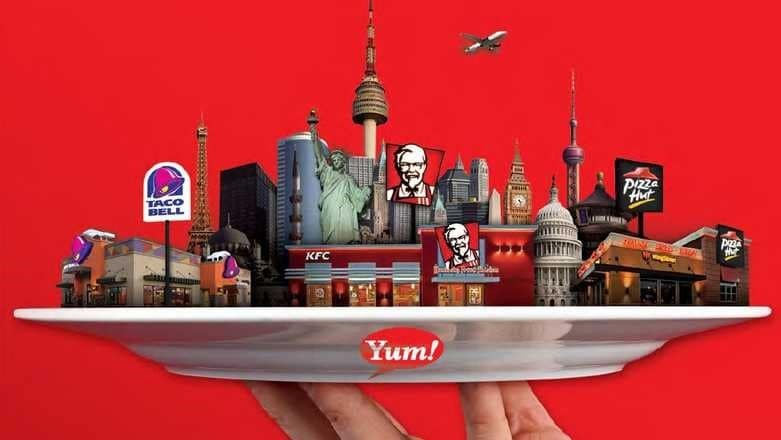
In the fast-paced world of quick-service restaurants (QSR), Yum! Brands, Inc. stands as a global titan. With more than 55,000 restaurants across 155+ countries, the company’s influence is unmistakable—anchored by its trio of household names: KFC, Pizza Hut, and Taco Bell.
Yum! Brands, Inc. is one of the world’s largest restaurant companies, best known for owning and operating major fast food chains. Here's a detailed overview:
Headquarters: Louisville, Kentucky, USA. Founded: 1997 (spun off from PepsiCo). CEO: David Gibbs (as of 2025). Stock Ticker: YUM (NYSE). Business Type: Publicly traded, Fortune 500 company. Industry: Quick-Service Restaurants (QSR).
Franchise Model of Yum! Brands, Inc.
Franchise and Operational Strategy
· Yum! Brands follows an “asset-light, franchise-heavy” model, allowing fast global growth
· Relies on local partners to handle cultural adaptations, HR, logistics, and compliance
· Offers training systems, brand playbooks, and digital platforms to ensure consistency
Yum! Brands is 99% franchise-operated globally. Emphasizes asset-light model (fewer company-owned stores, more franchising). Offers digital and delivery innovations, loyalty programs, and mobile ordering platforms.
Yum! Brands is one of the most franchise-heavy companies in the global restaurant industry, with over 98% of its 55,000+ restaurants operated by franchisees or licensees. This strategic model allows Yum! to scale rapidly across diverse markets while keeping operational risks and capital expenditures low.
Yum! Brands licenses the rights to operate its three flagship brands — KFC, Pizza Hut, and Taco Bell — to local and regional operators (franchisees). These franchisees are responsible for: Building and operating restaurants. Hiring and training staff. Managing local supply chains. Marketing (with oversight from Yum!). Paying royalties and fees to Yum! Brands.
This allows Yum! Brands to focus on: Brand strategy and innovation. Menu development and R&D. Marketing campaigns and global partnerships. Franchisee support, systems, and technology. Expanding the brand into new markets.
Scale of the Franchise System. Franchise Ownership: ~98–99% of Yum! Brands’ restaurants. Company-Owned Stores: Less than 2% (mainly for testing or strategic control).
Franchise Types: Traditional Franchise: One brand, one market. Multi-Brand Franchise: Operators who run multiple Yum! Brands. Master Franchise/Licensee: Operates across entire countries or regions (e.g., Yum China, Devyani International, PT Fast Food Indonesia).
Franchisees pay Yum! Brands: Initial Franchise Fees (typically $25,000–50,000 per location). Ongoing Royalty Fees (usually 4–6% of gross sales). Advertising Fees (2–5% of sales, contributing to national and local marketing).
This creates a steady stream of high-margin, recurring income for Yum! without the burden of operating physical restaurants. Benefits of the Franchise Model. Rapid Global Expansion with minimal capital investment. Asset-Light Business: Low overhead, more flexibility. Consistent Revenue Streams from royalties and fees. Local Market Expertise from franchise partners. Scalability: Easier to enter new regions and scale fast.
For Franchisees. Access to Proven Brands: Trusted names like KFC, Pizza Hut, Taco Bell. Franchise Support: Training, supply chain systems, marketing, R&D. Technology & Tools: Digital ordering systems, customer data insights. Flexible Formats: Options for dine-in, drive-thru, express kiosks, delivery-only kitchens.
Franchisee Support & Oversight. Yum! provides a robust support system to franchisees, including: Brand playbooks and operations manuals. Franchisee training centers (e.g., Yum! University). Field consultants and operational advisors. Technology platforms: POS systems, loyalty apps, delivery integration. Marketing toolkits tailored to local markets.
Yum! maintains control of: Menu standards and quality. Branding and visual identity. Food safety compliance. Customer service expectations.
Expansion Through Franchising. Yum! uses its franchise model to enter emerging markets and untapped territories, often signing exclusive master franchise agreements with experienced local operators who understand the region’s culture, labor dynamics, and regulatory environment. For example: In Africa, KFC is the dominant QSR due to strong franchise-led expansion. In India, Yum! has multiple franchise partners for each brand to accelerate growth. In Europe, multi-brand operators are common (e.g., AmRest in Eastern Europe).
Challenges in the Franchise Model. Brand Control: Difficult to maintain consistent quality across 150+ countries. Franchisee Financial Health: Risk if major franchisees face bankruptcy (e.g., NPC International). Supply Chain Issues: Franchisees must align with Yum!’s sourcing standards. Local Regulation Variances: Labor laws, halal compliance, or zoning rules differ across markets. Franchisee Relations: Balancing enforcement with collaboration.
A Legacy Born from PepsiCo. Founded in 1997 as a spin-off from PepsiCo, Yum! Brands began with a vision: to manage the world’s favorite restaurant brands through an asset-light, franchise-first approach. Headquartered in Louisville, Kentucky, it has since grown into one of the most profitable and recognizable QSR companies worldwide.
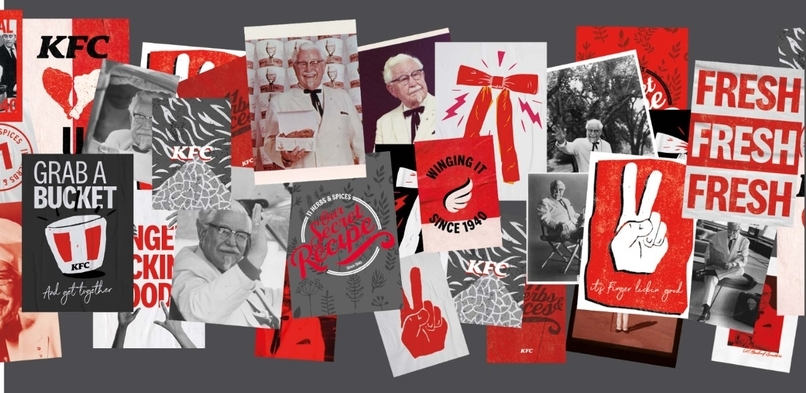
KFC (Kentucky Fried Chicken). Famous for its “11 herbs and spices” fried chicken recipe by Colonel Harland Sanders. Over 27,000 locations worldwide in 145+ countries. Strong presence in China, Asia, and Africa.
The crown jewel of Yum!, KFC boasts over 27,000 restaurants globally. Known for its iconic "11 herbs and spices," KFC thrives in emerging markets such as China, India, Indonesia, and Africa, with strong local customization—like sambal chicken in Southeast Asia or congee in China.
Origins and Growth. Founded: 1930 by Colonel Harland Sanders in Corbin, Kentucky. Franchising Began: 1952. Acquired by PepsiCo: 1986, then spun off into Yum! Brands in 1997. Current Global HQ: Louisville, Kentucky (same as Yum! Brands).
Global Presence. Number of Locations: Over 27,000 restaurants. Countries/Territories: 145+ Biggest Markets: China (operated by Yum China, spun off in 2016). United States. India. UK & Europe. Africa (especially Nigeria, South Africa). Asia-Pacific (Indonesia, Philippines, Thailand).
Business Model. Franchise-Based: ~98% of KFC outlets are franchise-owned. Asset-Light Strategy: Yum! Brands owns the brand and IP, but franchises operate the outlets. Master Franchises in major markets like Indonesia (PT Fast Food Indonesia Tbk).
Signature Products. Original Recipe Fried Chicken: With the famous “11 herbs and spices” Zinger Burger: Spicy fried chicken sandwich. Hot & Spicy, Extra Crispy: Variants for different market preferences. KFC Bucket Meals: Popular family-sized offerings. Country-Specific Items: Japan: Teriyaki Chicken & KFC Christmas Bucket. India: Chicken Biryani Bowl. Indonesia: Rice combo meals & Sambal Chicken. Philippines: Gravy-rich chicken and spaghetti.
Innovation & Digital Transformation. Digital Ordering: Mobile apps, website, third-party apps (GrabFood, DoorDash, etc.). Kiosks & Smart Drive-Thrus: Powered by AI and customer recognition.
Delivery Expansion: Via in-house and aggregators globally. Menu Innovation: Plant-Based Chicken (in partnership with Beyond Meat in select markets). Chicken Sandwich Wars: New premium fried chicken sandwich introduced in 2021. Limited-Time Offers (LTOs): such as Korean Wings, Cheese Zinger, etc.
Former Brands. Long John Silver’s and A&W Restaurants: Sold in 2011. WingStreet: Operated as a co-brand with Pizza Hut. Yum China Holdings: Spun off in 2016 but continues to operate KFC, Pizza Hut, and Taco Bell in mainland China.
Yum! Brands is investing aggressively in digital transformation to future-proof its business and enhance customer convenience across its 55,000+ global restaurants. From AI-driven drive-thrus to custom mobile apps and cloud kitchens, Yum!'s digital strategy is central to its global growth.
Yum! Brands’ digital investments aim to: Streamline customer ordering (via mobile, kiosks, voice, and web). Improve speed and accuracy in drive-thrus and kitchens. Enable data-driven marketing and personalization. Expand off-premise sales (delivery, takeaway, ghost kitchens). Enhance franchisee tech infrastructure worldwide.
Mobile Apps & Loyalty Programs. Dedicated apps for KFC, Pizza Hut, Taco Bell in major markets. Features: Personalized offers, contactless ordering, order tracking, payment integration. Loyalty programs like KFC Rewards (U.S.), Hut Rewards (U.S., UK), and Taco Bell Rewards have boosted repeat orders.
AI-Powered Drive-Thrus. Implemented artificial intelligence (AI) to speed up and automate drive-thru interactions, especially at Taco Bell. Includes license plate recognition, predictive upselling, and real-time kitchen sync.
Digital Menu Boards & Smart Kitchens. Interactive menu boards adjust in real-time based on promotions, weather, or time of day. Smart kitchen systems track food prep, reduce waste, and alert for delays.
Yum! Digital & Technology Division. Created in 2020 with acquisitions like: Tictuk Technologies (Israel): Conversational commerce (ordering via WhatsApp, Messenger, etc.). Kvantum (India): AI-based consumer behavior analytics. Dragontail Systems (Australia): Kitchen automation and delivery logistics. These platforms power end-to-end order fulfillment, from mobile app to kitchen to driver.
Data & Personalization. Yum! collects and leverages customer behavior data to personalize menus, upsell items, and send targeted promotions. Machine learning improves menu design and pricing strategies. CRM systems help franchisees engage customers at the local level.
Delivery & E-Commerce Expansion. Delivery-first infrastructure now core to all brands. Partnered with major platforms: DoorDash, Uber Eats, Grab, Foodpanda. Yum! also offers native in-app ordering and delivery, bypassing 3rd-party fees. Piloting autonomous delivery and smart lockers in select cities.
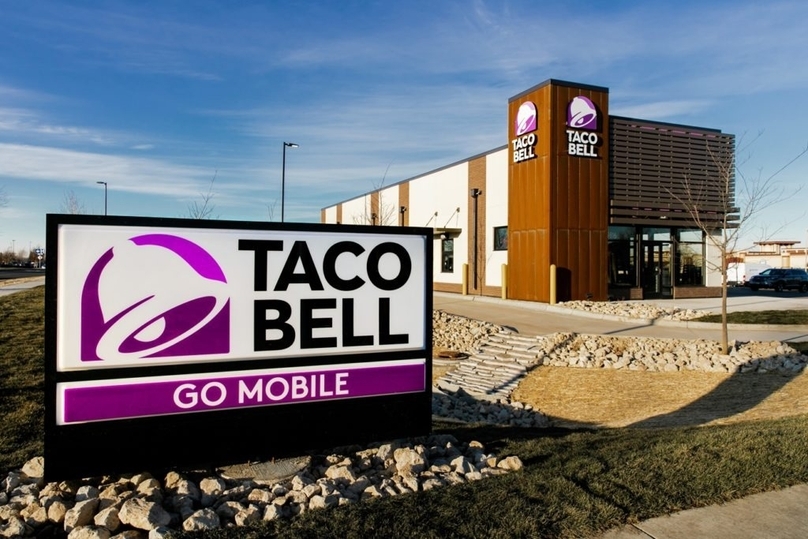
Emerging Concepts and Digital Stores. "Go Mobile" Stores (Taco Bell). Introduced in 2020. Smaller footprint, dual drive-thrus (one for mobile pickups), curbside pickup zones, and digital kiosks.
Ghost Kitchens / Delivery-Only Stores. Expanded in India, UK, UAE, and Southeast Asia. Lower overhead, higher delivery efficiency, used for testing new products.
Metaverse and Web3 Pilots. Limited-time digital campaigns with NFT pizza boxes, Taco Bell AR menus, and interactive metaverse brand spaces. Exploring digital collectibles and virtual loyalty rewards.
Results from Digital Strategy. Digital sales reached over $30 billion in 2023 across all brands. In KFC China, 90%+ of transactions are digital (via app, QR code, or mini-programs). Pizza Hut India & Middle East: Over 70% of sales are now online. Yum!'s digital orders have higher average ticket values and stronger customer retention.
Challenges and Areas of Focus. Standardizing tech across global franchise networks. Ensuring data security and privacy compliance. Educating and supporting franchisees on new systems. Integrating third-party platforms without diluting brand control. Adapting to local infrastructure: bandwidth, device usage, language.
Marketing and Brand Strategy. Colonel Sanders Iconography: Still central to branding worldwide. Humor-Driven Campaigns: Quirky ads featuring celebrities or Colonel Sanders clones. Localized Marketing: Language, menu, and cultural adaptations per market. Youth-Focused Content: TikTok and Instagram campaigns for Gen Z engagement.
Operations & Supply Chain. Vertical Integration in Key Markets: Sourcing poultry, spices, and ingredients locally. Stringent Quality Control: Global food safety and brand standards enforced. Halal Certification: Adapted for Islamic markets such as Indonesia, Malaysia, UAE. Eco-Friendly Packaging Goals: Commitment to 100% recoverable or recyclable packaging by 2025.
Financial Contribution to Yum! Brands. KFC is Yum!’s largest brand by store count and international sales. Contributes over 50% of Yum! Brands’ global operating profit. Particularly dominant in emerging markets, where it outpaces Pizza Hut and Taco Bell. In 2023, KFC opened more than 1,600 new restaurants globally.
Challenges. Health Conscious Trends: Pushback against fried food and high-calorie menus. Local Competition: Especially in Southeast Asia and China. Supply Chain Disruptions: Occasional issues like UK chicken shortages (2018). Brand Refresh Needs: Continuous need to stay relevant with Gen Z audiences.
Strategic Direction. Aggressive Expansion in Asia & Africa. Digital-first growth: AI drive-thrus, mobile loyalty programs. Menu Diversification: More grilled, plant-based, and regional taste profiles. Sustainability Goals: 46% reduction in greenhouse gas emissions by 2030.
Pizza Hut – The Flagship Pizza Chain of Yum! Brands, Inc.
One of the largest pizza chains globally. Offers dine-in, carryout, and delivery. Menu varies by country (e.g., curry toppings in Asia).
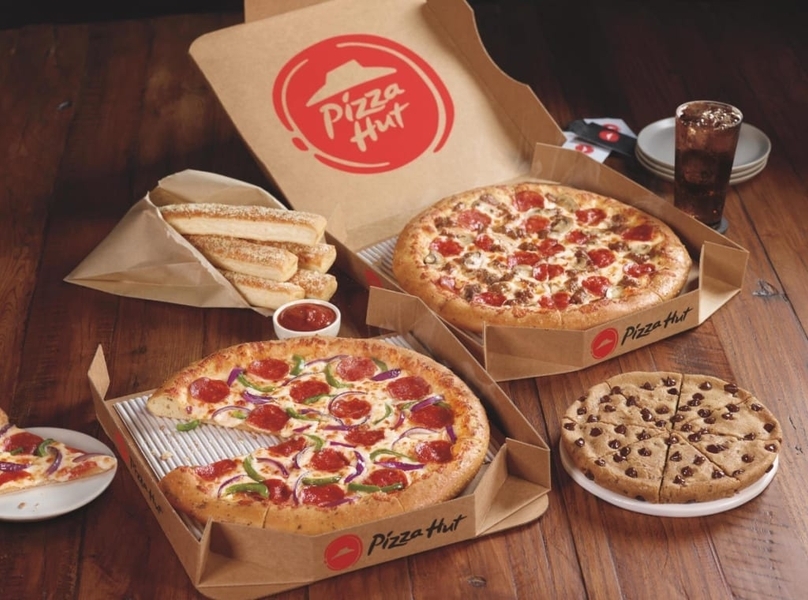
With over 19,000 locations, Pizza Hut offers flexible formats—from dine-in family restaurants to digital-first delivery kitchens. It adapts menus to local preferences, whether it’s tandoori paneer pizzas in India or teriyaki toppings in Japan. While the brand faces stiff competition from Domino’s, Yum! is investing in digital ordering and smart kitchen technology to revitalize Pizza Hut’s global presence.
Founded: 1958 in Wichita, Kansas by Dan and Frank Carney. Acquired by PepsiCo: 1977. Spun off to Yum! Brands: 1997. Headquarters: Plano, Texas, USA (global operations). Parent Company: Yum! Brands, Inc.
Global Presence. Outlets Worldwide: Over 19,000 restaurants. Countries/Territories: 100+ Biggest Markets: United States (origin and innovation hub). China, India, Indonesia, UK, Australia, Middle East. Latin America, Africa, and Southeast Asia are strong growth areas.
Restaurant Formats. Pizza Hut operates with multiple formats globally: Dine-In Restaurants – Classic family experience. Delivery & Carryout (DELCO) – Fast growth format, especially in urban areas. Express Kiosks – For malls, airports, and petrol stations. Digital-First Stores – Minimal seating, optimized for app-based orders.
Signature Products. Pan Pizza: Iconic thick crust with crispy edge. Stuffed Crust Pizza: Cheese-filled crust innovation from the 1990s. Cheesy Bites Pizza: Tearable cheese-filled bites around the crust. Personal Pan Pizzas: Lunch-size offering. Wings, Pasta, Breadsticks: Extensive side menu. Regional Variations: Japan: Teriyaki Mayo Pizza, Seafood Pizzas. India: Paneer Veggie Pizza, Tandoori Chicken. Indonesia: Sambal Pizza, Rendang Beef Pizza. Middle East: Shawarma Pizza, Beef Kofta Pizza.
Franchise Model: ~99% of global Pizza Hut stores are franchised. Master Franchisees: Yum China (China). Devyani International Limited (India). PT Sarimelati Kencana Tbk (Indonesia). NPC International (U.S. – formerly largest franchisee, filed for bankruptcy in 2020, since restructured).
Digital & Delivery Strategy. Aggressive Push to Delivery: Especially after COVID-19 demand shifts. Mobile App & Loyalty Programs: Widely used in U.S., UK, India, SEA. Third-Party Partnerships: Uber Eats, Grab, DoorDash, Foodpanda. Smart Kitchens: Some regions testing cloud kitchens and AI-predictive ordering. Global E-Commerce: Focus on improving order tracking and upsell features.
Brand Positioning & Marketing. Tagline (U.S.): “No One OutPizzas The Hut” Localized Branding: Local influencers and celebrities used in many regions. Pop Culture Tie-ins: Gaming (Xbox & Pizza Hut controller collabs). Anime & K-Drama Pizza Box themes (in Japan & Korea). NFT Pizza Boxes and virtual stores in the metaverse (pilot stage).
Financial & Strategic Contribution to Yum! Brands. Second Largest Brand under Yum! by number of outlets. Key contributor in developed and developing markets alike. Recovered growth in 2023–2024 through digital and delivery-first investments. Opened ~800 new stores globally in 2023.
Innovations. Stuffed Crust 2.0: With bacon, jalapeños, or cheese blends. Plant-Based Meat Toppings: With Beyond Meat and Impossible Foods in select markets. "Melts" & "Flatbreads": New fast-casual formats aimed at solo diners. Pizza Vending Machines: Being tested in Korea and Japan. Sustainable Packaging: Moving toward recyclable pizza boxes globally.
Challenges. Intense Competition: Domino’s, Papa John’s, and local pizzerias. Franchise Turnover: Financial struggles for some large franchisees. Perception Shift: Updating brand to be seen as modern, fast, and delivery-friendly. Rising Costs: Ingredients and last-mile delivery expenses.
Taco Bell – Yum! Brands’ Fast-Rising Mexican-Inspired Giant
Mexican-inspired fast food such as tacos, burritos, and quesadillas. Popular in the U.S., with growing international presence. Known for creative menu items like the Doritos Locos Taco.
The youngest of the three, Taco Bell operates 8,500+ restaurants, primarily in the U.S. but with ambitious expansion plans globally. Known for bold flavors, Gen Z-friendly marketing, and menu mashups like the Crunchwrap Supreme and Doritos Locos Tacos, it has become Yum!’s most culturally innovative brand.
Founded: 1962 in Downey, California. Founder: Glen Bell. Acquired by PepsiCo: 1978. Spun Off to Yum! Brands: 1997. Headquarters: Irvine, California, USA. Parent Company: Yum! Brands, Inc. Brand Positioning: Youthful, rebellious, bold, and affordable Mexican-style QSR.
Global Reach. Outlets Worldwide: Over 8,500 locations. Presence: 30+ countries and growing. Key International Markets: U.S. (core market – over 90% of stores). India (rapidly growing via Burman Hospitality). UK & Europe. South Korea, Japan, Thailand. Australia, Middle East, and select Latin American countries. Notable Absences: Fewer locations in China compared to KFC/Pizza Hut. Operates 55,000+ restaurants in more than 155 countries and territories. Huge markets include: China, India, Mexico, UK, and the Middle East.
Taco Bell serves Mexican-inspired, Americanized food with frequent innovation and value pricing. Tacos: Crunchy, soft, Doritos Locos Tacos (shell made from Doritos). Burritos: Bean, Beefy 5-Layer, Grilled Cheese, and more. Crunchwrap Supreme: Cult favorite – hexagon-shaped wrap with crunch inside. Nachos BellGrande: Fully loaded nachos. Chicken Quesadillas, Chalupas, Enchiladas. Cheesy Gordita Crunch, Mexican Pizza (brought back due to fan demand).
Customization is a major theme – customers can build their own meals with add-ons and swaps. Franchise Model: ~95% of Taco Bell stores are franchised. U.S. Focused: Most stores are domestic, but international expansion is accelerating. Master Franchise Agreements: Burman Hospitality (India). Siam Taco Co. (Thailand). Pacific Bells and Diversified Restaurant Group (U.S.).
Brand Strategy & Target Market. Youth-Oriented Positioning: Focus on Gen Z and Millennials. Affordable Indulgence: $1/$2/$5 combo boxes, value meals. Social Media Native: Engages fans on TikTok, Instagram, X, and YouTube. Pop Culture Integration: Collaborations with Lil Nas X, Doja Cat, and esports influencers. Taco Bell-themed apparel, Xbox contests, and even a Taco Bell Hotel experience.
Digital & Delivery Innovation. Taco Bell App: Mobile ordering, loyalty rewards, exclusive menu items. Digital-Only Stores: “Go Mobile” concept introduced in 2020 – smaller footprint, dual drive-thru lanes, smart kitchens. Subscription Plan: U.S. tested a Taco Lover’s Pass ($10/month = 1 taco/day). Delivery Partnerships: With DoorDash, Uber Eats, Grubhub. AI-Based Personalization: Dynamic menu suggestions in app and kiosks.
Taco Bell is known for rapid menu rotation, often co-created with fans. Limited-Time Only (LTO) drops every few weeks. Past LTO hits: Nacho Fries. Flamin’ Hot Doritos Tacos. Mountain Dew Baja Blast (exclusive drink). Cheetos Quesarito. Plant-Based Menu Testing: With Beyond Meat and proprietary “Cravetarian” meat alternatives.
Financial & Strategic Contribution to Yum! Brands. 3rd Largest Brand under Yum! by store count. Fastest-growing U.S. brand in Yum!’s portfolio. Strong margin contributor due to efficient menu and high franchise percentage. Leads Yum! in cultural relevancy, viral marketing, and social engagement. In 2023, Taco Bell opened over 500 new stores, with plans to scale in Asia and LATAM.
Sustainability and Social Impact. Recycling Soft Taco Wrappers in U.S. pilot stores. Vegetarian-Certified Menu by the American Vegetarian Association. DEI Focus: Youth education, scholarships through Taco Bell Foundation. Goal: To make 100% of packaging recyclable or compostable by 2025.
Challenges. Brand Recognition Gap Abroad: Not as globally iconic as KFC. Sourcing Local Ingredients: Adjusting recipes to fit local taste preferences. Cultural Fit: In some regions, Mexican food is not yet mainstream. Competition: From both fast-casual (Chipotle) and local QSR brands.
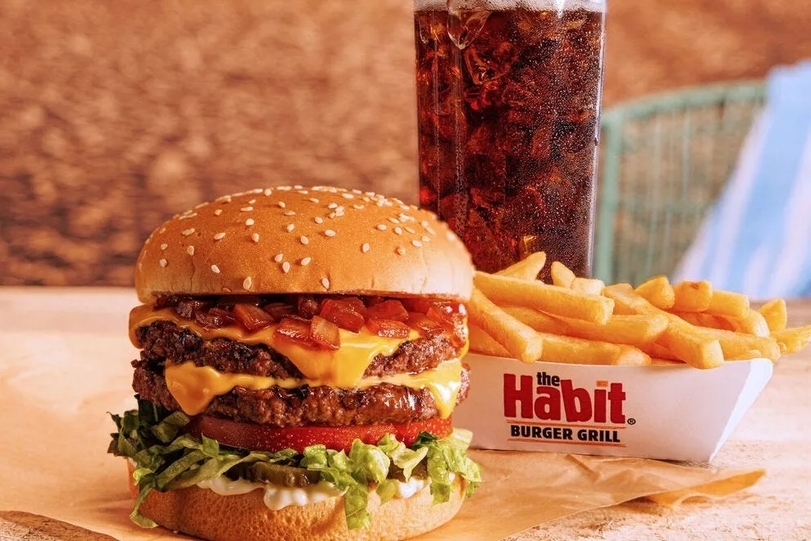
Founded in Santa Barbara, California on November 15, 1969, Habit began as a family-run burger stand renowned for its chargrilled Charburger and Fresh-Feel-Good ethos. After slow but steady expansion, it went public in 2014 and was named one of the fastest-growing burger chains in the U.S. In March 2020, Yum! Brands acquired Habit, completing the transition by March 2022, and rebranding it as Habit Burger & Grill in August 2024.
Habit emphasizes chargrilled burgers cooked-to-order over open flame, along with grilled chicken, sushi-grade ahi tuna, salads, shakes, and sides like tempura green beans. Its premium positioning places it between fast-casual and quick‑serve, with standout items like the award-winning Double Charburger and seasonal shakes.
In 2020, Habit introduced plant-based options through a partnership with Impossible Foods, including the Original Impossible™ Burger and Impossible™ Bistro Burger in select U.S. locations.
Habit embraced digital early and fully implemented self-service ordering kiosks in all locations, improving order accuracy and efficiency. Its technology division oversees app development, online ordering systems, and backend tools to optimize operations.
By 2025, over 70% of revenue reportedly comes from digital platforms, with Habit’s own mobile app, its CharClub loyalty program, and integration with third-party delivery (DoorDash, etc.) driving both convenience and margins.
Habit now operates around 372 locations across the U.S., China, Cambodia, and UAE. Growth has primarily been through franchising; Habit ranks #117 on Entrepreneur Magazine’s 2024 Franchise 500 list, noted for strength in unit growth and franchise support infrastructure.
Best practices include launching corporate prototype stores in new regions before onboarding multi-unit franchisees who commit to 5–10 units. This builds brand awareness and operational consistency before scaling.
In 2023, Habit partnered with design studio Pentagram to redirect its visual branding and modernize its image as it scales nationally and internationally. Its campaigns—like “Operation: Find the #1 Burger Fan”—leveraged influencer marketing and food trucks during high-visibility events such as the Big Game to generate buzz and drive impressions.
Brand activations tied to community engagement, like local store openings with free burgers for members and charity events, have boosted loyalty and visibility in newer markets.
As a fast-casual sub-brand in the Yum! portfolio, Habit Burger & Grill is positioned to grow within California and beyond using a tech-enabled, franchise-led model. The focus on cook-to-order chargrilled food, combined with digital ordering and loyalty programs, supports higher margins and stronger brand loyalty. Continued market expansion in key U.S. regions and selected international markets is supported by both digital tools and strategic franchise rollouts.
Yum! Brands has strategically positioned itself in high-growth international markets. Through master franchise partnerships, it has built strong local operations in China (via Yum China Holdings), India, Indonesia, and the Middle East. In Africa, KFC dominates the QSR space with over 1,300 outlets.
Rather than operating stores directly, Yum! relies on a franchise model—with ~98% of all restaurants owned by franchisees. This approach enables scalable growth while reducing capital expenditures, with Yum! earning revenue via franchise fees, royalties, and marketing fund contributions.
Global Reach of Yum! Brands, Inc.
Yum! Brands is one of the largest fast-food companies in the world, with a vast network of restaurants spanning more than 155 countries and territories, operating through its three flagship brands: KFC, Pizza Hut, and Taco Bell.
Total Store Count (As of 2024)
· KFC: ~27,000 restaurants
· Pizza Hut: ~19,000 restaurants
· Taco Bell: ~8,500 restaurants
· Combined Total: Over 55,000 outlets worldwide
· Franchise Ratio: ~98% of Yum! stores are franchised
Regional Strategies & Local Adaptations
China (via Yum China Holdings). Largest international market for Yum! Over 15,000 restaurants (mostly KFC and Pizza Hut). Localized Menus: Soy milk, rice porridge, egg tarts, spicy chicken. Strong digital ecosystem: mobile ordering, QR codes, robot servers
India. Focus on vegetarian and halal options. Spicy flavor profiles and affordability. KFC, Pizza Hut, and Taco Bell all rapidly expanding. Franchising handled by Devyani International, Burman Hospitality
Africa. KFC is the most widespread Western fast-food brand. Over 1,300+ KFC stores across South Africa, Nigeria, Kenya, Ghana. Locally sourced poultry, regional spices
Europe. Growth in UK, Spain, Germany, France, and Eastern Europe. Pizza Hut and KFC well established. Taco Bell expanding in urban centers with youth-focused branding
Latin America. Strong KFC and Pizza Hut presence. Rapid delivery-based model adoption in Mexico, Chile, Peru, Colombia. Localized flavors and combo pricing adapted to regional incomes
Australia & New Zealand. Mature markets for KFC and Pizza Hut. Taco Bell entering urban centers with premium-style stores
Store Format and Expansion Tactics
· Digital-First Formats: Many new stores use smaller footprints with app-first ordering
· Express & Kiosks: Especially in high-footfall areas (malls, airports, gas stations)
· Delivery-Only Ghost Kitchens: Used in the UK, India, and U.S.
· Master Franchise Agreements: Helps Yum! scale with local expertise
From a single KFC in Kentucky to tens of thousands of restaurants worldwide, Yum! Brands has built more than a business—it’s built a global food ecosystem. As it invests in tech, sustainability, and localization, Yum! continues to redefine what it means to be a modern, customer-centric QSR empire.