Social commerce is transforming global retail as brands use TikTok, Instagram, and influencers to drive sales. From live shopping to user-generated content, discover how platforms and creators are powering a multi-trillion-dollar digital economy.
Social commerce is transforming global retail as brands use TikTok, Instagram, and influencers to drive sales. From live shopping to user-generated content, discover how platforms and creators are powering a multi-trillion-dollar digital economy.
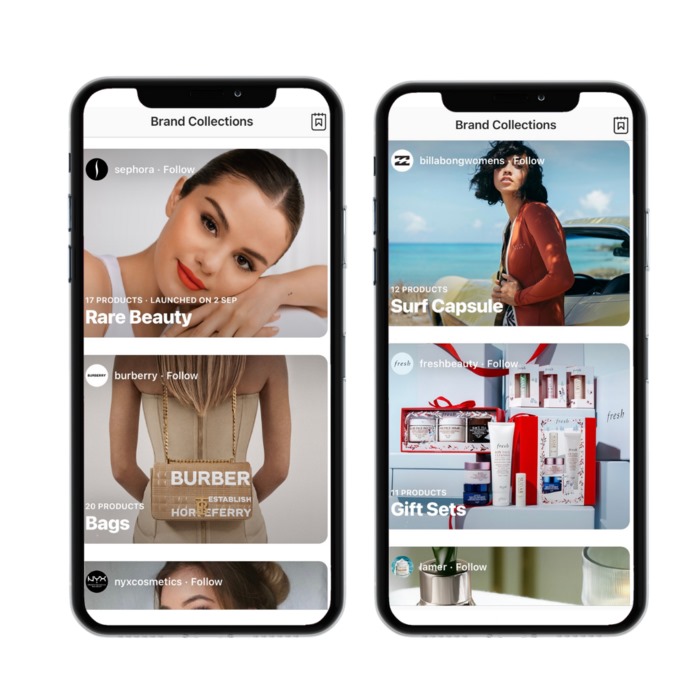
Image courtesy of influencermarketinghub
Social commerce has quickly evolved into one of the most powerful forces in digital retail. By blending the best of e-commerce with social media, it creates an immersive shopping experience driven by content, community, and convenience. From viral TikTok hauls to Instagram-native brands, the business of social shopping is rewriting the rules of consumer behavior—and generating billions in revenue in the process.
Social commerce is the integration of social media platforms with e-commerce, enabling people to discover, research, and purchase products directly within a social media environment. It blends shopping and social interaction in real time, making the customer journey more seamless and engaging.
Key Characteristics of Social Commerce: Shoppers can buy products without leaving platforms like Instagram, TikTok, Facebook, or Pinterest. Customer reviews, unboxing videos, and influencer content boost trust and conversions. Creators promote products with direct shopping links, often through live streams or short-form videos. Social commerce thrives on community building—brands engage directly with customers via comments, DMs, and live chats. Social media platforms recommend products based on user behavior and interests, creating a personalized shopping experience.
People spend more time on social media than on traditional websites. Frictionless shopping: Reduces steps from product discovery to checkout. Shoppers trust peer recommendations and influencer endorsements more than brand ads. Platforms like TikTok, Instagram, and Pinterest are ideal for showcasing product aesthetics.
Notable Trends in Social Commerce:
· Live Shopping: Real-time product showcases with limited-time deals.
· Social Group Buying: Friends/followers get discounts for buying together.
· AR Try-ons: Augmented reality for virtual makeup, clothing, or furniture trials.
· Creator Stores: Influencers launching curated storefronts inside apps.
The global popularity of social commerce stems from three major shifts: Mobile-first consumer behavior, with people spending hours daily on TikTok, Instagram, and Facebook. Seamless in-app shopping, where users can discover and buy without leaving their favorite platform. The rise of influencers and creator-led commerce, which replaces traditional advertising with authentic, social storytelling.
Live shopping events, unboxing videos, AR product try-ons, and viral campaigns like “TikTok Made Me Buy It” have all played critical roles in helping brands convert attention into real-time sales.
Consumer Behavior Shift to Mobile & Social. People spend hours daily on social media platforms (Instagram, TikTok, Facebook). Instead of going to e-commerce sites, users now discover and buy products where they scroll. Especially true for Gen Z and Millennials, who prefer interactive, visual, and influencer-driven shopping experiences.
Seamless In-App Shopping Experience. Social platforms allow discovery → product info → checkout in a single environment. Reduces friction and increases impulse purchases.
Power of Influencers & Peer Trust. Consumers trust influencers and peers more than traditional ads. User-generated content, unboxing videos, and live reviews drive real-time credibility and urgency.
Live Shopping & Real-Time Engagement. Brands and influencers use live video shopping to demonstrate products and interact with viewers. Especially big in Asia (China, Indonesia, Thailand) where live selling is a huge revenue driver.
Platform Investment in Commerce Features. Platforms like TikTok, Instagram, and Facebook are actively adding tools: TikTok Shop, Instagram Checkout, Meta Shops. AI-powered recommendations, AR try-ons. Social platforms are now commerce platforms.
Market Size (2024–2025 Estimates). Global social commerce market value in 2024: ~USD $1.5 trillion Expected to reach $2.1–$2.9 trillion by 2026, depending on region and platform growth.
Revenue Impact for Businesses. Social commerce accounts for 10–20% of total e-commerce revenue for major brands. In China (world’s largest market), over 50% of e-commerce transactions come from social commerce (especially via Douyin, Xiaohongshu, and WeChat).
Regional Leaders. China: Douyin, WeChat, Xiaohongshu. USA: TikTok Shop, Meta, YouTube. Southeast Asia: TikTok, shopee Live, IG. Europe: Insatagram, Pinterest, TikTok.
The Economic Impact of Social Commerce - Global social commerce is already delivering massive value: Market size in 2024: Estimated at $1.5 trillion. Forecast by 2026: Between $2.1–$2.9 trillion. China alone: Over $700–900 billion annually, led by Douyin (TikTok China) and WeChat. TikTok (global): Projected to reach $50 billion in global transactions soon. Southeast Asia and the US: Among the fastest-growing regions for creator-led shopping.
Social commerce now accounts for 10–20% of total e-commerce revenue for many major brands, and up to 50% or more in China, where live selling and group shopping dominate.
Businesses that rely on visual storytelling, influencer credibility, and DTC distribution benefit the most. These include: Fashion and Apparel Brands like Shein, Zara, and Gymshark. Beauty and Skincare Brands such as Fenty Beauty, Glossier, and The Ordinary. Pet and Wellness Products such as PetLab Co. Home and Lifestyle Brands like Our Place or IKEA. Food and Beverage startups with viral recipes or packaging (e.g. Chamberlain Coffee). Tech and Gadget Brands that use influencer demos and reviews (e.g. Anker, Nothing)
Small and niche creators also benefit. Artisan brands, Etsy shops, and local Indonesian DTC companies have scaled using social commerce tools like TikTok Shop and Instagram Shopping.
Many types of companies are benefiting from social commerce, but the biggest winners are those that can leverage visual appeal, storytelling, influencer partnerships, and community-driven engagement. Here’s a breakdown of the types of companies that are thriving thanks to social commerce:
These brands rely heavily on storytelling, authenticity, and customer connection—all strengths of social commerce. Examples: Gymshark (fitness apparel). Allbirds (footwear). Can bypass traditional retailers and sell directly via Instagram, TikTok, etc. Build loyal communities and brand narratives with ease.
Fashion & Apparel Brands. Fashion is highly visual, fast-moving, and community-driven—perfect for platforms like TikTok and Instagram. Examples: Shein. Zara. Fashion Nova. TikTok trends drive instant sales. Users often share outfit inspiration or “haul” videos. Live shopping events increase conversion rates.
Beauty & Skincare Companies. Beauty brands thrive on tutorials, before-and-after visuals, influencer reviews, and user-generated content. Examples: Fenty Beauty. Rare Beauty. The Ordinary. Influencer reviews and AR try-ons drive sales. Consumers trust peer recommendations for cosmetics more than traditional ads.
Food & Beverage Brands. From viral snacks to craft coffee, F&B brands are gaining traction through visual storytelling and community content. Examples: Chamberlain Coffee (creator-owned). Goli Nutrition. Oatly. Recipes, reviews, and “what I eat in a day” content go viral easily. UGC creates instant trust.
Home Decor & Lifestyle Products. Highly Instagrammable and “TikTok Made Me Buy It” content makes these products ideal for social commerce. Examples: Our Place (cookware). Made.com. IKEA (TikTok marketing). Easy to show how products fit into daily life or aesthetics. Strong on Pinterest, Instagram, and TikTok.
Sneaker and Streetwear Brands. Social media drives hype and limited drops—perfect for fast, shareable sales. Examples: Nike. Adidas. Supreme. Influencer seeding and product drops spread quickly via social media.
Small & Niche Creators / Artisans. Social commerce has lowered the barrier for entry. Small businesses can thrive by going viral or building niche followings. Examples: Etsy sellers. Handmade jewelry or craft brands. Digital product creators (printables, courses)
Tech & Gadget Brands. Especially those with sleek designs or unique features that are demo-friendly on video. Examples: Anker (portable chargers). Nothing (smartphones, earbuds). Smart home products (LED lights, robot vacuums). Short-form videos explaining features drive conversions.
Top Platforms Generating Revenue for Social Commerce. Douyin and WeChat dominate in China, while TikTok is rapidly expanding its global footprint—especially in Indonesia, Vietnam, and the US. Instagram and Facebook remain strong players in fashion, beauty, and small business selling.
Douyin (TikTok China). Est. Annual GMV (Gross Merchandise Value): $200–300+ billion. Region: Mainland China. Why It Dominates: Fully integrated TikTok Shop features. Seamless live shopping + AI-driven discovery. Influencer and brand ecosystem is massive. Super app experience: entertainment + commerce in one. Douyin is the world’s largest social commerce platform by revenue.
WeChat (China). Est. GMV: $100–200+ billion. Region: China. Key Strengths: Embedded mini-programs for shopping. Peer-to-peer referrals and group buying. Used for everything in China: messaging, banking, shopping
TikTok (Global, excluding China). Est. GMV: $20–50+ billion (2024). Top Markets: Southeast Asia (Indonesia, Vietnam, Philippines), US, UK. Business Edge: TikTok Shop expanding rapidly. Viral product discovery. Live shopping and short-form video reviews drive conversions. TikTok is the fastest-growing social commerce platform globally.
Instagram (Meta). Est. GMV: $10–25+ billion. Top Markets: US, UK, India, Indonesia. Revenue Drivers: Instagram Shop, Reels with product tags. Influencer partnerships. Visual-first shopping and brand discovery
Facebook (Meta). Est. GMV: $15–20+ billion. Top Markets: US, Brazil, Philippines, India. Strengths: Facebook Marketplace. Live selling features (especially popular in Southeast Asia). Strong among older users & rural markets.
Pinterest. Est. GMV: $2–5 billion. Top Markets: US, Canada, UK. Edge: High purchase intent ("pin now, buy later" behavior). Visual shopping boards and shoppable Pins.
YouTube. Est. GMV: $5–10+ billion. Key Features: Product links in video descriptions. Live commerce + shoppable Shorts. Influencer product reviews
A fast-fashion giant leveraging TikTok hauls, micro-influencer seeding, and algorithm-driven trends to generate over $30 billion in annual revenue. Shein: Massive use of TikTok influencers and micro-influencers. Platform Focus: TikTok, Instagram, YouTube. Estimated Revenue (2024): Over $30 billion
Strategy: Dominates “TikTok Made Me Buy It” trends. Uses thousands of micro-influencers to create daily product hauls and try-on videos. Launches constant viral campaigns with Gen Z creators and shoppers. Fast content production and trend replication. Highly shareable, low-cost fashion with real-time consumer feedback from social media. Shein is a leading example of how content-driven discovery and viral haul culture can fuel massive global fashion sales.
Built entirely on Instagram and YouTube hype. Kylie Jenner's beauty brand sold out in minutes and scaled to hundreds of millions in sales. Platform Focus: Instagram, YouTube, TikTok. Estimated Revenue at Peak: Over $600 million. Launched using Kylie Jenner’s social media empire (over 300M+ Instagram followers). Products promoted exclusively via Instagram posts, stories, and influencer collabs. Sold out product lines in minutes due to built-up hype and limited drops. Why Successful: Deep trust and emotional engagement with followers. Leveraged celebrity influence + direct-to-consumer model using social commerce tools. Kylie Cosmetics shows the power of combining personal brand, exclusivity, and a social-first marketing funnel.
Enabled local brands like Skintific, Somethinc, and Erigo to reach national success through viral content and live commerce. Platform Focus: TikTok Notable Brands: Skintific, Somethinc (local beauty brands). Erigo, HijabChic (fashion). Kopi Kenangan (F&B, lifestyle collabs). Use live streaming + short videos to sell in real-time. Partner with TikTok creators to do product reviews and flash sales. "Shop Now" button directly links to checkout without leaving the app. Why Successful: Combines local market understanding, creator-driven storytelling, and impulse shopping. TikTok Shop Indonesia recorded billions of rupiah in daily transactions, especially during seasonal sales. TikTok Shop in Indonesia is a perfect case of how social commerce enables small and medium brands to scale rapidly.
A beauty brand born from a blog, using UGC, tutorials, and Instagram storytelling to build community and revenue. Platform Focus: Instagram, TikTok, YouTube. Estimated Revenue: Over $100 million annually. Built from the blog Into The Gloss, then scaled using user-generated content (UGC). Encouraged customers to share real makeup looks and reviews. Used social feedback to co-create products like the Milky Jelly Cleanser. Built a community-first brand where customers feel like insiders. Avoided traditional retail; social commerce + DTC only. Glossier is a textbook example of how to turn a niche audience into a viral product and community-driven brand.
Uses Facebook and TikTok storytelling to emotionally connect with pet owners and drive $100M+ in annual sales. Platform Focus: Facebook, Instagram, TikTok.Estimated Revenue (2023): $100M+ Strategy: Created emotional, storytelling videos about dog health improvements. Used targeted Facebook and TikTok ads to drive traffic to social shop pages. Leveraged customer testimonials and influencer pet content. Focused on niche (pet health) with high emotional resonance. Social media storytelling converts curious pet owners into loyal buyers. PetLab Co. shows how niche, high-trust categories like pet wellness thrive with storytelling and UGC.
India’s leading beauty platform, built on influencer marketing and YouTube tutorials, now a publicly listed company with over $600M in revenue. Platform Focus: Instagram, YouTube, TikTok (before ban in India). Estimated Revenue (2024): Over $600 million. Strategy: Built around beauty influencer partnerships, tutorials, and content-rich posts. Integrated Instagram and YouTube campaigns with product drops and flash sales. Encouraged local creators to promote regional beauty trends. Why Successful: Smart blend of content + commerce tailored to Indian beauty culture. First-mover advantage in India's online beauty space, now also IPO-listed. Nykaa proves that local market knowledge + influencer marketing = social commerce success at scale.
Here are top influencers who are recognized as leaders in social commerce — those who not only drive engagement but convert followers into buyers through their content, especially on platforms like TikTok, Instagram, and YouTube.
Each of these influencers excels at storytelling, product demos, and authentic engagement—the pillars of successful social commerce.
Charli D’Amelio (@charlidamelio) – TikTok megastar with massive Gen Z impact. Drives fashion and beauty sales.
Platform: TikTok (150M+ followers). Niche: Lifestyle, Fashion, Beauty. Turned her social fame into real business with brands like Dunkin’, Morphe, and Hollister. Co-launched D’Amelio Footwear and a fashion brand. Massive influence among Gen Z; drives product trends and viral campaigns. Charli's videos often cause immediate spikes in product demand.
Chriselle Lim (@chrisellelim) – Lifestyle creator turned fragrance entrepreneur. Used TikTok to launch Phlur to viral success.
Platform: Instagram, TikTok, YouTube. Niche: Fashion, Lifestyle, Motherhood. Launched Phlur fragrance brand, which went viral and sold out via TikTok content. Known for creating elegant but relatable content that converts views into sales. Chriselle transformed her following into a direct-to-consumer success story.
Khaby Lame (@khaby.lame) – Silent humorist with universal appeal, perfect for global product campaigns.
Platform: TikTok (160M+ followers). Niche: Humor, Lifestyle. His silent, universal humor gives him global appeal. Has done partnerships with Hugo Boss, Binance, and other major brands. Products he features (even subtly) often go viral. Khaby is a go-to for global campaigns that want both reach and sales.
Addison Rae (@addisonraee) – Co-founder of ITEM Beauty, turns fashion posts into high-conversion sales.
Platform: TikTok, Instagram. Niche: Beauty, Fashion. Launched her own beauty brand, ITEM Beauty, sold via Sephora and Instagram. Partnered with American Eagle, Spotify, and others to drive social commerce. Addison's brand partnerships often feature shoppable video links and live sessions.
Marques Brownlee (MKBHD) – Tech reviewer whose recommendations shape buyer behavior across millions.
Platform: YouTube, Instagram. Niche: Tech & Gadgets. Trusted tech reviewer with millions of loyal followers. Drives high conversion for electronics, smart home products, and software. MKBHD’s reviews are often referenced before big tech purchases — including links with affiliate revenue.
Liah Yoo (@liahyoo) – Skincare creator and founder of KraveBeauty. Leverages educational content to build brand trust.
Platform: YouTube, Instagram. Niche: Skincare. Founder of KraveBeauty, a viral skincare brand promoted through honest tutorials and social-first campaigns. Strong trust from skincare enthusiasts and minimalist beauty fans. She combines influencer marketing with CEO-level social commerce strategy.
Social commerce is not just a marketing trend—it is a powerful, growing ecosystem that redefines how consumers discover, trust, and purchase products. From global beauty brands and fashion retailers to local Indonesian startups, businesses that understand how to blend content, commerce, and community are winning.
As platforms continue to evolve, and as creators gain more tools to monetize their influence, the future of shopping will be increasingly social, mobile, and creator-led.