Living Gold How the Akhal-Teke Redefines Equestrian Prestige
The Akhal-Teke is more than a horse—it's a living symbol of luxury, endurance, and heritage. Coveted for its metallic coat and rare bloodline, this elite breed is embraced by equestrian collectors, athletes, and royalty for both prestige and performance.
In the realm of elite equestrianism, few breeds command the reverence and admiration of the Akhal-Teke—a horse so rare and luminous, it has been dubbed the “Golden Horse” of Central Asia. With its metallic sheen, ancient lineage, and deep emotional intelligence, the Akhal-Teke has become the equine of choice for collectors, high-net-worth riders, and luxury breeders seeking more than just beauty—seeking legacy.
The Akhal-Teke is one of the oldest and most distinctive horse breeds in the world, known for its shimmering coat, endurance, and elegance. Here's a detailed overview:
Akhal-Teke Horse Origin Country: Turkmenistan (Central Asia). Turkmenistan is a landlocked country located in Central Asia. It borders the Caspian Sea to the west, Iran and Afghanistan to the south, Uzbekistan to the north and east, and Kazakhstan to the northwest.
The breed dates back over 3,000 years, possibly descended from the ancient Turkmene horse, used by nomadic tribes.
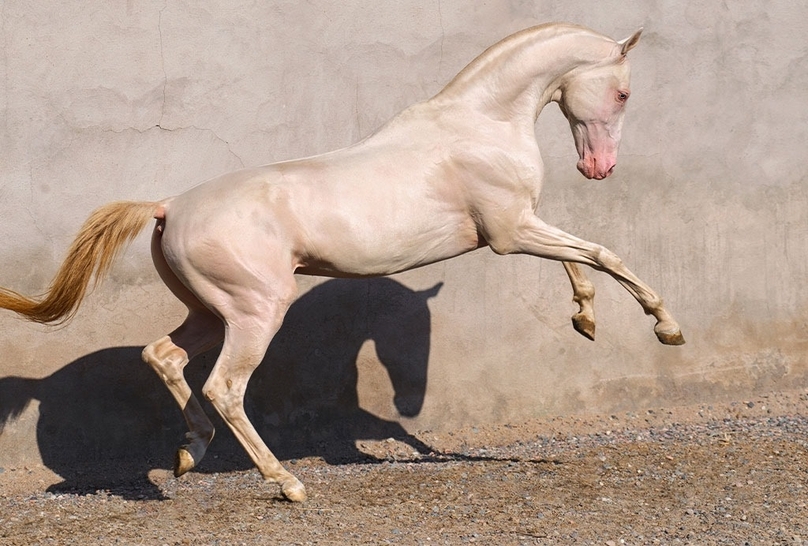
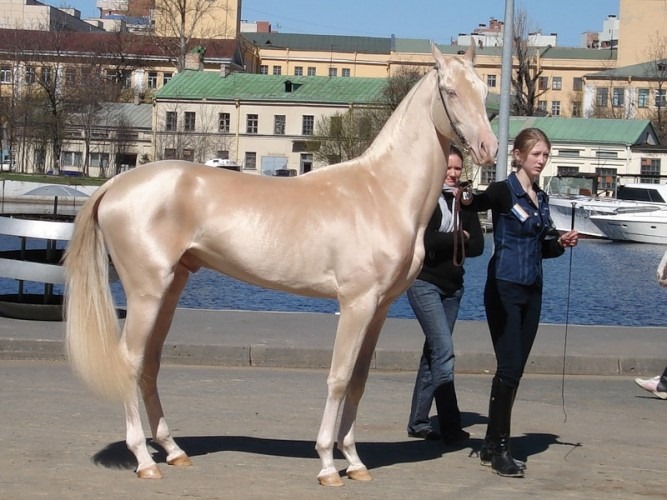
As a Cultural Significance is Considered a national symbol of Turkmenistan, and featured on coins, stamps, and the national emblem. Their coat often has a metallic gold or silver shine, especially in palomino, buckskin, or cremello colors. This comes from the structure of their hair, which reflects light. Thin skin, long neck, narrow chest. Fine legs with hard hooves. Compact, athletic, and graceful body. Height: 14.2 to 16 hands (average ~15.2). Weight: 900 to 1,000 lbs
Temperament are Intelligent, alert, and loyal. Sensitive and sometimes challenging for inexperienced riders. Known to form strong bonds with one person (like Arabian horses). Famous for incredible stamina and endurance. Historically used for long-distance travel across deserts. Endurance riding. Dressage. Show jumping. Eventing. Some have been used in crossbreeding to improve other warmblood and sport horse lines. Estimated only ~6,000 to 8,000 Akhal-Tekes exist globally. Main populations: Turkmenistan, Russia, Europe, USA. Due to limited numbers, considered one of the rarest horse breeds
Notable Facts. The stallion Absent, a black Akhal-Teke, won Olympic gold in dressage in 1960 (Rome), representing the Soviet Union. The breed's toughness and beauty have earned it nicknames like: “Golden Horses”“Horses from Heaven”
Owning an Akhal-Teke is not just about riding—it's about making a statement. With fewer than 8,000 purebreds in the world, these horses are a living embodiment of rarity and prestige. Their shimmering coats, slender physiques, and elegant gait make them instant showstoppers at dressage arenas, endurance competitions, and elite horse galas.
For many, the Akhal-Teke serves the same purpose as a luxury yacht or a classic art piece—a symbol of taste, power, and distinction.
The Akhal-Teke horse is expensive due to a combination of rarity, beauty, heritage, and performance traits. Here are the main reasons why Akhal-Tekes command high prices:
1. Extreme Rarity
Fewer than 8,000 purebred Akhal-Tekes exist globally. Controlled breeding programs, mainly in Turkmenistan, Russia, Europe, and limited numbers in the U.S., keep supply low. Rarity drives up demand among collectors, breeders, and elite riders.
2. Unique Metallic Coat
The breed’s metallic sheen (especially in palomino, buckskin, and cremello colors) is unlike any other horse. Their coat reflects light due to hollow hair shafts, making them highly photogenic and desirable for shows or marketing.
3. Prestigious Bloodlines
Horses with proven lineage or ties to champion ancestors (like the Olympic-winning stallion Absent) fetch premium prices. Well-documented pedigrees increase value, especially in the show or sport horse market.
4. Performance and Versatility
Known for stamina, speed, and graceful movement, especially in endurance and dressage. Their ability to handle harsh desert conditions and long distances adds to their value as high-performance horses.
5. Cultural & National Significance
The Akhal-Teke is a national treasure of Turkmenistan—export is tightly regulated and sometimes symbolic. Horses gifted by the Turkmen government to other nations are considered diplomatic gifts, enhancing their prestige.
6. Difficult Breeding and Training
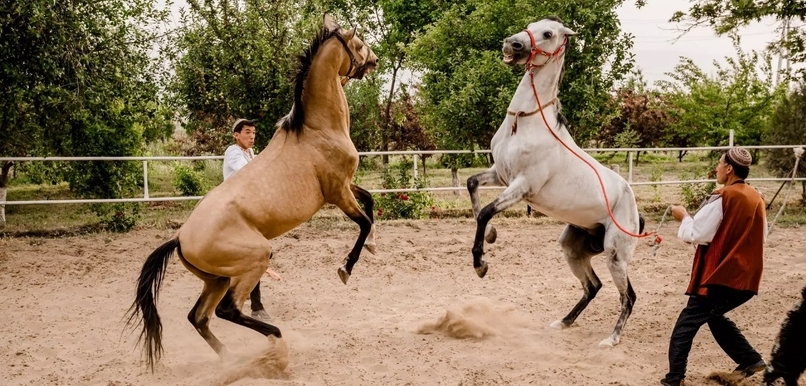
These horses are sensitive, intelligent, and sometimes require skilled, patient training. Specialized handling and professional training increase the overall cost of raising and selling a quality Akhal-Teke.
7. Aesthetics and Exclusivity
Sleek, refined bodies and exotic looks make them popular with elite horse lovers and show competitors. Their exclusivity attracts luxury buyers and collectors willing to pay $25,000–$100,000+ depending on lineage, age, training, and color.
In elite horse auctions, especially for rare cremello or golden buckskin Akhal-Tekes with top bloodlines, prices can exceed $150,000. People continue to buy Akhal-Teke horses—even at high prices—because they offer a unique blend of rarity, prestige, beauty, and performance that few other horse breeds can match. Here's why buyers find them worth the investment:
1. Status Symbol & Prestige
Owning an Akhal-Teke is like owning a Ferrari of the horse world—rare, luxurious, and recognized globally. Their golden sheen and ancient pedigree attract elite collectors, royalty, and high-end breeders. For many, it's not just a horse—it's a symbol of wealth, taste, and exclusivity.
2. Unmatched Aesthetic Appeal
Their metallic coats, slim builds, and exotic features make them one of the most beautiful breeds. Perfect for photoshoots, show events, and luxury equestrian branding. Their striking appearance commands attention in dressage rings and show arenas.
3. Extraordinary Endurance and Versatility
Akhal-Tekes are legendary for endurance, able to cover hundreds of miles across deserts. Ideal for competitive endurance riding, dressage, eventing, and long-distance trail riding. Riders value their smooth gaits, intelligence, and ability to handle tough environments.
4. Strong Emotional Bonds
This breed is known to form deep, loyal bonds with its handler or rider. Many owners describe Akhal-Tekes as emotional, intuitive companions, not just performance animals.
5. Cultural and Historical Significance
Some buyers are drawn to the breed’s ancient heritage (over 3,000 years old). Others—especially from Central Asia—buy them to preserve national pride or lineage. Used as diplomatic gifts between nations, the breed carries symbolic power.
6. Investment Potential
Due to rarity and demand, Akhal-Tekes can hold or increase in value. Buyers may invest in young horses, breed them, or train them for resale. Well-bred or champion horses often sell at premium prices, even years after purchase.
People buy Akhal-Tekes not just for utility, but for prestige, performance, emotional connection, and the chance to own a living legend.
Despite their delicate looks, Akhal-Tekes are built for performance. They’re famous for their ability to withstand harsh environments and cover long distances, traits that trace back over 3,000 years to the deserts of Turkmenistan. Today, these horses are favored for high-level dressage, endurance riding, and personal leisure riding for those who value both power and grace.
Their intelligence and loyalty are often compared to dogs—they bond closely with their riders, making them a deeply personal and emotional companion, not just a trophy.
Akhal-Teke breed is used in a variety of equestrian disciplines and specialized roles, but it is not typically used for casual horse riding or general farm work due to its rarity, temperament, and value.
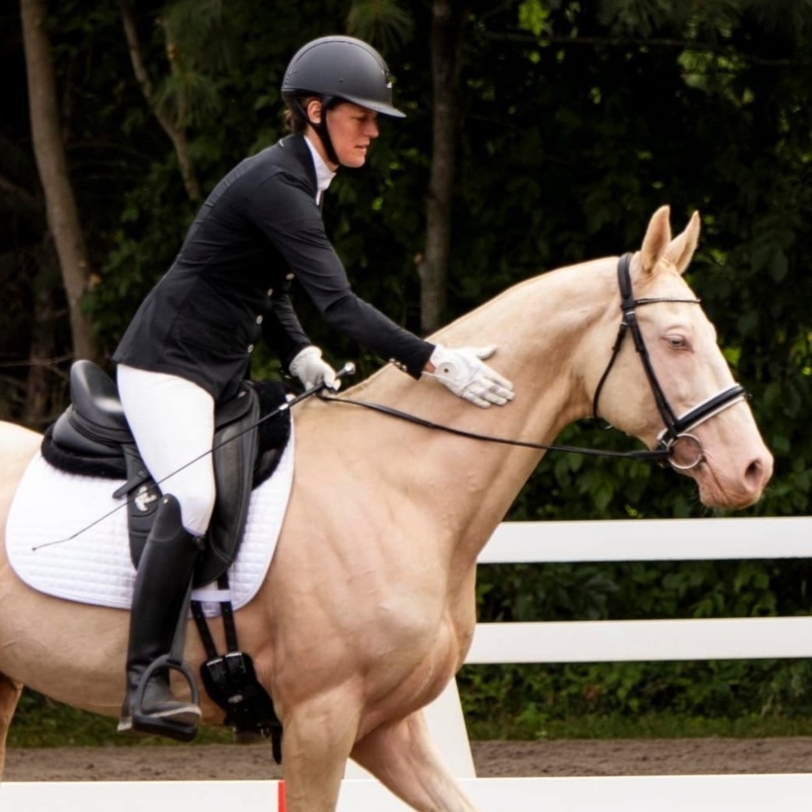
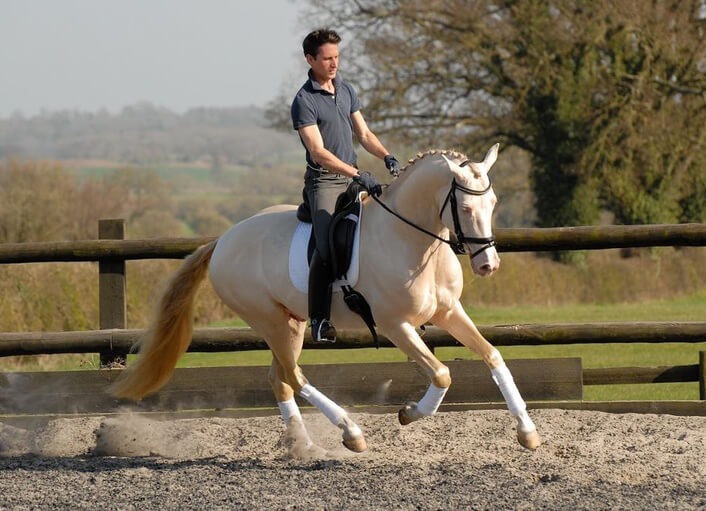
Equestrian Sports. Their elegant movement and slim, athletic build make them suitable for high-level dressage. Their intelligence and sensitivity can be both an advantage and a challenge. While not as powerful as some warmblood breeds, Akhal-Tekes can perform in jumping competitions, especially with proper training. Some are trained for combined competition (dressage, jumping, cross-country), although it's less common due to their rarity. One of their strongest domains. Akhal-Tekes are renowned for stamina, toughness, and desert survival, making them excellent for long-distance competitive endurance races.
Breeding. Akhal-Tekes are used to: Preserve the pure bloodline, often through national or private stud programs. Their speed, stamina, and refined appearance are sometimes used in crossbreeding with warmbloods or sport horses.
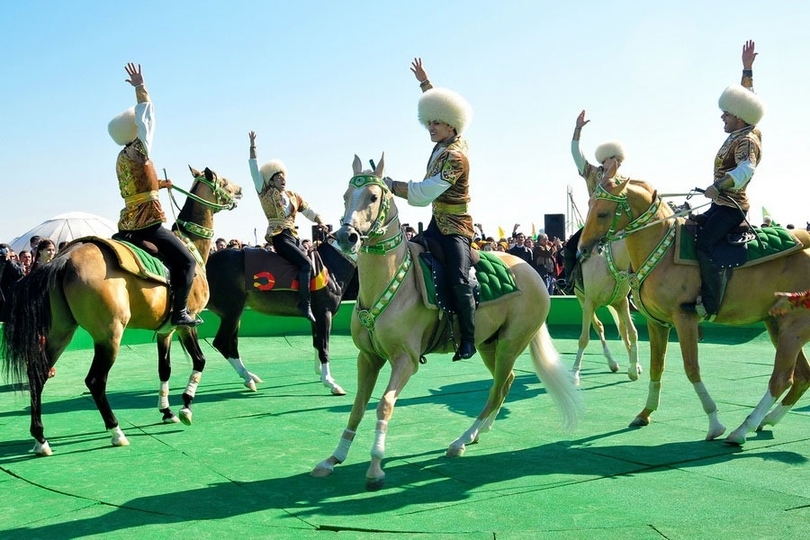
Parades & Ceremonial Use. Especially in Turkmenistan, Akhal-Tekes are featured in: National parades. Cultural celebrations. State gifts to foreign dignitaries. Used as a symbol of national identity and pride.
Luxury and Prestige Riding. Owned by elite individuals for leisure or display, but rarely used for casual trail riding. Known for forming strong bonds with their rider—ideal for one-on-one companionship.
Media, Art & Promotional Use. Due to their metallic coats and striking looks, they are used in: Equine fashion shoots. Luxury advertisements. Documentaries or art photography. Tourism and cultural campaigns
The Akhal-Teke is prized for sport, ceremony, breeding, and elite leisure—not utility. Its beauty, intelligence, and endurance make it a top choice for serious equestrians and collectors, not beginner riders.
Owned by the Elite
From presidents and royalty to international equestrian champions, Akhal-Tekes are found in the stables of those who value exclusivity. In Turkmenistan, they are a national treasure, showcased in state parades and even featured on currency. In Russia, Europe, and the U.S., wealthy collectors invest in them as part of luxury lifestyle portfolios—some fetching over $100,000 per horse.
For these owners, it’s not just about sport. It’s about legacy.
Ownership of Akhal-Teke horses is spread across a select group of wealthy individuals, breeders, equestrians, and even governments. Because the breed is rare and prestigious, many of the top owners are motivated by status, competition, preservation, and cultural pride.
Owner of The Government of Turkmenistan, currently led by President Serdar Berdimuhamedow (formerly by his father Gurbanguly Berdimuhamedow). Purpose: National pride and cultural preservation. Horses are showcased in state ceremonies, parades, and even on Turkmen currency. State-owned studs (like the Akhal-Teke State Stud) focus on maintaining and protecting the bloodline. Horses are sometimes used as diplomatic gifts to foreign leaders.
2. Russian Elite Breeders
Russian breeders like Maksim Kovalyev, and prominent stud farms such as Lugovskoy Stud and Tersk Stud (historically). Purpose: High-performance sport (dressage, endurance). Preservation of top bloodlines for sale/export. Some maintain them for luxury branding and breeding business models
Owners: Elite horse enthusiasts, sport riders, and investors. Purpose: Luxury hobby—equivalent to collecting rare classic cars. Prestige—for showing, competitions, and social events. Personal bonding—many owners praise the breed’s loyalty and emotional connection. Breeding investment—they buy young Akhal-Tekes to breed and sell at a profit.
4. Akhal-Teke Associations & Preservationists
Akhal-Teke Association of America (ATAA) and International Association of Akhal-Teke Breeding (headquartered in Turkmenistan and Russia). Purpose: Promote global awareness and support responsible breeding. Protect the purity and genetics of the breed. Often maintain small herds for educational, sport, and cultural purposes.
5. Equestrian Sport Owners
Compete in dressage, endurance riding, and eventing. Leverage the horse’s speed, agility, and distinctive appearance. Some aim to cross-breed Akhal-Tekes with warmbloods for sport horse enhancement.
In a world where luxury is often defined by material goods, the Akhal-Teke offers a living, breathing experience—one that combines art, heritage, and a unique human-horse connection. Whether being showcased in a private stable, featured in an equestrian show, or simply admired in the early morning light, the Akhal-Teke is leisure elevated to legacy. The Akhal-Teke isn’t just a horse. It’s an experience, a relationship, and a rare indulgence in the art of slow, intentional luxury.