Explore Singapore's booming tech scene: iconic skyline symbolizing innovation, dynamic startup offices fostering creativity, and leading brands like Grab, Razer, and Sea Group driving global success from Southeast Asia.
Explore Singapore's booming tech scene: iconic skyline symbolizing innovation, dynamic startup offices fostering creativity, and leading brands like Grab, Razer, and Sea Group driving global success from Southeast Asia.
Singapore has rapidly transformed into a leading global hub for technology and startups, offering a dynamic ecosystem that supports innovation and entrepreneurship. This article explores the historical context, current global standing, success stories, and practical steps for entrepreneurs aiming to establish a tech startup in Singapore.
Singapore's journey into the tech realm began in the early 1990s with the "Intelligent Island" initiative, aiming to develop a national information infrastructure. Pioneers like Dr. Tan Tin Wee played a crucial role in advancing internet technology, including the development of Singapore's first internet service provider and multilingual domain naming systems .
In 2014, the government launched the Smart Nation initiative to harness technology for enhancing urban living, public services, and economic growth. This program focuses on areas such as mobility, healthcare, and public safety, leveraging data and digital technologies to improve citizens' lives .
Singapore has ascended rapidly in global startup rankings: 7th globally in the 2024 Global Startup Ecosystem Report, leading in Asia with an ecosystem value of US$144 billion between July 2021 and December 2023. 5th globally in StartupBlink’s 2024 Global Startup Ecosystem Index, surpassing countries like Sweden and China, and recognized for its favorable regulatory environment .
These rankings reflect Singapore's robust infrastructure, pro-business policies, and strategic location, making it an attractive destination for startups aiming for regional and global markets.
Leading Tech Startups from Singapore
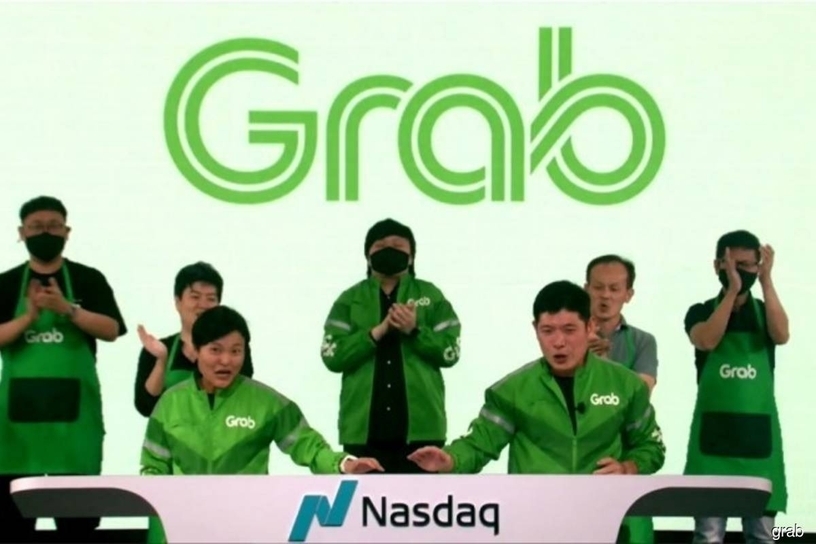
Founded in 2012, Grab evolved from a ride-hailing service into Southeast Asia's leading super-app, offering services like food delivery, digital payments, and financial services. Headquartered in Singapore, Grab became the region's first decacorn and went public via a SPAC merger in 2021 .
Grab Holdings Inc. is a Singapore-based technology company that has evolved from a simple ride-hailing app into Southeast Asia's leading super app, offering a suite of services including transportation, food delivery, digital payments, and financial services.
Founded in 2012 as MyTeksi by Anthony Tan and Tan Hooi Ling in Kuala Lumpur, Malaysia, Grab began as a solution to improve taxi safety and efficiency. The company quickly expanded across Southeast Asia, rebranding to Grab in 2016 to reflect its diversified services. Headquartered in Singapore, Grab now operates in eight countries: Singapore, Malaysia, Indonesia, the Philippines, Vietnam, Thailand, Cambodia, and Myanmar .
In 2024, Grab reported a revenue of $2.797 billion, marking an 18.57% increase from the previous year. The company achieved its first full year of positive group adjusted EBITDA, totaling $313 million . For the first quarter of 2025, revenue reached $773 million, up 1.18% from the previous quarter, with a strong profit margin of 41.91% .
Grab has continually expanded its service offerings: Mobility: Beyond ride-hailing, Grab introduced services like GrabBike, GrabCar, and GrabShare. Deliveries: Launched GrabFood in 2018 and GrabExpress for parcel deliveries. Financial Services: Introduced GrabPay for digital payments and GrabFinancial for lending and insurance services. Digital Banking: In 2022, Grab launched GXS Bank, one of the first digital banks in Singapore, through a consortium with Singtel. Additionally, Grab has invested in various companies, including acquiring Jaya Grocer in Malaysia and investing in Indonesia's OVO platform .
In April 2025, Grab introduced AI-driven tools: AI Merchant Assistant: Provides business insights to merchants. AI Driver Companion: Offers predictive analytics for high-demand areas and voice reporting for drivers. These tools aim to enhance user experience and operational efficiency .
Despite facing stiff competition from regional players like Gojek and Foodpanda, Grab maintains a strong market presence. Analysts have highlighted Grab's balanced product mix and long-term margin improvement goals, reaffirming a "Buy" rating with a $6.00 price target.
However, the company faces challenges, including regulatory scrutiny and the need to maintain profitability amid market competition. In 2023, Grab reduced its workforce by 11% to streamline operations. Grab's journey from a ride-hailing startup to a comprehensive super app underscores its adaptability and commitment to meeting the diverse needs of Southeast Asian consumers.
Razer Inc. is a globally recognized American-Singaporean technology company renowned for its dedication to the gaming community. With dual headquarters in Singapore and Irvine, California, Razer has cultivated a vast ecosystem encompassing hardware, software, and services tailored for gamers worldwide.
Founded: 2005 by Min-Liang Tan and Robert "RazerGuy" Krakoff. Headquarters: Singapore and Irvine, California. Global Presence: 19 offices worldwide. Mission: "For Gamers. By Gamers."
Razer's commitment to the gaming community is evident in its comprehensive product offerings and community engagement initiatives. Razer's hardware lineup is extensive, catering to various gaming needs: Gaming Peripherals: High-performance mice, keyboards, headsets, and mouse mats. Laptops: The Razer Blade series, known for its sleek design and powerful performance. Mobile Devices: Gaming smartphones and accessories. Streaming Equipment: Webcams, microphones, and controllers designed for content creators. Lifestyle Products: Apparel, bags, and gaming chairs.
Razer's software solutions enhance the gaming experience: Razer Synapse: A configuration software for customizing hardware settings. Razer Chroma RGB: An RGB lighting system that synchronizes with games and devices. Razer Cortex: A game optimizer and launcher that boosts performance.
Razer extends its offerings with services tailored for gamers: Razer Gold: A virtual credit system for purchasing games and in-game content. Razer Silver: A loyalty rewards program where users earn points through Razer Gold transactions. In 2021, Razer reported a revenue of $1.62 billion, marking a 33.3% year-over-year increase. The company's net profit surged to $43.3 million, up from $800,000 in 2020.
Razer is at the forefront of integrating AI into gaming: Wyvrn Platform: Introduced in 2025, this developer platform features AI tools like the AI QA Copilot, which streamlines game testing by identifying bugs and generating detailed reports. AI Gamer Copilot: An AI voice assistant providing real-time gaming tips and strategies. Project Ava: An AI gaming assistant that analyzes gameplay to offer strategic advice, enhancing player performance.
Razer positions itself not just as a tech company but as a cultural brand: Collaborations: Partnerships with franchises like Fortnite, Minecraft, Hello Kitty, and luxury brands such as Dolce & Gabbana. Community Engagement: Initiatives like the #RazerStreamer program support emerging content creators. Lifestyle Integration: Expansion into fashion and home gaming setups, reflecting gaming's role in daily life. Razer is committed to environmental responsibility through its #GoGreenWithRazer movement, aiming to minimize environmental impact via various initiatives.
Singapore serves as a strategic hub for Razer's operations, offering: Access to Talent: A skilled workforce in technology and design. Supportive Ecosystem: Government initiatives that foster innovation and entrepreneurship. Connectivity: Proximity to key markets in Asia. Entrepreneurs looking to establish a business in Singapore can benefit from the country's robust infrastructure and pro-business policies.
Carousell is a Singapore-based online marketplace that has evolved into one of Southeast Asia’s leading platforms for buying and selling new and secondhand goods. Founded in 2012 by Quek Siu Rui, Lucas Ngoo, and Marcus Tan, Carousell has expanded its footprint across multiple countries, including Malaysia, Indonesia, the Philippines, Taiwan, Hong Kong, Macau, Australia, New Zealand, and Canada.
Carousell operates as a peer-to-peer (P2P) classifieds platform, enabling users to list items for sale by simply uploading photos and descriptions. The platform covers a wide range of categories, including fashion, electronics, home goods, and automobiles. To enhance user trust and transaction security, Carousell introduced features like Carousell Protection, an in-app payment system that holds funds until both buyer and seller confirm satisfaction with the transaction.
In 2023, Carousell reported significant financial growth: Revenue: Increased by 40.5% year-over-year to $116 million USD. Net Loss: Reduced by 39.7%, from $63 million to $38 million USD. Recommerce Division: Revenue more than doubled, from $24 million to $52.8 million USD. These figures underscore Carousell's successful pivot towards the recommerce sector, focusing on the resale of pre-owned goods.
Carousell has pursued strategic expansions to strengthen its market position: Mergers and Acquisitions: In 2019, merged with 701Search, acquiring platforms like Mudah (Malaysia), Chợ Tốt (Vietnam), and OneKyat (Myanmar). Acquired OLX Philippines in 2019, expanding its presence in the Philippine market. In 2022, acquired Laku6, an Indonesian electronics recommerce platform, to bolster its electronics resale capabilities. Funding and Valuation: Raised a total of $376 million over nine funding rounds. Achieved a valuation of $1.1 billion in 2021, entering the "unicorn" club.
Carousell aims to further entrench itself in the recommerce industry by: Investing in Technology: Enhancing AI-driven personalization to improve user experience and engagement. Expanding Product Categories: Venturing into luxury goods authentication and other high-value segments. Sustainability Initiatives: Promoting the circular economy by making secondhand goods a preferred choice for consumers.
With a strong financial foundation and a clear strategic vision, Carousell is well-positioned to capitalize on the growing demand for sustainable and convenient online marketplaces in Southeast Asia and beyond.
Carousell is a Singapore-based online marketplace that has evolved into one of Southeast Asia’s leading platforms for buying and selling new and secondhand goods. Founded in 2012 by Quek Siu Rui, Lucas Ngoo, and Marcus Tan, Carousell has expanded its footprint across multiple countries, including Malaysia, Indonesia, the Philippines, Taiwan, Hong Kong, Macau, Australia, New Zealand, and Canada.
Carousell operates as a peer-to-peer (P2P) classifieds platform, enabling users to list items for sale by simply uploading photos and descriptions. The platform covers a wide range of categories, including fashion, electronics, home goods, and automobiles. To enhance user trust and transaction security, Carousell introduced features like Carousell Protection, an in-app payment system that holds funds until both buyer and seller confirm satisfaction with the transaction.
In 2023, Carousell reported significant financial growth: Revenue: Increased by 40.5% year-over-year to $116 million USD. Net Loss: Reduced by 39.7%, from $63 million to $38 million USD. Recommerce Division: Revenue more than doubled, from $24 million to $52.8 million USD.
These figures underscore Carousell's successful pivot towards the recommerce sector, focusing on the resale of pre-owned goods.
Carousell has pursued strategic expansions to strengthen its market position: Mergers and Acquisitions: In 2019, merged with 701Search, acquiring platforms like Mudah (Malaysia), Chợ Tốt (Vietnam), and OneKyat (Myanmar). Acquired OLX Philippines in 2019, expanding its presence in the Philippine market. In 2022, acquired Laku6, an Indonesian electronics recommerce platform, to bolster its electronics resale capabilities. Funding and Valuation: Raised a total of $376 million over nine funding rounds. Achieved a valuation of $1.1 billion in 2021, entering the "unicorn" club.
Carousell aims to further entrench itself in the recommerce industry by: Investing in Technology: Enhancing AI-driven personalization to improve user experience and engagement. Expanding Product Categories: Venturing into luxury goods authentication and other high-value segments. Sustainability Initiatives: Promoting the circular economy by making secondhand goods a preferred choice for consumers.
With a strong financial foundation and a clear strategic vision, Carousell is well-positioned to capitalize on the growing demand for sustainable and convenient online marketplaces in Southeast Asia and beyond.
An online restaurant and food delivery startup, Grain emphasizes healthy meals and data-driven operations. It secured US$10 million in Series B funding to expand into other Asian markets, starting with Bangkok .
Grain is a Singapore-based food technology startup that has redefined the online food delivery landscape through its innovative "full-stack" model. Established in 2014 by Yi Sung Yong, Ernest Sim, Gao Rifeng, and Isaac Tan, Grain operates as an online restaurant, managing every aspect of the customer experience—from meal preparation to delivery.
Unlike traditional food delivery platforms that act as intermediaries between restaurants and customers, Grain adopts a comprehensive approach by controlling the entire supply chain. This includes in-house chefs crafting wholesome meals, a proprietary ordering system, and a dedicated delivery fleet. Such vertical integration ensures consistent quality and allows for rapid menu innovation.
Meals On Demand: Customers can order freshly prepared meals for same-day delivery, with options catering to various dietary preferences. Catering Services: Grain provides catering solutions for events of all sizes, including weddings and corporate functions. Meal Plans: Tailored meal plans are available for individuals seeking regular, health-conscious dining options.
The company's commitment to health is evident in its menu design, focusing on nutritious ingredients and balanced meals. For instance, main dishes typically range from 518 to 752 calories, emphasizing grilled over fried options and using more spices instead of excessive seasoning.
Grain's innovative model has attracted significant investor interest: Series A Funding (2016): Raised approximately SG$2.45 million (US$1.7 million) led by Openspace Ventures, with participation from 500 Startups and other investors. Series B Funding (2019): Secured US$10 million in a round led by Thailand's Singha Ventures, aiming to expand operations to other Asian cities, starting with Bangkok. As of 2025, Grain has raised a total of $11.7 million in funding.
Grain's success in Singapore has positioned it as one of the country's fastest-growing companies. The startup has been recognized for its rapid growth and resilience, especially during challenging periods like the COVID-19 pandemic.
The company has expressed intentions to expand its services to other Asian markets, leveraging partnerships and its scalable model to enter cities like Bangkok.
In 2017, Grain faced a significant challenge when a lapse in food hygiene led to 20 customers experiencing gastroenteritis. The issue was traced back to a change in the preparation of their Thai Green Curry dish. Grain responded promptly by removing the dish, cooperating with health authorities, and implementing stricter quality controls. By August 2019, the company had regained its "A" grade for food hygiene.
Grain continues to innovate in the food delivery space, focusing on technology-driven solutions and sustainable practices. The company's emphasis on healthy, convenient meals aligns with growing consumer trends, positioning it well for future growth in Singapore and beyond. For more information or to explore their menu offerings, visit Grain's official website.
Established in 2022, k-ID provides age-assurance middleware for online platforms, helping game developers comply with youth-safety and privacy regulations across over 200 jurisdictions. The company raised US$61 million to enhance its technology and expand globally.
k-ID is a Singapore-based technology startup founded in 2022, specializing in online safety and compliance solutions for children and teenagers. The company offers a cross-platform "global compliance engine" designed to help video game publishers and digital platforms adhere to youth-safety and privacy regulations across more than 200 jurisdictions worldwide.
k-ID's platform provides a suite of tools that enable game developers and online services to: Age Verification: Implement age-assurance mechanisms to ensure appropriate content delivery. Parental Consent Management: Facilitate the acquisition and management of parental consents as required by various regulations. Compliance Automation: Automatically adjust in-game features such as chat functions, spending limits, and data collection practices based on the user's age and local laws. Global Compliance Database: Access a continuously updated repository of child-safety and privacy legislation applicable in over 200 markets.
Since its inception, k-ID has attracted significant investment to fuel its growth: Seed Funding: In March 2024, k-ID raised $5.4 million in a seed funding round led by Andreessen Horowitz's Speedrun fund, with participation from Konvoy Ventures and TIRTA Ventures. Series A Funding: In June 2024, the company secured an additional $45 million in a Series A round led by Andreessen Horowitz and Lightspeed Venture Partners, bringing its total funding to $51 million.
k-ID's technology has been integrated into various gaming platforms, including titles on PlayStation, Nintendo Switch, Steam, Xbox, and the Epic Games Store. The company's efforts in enhancing online safety have earned it recognition as a World Economic Forum "Technology Pioneer" and inclusion in Forbes Asia's "100 to Watch" list in 2024. For more information about k-ID and its services, visit their official website: k-id.com.
Headquartered in Singapore, is a prominent consumer internet company operating across Southeast Asia and Taiwan. Its primary business segments include digital entertainment (Garena), e-commerce (Shopee), and digital financial services (SeaMoney). The company is publicly traded on the New York Stock Exchange under the ticker symbol SE.
Launched in 2015, Shopee has rapidly ascended to become the leading e-commerce platform in Southeast Asia and Taiwan. It offers a user-friendly, secure, and fast online shopping experience, catering to tens of millions of consumers daily. The platform provides a wide array of products, supported by integrated payment systems and seamless fulfillment services.
Shopee has been a significant contributor to Sea Group's financial success. In 2023, Shopee achieved a remarkable revenue milestone of $14.8 billion, showcasing its adaptability and innovative marketing strategies tailored to the unique shopping behaviors of consumers in the region.
Sea Group reported a 36.9% year-on-year revenue increase, totaling $5 billion in Q4 2024. This growth trajectory is fueled by positive contributions from all business segments, including Garena and SeaMoney, ensuring a resilient and integrated business model.
Shopee has expanded its reach beyond Southeast Asia, establishing a presence in markets like Brazil. However, in 2022, the company streamlined its operations by exiting several countries, including Poland and parts of Latin America, to focus on core markets and improve profitability.
Several key factors have contributed to Shopee's rapid growth: Mobile-First Approach: Designed primarily for mobile users, aligning with the high smartphone penetration in Southeast Asia. Localized Strategies: Tailoring services and marketing campaigns to fit local cultures and consumer behaviors. Integrated Ecosystem: Leveraging SeaMoney for seamless digital payments and Garena for user engagement through gaming. Aggressive Marketing: Utilizing promotions, discounts, and free shipping to attract and retain customers.
Entrepreneurs looking to emulate Shopee's success should consider: Understanding Local Markets: Deeply research and adapt to the cultural and economic nuances of target markets. Building an Integrated Ecosystem: Offer complementary services (e.g., payments, logistics) to enhance user experience and loyalty. Investing in Technology: Prioritize mobile optimization and user-friendly interfaces to meet consumer expectations. Strategic Marketing: Implement targeted promotions and leverage local influencers to build brand awareness. Sea Group's journey with Shopee exemplifies how a well-executed strategy, tailored to regional dynamics, can lead to substantial growth and market leadership in the digital economy.
Singapore's startup ecosystem thrives on several key factors: Government Support: Initiatives like the Smart Nation program and agencies such as Enterprise Singapore and SGInnovate provide funding, resources, and infrastructure to startups. Strategic Location: Situated at the crossroads of Asia, Singapore offers access to diverse markets, making it an ideal launchpad for regional expansion. Robust Infrastructure: With a strong legal system, intellectual property protection, and advanced digital infrastructure, Singapore provides a conducive environment for tech businesses.
However, challenges such as high operational costs and a limited domestic market push startups to look beyond Singapore for growth. Many, like those supported by venture capital firm Antler, target larger markets like the U.S. to scale their products and services .
Leverage Government Programs: Explore grants, tax incentives, and support from agencies like Enterprise Singapore and the Economic Development Board (EDB).
Join Incubators and Accelerators: Engage with incubators such as Antler, which provides funding and mentorship to early-stage startups.
Focus on Regional Scalability: Design products and services with regional or global markets in mind to overcome the limitations of Singapore's small domestic market.
Network within the Ecosystem: Participate in events and communities at hubs like one-north, home to tech giants and startups alike.
Starting a business in Singapore is streamlined and efficient:
1. Choose a Business Structure: Decide on the appropriate legal entity, such as a Private Limited Company, Sole Proprietorship, or Partnership.
2. Register with ACRA: Use the Accounting and Corporate Regulatory Authority's (ACRA) online portal to register your business name and entity.
3. Set Up a Corporate Bank Account: Open a bank account in the company's name for financial transactions.
4. Apply for Necessary Licenses: Depending on your business activities, obtain the required licenses and permits.
5. Consider Work Passes: If you're a foreign entrepreneur, apply for an EntrePass or other relevant work passes to operate your business in Singapore.
Singapore's blend of supportive policies, strategic location, and robust infrastructure makes it an ideal environment for tech startups. By understanding the ecosystem and leveraging available resources, entrepreneurs can position themselves for success in both local and global markets.