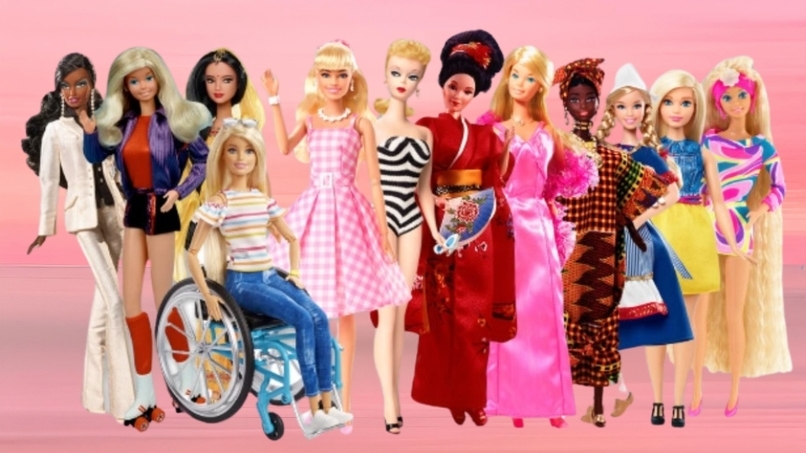
Margot Robbie, Nicki Minaj, Paris Hilton, and more stars are embracing Mattel’s iconic brands—from starring in Barbie to collecting rare dolls and Hot Wheels. Discover how celebrity power keeps Mattel relevant across fashion, film, and fandoms.
Margot Robbie, Nicki Minaj, Paris Hilton, and more stars are embracing Mattel’s iconic brands—from starring in Barbie to collecting rare dolls and Hot Wheels. Discover how celebrity power keeps Mattel relevant across fashion, film, and fandoms.
From Barbie dolls to Hot Wheels, Mattel has captured hearts around the world for generations — and celebrities are no exception. Whether it’s through blockbuster films, custom collaborations, or childhood nostalgia, these global stars are helping redefine and reignite interest in Mattel’s most beloved brands.
Founded: 1945 by Harold "Matt" Matson and Elliot Handler in California, USA. Headquarters: El Segundo, California, United States. Stock Ticker: MAT (NASDAQ). CEO (as of 2025): Ynon Kreiz (since 2018)
Mattel owns and develops some of the most iconic toy brands globally, including:
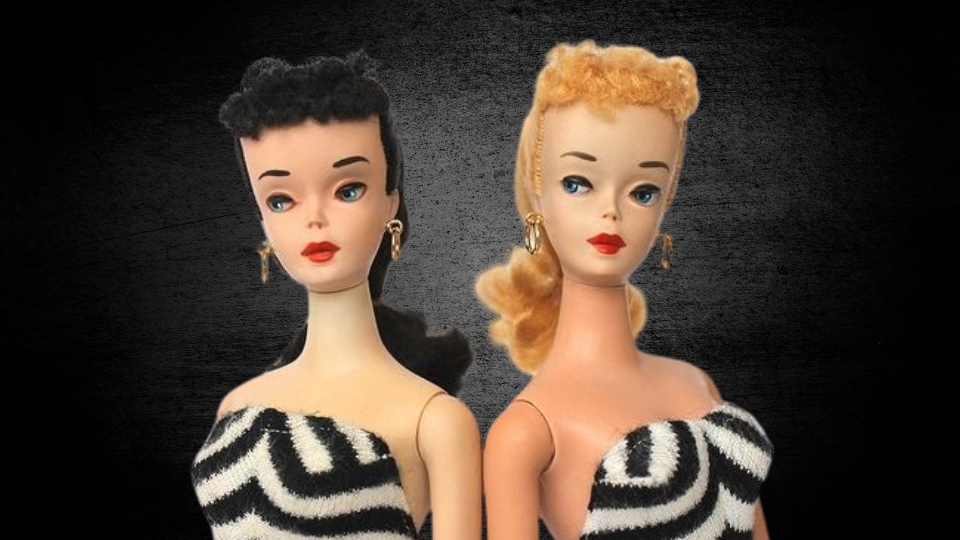
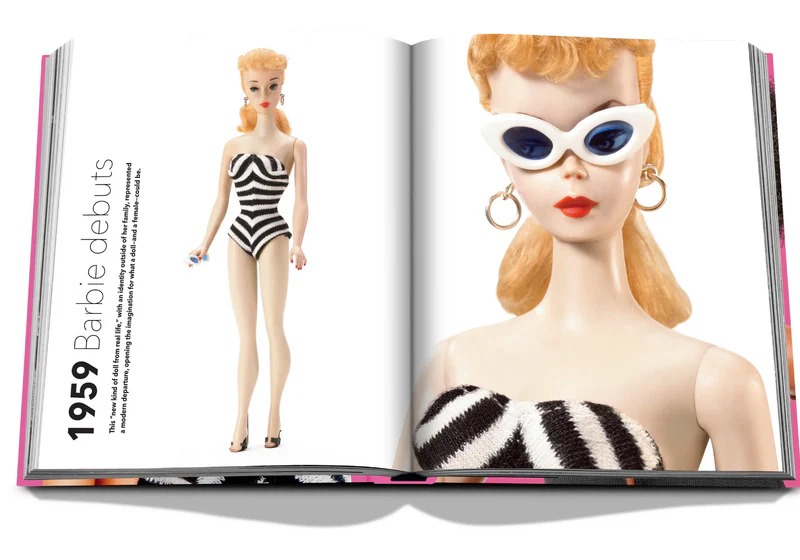
· Barbie – Launched in 1959, Barbie remains a flagship brand and cultural icon.
· Hot Wheels – Die-cast toy cars introduced in 1968.
· Fisher-Price – Acquired in 1993, it focuses on infant and preschool toys.
· American Girl – Dolls and books that reflect historical and contemporary themes.
· UNO – Popular card game acquired in the 1990s.
· Masters of the Universe (He-Man) – Action figures popular in the 1980s and revived in later years.
· Thomas & Friends – Acquired from HIT Entertainment.
Recent Developments. Barbie Movie (2023): Directed by Greta Gerwig, this blockbuster film starring Margot Robbie and Ryan Gosling became a major pop culture moment and revitalized interest in the Barbie brand. Mattel Films: A division launched to develop movies based on its IP (Barney, Hot Wheels, Polly Pocket, etc.). Digital Expansion: Investing in digital gaming, apps, and interactive content, as traditional toy markets evolve. Sustainability Initiatives: Pledged to use 100% recycled, recyclable, or bio-based plastics in all products and packaging by 2030.
Market Position & Competitors. Major Competitors: Hasbro, LEGO, Spin Master, Bandai. Mattel has experienced ups and downs in the last two decades, with changing consumer preferences and shifts to digital entertainment impacting toy sales. However, strategic brand management and media adaptations have helped maintain its relevance.
Notable Subsidiaries: Fisher-Price. American Girl. MEGA (formerly Mega Bloks) – Competes with LEGO in the construction toy category.
Mattel’s Market Position (2024–2025)
Global Market Share. Mattel is consistently among the Top 3 toy companies globally, along with: LEGO (privately owned, Denmark-based). Hasbro (U.S.). Market share varies by region, but Mattel's overall global share is ~10–12%, with stronger performance in North America.
Revenue Breakdown. As of 2023: Total Revenue: ~$5.4 billion USD. By Category: Dolls (Barbie, American Girl): ~30–35%. Vehicles (Hot Wheels): ~20%. Infant, Toddler, Preschool (Fisher-Price): ~15%. Action Figures & Games (Masters of the Universe, UNO): ~10%. Licensing & Media: growing rapidly through Mattel Films
IP Ownership: Barbie, Hot Wheels, He-Man, Polly Pocket, etc. Strong Licensing: Holds or has held licenses for Disney Pixar, Jurassic World, WWE, and DC Comics (Batman, etc.). Omnichannel Distribution: Presence in Walmart, Amazon, Target, plus direct-to-consumer e-commerce. Entertainment Expansion: Leveraging IP for films, series, and games (Mattel Films and Mattel Television).
*Hasbro previously held key Disney licenses for toys, now partially shared or moved to Mattel (e.g., Disney Princess
Transmedia Brand Building (Toys + Media). Mattel leverages its IP not just for toys, but also across: Movies (e.g. Barbie 2023 grossed over $1.4B worldwide). TV series (Netflix, YouTube Kids). Mobile games & digital apps. Publishing & merchandise. This 360° brand ecosystem ensures deeper engagement and brand recall.
Localization & Cultural Sensitivity. Mattel customizes its products for global markets: Barbie dolls with diverse skin tones, body shapes, hairstyles, and professions. Localized marketing campaigns that reflect cultural values and traditions. Toys adapted for language-neutral play, such as Hot Wheels or action figures. This allows Mattel to resonate in the U.S., Brazil, India, China, and Europe with tailored strategies.
Strong Retail & Distribution Network. Mattel products are available in over 150 countries, through: Mass retailers: Walmart, Target, Toys“R”Us (where still active), Carrefour, etc. E-commerce: Amazon, Shopee, Lazada, Flipkart, JD.com, and direct-to-consumer. Licensing partners: Collaborations with global apparel, fashion, and household goods brands. Their global supply chain and distribution reach ensure product availability and brand consistency.
Licensing Power. Mattel is both: A licensee (e.g., Disney Princess, Pixar, Jurassic World), And a licensor (Barbie apparel, Hot Wheels collectibles, game adaptations). This dual role gives Mattel flexibility and consistent royalty revenue streams.
Focus on Innovation. Mattel continuously evolves its products through: Sustainability initiatives (recyclable Barbie, plant-based materials). Tech integration (Hot Wheels id, Fisher-Price smart toys). User-generated content and social media trends (e.g., Barbie on TikTok). This keeps them relevant with both digital-native children and parents.
Brand Equity & Nostalgia. Mattel's brands are embedded in childhood memories globally. Adults who grew up with: Barbie or Hot Wheels often purchase them for their children. Collectors and superfans drive revenue in older demographics (e.g., Masters of the Universe adult collector lines).
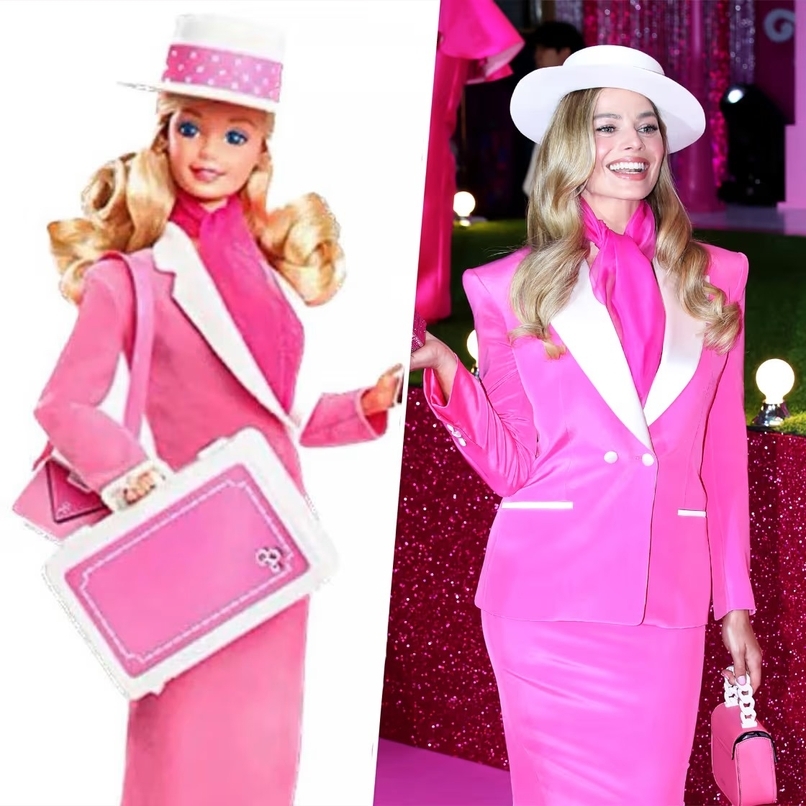
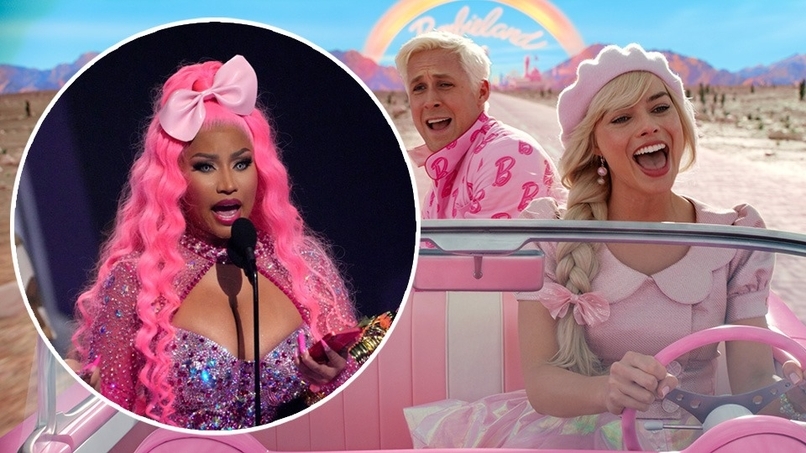
Leading the Barbie renaissance, Margot Robbie starred as the titular character in the record-breaking Barbie (2023) film. Beyond playing the iconic doll, Robbie also produced the movie through her company, LuckyChap Entertainment. The film not only grossed over $1.4 billion globally, but repositioned Barbie as a symbol of empowerment, creativity, and modern femininity.
Role: Starred as Barbie in the 2023 live-action Barbie movie. Impact: Helped rebrand Barbie into a feminist and cinematic icon. Also served as a producer of the film through her company LuckyChap Entertainment.
Nicki Minaj has long embodied the Barbie aesthetic — even calling herself the “Harajuku Barbie.” In 2011, Mattel created a limited-edition Barbie doll in her likeness. Her style, branding, and persona have contributed to Barbie’s cultural staying power in music and fashion.
Nickname: "Harajuku Barbie". Has embraced the Barbie persona as part of her brand since the start of her career. Released a "Pink Friday" Barbie doll in collaboration with Mattel in 2011 (limited edition).
A known Barbie fan, Paris Hilton has proudly shown off her Barbie-themed wardrobe, makeup vanity, and even car. The hotel heiress and entrepreneur represents a real-life embodiment of the glamorous, hyper-feminine Barbie lifestyle.
A longtime Barbie collector and enthusiast. Frequently posts Barbie-themed fashion, rooms, and accessories on social media.
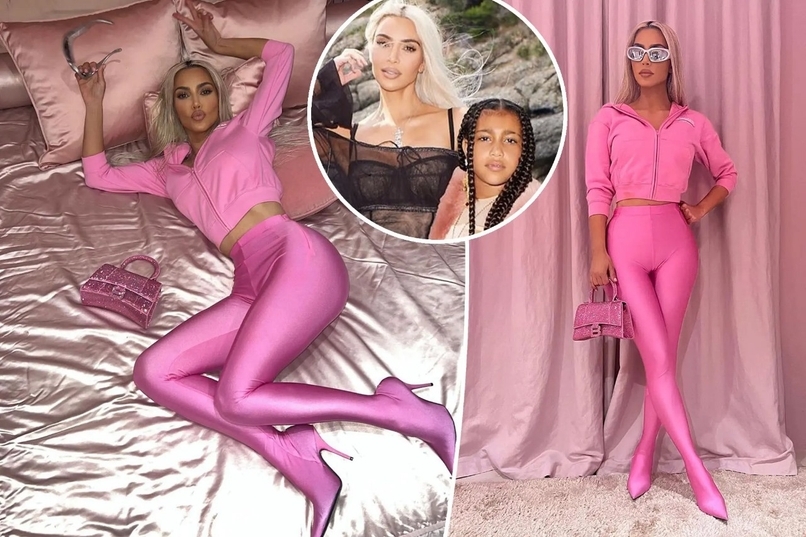
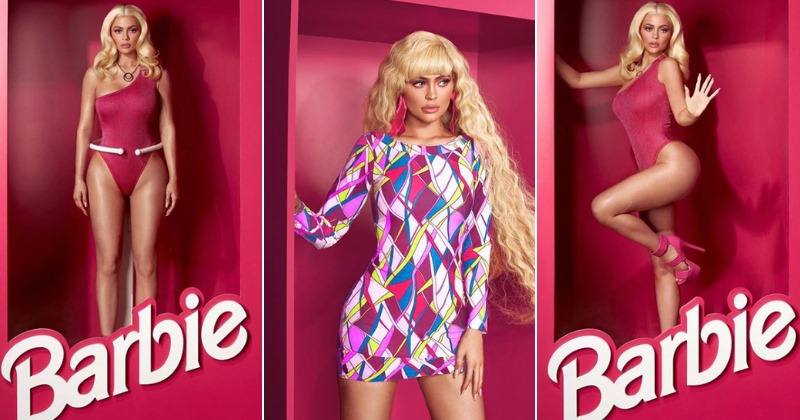
Kylie Jenner & Kim Kardashian have leaned heavily into Barbiecore styling in recent years. Kylie Jenner has done Barbie-inspired shoots and makeup looks, while Kim Kardashian has incorporated Barbie themes into her brand and fashion. Their children are often spotted playing with Barbies, proving the brand’s cross-generational appeal.
Kim Kardashian. Has referenced Barbie style in fashion and even posed with Barbie aesthetics in editorial shoots. Her daughter North West has a Barbie collection, often seen on social media.
Kylie Jenner. Did a Barbie-themed photoshoot and makeup line with strong pink visuals. Frequently taps into Barbie-core styling, boosting the doll’s cultural relevance.
Director and co-writer of the Barbie movie, Gerwig turned a plastic doll into a global cinematic moment. Her storytelling helped position Barbie as both nostalgic and relevant, sparking critical acclaim and cultural conversation.
Role: Directed and co-wrote the 2023 Barbie film. Contribution: Elevated the Barbie brand into pop culture prestige, earning global acclaim.
Hot Wheels and High-Speed Fans
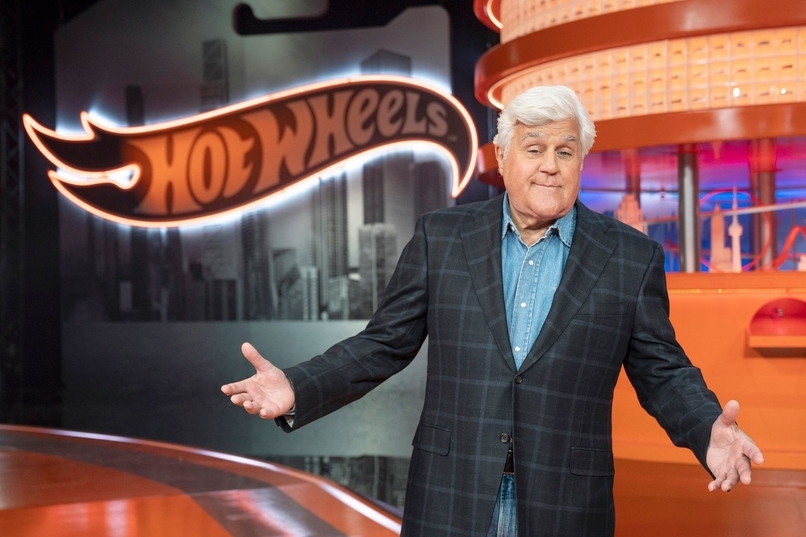
Although he’s best known for his garage full of rare real-life cars, Jay Leno often praises Hot Wheels for inspiring generations of car lovers. He’s referenced the brand in interviews and has attended Hot Wheels-related automotive events. While primarily a real-car collector, he has endorsed Hot Wheels in interviews and acknowledged its role in inspiring gearheads.
The late rally driver collaborated with Hot Wheels to bring extreme stunts and custom vehicles to life, thrilling young fans and gearheads alike. Ken Block (late rally driver) – Worked with Hot Wheels to design custom stunt cars and promote the brand globally.
From Pop Art to TikTok
Jeff Koons
Contemporary artist Jeff Koons has reimagined childhood toys, including Barbie, in his world-renowned sculptures. His work explores consumerism and nostalgia, both of which Mattel's brands uniquely capture.
The contemporary artist has used Barbie and toy themes in his pop-art sculptures. Known to collect and reinterpret childhood memorabilia.
Influencers & Collectors
On platforms like TikTok and Instagram, collectors such as @BarbieCollector and @thebarbiearemyworld proudly display rare dolls, customized wardrobes, and Barbie dream houses. These micro-celebrities help drive collector demand and digital engagement across generations, and celebrity collectors like Chris Pratt (who’s shown off vintage toys including Masters of the Universe) have also helped modernize the brand.
Other Notable Mentions: Zendaya, Dua Lipa, Issa Rae, Simu Liu, Ryan Gosling – Featured in the Barbie movie ensemble, helping to broaden the doll’s appeal across demographics.
Mattel’s ability to stay culturally relevant is no accident. By aligning with globally recognized celebrities — and by transforming its toys into lifestyle icons — the brand secures a lasting emotional connection with fans of all ages. Through Hollywood films, fashion collaborations, and digital storytelling, Mattel is proving that playtime doesn’t have to end when you grow up.
Want more on how Mattel is winning in toys, entertainment, and licensing? Stay tuned for upcoming features on Barbie’s global merchandising power and Hot Wheels’ rise in the collector world.