Explore how Sanrio built a global brand through kawaii culture, iconic characters like Hello Kitty, smart licensing, digital strategy, and multigenerational marketing that keeps fans engaged from childhood to adulthood across the world.
Explore how Sanrio built a global brand through kawaii culture, iconic characters like Hello Kitty, smart licensing, digital strategy, and multigenerational marketing that keeps fans engaged from childhood to adulthood across the world.
Image courtesy of mitsui-shopping-park
In a world dominated by fast-changing trends and digital distractions, one brand has stood the test of time through simplicity, charm, and emotional resonance: Sanrio. Best known for iconic characters like Hello Kitty, My Melody, Cinnamoroll, and Kuromi, Sanrio has grown from a small gift company in Japan into a global character merchandising empire that spans retail, fashion, entertainment, and digital culture.
Sanrio began in 1960 as the Yamanashi Silk Company, founded by Shintaro Tsuji. The business pivoted toward gift merchandise and character licensing in the early 1970s when Tsuji recognized the emotional impact of "kawaii" (cute) designs on gift-giving culture.
In 1974, Hello Kitty made her debut on a small vinyl coin purse—and the rest is history. By the late 1980s, Sanrio had expanded its catalog to over 400 characters and entered the U.S. and European markets.
Sanrio is a globally recognized Japanese company best known for creating and marketing adorable characters, with Hello Kitty being its most iconic. Here's a detailed overview of Sanrio Japan:
Full Name: 株式会社サンリオ (Kabushiki Gaisha Sanrio) Founded: August 10, 1960. Founder: Shintaro Tsuji. Headquarters: Shinagawa, Tokyo, Japan. CEO: Tomokuni Tsuji (grandson of the founder, appointed in 2020). Business Type: Character licensing, merchandise production, entertainment, publishing
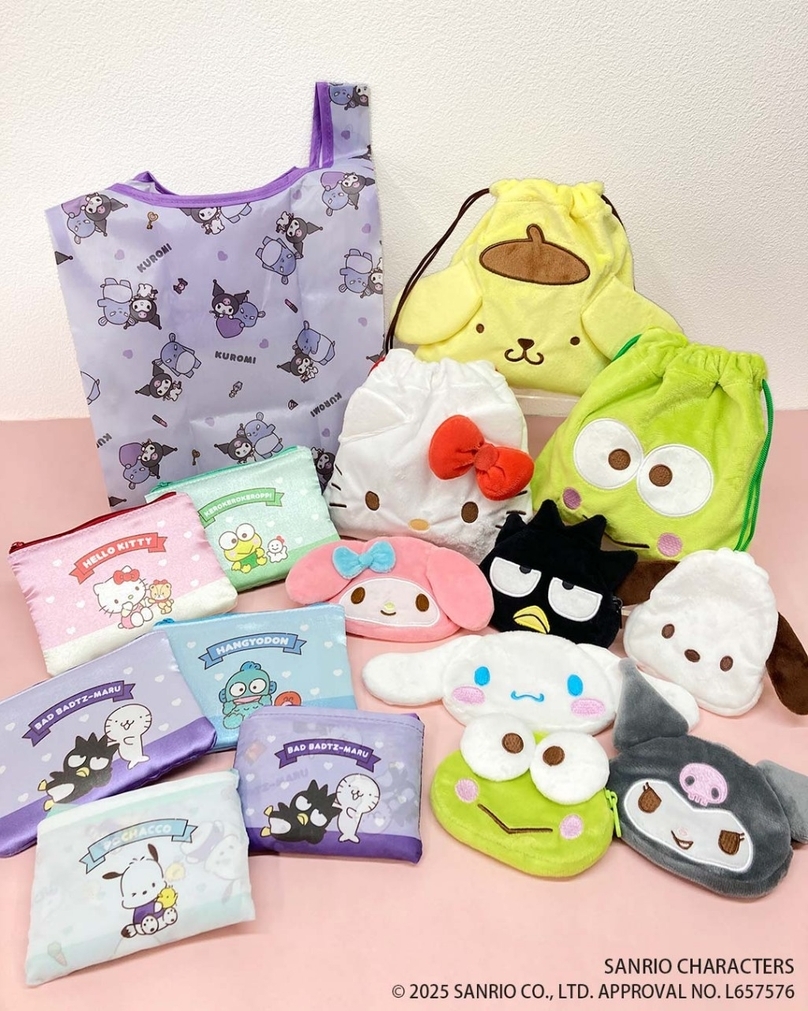
Character Licensing & Merchandising. Sanrio licenses its characters to manufacturers worldwide for toys, fashion, stationery, accessories, etc. Popular characters: Hello Kitty. My Melody. Cinnamoroll. Kuromi. Little Twin Stars (Kiki & Lala). Pompompurin. Gudetama. Aggretsuko
Retail. Operates Sanrio boutiques and themed sections in department stores across Japan and internationally.
Theme Parks. Sanrio Puroland (Tama, Tokyo) – Indoor theme park focused on Sanrio characters. Harmonyland (Ōita Prefecture) – Outdoor theme park in southern Japan
Media & Entertainment. Produces anime, manga, and digital content for platforms like YouTube and Netflix (e.g., Aggretsuko series).
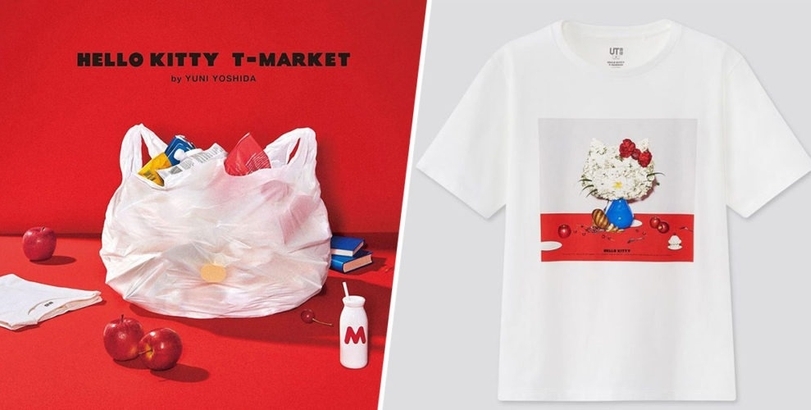
Collaborations. Sanrio frequently collaborates with global brands (UNIQLO, Converse, Crocs, etc.) and even other franchises (e.g., Pokémon, Evangelion).
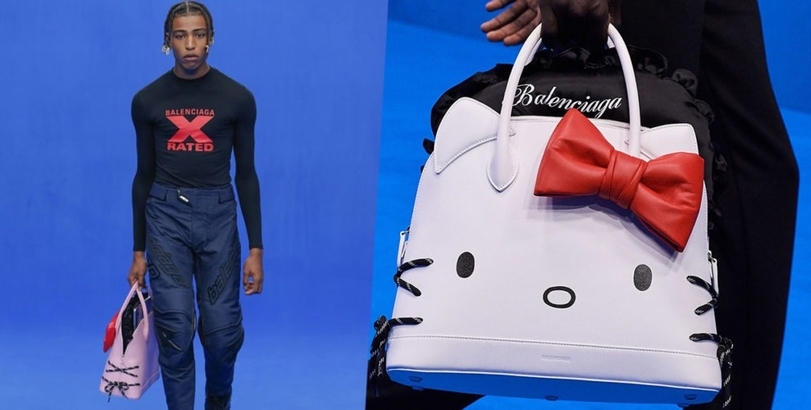
Sanrio x Balenciaga - Luxury Meets Kawaii
In 2020, Balenciaga launched a limited-edition collaboration featuring Hello Kitty. The partnership included: Hello Kitty–themed handbags and mini backpacks with 3D ears and bow. Items priced between $750 and $3,000+ USD. Featured in Balenciaga’s Fall/Winter 2020 collection, including runway shows. Introduced Hello Kitty to the luxury fashion audience, especially in Europe and the U.S. Bridged the gap between avant-garde fashion and pop culture nostalgia. This collab wasn’t for kids—it was meant for millennials and Gen Z fashion enthusiasts who grew up with Hello Kitty and now indulge in statement luxury pieces. It also reinforced Sanrio's position as a timeless lifestyle brand capable of existing in both fast fashion and high-end couture.
Sanrio x Dr. Martens - Punk Goes Kawaii
Sanrio and Dr. Martens released several collaborations, most notably in 2010 (Hello Kitty's 50th Anniversary) and again in 2021, featuring: Boots and shoes with Sanrio characters (Hello Kitty, My Melody, Bad Badtz-Maru, etc.). Signature Dr. Martens silhouettes (1460 boots, 1461 shoes) infused with Sanrio’s colorful graphics. Bold designs with red bows, face motifs, and contrast stitching. Merged punk/alternative fashion with kawaii character culture. Strong appeal among alternative fashion fans, Gen Z trendsetters, and collectors. Sold out quickly and featured in sneaker/fashion blogs like Hypebeast and Highsnobiety. The Dr. Martens partnership allowed Sanrio to tap into youth counterculture, especially in the U.S., UK, and Korea. It reinforced Sanrio's versatility—able to resonate with both soft and rebellious aesthetics.
Sanrio's motto is: "Small Gift, Big Smile" – reflecting their philosophy that even small things can bring joy. Originally founded as Yamanashi Silk Company, it transitioned to focusing on cute character goods in the 1970s. Hello Kitty, introduced in 1974, became a multi-billion-dollar franchise. Sanrio characters are especially popular among youth and young adults in Asia, with growing popularity in the US and Europe.
Business Snapshot (as of 2024)
Revenue: Estimated at over ¥60 billion (~USD $400M+ annually). Market Reach: Products sold in over 130 countries. Character Ranking: Sanrio runs annual popularity contests—Cinnamoroll, Kuromi, and Pompompurin often top the list.
Sanrio pioneered Japan's global "kawaii" (cute) culture. Characters are used not just for kids, but also in fashion, office supplies, skincare, and adult collectibles. Sanrio characters are also used in mental health and workplace well-being campaigns, especially Aggretsuko.
Sanrio’s Global Expansion
Sanrio’s global success is driven by a mix of powerful branding, emotional connection, cultural adaptability, and strategic partnerships. Here are the key reasons why Sanrio sells so well globally:
Universal Appeal of Kawaii. Sanrio’s characters are designed with minimal features and strong emotional resonance—making them adaptable across cultures. Hello Kitty, for example, has no mouth, which Sanrio says allows fans to project their own emotions onto her. Sanrio popularized Japan’s kawaii culture, which transcends age, gender, and language. Characters like Hello Kitty, Cinnamoroll, Kuromi, and Pompompurin are designed to be emotionally comforting and visually simple, making them loved by both children and adults worldwide. The minimalist design and non-verbal nature of characters like Hello Kitty make them easy to localize across cultures.
Licensing & Collaboration Strategy. Rather than produce everything in-house, Sanrio licenses its characters to thousands of partners worldwide. Collaborations with UNIQLO, Nike, Puma, ColourPop, Levi’s, and McDonald’s have brought their characters into mainstream fashion, beauty, and food sectors. 2. 🤝 Strategic Global Licensing & Collaborations. Sanrio licenses its characters to thousands of partners in fashion, beauty, food, tech, and toys. Global brand collaborations with UNIQLO, Converse, Nike, Crocs, Levi’s, McDonald’s, and Starbucks expand visibility. By adapting to local trends and consumer preferences, Sanrio stays relevant across different markets.
Localized Marketing. Each major market has its own favorite characters and products. Cinnamoroll and Kuromi are especially popular in South Korea and China, while Aggretsuko, a red panda office worker with rage issues, resonates strongly with millennial professionals in the United States.
Multigenerational Brand Loyalty. Many fans who grew up with Sanrio characters in the 1980s–1990s now pass that love to their children. The brand builds emotional nostalgia while continuing to create new stories and products that appeal to modern tastes (like Aggretsuko’s millennial workplace themes).
Experiential & Immersive Branding. Sanrio Puroland in Tokyo and Harmonyland in Kyushu give fans a theme park experience that strengthens brand attachment. Sanrio’s characters are featured in pop-up cafés, travel merchandise, and hotel collaborations, making the brand part of fans' lifestyles.
Digital Expansion & Pop Culture Integration. Sanrio has embraced YouTube, Instagram, TikTok, and Netflix to reach Gen Z globally. Characters like Aggretsuko have become viral thanks to relatable, meme-worthy content. Online shops and games (e.g., Hello Kitty World, Sanrio Dream Blast) help maintain digital engagement.
Product Diversity for Every Market. Sanrio products range from budget-friendly items (stationery, keychains) to premium fashion, home décor, and tech accessories. This price flexibility allows them to target a wide range of consumers, from schoolkids to luxury collectors.
Character Storytelling. Each Sanrio character has a backstory, personality, and universe, which builds deep emotional bonds. Fans don’t just buy a product—they connect with a character’s values, quirks, and friendships.
Sanrio’s Product Portfolio
Sanrio sells a wide range of products globally, covering everything from everyday essentials to limited-edition luxury collaborations. These products are often tailored to local markets but built around the same core characters and kawaii aesthetic. Here’s a breakdown of the main types of Sanrio products that sell globally:
Stationery & School Supplies - Still a bestseller in Asia. These are among Sanrio’s best-selling items across Asia, Europe, and North America: Notebooks, pens, pencil cases, folders. Stickers, stamps, and planners. Erasers, sharpeners, memo pads. Target Market: Kids, students, young professionals
Bags & Accessories. Tote bags, backpacks, handbags. Coin purses, wallets, pouches. Phone cases, laptop sleeves, keychains. Often part of seasonal collections or fashion brand collaborations (e.g., Loungefly, LeSportsac)
Fashion & Apparel - From kids’ wear to streetwear and luxury. Sanrio-branded clothing is popular with both children and adults: T-shirts, hoodies, pajamas, socks. Baby and toddler clothing. Fashion collaborations (e.g., Hello Kitty x UNIQLO, Puma, Levi’s). Includes streetwear and high-fashion capsule collections in the US, Japan, Korea, and Europe
Plush & Toys - Including blind boxes and collectibles. Plush dolls and collectibles (Hello Kitty, Cinnamoroll, Kuromi, etc.). Figurines, blind boxes, and miniature playsets. Sanrio-branded versions of toys (e.g., Tamagotchi collabs, LEGO-style toys). Collectible plush toys are a big hit in the U.S., Southeast Asia, and Latin America
Beauty & Personal Care - With brands like Sephora and The Crème Shop. Sheet masks, lotions, bath bombs, soaps. Makeup collabs with brands like ColourPop, Sephora, and The Crème Shop. Compact mirrors, nail kits, and pouches. Especially popular in the U.S., Japan, and Korea among Gen Z and millennial buyers
Homeware & Kitchen Goods - Kitchen appliances, décor, bedding. Mugs, plates, bento boxes, cutlery. Towels, bedding, organizers, and wall décor. Mini appliances (e.g., Hello Kitty toasters, waffle makers in the U.S. and Taiwan). Strong presence in household sections of big-box retailers like Target, Don Quijote, and Miniso
Travel & Lifestyle Items. Luggage, passport covers, travel pillows. Umbrellas, masks, hand sanitizers. Water bottles, thermoses, eco bags. Especially popular in airports, souvenir stores, and online gift shops
Digital & Tech Accessories - Mobile games, digital stickers, NFT experiments. Phone cases, earbuds, chargers. Laptop skins, mousepads, USB drives. Smart home products (e.g., Hello Kitty smart lamps). Often part of seasonal or regional campaigns
Food & Beverages. Sanrio-themed snacks (Hello Kitty Pocky, chocolates, instant noodles). Drinks and desserts at Sanrio cafés or partner cafés. Branded food items sold at convenience stores and supermarkets (especially in Asia)
Event & Experience Merchandise. Theme park souvenirs - Sanrio Puroland (Tokyo) and Harmonyland (Kyushu). Concert/event merchandise (collabs with K-pop groups, musicians). Limited-run pop-up shop or exhibition goods. Often includes exclusive collectibles and regional character merchandise
Sanrio’s global product strategy mixes: Mass-market appeal (affordable everyday items). High-end and collectible goods (limited collabs). Cultural adaptability (localized designs per country). Multi-age targeting (kids to nostalgic adults)
Sanrio products perform well globally, but Japan, the United States, South Korea, and China are the top-performing countries in terms of sales, brand influence, and fan engagement. Here's a breakdown of the countries where Sanrio sells best:
Japan (Home Market) - Cultural origin, theme parks, massive retail
Biggest and most loyal customer base. Sanrio is a cultural icon; products are sold everywhere—from convenience stores to department stores. Sanrio Puroland and Harmonyland are major attractions. Characters like Hello Kitty, My Melody, Cinnamoroll, and Kuromi dominate the domestic kawaii market. Most Sanrio character popularity polls and new product launches originate in Japan.
United States - Pop culture collabs, fashion, nostalgia
Sanrio has built a strong following since the 1970s. Hello Kitty and other characters are widely available through Target, Hot Topic, BoxLunch, Walmart, Amazon, and specialty boutiques. Collaborations with Puma, Converse, ColourPop, Herschel, and Loungefly have expanded brand appeal to adults and collectors. Aggretsuko, a Netflix-original anime, also boosted Sanrio’s pop culture relevance among millennials.
South Korea - K-beauty tie-ins, trendsetting Gen Z market
Sanrio characters are deeply integrated into K-beauty, fashion, and K-lifestyle trends. Strong sales through beauty products, stationery, and mobile accessories. Collaborations with Korean pop culture (e.g., BT21 collabs, Kakao Friends-type marketing) keep the brand fresh and trendy. Kuromi and Cinnamoroll are especially popular with Korean teens and young adults.
China - Online shopping boom, collector frenzy
Large and fast-growing Sanrio fanbase, particularly among Gen Z and young women. Products are sold online via Tmall, JD.com, and physical stores in major cities. Frequent use in livestream e-commerce and social commerce platforms (e.g., Xiaohongshu, Douyin). Limited editions and collector products often sell out quickly due to strong demand.
Taiwan & Hong Kong - High fandom, café culture, collectibles
Deep-rooted love for kawaii culture and Sanrio characters. Strong retail presence in shopping malls and family stores. Sanrio cafés and themed pop-ups are common and well attended.
Southeast Asia (Thailand, Singapore, Malaysia) - Convenience retail, lifestyle influence
Longtime regional fans—Hello Kitty products are sold through Miniso, 7-Eleven, Watsons, Guardian, and lifestyle stores. Hello Kitty has appeared in airlines (Scoot’s themed flights) and hotels (e.g., Hello Kitty Town Malaysia). Sanrio pop-up cafés and collabs with local brands boost engagement.
The brand maintains relevance by adapting characters to new platforms—like TikTok, YouTube, and Netflix—while maintaining emotional resonance with older audiences.
Sanrio’s demographic evolution is a fascinating story of how a brand built on “kawaii” (cute) culture has adapted across generations, age groups, and cultures while maintaining its core identity. Here's a breakdown of Sanrio's key demographics over time:
Sanrio Demographics Over Time
1970s–1980s: Children & Pre-teens (Primarily Girls)
Target Age: 3–12 years old. Key Characters: Hello Kitty (debut 1974), My Melody (1975), Little Twin Stars (1975). Key Products: Stationery, lunch boxes, pencil cases, small gifts. Marketing Focus: Innocence, sweetness, and childhood playfulness. Sanrio was seen as a “gift brand” for children, especially in Japan and eventually in the U.S. via department stores and gift shops.
1990s–2000s: Teens & Young Adults (Nostalgia Begins)
Target Age: 13–25 years old. Key Characters: Badtz-Maru, Pochacco, Keroppi, Chococat. Key Products: Fashion accessories, diaries, backpacks, mobile phone charms. Cultural Shift: “Kawaii” becomes trendy among teenagers and young women in Japan, Taiwan, and later the U.S. Hello Kitty’s popularity exploded in pop culture with celebrities (e.g., Mariah Carey, Paris Hilton) wearing Sanrio-themed fashion.
2000s–2010s: Adults & Collectors
Target Age: 25–35+ (young professionals & nostalgic millennials). Key Characters: Hello Kitty, My Melody, Cinnamoroll, Pompompurin. Key Products: Designer collabs (e.g., MAC, Sephora, UNIQLO), handbags, plush collectibles, beauty products. Marketing Focus: Nostalgia + lifestyle, expanding into fashion, homeware, and cosmetics. Hello Kitty becomes a lifestyle brand, appearing on wine bottles, high-end bags, even appliances. Sanrio's branding matures with its audience.
2018–Present: Gen Z & Gen Alpha (Digital-Native Fans)
Target Age: 13–28 (with kids 4–12 still engaged through toys and YouTube). Key Characters: Kuromi, Cinnamoroll, Aggretsuko, Gudetama. Platform Shift: TikTok, YouTube, Instagram, Netflix (Aggretsuko). Popular Product Types: Streetwear, meme-worthy merch, digital stickers, mobile accessories, plushies, collabs with anime and K-pop culture. Sanrio has successfully reinvented its image among Gen Z, using edgy, relatable characters (like Kuromi and Aggretsuko) and social media marketing.
Multi-generational appeal: Characters age with their audience. Cultural flexibility: Sanrio allows each country to form its own bond with the characters. Digital marketing: Sanrio smartly tailors content to YouTube Kids, Instagram reels, or meme culture depending on the demographic. Psychographics: Fans aren't defined just by age—Sanrio appeals to personality types (e.g., Kuromi = rebellious, Cinnamoroll = soft and friendly, Aggretsuko = stressed adult).
Business Performance & Market Reach
Sanrio’s products are sold in over 130 countries. While Japan remains its largest and most loyal market, major revenue contributors include:
· United States: Strong pop culture presence and fashion collabs
· South Korea: Deep integration with K-beauty and youth trends
· China: Massive online retail growth via Tmall and Xiaohongshu
· Taiwan, Hong Kong, Southeast Asia: High demand for kawaii lifestyle products
Sanrio’s estimated annual revenue exceeds ¥60 billion (~USD $400M), with licensing forming a large portion of profits.
Digital Transformation & Pop Culture Revival
Sanrio’s pivot to digital engagement has been critical to its sustained growth: Aggretsuko, an anime series on Netflix, opened the brand to a new adult audience through its relatable corporate satire. Characters have their own Instagram and TikTok accounts with millions of followers. Sanrio actively participates in digital collabs, mobile games, and virtual stores, targeting Gen Z where they spend most of their time—online.
From Airlines and Hotels (Hello Kitty jets, themed rooms) to luxury brands and streetwear designers, Sanrio has mastered the art of the brand collaboration. These partnerships create media buzz, exclusivity, and new touchpoints with both new and returning fans.
“Small Gift, Big Smile”
Sanrio’s business is not just about products—it’s about emotional value. Its brand motto emphasizes joy in small moments. This focus on emotional marketing—whether it’s nostalgic or escapist—has been key to creating a lifestyle rather than just a product line.
Sanrio is now led by Tomokuni Tsuji, the founder’s grandson and the company’s youngest-ever president. Under his leadership, Sanrio is expected to:
· Expand further into the digital world (apps, virtual events, AI mascots)
· Strengthen global licensing in emerging markets (India, Latin America)
· Create more content-based IP strategies (films, streaming partnerships)
Sanrio’s global success isn’t just a cute coincidence—it’s a calculated business built on cultural insight, emotional design, and multigenerational marketing. In a chaotic world, Sanrio’s characters continue to offer something simple, sweet, and lasting: a smile.
Sanrio succeeds globally by combining emotional branding, cultural flexibility, cross-industry collaborations, and multichannel presence. Their strategy turns “cute” into a lifestyle brand that transcends borders.
More than just cute faces, Sanrio’s characters are part of a finely tuned global business strategy that taps into deep consumer psychology and evolving lifestyle trends.