QR Codes and Mobile Wallets Are Changing Japan’s Cash-Heavy Economy
Japan’s digital payments are accelerating as PayPay, Rakuten Pay, and Suica Mobile Wallet reshape a cash-heavy economy. From QR codes to tap-and-go transit, discover how these platforms change consumer habits, support small merchants, and drive cashless g
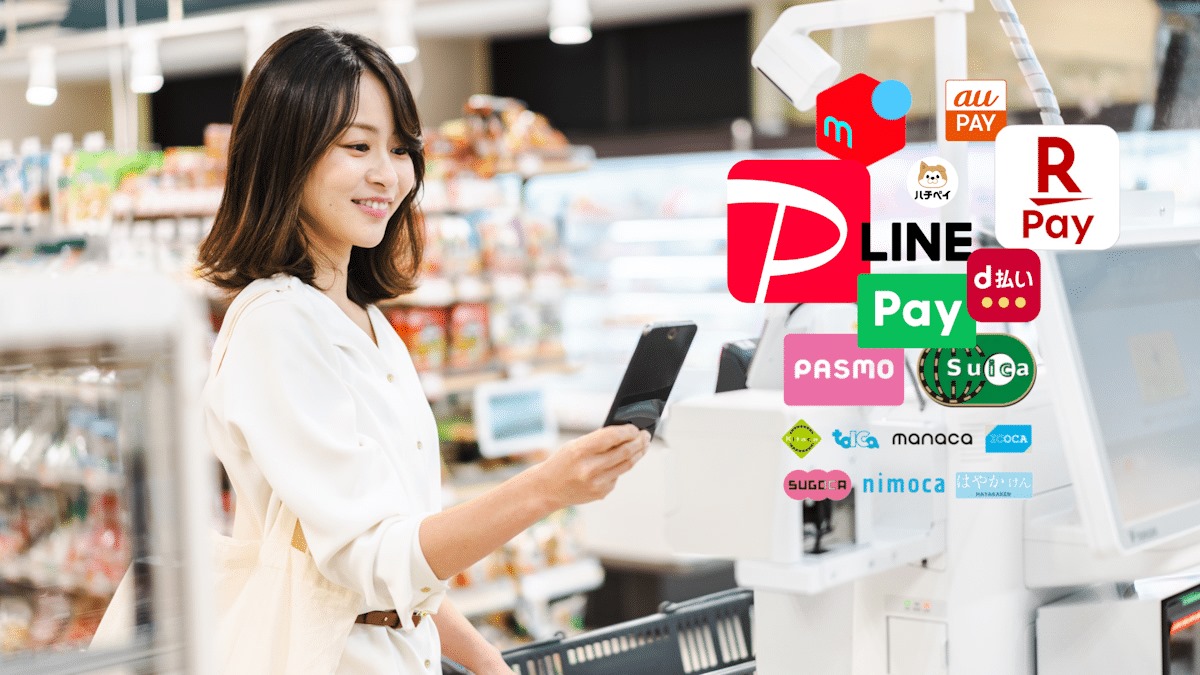
For decades, Japan has been known as a cash-centric society. Even in 2019, more than 80% of face-to-face transactions were carried out with physical yen. Convenience stores, supermarkets, hospitals, and even government offices often preferred cash due to cultural habits, reliability, and concerns about digital fraud. But in just a few years, the rise of PayPay, Rakuten Pay, and Suica Mobile Wallet has accelerated a remarkable shift—pushing Japan toward becoming a regional leader in mobile payments.
What was once a reluctant digital payments landscape is now one of the most dynamic in Asia. These platforms are not only changing how Japanese consumers pay but also transforming how merchants, transportation networks, and major retailers operate.
Japan’s “cash-heavy” culture had deep roots: low crime rates made carrying cash safe, ATMs were widely available, and older consumers trusted physical money more than digital tools. Businesses also resisted digital payments due to transaction fees and hardware costs.
However, three major catalysts changed the direction of Japan’s payment economy:
1. Government incentives pushing a cashless society ahead of the Tokyo 2020 Olympics.
2. QR-based payment technology, which is cheaper to adopt than traditional card terminals.
3. A younger workforce and tourism boom, leading to higher demand for fast, contactless transactions.
PayPay, Rakuten Pay, and Suica Mobile Wallet stepped into this moment with strong infrastructure, deep ecosystems, and partnerships that reshaped the consumer experience.
Launched in 2018 as a joint venture between SoftBank and Yahoo Japan (now under Z Holdings / LINE Yahoo), PayPay grew at lightning speed. It offered cashback campaigns, QR-code simplicity, and integrations with millions of merchants—especially small shops that previously avoided cashless payment systems.
PayPay is one of Japan’s largest and most influential mobile payment platforms, built around QR-code payments and a “super-app” strategy. PayPay gained massive early traction thanks to aggressive cashback campaigns and nationwide merchant onboarding.
Known as Japan’s biggest mobile payment platform, widely used across convenience stores, restaurants, supermarkets, taxis, and online merchants. Available in millions of retail locations across Japan. Popular among both young users and small businesses due to low setup costs and simple QR-code acceptance.
PayPay is primarily a QR-code payment app where users can: Scan merchant QR codes. Pay by showing their own QR code. Link bank accounts or credit cards. Earn PayPay Points as rewards. It’s known for being fast, easy, and widely accepted—even in rural regions.
PayPay Points. A large loyalty ecosystem. Points can be earned through: Purchases. Promotions. Yahoo Shopping / PayPay Mall. SoftBank mobile services. Points can be spent directly using the app.
PayPay Bank Integration. Users can quickly: Transfer money. Cash out. Top-up PayPay balance. Pay bills. Users can scan: Utility bills. Tax bills. Municipality payments. Millions of paper bills now feature PayPay-compatible barcodes.
Here are the major factors behind its success: Massive cashback campaigns. Early promos like the “100 Billion Yen Giveaway” drove explosive user adoption. Shops only need a printed QR code, making it cheaper than installing card terminals.
Integration with SoftBank & Yahoo Japan. SoftBank’s telecom network and Yahoo’s online ecosystem created a powerful user funnel. PayPay reached places credit cards and NFC payments never reached—street vendors, barbershops, mom-and-pop stores, rural towns.
PayPay generates revenue from: Merchant fees. Advertising/promo partnerships. Financial products. Cross-selling (insurance, travel, e-commerce). Data-driven retail insights. Its direction resembles LINE Pay + Alipay + GrabPay, evolving toward a multi-service platform.
Before PayPay, Japan’s digital payments adoption was slow. PayPay revolutionized it by:
· Making QR payments culturally normal
· Helping small shops accept non-cash payments
· Creating competition that pushed Rakuten Pay, LINE Pay, and Suica to expand
· Supporting government cashless incentives
Today, PayPay is one of the most important fintech platforms in the Japanese economy. Over 60 million users in Japan, making it the nation’s largest mobile payment platform. Low adoption cost for merchants; only printed QR codes needed. Aggressive promotional strategy (“100 billion yen giveaway” in early years). Integration with the PayPay Bank ecosystem, enabling smooth top-ups, transfers, and rewards.
PayPay is no longer just a payment app—it functions as a mini-super app. Users can pay utility bills, book travel, buy insurance, earn loyalty rewards, or shop online. This convenience made it a key driver behind Japan’s cashless expansion, especially in rural areas.
If PayPay succeeds through reach, Rakuten Pay succeeds through integration. Rakuten already owns one of Japan’s strongest loyalty programs: Rakuten Points, used by tens of millions of consumers nationwide. By linking Rakuten Pay to its marketplace, travel services, banking, insurance, and mobile network, Rakuten creates a closed-loop ecosystem where customers earn and redeem points across everyday activities.
Rakuten Pay is a mobile payment service created by Rakuten Group, one of Japan’s largest digital conglomerates. It allows users to pay at physical stores, online shops, and within the Rakuten ecosystem using: QR codes. Barcode scanning. Contactless (for some cards). Linked credit/debit cards. Rakuten Points. Rakuten Pay is positioned not just as a payment tool, but as a gateway to Rakuten’s massive loyalty and digital commerce ecosystem.
Rakuten Pay was launched in 2016 as part of Rakuten’s strategy to unify its shopping, finance, and loyalty services under a single payment experience. It was designed to: Boost the use of Rakuten Card (Japan’s top credit card issuer by market share). Expand acceptance for Rakuten Points, one of Japan’s most valuable loyalty currencies. Compete with PayPay, Suica Mobile, and LINE Pay. Strengthen Rakuten’s presence in offline retail. Rakuten’s ecosystem approach gives it a unique position in Japan’s fintech landscape.
Core Strength – The Rakuten Ecosystem. Rakuten Pay gains unmatched power from Rakuten’s digital empire, which includes: Rakuten Ichiba (Japan's largest domestic e-commerce marketplace). Rakuten Card (credit card + installment financing). Rakuten Bank (digital bank). Rakuten Travel. Rakuten Mobile. Rakuten Securities. Rakuten Insurance. Rakuten Energy. Viber (messaging platform). This network creates a closed-loop customer cycle where shopping, payment, earning points, and redeeming all happen in one environment.
A major differentiator is Rakuten Points, one of the strongest loyalty programs in Japan. Users earn points by: Paying with Rakuten Pay. Using Rakuten Card. Shopping on Rakuten Ichiba. Booking with Rakuten Travel. Subscribing to Rakuten Mobile. Investing via Rakuten Securities
Users can redeem their Rakuten Points across a wide range of everyday needs, making the ecosystem highly sticky and rewarding. Points can be used for Rakuten Pay merchant payments, online shopping, travel bookings, and even monthly Rakuten Mobile bills. Beyond the Rakuten ecosystem, members can also spend their points at convenience stores, cafés, supermarkets, and other partnered retailers, creating a seamless loop of earning and spending that keeps users actively engaged. Rakuten Pay uses its loyalty program to keep users locked in.
Rakuten Pay is widely used across: Convenience stores (Lawson, FamilyMart, 7-Eleven for most locations). Restaurants and cafés. Supermarkets. Pharmacies. Electronics retailers. Fashion and department stores. E-commerce shops
Merchant adoption is strong due to: Unified integration with Rakuten Card. Large point circulation. Competitive fees. Brand trust
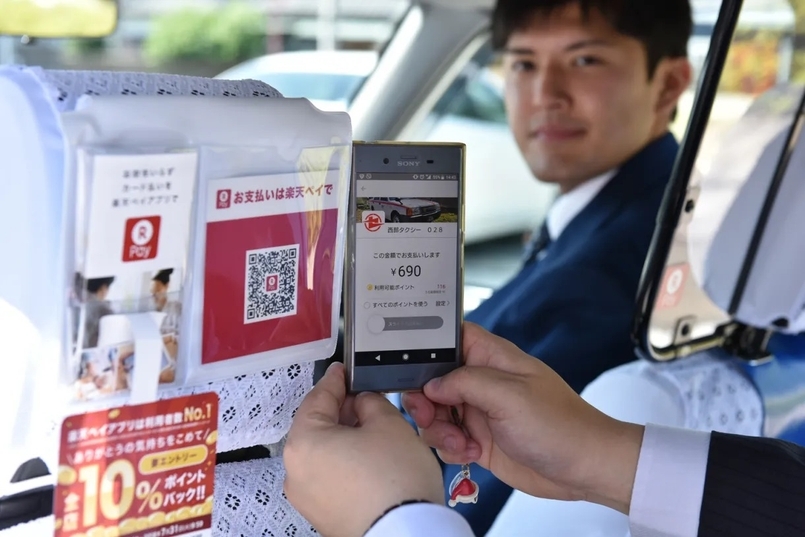
Rakuten Pay operates as a seamless, all-in-one digital wallet that benefits both users and merchants. For users, the system is built around simplicity and instant rewards: they can scan merchant QR codes to pay, settle transactions through a linked Rakuten Card or Rakuten Bank account, and earn or redeem Rakuten Points on the spot. Online shopping becomes effortless with one-click payments on Rakuten Ichiba, while the option to split payments between cash and points — a uniquely popular feature in Japan — adds extra flexibility. On the merchant side, Rakuten Pay enables easy acceptance of digital payments through QR stickers or POS integration, while offering access to Rakuten’s powerful loyalty ecosystem. Merchants can run point-earning campaigns, join promotional programs, and tap into the broader Rakuten Merchant Network to attract customers driven by rewards and long-term loyalty.
Rakuten Pay is built on a strong technology and security framework designed to protect every transaction across its ecosystem. The platform uses tokenized card information to ensure sensitive data is never exposed, while its QR-code interoperability allows smooth payments across various merchants and partner networks. Multi-factor authentication and real-time transaction monitoring add additional layers of protection, preventing unauthorized access and detecting suspicious activity instantly. Backed by PCI-DSS Level 1 certification — the highest standard for payment data security — Rakuten maintains a strict safety-first approach, reflecting its deep roots and long-standing expertise in financial services.
Rakuten Pay earns money through: Merchant Transaction Fees - A percentage fee per transaction (similar to PayPay, LINE Pay). Increased Rakuten Card Usage - Rakuten Card earns revenue from: Merchant fees. Interest. Installments. Co-branded promotions. Rakuten Pay drives more Rakuten Card transactions.
Financial Products. Cross-selling of: Bank accounts. Loans. Insurance. Mobile contracts. Investments. Rakuten Pay is the funnel that brings users deeper into Rakuten’s financial system.
Higher Spending Per Customer. Rakuten users typically: Shop more frequently. Spend more per transaction. Stay longer in the ecosystem. Compared to QR-only platforms. Strong online-offline integration. Rakuten Ichiba + Rakuten Pay = seamless shopping loop.
Rakuten Pay helped: Encourage QR adoption among millions of merchants. Educate consumers on digital wallets. Expand the use of loyalty-driven payments. Push Japan closer to its 2025–2030 cashless targets. Compete with PayPay, creating market-wide momentum. Increase digital financial literacy through Rakuten Bank & Card. Rakuten Pay is one of the three most important payment systems that changed Japanese consumer behavior.
Rakuten Pay’s future roadmap focuses on: Strengthening Rakuten Card as the primary payment source - Already the top credit card issuer in Japan. Deeper integration with Rakuten Mobile - Exclusive point campaigns, subscription bundles, co-branded payments. Offline expansion in regional Japan - Targeting SMEs and suburban/rural markets. Tourism growth - More cross-border compatibility for inbound travelers. AI-powered data insights - Helping merchants with targeted promotions and customer analytics.
Rakuten’s digital payment strategy is less about QR codes alone and more about strengthening customer lifetime value. Every transaction supports their broader ecosystem, improving loyalty and retention.
Suica Mobile Wallet – Japan’s Transportation Payment Backbone Goes Digital
Long before QR payments became popular, Japan already had a powerful contactless system: Suica, operated by JR East. Originally developed as an NFC smart card for trains, Suica evolved into a full mobile wallet available on Apple Pay and Android devices. Suica’s strength comes from its speed—tapping a phone or watch takes milliseconds, essential for Japan’s fast-moving train gates.
Suica is Japan’s most widely used rechargeable smart card for transportation and payments. It is issued by JR East (East Japan Railway Company) and supports trains, buses, vending machines, retail stores, and more.
Suica Mobile Wallet (known as “Mobile Suica”) is the digital version available on: iPhone (Apple Wallet). Apple Watch. Android (Mobile Suica App / Google Wallet). Suica was originally designed for trains—but became one of Japan’s most important mobile payment systems.
Technology Behind Suica. Suica runs on FeliCa NFC, a Japanese-developed contactless technology known for: Ultra-fast communication (tap in milliseconds). High reliability. Ability to handle massive commuter flow. Secure offline processing (important for train gates). Recently, Suica also gained cloud-based balance management, improving speed and flexibility.
Suica’s acceptance network is one of the most extensive in Japan: Transportation; JR East trains - Tokyo Metro - Toei Subway - JR West (ICOCA compatibility) - Private railways - Buses nationwide
Retail. Convenience stores (7-Eleven, Lawson, FamilyMart); Supermarkets – Restaurants – Drugstores - Station shops – Kiosks – Taxis. Vending Machines - Tens of thousands of vending machines accept Suica. Tourist Destinationsn- Museums, theme parks, and tourist facilities support Suica. Suica can be used almost everywhere in Japan except small rural shops that rely on QR payments.
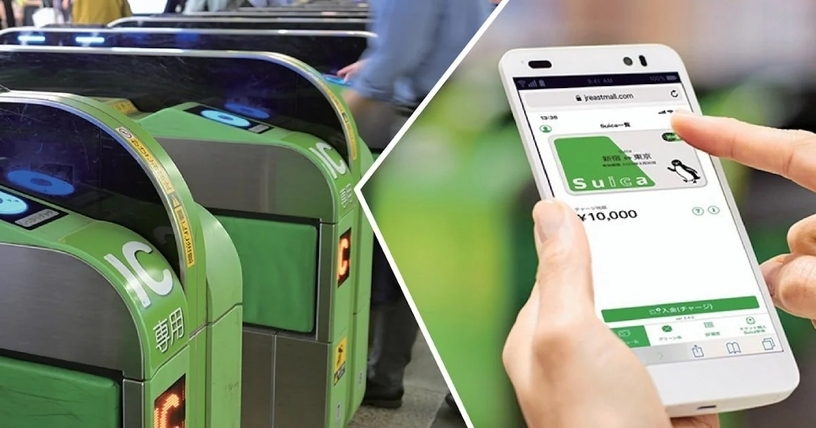
The core advantage is speed. Suica payments are nearly instantaneous, crucial for: Train gates. Busy convenience stores. High-demand vending machines. Wallet Integration. On iPhone: Add Suica to Apple Wallet. Set Suica to Express Transit Mode (no Face ID required). Recharge with Apple Pay. View transaction history in Wallet. On Android: Mobile Suica app. Balance and recharge via Google Wallet. Commuter passes integrated.
Commuter Pass Integration. Monthly train passes: Bus passes. Student passes. Multi-line transfers. This is one of Suica’s strongest selling points - Suica Green Tickets & Shinkansen Support. Some limited Shinkansen routes and Green Car (first-class) upgrades can be stored.
Suica has become one of the most convenient payment tools for inbound tourists in Japan, offering a simple, cash-free way to navigate daily spending. Travelers can instantly add a Suica card to Apple Wallet using an international Visa or Mastercard, allowing them to pay effortlessly for trains, buses, convenience stores, and vending machines without needing physical cash. The system is widely accepted across retail and transportation, and any remaining balance can be refunded with ease before departure. This seamless experience has made Suica a globally recommended travel essential for anyone visiting Japan.
Suica’s business model is built on multiple revenue streams that go far beyond train fares. Its core income comes from transportation usage fees, where every tap generates a small micro-fee within the system. Suica also earns from retail merchant fees—small percentages charged on payments made at shops and kiosks across Japan. Additional revenue is generated through card issuance and account management, particularly for certain mobile tiers on Android devices. Strategic partnerships with platforms like Apple Pay, Google Wallet, and regional IC card networks such as ICOCA, PASMO, and Kitaca further expand Suica’s ecosystem and bring in integration-related value. Beyond payments, Suica leverages aggregated data insights from transportation and retail activity to help optimize station design, retail placement, and commuter service planning, creating a powerful feedback loop that strengthens both revenue and user experience.
Suica, PayPay, and Rakuten Pay each attract distinct user groups shaped by their ecosystems and use cases. Suica is widely adopted by daily commuters, tourists, and urban residents who rely on its seamless transit integration. PayPay, with its strong QR-code presence and aggressive cashback campaigns, is especially popular in small towns and rural areas where digital payment adoption has grown rapidly. Meanwhile, Rakuten Pay appeals most to online shoppers and loyalty-driven users who are deeply engaged with the Rakuten ecosystem and value the ability to earn and redeem points across multiple services.
Suica Mobile Wallet is not just a transportation card—it is one of Japan’s most advanced digital payment systems. With unmatched speed, massive coverage, tourist-friendly features, and integration with global mobile wallets, Suica remains a core pillar in Japan’s cashless evolution.Top of FormBottom of Form
Suica Mobile Wallet Now Powers More Than Transportation. Widely accepted in convenience stores, vending machines, restaurants, arcades, and taxis. Supports automatic balance reload via credit card. Used by millions of commuters daily. Works seamlessly for inbound tourists with global debit/credit cards (Apple Wallet).
With Suica’s adoption, NFC tap-to-pay culture became normal in urban Japan long before mobile wallets globally took off. Today, Suica Mobile Wallet is one of the most advanced transportation-linked payment ecosystems in the world.
Together, PayPay, Rakuten Pay, and Suica Mobile Wallet are helping Japan overcome decades of cash dominance. Digital Payments Are Now Mainstream. Cashless payment penetration has risen sharply, especially after the pandemic. Small Merchants Are Going Digital. More than 3 million SMEs now accept QR payments—something unthinkable a decade ago. Tourism-Friendly Payments. Mobile wallets reduce barriers for international travelers who previously relied on cash due to limited card acceptance. Loyalty Reinvented. PayPay Points and Rakuten Points create a reward-rich environment that makes digital payments more attractive than cash. Data-Driven Retail and Mobility. Merchants and transportation operators now benefit from insights into consumer behavior, enabling better promotions, inventory decisions, and pricing models.
The Future of Japanese Digital Payments
Japan is expected to exceed 40–50% cashless penetration by 2030. The government continues to promote cashless initiatives, fintech startups are rising, and partnerships across banking, telecom, and retail sectors are deepening.
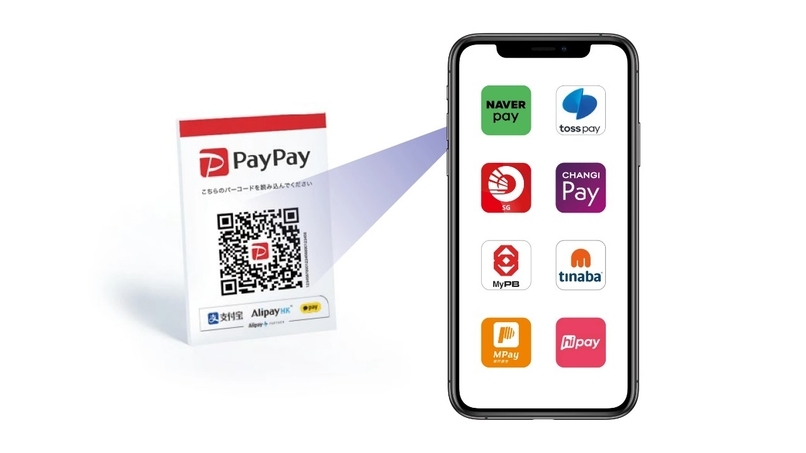
Three trends will define the next phase: Contactless and QR interoperability (simplifying acceptance across platforms). Expansion of digital government payments (taxes, utilities, social support). International integration, especially with tourists from Southeast Asia using wallets like GrabPay or Alipay+.
PayPay, Rakuten Pay, and Suica Mobile Wallet have already proved that even a deeply cash-based society can shift rapidly when mobile payments offer convenience, rewards, and ecosystem value.
Japan’s next chapter will be less about catching up and more about leading innovation in digital payments across Asia.