Explore how renewable energy in Malaysia is expanding through solar, hydropower, and green technology, shaping the country's sustainable future and investment landscape.
Explore how renewable energy in Malaysia is expanding through solar, hydropower, and green technology, shaping the country's sustainable future and investment landscape.
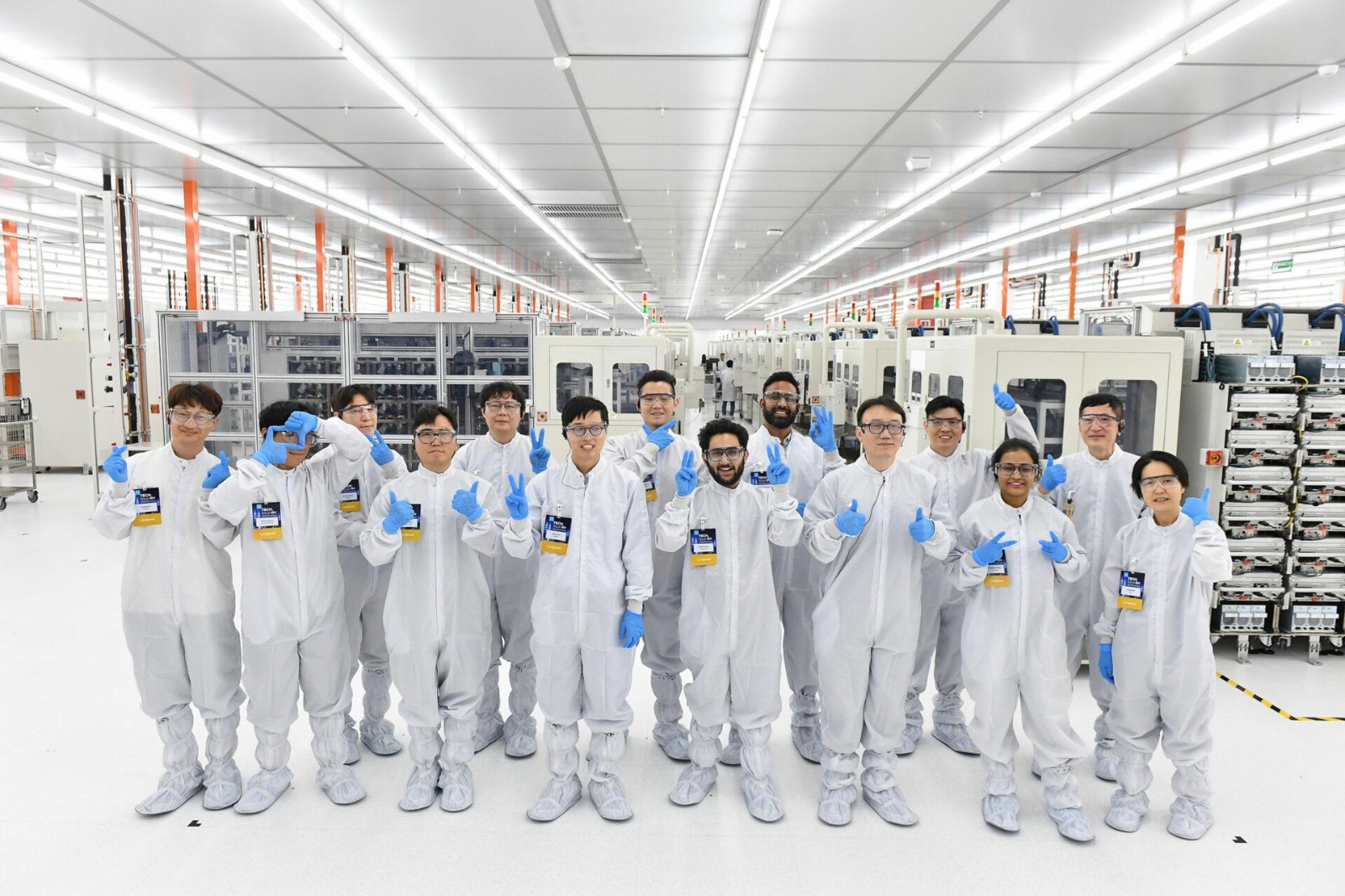
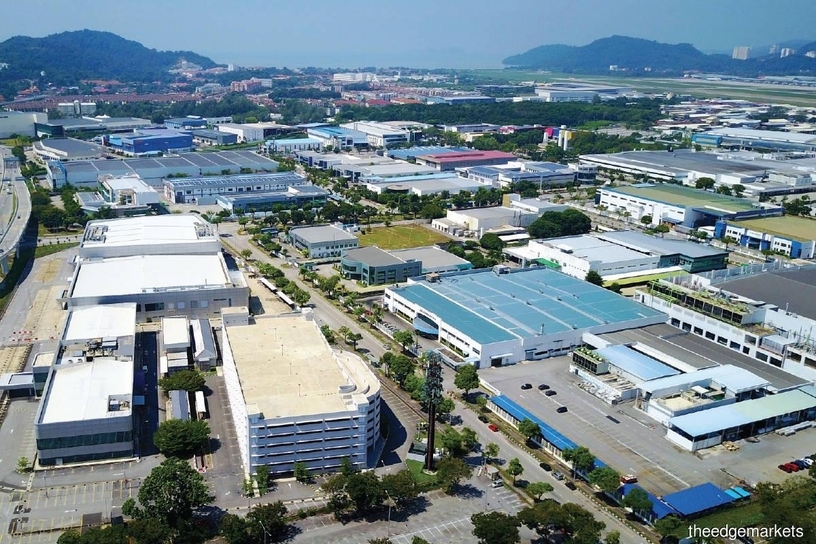
An inside look at Intel's Malaysia chip assembly and test operations. Image courtesy of Techgoondu.
In a bold step toward economic diversification and technological advancement, Malaysia has unveiled plans to position itself as a key player in the global energy and semiconductor industries. Announced by Prime Minister Anwar Ibrahim, this initiative aims to capitalize on the country’s strategic location, skilled workforce, and robust infrastructure to attract investments and foster innovation.
Malaysia’s ambitious plan reflects its vision to become a global hub for energy and semiconductor manufacturing within the next decade. The government’s strategy includes a dual focus: advancing renewable energy projects and strengthening the semiconductor supply chain, which is vital to industries such as electronics, automotive, and artificial intelligence.
Prime Minister Anwar Ibrahim highlighted the importance of this initiative during a recent industry conference, stating, “Malaysia is poised to be a major conduit for diversification in energy and semiconductor supply chains. By leveraging our resources and strategic partnerships, we aim to create a resilient and sustainable economic ecosystem.”
Malaysia’s semiconductor industry is one of the fastest-growing technology sectors in Southeast Asia right now. It is moving from traditional assembly and testing into advanced chip design, power semiconductors, AI, and electric-vehicle components, backed by heavy foreign investment and strong government policy. Below is a clear, business-focused overview you can use for strategy, market research, or article development.
Semiconductor exports grew 15.7% in the first half of 2025, significantly faster than overall exports. Malaysia secured RM63 billion in semiconductor investments by early 2025. The country contributes about 13% of global semiconductor testing and packaging output. The sector generated massive economic spillover, with every RM1 spent producing over RM2 in economic output. Malaysia is already a global manufacturing hub and is now upgrading into higher-value segments like chip design and advanced packaging.
Massive Foreign Investment and Global Demand. Major global companies are expanding operations:
· Intel — multi-billion-ringgit advanced packaging investments
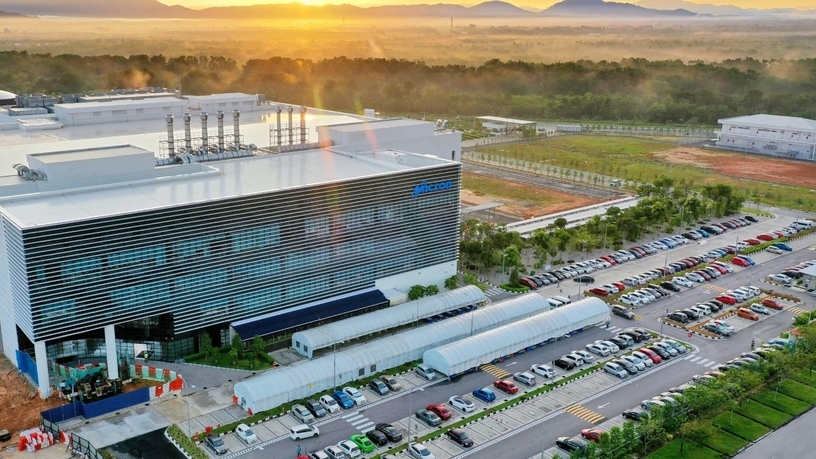
· Infineon — building one of the world’s largest silicon carbide fabs
· NXP, Analog Devices, Bosch — expanding sensor and automotive chip production
These projects are driven by demand from:
· AI and data centers
· Electric vehicles (EV)
· Smartphones and consumer electronics
· Industrial automation
Global demand for semiconductors is surging due to AI, cloud computing, and next-generation electronics, creating strong growth momentum for Malaysia. Strong Government Strategy (National Semiconductor Strategy). Malaysia launched a national plan to transform the industry. Targets include: Double global market share from 7% to 14% by 2029. Build local semiconductor design companies. Move from manufacturing to innovation. Malaysia is actively positioning itself as a full semiconductor ecosystem — from design to manufacturing to testing.
Strategic Role in Global Supply Chains. Malaysia benefits from geopolitical shifts. For example: Companies diversify production outside China. Supply chains move to Southeast Asia. Western companies seek stable manufacturing bases. Malaysia is seen as a reliable partner due to: Skilled workforce. Strong infrastructure. Long history in electronics manufacturing.These advantages have made the country a key node in global semiconductor supply chains.
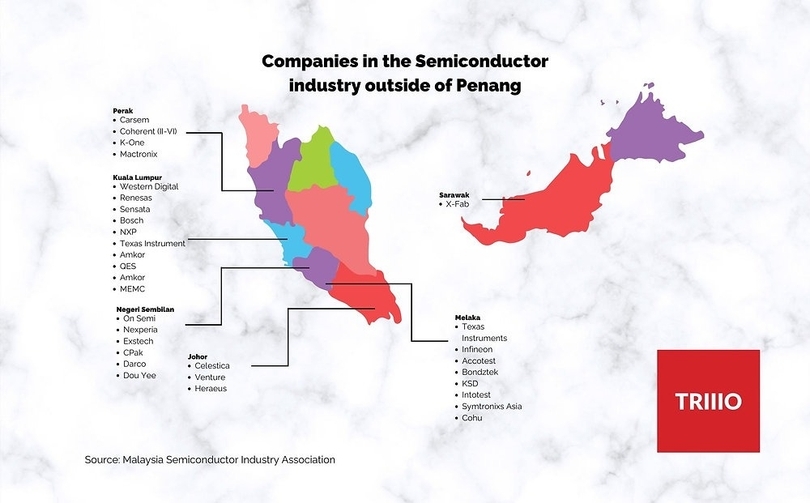
Key Semiconductor Hubs in Malaysia
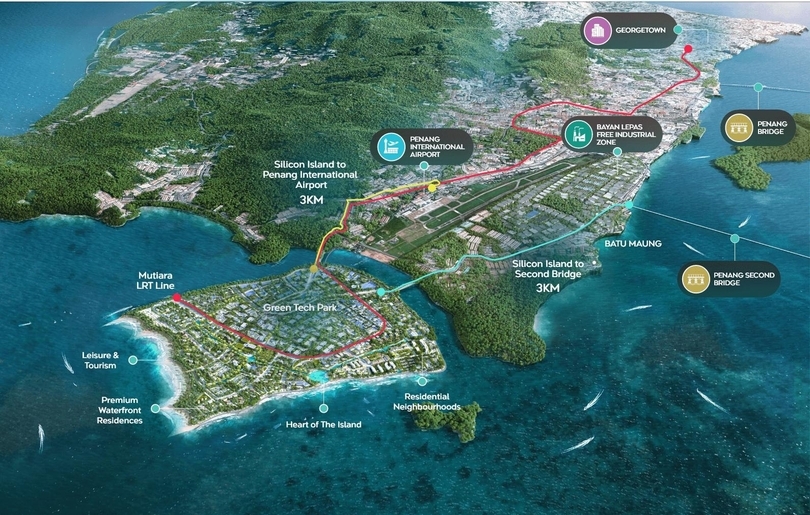
Penang — “Silicon Valley of the East” - The main semiconductor center.
Focus areas: Assembly and testing. IC design. Advanced packaging. R&D and innovation. New initiatives like the Penang Silicon Design @5KM+ project aim to develop locally designed chips and strengthen innovation capabilities.
Kulim (Kedah) - Power semiconductor manufacturing. EV chip production.
Selangor - IC design and electronics
Johor - Data centers and AI infrastructure
Growth is spreading across multiple states, not just Penang. This is the most important section if you're thinking from a business or investment perspective. Highest-Growth Segments. Advanced Packaging. Power Semiconductors (EV). AI and Data Center Chips. Semiconductor Equipment and Components. IC Design and Engineering. These segments are moving Malaysia up the value chain beyond simple manufacturing.
Semiconductors are a cornerstone of modern technology, and Malaysia is already a key player in this sector, contributing to approximately 13% of the global semiconductor testing and packaging market. The government’s new initiatives aim to build on this foundation by:
1. Enhancing Local Manufacturing Capabilities: The government plans to invest in state-of-the-art facilities and advanced manufacturing technologies to produce chips and GPUs domestically.
2. Attracting Foreign Direct Investment (FDI): Malaysia is offering attractive incentives, including tax breaks and grants, to multinational corporations and startups specializing in semiconductor design and manufacturing.
3. Establishing Research and Development (R&D) Hubs: Collaborations with leading global technology companies and local universities are underway to drive innovation and develop a skilled workforce.
Minister of Economy Rafizi Ramli stated, “By fostering innovation and collaboration, we aim to elevate Malaysia’s role in the global semiconductor supply chain, ensuring our relevance in an increasingly digital world.”
The energy sector is another focal point of Malaysia’s transformation agenda. The government has outlined plans to increase investments in renewable energy, particularly solar, wind, and hydropower. This shift aligns with Malaysia’s commitment to reducing carbon emissions and achieving its net-zero targets by 2050.
Expanding Solar Energy Projects: Malaysia aims to double its solar power generation capacity by 2030, with significant investments in solar farms and rooftop installations. Promoting Green Hydrogen Production: As a clean energy alternative, green hydrogen projects are being prioritized to support industries and transportation. Regional Energy Collaboration: Malaysia is working closely with neighboring countries to develop an integrated ASEAN power grid, facilitating the trade of renewable energy across borders.
Malaysia’s renewable energy sector is entering a decisive growth phase as the country transitions from fossil fuels toward cleaner power sources. The government, utilities, and private investors are accelerating solar, hydropower, and emerging technologies to meet sustainability targets and energy security needs. Below is a structured, business-oriented overview you can use for market understanding, investment research, or article development.
Malaysia targets 70% renewable energy capacity by 2050. Renewable energy capacity is expected to grow rapidly, led by solar power. The country is reducing dependence on coal and natural gas. Corporate demand for green electricity is rising, especially from manufacturing and data centers. Malaysia is still heavily dependent on fossil fuels, but renewable energy is now one of the fastest-growing infrastructure sectors in the country.
Renewable Energy Is Growing Fast in Malaysia
Government Policy and National Targets. Malaysia introduced long-term energy transition plans to meet sustainability and climate commitments. 31% renewable energy capacity by 2025. 40% by 2035. Net-zero emissions by 2050. Major policy programs include: Net Energy Metering (NEM). Large Scale Solar (LSS). Corporate Green Power Programme (CGPP). These policies are driving investment across the energy sector.
Rising Electricity Demand from Industry. Renewable energy growth is strongly linked to industrial expansion. Semiconductor manufacturing. Data centers. Electric vehicles. Industrial automation. Smart cities. This is especially relevant alongside Malaysia’s semiconductor expansion — a sector you recently explored — because chip factories consume massive amounts of electricity and increasingly require renewable power for ESG compliance.
Corporate Sustainability Pressure. Global companies operating in Malaysia are committing to renewable energy. Technology companies. Manufacturing exporters. Logistics and industrial parks. Many multinational firms now require renewable energy to meet: ESG standards. Carbon reduction targets. Supply chain compliance. This is creating steady demand for renewable power.
Main Types of Renewable Energy in Malaysia
Solar Energy — The Fastest-Growing Sector. Malaysia has strong year-round sunlight. Installation costs continue to decline. Easy to deploy on rooftops and industrial land. Growth areas: Utility-scale solar farms. Industrial rooftop solar. Floating solar systems. Solar power purchase agreements (PPA). Solar is expected to remain the primary renewable energy source in Malaysia through 2035.
Hydropower — The Largest Existing Renewable Source. Hydropower currently provides the majority of renewable electricity in Malaysia. Reliable baseload power. Large generation capacity. Long operational lifespan. Most hydropower projects are located in East Malaysia.
Emerging Renewable Sources
These are smaller today but growing. Wind energy — limited but developing. Biomass energy — strong potential from palm oil waste. Hydrogen energy — future export opportunity. Malaysia’s large palm oil industry creates unique opportunities in biomass and bioenergy.
High-Growth Renewable Energy Segments: Solar power development. Energy storage systems (batteries). Industrial rooftop solar installation. Green hydrogen production. Renewable energy equipment supply. Grid infrastructure and transmission. Carbon credit and ESG services. These areas are attracting both local and foreign investment.
Challenges Facing Renewable Energy in Malaysia
Grid Infrastructure Limitations. The electricity grid needs upgrades to support large-scale renewable energy. Transmission capacity. Intermittent solar generation. Storage requirements. Grid modernization is a major investment priority. High Initial Investment Costs. Renewable energy projects require significant capital. Solar farm development. Battery storage systems. Transmission infrastructure. However, operating costs are typically lower over time.
Regulatory and Approval Processes. Developers must navigate: Energy licensing. Environmental approvals. Land use permits. This can slow project timelines.
Growth direction: Very Strong. Rapid solar expansion. Increased corporate renewable energy demand. Development of green hydrogen industry. Strong government incentives. Rising private sector investment. Renewable energy is becoming a core pillar of Malaysia’s economic and industrial strategy.
This dual-focus strategy is expected to bring substantial economic benefits. By 2030, Malaysia aims to attract over $100 billion in investments in the semiconductor and renewable energy sectors, creating more than 100,000 high-quality jobs.
“Our goal is not just to generate employment but to create meaningful, future-ready jobs that contribute to the global economy,” said Dato’ Seri Mohamed Azmin Ali, Minister of International Trade and Industry.
While the vision is promising, there are challenges to overcome. These include ensuring the availability of a skilled workforce, addressing potential environmental concerns, and navigating geopolitical uncertainties in the semiconductor supply chain. The government has pledged to work closely with industry stakeholders and international partners to address these issues effectively.
Malaysia’s aspirations to become a hub for energy and chip manufacturing are ambitious but achievable. By leveraging its existing strengths and implementing forward-thinking policies, the country is positioning itself as a vital player in two of the most critical industries of the future.
As Malaysia moves forward with its plans, it is not only enhancing its economic prospects but also contributing to global efforts toward sustainability and technological advancement. The next decade promises to be a transformative period for Malaysia, with the potential to reshape its role on the world stage.