Content creators in Indonesia are no longer just influencers. Many are building brands, launching products, and running companies. Here’s how content turns into real business growth in today’s digital economy.
Content creators in Indonesia are no longer just influencers. Many are building brands, launching products, and running companies. Here’s how content turns into real business growth in today’s digital economy.
Understanding Business Models by Industry and the Path from Creator to Enterprise
Indonesia’s digital content industry has evolved rapidly over the past decade. What began as individuals sharing videos and social media posts has grown into a structured business ecosystem worth billions of rupiah annually. Today, many Indonesian creators are no longer just influencers—they are entrepreneurs building brands, launching products, and running companies.
From beauty brands and restaurants to education platforms and media studios, content creation has become a gateway to scalable business opportunities. The key difference between a hobbyist creator and a successful entrepreneur lies in the ability to transform content into a repeatable revenue model and a long-term business structure.
The creator economy in Indonesia generated about USD 1.2 billion in revenue in 2026. Around 3.5 million influencers are actively producing content across platforms. In 2024, about 17 million Indonesians identified as content creators, with roughly 8 million treating it as their main job. Digital content and influencer marketing produced roughly IDR 35 trillion in revenue in 2023.
Indonesia is currently the largest content producer in Southeast Asia, driven by high social media usage and a young population. 78% of Indonesians use social media. People spend 3.2 hours daily on content platforms. Video content dominates consumption. This is why brands are shifting budgets from traditional advertising to creators. Main Business Models in Digital Content Creation. Think of content creation as a multi-revenue digital business, not just posting videos.
Advertising & Brand Sponsorship (Primary Revenue). This is the biggest money source. Sponsored posts. Brand collaborations. Product placements. Affiliate marketing. 65% of creators monetize through sponsored content. 76% of Indonesians have purchased products through creator links.
Platform Monetization. YouTube AdSense. TikTok Creator Fund. Instagram bonuses. Facebook monetization. But this is usually secondary income. AdSense is often considered a bonus, not the main income source.
Product & Business Sales. This is where serious businesses make money. Selling coffee brands. Selling fashion products. Selling courses. Selling services. Building personal brands. Content creation can act as a marketing engine, not just entertainment.
Agency / Production Services. Many companies now hire creators or studios to produce: social media content, product photography, short videos and marketing campaigns. Typical clients: SMEs, restaurants, e-commerce brands, real estate and manufacturers.
These niches consistently generate revenue: Food & Culinary. Beauty & Skincare. Technology Reviews. Lifestyle & Travel. Finance / Business Education. Gaming. Comedy / Entertainment. Local Business Promotion. Fashion and food content show some of the highest engagement rates on social media.
Platforms That Dominate the Market. Top platforms in Indonesia: TikTok. Instagram. YouTube. Facebook. Shopee Live / TikTok Shop. Most creators use multiple platforms: 89% of creators operate across several platforms.
Typical Income Levels (Reality Check) - Income varies widely.
Small Creator (10K–100K followers). Typical monthly income: Rp 2 million – Rp 10 million
Mid Creator (100K–1M followers). Typical monthly income: Rp 10 million – Rp 50 million
Large Creator (1M+ followers). Typical monthly income: Rp 50 million – Rp 300 million+
Top creators can earn significantly more through brand deals and business ventures. Creators with large audiences can earn over USD 1,000 per month, which is above the national average wage.
Startup Costs for a Content Creation Business. You can start relatively cheaply compared to traditional businesses. Typical startup budget: Basic setup: Rp 5 million – Rp 15 million. Includes: smartphone, microphone, lighting, editing software and internet. Many successful creators started with just a phone and gradually upgraded equipment.
Opportunities in Indonesia (Why This Industry Is Growing)
Huge Audience. Indonesia has: massive population, high mobile usage and strong social media culture. This creates: constant demand for content.
Low Entry Barrier. You do not need: office. large capital. formal education. Most creators are self-taught using online resources.
Strong Business Demand. Companies increasingly rely on creators for: marketing, branding, product launches, and customer engagement. In fact: influencer marketing spending reached USD 650 million in 2026.
Income Instability. Content income depends on: algorithms, audience interest and platform rules. This makes earnings unpredictable.
High Competition. Millions of creators are entering the market. Indonesia has: millions of active creators. rapidly growing content supply.
Platform Dependency. If your account is: banned, demonetized and restricted. Income can disappear immediately.
Governments are also tightening regulations on online content and platform compliance.
"Business Trend: Content Creator → Media Company"
The most successful creators are no longer just individuals. They become: brands, agencies, studios and e-commerce businesses. Examples of scaling: Creator → Brand → Company. YouTube → Product brand. TikTok → E-commerce store. Instagram → Marketing agency. Where the Real Business Opportunity Is (Strategic View). The biggest money in content creation is usually NOT: views, followers and ads. It is: business leverage. High-value opportunities: Content marketing agency. Personal branding for business. Product promotion & sales. Affiliate marketing. Digital education / courses. B2B content services. Social media management.

The modern content creator operates similarly to a small media company. Instead of simply posting content, successful creators manage production schedules, marketing strategies, partnerships, and revenue streams. They build audiences that can be monetized through advertising, products, services, and brand collaborations. In Indonesia, the demand for digital content continues to grow due to several factors: High social media usage. Rapid e-commerce adoption. Expanding digital marketing budgets. Young and mobile-first population. As a result, businesses increasingly rely on content creators to reach customers, build brand awareness, and drive sales.
Business Model 1: Media and Entertainment.One of the most established content creation models in Indonesia is the media and entertainment industry. Creators in this segment produce videos, podcasts, and online shows that attract large audiences and advertising revenue. A well-known example is Raffi Ahmad, who founded the media company RANS Entertainment. What started as social media content has grown into a diversified business that includes production services, talent management, and brand partnerships. The revenue structure in this model typically includes: Advertising and sponsorships. Content production services. Event management. Talent representation. The strength of this model lies in scale. Once a creator builds a large audience, the content platform becomes a distribution channel for multiple revenue streams.
Business Model 2: Beauty and Skincare.The beauty industry is one of the most profitable sectors for content creators because it combines strong consumer demand with repeat purchases. Many Indonesian beauty creators have successfully launched their own product lines after building loyal audiences. A prominent example is Tasya Farasya, who leveraged her reputation as a beauty content creator to establish the cosmetics brand Mother of Pearl Beauty. This business model typically follows a clear progression: Content → Audience → Product → Distribution. Revenue sources include: Sponsored content. Affiliate marketing. Product sales. Brand collaborations. The beauty sector works particularly well for content-driven businesses because visual demonstrations and product reviews directly influence purchasing decisions.
Business Model 3: Food and Beverage.Food content has become one of the most effective ways to build a brand in Indonesia’s urban markets. Restaurants, packaged food brands, and cloud kitchens often start with social media content before expanding into physical operations. Chef and entrepreneur Arnold Poernomo co-founded the restaurant brand Mangkokku after gaining popularity through television and online content. In this industry, content serves as a marketing engine that generates customer demand even before the business opens its doors.Typical revenue streams include: Restaurant sales. Food delivery services. Brand partnerships. Franchising. Food businesses benefit from content because customers often make decisions based on visual appeal and online recommendations.
Business Model 4: Education and Knowledge Services.Another fast-growing segment is education and professional training. Content creators in this space share knowledge about finance, business, career development, and personal growth. One example is Raymond Chin, who founded the financial education platform Ternak Uang. His content built credibility and trust, which later translated into paid courses and consulting services. The revenue structure in this model includes: Online courses . Membership programs. Coaching services. Corporate training. This model is attractive because it offers high profit margins and scalable digital products.
Business Model 5: Technology and Product Reviews. Technology creators play an important role in consumer decision-making. Many buyers research products online before making purchases, making review content highly valuable for brands and retailers. Technology reviewer David GadgetIn built a large audience through the media platform GadgetIn, focusing on smartphones and consumer electronics. In this sector, content drives revenue through: Affiliate commissions. Advertising partnerships. Product sponsorships. Media collaborations. The success of this model depends on credibility and consistent content quality.
While many individuals start as solo creators, only a small percentage successfully build companies. The difference lies in structure, strategy, and long-term planning. Below is the typical growth path observed in Indonesia’s content industry.
Stage 1: Individual Creator. At the beginning, the creator works independently with minimal resources. The primary goal is to build an audience and establish a recognizable identity. Small budget. Simple equipment. Single content channel. Limited revenue. Income at this stage usually comes from advertisements and small sponsorship deals.
Stage 2: Small Team. As the audience grows, the creator hires support staff such as video editors, designers, and social media managers. This allows for more frequent content production and better quality output. Basic team structure, Higher production capacity. Increasing brand collaborations. Revenue becomes more stable as partnerships and sponsorships expand.
Stage 3: Brand Development. At this stage, the creator launches products or services under a brand name. The business begins to operate like a startup rather than a personal project. Registered business entity. Product or service offerings. Marketing strategy. Financial management. Revenue sources diversify beyond advertising into product sales and service fees.
Stage 4: Company Formation. In the final stage, the creator builds a formal company with multiple departments and long-term growth plans. Organizational structure. Dedicated management team. Multiple revenue streams. Strategic partnerships. This stage transforms content creation into a sustainable business.
Indonesia the real opportunity is not just creating content, but turning content into a scalable business system. Below is a structured breakdown of content creation business models by industry and how Indonesian creators scale into companies, using real patterns from the market.
Media & Entertainment Industry. Business Model: Advertising + Production + Talent Management. Real Example: Raffi Ahmad — Founder of RANS Entertainment. Revenue Streams: YouTube advertising. Brand sponsorships. Content production services. Talent management. Event production. Typical Clients: FMCG brands. TV networks. Corporate brands. Government campaigns. High demand for digital media. Brands need constant content. Creators already have audience distribution. Scaling Pattern, Creator → Production team → Studio → Media company
Beauty & Skincare Industry. Business Model: Personal Brand → Product Brand. Real Example: Tasya Farasya — Founder of Mother of Pearl Beauty. Revenue Streams: Sponsored content. Affiliate marketing. Cosmetics brand sales. Product collaborations. Typical Market Segment: Women 18–35. Beauty consumers. Online shoppers. Beauty has: high repeat purchases, strong brand loyalty and visual content demand. Scaling Pattern, Influencer → Product brand → Distribution → Retail / export
Food & Beverage Industry. Business Model: Content → Restaurant / Food Brand. Real Example: Arnold Poernomo — Co-founder of Mangkokku. Revenue Streams: Restaurant sales. Brand partnerships. Food product licensing. Franchise opportunities. Typical Market Segment: Urban consumers. Young professionals. Food delivery users. Food content: generates daily demand, converts directly into purchases, and scales through franchising. Food creator → Restaurant → Brand chain → Franchise
Education & Business Coaching Industry. Business Model: Knowledge → Courses → Consulting. Real Example: Raymond Chin — Founder of Ternak Uang. Revenue Streams. Online courses. Membership programs. Consulting services. Speaking fees. Typical Market Segment: Young professionals. Entrepreneurs. Investors. Knowledge content: builds authority, creates trust, and has high margins. Educator → Course creator → Training company → Financial platform
Technology & Gadget Industry. Business Model: Reviews → Affiliate Sales → Media Channel. Real Example: David GadgetIn — Founder of GadgetIn. Revenue Streams: Affiliate commissions. Advertising revenue. Sponsorships. Media partnerships. Typical Market Segment: Tech buyers. Gadget enthusiasts. Online shoppers. Tech buyers: research before purchase, trust reviews, and consume video content. Reviewer → Content channel → Media brand → E-commerce partner
Gaming & Esports Industry. Business Model: Content → Community → Sponsorship. Real Example: Jess No Limit. Revenue Streams: YouTube ads. Sponsorships. Gaming merchandise. Tournament appearances. Typical Market Segment: Gen Z. Gamers. Online communities. Gaming: high engagement, loyal audience, and recurring content demand. Gamer → Influencer → Esports brand → Gaming company
In today’s digital economy, Indonesian content creators are no longer operating solely as influencers or entertainers—they are building structured businesses that evolve through clear growth stages. The journey typically begins with a single individual using a smartphone and social media platform to grow an audience and generate income from advertisements and sponsorships. As engagement increases, creators transition into the startup phase by forming small teams that include editors, content managers, and social media specialists, allowing them to produce content more consistently while expanding revenue through brand collaborations and affiliate sales.
Over time, successful creators establish themselves as recognizable brands, developing formal business functions such as marketing, operations, and finance while introducing products or services that strengthen their market identity. Ultimately, the most ambitious creators reach the corporate phase, operating as full-scale companies led by executives and department managers with diversified income streams from investments, partnerships, and licensing agreements—demonstrating how digital influence can mature into sustainable enterprises.
A clear example of this transformation can be seen in the career trajectory of Raffi Ahmad, who progressed from television actor to YouTuber and eventually co-founded the media and entertainment company RANS Entertainment. Today, the organization operates across multiple industries including media production, sports, events, advertising, and talent management, illustrating a practical and widely recognized model of how Indonesian creators can scale from personal brands into fully developed corporations.
In financial terms, this evolution is also reflected in revenue growth, where monthly earnings can rise from approximately Rp 3–20 million at the individual creator stage to hundreds of millions or even billions of rupiah once the business reaches corporate scale, highlighting the significant commercial potential of Indonesia’s modern creator economy.
Ranked by profitability: Beauty & skincare. Food & beverage. Finance & education. Technology & gadgets. Lifestyle & entertainment. Property & real estate. Manufacturing / industrial. B2B services.
8 Top Indonesian Digital Content Creation Entrepreneurs - (Popular, High-Earning, and Business-Driven Creators)
Atta Halilintar - YouTube & social media entertainment. Fashion brand (AHHA). Sports & entertainment investments. Digital advertising & endorsements. He became the first YouTuber in Southeast Asia to receive the Diamond Play Button, making him one of Indonesia’s most influential creators. Daily vlogging content. Aggressive brand collaborations. Expansion into physical businesses. Early mover advantage. Consistency. Strong personal branding. Family-based storytelling. He transformed from creator → media brand → business empire.
Ria Ricis - Lifestyle & entertainment content. Brand endorsements. Books & merchandise. Acting & media appearances. She is among the highest-earning female YouTubers in Southeast Asia, with estimated earnings reaching hundreds of thousands of dollars monthly from ads and partnerships. Relatable personality. Viral content strategy. High posting frequency. Emotional storytelling. Strong audience connection. Viral content style. Relatability is her competitive advantage.
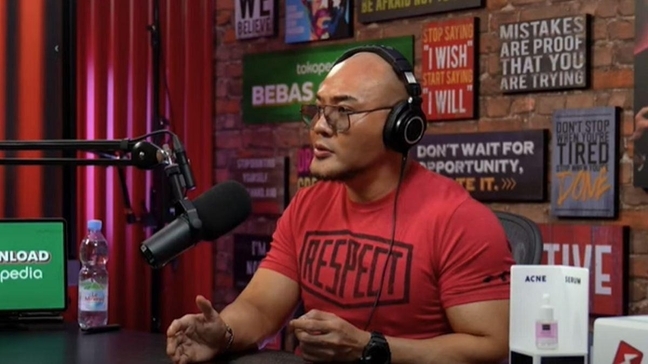
Deddy Corbuzier - Podcast media platform. Digital advertising. Public speaking. Business partnerships. His YouTube podcast generates millions of views through interviews with celebrities and public figures discussing trending topics. Authority positioning. Controversial discussions. High-value guests. Credibility. Strong interview format. Premium audience. He built a media platform, not just a content channel.
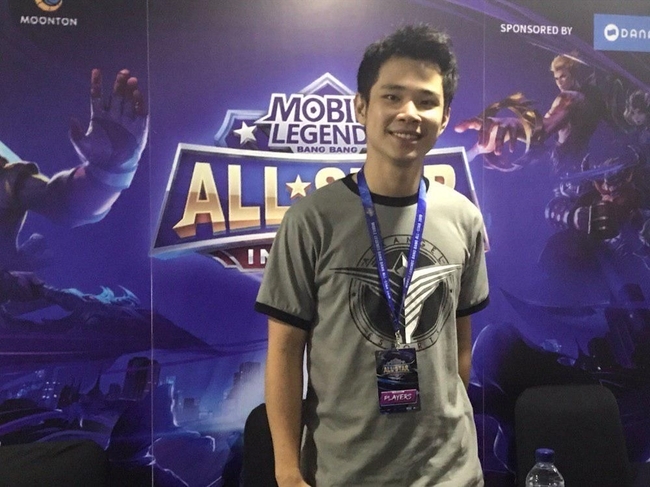
Jess No Limit - Gaming content. Esports branding. Sponsorship deals. Digital entertainment. He is one of Indonesia’s top gaming creators, earning significant monthly income from gaming content and partnerships. Focused niche strategy. Gaming expertise. Consistent content. Skill-based content. Loyal gaming community. Early adoption of mobile gaming. Specialization beats general content.
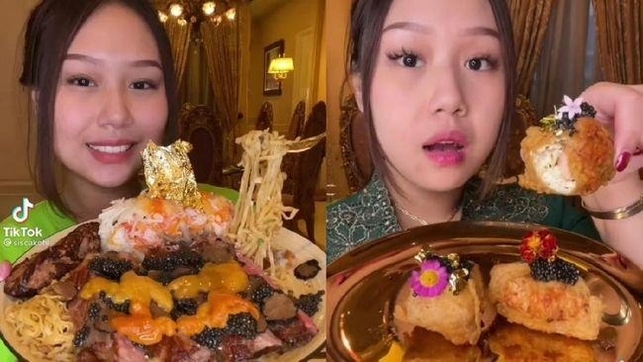
Sisca Kohl - Viral lifestyle content. Food & luxury experiments. Brand collaborations. Social media entertainment. Her content often showcases luxury lifestyles and unusual food concepts, such as turning popular dishes into ice cream, which attracted massive online attention. Unique content concept. High production quality. Viral storytelling. Novelty. Strong visual storytelling. Virality can be engineered through creativity.
Raffi Ahmad - (Owner of RANS Entertainment). Digital media company. Entertainment production. Brand partnerships. Sports & investment ventures. His channel generates substantial revenue from advertising and digital content production. Celebrity leverage. Media company structure. Multi-platform content. Massive audience base. Strong brand partnerships. Media expansion strategy. He turned content creation into a corporate media business.
Baim Wong - Social experiment content. Charity & philanthropy campaigns. Brand partnerships. Retail & digital business. His YouTube content generates significant monthly income from advertising and brand deals. Emotional storytelling. Viral social content. Community engagement. Emotional appeal. Social impact content. Trust is a monetizable asset.
Frost Diamond - Gaming content. YouTube monetization. Brand sponsorships. He is considered one of the highest-earning gaming YouTubers in Indonesia, with income estimates reaching billions of rupiah monthly. Focused gaming niche. High content volume. Strong fan base. Consistent gaming content. Loyal audience. Volume + niche focus = scalable digital income.
Strategic Patterns Across These 8 Entrepreneurs
1) They Are Not Just Creators — They Are Businesses. Common revenue streams: Advertising. Sponsorships. Merchandise. Investments. Media production. Brand ownership. Most creators rely more on brand partnerships than ad revenue alone.
2) Their Market Segments Are Very Clear. Typical segmentation: Mass entertainment. Gaming. Lifestyle. Family. Youth. Business / professional. They do NOT target everyone.
3) Why They Became Popular (Core Success Drivers). The real reasons: Consistency. Clear niche. Strong personal brand. Viral content strategy. Business expansion.
The most successful Indonesian creators follow this path: Content → Audience → Brand → Business → Investment. Not: Content → Views → Ads
Content creation is no longer limited to entertainment or social media popularity. It has become a core component of modern business strategy. Companies use content to educate customers, build trust, and generate leads. For industries such as manufacturing, export, retail, and services, content can function as a marketing channel that operates continuously without the need for traditional advertising campaigns. In many cases, content reduces marketing costs while increasing brand visibility and customer engagement.
The Future of Content-Driven Businesses in Indonesia
Over the next five to ten years, content creation is expected to play an even larger role in Indonesia’s economy. As internet access expands and digital platforms continue to evolve, more entrepreneurs will use content as a foundation for building businesses. The most successful creators will likely follow a similar pattern: Build an audience. Develop a brand. Launch products or services. Scale operations into a company. This transformation represents a shift in how businesses are created. Instead of starting with products, many entrepreneurs now start with content—and then build businesses around the audiences they attract.