Learn how foreign entrepreneurs can launch a U.S.-based Amazon FBA business. Covers LLC setup, U.S. bank accounts, FDA rules for food and beverages, labeling, product selection, tariff strategies, and tools to manage compliance and logistics.
Learn how foreign entrepreneurs can launch a U.S.-based Amazon FBA business. Covers LLC setup, U.S. bank accounts, FDA rules for food and beverages, labeling, product selection, tariff strategies, and tools to manage compliance and logistics.
Image Courtesy of highstreet.io
Entering the U.S. market using Amazon FBA (Fulfillment by Amazon) is a great opportunity for foreign business owners to scale globally without needing a physical presence in the U.S. However, it involves navigating legal, tax, and logistical challenges.
Fulfillment by Amazon (FBA) allows foreign sellers to list products on Amazon.com, ship inventory to U.S. Amazon warehouses, and let Amazon handle storage, packaging, shipping, and customer service. You can operate globally without being physically in the U.S.
Foreign sellers can sell on Amazon.com (U.S.) using FBA, even if they live outside the U.S. Amazon handles warehousing, fulfillment, and customer service — you just need to send your products to a U.S. fulfillment center.
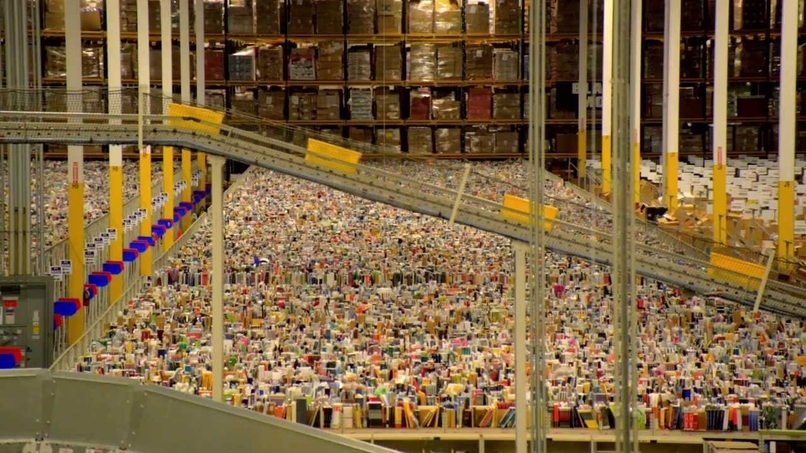
FBA (Fulfillment by Amazon) is a service provided by Amazon that allows third-party sellers to store their products in Amazon's fulfillment centers. When a customer orders one of these products, Amazon handles picking, packing, shipping, customer service, and returns on behalf of the seller. It's widely used by entrepreneurs, small businesses, and large brands to reach Amazon's vast customer base without managing logistics themselves.
Storage & Fulfillment: You send your inventory to Amazon's warehouses. Amazon stores the products until they’re sold. Amazon handles packaging and delivery once a sale occurs.
Prime Eligibility: Products fulfilled by Amazon are automatically eligible for Amazon Prime, attracting more buyers who prefer fast, free shipping.
Customer Service & Returns: Amazon handles all inquiries and returns, making it easier for sellers to scale.
Multi-Channel Fulfillment (MCF): Amazon can also fulfill orders from other platforms (Shopify, eBay, etc.), not just Amazon.
Pros of Using Amazon FBA: Scalability: Easily scale your business without building a fulfillment infrastructure. Customer Trust: Buyers trust Amazon’s delivery and return policies. Speed: Fast and reliable shipping. Hands-off Logistics: You focus on sourcing and marketing, Amazon handles the rest.
Cons of Using Amazon FBA: Fees: FBA fees include storage, fulfillment, and optional long-term storage fees. Profit margins can shrink if not managed properly. Less Control: Amazon handles customer experience; you can’t customize packaging or direct communication. Inventory Risks: Inventory stored too long may incur extra fees or be removed.
Costs Involved: Fulfillment Fees – Charged per unit, based on size and weight. Storage Fees – Monthly charges based on cubic feet; higher in Q4 (Oct–Dec). Returns Processing Fees – For categories with free returns. Optional Services – Labeling, prep services, removal orders, etc.
Typical Steps to Start FBA
Create a Seller Account on Amazon Seller Central. Choose Your Product. Conduct product research (tools like Helium 10 or Jungle Scout). Source Products – From manufacturers (often in China via Alibaba or local suppliers). Send Inventory – Ship products to Amazon fulfillment centers. Launch & Market – Optimize listings, use PPC ads, manage reviews.
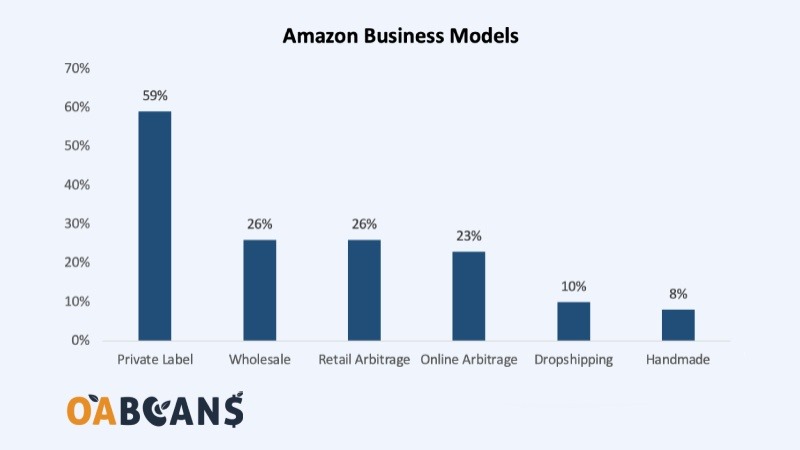
· Private Label – Create your own branded product.
· Wholesale – Purchase bulk products from brands/distributors and resell.
Global FBA Programs: FBA Export – Amazon ships eligible products to international customers. Pan-European FBA – Store inventory across Europe for faster delivery. Amazon Global Selling – Sell in multiple Amazon marketplaces (e.g., US, UK, Japan).
Who Uses Amazon FBA? Solo entrepreneurs. DTC (Direct-to-Consumer) brands. Importers/exporters. Side hustlers. E-commerce businesses wanting to offload logistics
A. Create a Legal Business Entity (Optional but Recommended)
· You can sell as an individual or set up a U.S. LLC or C-Corp.
· A U.S. LLC (e.g., Delaware, Wyoming) gives you credibility and easier banking/tax handling.
· You can also sell using your foreign business entity (e.g., Singapore Pte Ltd, UK Ltd).
Tip: Many sellers use services like Stripe Atlas, Doola, or Firstbase to register a U.S. LLC remotely.
When setting up a U.S.-based Amazon FBA business as a foreign seller, choosing the right legal business entity is crucial for tax efficiency, credibility, and ease of account setup. Amazon accepts several business structures, but the most common and recommended entity for non-residents is a U.S. Limited Liability Company (LLC).
Legal Business Entity Options. Foreign sellers can sell as individuals or register a U.S.-based entity. The most recommended is a Limited Liability Company (LLC) because of its flexibility, liability protection, and simple tax structure.
Limited Liability Company (LLC): Most popular choice for foreign Amazon sellers. Can be owned by one or more individuals/entities. Pass-through taxation (profits taxed only once at the owner level). Can be managed from outside the U.S. Easy to form in states like Delaware, Wyoming, New Mexico. Recommended for: Non-U.S. residents who want a flexible, low-maintenance structure
Corporation (C-Corp): More complex structure, often used by larger companies. Profits taxed at the corporate level, and again at the shareholder level if dividends are paid. Higher compliance and tax filing requirements. May be beneficial if you plan to raise funding or build a large brand. Not ideal for small/medium FBA sellers due to double taxation and complexity.
Sole Proprietorship (Foreign Individual Seller): No U.S. entity; seller registers with Amazon using personal passport, bank account, and W-8BEN. Simpler to start, but less credibility, no asset protection. Often used by beginner sellers testing the market. Not a legal entity, and not recommended for scaling or tax/legal protection
Partnership (Multi-member LLC): Two or more foreign owners operating under an LLC. Taxed as a partnership (form 1065 for U.S. IRS). Pass-through taxation to members. Good for two foreign partners building a business together
Choose LLC for Flexibility: It’s fast, low-cost, and ideal for remote owners.
Protect Yourself Legally: An LLC shields your personal assets from business liabilities. Required for getting an EIN, opening a U.S. bank account, and handling tax properly.
Open a U.S. Business Bank Account: Use Mercury or Relay (foreign-friendly fintech banks). This helps receive payments from Amazon and pay suppliers smoothly.
File the Right Tax Forms: As a foreign LLC, you’ll usually file: Form 5472 + 1120 (if you own a U.S. Single-Member LLC). W-8BEN (to avoid double taxation or withholding)
Use a Business Formation Service: Services like Firstbase.io, Doola, or Stripe Atlas can help you: Register your LLC. Get an EIN. Set up a bank account. Provide compliance support
Here are 5 trusted, legal registered agent and business formation companies that are recognized in the U.S. and cater to foreign investors who want to set up a U.S. entity (usually an LLC or C-Corp) — especially for Amazon FBA and e-commerce business. These companies handle everything from company formation, EIN application, registered agent services, to even U.S. bank account setup, all without needing you to travel to the U.S..
Type: Legal entity formation service for global entrepreneurs. Headquarters: Delaware, USA. Website: https://firstbase.io
What They Do: Register LLC or C-Corp in Delaware, Wyoming, or others. Get an EIN (even without SSN). U.S. business address. 1 year registered agent included. Connect with Mercury or Brex for bank account setup. Pricing: Starts at $399 (one-time fee, lifetime support). Best For: Hassle-free LLC setup for Amazon FBA sellers abroad. Highly trusted by non-resident entrepreneurs
Type: U.S. business formation platform for non-U.S. residents. Headquarters: New York, USA. Website: https://www.doola.com
What They Do: Form LLC in any U.S. state. EIN application. U.S. mailing address. Registered agent. Stripe, Mercury, and Payoneer integration. Pricing: Starts at $297–$597, depending on package. Best For: Global founders needing EIN + compliance dashboard. Excellent customer support and useful dashboard for compliance tracking.
Type: Business formation service by Stripe (mainly for tech/e-commerce businesses). Headquarters: San Francisco, CA. Website: https://stripe.com/atlas
What They Do: C-Corp or LLC setup. EIN application (IRS agent support). Mercury or Stripe business bank account setup. Legal templates and equity management (via Carta). Ongoing compliance reminders. Pricing: $500 flat fee (no renewal for agent unless needed). Best For: Founders who will also use Stripe for payment processing. Backed by Stripe; great if you plan to scale globally.
Type: Professional registered agent and legal services company. Headquarters: Spokane, Washington. Website: https://www.northwestregisteredagent.com
What They Do: LLC and Corporation formation in any U.S. state. EIN application (optional). Privacy-focused: does not sell customer data. Real U.S. physical office address. Provides annual report filing and compliance alerts. Pricing: LLC formation starts at $39 + state fees. Best For: Budget-friendly and secure U.S. business setup. Trusted and highly rated by U.S. legal directories.
Type: Online incorporation and registered agent platform. Headquarters: Houston, Texas. Website: https://www.incfile.com
What They Do: Form LLC, C-Corp, or S-Corp in any U.S. state. EIN application. Business banking and tax consultation add-ons. Pricing: Starts at $0 + state fees (with upsells). Best For: Affordable and flexible options for basic FBA sellers. Great if you’re on a budget and want to customize services
Tips for Choosing a Formation Agent for Amazon FBA
1. Choose a Delaware or Wyoming LLC for low fees and privacy.
2. Ensure EIN support — you’ll need it for Amazon, taxes, and bank accounts.
3. Check for bank integration (Mercury, Relay, Wise) for fast payments.
4. Avoid hidden fees — pick providers that are upfront about renewal or compliance costs.
5. Ask if they handle W-8BEN and IRS tax guidance for non-resident FBA sellers.
If you're a foreign business owner selling via Amazon FBA and want to set up a U.S. bank account, it's crucial to choose a reliable, online-friendly bank that supports non-resident business owners and makes tax compliance and fund transfers easier. Below are the top U.S. banks and fintech platforms recommended for Amazon FBA sellers.
Amazon pays earnings via ACH or wire. Use: Payoneer. Wise. WorldFirst. Or open a U.S. business bank account (via Mercury, Relay, etc.).
Required Documents & Tools: U.S. LLC registration. EIN (Employer Identification Number) from IRS. U.S. bank account (Mercury, Relay, Wise, Payoneer). U.S. return address (via 3PL or return service). Amazon Seller Central account (Professional plan). Tax forms: W-8BEN for foreign individuals / 1120 & 5472 for foreign-owned LLCs
U.S. Bank Account or Payment Processor: Amazon pays earnings via ACH or wire. Use: Payoneer. Wise. WorldFirst Or open a U.S. business bank account (via Mercury, Relay, etc.)
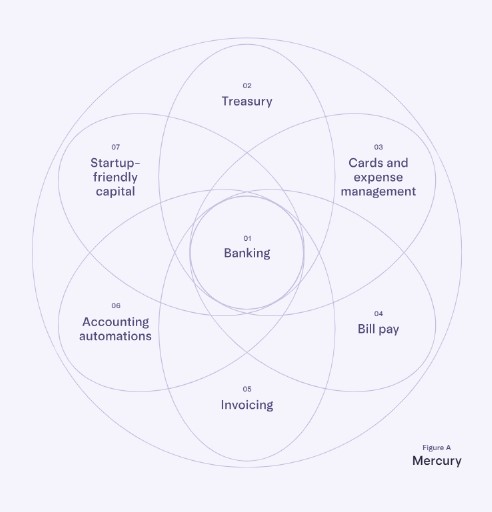
Type: Fintech (U.S. banking partner: Evolve Bank & Trust, Choice Financial). Ideal for: Foreign founders of U.S. LLCs or C-Corps. Website: https://mercury.com
Key Benefits: 100% online sign-up (no SSN needed). Supports non-residents (passport + LLC + EIN required). Offers virtual debit cards, domestic wires, and ACH transfers. Integrates with Payoneer, Stripe, Amazon, and bookkeeping tools. Fee: No monthly fee, no minimum balance. Highly recommended for Amazon FBA sellers with a U.S. LLC.
Type: Online banking for small businesses (partnered with Thread Bank). Ideal for: Non-resident LLC owners needing multiple accounts/users. Website: https://relayfi.com
Key Benefits: Multiple checking accounts (ideal for managing suppliers, taxes, etc.). No monthly fees. Automated accounting integrations (QuickBooks, Xero). Excellent for separating Amazon, marketing, and inventory cash flow. Cons: May request U.S. address or EIN depending on entity.
Type: Fintech (borderless multi-currency account). Ideal for: Getting a U.S. bank account number without forming an LLC. Website: https://wise.com
Key Benefits: U.S. account number + routing number for Amazon payouts. Low-cost currency conversion and fast global transfers. Supports dozens of currencies. Limitation: Not a full bank (no check-writing or interest accounts). Ideal if you don't want to open a U.S. entity right away.
Type: Global payment platform. Ideal for: Amazon and other marketplace sellers worldwide. Website: https://payoneer.com
Key Benefits: Receive Amazon.com (US) payouts in a virtual U.S. bank account. Convert and withdraw funds globally. Marketplace integrations (Amazon, eBay, Walmart, Shopify). Tax form support (W-8BEN, W-9, etc.). Cons: Higher currency conversion fees compared to Wise.
Ideal for: Sellers who want physical presence and prestige
Key Notes: Require U.S. address, sometimes SSN or ITIN. Some branches allow foreign LLC owners to open accounts with: Passport. EIN. Articles of Organization. U.S. mailing address. Pros: Full-service banking, loans, credit cards. Cons: Harder for non-residents to open without being in the U.S.
The best banks for FBA sellers offer easy exports and API access for tax filing: Mercury & Relay: Integrate with QuickBooks, Xero. Payoneer: Handles W-8BEN for foreign sellers. Wise: CSV exports for reconciliation. Amazon + TaxJar or Avalara: For sales tax management
Choose Mercury or Relay if you are registering a U.S. LLC for your Amazon FBA business. Use Wise or Payoneer if you're starting without a U.S. company. Always separate personal vs. business funds for tax clarity. Use accounting software from Day 1 (QuickBooks https://quickbooks.intuit.com or Xero https://www.xero.com ). Ensure you fill out W-8BEN forms to avoid 30% U.S. withholding tax.
Apply for an EIN (Employer Identification Number): Required for tax reporting and opening a U.S. bank account. Apply online via the IRS website or use a third-party service if you don’t have a U.S. SSN.
Required for FBA returns and seller registration. Use: A third-party logistics provider (3PL). Virtual mailboxes or return management services
For foreign sellers using Amazon FBA, having a valid U.S. address is crucial — primarily for product returns, but also for account verification, tax registration (in some states), and other business needs.
Amazon requires a U.S. return address for most product categories. This address must be: A physical, operational U.S. location (no P.O. Boxes). Capable of receiving returned products from customers. Managed by someone who can inspect, store, or reship products if needed.
U.S. Return Address for FBA. Amazon requires a U.S. return address for most product categories. Acceptable Options: 3PL warehouses (e.g., MyFBAprep, ShipBob). Virtual mailboxes (e.g., USA2Me, Viabox). Return management services (e.g., ZonPrep)
Service: 3PL, FBA prep, returns handling, bundling, inspection. Locations: Nationwide (across 50+ warehouses). Key Benefits: Amazon-focused. Offers return label support, repackaging. Easy API & Seller Central integration. Website: https://www.myfbaprep.com
Service: 3PL, returns management, e-commerce fulfillment. Locations: U.S., UK, Canada, EU. Key Benefits: Full e-commerce stack (Amazon + Shopify + DTC). Branded returns portal. Real-time dashboard + warehouse analytics. Website: https://www.shipbob.com
Service: FBA returns processing and product inspections. Specialty: Amazon FBA returns. Key Benefits: Offers professional product evaluation. Affordable per-unit return handling. Accepts used or defective items. Website: https://www.zonprep.com
Service: Mail & package forwarding, storage, and handling. Key Benefits: Virtual U.S. address (Houston, TX). Can accept and hold packages from customers. Optional repacking and destruction. Website: https://www.usa2me.com
Service: Virtual U.S. address with package forwarding. Key Benefits: No setup fee, easy for beginners. 60-day free storage. Accepts Amazon returns and can forward overseas. Website: https://www.viabox.com
Bundle with FBA Prep; Use the same partner for both FBA shipments and returns to streamline logistics and reduce costs. Set Clear Return Policies; Match Amazon’s return window, but monitor for abuse (e.g., refund fraud, product swaps).
Enable Automated Returns Settings in Seller Central; Go to Settings → Fulfillment by Amazon → Return Settings and set up the U.S. return address.
Inspect Returned Products; If reusable, send them back to FBA inventory or repackage for future orders.
Consider a Reimbursement Strategy; Learn Amazon’s FBA reimbursement policies for damaged/defective returns to minimize losses.
Tax Considerations. You may not need to pay U.S. income tax unless you have a U.S. "nexus." Sales Tax: Amazon collects and remits sales tax in most U.S. states on your behalf. You may still need to register for sales tax in certain states (e.g., if you hold inventory there).
Products Accepted in FBA: Most categories are accepted. Popular categories for foreign sellers: Home & Kitchen. Beauty & Personal Care. Toys. Sports & Outdoors. Electronics accessories
Restricted or Gated Categories: Topicals (e.g., creams). Supplements. Food & beverages. Hazmat (batteries, flammable items). Medical devices. Products needing FDA approval
Tip: Check Amazon’s restricted products page and apply for category ungating if needed.
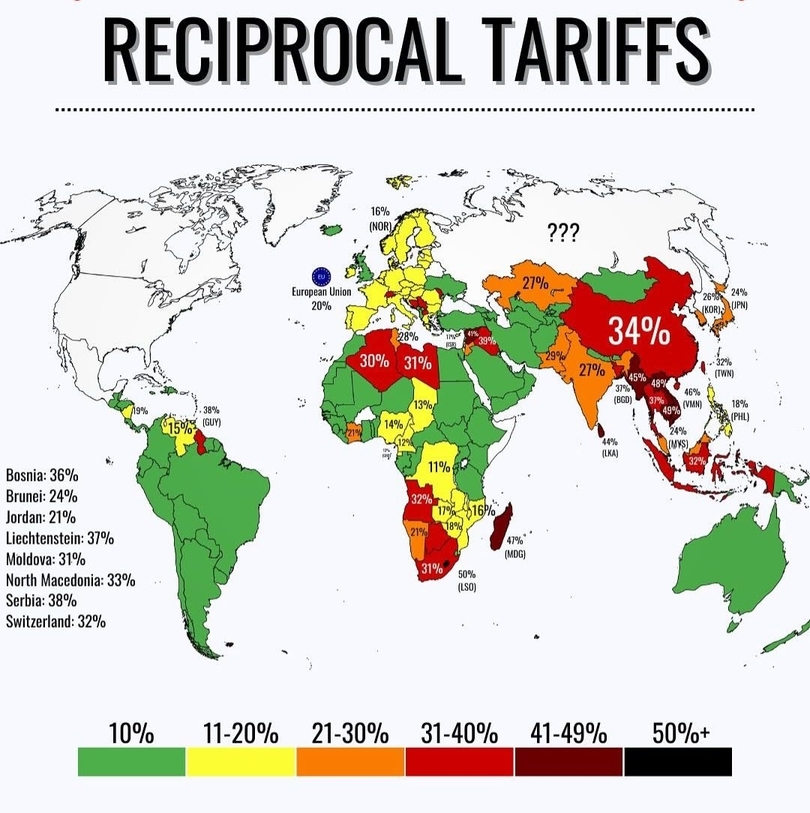
Entering the U.S. market through Amazon FBA is a powerful way for global sellers to reach American consumers, but product selection and tariff management are critical — especially given ongoing reciprocal tariffs (trade wars, anti-dumping laws, and trade agreements) that impact cost, competitiveness, and margins.
Ideal Products: Small & lightweight (under 2 lbs). Durable and non-electronic. High demand with low competition. Retail price between $20–$50. Non-seasonal, non-hazardous
Popular Categories: Home & Kitchen. Beauty tools (non-topical). Office supplies. Pet products. Fitness accessories
Tariff Management: Countries Affected vs. Benefited. Source from FTA countries to avoid high tariffs and reduce cost of goods sold.
Food & Beverage Products – Special FDA Requirements
Products that Require FDA Oversight: Packaged snacks, tea, coffee, beverages. Spices, supplements, baby food, pet food
Required Compliance: FDA Food Facility Registration (for manufacturers/exporters). U.S. Agent (for FDA contact). Prior Notice before each import. FDA-compliant labeling (nutrition facts, ingredients, allergens, U.S. distributor address). Shelf life: Minimum 90 days when entering FBA
Amazon May Also Require: Certificate of Analysis (COA). Product photos and invoices. Expiration date labeling
Homemade or non-registered products are not allowed.
Home & Kitchen. Examples: Drawer organizers, reusable kitchen bags, spice racks. Not regulated, low return rate
Beauty & Personal Care. Examples: Hair accessories, skin tools (non-chemical), cosmetic pouches. Avoid liquid or topical without FDA clearance
Pet Supplies. Examples: Collapsible bowls, grooming gloves, pet toys. Growing niche with loyal buyers
Office Products & Stationery. Examples: Cable organizers, notebooks, labels. Stable demand
Sports & Outdoors. Examples: Resistance bands, yoga accessories. Health trend-driven, not overly regulated
Importing from China? Double-check if your product is on the USTR tariff list (Section 301 tariffs). Many FBA sellers source elsewhere now or price in the tariff cost.
Sourcing from FTA countries means lower landed cost and faster customs clearance — valuable for FBA sellers.
Check HTS Codes and Tariff Rates. Use the Harmonized Tariff Schedule (HTS) to look up duty rates: Website: https://hts.usitc.gov Search your product to find: MFN (Most Favored Nation) tariff. Section 301 / 232 / anti-dumping duties (if any)
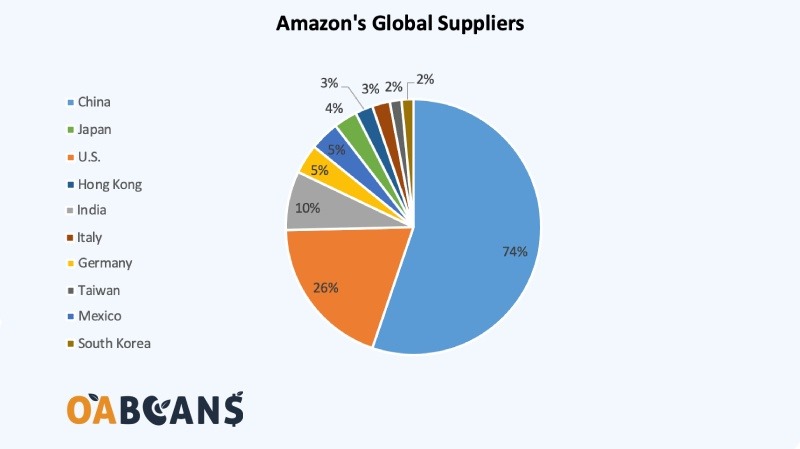
Diversify Your Supply Chain. Consider India, Mexico, Vietnam, or Indonesia as alternatives to China. Use dual sourcing to test cost difference. Amazon sellers often start in China but shift later to ASEAN suppliers for lower risk
Include Tariffs in Pricing & Budgeting. Add tariff % to your landed cost (product + shipping + customs + FBA fees). Adjust selling price or reduce packaging cost to stay profitable
Use a U.S.-based 3PL or FBA Prep Center. Ship large volumes to a U.S. 3PL and drip-feed inventory into FBA. Helps avoid long-term storage fees and split shipments
Consult with a Customs Broker or Freight Forwarder. Especially if you're importing: From tariff-heavy countries. High-volume or sensitive items. Ask about tariff reclassification, exemptions, or FTZ usage (Foreign Trade Zone)
If you plan to sell food or beverage products in the U.S. via Amazon FBA, FDA (U.S. Food and Drug Administration) compliance is mandatory. The FDA strictly regulates the import, labeling, packaging, safety, and facility registration of any product that is consumed by humans or animals.
Food & Beverage Products via Amazon FBA – FDA Requirements. Products That Require FDA Oversight: Packaged snacks, dried fruits, candy. Coffee, tea, energy drinks. Dietary supplements, vitamins. Canned/bottled beverages (water, soda, juices). Baby food or formula. Spices, sauces, condiments. Pet food and treats (via FDA’s CVM – Center for Veterinary Medicine). Alcoholic beverages Regulated by TTB (Alcohol and Tobacco Tax and Trade Bureau).
Facility Registration (FDA FFR): All foreign and domestic facilities that manufacture, process, pack, or store food/beverage for U.S. consumption must register with the FDA. Submit a Food Facility Registration (FFR) via FDA’s online portal. Renew every 2 years (even-numbered years like 2024, 2026). If you're sourcing from overseas, the manufacturer AND exporter facility must be registered.
U.S. Agent Appointment (For Foreign Sellers): Foreign food facilities must appoint a U.S. agent who can liaise with FDA on their behalf. This can be a customs broker, FDA compliance consultant, or logistics provider.
Prior Notice Filing: Before shipping any food/beverage into the U.S., you must file a Prior Notice with the FDA. This allows the FDA to track and inspect incoming shipments for safety.
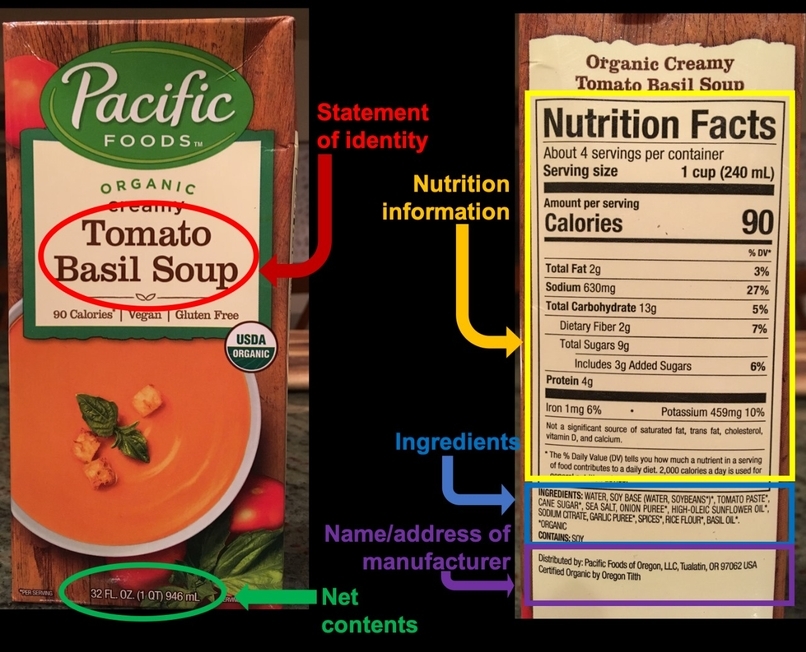
Labeling Requirements: Food and beverage labels must comply with FDA food labeling laws, including: Product name. Net quantity. Nutrition Facts panel (for most foods). Ingredient list. Allergen statement (for nuts, dairy, soy, etc.). Manufacturer/distributor name + U.S. address. FDA disclaimers (for supplements) (e.g., “not evaluated by FDA”). Use FDA-compliant label templates or hire a compliance service.
Amazon Requirements (in addition to FDA). Amazon may ask for: FDA facility registration number. COA (Certificate of Analysis) or lab tests. Photos of product packaging. Invoices from supplier. Product expiration date. All food/beverage items must have at least 90 days shelf life remaining when arriving at FBA.
What About Homemade or Cottage Products? Not allowed on Amazon unless produced in FDA-registered commercial kitchens. Cannot sell homemade jams, sauces, or baked goods unless made in a certified facility.
Work with FDA-compliant co-packers or OEMs. Ensure your supplier has proper documentation and experience with exports to the U.S.
Use FDA label consultants. Hire professionals to review your product labels for compliance.
Get insurance. Product liability insurance is highly recommended, especially for consumables.
Start with shelf-stable products. Avoid refrigerated, frozen, or temperature-sensitive items due to FBA limitations.
Stay updated on import alerts. FDA issues import alerts on non-compliant foreign factories (see: FDA Import Alert list).
Create Amazon Seller Account. Go to Amazon Seller Central Choose "Professional Plan" ($39.99/month recommended for scaling). Register with your passport, utility bill, phone, and bank statement
Product Research & Validation. Use tools: Jungle Scout, Helium 10, AMZScout. Analyze: demand, competition, reviews, profit margin
Source Products. From Alibaba, IndiaMart, Vietnam, or even your own country. Ensure products meet U.S. compliance (e.g., FCC, FDA, CPSIA)
Ship to Amazon Fulfillment Centers: Use Amazon Global Logistics, third-party freight forwarders, or 3PLs. Label products with FNSKU barcodes. Follow packaging standards
Launch and Scale. Optimize your listing with SEO keywords, high-res photos, A+ content. Use PPC Advertising inside Amazon to gain visibility. Request customer reviews using Amazon’s tools. Monitor inventory levels and reorder promptly.
1. Open a U.S. LLC with Firstbase or Doola to streamline setup
2. Register with Mercury or Relay for banking
3. Start with non-restricted, low-risk products
4. Check IP Laws – Ensure your brand/logo doesn’t infringe U.S. trademarks.
5. Use U.S. Prep Centers – Helps with FBA compliance and labeling.
6. Start Small & Test – Launch 1–2 SKUs, validate demand, then scale.
7. Avoid Oversized Items – Higher fees and complex shipping.
8. Brand Registry – Register your trademark and get access to enhanced tools (A+ Content, Brand Analytics).
9. Use FDA consultants for food label review
10. Use dual sourcing to reduce tariff exposure
11. Monitor tariff changes using HTS database: https://hts.usitc.gov/
12. Plan for Returns – Choose a reliable partner for product returns and restocking.
FBA U.S. for Foreign Sellers: Key Benefits. Access to 300+ million U.S. customers. No need to set up warehouses or customer service team. Amazon takes care of logistics, returns, and delivery. Ability to build a global brand from anywhere in the world