Discover why Singapore remains a key destination for foreign property investors in 2025. From luxury condos to commercial shophouses, explore market trends, pricing, legal procedures, and the top districts attracting global capital.
Discover why Singapore remains a key destination for foreign property investors in 2025. From luxury condos to commercial shophouses, explore market trends, pricing, legal procedures, and the top districts attracting global capital.
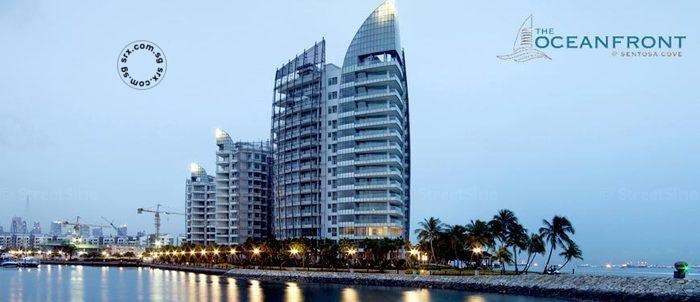
Image courtesy of Ssangyong E@C
In Singapore, foreigners can legally buy and invest in certain types of property, but there are clear restrictions, especially for residential landed properties. Here's a breakdown of what foreigners can and cannot buy:
While Singapore restricts foreign ownership of public housing and landed residential properties, several attractive options remain open:
1. Residential
Public Housing (HDB): Only for Singaporeans and Permanent Residents (PRs); strict ownership/resale rules.
Executive Condominiums (ECs): ECs are public-private hybrid housing. Foreigners can only buy after the Minimum Occupation Period (MOP) of 10 years. After 10 years, they are treated as private property. Foreigners can purchase ECs only after they reach the 10-year mark and become fully privatized, making them a cost-effective alternative to private condos.
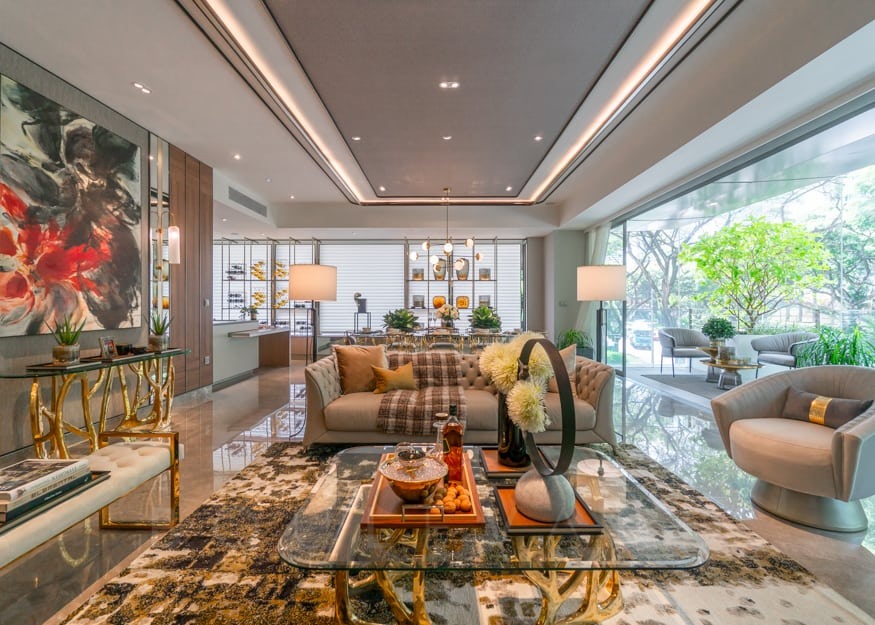
Private Condominiums: Freely tradable; most popular with foreign investors. These are the most accessible residential properties for foreign buyers. Located in prime and fringe districts, private condos offer good rental yields and long-term capital appreciation. Most common choice for foreign investors. No restrictions on ownership (except for ABSD tax). Located island-wide, with options in luxury districts and mass-market areas. Can be leased out for rental income.
Landed Properties: Restricted to citizens; foreign ownership requires special approval.
2. Commercial & Industrial
Office Spaces: Popular among REITs and corporate investors.
Shophouses: Heritage assets with high value appreciation.
Warehouses / Industrial Units: Available but often under 30/60-year leases.
Commercial Properties: Offices, retail shops, strata commercial units, warehouses: No ABSD, no ownership restrictions. Examples: shophouses (commercial-zoned), industrial units, co-working spaces. Ideal for businesses or rental income investment. Subject to GST and property tax if generating income. Shophouses, office units, retail spaces, and industrial properties are fully accessible to foreigners and are not subject to Additional Buyer’s Stamp Duty (ABSD). These assets have gained popularity for their strong rental potential and strategic locations.
Industrial Properties: Light industrial (B1) and heavy industrial (B2) units available on leasehold land. Popular for companies or logistics-focused investors. Lease terms usually 30 to 60 years. Subject to Goods and Services Tax (GST) and Seller’s Stamp Duty (SSD) if sold within 3 years.
1. HDB Flats (Public Housing). Not allowed, even resale. Reserved for Singapore Citizens and Permanent Residents.
2. New Executive Condominiums (ECs). Cannot buy during the first 10 years.
3. Landed Residential Properties. Includes bungalows, terrace houses, semi-detached houses. Not allowed unless with special approval from the Singapore Land Authority (SLA). Approval is rare and usually granted only to foreigners with significant economic contributions to Singapore (e.g., via Global Investor Program).
4. Strata Landed Homes in Non-Gated Developments. Foreigners cannot buy landed homes that are part of a strata title (e.g., cluster houses) unless within an approved condominium development.
Additional Notes: ABSD for Foreigners: 60% on any residential property as of 2023 (subject to future revision). No ABSD on Commercial/Industrial properties. Rental income from Singapore property is taxable under local laws. Financing is possible, but Loan-to-Value (LTV) ratios are lower for foreigners.
Property investment in Singapore is a well-regulated, highly competitive market known for its transparency, political stability, and strong legal framework. Here's a comprehensive overview of the key aspects:
Why Invest in Singapore Property? Stable Economy & Governance: Strong rule of law, transparent regulations, and political stability. Limited Land Supply: Drives long-term appreciation in property values. Strategic Location: A gateway to Southeast Asia and a global financial hub. Attractive Rental Yields: Especially in the private residential and commercial segments. High Demand: Continuous influx of expats and foreign businesses.
Foreign Ownership Rules. Foreigners can buy private condos freely (except landed homes unless under GCB zones with special permission). Foreigners cannot buy HDB flats. Approval required for landed residential properties under the Residential Property Act.
Singapore's reputation as a global financial hub, supported by its pro-business policies and low corruption levels, provides investors with a secure and predictable environment. This appeal has only grown amid global uncertainties and rising geopolitical risks.
Foreign investors are especially drawn to Singapore’s: Strong legal system that protects property rights. No capital gains tax, wealth tax, or estate duty. Stable currency and economy, backed by AAA credit ratings.
Foreign investors in Singapore typically fall into these categories:
Ultra-High-Net-Worth Individuals (UHNWIs): Seeking stable wealth preservation through luxury condos and Good Class Bungalows (GCBs) with special approvals.
Family Offices: Investing in commercial and residential property as part of diversified portfolios. Family offices: Buying trophy homes, commercial assets like shophouses, etc. e.g. Ray Dalio’s family office.
Expat Professionals: Purchasing smaller units in city-fringe or central areas for lifestyle convenience and long-term gains. One- or two-bedroom condos in central areas for lifestyle convenience and stable rental returns.
Institutional Investors and REITs: Targeting commercial and mixed-use developments. Eco-conscious investors: Looking for green-certified properties like smart eco-towns (Tengah, Bayshore). Luxury-seekers: Investors who pursue GCBs in prime districts for prestige and rental income.
Here are 5 popular districts in Singapore that are highly favored by foreign investors and buyers, along with why they stand out:
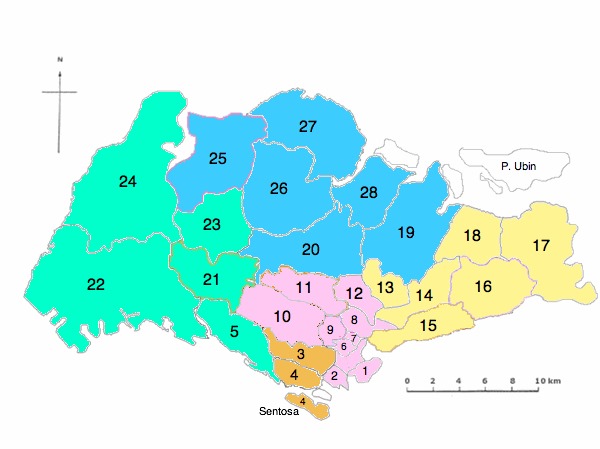
1. District 9 – Orchard / River Valley – High-end condos in the shopping belt.
Why It’s Popular: Luxury shopping and lifestyle hub (Orchard Road). Close to major embassies, top hospitals, and international schools. Premium condos like The Orchard Residences, Cairnhill Nine, Rivergate. Who Buys: High-net-worth individuals, expatriate professionals, celebrities. Price Guide: S$2,800 – S$4,000+ per square foot (psf) for high-end condos.
2. District 10 – Tanglin / Holland / Bukit Timah – Premium residential enclave near embassies.
Why It’s Popular: Exclusive Good Class Bungalow (GCB) zones. Lush greenery, near the Botanic Gardens (UNESCO site). Close to international schools and embassies. Who Buys: Ultra-wealthy investors, long-term residents, family offices. Price Guide: Condos: S$2,300 – S$3,500 psf. GCBs: S$30M–S$100M+
3. District 1 – Marina Bay / Raffles Place / CBD – Luxury condos in integrated developments.
Why It’s Popular: Heart of Singapore’s financial district. Prime integrated developments with direct MRT, offices, malls. Condo projects like Marina One Residences, Wallich Residence, V on Shenton. Who Buys: Investors looking for rental yield and prestige addresses. Price Guide: S$2,500 – S$4,000 psf for luxury condos.
4. District 3 – Tiong Bahru / Queenstown / Redhill – Rising city-fringe neighborhood with good rental demand.
Why It’s Popular: Up-and-coming city-fringe (Rest of Central Region). Mix of modern condos and heritage shophouses. Easy access to CBD and Orchard Road. Who Buys: Younger foreign professionals, value-conscious investors. Price Guide: S$1,800 – S$2,600 psf. Strong rental demand due to location and affordability.
5. District 15 – East Coast / Katong / Marine Parade – Coastal lifestyle with heritage appeal.
Why It’s Popular: Coastal lifestyle near East Coast Park. Low-density housing, family-friendly, and rich heritage. Close to Changi Airport and reputable schools. Who Buys: Foreign families, semi-retirees, expats. Price Guide: Condos: S$1,600 – S$2,500 psf. Boutique projects with sea views are highly sought-after.
Hot Investment Areas
· City Fringe (RCR): Districts 12, 14, 15 – balance of rental yield and future appreciation.
· Core Central Region (CCR): High-end market (Districts 9, 10, 11); stable but high entry cost.
· OCR (Outside Central Region): Mass-market condos; better affordability and rental yields.
· Emerging Areas: Lentor Hills, Tengah, Greater Southern Waterfront (long-term potential).
Key Metrics to Monitor
· Rental Yield: ~2.5–4.0% for residential; higher for commercial.
· Price PSF (per square foot): Varies by district and tenure (99-year leasehold vs. freehold).
· Vacancy Rates: Affected by supply cycles and expat demand.
· Government Cooling Measures: Regularly updated to prevent speculation.
REITs as an Alternative
For passive investors, Singapore’s Real Estate Investment Trusts (S-REITs) offer: Exposure to property with lower capital outlay. Regular dividend income. Liquidity on the SGX exchange.
Considerations Before Investing: High entry costs and taxes for foreigners. Tight regulations on rental and resale. Importance of developer reputation and project timeline. Legal support and due diligence are essential.
· James Dyson – Bought a $73.8M penthouse at Wallich Residence and a private bungalow near Botanic Gardens S$45M.
· Eduardo Saverin (Facebook co-founder) – Penthouse, Orchard Residences ~S$20M
· Jet Li – Bungalow, Binjai Park, Bukit Timah ~S$19.8M
· Jackie Chan – Purchased The Orchard Residences unit ~$5.75-11M
· Ray Dalio’s family office – Acquired heritage shophouses (~S$25.5 M in 2021) on Club Street.
· Zhang Ying (Jack Ma’s wife) bought three shophouses (~S$45 M) on Duxton Road.
· Benz Hui (Hong Kong actor) – Bungalow, Yishun S$4M
· Zhang Yong (HaiDiLao founder) – GCB, Gallop Road, Tanglin S$27M
Their investments reflect a strong belief in Singapore's long-term property value and lifestyle quality.
Why Foreigners Invest in Singapore Property
Stability, Governance & Tax Incentives. Safe/transparent environment: Singapore is known for its political stability, rule of law, and strong regulatory framework, making it ideal for wealth preservation. Low personal taxes: No capital gains, wealth, or inheritance taxes, which attracts high-net-worth individuals and celebrities.
Limited supply + high demand. Gridlock in land availability, combined with strong expat and investor demand, supports long-term capital growth .
Commercial shophouses as an ABSD-free haven. Commercial heritage shophouses (rare, freehold) remain exempt from heavy residential taxes, fueling high-value foreign acquisitions.
Diversified revenue options. Still & commercial property (resilience through rental, heritage use) and entry via strata condos or conservations spaces offer broad strategy coverage .
Typical Cost Ranges
· Private condos: Median price ~S$1.9 M (~US$1.4 M); varies widely by area .
· Commercial shophouses: S$15–20 M for city shophouses; heritage units selling for S$26 M+ in prime areas.
· GCBs: Single landed bungalow in prime CCR can exceed S$45 M, with annual appreciation 6–8%.
· Landed homes (resale ECs): Less accessible to foreigners (require approval), with rare case-by-case pricing.
Additional Costs: Buyer’s Stamp Duty (BSD): BSD: Up to 6% based on purchase price. Residential; 1–3% non-residential. Loan down-payment: Typically 25% in cash for foreigners. Stamp duties, legal/solicitor fees: +S$3k–5k one-off, +annual maintenance/taxes. ABSD for Foreigners: 60% on residential property. Legal, loan, and agent fees: Vary based on property and transaction size. ABSD: 60% for foreigners on residential property.
Despite the steep ABSD and other cooling measures, Singapore remains a top-tier property market for foreign investors seeking security, returns, and prestige. Whether it's a commercial shophouse or a city-fringe condo, the island-state offers a wide range of opportunities for discerning buyers.
As the government continues to balance affordability with market stability, investors must navigate this landscape with care — and with the guidance of trusted advisors.
Buying a property in Singapore as a foreign investor involves a clear and structured process, with legal and financial steps that ensure transparency and regulatory compliance. Here's a step-by-step breakdown of the procedures, from property selection to final payment:
Step-by-Step Guide: Buying Property in Singapore (as a Foreigner)
1. Choose the Property
Foreigners can buy: Private condominiums. Commercial properties. Resale Executive Condominiums (after 10 years). Ensure the property type is eligible for foreign ownership.
2. Check Eligibility & Financing
Foreigner Eligibility: No PR/citizenship required for private condos or commercial property. Financing Options: Foreigners can take bank loans from local/international banks. Loan-To-Value (LTV) for foreigners is up to 75%, but most banks cap it at 60%–70%. TDSR (Total Debt Servicing Ratio) applies: Loan repayments should not exceed 55% of monthly income.
3. Make an Offer / Option to Purchase (OTP)
You negotiate the price with the seller or agent. Seller grants an Option to Purchase (OTP) upon payment of Option Fee (usually 1% of the price). The OTP is valid for 14 days. You have 14 days to exercise the OTP by paying the Exercise Fee (typically 4% of the price), bringing the total deposit to 5%.
4. Hire a Lawyer
Engage a Singapore-qualified conveyancing lawyer. Lawyer handles: Property due diligence. Legal paperwork. Title search and ownership transfer. Stamp duty filing
5. Pay the Stamp Duties
Buyer’s Stamp Duty (BSD). Applies to all property types:
Additional Buyer’s Stamp Duty (ABSD)
Stamp duties are paid to IRAS (Inland Revenue Authority of Singapore) within 14 days of exercising OTP.
6. Finalize Bank Loan (if applicable)
Submit formal loan application with supporting documents (passport, proof of income, credit info). Sign Letter of Offer. Lawyer arranges mortgage registration.
7. Legal Completion / Transfer of Ownership
Final payment is made (balance 95%, including CPF, loan, or cash). Conveyancing lawyer coordinates the property title transfer. Completion usually takes 8 to 12 weeks from OTP date.
8. Collect Keys and Take Possession
On the completion date, you'll: Receive keys and legal ownership documents. Pay outstanding property tax and legal fees (if any).
Optional: Title Insurance or Due Diligence Reports. For foreign buyers, lawyers may suggest title insurance or enhanced due diligence (especially for commercial/industrial assets).
Other Notes: You cannot use CPF funds (Singapore's pension fund) as a foreigner. Property rental income is taxable (current rate: 22% for non-residents). Property can be owned individually or via a company (SPV), but ABSD still applies unless it's a commercial asset.
Singapore continues to shine as one of Asia's most attractive real estate markets for foreign investors. Despite cooling measures and high entry costs, the city-state’s strategic location, political stability, and transparent regulatory framework make it a consistent favorite among high-net-worth individuals, family offices, and institutional buyers.