Evergreen remains one of the world’s most influential shipping companies, connecting major trade routes and driving global logistics. Explore how Evergreen expands its fleet, enhances reliability, and moves toward more sustainable maritime operations.
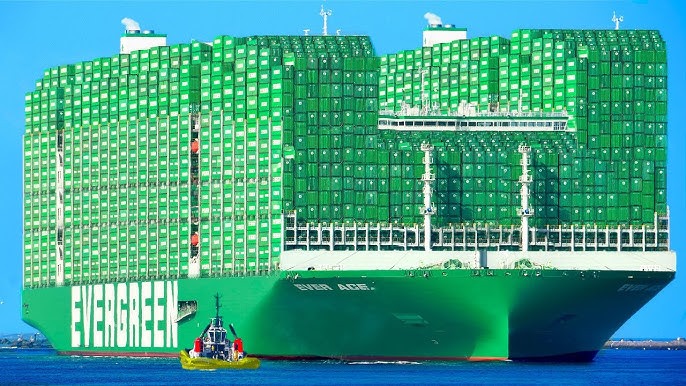
Evergreen Marine Corporation (EMC), founded in 1968 by Chang Yung-Fa, is one of the world’s largest container shipping companies and a major force in global logistics. Headquartered in Taoyuan, Taiwan, the company operates a modern fleet of more than 160 vessels — including ultra-large container ships — and maintains extensive coverage across Asia, Europe, the Americas, the Middle East, and Africa. As a member of the OCEAN Alliance alongside CMA CGM, COSCO, and OOCL, Evergreen strengthens its global reach with shared networks and optimized transit routes.
The company’s core services span international container shipping, freight forwarding, terminal operations, inland transportation, and digital solutions such as online booking and real-time tracking. Evergreen is especially strong on major trade lanes including Trans-Pacific routes (Asia–USA), Asia–Europe, Intra-Asia, Asia–Middle East, and Asia–South America. Recognizable worldwide by its iconic green containers, Evergreen is known for high schedule reliability, a fuel-efficient mega-vessel fleet, and significant capacity on crucial export routes. It remains widely discussed for its role in the 2021 Suez Canal incident involving the Ever Given, which had been chartered by Evergreen.
With competitive transit times, dense Asian port coverage, and a growing focus on sustainability — including LNG-powered vessels and reduced emissions — Evergreen serves a diverse customer base. Global retailers, manufacturers, and exporters of coffee, timber, and home goods rely on its services, along with many SMEs looking to reach international markets. For businesses across Indonesia, Singapore, Malaysia, Japan, Korea, and beyond, Evergreen’s consistency, global alliance network, and extensive route options make it a vital enabler of smooth, efficient, and scalable global trade.
Evergreen Group A Global Leader in Shipping and Logistics
The Evergreen Group stands as one of the most influential and far-reaching names in global transportation, connecting economies, enabling international trade, and supporting companies of all sizes across the world. With operations spanning shipping, logistics, aviation, and maritime services, Evergreen has built a strong reputation for reliability, scale, and innovation since its beginnings more than five decades ago.
The Evergreen Group was founded in 1968 by Taiwanese entrepreneur Chang Yung-Fa, who began the company with a single vessel operating regional routes. From this modest start, Evergreen expanded rapidly through the 1970s and 1980s, growing its fleet, adding new liner services, and establishing a global presence. Today, Evergreen Group consists of several major companies, including: Evergreen Marine Corporation – container shipping. Evergreen International Corp. – global logistics. Evergreen Air Cargo Services. Evergreen Aviation Technologies (EGAT). Evergreen Sky Catering. Evergreen Marine (Hong Kong) Ltd. This diversified structure allows Evergreen to manage complex supply chains across sea, air, and land.
As the centerpiece of the Evergreen Group, Evergreen Marine Corporation (EMC) operates one of the largest container fleets in the world. Recognized by its iconic green vessels, the line plays a vital role in global trade lanes connecting: Asia to the United States. Asia to Europe. Intra-Asia services. Asia to the Middle East. Asia to South America
Evergreen’s fleet includes more than 160 ships, including a growing number of ultra-large container vessels with capacities above 20,000 TEU. These ships support high-volume trade and competitive shipping costs for exporters and importers.
Membership in the OCEAN Alliance
Evergreen is a key member of the OCEAN Alliance, along with CMA CGM, COSCO Shipping, and OOCL. Through this alliance, Evergreen gains access to shared vessels, coordinated schedules, and expanded port coverage. For global shippers, this means: More frequent sailings. Wider network access. Better container availability. Shorter transit times on many routes. The alliance remains one of the strongest collaborative networks in the maritime industry.
Integrated Logistics Across Sea and Air
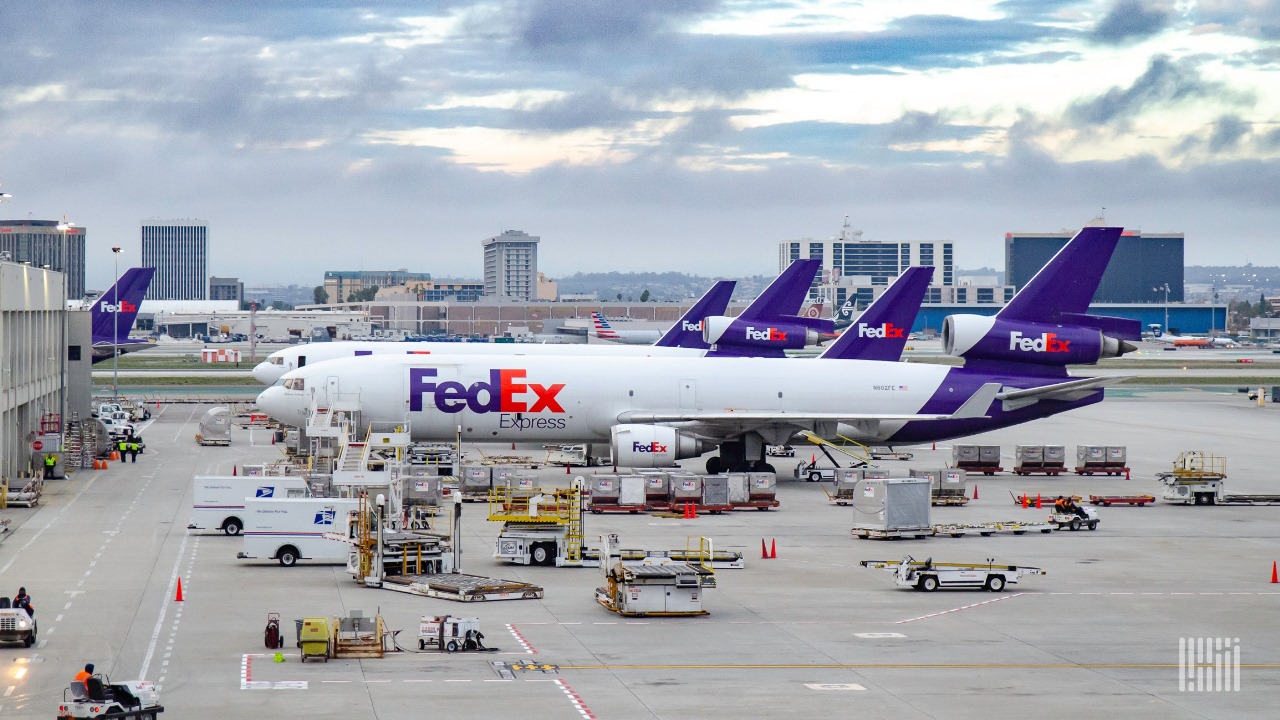
Beyond container shipping, Evergreen Group has built robust logistics services that support end-to-end supply chain operations. Its offerings include: Freight forwarding. Warehousing and distribution. Trucking and inland transportation. Customs documentation and brokerage. Air cargo services through Evergreen Aviation. This integrated structure positions Evergreen as a full-service logistics partner for industries such as manufacturing, retail, timber, coffee, consumer goods, electronics, and e-commerce.
Evergreen’s Role in Global Trade in 2025
As global supply chains enter a new period of recovery and realignment, Evergreen Marine Corporation stands out as one of the most influential carriers shaping trade in 2025. With a modernized fleet, stronger digital capabilities, and a prominent position in major shipping alliances, Evergreen plays a central role in connecting Asia with the rest of the world. For exporters, manufacturers, and e-commerce brands, the company’s network continues to support international expansion and stable logistics flows in an unpredictable global market.
The aftermath of the pandemic, geopolitical tensions, and fluctuating freight rates have reshaped global logistics. While many shipping lines faced volatility, Evergreen entered 2025 with a steadier footing due to: A strategically diversified fleet. Balanced trade lane deployments. Strong presence in intra-Asia and Asia–Europe routes. Continued investment in ultra-large container ships. This has positioned the company as a reliable carrier for traditional exporters and fast-growing digital commerce companies.
In 2025, trade between Asia and the United States remains one of the busiest global corridors, especially for consumer goods, electronics, textiles, furniture, and timber. Evergreen’s role in this corridor is significant due to: High frequency of sailings into the U.S. West Coast and East Coast. Consistent capacity supply even during peak seasons. Membership in the OCEAN Alliance, providing broader port coverage. Evergreen’s integration of advanced vessel planning systems also helps maintain schedule integrity, a critical factor for retailers and importers managing tight inventory cycles.
Despite geopolitical issues influencing European imports, Evergreen continues to operate strong services along the Asia–Europe route, which remains a key artery for: Machinery. Automotive components. Fashion and apparel. Industrial raw materials
Evergreen’s combination of large-capacity ships and stable schedules ensures that goods from Asia reach ports such as Rotterdam, Hamburg, Antwerp, and Felixstowe with greater predictability. The company’s ability to handle varying European demand cycles gives exporters a dependable option for accessing the continent’s large consumer and industrial markets.
One of the most notable trends of 2025 is the rise of intra-Asia trade, driven by: Supply chain diversification. Manufacturing expansion in Southeast Asia. Growth of regional e-commerce. Nearshoring by multinational manufacturers
Evergreen has strengthened its position in this region with expanded services linking:
Indonesia – Malaysia – Singapore – Vietnam – Thailand – Japan – Taiwan - South Korea
The Importance of Evergreen’s OCEAN Alliance Membership
Evergreen’s participation in the OCEAN Alliance continues to be one of its strongest competitive advantages in 2025. Through collaborative vessel deployment and shared routes, the alliance supports: Improved sailing frequency. Greater container availability. Wider global port access. Better stability during capacity imbalances. For businesses moving large volumes or navigating complex supply chains, the alliance structure helps reduce the risk of delays and capacity shortages.
Digital Transformation Supporting Modern Trade
In 2025, digital logistics has become a foundation of global supply chains. Evergreen has accelerated its use of technology to improve transparency and efficiency across its operations. Key advancements include: Real-time container tracking. Automated terminal handling. Digital booking platforms. Predictive analytics for route optimization. E-documentation and reduced paperwork. These tools are essential for exporters and importers managing time-sensitive shipments, especially in industries like electronics, FMCG, and retail.
Evergreen’s Role in Stabilizing Global Trade in 2025
In an environment where supply chains remain vulnerable to geopolitical tensions, extreme weather, and fluctuating demand, Evergreen contributes stability through: High vessel capacity. Strong regional coverage. Investment in digital logistics. Alliance-backed network expansion. Environmental compliance and fleet modernization. For manufacturers, retailers, and global brands, Evergreen remains one of the most dependable partners for navigating 2025’s complex trade landscape.
As the world shifts toward greener shipping, more diversified supply chains, and faster digital fulfillment, Evergreen is well-positioned to support global commerce. With continued investments in technology, fleet expansion, and sustainable operations, the company is set to remain an essential player in the global logistics ecosystem for years to come.
With environmental regulations tightening across Europe, North America, and Asia, shipping companies are under pressure to adopt cleaner and more efficient operations. Evergreen has responded with: LNG-powered vessels. Energy-efficient hull designs. Lower emission compliance. Shore power compatibility. Continued investment in green technology. Businesses seeking greener supply chains benefit from Evergreen’s ongoing environmental improvements, particularly those in Europe where carbon regulations are strict.
Small and medium-sized exporters in regions such as Southeast Asia increasingly rely on Evergreen due to its competitive pricing and stable sailings. The company is widely used by exporters of: Timber and plywood. Coffee and agricultural goods. Homeware and handcrafted products. Textiles and fashion. Automotive parts. Evergreen’s balanced fleet structure ensures space availability even during periods when global demand fluctuates.
The shipping industry has faced increasing environmental scrutiny, and Evergreen has responded with a clear strategy for sustainability. The company continues to invest in modern, fuel-efficient ships designed to reduce emissions and comply with IMO 2030 and 2050 standards. Efforts include: LNG-capable vessels. Energy-saving hull designs.Shore power compatibility. Lower-sulphur fuel use. Digital route optimization to reduce carbon impact
These measures help Evergreen meet global sustainability expectations while supporting clients seeking greener supply chains.
As global trade accelerates and environmental regulations tighten, shipping companies are under pressure to operate cleaner, smarter, and more efficiently. Evergreen Marine Corporation, known globally for its distinctive green vessels, has emerged as one of the industry’s most active adopters of sustainable technologies.
In 2025, Evergreen’s sustainability journey is more than a branding choice — it reflects a long-term strategy to reduce carbon emissions, comply with global standards, and support businesses seeking greener supply chains.
Maritime transport handles more than 80 percent of global trade, yet accounts for nearly 3 percent of global greenhouse gas emissions. Governments, ports, and cargo owners are demanding rapid progress in reducing emissions, especially under frameworks such as: IMO 2030 and IMO 2050 emission targets. EU Emissions Trading System (ETS). Fuel standards for sulphur and carbon intensity.
For carriers like Evergreen, sustainability is no longer optional. It is essential for long-term competitiveness and customer trust. Over the past decade, Evergreen has invested heavily in newbuild ships designed to reduce fuel use and environmental impact. These upgrades include:
LNG-ready and LNG-powered vessels. Many of Evergreen’s newest ships are equipped to operate on liquefied natural gas (LNG), which emits significantly fewer pollutants than traditional marine fuel. LNG helps reduce: CO₂ emissions. Sulphur oxides (SOx). Nitrogen oxides (NOx). Particulate matter. As cleaner fuel alternatives mature, these vessels can be further upgraded to use next-generation fuels.
Energy-saving hull designs. Evergreen’s ships feature advanced hydrodynamic hull shapes that reduce drag and improve fuel efficiency. Combined with slow-steaming strategies, these vessels consume less fuel per voyage while maintaining schedule reliability.
Shore power integration. In ports that offer it, Evergreen vessels can switch off engines and connect to shore power, cutting emissions while docked. This supports port cities seeking to lower air pollution and improve community health.
Ballast water treatment systems. To protect marine ecosystems, Evergreen applies treatments that prevent the spread of invasive species through ballast water discharge. This practice is essential for environmental compliance worldwide.
Sustainability isn't only about new ships — it also relies on smarter operations. Evergreen has expanded its digital capabilities to optimize voyages and minimize waste.
Using predictive analytics, Evergreen adjusts routes based on: Weather patterns. Ocean conditions. Port congestion. Fuel efficiency modeling. This reduces unnecessary fuel burn and shortens delivery times.
Smart container and cargo management - Enhanced planning tools improve container stacking, weight distribution, and load density — all of which influence a ship’s stability and fuel usage.
Digital documentation - E-documents reduce paper waste and accelerate customs processing, improving overall operational efficiency across the supply chain.
Compliance with Global Environmental Standards - Evergreen is committed to meeting and exceeding international environmental regulations. Key compliance areas include: IMO Tier III engine standards. Low-sulphur fuel requirements. Greenhouse gas (GHG) reporting. EU ETS monitoring and emission payments. Clean port initiatives in the U.S., Europe, and Asia. By staying ahead of regulations, Evergreen supports exporters who must demonstrate sustainability compliance to their customers, especially in Europe.
Partnerships for a Greener Future
Evergreen collaborates with shipyards, technology firms, and research institutes to develop future-ready solutions. Major areas of ongoing research include: Alternative fuels such as green methanol, ammonia, and hydrogen. Carbon capture technologies on vessels. Battery-assisted hybrid propulsion. Environmentally friendly lubricants and coatings. These efforts ensure Evergreen can transition smoothly as the industry moves toward zero-emission shipping.
Companies across sectors — timber, coffee, textiles, electronics, homeware, and manufacturing — are increasingly required to demonstrate sustainable logistics practices. Evergreen’s initiatives help exporters and importers meet these expectations by offering: Lower-emission vessel options. Transparent emission reporting. Green-compliant routes into Europe and North America. More efficient container availability and scheduling.
For SMEs and growing brands, especially in Southeast Asia, this means greater access to eco-friendly logistics without significantly higher costs.
Evergreen’s sustainability strategy is built on long-term commitments rather than short-term trends. Looking forward, the company aims to: Expand its fleet of LNG-ready and alternative-fuel-capable vessels. Increase digitalization across all logistics services. Strengthen intra-Asia green shipping corridors. Collaborate more deeply with ports and governments on decarbonization. Align all operations with global zero-emission targets. As the world shifts toward greener trade, Evergreen’s actions today position it to remain a preferred carrier for businesses focused on responsible, future-ready logistics.
In 2021, the global shipping industry watched Evergreen’s name rise to international headlines when the vessel Ever Given became lodged in the Suez Canal. Though owned by Shoei Kisen and only chartered by Evergreen, the event underscored how essential large shipping lines are to global commerce. Six days of blockage disrupted shipping worldwide, highlighting both the risks and the operational complexity of modern logistics.
For exporters and importers worldwide — from large corporations to growing SMEs — Evergreen Group offers several strategic advantages: Wide global coverage with strong Asia–U.S. and Asia–Europe routes. Competitive rates supported by large, efficient ships. Predictable schedule integrity vital for inventory planning. Integrated sea and air logistics solutions. Digital shipping tools for booking, tracking, and documentation. Strong regional coverage in Asia, including Southeast Asia, Japan, Korea, China, and Taiwan. Companies in Indonesia, Malaysia, Singapore, Vietnam, Japan, and Korea frequently rely on Evergreen for reliable movement of wood products, coffee, seafood, textiles, electronics, and home goods.
Evergreen continues to expand and modernize its fleet, invest in sustainable technologies, and strengthen digital platforms for better visibility and control. The company is expected to play a growing role in:
· E-commerce-driven international shipping
· Environmentally responsible logistics
· Asia-centric supply chain expansion
· Cross-border trade for SMEs and digital brands
As global trade evolves, Evergreen Group remains an essential link in the world economy — combining experience, scale, and long-term commitment to maritime innovation.