Explore how 3M expanded from a small Minnesota mining company into a global industrial leader. Learn about its international manufacturing strategy, decentralized innovation model, overseas R&D network, and long-term global growth approach.
Explore how 3M expanded from a small Minnesota mining company into a global industrial leader. Learn about its international manufacturing strategy, decentralized innovation model, overseas R&D network, and long-term global growth approach.
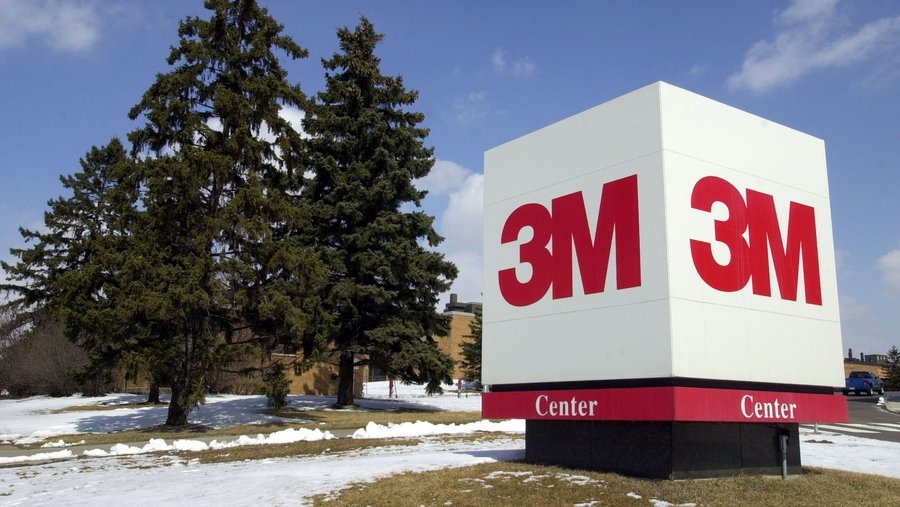
Image courtesy of bizjournals
3M is a multinational conglomerate founded in 1902 in Minnesota, USA. Today, it operates in 200+ countries and is famous for innovation, materials science, and industrial technology. Is best known for its “15% innovation time” culture, where employees are encouraged to spend part of their work time developing new ideas—leading to thousands of patents.
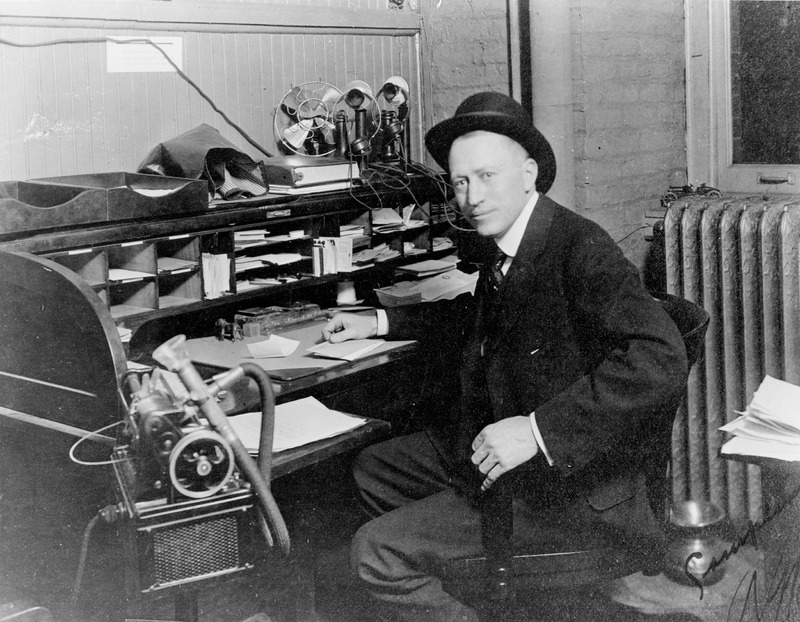
3M was founded in 1902 by five businessmen, not a single individual founder. The original founders were: Henry S. Bryan. William A. McGonagle. John Dwan. Hermon W. Cable. Danley Budd
They established the company in Minnesota as the Minnesota Mining and Manufacturing Company, initially attempting to mine corundum for abrasive products. When the mineral deposit proved inadequate, the founders pivoted into manufacturing sandpaper and abrasives — a strategic shift that ultimately built the foundation of today’s global industrial company.
For more than a century, 3M has quietly shaped the modern world. From the sandpaper used in factories to the sticky notes on office desks, 3M’s products are embedded in everyday life and high-tech industries alike. Yet in recent years, the company has entered one of the most transformative periods in its history—restructuring operations, spinning off divisions, and confronting legal and environmental challenges while redefining its strategic focus.
This is the story of how 3M evolved from a small mining venture into a global innovation giant—and how it is reshaping itself again for the future. 3M began as a failed corundum mining operation. The mineral deposit it relied on turned out to be insufficient. Rather than collapse, the founders pivoted into manufacturing abrasives.
That early setback established a pattern that would define the company: adaptation through innovation. Over the decades, 3M diversified aggressively. It developed masking tape for automotive painting, magnetic recording materials, and eventually consumer household products. By the mid-20th century, it had become one of America’s most diversified industrial firms.
Safety & Industrial. This segment is huge in manufacturing, automotive, aerospace, and construction. Products for manufacturing, construction, and workplace safety:
Transportation & Electronics. 3M is deeply embedded in global supply chains for tech and EV industries. High-tech materials and components for:
Health Care. 3M is a major supplier to hospitals and dental clinics worldwide. Medical and dental products:
Consumer Products. These brands make 3M a well-known household name. Everyday household and office brands:
Innovation & Patents. Many products you use daily likely contain 3M materials without visible branding.
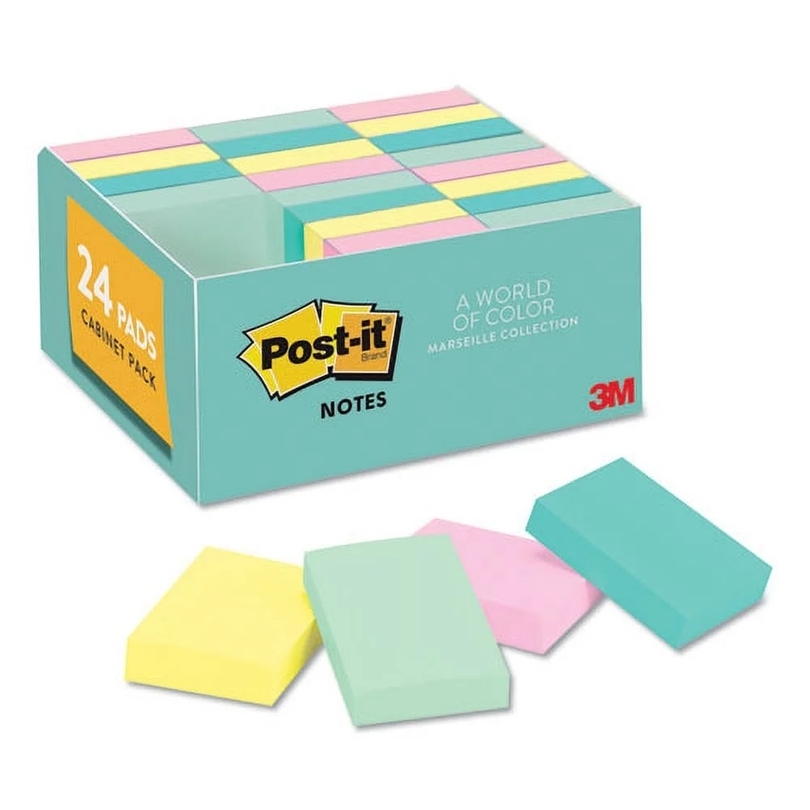
For decades, the company encouraged employees to spend a portion of their work time on independent experimental projects. This approach led to one of its most famous products: Post-it Notes. What began as a failed attempt to create a strong adhesive turned into a lightly adhesive note that became a global office essential.
The same innovation pipeline produced: Scotch Tape. Scotch-Brite. Advanced filtration systems. Automotive films and coatings. Semiconductor materials. Today, 3M holds tens of thousands of patents worldwide and continues to invest significantly in R&D.
For much of its modern history, 3M operated across four major segments: Safety & Industrial. Transportation & Electronics. Health Care. Consumer. This diversification provided resilience during economic cycles. When consumer sales slowed, industrial or healthcare often compensated.
Its products support industries ranging from aerospace and automotive to healthcare systems and construction. Few companies operate with such breadth across materials science, adhesives, filtration, and specialty chemicals.
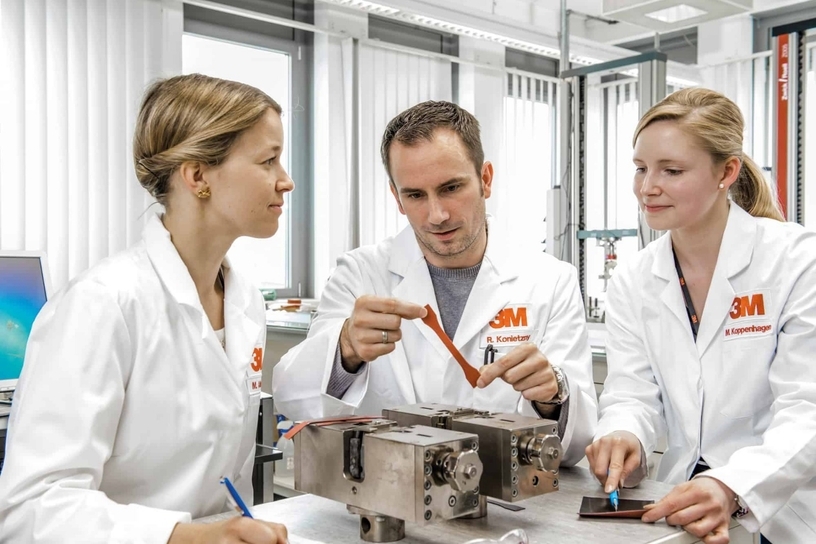
3M’s global expansion was not a single bold move—it was a carefully staged, decades-long transformation built on manufacturing discipline, local adaptation, and relentless innovation. From a small abrasive maker in Minnesota to a multinational operating in more than 70 countries, its international journey reflects strategic patience and scientific advantage.
Exporting American Innovation (1920s–1940s). By the 1920s, 3M had stabilized its abrasive and adhesive businesses in the United States. Products like masking tape and industrial abrasives gained strong domestic traction. The company’s first step into global markets was simple: exporting. Demand for industrial materials was growing worldwide, particularly in automotive manufacturing. As U.S. automakers expanded internationally, 3M followed its customers. Rather than immediately building overseas factories, it began by establishing distribution relationships in Canada and Europe. This early strategy minimized capital risk while testing international demand.
Establishing Overseas Manufacturing (1950s–1960s). After World War II, global reconstruction created enormous demand for industrial materials, coatings, and adhesives. Recognizing the limitations of export-only growth, 3M shifted to localized manufacturing. In 1951, the company established its first international subsidiary in Canada. Soon after, it entered Germany, the United Kingdom, and Latin America. One of the most important aspects of this phase was 3M’s decentralized philosophy. Rather than controlling every operation from its headquarters in Saint Paul, the company empowered local subsidiaries to: Develop products tailored to regional needs. Conduct their own research and development. Adapt pricing and marketing strategies. This approach was unusual at the time. Many American companies tried to replicate domestic models overseas. 3M instead believed innovation should happen locally.
The Global R&D Network (1970s–1990s). As competition intensified globally, 3M doubled down on one advantage: materials science innovation. It began building research laboratories outside the U.S., turning subsidiaries into innovation centers. Countries like Japan and Germany became critical technology hubs. This global R&D footprint allowed 3M to: Customize products for Asian electronics manufacturers. Develop specialized abrasives for European automotive markets. Adapt filtration and healthcare products for regional regulations. Instead of exporting U.S.-made products globally, 3M became a multinational innovator, with ideas flowing in multiple directions.
Expansion into Asia. Asia became a critical growth region in the late 20th century. Japan was among the first major Asian markets where 3M established a significant presence. Later, expansion into China accelerated in the 1980s and 1990s as economic reforms opened industrial sectors. 3M invested in manufacturing plants and R&D facilities in China, recognizing the country’s growing role in: Electronics manufacturing. Automotive production. Infrastructure development. By embedding itself early in Asian supply chains, 3M positioned itself as a long-term partner to global manufacturers.
Unlike companies dependent on a single product line, 3M entered global markets with a broad portfolio: Industrial adhesives and tapes. Automotive refinishing materials. Personal protective equipment. Consumer brands such as Scotch Tape and Post-it Notes. Consumer products played a unique role. While industrial solutions built large contracts, consumer brands built global brand recognition. Post-it Notes became an international office staple, strengthening 3M’s visibility in both developed and emerging markets.
3M also used acquisitions to accelerate entry into specialized markets. Rather than pursuing large transformational deals, the company often acquired niche technology firms that enhanced its materials science capabilities. This bolt-on acquisition strategy helped 3M: Enter regulated healthcare markets. Strengthen electronic materials offerings. Expand filtration technologies. Over time, these moves reinforced its image as a technology-driven industrial partner.
One of 3M’s most distinctive global strategies was operational decentralization. Each country subsidiary operated with significant autonomy, guided by a shared innovation culture. Local managers were empowered to: Identify regional opportunities. Launch locally developed products. Build partnerships with domestic companies. This approach reduced cultural friction and improved responsiveness to local market conditions.
3M’s international growth was not without obstacles. Regulatory complexity across environmental and chemical standards. Currency fluctuations. Political risks in emerging markets. Increasing competition from regional manufacturers. In recent years, environmental litigation related to PFAS chemicals has had global implications, requiring coordinated legal and compliance strategies across multiple jurisdictions. Despite these pressures, 3M’s diversified geographic footprint has provided resilience during economic downturns.
Today, 3M operates through regional divisions across:
Following the 2024 healthcare spin-off into Solventum, 3M sharpened its focus on industrial technologies, advanced materials, and safety solutions globally. Its international footprint now supports: Automotive electrification. Semiconductor manufacturing. Renewable energy infrastructure. Industrial sustainability.
3M’s entry into the global market was gradual, strategic, and innovation-driven. From exporting abrasives to building a worldwide R&D network, the company transformed itself into a truly multinational enterprise. Its global presence today is not the result of rapid expansion, but of a century-long commitment to combining scientific research with local market understanding. For business strategists, 3M offers a powerful lesson: sustainable globalization is built not just on distribution scale—but on innovation embedded in every market it enters.
In 2024, 3M completed a major restructuring by spinning off its healthcare division into a new independent company: Solventum. The healthcare business included:
The spin-off aimed to unlock shareholder value and allow both companies to focus more clearly on their core competencies. For 3M, that meant concentrating on industrial technology, advanced materials, and safety solutions. Strategically, this move signaled a shift away from being a broad conglomerate toward becoming a more focused industrial innovation company. The company has been involved in legal cases related to PFAS (per- and polyfluoroalkyl substances), chemicals used in various industrial and consumer products. These substances have been linked to environmental and health concerns, leading to large settlement agreements.
3M’s subsidiary faced lawsuits over military earplugs allegedly linked to hearing damage among service members. These cases have resulted in multi-billion-dollar settlements and have pressured the company’s financial performance and stock price. However, management has taken steps to resolve outstanding litigation and improve transparency, aiming to restore investor confidence.
3M is publicly traded on the New York Stock Exchange under the ticker symbol MMM and has historically been part of the Dow Jones Industrial Average. In recent years, the company has: Reduced corporate layers. Cut operational costs. Streamlined its global supply chain. Focused on higher-margin product lines. The goal is clear: improve profitability while strengthening core industrial capabilities.
By narrowing its focus and shedding non-core businesses, 3M aims to increase efficiency and long-term resilience. Strategic Focus Areas Moving Forward. Post-restructuring, 3M is prioritizing:
Advanced Materials. High-performance materials for electronics, automotive, and aerospace applications.
Filtration and Sustainability. Water filtration systems and industrial environmental solutions align with global sustainability trends.
Safety and Industrial Solutions. Personal protective equipment (PPE), industrial adhesives, and worker safety systems remain core strengths.
Transportation and Electrification. With global EV growth accelerating, 3M supplies battery materials, insulation, and lightweight components essential to electric vehicles.
3M competes with multinational industrial players such as: Honeywell. DuPont. General Electric. While some competitors focus heavily on aerospace or chemicals, 3M’s strength lies in cross-sector material science innovation. Its adhesive and filtration technologies remain industry benchmarks. The company’s history shows resilience. It survived early mining failures, economic recessions, and technological disruptions. Its ability to reinvent itself has been central to its longevity. Today, as global supply chains evolve and sustainability becomes central to manufacturing, 3M’s expertise in advanced materials and industrial solutions could position it well for the next decade.
3M is no longer just the maker of sticky notes and tape. It is a materials science innovator navigating one of the most significant transformations in its history. By spinning off healthcare, resolving legal liabilities, and focusing on high-margin industrial technologies, 3M is attempting to return to its roots: disciplined innovation backed by scientific research.
For investors and industry observers, 3M represents a case study in how a century-old conglomerate adapts to modern pressures while preserving the inventive culture that built its global reputation.