FedEx helps international businesses scale with fast global shipping, customs support, digital tools, e-commerce solutions, and reliable delivery services. Learn how FedEx empowers companies to enter and grow in global markets.
FedEx helps international businesses scale with fast global shipping, customs support, digital tools, e-commerce solutions, and reliable delivery services. Learn how FedEx empowers companies to enter and grow in global markets.
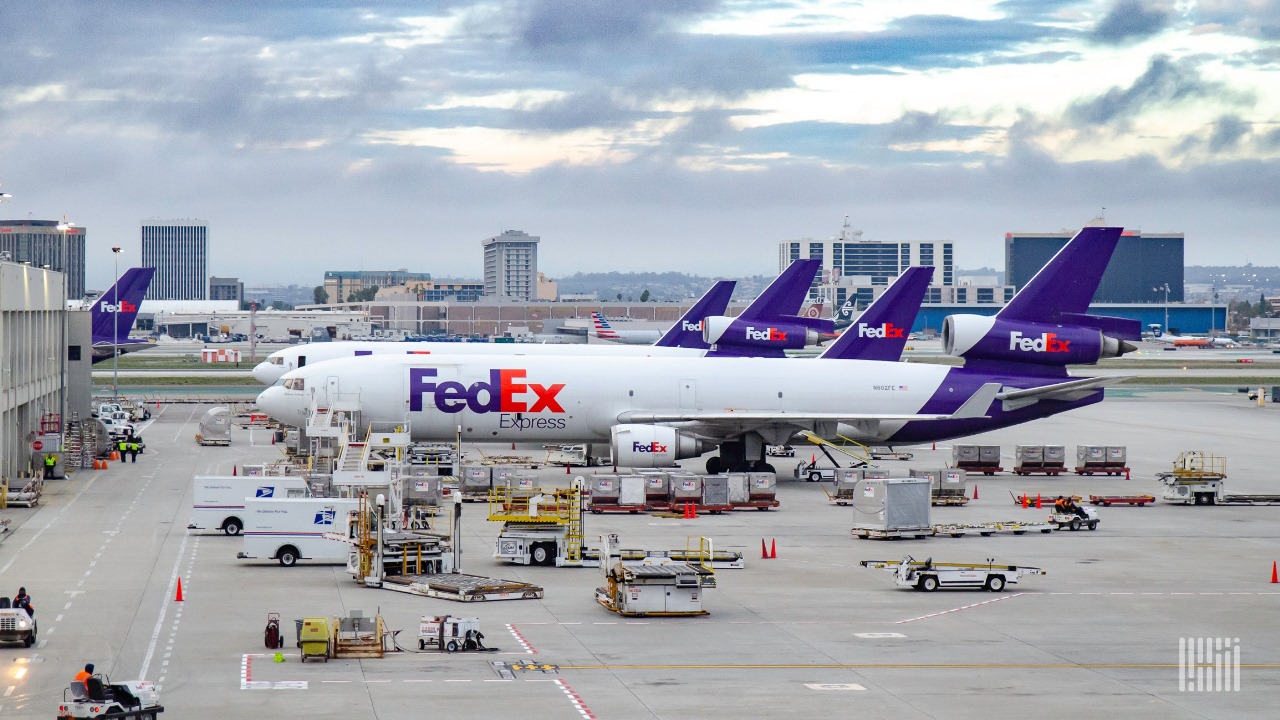
Image courtesy of Freight Waves
FedEx drives global commerce through a massive network and versatile services that enable businesses — from small e-commerce shops to multinational corporations — to ship reliably within the U.S. and across the world. This article explores how FedEx supports business operations domestically and internationally, why companies rely on it, and what its scale and impact look like today.
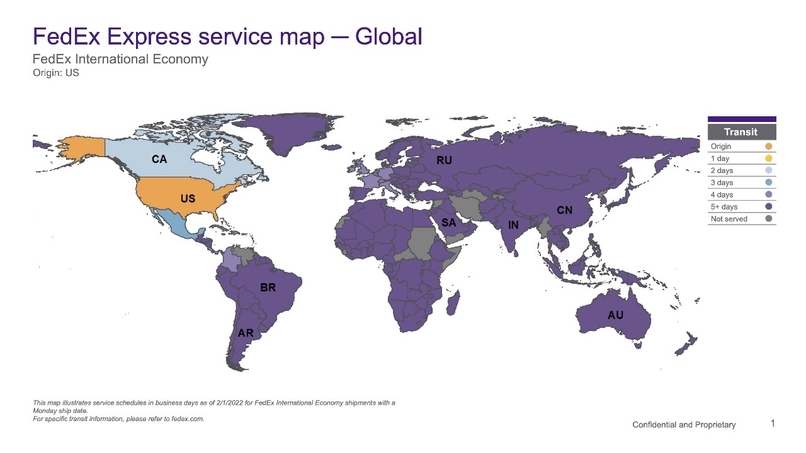
FedEx serves over 220 countries and territories, covering more than 99% of the world’s gross domestic product. The company handles approximately 17 million packages per day worldwide and moves more than US$ 2 trillion worth of goods annually. Over 500,000 employees staff more than 5,000 facilities, supported by a fleet of hundreds of aircraft and tens of thousands of vehicles. In fiscal year 2025, FedEx generated roughly US$ 87.9 billion in total revenue. FedEx is not just a courier service. Its infrastructure and services make it a backbone for global supply chains — a critical partner for businesses that need reliability, speed, and consistency.
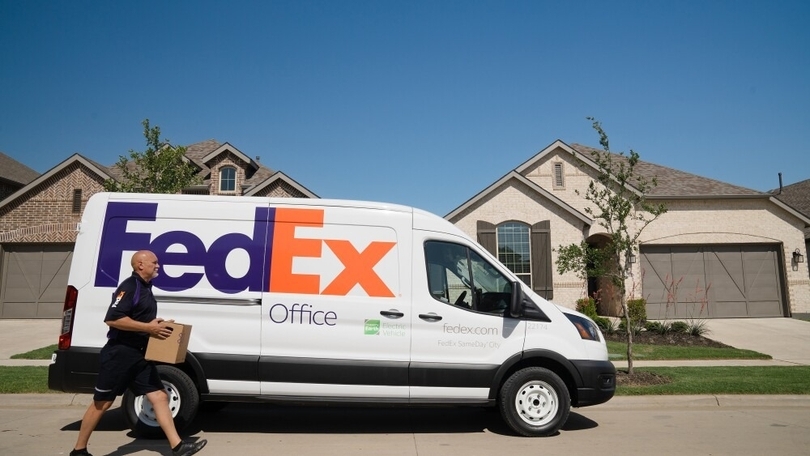
Domestic shipping efficiency - Within the United States, FedEx offers different service lines suited to varied needs: FedEx Express for time-definite overnight or expedited deliveries. FedEx Ground and FedEx Home Delivery for economical, day-certain delivery to businesses and residences. FedEx Freight, for less-than-truckload (LTL) freight delivery, helps businesses that ship large, heavy, or bulk items across states. Because FedEx serves every U.S. ZIP code — and operates hubs, trucks, and couriers nationwide — companies large and small rely heavily on it for timely, predictable domestic logistics.
Economy of scale, reliability, and integration - For businesses shipping high volumes of goods (e.g., e-commerce sellers, retailers, manufacturers), FedEx offers a well-integrated ground/air network that ensures consistency. Many businesses combine FedEx’s services with their own logistics planning (e.g., warehouse management, inventory planning), knowing that FedEx reliably connects the dots. The company’s long track record and strong brand reputation encourage trust — especially important for products with value, tight deadlines, or regulatory compliance (e.g., perishable items, high-value goods).
Economic contribution and employment - According to FedEx’s economic-impact reports: in the U.S., the company employs roughly 375,000 people (as of FY 2025) and supports a broad ecosystem of independent service providers. Its operations directly contribute a significant share of output in the U.S. transportation and warehousing sector, while indirectly fueling broader economic activity across industries.
Cross-border shipping and international trade. FedEx Express remains the global leader in express transportation — offering rapid, time-definite delivery between countries. For companies exporting or importing products, FedEx simplifies complex logistics: air freight, customs brokerage, cross-border compliance, and final-mile delivery. This is especially beneficial for: Small-to-medium enterprises (SMEs) that don’t have their own global logistics infrastructure — for example, a handcrafted homeware brand in Indonesia shipping to customers abroad. E-commerce businesses selling internationally who need reliable delivery, tracking, and customs clearance. Manufacturers and distributors needing to ship inventory between production sites, regional warehouses, and global markets.
Supply chain resilience and flexibility. FedEx’s global network — thousands of facilities, air gateways, ground transport, and distribution infrastructure — allows businesses to adapt to changing trade flows, demand fluctuations, and regulatory challenges. In 2025, the company highlighted how its logistics solutions support trade, supply-chain optimization, and global connectivity — especially as companies face evolving regulations and global trade shifts.
Boosting economies and supporting small businesses. FedEx’s “global economic impact” goes beyond its own operations. In FY 2025: It supported tens of thousands of jobs among its global suppliers — many of which are small businesses. Through its services, goods produced in one country can reach customers across continents, helping small exporters access global demand (e.g., Indonesian artisans exporting homeware via FedEx). Beyond commerce, FedEx also invests in corporate social responsibility — charitable giving, volunteering, and disaster relief worldwide.
International Shipping Solutions for All Business Sizes. FedEx provides multiple service options depending on speed, budget, and destination, including: FedEx International Priority – fast, time-definite delivery (1–3 business days). FedEx International Economy – more affordable delivery options. FedEx International Connect Plus (FICP) – optimized for e-commerce sellers wanting lower cost + reliable tracking. Freight services for bulky items or wholesale exports
Customs Clearance & Regulatory Assistance. FedEx acts as a customs broker and provides: Automated customs documentation. Guidance on duties, HS codes, prohibited goods, and compliance. Country-specific requirements and forms. Pre-clearance in some markets to speed up delivery
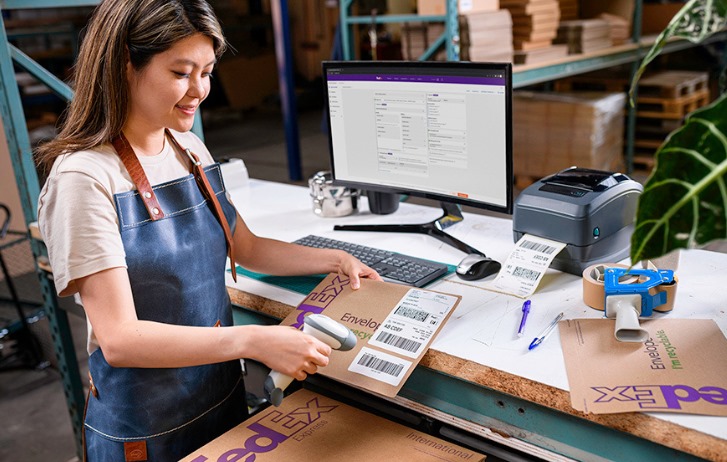
Global E-Commerce Support. FedEx offers tools designed for online sellers, including: FedEx Global Seller Program for cross-border e-commerce. Integration with platforms like Shopify, WooCommerce, BigCommerce. Duty/tax calculators. Automated label creation. API integrations for real-time shipping rates
Real-Time Tracking & Customer Experience Tools. Global end-to-end tracking. Estimated delivery windows. SMS/email updates for your customers. Branded tracking pages
Small-Business Discounts & Pricing Programs. FedEx has support like: Discounted shipping rates for SMBs. Volume-based incentives. Rewards program for loyal shippers
Packaging Expertise & Free Supplies. FedEx provides: Free FedEx packaging for express shipments. Packaging design guidance (for fragile, heavy, or regulated items). Special solutions for perishables, electronics, and high-value goods
Pickup Services for Busy Small Business Owners. Scheduled daily pickups. On-demand pickups when needed. Drop-off locations across most countries
Support for Export Documentation. FedEx helps prepare: Commercial invoices. Air Waybills. Certificates of origin. Export permits (depending on product). Electronic Trade Documents (ETD)
Marketplace Insights & Business Resources. FedEx provides: International market guides. Advice for pricing internationally. Insights into global buyer behavior. Case studies of successful exporters. Small Business Grant programs (in selected countries)
Local Support for Global Scaling. FedEx has support teams for: SMEs shipping from Southeast Asia. Exporters from Indonesia, Malaysia, Singapore, Japan, and more. Industry-specific consultations (fashion, home goods, food, electronics)
Full Range of International Shipping Options. FedEx offers a variety of services tailored to different business needs — whether you’re sending small parcels, e-commerce orders, or large freight. Express parcel delivery (documents or small packages) — fast door-to-door delivery, often in 1–3 business days. International Connect Plus (FICP) — optimized for e-commerce businesses: reliable, cost-efficient, and designed for cross-border online orders. Freight services for heavier or bulk shipments — suitable for manufacturers, exporters, wholesalers. Economy shipping when speed is less critical — more cost-effective for heavy items or non-urgent deliveries. This breadth of shipping options allows businesses to choose the best balance of speed, cost, and reliability based on their product type, target market, and customer expectations.
Customs Clearance & Trade Compliance Support. One major barrier to international trade is customs clearance. FedEx helps businesses navigate this complex process: Offers clearance guides (for both export and import) to help businesses understand documentation requirements, regulatory compliance, and customs procedures. Provides tools such as FedEx Global Trade Manager and Electronic Trade Documents (ETD), which streamline document creation and submission. For more complex shipments, FedEx can act as customs broker — managing paperwork, regulatory filings, and liaising with customs authorities. For importers, FedEx offers visibility, alerts, and risk-management guidance to avoid delays, fines, or misclassification of goods. This support reduces friction, compliance risk, and paperwork burden — especially beneficial for businesses not experienced in international trade.
Digital Tools & Logistics Technology. FedEx provides digital infrastructure to simplify international shipping and give you better control: Collaborative Shipping Tool — allows importers and senders to collaborate on airway-bill (AWB) creation, choose pickup times, and manage logistics more flexibly. This improves accuracy and reduces failed pickups or delays. Online rate calculators, transit-time estimators, and route selection tools — help you plan shipments, forecast costs, and choose the optimal service. Integration with e-commerce platforms (for businesses selling online) — particularly beneficial when using FICP for cross-border e-commerce shipments. These tools let you manage shipping operations with more precision, less manual work, and greater transparency.
Flexible Delivery & customer-experience features. FedEx supports not only businesses, but also the customer side — critical when selling to international end-customers: Door-to-door delivery, including to residences, business addresses, or FedEx drop-off/pickup points globally. Delivery tracking, notifications, and flexible delivery options (e.g., schedule changes, alternate pickup locations) for end customers. Especially relevant for e-commerce businesses targeting individual consumers. For certain services, “money-back guarantee” (though subject to terms and may be adjusted depending on region) — offering businesses some assurance of on-time delivery. This helps businesses build trust with overseas customers by offering a smooth, reliable delivery experience.
Support for E-commerce Exporters / Small Businesses / SMEs. FedEx recognizes that many exporters are small or medium–sized businesses. To support them: With FICP expansion (for example, into Indonesia), local e-commerce businesses gain access to affordable, international shipping options toward key markets such as the U.S. and Europe. Collaboration with customs authorities (in some countries) to support exporters and importers — for example, in Indonesia, FedEx works with local customs to facilitate UMKM exports. Resources, guides, and educational materials (e.g., trade compliance, customs procedures, importing risk management) to help small businesses expand globally with confidence. Such support lowers the barrier to entry for small businesses that otherwise might struggle with international shipping.
Adaptability & Risk Management for Global Trade. In a world with shifting tariffs, customs policies, and global trade regulations, FedEx helps businesses stay agile: FedEx monitors regulatory changes and shares updates (e.g., tariff changes, customs requirements) to help businesses stay compliant. For larger or complex shipments, FedEx offers “value-added clearance services” and can adjust documentation or clearance strategy to accommodate shifting regulations. Through its global network and frequent flights/routes, FedEx helps maintain supply-chain continuity even during disruptions — vital for businesses relying on consistent international supply or distribution. Businesses benefit by reducing the risk of customs delays, compliance penalties, and supply disruptions.
FedEx provides a comprehensive infrastructure so you don’t have to build everything yourself. You get: Shipping options tailored to size, speed, cost, and destination — from small parcels to heavy freight. Help with customs documentation and import/export compliance, reducing legal risk and administrative burden. Digital tools to manage shipments efficiently and transparently. Delivery and tracking services that improve customer experience, boosting trust for overseas buyers. Affordable international shipping even for small or medium enterprises, enabling them to reach global markets. Support to adapt to changing international trade conditions, regulations, and compliance standards.
1. Breadth and reliability of the network — FedEx covers nearly every country, with robust air-ground integration, ensuring packages reach virtually any destination in the world.
2. Service flexibility — From overnight envelopes to bulk freight, small parcels to heavy goods: FedEx’s service portfolio is broad enough to serve many types of businesses.
3. Simplified global trade for exporters/importers — Customs clearance, cross-border logistics, tracking, and reliability make it easier for businesses to sell internationally without needing deep logistics expertise.
4. Economies of scale & cost-efficiency — For high-volume shippers, outsourced logistics via FedEx can be more efficient than building and managing in-house shipping operations.
5. Economic and social impact — By supporting global supply chains and small-business suppliers worldwide, FedEx plays a critical role in enabling international trade and supporting livelihoods.
When choosing a logistics strategy, businesses should carefully balance speed, cost, and operational risks. Express air services provide rapid delivery but can become expensive for heavy or bulky shipments, making ground or freight options more suitable for cost-sensitive goods. Companies must also anticipate customs procedures, documentation needs, and varying import duties that can delay international shipments. Effective inventory and fulfillment planning remains essential, as transit times — especially for large orders — require dependable lead-time forecasting. Additionally, relying on a single logistics provider can create vulnerabilities in the event of delays, strikes, or regulatory shifts, so diversifying logistics partners helps reduce dependency risks and maintain supply chain resilience.
For businesses of any size — whether you're exporting handcrafted homeware, coffee, or other consumer goods — FedEx serves as a powerful catalyst for international expansion. By leveraging FedEx’s global logistics network, companies can access worldwide markets without the need to build their own distribution infrastructure. This reach enables products to enter the U.S., Europe, Asia, and other regions, significantly expanding potential customer bases. FedEx’s strong track record of reliable delivery and real-time tracking also helps build trust with overseas buyers, an essential factor in cross-border commerce. In addition, its expertise in customs handling and international compliance reduces risks for first-time exporters navigating unfamiliar regulations. Reflecting this long-standing commitment, FedEx recently highlighted its 40-year history of supporting local businesses in connecting with global customers.
FedEx remains one of the most powerful logistics partners for businesses operating in the U.S. and internationally. Its massive, integrated network — combining air and ground, freight and parcel delivery, domestic and cross-border services — enables companies of all sizes to connect with markets around the world.
For businesses looking to expand globally, export products, or streamline supply chains, FedEx offers infrastructure, reliability, and flexibility. And beyond business logistics, its footprint supports employment, supply-chain ecosystems, and economic growth worldwide.
Whether you are a small exporter or a multinational retailer distributing goods across continents, FedEx continues to play a crucial role in keeping commerce moving — reliably, efficiently, and on a global scale.