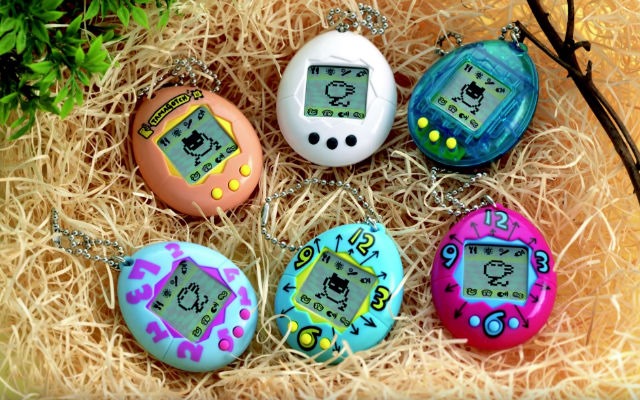
From its 1996 launch to over 100M units sold, Tamagotchi has evolved from a pocket pet craze into modern smart devices and special editions. Explore its history, products, and why this digital egg still captures hearts worldwide.
From its 1996 launch to over 100M units sold, Tamagotchi has evolved from a pocket pet craze into modern smart devices and special editions. Explore its history, products, and why this digital egg still captures hearts worldwide.
Image courtesy of grape Japan
If you grew up in the 1990s, you probably remember the beeping sound that came from a tiny egg-shaped toy clipped to your backpack or hanging from your belt loop. That was Tamagotchi, Bandai’s handheld digital pet, and for many kids, it was their first taste of responsibility. Nearly three decades later, Tamagotchi isn’t just a fond memory—it’s a product line that has continuously reinvented itself across generations, keeping its charm alive while adapting to modern lifestyles.
Tamagotchi (sometimes spelled Tamagochi) is a handheld digital pet created in Japan by Aki Maita of Bandai and launched in 1996. It quickly became one of the world’s biggest toy fads in the late 1990s and early 2000s. Here’s a detailed overview:
Invented by: Aki Maita (Bandai) and Yokoi Akihiro. First release: November 1996 in Japan; May 1997 internationally. Inspired by the idea that children wanted pets but many couldn’t own one. The solution: a portable, digital “pet” that fit in your pocket.
The Tamagotchi starts as an egg, then hatches into a creature. Players must feed, play, clean, and care for it regularly. If neglected, the Tamagotchi can get sick or even “die.” Different outcomes: With good care, it grows into healthier or happier forms. With poor care, it may evolve into less desirable ones.
One of the biggest toy crazes of the 1990s, selling over 82 million units worldwide by 2017. Schools often banned them because kids would check their Tamagotchis during class. Sparked other “virtual pet” competitors like Digimon, Giga Pets, and Nano Pets.
Bandai has released many updated versions: Tamagotchi Connection (2004) – introduced IR communication between devices. Tamagotchi Plus Color (2008) – added a color screen. Tamagotchi On / Meets (2019) – included apps, Wi-Fi connectivity, and marriage/breeding features. Tamagotchi Smart (2021) – smartwatch version with touch controls and voice features. Special collaborations – e.g., Tamagotchi x Pokémon (Eeveelution Tamagotchi), Demon Slayer Tamagotchi.
A true pop culture icon of the 90s. Inspired TV shows, an anime, video games, and even a Tamagotchi movie in Japan. Still has a strong fanbase, with Bandai continuing to release new editions.
The name “Tamagotchi” comes from the Japanese word tamago (たまご, meaning “egg”) and watchi (a variation of “watch” in English). So it literally means “egg watch.”
If you grew up in the 1990s, chances are you either owned a Tamagotchi or knew someone who did. That tiny egg-shaped device with a pixelated creature inside wasn’t just a toy—it was a responsibility, a status symbol, and for many kids, their very first “pet.”
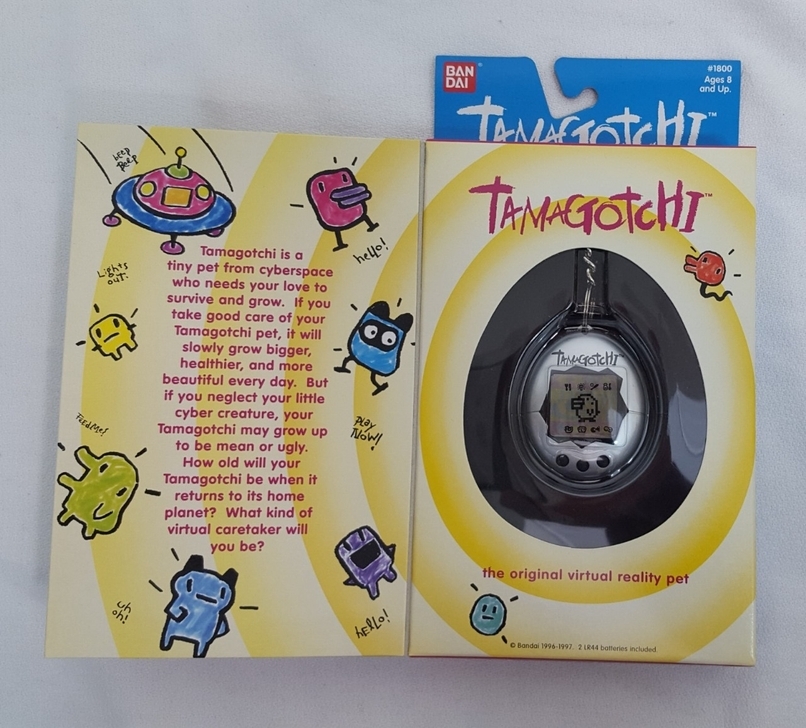
The first Tamagotchi, released in 1996 in Japan and a year later worldwide, was simple: a monochrome LCD screen housed inside a brightly colored plastic shell. Players were tasked with feeding, cleaning, and caring for their pet as it grew from an egg into one of several quirky creatures. Neglect it, and your Tamagotchi could become sick—or even “die.”
This simplicity struck a chord. By 1997, Tamagotchi fever had spread to more than 30 countries, selling 40 million units in just two years. Kids traded care tips in schoolyards, rushed to feed their pets during recess, and even smuggled them into classrooms, much to the dismay of teachers.
Launched in 1996 by Japanese toymaker Bandai, Tamagotchi was the brainchild of Aki Maita, who wanted to give children the joy of owning a pet without the mess or commitment of real-life care. With its bright plastic shell and simple LCD screen, the Tamagotchi hatched from an egg and quickly captured hearts around the world.
Suddenly, playgrounds were buzzing with beeps as kids checked in on their virtual companions. Feeding, playing, cleaning up digital poop—these daily rituals became part of life. Ignore your Tamagotchi for too long, and you risked losing it forever. For many, this was their first brush with responsibility—and heartbreak.
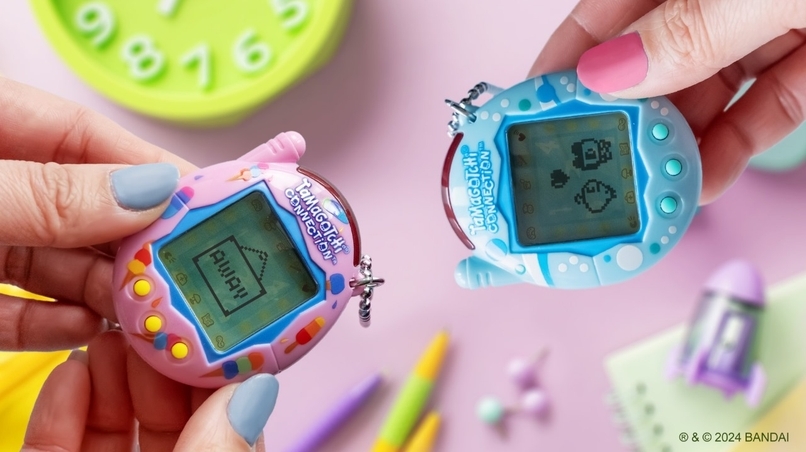
In 2004, Bandai rebooted the brand with Tamagotchi Connection (called Tamagotchi Plus in Japan). This was more than just a new shell color—it added infrared communication, letting pets visit each other, exchange gifts, and even marry to produce offspring.
For the first time, Tamagotchi wasn’t just about solo play—it was about sharing the experience with friends. By 2006, over 20 million units of Tamagotchi Connection/Plus had been sold worldwide. Kids who grew up with the original now had a social version to enjoy, sparking a second wave of popularity.
By 1997, Tamagotchi fever had spread globally. Stores sold out within hours, and children carried them everywhere, even sneaking peeks during math class. Some schools banned them outright, unable to handle the distraction of students rushing to “feed” their pets during lessons.
It wasn’t just a toy; it was a cultural moment. Tamagotchi inspired television shows, video games, and endless playground debates about the “best” way to raise your creature. Parents rolled their eyes, teachers groaned, but kids were hooked.
By the late 2000s, handheld tech was evolving fast. Bandai responded with Tamagotchi Color (2008), the first full-color device. Soon after came the Tamagotchi iD (2009) and Tamagotchi P’s (2012–2013). These versions featured mini-games, downloadable content, and collectible items.
One standout was the Tamagotchi P’s, which introduced “Pierces”—plug-in charms that unlocked extra content. This turned Tamagotchi into something closer to a customizable platform, appealing to both kids and nostalgic adults.
Though the craze cooled after the early 2000s, Tamagotchi never truly disappeared. Bandai kept updating the device with new features:
· Tamagotchi Connection (2004) let players connect and even marry their pets.
· Tamagotchi Color (2008) introduced vibrant screens.
· Tamagotchi On (2019) and Tamagotchi Smart (2021) added app integrations, touch controls, and smartwatch functionality.
Special collaborations with Pokémon, Sanrio, and even Demon Slayer brought the classic toy into modern pop culture, introducing Tamagotchi to a new generation.
As smartphones began dominating playtime, Tamagotchi followed. Bandai launched Tamagotchi: The Original App and later My Tamagotchi Forever (2018), a mobile game with AR features. These apps allowed longtime fans to revisit the experience without carrying a separate device, while also introducing the franchise to Gen Z kids.
In 2019, Bandai released Tamagotchi On (international) and Tamagotchi Meets (Japan). These introduced a more complex world where Tamagotchis could marry, have children, and pass down traits across generations. With Bluetooth app integration, players could connect their Tamagotchis to mobile devices, making the experience richer and more interactive.
Part of Tamagotchi’s charm lies in its simplicity. Unlike today’s hyper-connected, high-resolution gaming, Tamagotchi was minimalistic—a handful of buttons, a few pixels, and a whole lot of imagination. For many millennials, the beeping egg remains a reminder of simpler times, when your biggest worry was keeping your tiny pet alive.
Even now, collectors proudly display vintage Tamagotchis, while new fans discover them through re-releases. In a way, Tamagotchi has transcended being just a toy—it’s become a symbol of 90s nostalgia, digital innocence, and the universal desire to care for something, even if it’s made of pixels.
This was a leap from the original single-pet model. Suddenly, owning a Tamagotchi wasn’t just about keeping one creature alive—it was about building a family tree.
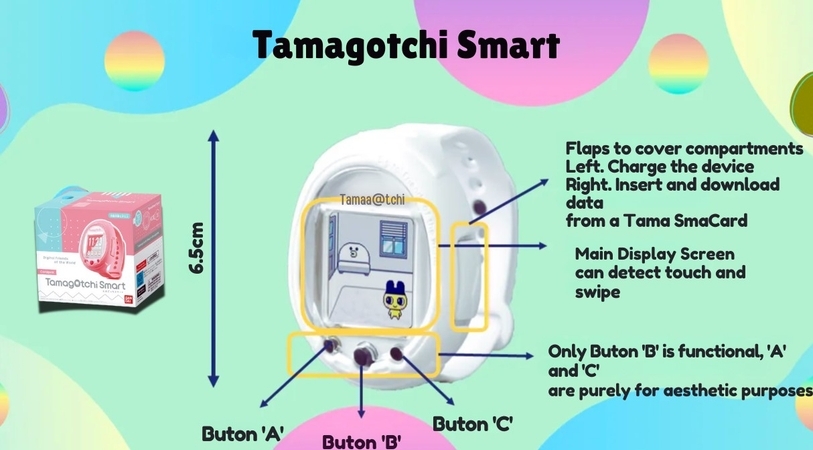
In 2021, Tamagotchi embraced wearable tech with the Tamagotchi Smart, a smartwatch-style device with touchscreen controls, voice recognition, and TamaSma cards (SD-like expansions). It combined the nostalgia of the original with the convenience of modern smart devices, appealing to collectors and new fans alike.
These are the main electronic pets, evolving through generations:
Original Tamagotchi (1996). Egg-shaped device with a black-and-white LCD screen. Feed, clean, and care for your pet until it grows into different forms. The original launch was a massive success. In its first roughly two years, Bandai sold 40 million units globally. This early momentum helped set the stage for the Tamagotchi phenomenon and made this the clear top-seller in overall volume.
Tamagotchi Connection / Plus (2004–2006). Added infrared communication, so Tamagotchis could visit, give gifts, or marry. Became one of the best-selling product lines. Tamagotchi Connection / Plus Series. By December 2005, over 15 million units of the Tamagotchi Connection/Plus had been sold. By 2006, these sales climbed to 20 million total. This series counted as the second-highest-selling line, popular for introducing infrared communication between devices.
Tamagotchi Color / iD / P’s (2008–2013). Introduced color screens. P’s (Pierce) allowed attachments with extra games and characters.
Tamagotchi 4U / 4U+ (2014–2015). Introduced NFC features for downloads and interaction.
Tamagotchi On / Meets (2019). Expanded play with apps, marriage systems, and generations of Tamagotchi families.
Tamagotchi Smart (2021). Smartwatch-style Tamagotchi with touchscreen, voice features, and TamaSma cards (expansions).
Mobile Apps & Games
· Tamagotchi: The Original App (2013) – mobile version of the classic toy.
· Tamagotchi Forever (2018) – free-to-play mobile game with AR features.
· Tamagotchi Classic (iOS/Android) – official emulation of the 1996 model.
Console & Crossover Games
· Tamagotchi Party On! (Wii) – party game with minigames.
· My Tamagotchi Forever – mobile/console spin-offs.
· Crossover appearances – Tamagotchi characters have appeared in Nintendo DS titles, Bandai Namco games, and collaborations with Digimon.
Other Tamagotchi Products
· Plush toys & keychains – featuring Mametchi, Kuchipatchi, and other characters.
· Stationery & accessories – cases, straps, charms.
· Anime & movies – Tamagotchi! TV series (2009–2015) and a movie.
· Collectibles – limited editions, anniversary models, and rare devices highly valued among fans.
Cumulative Sales Insight
· As of 2010: More than 76 million units sold in total.
· As of 2017: The total surpassed 82 million.
· By mid-2025: Tamagotchi shipments exceeded 100 million units worldwide, cementing its enduring global popularity.
Collaborations and Special Editions
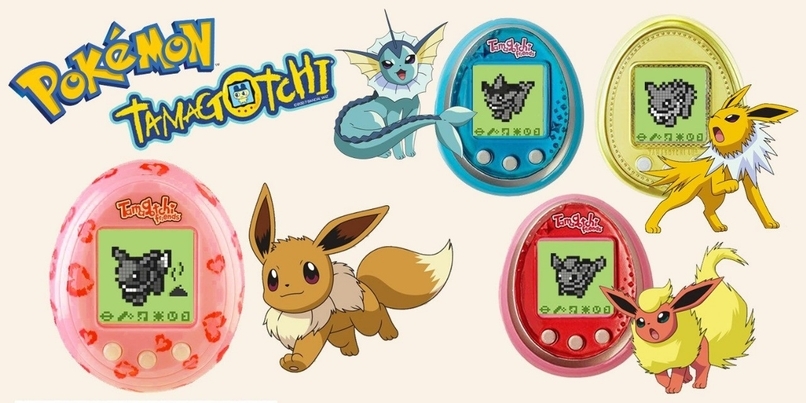
Part of Tamagotchi’s enduring success comes from its crossovers with popular franchises. Over the years, Bandai has released themed versions that appeal to collectors and fans of anime, gaming, and pop culture:
· Pokémon x Tamagotchi – Eevee edition with multiple evolutions.
· Sanrio x Tamagotchi – featuring Hello Kitty and friends.
· Demon Slayer Tamagotchi – themed around the hit anime.
· Star Wars, Evangelion, Disney – limited-edition with unique shells and characters runs for collectors.
These collaborations kept Tamagotchi fresh, relevant, and desirable—even for adults who grew up with the original and now buy them for nostalgia or collection.
While mass sales are highest for the Original and Connection series, collectors often prize rare and limited editions: Tamagotchi P (Pierce) color-screen limited edition—can be valued up to €1,800 ($2,000) in pristine condition. Devilgotchi—initially unpopular, its rarity now makes it a collector favorite, often valued at $800–$1,000. Reddit enthusiasts note: “Solely in terms of sales, I believe the original is the most popular (40+ million units sold)… but I would assume that the Meets/On is probably the most loved of the modern color tamas.”
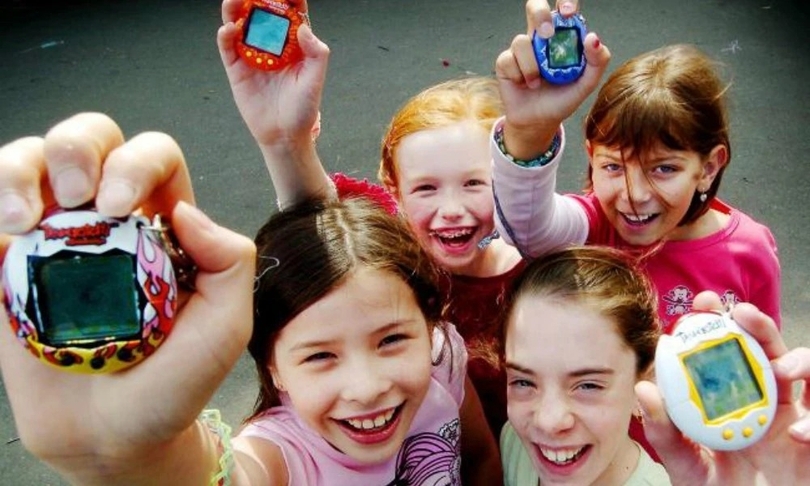
Tamagotchi has been sold worldwide since its debut in 1996, and Bandai has kept expanding its reach with re-releases and collaborations. Here’s a breakdown of where it has been officially sold over the years:
Asia (Origin & Strongest Market). Japan – birthplace of Tamagotchi and its largest market. All models debut here first. South Korea, Taiwan, Hong Kong, Singapore, Malaysia, Indonesia, Thailand, Philippines – widely available through toy chains and Bandai distributors. China – limited presence in the late 1990s, but more prominent with modern re-releases and collaborations.
North America. United States – one of the biggest markets outside Japan. The original 1997 release sold out almost instantly, and later reboots (Connection, On, Smart) were released through major retailers like Toys “R” Us, Target, and Amazon. Canada – followed the U.S. releases closely, with similar popularity in the late ’90s.
Europe. United Kingdom – a massive hit in the ’90s; Bandai even opened its first dedicated Tamagotchi store in the UK in 2024. France, Germany, Italy, Spain, Netherlands, Scandinavia – strong presence during the first craze and in later re-releases. Eastern Europe – availability was more limited in the 1990s, but imports and modern online sales made them more accessible later.
Oceania. Australia & New Zealand – Tamagotchi was hugely popular here during the late 1990s, with Bandai continuing to sell updated versions through retailers like EB Games and specialty toy shops.
Latin America. Mexico, Brazil, Argentina, Chile – had official releases in the late ’90s, with Bandai reintroducing modern versions through regional distributors.
Middle East & Other Regions. Available in parts of the Middle East through toy distributors (UAE, Saudi Arabia, etc.). Some regions primarily get Tamagotchi through imports and online retailers (Amazon, specialty collectors’ shops).
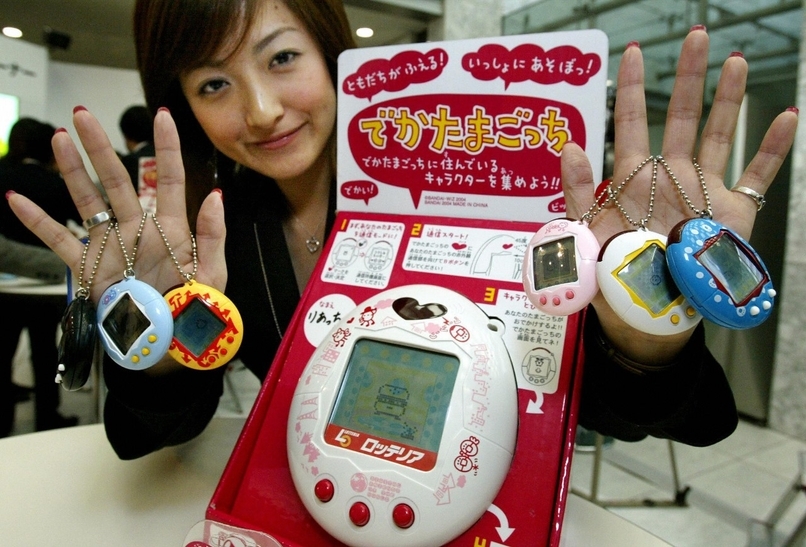
Tamagotchi didn’t stay confined to its iconic egg. It expanded into other formats: Console games like Tamagotchi Party On! for Nintendo Wii. Handheld titles for Nintendo DS and Switch. Anime & movies, including the Tamagotchi! TV series (2009–2015) and a feature film in Japan. Merchandise, from plush toys to stationery, showcasing characters like Mametchi and Kuchipatchi.
Despite being nearly 30 years old, Tamagotchi remains more than just a toy. It represents: Nostalgia – a throwback to childhood in the ’90s and 2000s. Simplicity – unlike complex games, Tamagotchi thrives on basic care and connection. Community – from playground trades to modern Reddit forums, Tamagotchi creates shared experiences. Adaptability – Bandai has successfully evolved the brand, from simple pixels to smartwatches. As of 2025, over 100 million Tamagotchi units have been sold worldwide. That’s not just a toy craze—it’s proof of a cultural icon that spans generations.
From the first egg in 1996 to today’s smartwatch versions, Tamagotchi has shown that even in a world of high-definition gaming and VR, there’s still something special about a simple digital creature that needs your care. Whether you’re a millennial reminiscing about recess or a new fan discovering the joy of digital pets, Tamagotchi remains proof that sometimes, the smallest companions leave the biggest mark.
Nearly 30 years since its debut, Tamagotchi continues to find a place in our pockets and our hearts. Whether you’re raising a digital pet for the first time or revisiting the chirps of your childhood companion, Tamagotchi proves that sometimes, the smallest things leave the biggest impact.