Indonesia’s Specialty Coffee: How to Tap into the Global Market
Learn how to export Indonesian specialty coffee globally—from sourcing premium beans like Gayo and Toraja, to packaging, certifications (Halal, Organic), and marketing strategies for key markets including Singapore, Malaysia, Dubai, the US, and Europe.
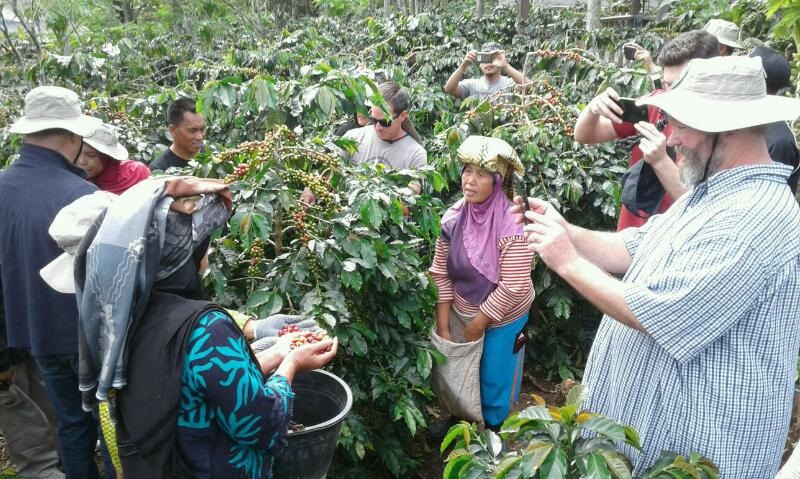
Indonesia is the fourth-largest coffee producer in the world and home to some of the most sought-after specialty beans on the global stage. From the highlands of Aceh to the volcanic slopes of Bali, Indonesian coffee is known for its complex flavor profiles, sustainability, and rich cultural heritage. With growing international demand for traceable, premium, and ethically sourced beans, the time is ripe for local entrepreneurs and cooperatives to expand into global markets.
Indonesia is one of the world’s largest coffee producers and exporters, especially known for its specialty Arabica and Robusta beans. The country’s geography—volcanic soil, tropical climate, and varied altitudes—creates ideal conditions for coffee cultivation.
Key Coffee Regions & Their Profiles
Sumatra.Notable areas: Mandheling, Lintong, Gayo (Aceh). Flavor profile: Earthy, full-bodied, low acidity, often with chocolate and herbal notes. Processing: Often "wet-hulled" (locally known as Giling Basah), which gives Sumatran coffee its trademark heavy body and unique flavor.
Java.Notable areas: Ijen Plateau, East Java. Flavor profile: Clean, bright, sometimes spicy with medium body and mild acidity. History: Java was one of the first places in the world where coffee was cultivated by Europeans (Dutch colonialists in the 1600s). The term "Java" became synonymous with coffee.
Bali.Notable areas: Kintamani Highlands. Flavor profile: Fruity, floral, with medium body and bright acidity. Processing: Often wet-processed, leading to clean and citrusy notes.
Sulawesi (Celebes).Notable areas: Toraja, Kalossi. Flavor profile: Deep, syrupy body with complex earthy and spicy flavors. Processing: Usually semi-washed or wet-hulled.
Papua.Notable areas: Wamena, Jayawijaya. Flavor profile: Light and sweet, with nutty or fruity characteristics. Note: Gaining traction in the specialty coffee scene.
lintasgayoCoffee Varieties. Arabica (Coffea arabica): Grown mainly in highland areas like Aceh, Java, and Bali. Robusta (Coffea canephora): More common in lower altitudes like Lampung (southern Sumatra).
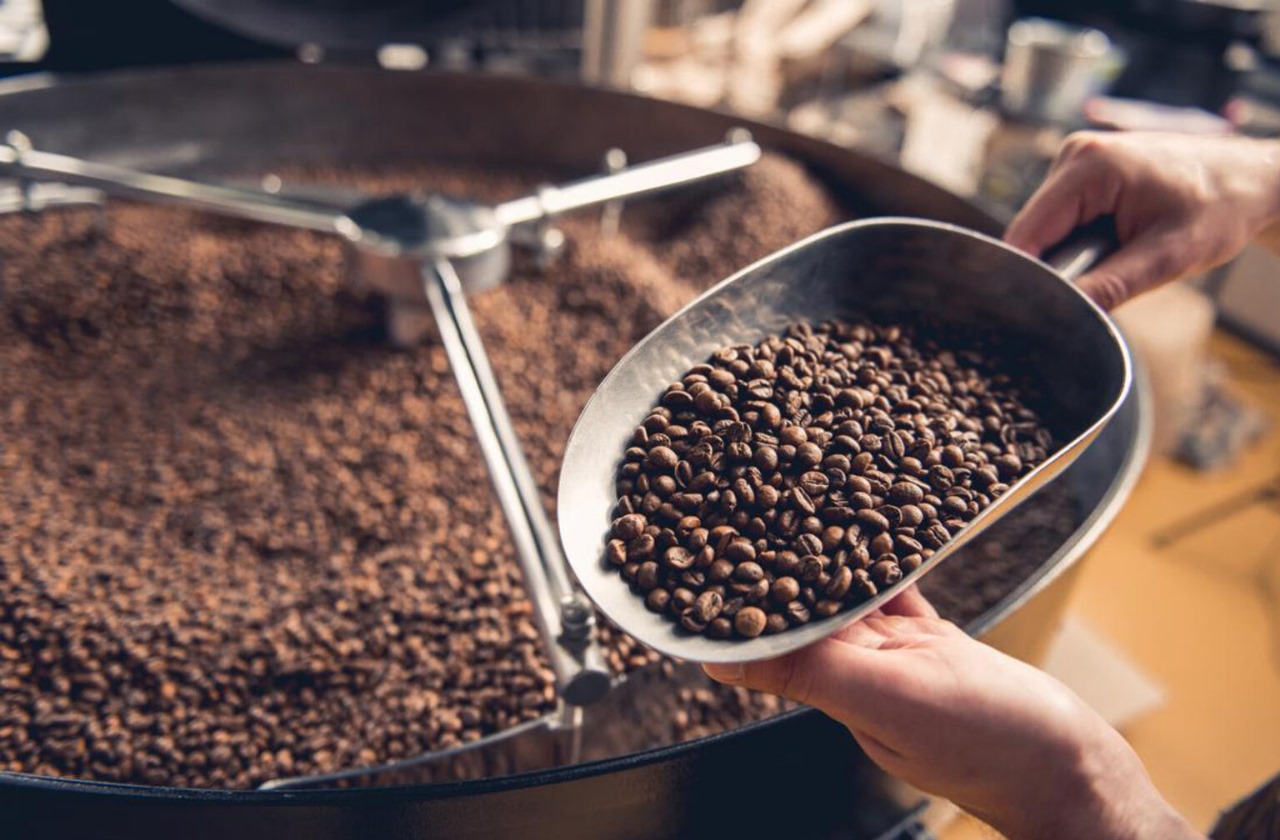
Processing Techniques. Wet-Hulled (Giling Basah): Unique to Indonesia. It results in earthy, heavy-bodied coffee. Dry (Natural) Process: Less common, but gaining popularity among specialty producers. Fully Washed: Common in Bali and Java for cleaner taste profiles.
Kopi Luwak (Civet Coffee). Produced from coffee beans eaten and excreted by civets.Controversial due to animal welfare concerns and inconsistent quality.More of a tourist novelty than a staple of high-quality Indonesian coffee.
Export & Industry Insights. Indonesia ranks in the top 5 global coffee exporters.Coffee is a key agricultural export alongside palm oil and rubber.The government supports initiatives for specialty coffee, sustainable practices, and farmer empowerment.Specialty coffee and third-wave cafés are booming in cities like Jakarta, Bandung, and Bali.
Why the World Wants Indonesian Coffee
Consumer tastes are shifting. Specialty cafés, roasters, and conscious buyers across the U.S., Europe, the Middle East, and Asia are demanding: Single-origin beans with clear traceability. Unique flavor notes such as citrus, chocolate, spice, or earthiness. Sustainable sourcing and ethical farming. Halal or Organic certifications in select markets. Indonesia offers all of these—and more.
Best Indonesian Coffee for Export
Top Export-Grade Varieties:Gayo Arabica (Aceh): Smooth, clean cup, often organic-certified. Popular in Europe and Singapore. Toraja Arabica (Sulawesi): Bold, spicy, with deep body. Ideal for Japan and Middle Eastern markets. Bali Kintamani Arabica: Citrus acidity, floral notes. Well-suited for U.S. and Australian roasters. Java Ijen or Preanger: Historic appeal, balanced body, good for drip or espresso blends. Robusta from Lampung or Flores: Used in Italian espresso blends and increasingly sought for RTD (Ready to Drink) beverages.
Sourcing Tips: Work with certified cooperatives or processors with export licenses. Verify moisture levels (10–12%) and cup scores (83+ for specialty grade). Secure documentation for traceability, including farmer profiles and harvest dates.
foodstalkers_hkHere are business ideas based on Indonesian coffee—whether you're looking to operate locally or internationally, in retail or B2B:
Premium Coffee Brand (Retail or D2C). Target: Export markets (US, Japan, Europe) or urban Indonesian consumers. Concept: Launch a specialty Indonesian coffee brand featuring single-origin beans from Sumatra, Bali, or Flores with transparent sourcing and storytelling. Features: Eco-friendly packaging. Subscription box options. QR-code traceability to farms. Strong branding (minimalist or heritage-inspired)
Export & Trading Business. Target: Global importers, roasters, or distributors. Concept: Source beans from cooperatives or plantations and export green or roasted beans under your label or white-label. Differentiator: Focus on sustainable farms or organic-certified beans. Offer wet-hulled or rare single origins (Toraja, Wamena). Add services like logistics, storage, and export documentation
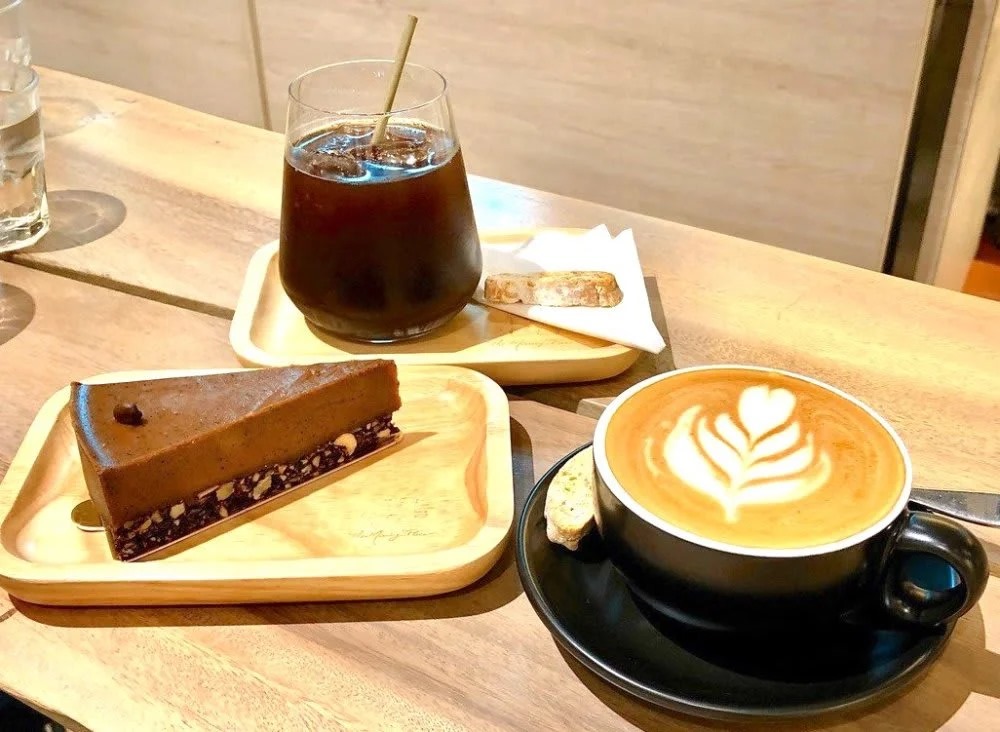
Coffee Shop Chain (Local or ASEAN Expansion). Target: Young professionals and coffee lovers. Concept: Open a modern café serving premium Indonesian coffee, with a clean design and a mix of traditional brews and espresso-based drinks. Niche angles: Kopi Tubruk bar or manual brew focus. High-end specialty concept (like %Arabica meets Anomali). Local farm-to-cup storytelling
Ethical Kopi Luwak Alternative. Target: Ethical consumers, tourists, curious buyers. Concept: Offer verified wild civet coffee or lab-grown enzyme-treated beans that replicate Luwak flavor—without animal cruelty. Bonus: Package it with education on animal welfare and sustainable tourism.
Coffee Education & Barista Training Center. Target: Local youths, café staff, and tourists. Concept: Build a training center offering certified barista courses, cupping workshops, and farm tours. Location: Bali, Bandung, or Yogyakarta (popular among both locals and foreigners)
Coffee Tech Startup / Marketplace. Target: Farmers, roasters, buyers. Concept: Build a platform that connects Indonesian coffee producers with buyers via an app or web marketplace. Features: Transparent pricing. Quality grading system. Direct farmer payments. Export readiness guides
Sustainable Coffee Farm & Agro-tourism. Target: Eco-tourists, digital nomads, students. Concept: Buy or partner with a plantation to build a coffee retreat where guests can stay, learn, and brew. Bonus: Offer Airbnb-style lodging, yoga + coffee packages, or "coffee farm internships."
RTD (Ready-to-Drink) Indonesian Coffee. Target: Young consumers and convenience-seekers. Concept: Brew bottled or canned drinks from specialty beans: cold brew, sweetened kopi susu, or modern herbal mixes. USP: Highlight origin (e.g., "Gayo Cold Brew") + stylish branding
Indonesian Coffee Pop-Up or Truck (Overseas). Target: U.S., Japan, Australia. Concept: A pop-up café or mobile truck that introduces authentic Indonesian coffee to foreign markets—street-style kopi susu, traditional snacks, and more.
repack.idRegulatory Essentials for Global Export. Each country has its own compliance path. Here's a simplified guide:
Singapore SFA import license, health cert, English label
Malaysia Halal (JAKIM), food importer registration
UAE / Dubai FIRS, Halal by MUI/ESMA, Arabic label
USA FDA registration, Prior Notice, clear labeling
Europe (EU) Organic cert (if claimed), EU food safety regs
Japan Importer license, pesticide testing, traceability
Common Required Documents: Certificate of Origin. Health Certificate. Halal Certificate (if applicable). Export Declaration. Lab Analysis Report (especially for EU/USA)
Packaging & Labeling for International Buyers. International buyers care about what’s inside—and outside.
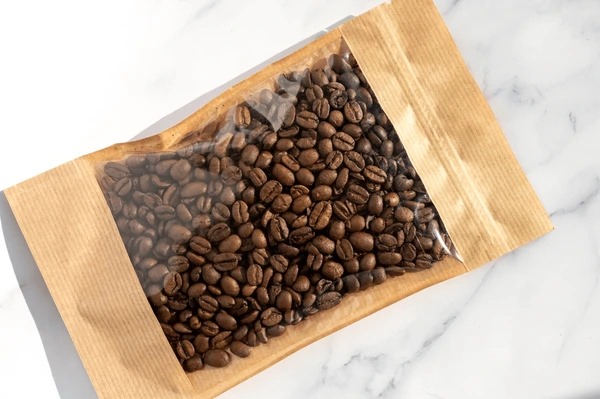
Export Packaging Best Practices: Use moisture-proof bags with one-way valves (250g–1kg). High-quality design that tells your origin story. Include: Roast level. Bean type (Arabica/Robusta). Region + altitude. Best before date. Brewing recommendations. Add Halal, Organic, or Fairtrade logos (if certified)
Partner with Importers Identify trusted distributors in key countries
Join Trade Shows Attend SIAL, Gulfood, FHA Singapore, World of Coffee Europe
Leverage B2B Platforms Use Alibaba, GlobalSources, and Made-in-Indonesia portals
Sell on B2C Channels Use Amazon (US/UAE), Lazada (SG), Shopee, or your website
Use Social Media Tell your story on Instagram, TikTok, and YouTube
Coffee Subscription Boxes Offer to curated boxes in Europe and Asia
Key Tip: Build a brand, not just a commodity. Storytelling and origin transparency boost buyer confidence and price margins.
Certifications That Open Doors. To build trust globally, these certifications matter:
Halal (MUI, JAKIM, ESMA) – Required in Muslim-majority countries
USDA Organic / EU Organic – High value in US and Europe
Fair Trade / Rainforest Alliance – Useful for Europe and ethical buyers
ISO 22000 or HACCP – For food safety assurance
Indonesian coffee has everything the world craves—flavor, history, sustainability, and soul. With the right packaging, certification, and export strategy, your coffee can be sipped in Paris, Tokyo, Dubai, or New York.
The key is preparation. Understand the regulations, choose quality beans, and market them with purpose. When done right, exporting isn’t just business—it’s storytelling through every brew.