Telemedicine Platforms in the United States and How They Are Reshaping Healthcare Business
Explore leading telemedicine platforms in the US including Teladoc, Amwell, GoodRx, Doctor On Demand, and MDLIVE. Learn how digital healthcare is transforming patient care, insurance integration, and business opportunities in the US healthtech market.
Telemedicine has transformed healthcare delivery in the United States, shifting patient care from traditional clinics and hospitals to digital platforms. What began as a niche technology for remote consultations has evolved into a multi-billion-dollar industry that integrates artificial intelligence, digital prescriptions, remote monitoring devices, and insurance systems.
For businesses, investors, and digital health entrepreneurs, telemedicine represents one of the most promising segments in the healthcare technology sector. This article explores how telemedicine platforms operate in the US, major players in the industry, business models, regulatory challenges, and future growth opportunities.
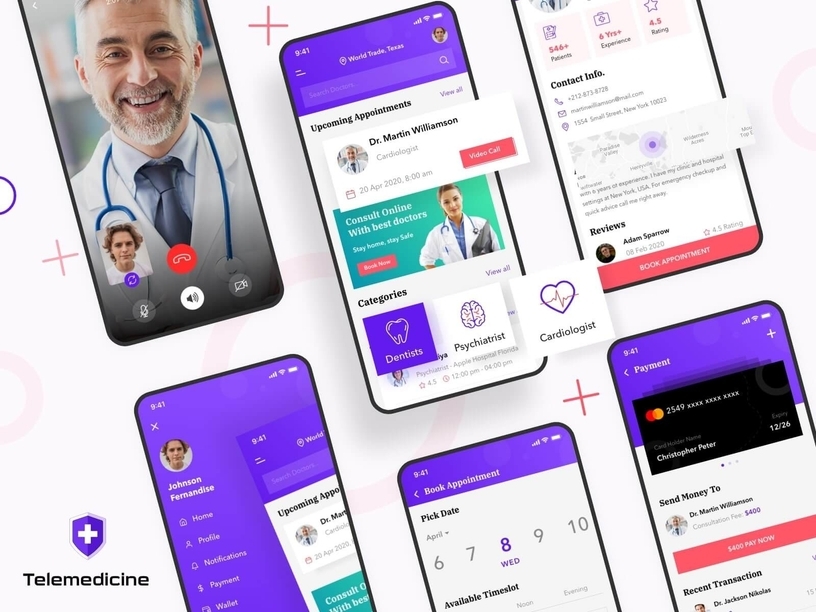
Telemedicine refers to the use of digital communication technologies to provide medical services remotely. Patients can consult doctors through video calls, mobile apps, chat platforms, and connected medical devices.
The industry experienced massive acceleration during the COVID-19 pandemic, when physical visits were restricted and healthcare systems needed scalable digital solutions. Even after the pandemic, telehealth adoption remained strong due to convenience, cost efficiency, and improved patient access. Today, telemedicine is widely used for primary care, mental health services, chronic disease management, dermatology, and prescription services.
Teladoc Health: The Global Leader in Virtual Healthcare
Teladoc is one of the largest telemedicine companies globally and a pioneer in virtual healthcare services. It offers virtual doctor visits, mental health therapy, chronic condition management programs, and data analytics tools for healthcare providers and insurers. Teladoc primarily serves enterprise clients such as insurance companies, employers, and hospital systems.
Teladoc Health, Inc. is one of the world’s largest telemedicine companies, providing virtual healthcare services through digital platforms. Founded: 2002. Headquarters: Purchase, New York, USA. Listed on: NYSE (Ticker: TDOC). Core business: Telehealth consultations, mental health services, and chronic disease management. Teladoc became a pioneer in telemedicine long before COVID-19, but the pandemic accelerated its growth and global recognition.
Teladoc offers “whole-person virtual care”, meaning digital healthcare across multiple medical needs:
Virtual Doctor Visits. On-demand video consultations with licensed doctors. Used for primary care, urgent care, dermatology, and general medical advice.
Mental Health Platform (BetterHelp). Online therapy sessions via chat, phone, or video. Subscription-based service connecting users with licensed therapists.
Chronic Care Management (Integrated Care). Programs for diabetes, hypertension, weight management, and heart health. Uses AI, data analytics, and connected devices to monitor patients.
Employer & Insurance Telehealth Solutions. SaaS-style platform for employers, insurers, and healthcare systems. Integrated into employee benefits and insurance packages
Amwell: Enterprise Telehealth Platform for US Healthcare Systems
Amwell provides telehealth software platforms for hospitals, health systems, and insurance companies. Instead of focusing only on direct-to-consumer services, Amwell positions itself as a technology partner that integrates telehealth into existing healthcare infrastructure.
Amwell (American Well Corporation) is a leading US telehealth technology company that provides digital healthcare platforms for hospitals, insurers, employers, and government healthcare systems.
Founded: 2006. Headquarters: Boston, Massachusetts, USA. Listed on: NYSE (Ticker: AMWL). Business focus: B2B telehealth software and infrastructure. Amwell positions itself more as a telehealth technology platform provider rather than a consumer telehealth brand. Amwell provides a telehealth operating system that connects patients, doctors, hospitals, and insurers.
Telehealth Software Platform. Secure video consultations. Patient portals and scheduling. Integration with hospital electronic health records (EHR). Hospitals and insurers use Amwell’s platform to build their own virtual care services.
Amwell Care Delivery. Offers virtual urgent care, primary care, and specialty care. Used by health systems and employer programs. Provides access to licensed clinicians.
Government & Military Telehealth. Amwell is a key provider for US government healthcare programs, including: Medicare and Medicaid programs. US Department of Defense telehealth services. This makes Amwell a strategic healthcare infrastructure company.
GoodRx Telehealth: Business Overview and Market Position
GoodRx is widely known for its prescription price comparison platform. It expanded into telemedicine by offering online doctor consultations and prescription services. GoodRx combines telehealth with pharmacy savings, making it attractive to cost-conscious consumers.
GoodRx is a U.S.-based digital health company best known for its prescription discount platform, but it has expanded into telemedicine through GoodRx Care, its virtual healthcare marketplace. The company was founded in 2011 in Santa Monica, California, initially as a price-comparison platform for prescription drugs.
In 2019, GoodRx acquired telemedicine startup HeyDoctor, launching GoodRx Care to provide virtual consultations and prescriptions, positioning itself as a competitor to telehealth startups such as Hims, Ro, and Nurx.
GoodRx Care functions as an online healthcare marketplace, connecting patients with licensed clinicians for remote consultations. Key service areas include: Primary care consultations. Men’s and women’s health. Mental health services. Dermatology. Chronic condition management. Prescription renewals and medication delivery. The platform integrates telehealth consultations with prescription savings, creating a seamless patient journey—from doctor consultation to discounted medication purchase. GoodRx operates a multi-sided platform model that combines healthcare services with pharmaceutical pricing data and consumer marketing tools. Major revenue sources include:
Prescription Discount Fees. GoodRx earns commissions from pharmacy benefit managers (PBMs) when consumers use its discount coupons at pharmacies.
Telehealth Consultation Fees. GoodRx Care generates revenue from virtual medical visits and prescriptions issued via its platform.
Subscriptions. GoodRx Gold is a paid subscription program offering deeper drug discounts for recurring users.
Advertising and Manufacturer Partnerships. The company earns advertising revenue and collaborates with pharmaceutical companies to promote branded medications and direct-to-consumer pricing programs.
Doctor On Demand (Included Health): A Major Telemedicine Platform in the US
Doctor On Demand focuses on on-demand virtual doctor consultations and mental health services. It is popular among employers and health plans that provide telehealth as part of employee benefits packages.
Doctor On Demand is a leading US telemedicine platform that provides virtual medical and mental health services through video consultations. It was founded in 2012 and later merged with healthcare navigation platform Grand Rounds in 2021, forming Included Health, a broader digital healthcare company focused on integrated virtual care, benefits navigation, and health advocacy services.
Today, Doctor On Demand operates as a core telehealth brand under Included Health, serving employers, health plans, and individual consumers across the United States.
Virtual Primary and Urgent Care. Doctor On Demand offers on-demand or scheduled video visits with licensed physicians and nurse practitioners for common conditions such as: Cold and flu. Allergies. Skin conditions. Minor infections. Chronic disease management. Patients can access care 24/7, making it highly attractive for employers and insurers seeking cost-effective alternatives to in-person clinic visits.
Mental Health and Behavioral Health Services. One of Doctor On Demand’s strongest segments is telepsychiatry and therapy. The platform provides: Therapy sessions with licensed psychologists and counsellors. Psychiatric consultations for medication management. Behavioral health coaching and ongoing treatment plans. This mental health focus became a major growth driver during and after the COVID-19 pandemic.
Employer and Health Plan Integration. Doctor On Demand is heavily integrated into corporate benefits programs. Many US employers include the service in their health plans, allowing employees to access telehealth with low or no co-payments.
This B2B model differentiates it from consumer-only telemedicine apps, positioning Included Health as a healthcare benefits technology partner rather than just a telehealth provider.
Doctor On Demand operates under Included Health’s hybrid B2B and B2C model: B2B (Primary Revenue Driver) - Contracts with employers, insurers, and health plans - Subscription-based telehealth access for employees - Data and healthcare navigation tools integrated into benefits platforms. B2C (Direct-to-Consumer) - Individual pay-per-visit telehealth consultations - Subscription therapy packages. This diversified revenue structure stabilizes growth and reduces dependence on consumer-only telehealth demand.
MDLIVE: Telemedicine Platform Overview and Business Analysis
MDLIVE, owned by Evernorth (Cigna), offers urgent care, behavioral health, and dermatology telehealth services. It is integrated with major insurance providers, allowing insured patients to access virtual care with minimal out-of-pocket costs.
MDLIVE is a major U.S. telemedicine platform that provides virtual healthcare services such as primary care, mental health, dermatology, and urgent care through video, phone, and online consultations. The company is now part of Evernorth Health Services, a subsidiary of Cigna, following its acquisition in 2021.
MDLIVE serves millions of patients through employer health plans, insurance companies, and government programs, positioning itself as a B2B-focused telehealth solution rather than purely direct-to-consumer.
Primary and Urgent Care. MDLIVE allows patients to consult board-certified physicians for common medical conditions such as flu, infections, allergies, and minor injuries. Physicians can diagnose and prescribe medications remotely.
Behavioral Health and Therapy. The platform connects patients with psychiatrists, psychologists, and therapists for mental health treatment, counseling, and psychiatric medication management.
Dermatology and Specialty Care. Patients can submit photos for skin conditions and receive diagnosis and prescriptions without in-person visits.
Virtual Primary Care and Chronic Disease Management. MDLIVE offers ongoing primary care programs, including remote monitoring for chronic conditions such as diabetes and hypertension using connected devices.
Asynchronous Telehealth. Evernorth expanded MDLIVE with asynchronous digital triage and care navigation, allowing patients to submit symptoms digitally without real-time clinician interaction, improving scalability and cost efficiency.
MDLIVE primarily operates as a B2B and B2B2C platform: Health insurers and employers pay for MDLIVE access as part of employee benefits packages. Health plans and government programs integrate MDLIVE into coverage. Patients pay copays or subscription fees depending on insurance plans. This enterprise-driven model differentiates MDLIVE from consumer-focused platforms like GoodRx Telehealth.
MDLIVE services over 60 million members in the U.S. through insurance and employer coverage programs. The platform has a nationwide network of board-certified physicians and mental health professionals. MDLIVE integrates with Cigna’s Evernorth ecosystem, including pharmacy benefits (Express Scripts) and care analytics.
Subscription Model. Patients or employers pay monthly or annual fees for access to virtual healthcare services. This model is common for mental health platforms and chronic care management services.
Pay-Per-Visit Model. Patients pay for individual consultations, similar to traditional clinic visits. This model is widely used by consumer telehealth platforms.
Enterprise SaaS Model. Telemedicine companies sell software platforms to hospitals, insurers, and large employers. These clients pay licensing fees and implementation costs, making this model highly scalable and profitable.
Telepharmacy and Prescription Revenue. Some platforms earn revenue through prescription services, partnerships with pharmacies, and drug discount programs.
Telemedicine in the US operates under strict regulatory frameworks. Platforms must comply with the Health Insurance Portability and Accountability Act (HIPAA), which governs patient data privacy and security. Doctors must be licensed in the state where the patient is located, creating operational complexity for national platforms. Reimbursement policies from Medicare, Medicaid, and private insurers also influence telemedicine adoption and profitability. These regulatory barriers create high entry costs for startups but also protect established players from rapid disruption.
The US telemedicine market has attracted significant investment from venture capital firms, healthcare companies, and technology giants. During the pandemic, telehealth usage surged, and many companies went public or expanded aggressively. However, the industry also experienced consolidation and closures as demand stabilized. Companies that failed to integrate with insurers or demonstrate long-term cost savings struggled to survive. Despite these challenges, telemedicine remains a strategic priority for healthcare systems, insurers, and employers seeking to reduce costs and improve access to care.
Chronic Disease Management. Remote monitoring of diabetes, cardiovascular diseases, and respiratory conditions is a high-growth segment. Telemedicine platforms integrated with wearable devices and IoT health sensors offer long-term recurring revenue opportunities.
Mental Health Services. Digital therapy and psychiatric consultations are among the fastest-growing telehealth services, driven by rising mental health awareness and workforce stress.
Employer Healthcare Solutions. Employers increasingly provide telemedicine as part of employee benefits packages to reduce healthcare costs and improve productivity.
Cross-Border Telemedicine. Telemedicine platforms enabling consultations between US doctors and patients in Asia, the Middle East, or Europe represent a potential global expansion opportunity, although regulatory approvals remain complex.
Telemedicine is expected to become a core component of the US healthcare system rather than a supplementary service. Integration with artificial intelligence, digital payments, electronic health records, and remote monitoring devices will further expand its capabilities.
As healthcare costs continue to rise and patient expectations shift toward convenience and digital services, telemedicine platforms are positioned to play a critical role in the future of healthcare delivery.
Telemedicine platforms in the United States represent a rapidly evolving intersection of healthcare, technology, and business. Leading companies such as Teladoc, Amwell, GoodRx, Doctor On Demand, and MDLIVE have built scalable digital health ecosystems serving millions of patients.
For investors and entrepreneurs, telemedicine offers opportunities in SaaS healthcare platforms, digital prescriptions, AI diagnostics, and remote patient monitoring. However, success requires navigating strict regulations, building trust with healthcare providers, and integrating with insurance systems. As digital transformation accelerates in healthcare, telemedicine will remain a key driver of innovation, efficiency, and accessibility in the US medical industry.