Explore why small town America and rising cities like Miami, Austin, Dallas, New York, and Raleigh–Durham are becoming top startup playgrounds for foreign investors seeking lower costs, talent access, and long-term business growth in the U.S.
Explore why small town America and rising cities like Miami, Austin, Dallas, New York, and Raleigh–Durham are becoming top startup playgrounds for foreign investors seeking lower costs, talent access, and long-term business growth in the U.S.
Finance and Technology Meetings - Greater Miami
For decades, the American startup dream was tied to big cities—New York’s financial gravity, Silicon Valley’s tech magnetism, Los Angeles’ creative economy. But quietly, and now undeniably, the center of opportunity is shifting. Small town America is emerging as one of the most attractive startup environments in the United States.
Lower costs, loyal customers, government incentives, and a workforce no longer tied to office towers have transformed towns once overlooked into fertile ground for entrepreneurs, investors, and small business owners. This is not nostalgia-driven economics. It’s a strategic move.
The Cost Advantage That Changes Everything
One of the biggest reasons entrepreneurs are moving away from major cities is simple: cost structure. In small towns, operating expenses can be 30–70% lower than in large metropolitan areas.
A café that struggles to survive in San Francisco or Manhattan can become a community hub—and a profitable business—in Ohio, Kansas, or rural Texas. Lower overhead means startups can reach profitability faster, survive longer runways, and reinvest more aggressively into growth.
Remote Work Changed the Geography of Business
The rise of remote work permanently altered where people—and businesses—need to be located. Millions of Americans now live in small towns while working for companies based in New York, Seattle, or San Francisco. This migration brought:
For entrepreneurs, this creates a rare opportunity: urban-level demand with small-town competition. Coworking spaces, boutique gyms, specialty coffee shops, IT services, and creative agencies are thriving in places that once had limited commercial activity.
Unlike big cities where consumers chase trends, small towns reward consistency and trust. Customers are loyal. Word-of-mouth is powerful. Relationships matter. In small towns: A good reputation can outperform expensive marketing. Business owners become community figures. Customer lifetime value is significantly higher. A hardware store, bakery, auto repair shop, or local logistics service may not scale nationally—but it can dominate locally and produce stable, long-term income.
For investors and founders seeking predictable cash flow rather than explosive exits, this environment is ideal.
Government Incentives Favor Small Town Growth
Federal, state, and local governments actively encourage business development outside major urban centers. Common incentives include: Tax abatements. Low-interest business loans. Workforce training grants. Subsidized land or buildings. Opportunity Zone tax benefits. Many small towns have economic development offices whose sole mission is to attract entrepreneurs. In some cases, they help with permits, introductions, and even marketing support. This level of access and cooperation is almost unheard of in large cities.
Industries Thriving in Small Town America
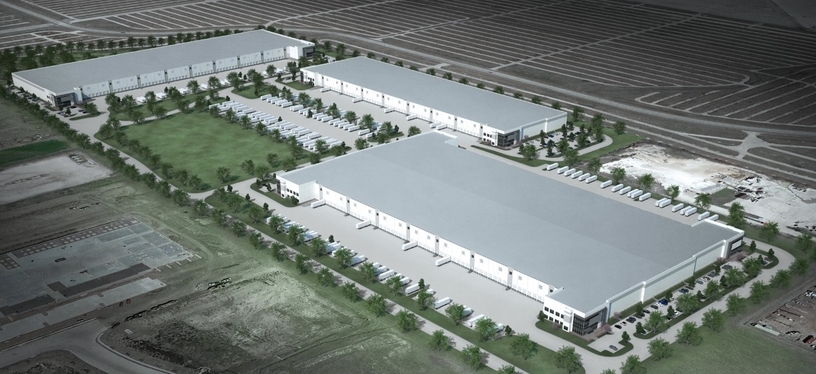
Not every business model works in a small town—but many perform better there than in urban environments. Some of the strongest sectors include: Service businesses: plumbing, HVAC, electrical, cleaning. Healthcare & senior care: clinics, home care, wellness centers. Food & beverage: diners, cafés, local breweries, bakeries. Logistics & warehousing: especially near highways and rail hubs. Education & training: tutoring centers, trade schools. Digital services: marketing agencies, IT support, SaaS micro-teams. These businesses benefit from steady demand, limited competition, and strong community integration.
While big-city startups chase rapid scale and venture capital, small-town businesses prioritize sustainability. Failure rates tend to be lower because: Growth expectations are realistic. Costs are manageable. Customer bases are stable. Competition is limited. This makes small towns particularly attractive for: First-time founders. Family businesses. Franchise owners. Foreign investors entering the U.S. market. Instead of chasing unicorns, entrepreneurs build businesses that last.
Success is no longer defined solely by skyline offices and billion-dollar valuations. For many founders, success now means: Owning a profitable business. Living affordably. Being part of a community. Building generational wealth. Small town America offers exactly that—less noise, fewer distractions, and clearer paths to ownership.
From Texas and Tennessee to Ohio, Indiana, and the Carolinas, small towns are experiencing a business revival. Empty storefronts are becoming cafés. Old warehouses are turning into distribution hubs. Former factory towns are reinventing themselves through entrepreneurship. This shift isn’t a trend—it’s a recalibration. For those willing to look beyond the city limits, small town America isn’t just an alternative. It’s the new startup playground.
The best U.S. cities for new business startups right now, based on cost, talent, growth, funding access, and business-friendly policies. This mix balances big opportunity with realistic startup survival—not just hype.
1. Austin, Texas
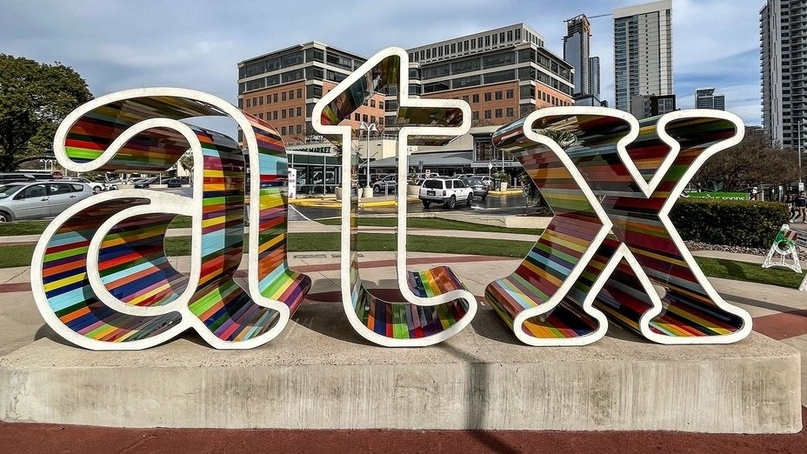
Austin, Texas has positioned itself as a leading startup destination for founders seeking an alternative to Silicon Valley without compromising on talent or ambition. The city benefits from no state income tax, a thriving tech, SaaS, and creative ecosystem, and a steady influx of engineers, designers, and remote professionals relocating from higher-cost regions. Compared to California, Austin still offers significantly lower operating costs, making it attractive for growth-focused startups across tech, digital services, creative agencies, and consumer brands. However, founders should remain mindful of rising rents, which are increasing faster than in other Texas cities as demand continues to grow.
2. Miami, Florida
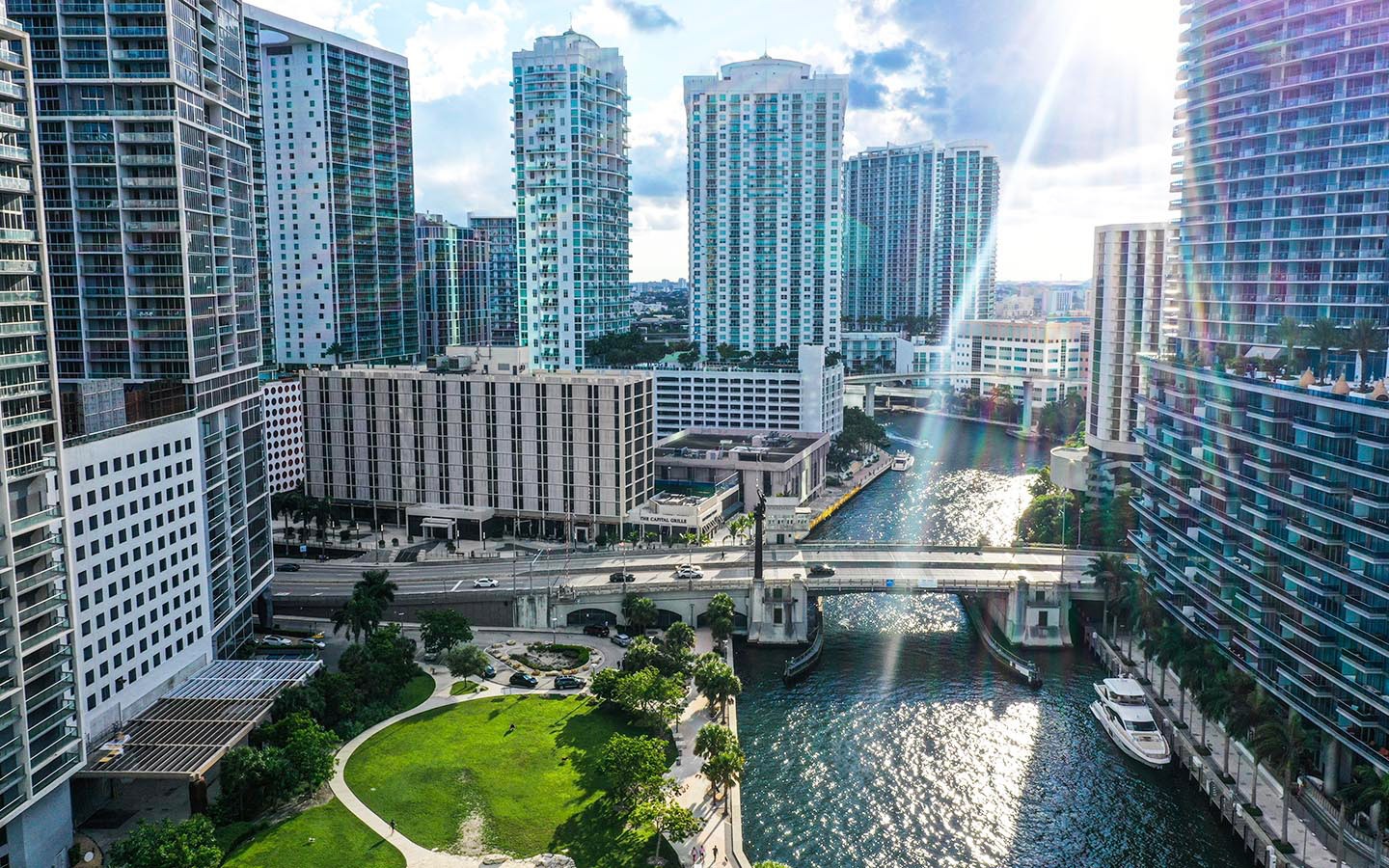
Miami, Florida has rapidly evolved beyond tourism and real estate to become a major gateway for fintech, crypto, and startup innovation. With no state income tax and strong international connections to Latin America and Europe, the city is especially attractive to globally minded founders and investors. A growing presence of venture capital firms and angel investors, combined with a lifestyle that appeals to young entrepreneurs, has further accelerated Miami’s startup momentum. The city is particularly well suited for fintech and crypto ventures, e-commerce businesses, media and creator-focused companies, and international trade operations. However, compared to New York City, some industries in Miami are still developing depth, so founders should assess ecosystem maturity carefully before committing.
3. Nashville, Tennessee
Nashville, Tennessee stands out as a prime location for entrepreneurs seeking affordability and strong local support. The city combines a rapidly growing population with a business-friendly government and a robust healthcare and service economy, all while benefiting from no state income tax. Nashville is particularly well-suited for healthcare services, franchise operations, hospitality and food businesses, as well as lifestyle and consumer services. However, founders should be aware that the tech funding pool is smaller compared with hubs like Austin, which may limit access to venture capital for high-growth startups.
4. Raleigh–Durham, North Carolina (Research Triangle)
Raleigh–Durham, North Carolina, also known as the Research Triangle, stands out as a hub for innovation that offers the benefits of a tech powerhouse without the high costs of major cities. The region is anchored by top universities such as Duke, UNC, and NC State, providing a highly educated workforce and strong research capabilities. Lower commercial rents and a robust government and corporate R&D presence make it attractive for startups. The area is ideal for biotech and health tech ventures, SaaS and engineering startups, and other research-driven businesses. While it receives less media buzz than coastal tech hubs, this quieter environment can actually benefit founders seeking focus and sustainable growth.
5. Columbus, Ohio
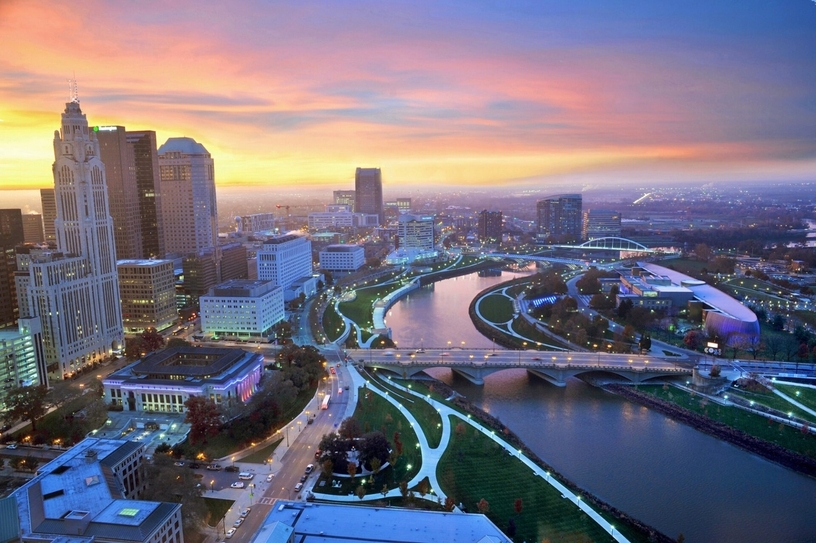
Columbus, Ohio, stands out as one of America’s most underrated startup cities, offering a combination of affordability and strategic infrastructure. With a very low cost of living, strong logistics and supply chain access, and a growing tech and fintech scene, the city provides an attractive environment for entrepreneurs. Supportive state and local incentives further enhance its appeal. Columbus is particularly well-suited for logistics and warehousing, retail and consumer brands, fintech operations, and service-based businesses. While the pace may be slower than coastal startup hubs, this often translates into higher business survival rates and long-term stability.
For foreign investors, the best U.S. “startup playground” cities are not just about hype—they’re about easy entry, clear regulations, access to talent, international networks, and survivable costs.
Here are the top cities that consistently work best for non-U.S. founders and investors:
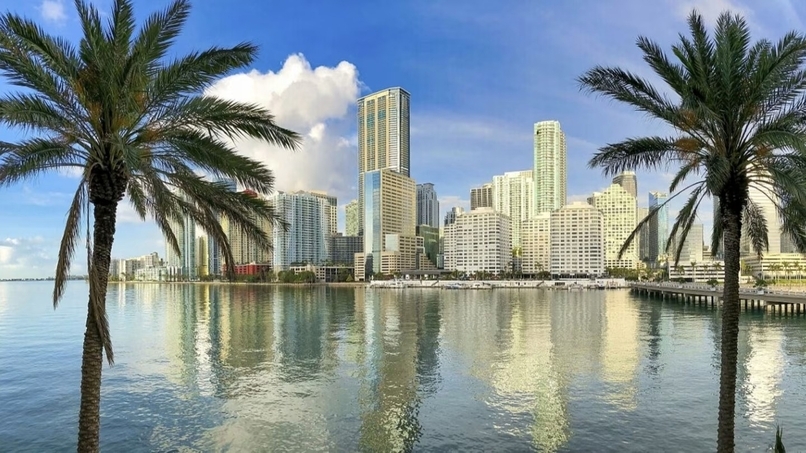
1. Miami, Florida — The International Gateway
Miami, Florida has earned its reputation as the international gateway for foreign entrepreneurs entering the U.S. market. Designed to feel global in culture, finance, and business practices, Miami is one of the easiest American cities for foreign founders to integrate into quickly and confidently. The absence of state income tax, a strong banking ecosystem familiar with international clients, and direct access to Latin American and European markets make it especially attractive. Local and state governments actively encourage foreign investment, further smoothing market entry. Miami is particularly well suited for fintech and digital payments, e-commerce and logistics, crypto and Web3 ventures, as well as import–export businesses. For foreign founders seeking rapid U.S. entry with built-in international scalability, Miami remains one of the most strategic choices.
2. Austin, Texas — Startup-Friendly Without Coastal Costs
Austin, Texas stands out as a startup-friendly alternative to coastal tech hubs, offering a Silicon Valley–style ecosystem without California’s high taxes or regulatory complexity. With no state income tax, a strong startup and venture capital community, and a large population of immigrant founders, Austin provides an accessible and supportive environment for international entrepreneurs. Business-friendly regulations and a deep talent pool further strengthen its appeal. The city is especially well suited for SaaS and technology platforms, AI and data-driven services, consumer tech, and digital agencies. For tech-focused foreign founders looking to scale across the U.S. while keeping operating costs under control, Austin remains one of the most balanced and attractive choices.

3. New York City — The Capital of Global Business
New York City remains the capital of global business, offering unparalleled access to capital, media, and international networks for the right foreign investor. While its regulatory and operational environment can be complex, NYC compensates with the strongest concentration of venture capital and private equity in the U.S., well-established international banking relationships, and one of the world’s most diverse talent pools. The city also delivers unmatched global credibility for brands looking to scale or position themselves at the highest level. New York is particularly well suited for fintech, media and content businesses, fashion and luxury brands, and professional services firms. For well-capitalized foreign investors supported by experienced local advisors, NYC continues to be a powerful and influential launchpad.
4. Dallas – Fort Worth, Texas — The Quiet Winner
Dallas–Fort Worth, Texas is often described as the quiet winner among U.S. startup destinations, offering scale, affordability, and logistics strength without the noise of more hyped tech hubs. With no state income tax and one of the largest transportation and distribution networks in the country, DFW is a natural fit for operationally driven businesses. Lower real estate and labor costs further enhance its appeal, while a mature franchise and B2B environment supports steady, cash-flow-focused growth. The region is especially well suited for logistics and warehousing, franchise operations, manufacturing support services, and B2B companies. For foreign investors prioritizing operational efficiency, predictable returns, and long-term stability, Dallas–Fort Worth is a highly compelling choice.

5. Raleigh–Durham, North Carolina — Smart Capital Playground
Raleigh–Durham, North Carolina—often referred to as the Research Triangle—has emerged as a smart capital playground for foreign investors who prioritize talent, stability, and long-term value over hype. The region offers a highly educated workforce, lower operating costs compared to major tech hubs, and strong support from local government. Its deep-rooted research and innovation culture makes it especially attractive for health tech and biotech ventures, SaaS companies, engineering services, and other research-driven startups. For foreign founders with technical expertise or science-based business models, Raleigh–Durham provides a balanced environment that supports sustainable growth and innovation.
Key Advice for Foreign Investors