Explore the dining differences between Japanese, Australian, and American Wagyu. Learn about flavor, texture, cooking styles, Michelin-star restaurants, and how to order Wagyu with confidence.
Explore the dining differences between Japanese, Australian, and American Wagyu. Learn about flavor, texture, cooking styles, Michelin-star restaurants, and how to order Wagyu with confidence.
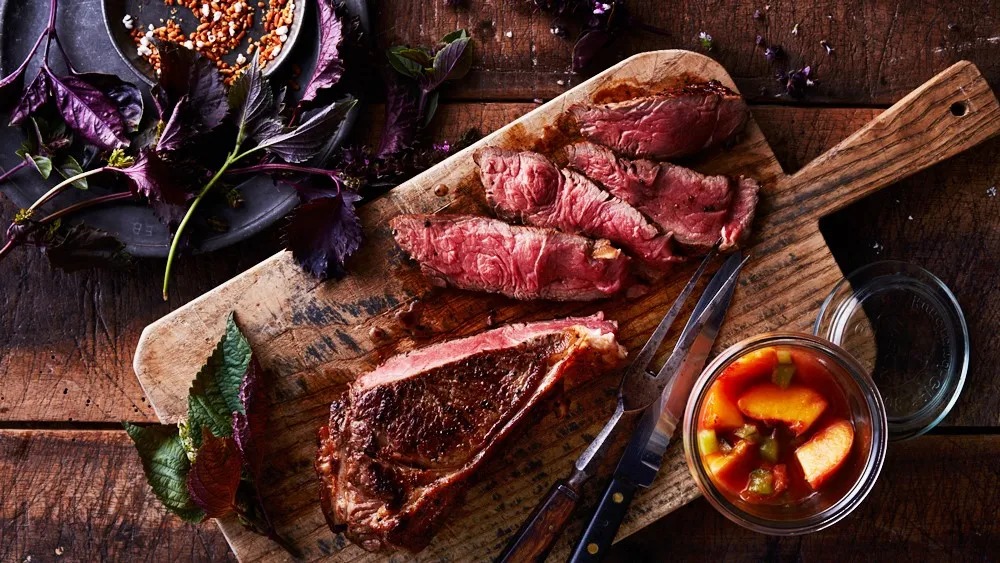
Image courtesy of Robb Report
A Dining Experience Worth Understanding
Wagyu has become one of the most coveted words on restaurant menus around the world. From exclusive Japanese steakhouses to modern grills in New York, Sydney, and Singapore, diners are offered Wagyu in many forms—Japanese, Australian, and American. Prices vary wildly, flavors differ dramatically, and expectations can easily be misunderstood.
Is Japanese Wagyu truly superior? Is Australian Wagyu the best balance of quality and value? And where does American Wagyu fit into today’s premium dining scene? For diners who want to order with confidence—and enjoy every bite—understanding the differences matters.
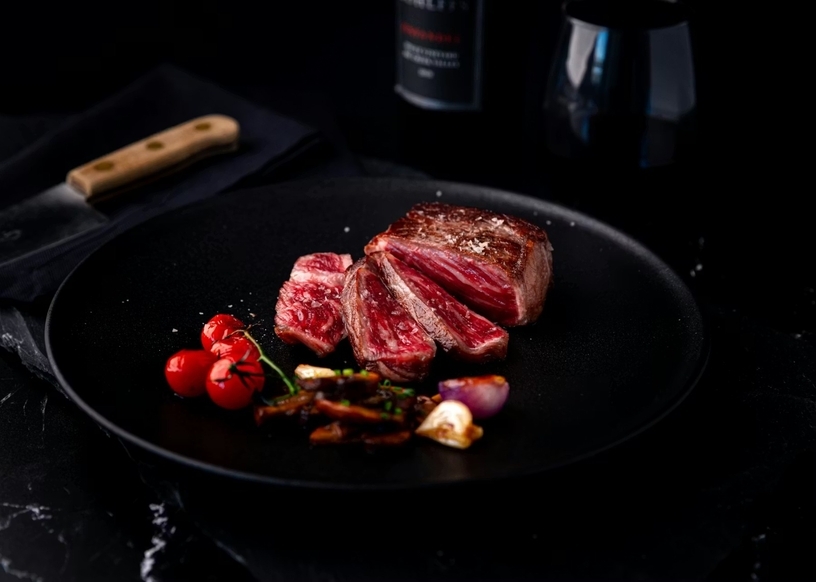
Wagyu simply means “Japanese cow,” but in culinary terms, it represents precision, patience, and fat quality at its finest. What sets Wagyu apart is not tenderness alone, but intramuscular marbling so fine it resembles lace. This marbling melts at low temperatures, coating the palate with richness and umami rather than heaviness.
In top restaurants, Wagyu is not treated like a conventional steak. It is served in smaller portions, cooked quickly, and seasoned minimally. The goal is appreciation, not excess. Yet as Wagyu expanded beyond Japan, new interpretations emerged—each shaped by local farming styles, dining habits, and consumer expectations.
What Makes Wagyu Special?
It all comes down to fat quality, not just fat quantity.
· Fine marbling: Intramuscular fat is evenly spread, creating that melt-in-your-mouth feel.
· Lower melting point: Wagyu fat melts at a lower temperature than regular beef—often literally melting on your tongue.
· Umami-rich flavor: Naturally sweet, nutty, and deep without being greasy.
Authentic Japanese Wagyu is the reference point against which all others are measured. Raised exclusively in Japan under strict regulations, Japanese Wagyu cattle are tracked from birth to slaughter. Only a limited number meet the highest grades, making top-tier Wagyu both rare and expensive.
True Japanese Wagyu is highly regulated. Raised in Japan only. Four main breeds: Japanese Black (most famous – Kobe comes from this). Japanese Brown. Japanese Shorthorn. Japanese Polled. Grading system: A1 to A5 = highest yield + top marbling, color, texture, and fat quality
Well-known regional Wagyu brands include: Kobe. Miyazaki. Ohmi. Hida. Kagoshima
Wagyu vs Kobe (Common Confusion). All Kobe is Wagyu. Not all Wagyu is Kobe. Kobe beef must: Come from Tajima strain. Be born, raised, and slaughtered in Hyogo Prefecture. Meet strict grading standards
Dining Characteristics. Texture: Exceptionally soft, almost custard-like when properly cooked. Flavor: Clean, sweet, deeply umami without strong “beefiness” Fat: Extremely fine marbling with a low melting point. Portion style: Small cuts, thin slices, tasting portions.
In high-end Japanese restaurants, Wagyu is often prepared tableside—lightly seared for mere seconds. Salt is usually the only seasoning. Sauces, if used, are subtle: wasabi, flaky sea salt, or a light soy-based dip. Japanese Wagyu is not designed to be eaten as a large steak. A few ounces are enough to leave a lasting impression. Eating more than that can feel overwhelming, even for seasoned steak lovers.
Best Dining Occasions: Omakase or tasting menus. Celebratory meals. Wagyu-focused yakiniku or teppanyaki experiences. Japanese Wagyu is less about indulgence and more about reverence.
Michelin 3-Star Wagyu & Fine Dining in Japan
1. Nihonryori Ryugin (Tokyo) – Legendary three-star Michelin restaurant blending modern techniques with classic Japanese ingredients; known for exceptional presentations that often include premium A5 Wagyu in seasonal tasting menus.
2. Ishikawa (Tokyo) – Another three-star Michelin institution where Wagyu appears as part of impeccably curated kaiseki courses — highlighting top Japanese beef marbling and delicate preparation.
3. Kanda (Tokyo) – A small, intimate three-star Michelin venue where Wagyu is served with meticulous theatre and detail, letting the premium beef’s quality shine in each bite.
(These three are consistently recommended as top places in Japan to experience A5 Wagyu within elite Michelin tasting-menu contexts.) Note: Some other top Michelin restaurants (like Sushi Yoshitake or Azabu Yukimura) are famous in Japan but aren’t wagyu-focused — yet still reflect Tokyo’s peak culinary scene.
Why Wagyu Is So Expensive: Slow growth. Carefully managed feeding programs. Limited supply (especially Japanese exports). High demand from luxury dining and collectors. Authentic Japanese Wagyu can range from USD $150–$500+ per pound, depending on cut and grade.
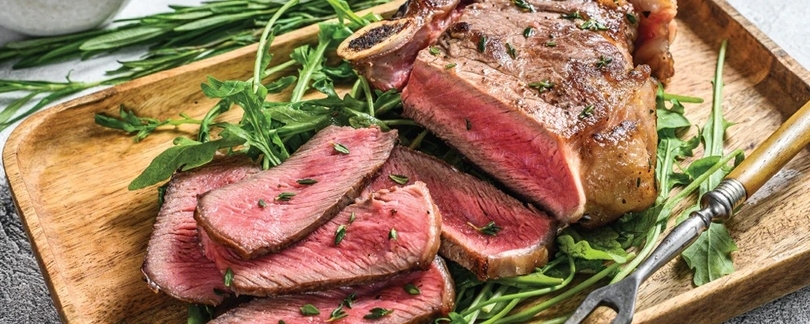
Australian Wagyu has earned its place as the most versatile Wagyu option in global dining. Australia began importing full-blood Wagyu genetics from Japan decades ago. Today, it produces some of the highest-quality Wagyu outside Japan, with both full-blood and high-percentage crossbred cattle.
Often full-blood or high-percentage Wagyu. Grass-fed or grain-finished. Excellent marbling, more accessible pricing. Very popular in restaurants.
Dining Characteristics. Texture: Tender, but with more structure than Japanese Wagyu. Flavor: Rich, buttery, yet still recognizably beef-forward. Fat: High marbling, slightly firmer than Japanese Wagyu. Portion style: Full steaks or shared plates. Australian Wagyu works exceptionally well in Western-style steakhouses. It holds up to grilling, open flame cooking, and longer searing times. Diners can enjoy a full steak without the richness becoming overpowering.
Many restaurants use Australian Wagyu as their premium upgrade option, offering it alongside USDA Prime or dry-aged beef. Consistent quality. Better portion control. More forgiving during cooking. Strong balance between luxury and value. Australian Wagyu is often the sweet spot—luxurious, approachable, and satisfying.
Australia does not currently have its own Michelin Guide edition, so there are no official Michelin 3-star restaurants in Australia itself — meaning no directly Michelin-rated Aussie wagyu restaurants in Australia. The Michelin Guide hasn’t published for Australian cities yet, although Australian Wagyu appears on top menus globally including some Michelin-star restaurants overseas.
However, Australian Wagyu is internationally showcased by chefs around the world and is often featured in top kitchens that are Michelin-rated abroad — underscoring Australia’s growing reputation for highly marbled Wagyu cattle.
American Wagyu typically refers to crossbred cattle, most commonly Wagyu crossed with Angus. The result is a beef that leans closer to traditional American steak culture, but with enhanced marbling and tenderness. This style was developed to suit diners who prefer hearty portions, bold flavors, and classic steakhouse preparation.
Usually crossbred (Wagyu × Angus). Bigger cuts, stronger beef flavor. Less delicate than Japanese Wagyu but still premium
Dining Characteristics. Texture: Tender, but firmer than Japanese and Australian Wagyu. Flavor: Robust, beefy, slightly smoky when grilled. Fat: Noticeable marbling, but thicker and less delicate. Portion style: Large steaks, burgers, and shared cuts.
American Wagyu shines on the grill. It pairs well with butter basting, pepper crusts, compound butters, and richer sauces—something Japanese Wagyu would overpower or clash with.
Best Dining Occasions. Classic American steakhouses. Group dining. Guests upgrading from Prime beef. For diners who love steak first and luxury second, American Wagyu delivers comfort with a premium edge.
Michelin 3-Star Fine Dining (with Wagyu relevance) in The USA
While most US three-star restaurants are not wagyu-specific, several are elite establishments where wagyu can be featured or paired within the larger tasting-menu experience:
1. Per Se (New York City) — Three Michelin stars; modern tasting menus may include wagyu components or premium beef offerings as part of seasonal multi-course experiences.
2. Eleven Madison Park (New York City) — Three Michelin stars; renowned for its refined tasting menus and occasional premium beef courses in curated dining journeys.
3. Benu (San Francisco) — Three Michelin stars; while primarily seafood and Asian-inspired, completing a top tier US fine dining list where wagyu occasionally appears on special menus or tasting menus.
Note: None of the current US three-star restaurants are explicitly wagyu-steak houses — but all represent the highest US Michelin dining tier. Wagyu beef is more commonly found in 1- or 2-star restaurants or top steakhouses (like Cote Korean Steakhouse) rather than 3-star tasting menus in the USA at present.
Japanese Wagyu commands the highest prices due to limited supply and strict export controls. Diners are paying for rarity, craftsmanship, and authenticity.
Australian Wagyu offers the best value-to-experience ratio, making it the most common Wagyu choice in fine dining restaurants worldwide.
American Wagyu sits at the most accessible end of the spectrum, often priced close to USDA Prime, making it an attractive entry point for first-time Wagyu diners.
Japanese, Australian, and American Wagyu each offer a distinct dining experience. None is objectively “better”—they simply serve different moments, moods, and appetites. Japanese Wagyu is a culinary jewel. Australian Wagyu is refined luxury with flexibility. American Wagyu is bold, satisfying, and familiar. Knowing the difference turns a menu choice into an informed decision—and transforms dinner into a deeper experience.