Explore how Haier became a global appliance leader through quality, innovation, acquisitions, smart home technology, and international expansion.
Explore how Haier became a global appliance leader through quality, innovation, acquisitions, smart home technology, and international expansion.
Image courtesy of Haier
For decades, the global home appliance industry was dominated by familiar Western names—Whirlpool in the United States, Electrolux in Europe, and a handful of Japanese manufacturers setting benchmarks for quality and reliability. Today, that balance of power has shifted. At the center of this transformation is Haier, a company that has evolved from a struggling Chinese refrigerator factory into one of the world’s most influential appliance manufacturers, competing directly—and often aggressively—with long-established global rivals.
Haier’s rise is not merely a story of scale or cost efficiency. It reflects a deeper shift in how global manufacturing companies innovate, organize themselves, and connect with consumers in an increasingly digital and localized world.
Haier is widely regarded as one of the world’s leading major home appliance manufacturers, and it competes head-to-head with global giants like Whirlpool and Electrolux—often beating them in scale and speed, especially in Asia and emerging markets.
Founded: 1984. Headquarters: Qingdao, China. Founder: Zhang Ruimin. Industry: Major home appliances & smart home solutions. Global Reach: 100+ countries. Employees: 100,000+ worldwide. Haier is not just a Chinese appliance brand—it is a multinational appliance ecosystem with strong positions in Asia, Europe, the Americas, the Middle East, and Africa.
Product Categories - Haier’s strength lies in large household appliances, particularly:
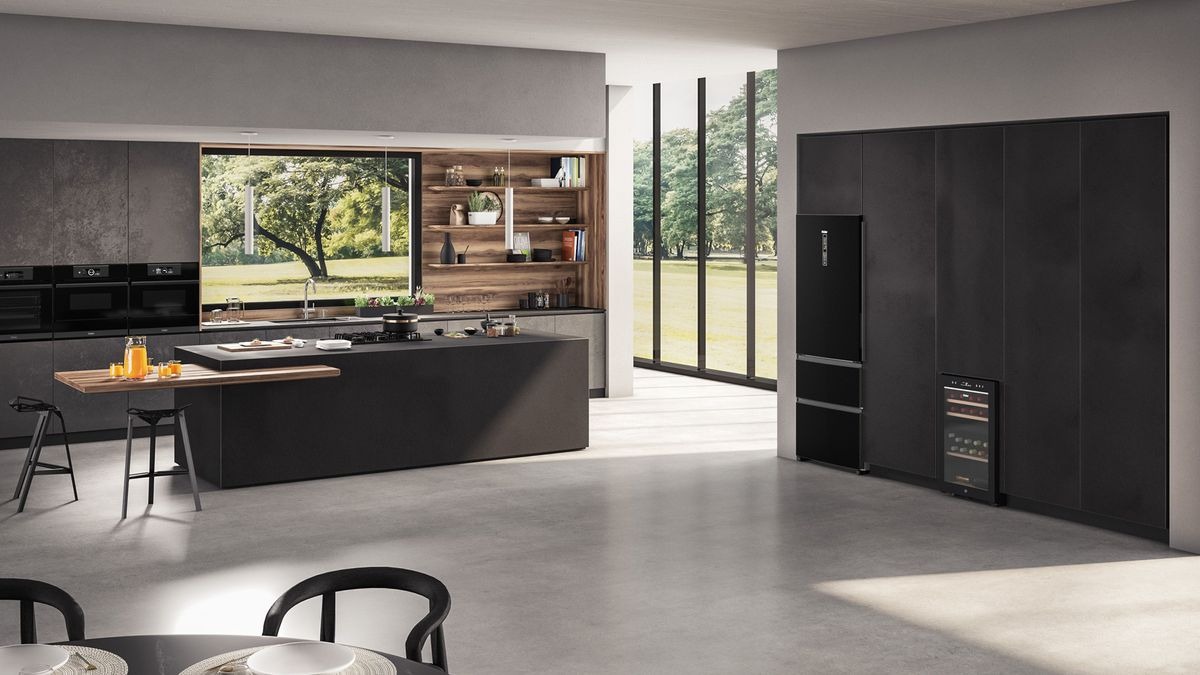
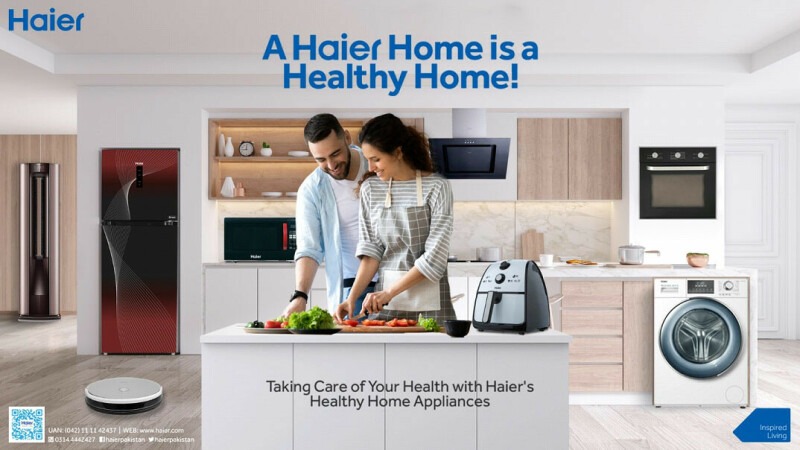
Refrigerators & Freezers. One of the world’s largest refrigerator manufacturers. Energy efficiency. Smart temperature zoning. Premium multi-door and French-door models. Strong in both mass market and premium segments. Refrigerators remain Haier’s flagship category. The company produces a wide range of models—from compact urban units to premium multi-door and French-door refrigerators designed for modern households. Energy efficiency, precise temperature control, and storage optimization are central to Haier’s product strategy, enabling it to compete across both emerging and mature markets.
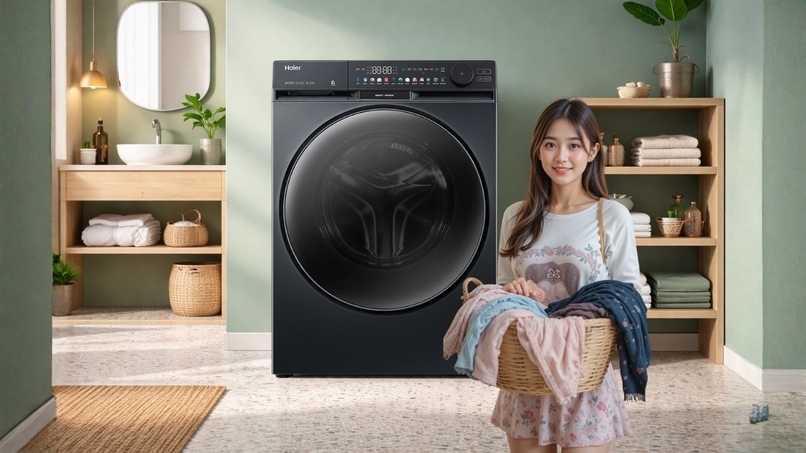
Washing Machines and Laundry Systems. Front-load, top-load, and washer-dryer combos. Direct Motion motors (quiet & durable). Specialized programs for delicate fabrics. Strong market share in Asia and Europe. Haier’s washing machines are especially strong in Asia and Europe, where the company offers front-load, top-load, and washer-dryer combinations. Its Direct Motion motor technology, which reduces vibration and noise while improving durability, has helped position Haier as a reliable alternative to long-established European brands.
Air Conditioning and Climate Solutions. Residential and commercial AC units. Energy-saving inverter technology. Smart climate control. Beyond laundry and refrigeration, Haier has built a significant presence in residential and commercial air conditioning systems. With rising global demand for energy-efficient cooling—particularly in Southeast Asia, the Middle East, and Southern Europe—this category has become a major growth driver.
Built-in and Kitchen Appliances. Ovens, cooktops, dishwashers, range hoods. Competes directly with Electrolux in Europe. In Europe and premium urban markets, Haier competes directly with Electrolux through built-in ovens, cooktops, dishwashers, and range hoods. These products emphasize design integration, smart features, and energy compliance—key factors for modern housing developments.
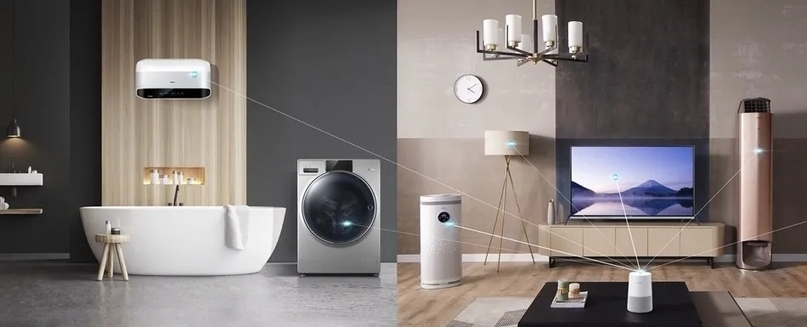
Smart Home & IoT Appliances. Haier is a pioneer in connected appliances. Its Smart Home ecosystem integrates appliances via apps and AI-based usage optimization.
Haier often ranks #1 globally by appliance volume, while Whirlpool and Electrolux remain stronger in certain Western markets and legacy brand loyalty. Haier is famous in business schools for its “Rendanheyi” management model, which: Breaks the company into small entrepreneurial teams. Links employee rewards directly to user value. Encourages internal startups and fast innovation. Faster product development. Higher adaptability to local markets. Strong innovation culture compared to traditional appliance companies.
The company’s early insistence on product reliability became a defining feature of its culture. As China opened its economy, Haier expanded beyond refrigerators into washing machines, air conditioners, and kitchen appliances, steadily building national dominance before turning outward.
Over the past two decades, Haier has transformed itself into a global enterprise operating in more than 100 countries, with manufacturing facilities, research centers, and localized product lines tailored to regional markets. Today, Haier consistently ranks among the largest appliance manufacturers in the world by unit volume, placing it in direct competition with Whirlpool and Electrolux across major product categories.
One of Haier’s most decisive competitive advantages is its portfolio of international brands, acquired and nurtured rather than replaced. Unlike competitors that rely heavily on a single global brand, Haier operates a multi-tier brand ecosystem:
This structure allows Haier to compete simultaneously in budget, mid-range, and premium segments, while preserving local brand trust and cultural relevance—an area where global competitors often struggle.
Haier’s rise into a global brand was not the result of a single breakthrough, but a combination of disciplined quality control, smart international expansion, and an ability to adapt faster than many of its competitors. While many appliance manufacturers focused mainly on exporting products, Haier built a broader strategy that allowed it to grow from a domestic Chinese company into a major international force in home appliances.
One of the biggest reasons behind Haier’s global success was its early commitment to quality. In its early years, the company worked hard to build a reputation for reliable products at a time when Chinese manufacturing was often underestimated in international markets. That emphasis on quality helped Haier earn consumer trust, which became the foundation for long-term growth. Without strong product standards, it would have been difficult for the company to compete in mature markets where buyers already had confidence in established names such as Whirlpool and Electrolux.
Another major factor was localization. Haier did not try to sell the exact same appliances everywhere. Instead, it studied local lifestyles, home sizes, climate needs, and consumer preferences, then adjusted its product designs and market strategies accordingly. This gave the company an important advantage in regions with very different household habits. By responding to local demand rather than imposing a single global formula, Haier was able to become more relevant to consumers in Asia, Europe, North America, and other international markets.
Haier also accelerated its global position through strategic acquisitions. Rather than building every overseas market from the ground up, the company acquired established regional brands with strong reputations and distribution networks. Its ownership of names such as GE Appliances, Fisher & Paykel, and Candy gave Haier direct access to important markets while also allowing it to compete across different price segments. This multi-brand strategy helped Haier strengthen its reach in both premium and mass-market categories, while preserving local brand loyalty in regions where consumers already trusted familiar names.
Scale also played a major role. Haier grew into one of the largest appliance manufacturers in the world, especially in major categories such as refrigerators, washing machines, and other household appliances. Large-scale manufacturing gave the company stronger bargaining power, broader distribution, and the ability to invest more heavily in research and development. This scale supported not only cost efficiency, but also innovation and faster rollout of new products.
The company’s move into smart home technology further strengthened its global brand image. As consumer expectations shifted toward connected living and digital convenience, Haier expanded beyond traditional appliances and positioned itself as part of the modern smart home ecosystem. This made the brand feel more forward-looking and competitive in a market where technology increasingly influences purchasing decisions.
Finally, Haier’s unique management philosophy helped it stay agile. Its well-known Rendanheyi model, which organizes teams in a more entrepreneurial and user-focused way, has often been cited as one of the company’s most distinctive advantages. This approach supports faster innovation and closer alignment with customer needs, which is especially valuable in the fast-changing global consumer market.
In the end, Haier became a global brand because it combined quality, local relevance, international acquisitions, manufacturing scale, digital innovation, and organizational flexibility. These strengths allowed the company not only to expand internationally, but to build lasting influence in an industry long dominated by Western and Japanese competitors.
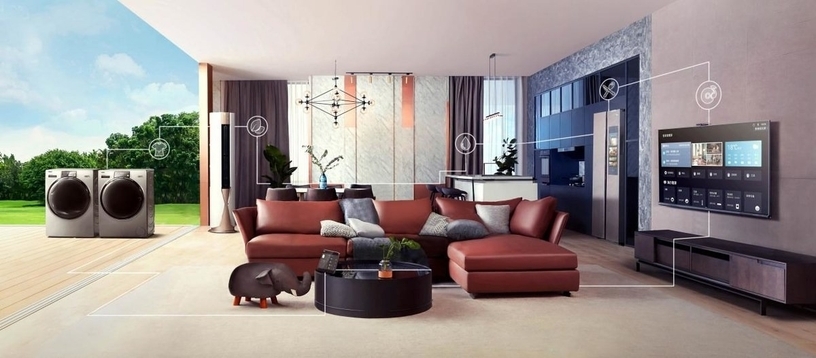
Haier has positioned itself not just as an appliance manufacturer, but as a smart home solutions provider. Its connected appliances integrate with digital platforms that allow users to monitor energy usage, manage maintenance, and customize settings remotely.
This push into IoT-enabled home systems aligns with broader global trends:
By embedding connectivity across its product range, Haier is building long-term customer relationships that extend beyond single purchases—an increasingly important advantage in a saturated appliance market.
Perhaps Haier’s most studied innovation lies not in its products, but in its management philosophy, known as the Rendanheyi model. Rather than operating as a traditional hierarchical corporation, Haier is organized into thousands of small, self-managed teams that function like internal startups.
Each team is directly accountable for user value and profitability, encouraging entrepreneurial thinking, faster decision-making, and continuous innovation. This structure has been widely analyzed in business schools as an alternative to rigid corporate bureaucracy, particularly in large manufacturing organizations.
Haier’s journey reflects a broader transformation in global manufacturing. The company has moved beyond cost-driven competition to redefine how appliances are designed, marketed, and managed in a digital, user-centric economy.
As smart homes, sustainability standards, and emerging markets continue to shape global demand, Haier’s ability to adapt quickly and operate across diverse regions positions it not just as a competitor—but as a structural force reshaping the future of the home appliance industry.