Inside the Rise of Pop Mart as a Worldwide Collectibles Phenomenon
Pop Mart, the Chinese art toy giant, has captivated global audiences with its blind box collectibles like Molly and Skullpanda. From Beijing origins to U.S. flagships, discover how it blends design, surprise, and pop culture into a booming global business
What began as a small lifestyle store in Beijing has rapidly evolved into one of the world’s most influential art toy brands. Pop Mart, the Chinese collectibles giant, has transformed the humble “blind box” into a cultural phenomenon, capturing the hearts of Gen Z, millennials, and celebrities across the globe.
Founded in 2010 by Wang Ning, then a 23-year-old entrepreneur with a passion for pop culture, Pop Mart originally sold various trendy items like stationery and home goods. But by 2015, the company made a bold pivot—focusing exclusively on designer art toys, particularly limited-edition blind boxes containing surprise figurines.
Pop Mart International Group Limited, a Chinese designer toy company renowned for its "blind box" collectibles, conducted its initial public offering (IPO) on the Hong Kong Stock Exchange (HKEX) in December 2020. The IPO raised approximately HKD 5.225 billion (about USD 674 million), with shares priced at HKD 38.50 each, giving the company a valuation of around USD 7 billion at the time.
By 2015, Wang noticed that one product category—designer collectible toys—was outselling everything else. He pivoted the entire business model to focus exclusively on designer art toys, especially blind boxes.
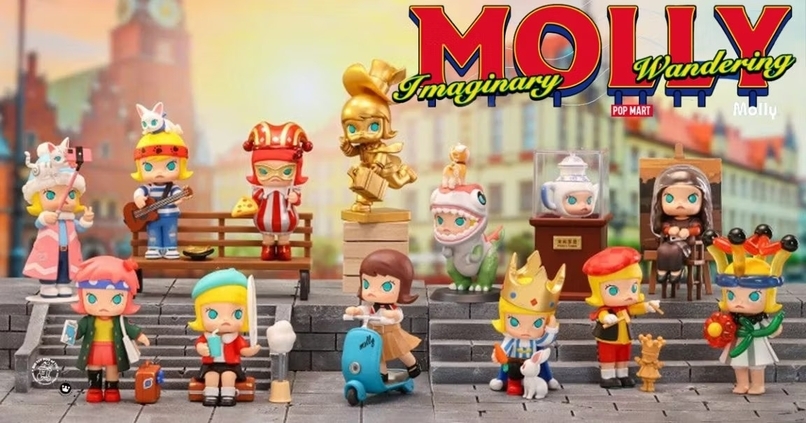
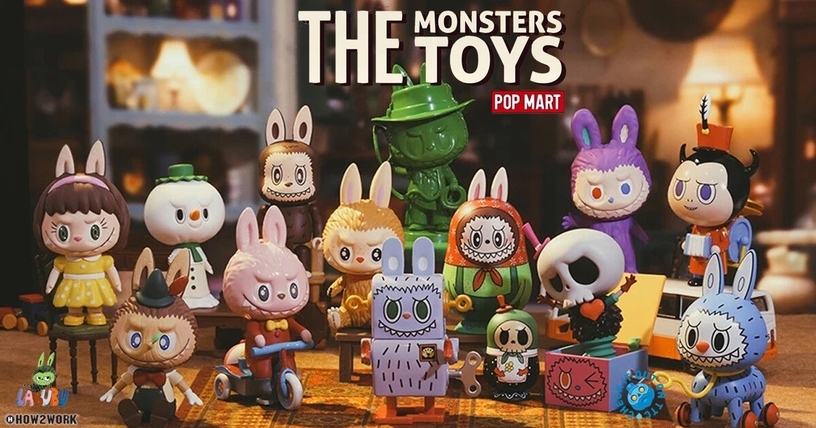
This shift proved visionary. Pop Mart’s breakout success came through a collaboration with artist Kenny Wong, creator of the brand’s first iconic character, Molly. Since then, Pop Mart has developed a roster of globally recognized IPs, including Skullpanda, Dimoo, PUCKY, and The Monsters.
This pivot led to: Signing Kenny Wong’s Molly, Pop Mart’s first breakout hit. Securing exclusive rights to create and sell toys based on Molly, which became a sensation among millennials and Gen Z in China
Key Milestones
2010–2015: Startup Phase. First Pop Mart store opened in Beijing.Operated as a lifestyle gift store with a broad product range.
2016–2018: IP-Focused Pivot. Shifted to IP ownership model, starting with Molly.Developed proprietary toy series (Dimoo, PUCKY, Skullpanda).Launched “blind box” business model, where customers purchase sealed boxes containing random figurines.
2019: Scaling & Investment. Pop Mart’s toys went viral in China.Introduced Roboshops—automated vending machines for toys—in malls and subway stations.Held Pop Toy Show, a large-scale event to boost toy culture and connect collectors.
2020: IPO & Brand Explosion. IPO on Hong Kong Stock Exchange (HKEX: 9992.HK) on December 11, 2020. Raised over USD 670 million, valuing the company at nearly USD 7 billion. Became China’s leading pop culture IP platform and art toy company
Global Expansion (2021–2025) - Flagships, Roboshops, and Online Collectors
Following its $670 million IPO on the Hong Kong Stock Exchange in 2020, Pop Mart has moved aggressively into international markets:
Asia-Pacific. Japan: Expanded into a mature collectible market with cultural synergy (Tokyo flagship). South Korea: Flagship stores and roboshops, driven by demand for cute, collectible IPs. Southeast Asia: Stores and strong online presence in Singapore, Malaysia, Thailand, Indonesia, and Philippines.
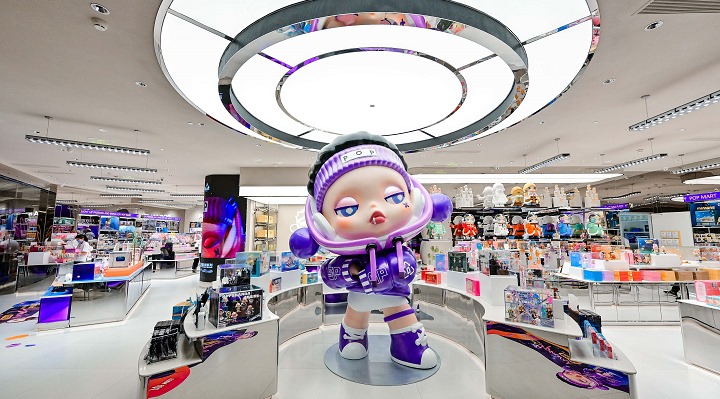
United States. Opened first U.S. flagship store in New Jersey (American Dream Mall) in September 2023. Currently has 22 retail outlets and over 39 Roboshops across major states including California, New York, Texas, and Illinois. Gained traction through influencers, unboxing content, and anime/pop culture fanbases. As of now, Pop Mart has not pursued a public listing in the United States. However, the company has been actively expanding its presence in the U.S. market. It opened its first permanent U.S. store at the American Dream Mall in New Jersey in September 2023, following earlier pop-up stores. By March 2025, Pop Mart operated 22 staffed outlets and 39 automated "roboshops" across various U.S. states, including California, New York, Texas, and Illinois.
The U.S. market is a significant focus for Pop Mart's growth strategy, given its vast consumer base and strong interest in pop culture collectibles. The company aims to increase its product offerings and expand its reach among American collectors and fans.
Europe. Introduced stores and pop-up concepts in London and Paris. Leveraging design and art toy scenes alongside comic/anime events
Current Position (2025). Operates over 400 physical retail points (flagship stores, roboshops, pop-ups). Owns or licenses over 50+ original Ips. Global employee base exceeds 2,000+. Growing digital ecosystem via official app, e-commerce, and community platforms
Best-Selling Products and Price Range. Pop Mart’s product range is both affordable and highly collectible: Standard blind boxes: $10–$15 each. Chase and limited editions: $100–$500+. Resin art figures and statues: Up to $1,000+
Among its top-selling IPs are: Molly: Elegant, nostalgic girl figurine. Skullpanda: Edgy, gothic character resonating with streetwear culture. Dimoo: Dreamy, childlike figure capturing emotional depth
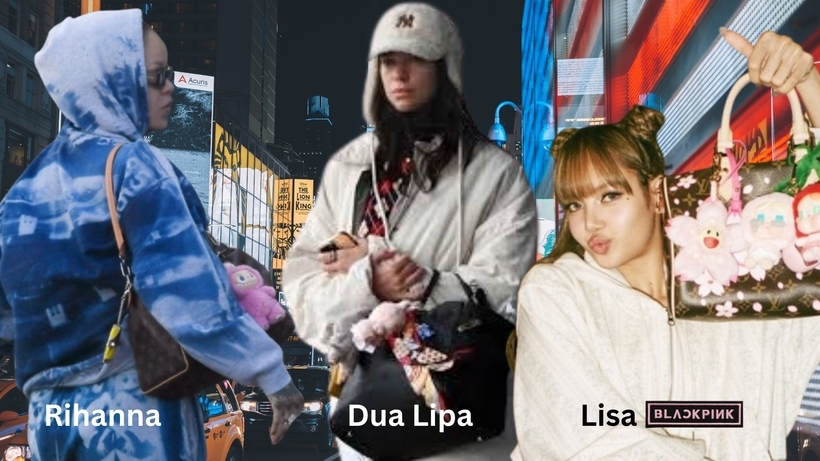
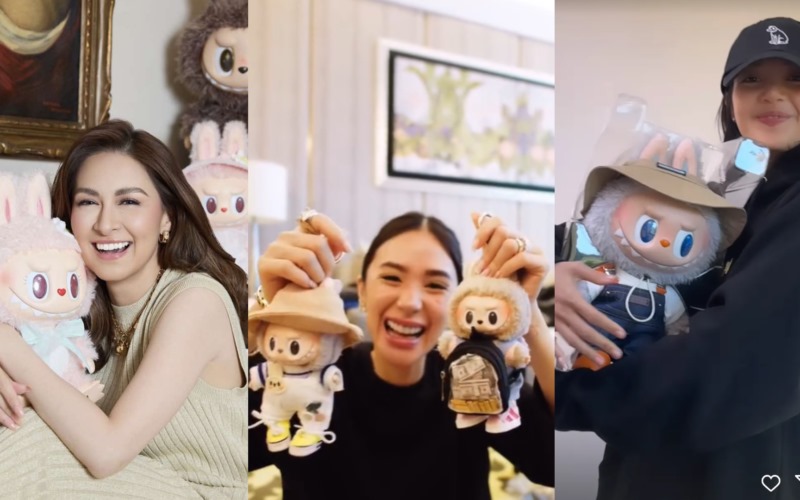
Celebrity Hype and Cultural Relevance. Pop Mart’s allure has extended to pop stars and cultural icons. Lisa (BLACKPINK), Jackson Wang, Angelababy, and even U.S.-based influencers have shared their Pop Mart collections online. These designer toys are often used for home décor, collectibles, or emotional self-expression.
“Each toy is like a piece of art—mysterious, emotional, and unexpected,” said Wang Ning in a past interview. “It’s about the thrill of discovery and the joy of design.”
Looking ahead, Pop Mart is investing in: Digital collectibles and NFTs. Animated shorts and storytelling IP. Branded cafés, exhibitions, and cinematic adaptations. Greater U.S. and Canadian expansion by 2026.
Pop Mart has become a global sensation for several compelling reasons, blending smart marketing, collectible culture, and emotional engagement. Here's a breakdown of why it's gained such widespread appeal:
Blind Box Model. Surprise and Exclusivity: The "blind box" format—where customers don’t know which toy they’re getting—creates a sense of mystery, excitement, and urgency to complete collections. Gamification: This taps into behavioral psychology similar to loot boxes or trading cards, encouraging repeat purchases and trading among fans.
Designer Collaborations & IP Development. Iconic Characters: Pop Mart collaborates with trendy artists (e.g., Kenny Wong’s Molly, Pucky, Skullpanda, Dimoo) to create unique character lines. IP Ownership: By owning and nurturing its intellectual properties, Pop Mart controls branding and monetization globally.
Youth & Pop Culture Appeal. Millennial & Gen Z Focus: These demographics are drawn to the aesthetic, nostalgia, and social aspects of collecting. Social Media Virality: The toys are highly Instagrammable—small, cute, and colorful—leading to organic sharing and influencer-driven hype.
Global Retail Strategy. Automated "Roboshops": These vending machine-style kiosks in malls and airports make the toys accessible and futuristic. Flagship Stores and Pop-Ups: Strategic placements in cities like Beijing, Tokyo, Seoul, New York, and London build local buzz and tourist attention.
Strong Community and Ecosystem. Collectors Culture: Pop Mart fuels communities through conventions, trading events, and online forums. App and Loyalty Programs: Digital engagement complements physical sales, creating a sticky ecosystem.
High-Quality Production. Attention to Detail: Despite being mass-produced, Pop Mart toys maintain artistic quality with limited-edition runs and seasonal series. Packaging & Presentation: Premium packaging enhances the unboxing experience, increasing perceived value.
Strategic Global Expansion. Market Penetration: Entry into the U.S., Japan, and Southeast Asia is backed by localized strategies and collaborations. Cultural Customization: Product lines and store experiences are tailored to regional tastes, enhancing appeal without diluting brand identity.
Pop Mart is popular across Asia, North America, and parts of Europe, driven by its unique blend of designer toys, the “blind box” experience, and strong intellectual property (IP) development.
Pop Mart’s success comes from a vertically integrated, IP-driven business model:
Original IP Development. Pop Mart creates and owns original characters (e.g., Molly, Dimoo, Skullpanda). It also licenses independent artist IPs, helping them scale globally.
Blind Box Sales. Primary revenue driver. Customers buy a sealed box with one random figure—creating mystery and repeat purchases.
Retail + Roboshops. Flagship stores in major cities for immersive experiences. Automated vending machines ("Roboshops") in malls, subways, and airports.
Online + App Sales. Official app and global website. Strong digital channels in China (WeChat, Tmall) and global platforms like Amazon, Shopee, and Lazada.
Licensing, Collaborations & Events. Co-branded collections with global IPs (e.g., Harry Potter, Disney, Sanrio). Exclusive drops at artist expos and toy conventions.
Best-Selling Pop Mart Product Lines - These lines consistently top sales and collector demand:
Pop Mart’s success lies in its unique IPs, especially the ones created in collaboration with top artists. These are the top-selling and most iconic series, listed by popularity and collectibility.
Molly by Kenny Wong. The first and most iconic character. Molly is a sassy, fashion-forward girl with a vintage twist.Nostalgic, elegant, often themed (e.g., Circus, Space Travel, Holidays). Retail: $10–$15 per blind box. Limited Editions / Chase: $100–$300 on resale. Special collabs (e.g., Swarovski): $400+
Skullpanda by Skullpanda Artist. Edgy, surrealistic girl with a mix of gothic and street fashion vibes.City of Night, Ancient Castle, Hypepanda. Retail: $13–$17. Chase / Limited: $200–$500. Collector editions / figurines: Up to $800+
Dimoo by Ayan Deng. Dreamy, childlike boy character often themed in fantasy or mythology.Animal Planet, Retro Series, Time Roaming. Retail: $10–$15. Chase figures: $150–$350. Art statues (limited): $500–$1,000+
The Monsters / Labubu by How2Work. Mischievous and wild monster characters with expressive designs. Retail: $12–$15. Collector market: $150–$500+ Large-scale sculptures: Can exceed $1,000
Among its top-selling IPs are: Molly: Elegant, nostalgic girl figurine. Skullpanda: Edgy, gothic character resonating with streetwear culture. Dimoo: Dreamy, childlike figure capturing emotional depth
Several celebrities and influencers—especially from East Asia and pop culture scenes—have been spotted collecting or posting Pop Mart toys.
Pop Mart’s appeal now stretches beyond niche collectors. Superstars like Rihanna and Dua Lipa have been seen with Labubu, a mischievous and wide-eyed character from the The Monsters series. Their social media appearances with Labubu have sparked fan frenzies and resale spikes — with rare figures reaching prices of over $300 on secondary markets.
These celebrity sightings have turned Pop Mart collectibles into fashion and lifestyle statements. The art toys now sit beside designer handbags and streetwear in curated social feeds, further blurring the lines between collectible culture and celebrity influence.
Lisa (BLACKPINK) - Spotted with Molly & Skullpanda figures on Instagram stories.
G-Dragon (BIGBANG) - Known toy/art collector—shares interest in designer toys like KAWS and Pop Mart.
Angelababy - Publicly shared her large Dimoo collection.
Jackson Wang - Posted blind box unboxings; part of art toy community.
Jolin Tsai - Collaborated with Pop Mart on themed boxes.
US YouTubers/Collectors - Niche influencers like Unbox Therapy, Ashens, and others have featured Pop Mart in “surprise toy” or collectible reviews.
Art Collectibility. Each figure is a miniature work of art, often designed by award-winning independent artists.Limited runs, premium packaging, and chase figures make them valuable collector's items.
Pop Culture Cred. Owning Pop Mart toys is seen as trendy and tasteful among fans of:Streetwear. Anime. Designer art (similar to BE@RBRICK and KAWS culture)
Nostalgia + Identity. Characters like Dimoo and Pucky express emotions like shyness, sadness, or wonder—resonating emotionally with Gen Z and Millennials.Some celebrities relate the characters to their childhood, inner identity, or mental health themes.
Gifting & Display. Beautifully packaged and designed for display, these toys are often given as gifts.Many collectors build dedicated shelves, light boxes, or even full rooms around their Pop Mart pieces.
Pop Mart in the Secondary Market. Rare chase figures can sell for 10x or more the original price.Molly Zodiac Golden Limited Editions have sold for $700–$1,000.Skullpanda City of Night chase figure: resale up to $600.Large resin or vinyl figures: $1,000+ at auctions or collector expos.
“Each toy is like a piece of art—mysterious, emotional, and unexpected,” said Wang Ning in a past interview. “It’s about the thrill of discovery and the joy of design.”
Digital Toys and Franchise Universe
Looking ahead, Pop Mart is investing in: Digital collectibles and NFTs. Animated shorts and storytelling IP. Branded cafés, exhibitions, and cinematic adaptations. Greater U.S. and Canadian expansion by 2026
With over 400 retail points and an expanding global fan base, Pop Mart is positioning itself not just as a toy company, but as a creative entertainment brand—China’s answer to Disney or Funko, with deeper emotional resonance and artistic roots.