Learn how to produce drip bag coffee and successfully enter Japan, China, South Korea, and the US markets with export strategies, regulations, branding tips, and distribution channels for global coffee brands.
Learn how to produce drip bag coffee and successfully enter Japan, China, South Korea, and the US markets with export strategies, regulations, branding tips, and distribution channels for global coffee brands.
Image courtesy of Deep Ocean Roastery
Drip bag coffee has quietly become one of the most strategic formats in the global coffee industry. Sitting between instant coffee and specialty café brews, it offers a rare combination of quality, convenience, and scalability. For producers and brand owners, drip bag coffee presents a practical pathway to international markets—especially high-value destinations such as Japan, China, South Korea, and the United States.
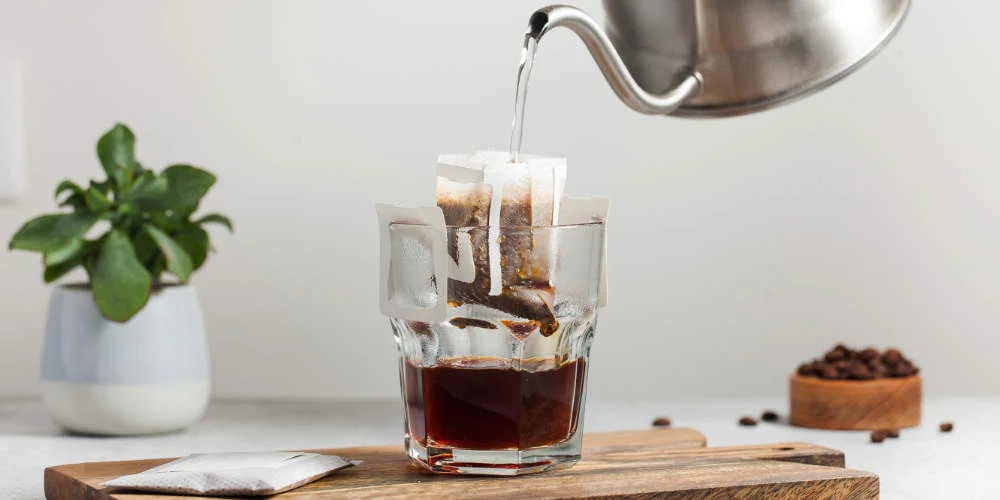
A real drip bag coffee must meet all these conditions: Uses freshly roasted & ground coffee beans. Coffee is not extracted or dehydrated. Brewing relies on gravity drip, not immersion. Filter bag hangs on cup rims (2-wing or 4-wing design). Requires hot water to brew (90–96°C)
Filter bag design: Two-wing hanging filter (standard). Simple. Lower cost. Slightly less stable on wide cups. Four-wing hanging filter (premium): Better balance. Fits more cup sizes. Stronger “pour-over” experience. Filter material. High-quality drip bags use: Non-woven PP (polypropylene). Heat resistance up to 120°C. Neutral taste. Uniform pore size.
Inner coffee chamber. Critical specs: Bag volume must allow coffee to bloom. Minimum headspace for expansion. Flat-bottom or cone-style improves extraction. Grind size (very specific): Slightly finer than V60. Coarser than espresso. Uniformity matters more than size. Median particle size: 600–800 microns.
Drip bag extraction is gentle → don’t roast too light. Recommended: Medium to medium-dark. Extended Maillard phase. Avoid sharp acidity.
Bean selection: Blends outperform single origin in drip bags.
Brewing dynamics (why drip bags are consistent)
A. Bloom phase: First 20–30ml water. 20–30 seconds. Releases CO₂. Prevents channeling.
B. Main pour: 120–150ml total water. Slow, circular pour. Brew time: 2–3 minutes. Drip speed depends on: Grind. Filter pore size. Coffee dose.
Packaging system (this affects shelf life & aroma)
A. Inner sachet - Shelf life: 9 months (basic). 12–18 months (premium flush): Aluminum foil. Nitrogen flushed. Oxygen <2%.
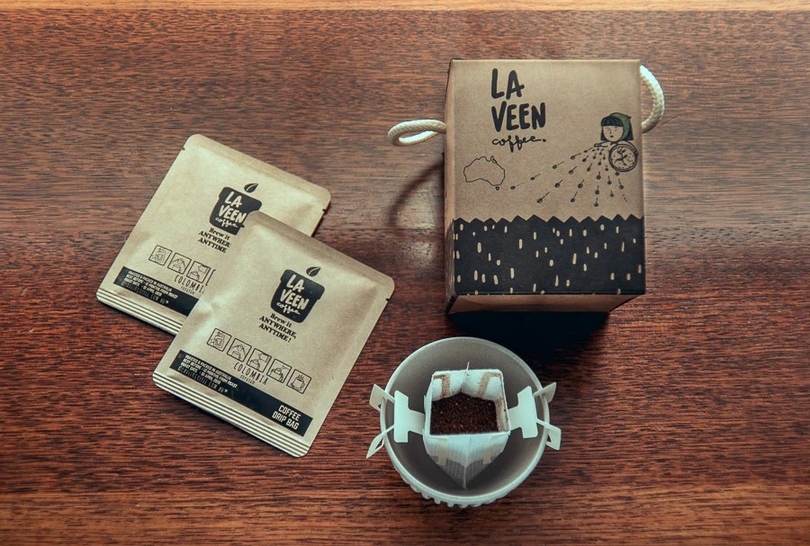
B. Outer packaging: Box (retail). Pouch (e-commerce). Tin (gift). Luxury brands print: Roast level. Brew ratio. Origin story.
Cost structure (rough OEM insight). Per unit (10–12g, premium): Coffee: 30–40%. Filter + sachet: 20–25%. Packaging: 15–20%. Labor + overhead: 10–15%. Margins improve with: Branded box sets. Gift positioning. Export markets
Drip bag coffee answers a universal consumer need: real brewed coffee without machines. Unlike instant coffee, it uses freshly roasted and ground beans. Unlike capsules, it requires no hardware investment. This makes it ideal for export, travel consumption, offices, gifting, and e-commerce.
From a business standpoint, drip bag coffee is attractive because it allows: Standardized production. Long shelf life with proper packaging. Premium positioning without café infrastructure. Easy adaptation to different markets through recipe and branding adjustments. These strengths explain why drip bag coffee has become a staple in East Asia and is now growing rapidly in Western markets.
Producing drip bag coffee is not simply about packing ground coffee into a bag. Quality, consistency, and export readiness are determined by a series of controlled steps.
Most commercially successful drip bag coffees use blends rather than single origins. Blends offer stability in taste, cost control, and supply continuity. Beans are selected to balance body, sweetness, acidity, and aroma. Commonly used components include: Brazil Arabica for body and sweetness. Colombia Arabica for balance. Indonesia Arabica or fine Robusta for depth and strength, depending on market preference.
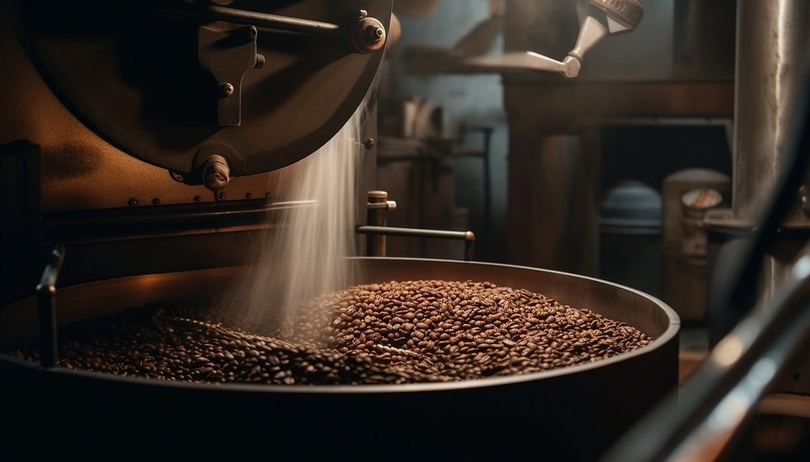
Drip bag coffee requires a roast profile different from espresso or filter café brewing. Medium to medium-dark roasts are preferred because drip bags extract gently and must avoid sharp acidity. Roasting focuses on: Extended Maillard development for sweetness. Low bitterness. No smoky or burnt notes. Consistent batch-to-batch results.
Grind size is typically medium, slightly finer than pour-over but coarser than espresso. Uniformity is critical to prevent over-extraction or weak cups. Standard doses range from: 10 grams for balanced daily drinking. 11–12 grams for bolder or larger cup markets. Precision is essential, often within ±0.1 grams per bag.
High-quality drip bag coffee uses non-woven, food-grade filters designed to hang securely on cups. Four-wing designs are preferred in premium markets for stability and ease of use. The bag must allow space for blooming, enabling gases to escape and improving extraction consistency. Each drip bag is sealed in an aluminum sachet and nitrogen flushed to protect aroma and freshness. With proper oxygen control, shelf life ranges from 12 to 18 months. Outer packaging varies by market and positioning, including retail boxes, pouches, or gift sets.
Japan is the most mature and demanding drip bag coffee market in the world. Acceptance here is based on precision, consistency, and restraint. Japanese buyers expect: Smooth, low-acidity flavor profiles. Medium to medium-dark roasts. Balanced blends rather than experimental tastes. Extremely consistent brewing performance.
Packaging must be clean and minimalist, with clear brewing instructions and no exaggerated marketing claims. Quality control standards are high, and even small variations between batches can lead to rejection. For many brands, Japan serves as a benchmark. A product accepted in Japan can often be adapted more easily for other markets.
Japan is one of the largest and most established markets for drip bag coffee globally. In 2025, Japan’s drip bag coffee segment is projected to represent around USD 0.39 billion (≈37 % of Asia-Pacific’s market) — making it a leading consumer in the region.
Black drip coffee (straight, non-milk coffee) is especially popular — Japan leads this segment, driven by strong specialty coffee culture, convenience demand, and gifting preferences. Multiple retail channels support wide adoption: Convenience stores (a key outlet). Specialty cafés. Supermarkets. Online/mobile platforms. Japan’s established daily coffee culture and preference for premium yet convenient coffee make drip bags a staple rather than a niche product.
Japan is not just a market — it’s a benchmark. Required practices for Japan acceptance. Japanese buyers expect: Same taste every batch. Same drip speed. Same aroma intensity. Tight grind calibration. Weight accuracy ±0.1g. Drip time testing (90–150 sec). Preferred: Smooth. Balanced. Low bitterness. Medium to medium-dark roast.
Packaging discipline: Minimalist, clean design. No exaggerated claims. Clear brewing instructions (illustrated).
BASE RECIPE (Japan-Approved – Reference Point). Blend: 70% Brazil Arabica. 30% Colombia Arabica. Roast: Medium → Medium-Dark (City+ / Full City). Flavor: Cocoa, nuts, brown sugar. Low acidity, smooth finish.
China’s drip bag coffee market is driven by rapid urbanization, e-commerce, and younger consumers transitioning from instant coffee to premium options. Success in China depends on two pillars: compliance and familiarity. Key requirements include: Full Chinese-language labeling. Clear origin and ingredient disclosure. Registered importer or distributor. Stable documentation and traceability.
Flavor preferences lean toward stronger body, lower acidity, and comforting chocolate or nut notes. Slightly higher coffee doses and darker roasts often perform better, especially for consumers who add milk or sugar. Digital presentation is also critical. Products must be easy to understand visually and supported by clear brewing instructions, influencer content, and platform trust.
China is one of the fastest-growing drip bag coffee markets, especially through e-commerce. In 2025, China’s drip bag market is estimated at around USD 0.34 billion (~33 % of Asia-Pacific). Chinese consumers are increasingly adopting Western-style coffee products, driven by: Urban middle-class growth. Rising interest in specialty beverages. Strong e-commerce infrastructure and digital payments. The latte style drip bag segment — flavored and creamy varieties — is particularly popular in China, accounting for a large share of that segment globally.
Full labeling compliance (critical). You must provide: Chinese-language labels. Ingredient list. Country of origin. Importer / distributor info. Missing labels = customs delay or rejection.
Registration & traceability. China prefers: Registered brand ownership. Stable supply documentation. Clear HS classification. Even premium coffee fails here if paperwork is weak.
Flavor adaptation. Chinese consumers often prefer: Slightly stronger body. Chocolate/nut notes. Mild sweetness perception. Purely acidic profiles struggle.
Digital readiness. Acceptance is driven by: E-commerce visuals. Influencer explanations. Brewing simplicity. If consumers don’t understand how to brew it, they won’t trust it.
Chinese consumer preference. Stronger mouthfeel. Less sourness. Familiar, comforting flavors. Often consumed by newer coffee drinkers.
China-Adjusted Recipe. Bean blend. 60% Brazil Arabica. 25% Colombia Arabica. 15% Indonesia Fine Robusta (washed). Robusta adds strength & bitterness familiarity. Brazil keeps sweetness. Colombia prevents flatness.
Roast: Medium-Dark. Slightly longer development time. No oil on surface. Dose: 11g per bag (important). Chinese consumers often brew with larger cups or add milk. Flavor profile: Dark chocolate. Toasted grain. Low acidity. Fuller body.
South Korea combines Japan’s quality awareness with a strong café culture and design-driven consumer behavior. Korean consumers expect drip bag coffee to resemble a specialty café experience at home. Aromatic profiles. Modern, aesthetic packaging. Storytelling around roasting and origin. Limited editions or curated selections. Price sensitivity is lower when branding and taste feel intentional and premium.
South Korea – Café Culture Meets Convenience. South Korea’s drip bag coffee market is also significant, with around USD 0.19 billion (~18 % of Asia-Pacific) in 2025. South Koreans have embraced specialty and convenient formats, including drip bags, partly because of a strong coffee culture and preference for at-home premium experiences.
Drip bags are widely available at: Supermarkets. Specialty roasters. Coffee shops. Consumer interest spans both classic black drip bags and premium varietal offerings. Trends in South Korea. Growing café influence — consumers want café-like quality at home. Specialty roasters packaging local and international beans into drip bags. Urban professionals and younger adults gravitating toward premium, portable coffee formats. Koreans expect drip bag coffee to: Taste like a specialty café. Be aromatic. Feel “modern”. Flat or boring coffee won’t survive.
Premium positioning. Successful practices: Origin storytelling. Roaster identity. Limited editions. Generic branding feels outdated. Design-forward packaging. Korean consumers value: Aesthetic appeal. Instagrammable design. Clean, modern layouts. Design can matter as much as taste.
Quality perception over price. They will pay more if: Taste is good. Brand feels curated. Product feels exclusive. Korean consumer preference: Café-quality experience. Aroma-forward. Balanced acidity (not flat). Design & taste go together.
Korea-Adjusted Recipe. Bean blend: 50% Brazil Arabica. 30% Colombia Arabica. 20% Ethiopia Arabica (Washed or Natural, mild). Ethiopia adds floral aroma. Brazil anchors sweetness. Colombia keeps balance. Roast: Medium. Slightly lighter than Japan. Preserve aromatics. Dose: 10–11g per bag. Flavor profile: Cocoa. Light floral. Mild fruit sweetness. Clean, café-style finish.
The United States market values transparency, individuality, and convenience. Drip bag coffee is often positioned as a premium alternative to instant coffee or a portable version of pour-over.
Key acceptance factors include: FDA-compliant manufacturing and labeling. Clear origin and roast information. Larger serving compatibility, as consumers often brew bigger cups. Honest, direct branding language. American consumers are more tolerant of flavor variation and moderate acidity. Single-origin offerings, subscriptions, and sustainability narratives perform particularly well in this market.
United States – Specialty & Online Driven: The U.S. represents a major share of the North American drip bag market (~41 % of the region). In 2025, the U.S. drip bag segment is projected at around USD 0.21 billion (~18 % share of the black coffee drip market).
The U.S. market leans strongly toward: Specialty single-origin options. Subscription and online-first brands. Sustainable packaging formats. About 27 % of demand comes from subscription-based online purchasing, reflecting the trend toward convenience and direct-to-consumer specialty brands.
U.S. market characteristics. Coffee consumers are increasingly quality-focused — not just convenience seekers. Drip bag coffee is often positioned as an alternative to instant coffee or café delivery. Independent roasters and premium brands treat drip bags like a boutique product.
FDA compliance. Your product must: Be manufactured in an FDA-registered facility. Follow US food labeling standards. Use approved packaging materials
Radical transparency. US consumers expect: Roast level. Origin. Ethical sourcing (optional but powerful). Clear brew instructions. If something feels hidden → distrust.
Sustainability expectations. Not mandatory, but increasingly important: Recyclable packaging. Reduced plastic. Responsible sourcing claims. This can make or break retail partnerships.
Consistency over perfection. US buyers accept: Slight taste variation. Strong branding personality. They value story + reliability more than technical perfection. US consumer preference: Clear origin story. Slight acidity is acceptable. Bigger cups. Strong brand identity.
USA-Adjusted Recipe: Bean blend. Option A (Blend – safer for scale): 60% Colombia Arabica. 40% Brazil Arabica. Option B (Single-Origin SKU – premium): 100% Colombia or Guatemala Arabica. Roast: Medium. Clean finish. No roast bitterness. Dose: 12g per bag (very important for US). Americans brew 180–220ml cups. Flavor profile: Chocolate. Caramel. Mild citrus or apple acidity. Longer finish.
Food safety & factory compliance. Japan & Korea are especially strict on this. Your OEM / factory must have:
Ingredient transparency. Drip bag coffee is perceived as “pure coffee” — hiding ingredients kills trust. You must clearly state:
Shelf-life & freshness control. Required practices: Nitrogen flushing. Oxygen control. Stability testing (aroma + seal integrity). Without this: Japan rejects on quality. US retailers reject on consistency. China customs may delay clearance.
Product standardization: One base recipe, adjusted slightly per market. Same filter structure. Same brew logic. Clear brewing UX: Illustrated brewing steps. Cup size recommendation. Water volume guide. This reduces bad first impressions. Export-ready documentation: COA (Certificate of Analysis). Shelf-life report. Packaging material declaration. Importers love brands that are “easy to work with”.
Building One Product for Multiple Markets. From a business perspective, the most efficient strategy is to develop one core drip bag system and adjust only: Blend ratios. Roast depth. Coffee dose. Labeling and branding language. This approach reduces production complexity while allowing cultural customization. Many successful exporters start by meeting Japanese standards, then adapt outward to China, South Korea, and the United States.
Drip bag coffee is no longer a niche product. It is a scalable, premium-friendly format that aligns perfectly with global consumption trends. However, success depends on understanding that each market values different aspects of quality—from Japan’s obsession with consistency to the United States’ emphasis on transparency and story.
For producers willing to invest in process discipline, thoughtful recipe design, and market-specific adaptation, drip bag coffee offers a realistic and profitable path into the global coffee business.