Singapore Changi Airport: The Nation’s Gateway to the World
Singapore Changi Airport is more than a transit hub—it’s a global icon of excellence. Discover why it’s ranked the world’s best, with award-winning terminals, cutting-edge technology, lush attractions, and unmatched service connecting over 100 countries.
Singapore Changi Airport stands as one of the world’s premier aviation hubs, a symbol of innovation and excellence in global transportation. Since its inception, the airport has not only transformed the travel experience but also played a critical role in Singapore’s economic growth and connectivity.
The story of Changi Airport began in the 1970s, when Singapore’s first civil airport at Paya Lebar was nearing capacity. To meet growing aviation demands, the government decided to build a new airport in the eastern region of Changi. Construction began in 1975, and Changi Airport officially opened in 1981 with a single terminal and runway. Over the decades, it has expanded significantly, with new terminals, technological advancements, and a constant focus on enhancing the passenger experience.
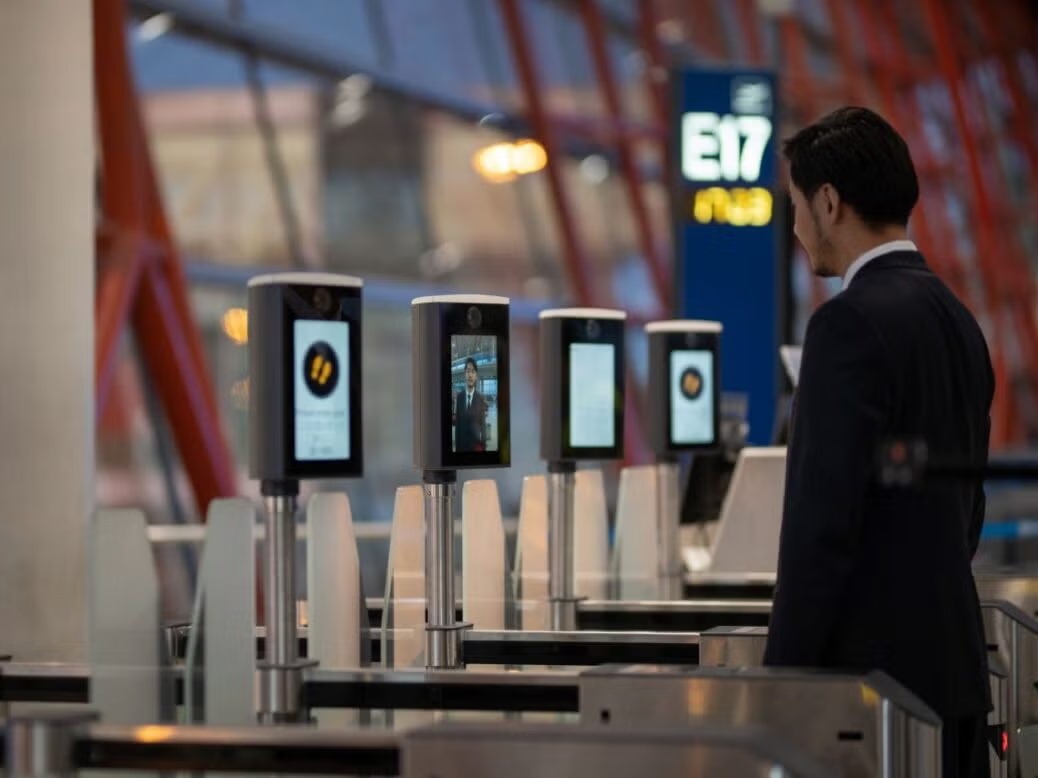
Today, Changi Airport is consistently ranked among the best airports globally, having won numerous awards for its efficient operations, excellent service, and passenger-centric design. More than just a transit point, it offers a seamless blend of function, comfort, and luxury. Features such as automated immigration, smart check-in kiosks, and efficient baggage handling systems highlight Singapore's commitment to operational excellence.
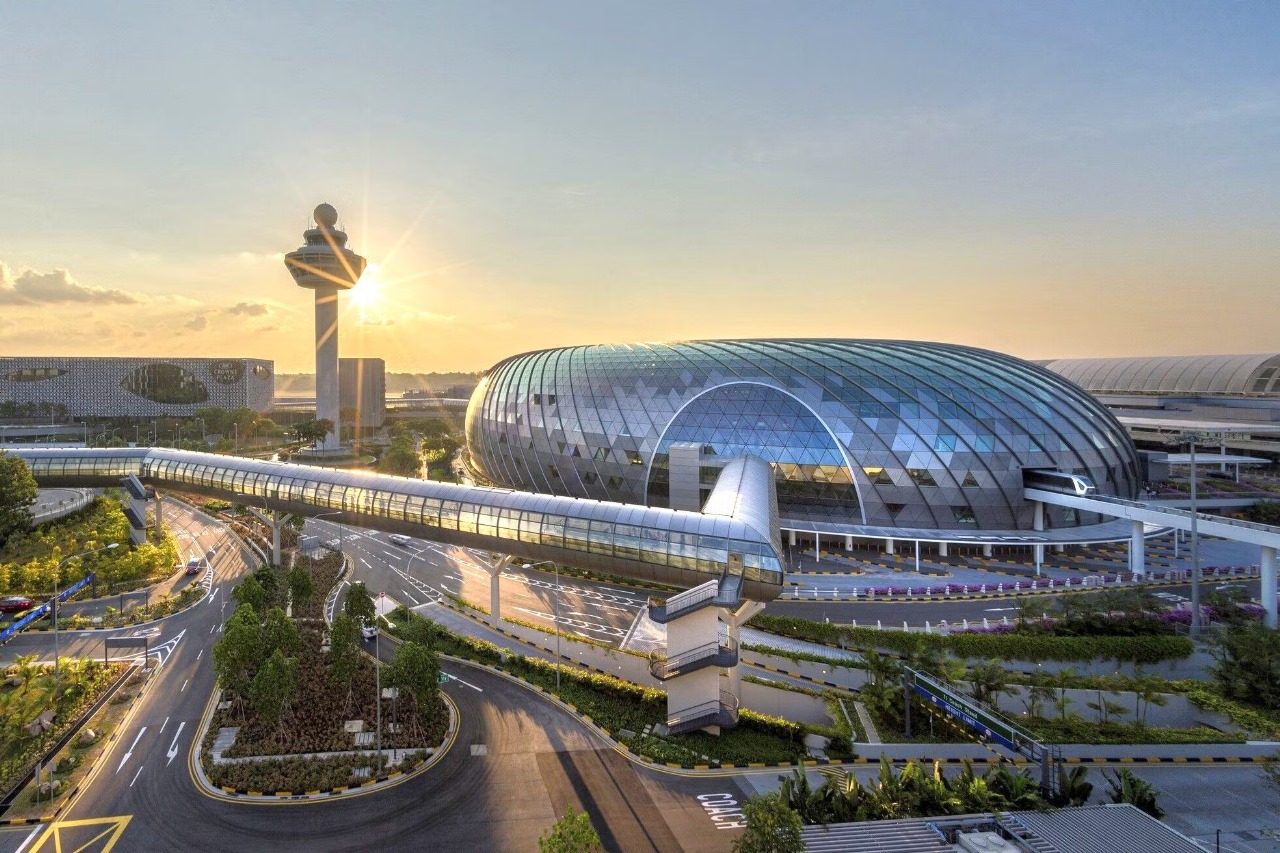
What sets Changi apart is its ability to delight travelers with immersive attractions. Visitors can stroll through the Butterfly Garden in Terminal 3, enjoy complimentary screenings at the airport’s free movie theaters, or relax in themed gardens such as the Cactus and Sunflower Gardens. The airport even boasts a climbing wall and a rooftop swimming pool. Most notably, Jewel Changi Airport, opened in 2019, features the HSBC Rain Vortex, the world’s tallest indoor waterfall, surrounded by lush greenery and over 280 retail and dining options.
Changi serves as a critical gateway for Southeast Asia, connecting over 100 airlines to more than 130 destinations worldwide. It is especially vital for regional travel, acting as a transit hub between major cities in Asia-Pacific, Europe, the Middle East, and North America. With its extensive air connectivity, Changi links Singapore to over 100 countries and territories, supporting both tourism and global commerce.
The airport is the base for several prominent airlines, including Singapore Airlines, SilkAir, and Scoot. These carriers play a pivotal role in reinforcing Changi’s position as a preferred stopover and final destination for travelers globally.
Changi comprises four terminals—T1, T2, T3, and T4. Terminals 1 through 3 are interconnected and easily accessible via the Skytrain system, while Terminal 4 features self-service options that reflect Changi’s push towards digital transformation. The airport’s future Terminal 5 is set to be one of the largest airport terminals in the world, designed to accommodate up to 50 million passengers annually when completed in the next decade.
Singapore Changi Airport comprises four terminals (T1–T4), each offering world-class facilities and experiences. Terminals 1, 2, and 3 are interconnected via the Skytrain and within walking distance of Jewel Changi Airport. Terminal 4, while separate, is equally advanced and reflects Changi’s innovation in automation and design.
Terminal 1 (T1) – Changi’s Original Jewel
Opened: 1981. Main Airlines: Qantas, Emirates, AirAsia, Jetstar, Turkish Airlines
Key Features: Recently renovated to include modern, nature-inspired interiors. Connected directly to Jewel Changi Airport. Features the rooftop swimming pool and jacuzzi (Aerotel Transit Hotel). Cactus Garden and Kinetic Rain art installation, one of the largest kinetic sculptures in the world. Extensive duty-free shopping and dining options. Functions: Handles a mix of international flights. Acts as a common terminal for both full-service and low-cost carriers
Terminal 2 (T2) – Modernized with a Tropical Touch
Originally Opened: 1990. Reopened (after major revamp): 2023. Main Airlines: Singapore Airlines (some regional flights), Air India, Lufthansa, ANA
Key Features: Inspired by Singapore’s natural landscapes – water features, vertical gardens, and warm wood textures. Hosts a 14-meter digital waterfall wall and immersive LED displays. Offers the Time Zone entertainment area and upgraded lounges. Sustainable design elements include natural lighting and energy-efficient systems. Functions: Handles regional and long-haul flights. Serves as an alternative base for Singapore Airlines’ regional operations
Terminal 3 (T3) – Spacious and Elegant
Opened: 2008. Main Airlines: Singapore Airlines (long-haul flights), EVA Air, United Airlines, China Airlines
Key Features: Known for its ultra-high ceilings, spacious layout, and large vertical garden walls. Butterfly Garden — the world’s first in-airport butterfly habitat, with over 1,000 tropical butterflies. Large selection of luxury retail brands, food courts, and high-end restaurants. Offers transit hotels, business lounges, and quiet zones for resting. Functions: Serves as the main international gateway for long-haul flights. Focuses on premium passenger services and high-capacity travel
Terminal 4 (T4) – Smart and Efficient
Opened: 2017. Main Airlines: Cathay Pacific, Korean Air, Cebu Pacific, AirAsia (most operations), Vietnam Airlines
Key Features: Built to be highly automated and self-service-focused. Includes facial recognition check-in, automated bag drop, and self-boarding gates. Boutique-sized terminal with high operational efficiency. Decorated with Peranakan heritage architecture and art installations. Houses a Petalclouds kinetic sculpture in its central atrium. Functions: Primarily serves regional and low-cost carriers. Designed to handle up to 16 million passengers annually. Not connected by Skytrain (shuttle bus services available to other terminals)
Connectivity Between Terminals
· Skytrain: Connects T1, T2, and T3 landside and airside, running every 3-5 minutes
· Jewel Access: Directly connected to T1, accessible via link bridges from T2 and T3
· Shuttle Buses: Free shuttle services to and from T4 (since it's not connected via Skytrain)
Driving Economic Growth in Singapore
Beyond being a transport hub, Changi Airport is a key pillar of Singapore’s economy. It contributes significantly to GDP through aviation services, logistics, retail, hospitality, and employment. The Changi Airfreight Centre supports Singapore’s role as a global trade and logistics hub, enabling efficient import and export of goods. The airport also enhances Singapore’s attractiveness as a destination for business travel, MICE tourism, and foreign investment.
Singapore Changi Airport isn’t just a transportation hub — it’s a benchmark for excellence in the global aviation industry. Widely regarded as the world’s leading airport, Changi combines operational precision, passenger comfort, and architectural innovation in ways that few airports can match.
Unrivaled Passenger Experience. From the moment travelers arrive, Changi sets itself apart with its seamless operations, intuitive layout, and exceptional cleanliness. Passengers enjoy a stress-free transit experience thanks to efficient immigration processes, abundant signage, and world-class customer service.
Award-Winning Design and Facilities. Architecturally, Changi Airport is a masterpiece. Terminals are designed with natural light, open spaces, and lush indoor gardens, creating a tranquil environment rarely found in transportation facilities. Jewel Changi Airport – the iconic glass-domed complex – is home to the world’s tallest indoor waterfall and an expansive indoor forest, positioning the airport as both a gateway and a destination.
Innovative Amenities and Entertainment. Changi Airport redefines what it means to wait for a flight. Unlike standard terminals, it offers: Butterfly, Cactus, and Sunflower Gardens. Free 24/7 movie theaters. Gaming zones and a rooftop pool. Luxury lounges, nap zones, and transit hotels. These features make even long layovers a memorable, enjoyable part of the journey.
Global Connectivity and Strategic Role.Changi is a major international hub, linking over 100 airlines to 130+ destinations in more than 100 countries and territories. Its central location and world-class infrastructure make it a preferred transit point between Asia, Europe, Oceania, and North America. As the home base for Singapore Airlines, Scoot, and Jetstar Asia, it reinforces Singapore’s status as a premier global aviation center.
Operational Excellence. Changi excels in efficiency without sacrificing human touch. It has been a leader in automation with self-service check-ins, biometric boarding gates, and real-time baggage tracking. Despite its size and scale, the airport maintains on-time performance, fast security processing, and low mishandled baggage rates — all critical benchmarks of a top-tier facility.
Consistent Global Recognition. Changi Airport has been named World’s Best Airport by Skytrax a record 12 times, including most recently in 2023. It is also the recipient of long-standing honors from Business Traveller, Airports Council International, and Travel + Leisure. These accolades reflect industry-wide and passenger-driven recognition of its excellence across categories such as cleanliness, retail experience, staff service, and design.
Economic and Strategic Impact. Beyond passenger experience, Changi plays a central role in Singapore’s economy — from air cargo and logistics to tourism and MICE industries. The airport contributes significantly to GDP and employment while reinforcing Singapore’s position as a trusted hub for business and investment in Asia.
Singapore Changi Airport has received hundreds of international awards, solidifying its reputation as one of the best airports in the world. Below are some of the most prestigious and recurring awards Changi Airport has won:
Skytrax World Airport Awards. One of the most respected benchmarks in the industry:
· World’s Best Airport – 12 times (most recently in 2023)
· Best Airport in Asia – multiple years
· World’s Best Airport Leisure Amenities
· Best Airport for Dining and Shopping
· Best Airport Staff in Asia
World Airport Awards by Skytrax (Yearly Highlights):
· 2023 – World’s Best Airport
· 2020–2021 – Ranked highly despite pandemic, noted for hygiene and safety
· 2013–2020 – Held the #1 spot for 8 consecutive years
· First won in 2000, making it a consistent top contender for over two decades
Airports Council International (ACI) Awards
· Best Airport (Over 40 Million Passengers) – Asia-Pacific region
· Airport Service Quality (ASQ) Awards – multiple years
· Green Airports Recognition – For environmental sustainability practices
Business Traveller Awards
· Best Airport in the World – over 30 consecutive years
· Voted by frequent international travelers
· Recognized for business traveler services, efficiency, and comfort
Global Traveler (GT) Tested Reader Survey Awards
· Best Airport in the World
· Best Duty-Free Shopping in the World
Other Notable Recognitions
· Travel + Leisure – World’s Best International Airport
· DestinAsian Readers’ Choice Awards – Best Airport in Asia
· Time Magazine – Featured Jewel Changi Airport as one of the “World’s Greatest Places”
· Monocle Travel Top 50 – Consistently listed for innovation and design
Why Changi Wins So Often. Exceptional customer service. Unique passenger amenities (gardens, movie theaters, swimming pool). Innovative infrastructure (Jewel, smart terminals). Strong operational efficiency. Commitment to cleanliness, safety, and sustainability
Singapore Changi Airport is not simply the best in the world because of its awards — it’s the best because it redefines what an airport can be. By placing the traveler at the center of its mission, combining efficiency with luxury, and never ceasing to innovate, Changi continues to lead the world in both form and function.
Changi’s influence extends beyond national borders. It sets global benchmarks in airport management and passenger experience, inspiring infrastructure development in other major cities. Its partnerships and investments abroad—such as in Brazil and India—further position Changi Airport Group as a thought leader in aviation.
Looking forward, Changi is committed to sustainable growth through green building initiatives, solar energy use, and intelligent airside operations. As travel rebounds post-pandemic, the airport is poised to once again lead the way in smart, safe, and seamless air travel.
Singapore Changi Airport is more than a transportation facility—it is a vital economic engine, an architectural marvel, and a source of national pride. Its combination of world-class service, innovative design, and strategic importance ensures that it remains at the forefront of the global aviation landscape.