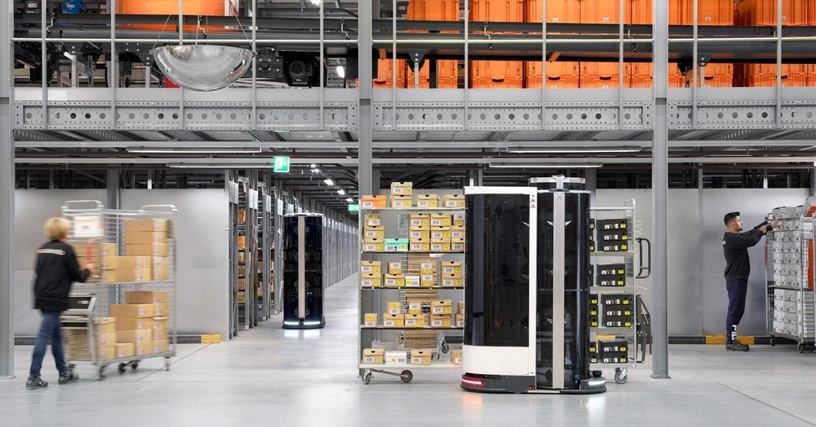
Discover why New York is a global hub for international trade, logistics, trade finance, supply chain technology, and cross-border e-commerce opportunities.
Discover why New York is a global hub for international trade, logistics, trade finance, supply chain technology, and cross-border e-commerce opportunities.
Image courtesy of bsigroup
As global commerce continues to evolve, New York has reinforced its position as one of the world's most influential centers for international trade and supply chain management. While the city's iconic skyline is often associated with finance, media, and technology, its role as a gateway for global trade is equally significant. Every day, billions of dollars' worth of goods, capital, and services flow through New York's ports, airports, financial institutions, and logistics networks, connecting businesses across North America, Europe, Asia, Latin America, and the Middle East.
For entrepreneurs, this creates exceptional opportunities to build businesses that support global commerce. From import and export consulting to supply chain technology and cross-border e-commerce, New York offers an ecosystem where innovation, infrastructure, and international business converge.
International Trade & Supply Chain Services is one of the strongest business sectors in New York because the city serves as a global commercial gateway connecting North America with Europe, Asia, Latin America, and the Middle East. While manufacturing has declined over the decades, New York has evolved into a center for trade management, logistics coordination, finance, technology, and international business services rather than simply moving physical goods.
New York's Strategic Position in Global Trade
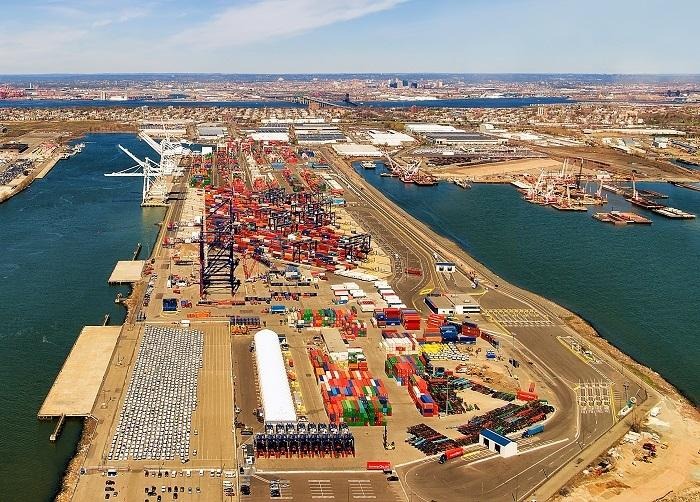
New York's strength as an international trade hub comes from more than its geography. The metropolitan area is home to one of the busiest container ports on the U.S. East Coast, major international airports handling high-value cargo, and a concentration of multinational corporations, financial institutions, customs brokers, freight forwarders, and technology companies.
The city also benefits from its diverse international business community. Entrepreneurs from around the world have established operations in New York, creating extensive networks that facilitate sourcing, distribution, investment, and cross-border partnerships.
Unlike manufacturing-focused trade hubs, New York specializes in managing the movement of goods, capital, and information. This service-oriented ecosystem provides opportunities for businesses that can simplify international trade, improve operational efficiency, and solve complex supply chain challenges.
Several factors make New York one of the world's leading trade centers: Home to the Port of New York and New Jersey, the busiest port on the East Coast of the United States. John F. Kennedy International Airport is one of North America's largest international air cargo gateways. Headquarters of thousands of multinational corporations. Global financial capital providing trade finance and international banking. Diverse immigrant communities with business relationships across nearly every country. Strong legal, insurance, and customs brokerage ecosystem. Together, these advantages make New York the preferred location for companies managing global sourcing, imports, exports, and cross-border commerce.
Import and Export Consulting: A Low-Capital Business with Global Reach
One of the most accessible opportunities for entrepreneurs is import and export consulting. Many small and medium-sized businesses want to expand internationally but lack the expertise to navigate customs regulations, shipping requirements, supplier verification, or international negotiations.
Consultants provide valuable services such as identifying reliable overseas suppliers, evaluating export markets, preparing trade documentation, managing customs compliance, and developing international expansion strategies. As global trade regulations become increasingly complex, companies are seeking experienced advisors who can reduce risks and accelerate market entry.
This business model requires relatively little capital compared to traditional trading companies. Instead, success depends on industry knowledge, international networks, and the ability to build trust with clients. Revenue can come from consulting fees, project-based engagements, monthly retainers, or commissions on completed transactions.
Import-export consulting is a relatively low-capital business with high demand. Consultants help companies: Find overseas suppliers. Source U.S. buyers. Negotiate international contracts. Manage customs compliance. Understand tariffs and duties. Develop market-entry strategies. Verify suppliers. Arrange inspections. Manage documentation
Typical Clients: Small manufacturers. Food companies. Furniture companies. Building materials. Fashion brands. Coffee importers. Electronics distributors. Medical equipment suppliers.
Revenue Model: Hourly consulting. Project fees. Monthly retainers. Commission on successful deals. For experienced consultants, annual revenues can range from six figures to several million dollars depending on specialization and client base.
International Logistics Continues to Expand
Global trade cannot function without efficient logistics. Every shipment requires coordination between manufacturers, shipping lines, customs authorities, warehouses, trucking companies, and final delivery providers.
Entrepreneurs entering the logistics industry are no longer limited to owning trucks or warehouses. Many successful businesses specialize in freight forwarding, customs brokerage, cargo consolidation, fulfillment services, inventory management, and supply chain coordination.
The rapid growth of e-commerce has also increased demand for flexible logistics providers capable of managing smaller, more frequent international shipments. Companies that can offer integrated logistics solutions—including ocean freight, air cargo, warehousing, and last-mile delivery—are well positioned for long-term growth.
Specialized logistics sectors such as pharmaceutical transportation, cold-chain logistics, luxury goods handling, and oversized industrial equipment continue to attract significant investment due to their higher barriers to entry and premium pricing.
International logistics extends far beyond shipping containers. Companies coordinate: Ocean freight. Air freight. Rail transport. Trucking. Customs clearance. Warehousing. Cargo insurance. Inventory management. Last-mile delivery.
Major logistics providers operating in New York include: DHL. FedEx. UPS. Maersk. Kuehne+Nagel.
High-Growth Niches: Cold-chain logistics. Pharmaceutical logistics. Luxury goods transportation. Food imports. Furniture imports. Building materials. Electronics distribution. E-commerce fulfilment.
Trade Finance Makes International Commerce Possible
One of New York's greatest competitive advantages is its role as a global financial center. International trade involves substantial financial risk, particularly when buyers and sellers operate in different countries with different legal systems and currencies.
Trade finance bridges this gap by providing secure payment mechanisms and working capital solutions. Financial products such as letters of credit, export financing, supply chain financing, invoice factoring, and export credit insurance allow businesses to complete international transactions with greater confidence.
For entrepreneurs, opportunities extend beyond traditional banking. Financial technology companies are transforming trade finance by offering faster approvals, digital documentation, automated compliance, and improved transparency. As international trade becomes increasingly digital, fintech solutions designed for exporters and importers are expected to see continued demand.
One of New York's biggest competitive advantages is access to global finance.
Trade finance reduces risk for international buyers and sellers through products such as: Letters of Credit (LC). Documentary collections. Invoice financing. Export credit insurance. Supply chain financing. Factoring. Purchase order financing. Working capital loans.
Major industries using trade finance include: Agriculture. Timber. Coffee. Cocoa. Oil & gas. Electronics. Medical devices. Automotive. Steel. Construction materials.
International transactions often involve: Different currencies. Political risks. Payment delays. Shipping risks. Credit risks. Trade finance helps protect both buyers and sellers while improving cash flow.
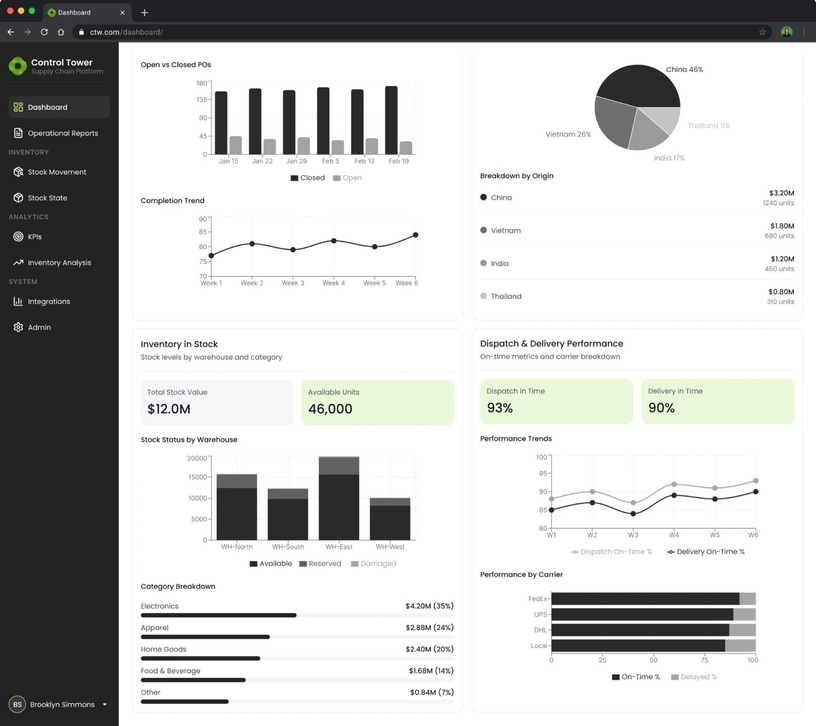
Supply Chain Technology Is Driving the Next Wave of Innovation
Technology has become one of the most dynamic segments of the global supply chain industry. Businesses are investing heavily in software and automation to improve visibility, reduce costs, and increase operational resilience.
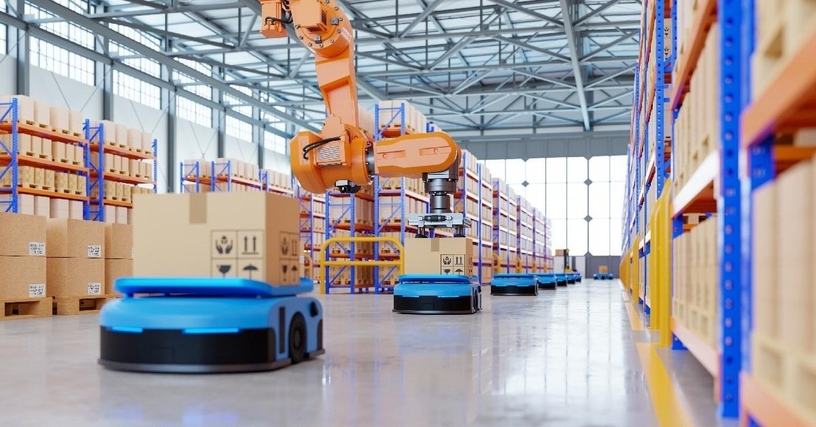
Artificial intelligence is being used to forecast demand, optimize inventory levels, and identify potential disruptions before they occur. Warehouse automation powered by robotics has significantly improved picking, packing, and inventory management, while Internet of Things (IoT) devices provide real-time monitoring of cargo conditions during transportation.
Blockchain technology is also gaining attention for its ability to create transparent and tamper-resistant records throughout the supply chain. This improves product traceability, combats counterfeiting, and simplifies regulatory compliance.
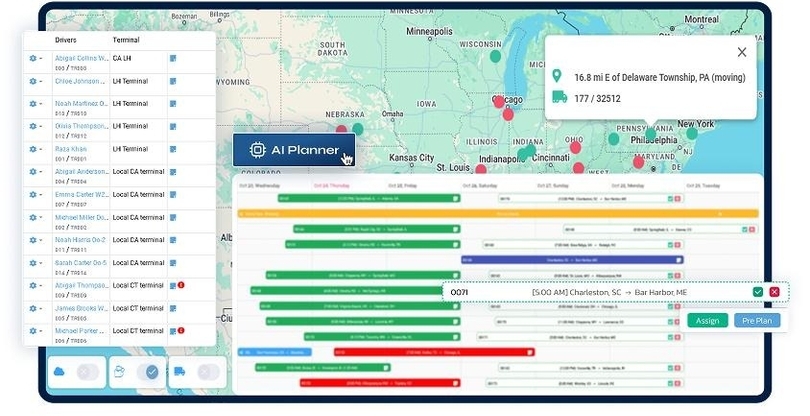
Entrepreneurs developing software-as-a-service (SaaS) platforms for procurement, logistics, inventory management, customs compliance, or supply chain analytics are entering a rapidly expanding market as businesses seek greater efficiency and resilience.
Technology has become one of the fastest-growing areas in global trade.
AI Demand Forecasting - Predicts customer demand before inventory shortages occur.
Warehouse Automation - Uses robots for: Picking. Packing. Sorting. Inventory counting.
Supply Chain Analytics - Tracks: Inventory. Shipping delays. Supplier performance. Cost optimization
Blockchain - Improves: Product traceability. Food safety. Counterfeit prevention. Digital trade documentation
IoT - Sensors monitor: Temperature. Humidity. Cargo location. Security. Fuel consumption
Digital Twins - Companies simulate supply chains before making operational changes, reducing costs and improving resilience.
Cross-Border E-Commerce Opens New Markets
Digital commerce has fundamentally changed international trade. Businesses no longer need physical stores or large overseas offices to reach customers around the world. Through global marketplaces and dedicated online stores, even small companies can sell internationally.
Cross-border e-commerce generates demand for a wide range of supporting services, including international fulfillment, customs clearance, localized marketing, multilingual customer support, payment processing, tax compliance, and product certification.
Entrepreneurs who specialize in helping brands expand internationally can build scalable businesses by combining technology, logistics, and digital marketing expertise. As consumers increasingly purchase products from overseas sellers, demand for cross-border commerce solutions is expected to remain strong over the coming decade.
Cross-border e-commerce is one of the fastest-growing segments of international trade. Rather than selling only domestically, businesses use online platforms to reach global customers. Popular platforms include: Amazon. Shopify. eBay. Etsy. Walmart Marketplace.
Services Around Cross-Border E-commerce: International fulfillment. Customs compliance. International tax management. Multi-currency payment solutions. Localization. Product certification. Marketplace management. Global digital marketing
Future Trends Shaping Global Trade
The next decade will reshape international trade through digital transformation, geopolitical shifts, and sustainability initiatives.
Companies are diversifying their sourcing strategies by adopting nearshoring and friend-shoring to reduce supply chain risks. Artificial intelligence will continue improving forecasting accuracy and operational planning, while automation will increase warehouse productivity and reduce labor shortages.
Environmental, Social, and Governance (ESG) requirements are also influencing purchasing decisions. Businesses that can demonstrate sustainable sourcing, responsible manufacturing, and lower carbon emissions will enjoy stronger competitive advantages in global markets.
At the same time, digital trade documentation, real-time shipment visibility, cybersecurity, and integrated supply chain platforms will become standard expectations rather than competitive differentiators.
Several trends are expected to shape the sector over the next decade:
Building a Business Around Global Trade
For entrepreneurs, New York offers more than access to international markets—it provides access to a complete business ecosystem. Successful companies are increasingly combining consulting, technology, logistics, and financial services to create comprehensive solutions for global commerce.
Whether launching an import-export advisory firm, developing supply chain software, operating a logistics company, or helping brands expand through cross-border e-commerce, entrepreneurs have numerous opportunities to participate in the growing international trade economy.
The businesses most likely to succeed will be those that simplify complexity, leverage technology, and deliver measurable value to companies navigating global markets. As international trade continues to expand despite evolving economic conditions, New York is expected to remain one of the world's premier destinations for entrepreneurs building the future of global commerce.
Business Opportunities for Entrepreneurs
For entrepreneurs looking to build businesses around New York's international trade ecosystem, promising models include: Import/export advisory services. Freight forwarding and customs brokerage. International sourcing and procurement. Cross-border e-commerce management. Supply chain software development. Trade finance and fintech solutions. Warehousing and fulfillment services. ESG and supply chain compliance consulting. Cold-chain logistics. International business development and market-entry consulting.
These opportunities align with New York's strengths in global commerce, finance, technology, and logistics, making the city an attractive base for businesses serving international markets.