Discover why Indonesia is a global leader in coconut exports. Explore top coconut derivatives, export opportunities, market demand, and how businesses can enter the international coconut trade.
Discover why Indonesia is a global leader in coconut exports. Explore top coconut derivatives, export opportunities, market demand, and how businesses can enter the international coconut trade.
Image courtesy of tradewavexpress
Indonesia, the world's largest coconut producer, plays a vital role in the global coconut industry. Home to millions of hectares of coconut plantations, the country supplies a wide range of premium coconut derivatives to international markets. From coconut oil and desiccated coconut to coconut shell charcoal and cocopeat, Indonesian coconut products are increasingly sought after due to their quality, competitive pricing, and sustainable production.
As global demand for natural, organic, and eco-friendly products continues to grow, exporting coconut derivatives presents an attractive opportunity for businesses looking to expand into international markets.
Indonesia is one of the world's absolute largest coconut producers, and its export profile has underwent a major shift toward high-value downstream processing. Driven by global shifts toward plant-based diets, eco-friendly horticulture, and clean-label foods, Indonesia’s coconut sector is a billion-dollar export engine.
The 12 export products are categorized by their commercial applications and market dynamics:
Liquid & Fresh Edible Products
Coconut Water: A rapidly booming export category driven by global fitness and natural beverage trends. High-tech processors package aseptic (UHT) coconut water in bulk totes for global beverage brands or direct-to-retail packaging. Naturally rich in electrolytes and nutrients, coconut water has become a popular healthy beverage worldwide. Demand continues to rise across North America, Europe, Australia, and Asia as consumers seek healthier drink alternatives.
Young Coconut: Exported fresh with the outer green husk trimmed into a diamond shape ("diamond-cut"). Major buyers like China and Singapore import these primarily for the premium hospitality and fresh beverage market. Fresh young coconuts are exported for both their refreshing coconut water and tender flesh. They are especially popular in supermarkets, restaurants, cafés, and beverage businesses.
Processed Food Ingredients & Sweeteners
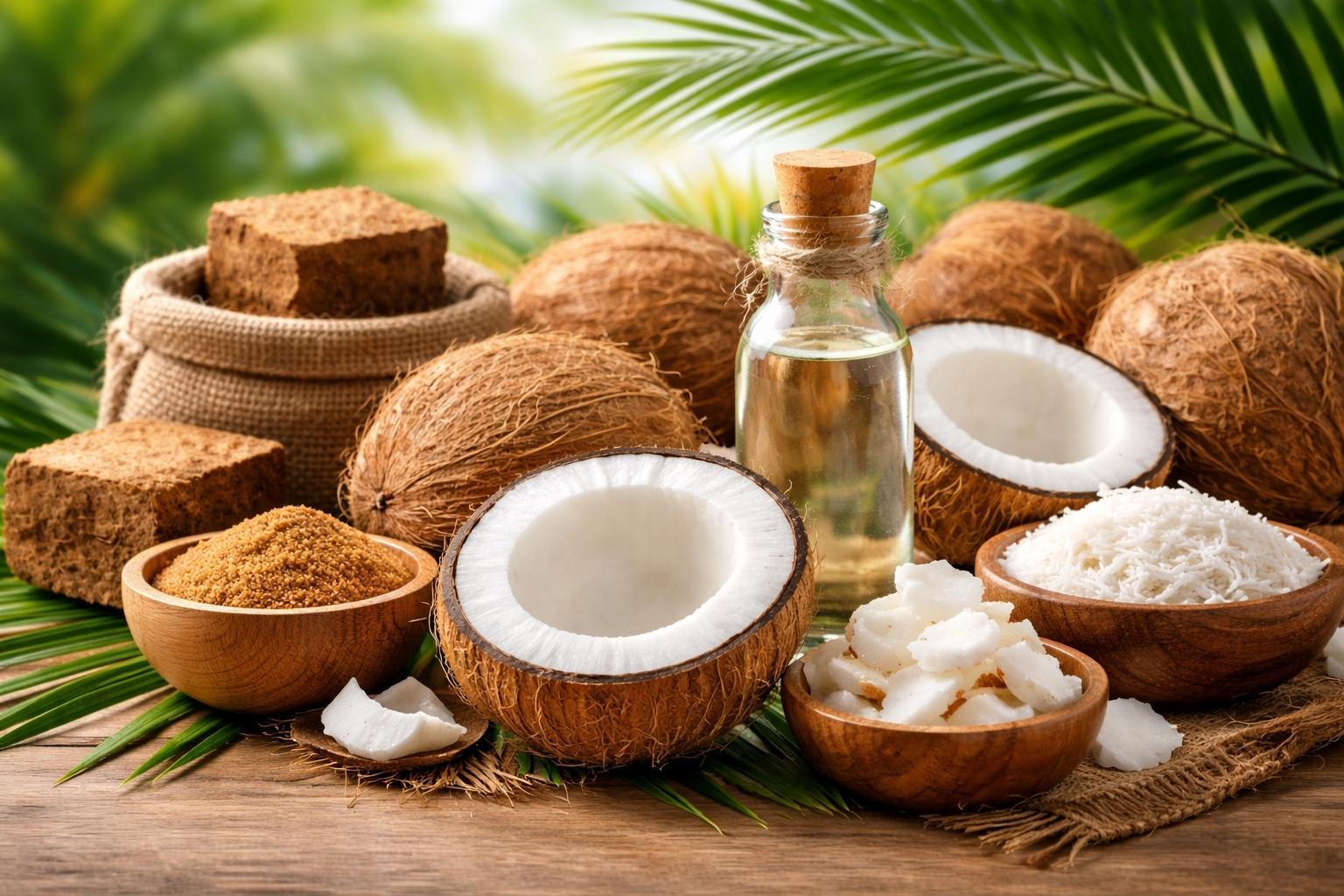
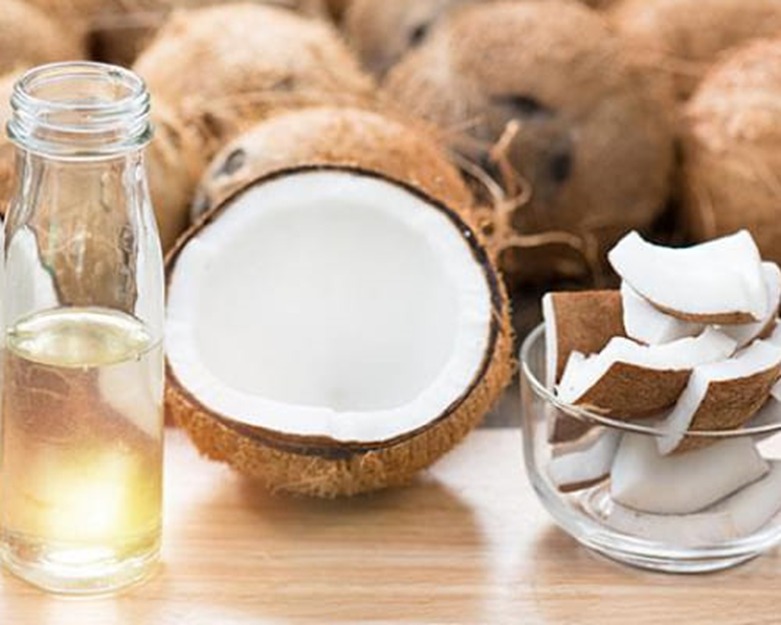
Coconut Oil (VCO, CCO, RBD): Indonesia ranks as the world's second-largest exporter. It covers three tiers: Crude Coconut Oil (CCO) for industrial refining; RBD (Refined, Bleached, Deodorized) Oil for cooking and cosmetics; and premium Virgin Coconut Oil (VCO), cold-pressed for high-end health and beauty sectors. One of Indonesia's most valuable agricultural exports, coconut oil is widely used across the food, cosmetics, personal care, and pharmaceutical industries. Growing consumer interest in natural wellness products has significantly increased demand for Virgin Coconut Oil (VCO) as well as Refined, Bleached, and Deodorized (RBD) coconut oil.
Desiccated Coconut: Shredded, dried coconut meat with high and low-fat variations. Indonesia commands roughly 20% of the global market share, fueling the baking and confectionery industries in Europe and North America. Produced from fresh coconut meat, desiccated coconut is a key ingredient in the bakery, confectionery, snack, and food processing industries. Indonesian producers are recognized for maintaining consistent quality that meets international standards.
Organic Coconut Sugar: Harvested from the sap of coconut blossoms. Central Java leads this sector with highly sophisticated, internationally certified infrastructure (BRCGS, USDA Organic) to meet the massive demand for low-glycemic, vegan alternatives in Western markets. As consumers reduce refined sugar consumption, organic coconut sugar has emerged as a preferred natural sweetener. Its low glycemic index and organic appeal have made it increasingly popular in health-conscious markets.
Traditional Copra Commodities - Copra and Copra Meal
Copra, the dried meat of mature coconuts, is primarily processed into coconut oil. The remaining copra meal serves as a nutritious ingredient for livestock feed.
Copra: Dried coconut kernels used as the raw material for pressing industrial coconut oil. While still a major volume trade, Indonesia increasingly prefers processing copra domestically rather than exporting it raw to capture higher value.
Copra Meal: The byproduct left behind after oil is extracted from copra. It is a highly demanded, cost-effective protein source for livestock feed, heavily exported to India, Vietnam, and South Korea for dairy and poultry industries.
Eco-Friendly Horticultural Media
Cocopeat Blocks: Made from the spongy material inside the coconut husk. It is washed, dried, and compressed into blocks. It is highly prized globally as a sustainable, peat-free growing medium in commercial greenhouses due to its exceptional water retention. Made from coconut husks, cocopeat has become a preferred growing medium for horticulture, greenhouse farming, hydroponics, and commercial agriculture due to its excellent water retention and sustainability.
Coco Husk Chips: Slices of the coconut husk that act as natural soil conditioners. They provide excellent aeration and are heavily exported to orchid growers and hydroponic agricultural sectors worldwide. Coco husk chips improve soil aeration and moisture retention, making them popular in gardening, orchid cultivation, landscaping, and hydroponic farming.
Industrial Fibers & Biomass Fuels
Coconut Fibre (Coir): The coarse, fibrous outer husk. It is cleaned and baled for export to manufacturing hubs—primarily China—to be converted into eco-friendly mattresses, erosion control mats, and automotive upholstery. Coconut fibre (coir) is widely used in ropes, floor mats, brushes, upholstery, erosion-control products, and biodegradable packaging materials, supporting the growing demand for sustainable products.
Coconut Shell Charcoal & Briquettes: One of Indonesia's fastest-growing, highest-margin export stars. Indonesia is famous for producing premium, zero-odor, long-burning cube briquettes specifically manufactured for the global Middle Eastern shisha (hookah) market and high-end European barbecue sectors. Known for their high heat output, long burning time, and low smoke emissions, coconut shell charcoal and briquettes are exported globally for barbecue, shisha, industrial fuel, and activated carbon production.
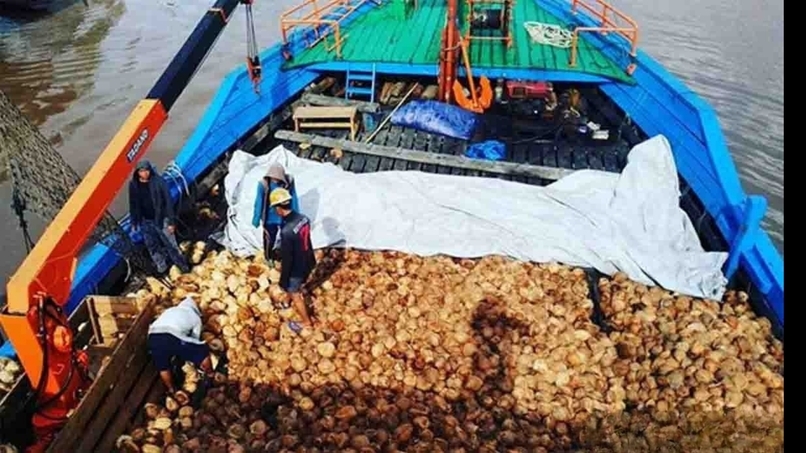
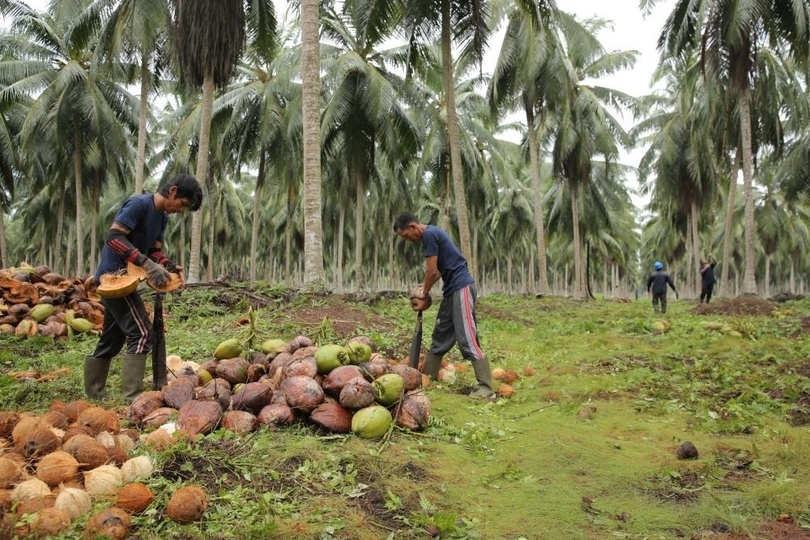
Semi-husked coconuts are commonly exported for coconut milk production, food manufacturing, and retail distribution. Their longer shelf life makes them suitable for international shipping. A cornerstone of Indonesia’s agricultural volume trade, bridging the gap between raw, bulky crops and processed food products. Under HS Code 080119, it refers to fully matured brown coconuts that have had roughly 80% to 90% of their outer fibrous husk mechanically or manually removed. A Tuft of fiber ("the crest") is intentionally left at the top to cover and protect the coconut’s "three eyes" and prevent the inner shell from cracking or sprouting during transport. Indonesia's dominance in this specific export sector relies on several factors: (Why Buyers Prefer "Semi-Husked" Format)
Optimal Balance of Weight and Protection: Fully husked coconuts crack easily during rough ocean freight. Unhusked coconuts are far too heavy and expensive to ship. The semi-husked design reduces container shipping weight by up to 50% while retaining enough fiber padding to absorb impacts.
Extended Shelf Life: Because the inner shell remains sealed and naturally cushioned, Indonesian semi-husked coconuts can survive up to 60 days in transit without spoiling, sprouting, or losing their internal water pressure.
Ready for Industrial and Retail Use: Importers do not have to deal with the heavy disposal of massive outer husks at their destination. It is instantly ready for processing plants or fresh wholesale markets.
Standard Export Specifications - Indonesian exporters typically grade semi-husked coconuts by weight and size circumference:
Grade A (Premium Retail): Weighing roughly 1.2 to 1.8 kg per nut, with a circumference over 40 cm. This grade features thick white meat (copra) and sweet water, highly favored by retail grocery chains in the Middle East and Europe.
Grade B (Standard Export): Weighing 0.8 to 1.2 kg, highly sought after by wholesale distributors across Asian markets.
Grade C (Industrial Tier): Smaller nuts weighing 0.5 to 0.8 kg, bought in bulk by international milling factories for pressing oil or shredding desiccated coconut.
Trade Operations & Logistics
Regions of Origin: Sourced heavily from coastal volcanic soils in Sumatra, Sulawesi, Maluku, and parts of Java, yielding coconuts with distinctively thick meat and high oil content.
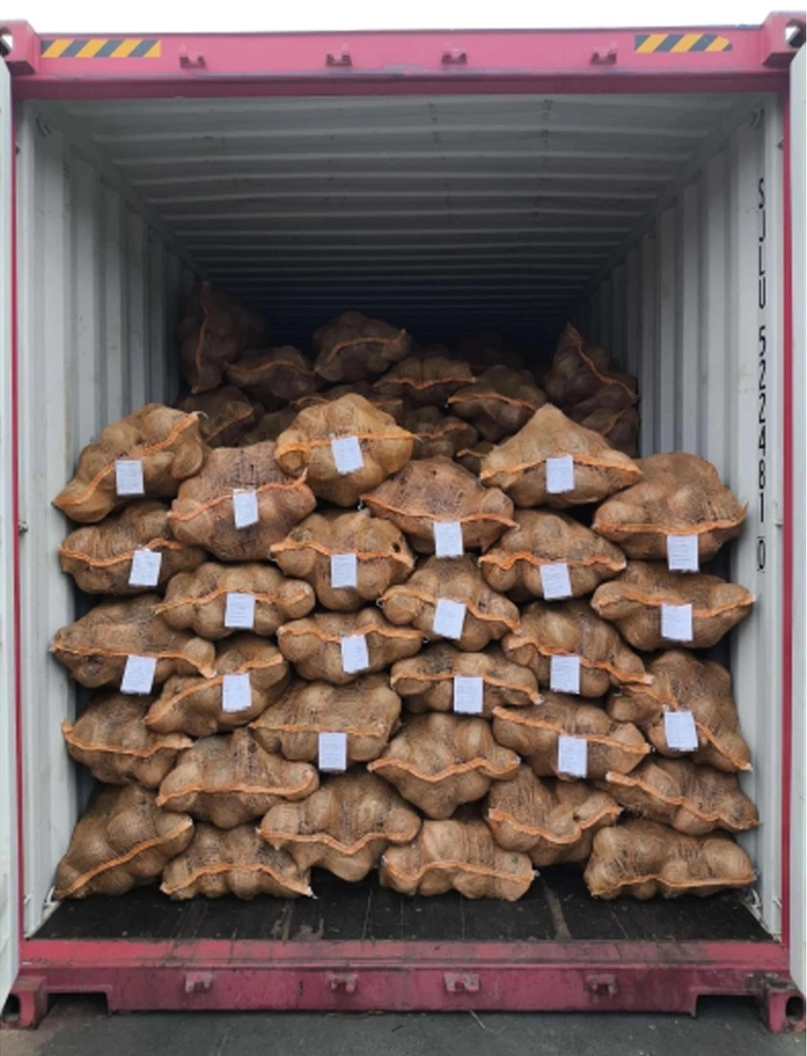
Packaging: Hand-packed into ventilated plastic mesh bags or jute/gunny sacks (typically 25 to 50 kg per bag) to ensure continuous airflow, which prevents mold during long voyages.
Logistics Capacity: Shipped globally in massive quantities via 40ft High Cube (HC) containers, which accommodate roughly 19,000 to 22,000 individual coconuts (approx. 26–28 Metric Tons) per shipment.
Indonesia Leads the Coconut Export Market
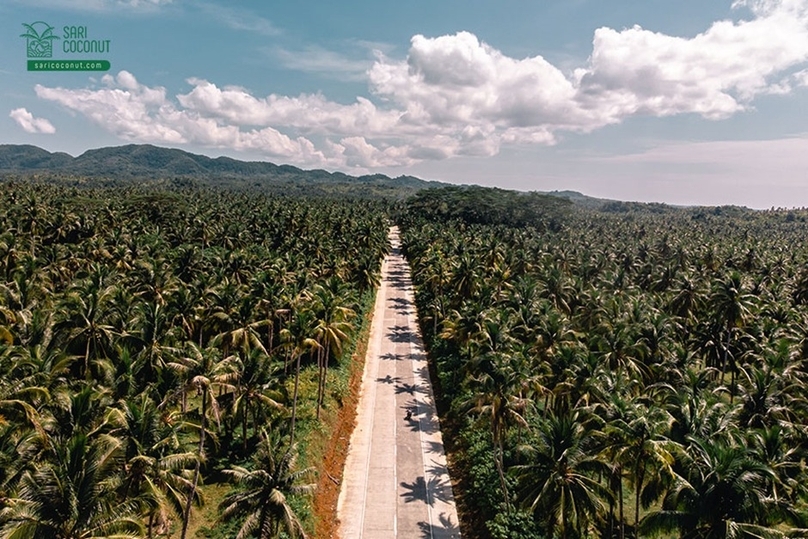
Abundant Raw Materials. Indonesia has more than 3.6 million hectares of coconut plantations, ensuring a reliable and sustainable supply of raw materials throughout the year.
Competitive Production Costs. Lower production and labor costs allow Indonesian exporters to offer high-quality products at competitive prices, making them attractive to buyers worldwide.
International Quality Standards. Many Indonesian manufacturers comply with internationally recognized certifications, including HACCP, GMP, ISO, Halal, Organic, BRC, and Kosher certifications, helping them access premium global markets.
Strong Government Support. The Indonesian government actively promotes agricultural exports through trade missions, export incentives, certification assistance, and improved logistics infrastructure.

Key Coconut Derivatives and Their Market Demand
1. Coconut Oil – Used extensively in the food, cosmetic, and pharmaceutical industries, coconut oil is one of Indonesia’s most sought-after exports. The rising trend of organic and natural products has significantly boosted demand for virgin coconut oil (VCO) and refined, bleached, and deodorized (RBD) coconut oil.
2. Desiccated Coconut – This dried, grated coconut is widely used in the bakery and confectionery industries. Indonesia’s high-quality production standards make it a preferred choice in international markets.
3. Coconut Water – Valued for its hydrating and nutritional properties, coconut water has gained global popularity, especially in health-conscious markets like the U.S. and Europe.
4. Young Coconut – Exported fresh or processed, young coconuts are sought after for their refreshing water and tender meat.
5. Semi-Husked Coconut – A key export product used for coconut milk production and other food processing industries.
6. Organic Coconut Sugar – A natural sweetener alternative growing in demand due to its low glycemic index and organic appeal.
7. Copra & Copra Meal – Dried coconut meat used for oil extraction and as animal feed.
8. Cocopeat Blocks – A popular growing medium in the horticulture and agricultural sectors.
9. Coconut Fibre – Used in making ropes, mats, and brushes, and increasingly in eco-friendly product lines.
10. Coco Husk Chips – Used in gardening, landscaping, and hydroponics for improved soil aeration.
11. Coconut Shell Charcoal & Briquettes – Widely used for cooking, industrial fuel, and activated carbon production.
Challenges Facing Coconut Exporters
Despite the promising outlook, exporters should be prepared for several challenges: Navigating international import regulations, certifications, and tariffs. Maintaining consistent product quality throughout the supply chain. Managing shipping costs and logistics efficiently. Competing with major coconut-exporting countries such as the Philippines, India, Sri Lanka, Thailand, and Vietnam. Adapting to changing consumer preferences and sustainability requirements.
How to Start Exporting Coconut Derivatives
Businesses interested in entering the global coconut market should consider the following steps:
1. Conduct comprehensive market research to identify high-demand countries and product opportunities.
2. Obtain the required export permits and international certifications.
3. Build relationships with reputable overseas buyers, importers, and distributors.
4. Partner with experienced freight forwarders and logistics providers to ensure timely delivery.
5. Develop a strong digital presence through professional websites, B2B marketplaces, social media, and international trade exhibitions.
Global demand for sustainable, plant-based, and natural products continues to accelerate, positioning Indonesia for long-term growth in the coconut export sector. Beyond traditional products, opportunities are expanding into higher-value coconut derivatives, including activated carbon, bio-based materials, organic food ingredients, health supplements, cosmetics, and environmentally friendly consumer products.
For exporters willing to invest in quality, innovation, and international market development, Indonesia's coconut industry offers significant opportunities to build successful, globally competitive businesses.
Indonesia, the world's largest coconut producer, plays a crucial role in the global coconut industry. With its vast plantations and high-quality yields, the country has become a major exporter of coconut derivatives, supplying markets worldwide with products such as coconut oil, desiccated coconut, coconut water, and activated carbon. As demand continues to rise, exporting these derivatives presents a lucrative opportunity for businesses looking to enter the international market.