This article explores the current landscape of foreign investment and trade in Japan, highlighting opportunities, sectors of growth, regulatory advantages, and practical considerations for global businesses.
This article explores the current landscape of foreign investment and trade in Japan, highlighting opportunities, sectors of growth, regulatory advantages, and practical considerations for global businesses.
image courtesy of GaijinPot
Opportunities, Strategies, and Market Realities for Global Investors
Japan continues to stand as one of the world’s most sophisticated and reliable business environments. As the third-largest economy globally, the country combines technological leadership, strong governance, and deep integration into global trade networks. In recent years, foreign investment has gained renewed momentum as Japan seeks to strengthen supply chains, modernize industries, and attract international capital.
Government agencies such as the Japan External Trade Organization have played a central role in promoting inbound investment, offering advisory services, incentives, and market entry support to companies worldwide. For investors, exporters, and multinational firms, Japan represents not just a market but a strategic platform for expansion across Asia.
Japan has long been recognized as a global trading nation. Despite limited natural resources, the country has built a strong economy through manufacturing excellence, technological innovation, and export-driven industries. Today, Japan remains one of the largest exporters and importers in the world.
Key characteristics of Japan’s trade environment include: Advanced logistics and infrastructure. High product quality standards. Stable currency and financial system. Transparent legal and regulatory framework. Strong intellectual property protection.
Japan’s trade relationships are supported by major international agreements such as the Regional Comprehensive Economic Partnership and the Comprehensive and Progressive Agreement for Trans-Pacific Partnership. These agreements reduce tariffs, simplify customs procedures, and enhance market access for businesses operating across the Asia-Pacific region.
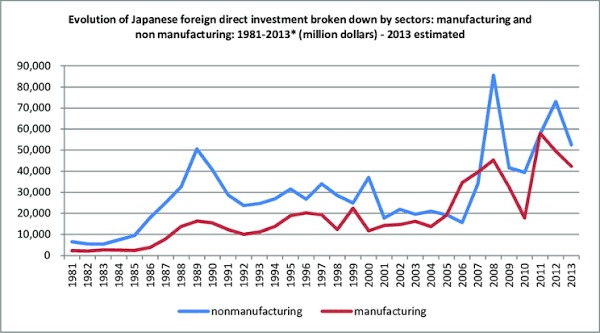
For foreign investors, this interconnected trade network makes Japan an attractive base for regional operations. Foreign investment in Japan has been growing steadily, particularly in sectors linked to technology, advanced manufacturing, and supply chain resilience. Several structural factors are driving this trend.
Supply Chain Diversification
Global companies are increasingly diversifying production away from single-country dependence. Japan has emerged as a reliable alternative due to its stability, skilled workforce, and advanced industrial ecosystem.
Major technology companies such as the Taiwan Semiconductor Manufacturing Company and Micron Technology have expanded manufacturing operations in Japan to support global demand for semiconductors. These investments signal long-term confidence in Japan’s industrial infrastructure and policy environment.
Government Incentives and Business-Friendly Policies
The Japanese government actively supports foreign investment through a range of incentives designed to reduce operational costs and encourage innovation.
Common incentives include: Corporate tax reductions. Subsidies for factory construction. Grants for research and development. Workforce training support. Infrastructure development assistance. Regional governments also compete to attract foreign investors by offering land incentives and streamlined approval processes. These policies have made Japan increasingly competitive compared to other developed markets.
Key Industries Driving Foreign Investment
Foreign investment in Japan is concentrated in sectors that combine advanced technology, global demand, and long-term growth potential.
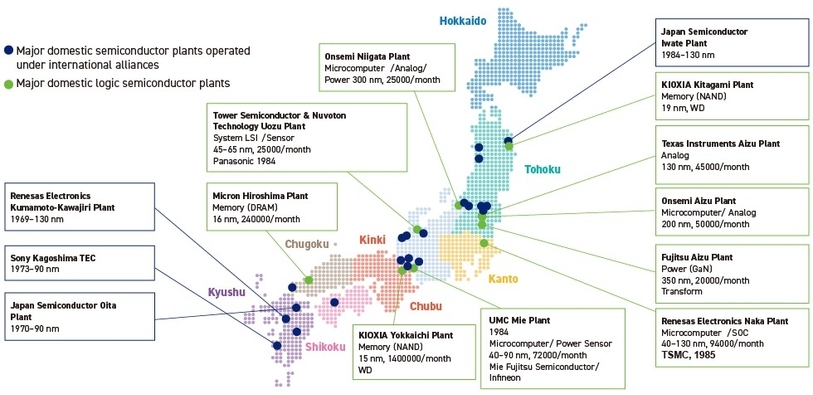
Semiconductor and Technology Manufacturing.The semiconductor industry has become one of the most strategic investment areas in Japan. Governments and corporations are investing heavily to secure supply chains and maintain technological leadership. Japanese companies such as the Sony Group and Renesas Electronics continue to collaborate with international partners to expand production capacity. New semiconductor facilities in regions such as Kyushu and Hokkaido are expected to create thousands of jobs and support downstream industries.
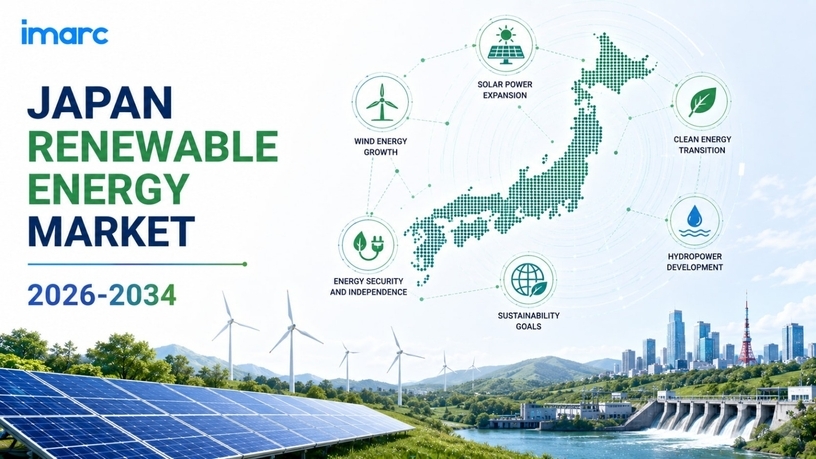
Renewable Energy and Sustainability. Japan’s reliance on imported energy has encouraged investment in renewable energy technologies. The country is accelerating development in: Solar power. Offshore wind energy. Hydrogen fuel. Battery storage systems. Foreign companies are partnering with Japanese utilities and manufacturers to build sustainable energy infrastructure. This sector is expected to grow significantly through 2030.

Manufacturing and Industrial Materials. Japan remains one of the world’s leading producers of industrial goods, automotive components, and specialized materials. Foreign companies investing in manufacturing benefit from: Highly skilled labor. Reliable suppliers. Advanced production technology. Strong export networks. Major manufacturers such as the Toyota Motor Corporation and Mitsubishi Electric continue to expand global partnerships, creating opportunities for suppliers and investors.

Logistics and E-Commerce Infrastructure. The rapid growth of e-commerce and the aging population have increased demand for efficient logistics systems in Japan. Warehousing, delivery services, and automation technologies are expanding rapidly. Foreign investors are entering this sector to support: Online retail distribution. Cold chain logistics. Urban delivery networks. Smart warehouse systems. Japan’s logistics industry is expected to remain a key investment area as consumer behavior continues to evolve.
Japan’s Import and Export Landscape - Japan’s trade structure reflects its industrial strengths and resource limitations.
Major Export Categories
Japan exports a wide range of high-value products, including: Vehicles. Machinery. Electronics. Precision equipment. Steel and industrial materials. Automotive manufacturers such as the Honda Motor Company and Nissan Motor Company play a central role in global exports, contributing significantly to the country’s economic performance. Because Japan has limited natural resources, it depends heavily on imports to support its industries and population. Key imports include: Oil and natural gas. Food and agricultural products. Raw materials. Timber and wood products. Industrial components
For exporters in Southeast Asia, Japan remains one of the most important markets for construction materials and industrial inputs. Japan’s construction sector values consistency, certification, and long-term supplier relationships, making it a stable market for exporters capable of meeting strict quality standards.
Corporate Tax Structure, Rates, and Key Compliance Rules for Investors
Japan has a structured and predictable tax system designed to support business operations while maintaining strong government revenue. Agencies such as the National Tax Agency and guidance from the government of Japan ensure transparent compliance requirements for both domestic and foreign-owned companies. For foreign investors and entrepreneurs, understanding Japan’s tax framework is essential before entering the market, as total tax obligations typically include multiple components beyond just corporate income tax.
Corporate Income Tax in Japan. Corporate tax in Japan is composed of several layers of taxation rather than a single flat rate. Main Components of Corporate Tax. Business owners typically pay: National Corporate Tax. Local Inhabitant Tax. Enterprise Tax. Special Local Corporate Tax. These taxes together form the effective corporate tax rate. This combined structure is comparable to corporate tax rates in other developed economies.
Consumption Tax (Japan’s VAT Equivalent). Japan imposes a consumption tax similar to VAT or GST. Current Rate. Standard consumption tax: 10%. Reduced rate: 8% (for certain food and essential goods). Businesses must collect and remit consumption tax to the government once revenue exceeds the registration threshold. Registration Threshold. Businesses must register for consumption tax if: Annual taxable sales exceed: JPY 10 million.
Withholding Taxes in Japan. Withholding tax applies to certain payments made by businesses. Common Withholding Tax Rates: Dividends: 15% – 20%. Interest: 15%. Royalties: 20%. Non-resident services: 20%
Tax treaties may reduce these rates depending on the investor’s country. Japan maintains tax treaties with more than 70 countries to avoid double taxation.
Local Business Taxes. Local governments in Japan impose additional taxes on businesses operating within their jurisdictions. Major Local Taxes. Enterprise Tax. Based on: Income. Capital. Business size. Inhabitant Tax. Calculated based on: Corporate income. Capital amount. These taxes vary slightly depending on the city or prefecture where the company is registered. Major business locations include: Tokyo. Osaka. Fukuoka. Local incentives may reduce tax burdens in regional areas to encourage investment outside major metropolitan centers.
Taxes on Foreign-Owned Companies. Foreign businesses operating in Japan generally pay the same taxes as domestic companies. Tax Treatment Depends on Business Structure
Branch Office - Taxed on: Income generated in Japan
Subsidiary Company - Taxed on: Worldwide income if registered as a Japanese corporation
Representative Office - Typically: No corporate tax. No revenue-generating activity allowed
This structure is commonly used for: Market research. Liaison functions. Business development.
Personal Taxes for Business Owners. Business owners and executives in Japan are also subject to personal income taxes. Personal Income Tax Rates. Japan uses a progressive tax system. Low income: 5%. Middle income: 10% – 20%. High income: Up to 45%. Additional local resident tax: Approximately: 10%. Total Maximum Personal Tax. Up to: 55%. This applies to high-income earners and executives.
Tax Incentives for Businesses in Japan. Japan offers targeted incentives to encourage investment in strategic industries. Common Incentives. R&D Tax Credits. Companies investing in research and development may receive: Tax deductions. Cash subsidies.
Regional Investment Incentives. Businesses locating outside major cities may receive: Reduced corporate tax. Land subsidies. Employment grants. Regions actively promoting investment include: Hokkaido. Kumamoto. Hiroshima.
Green and Digital Investment Incentives. Government support is available for: Renewable energy projects. Digital transformation. Semiconductor manufacturing. Carbon reduction technologies.
Filing and Compliance Requirements. Businesses operating in Japan must meet strict reporting and payment deadlines. Key Filing Requirements. Corporate tax filing: Within: 2 months after fiscal year-end. Consumption tax filing: Usually: Annual. Payroll tax withholding: Monthly. Most companies work with certified tax accountants to ensure compliance.
Typical Total Tax Burden for Businesses in Japan. Here is a realistic estimate. Small Business Example. Annual profit: JPY 10 million. Estimated taxes:
Corporate tax: ~23%
Consumption tax: 10% on sales
Local taxes: included in corporate rate
Total effective burden: Approximately: 25%
Comparison with Other Major Markets
Japan: 29% – 30%
Singapore: 17%
United States: 21% federal (plus state)
Germany: ~30%
Japan’s rates are competitive among developed economies, though higher than regional hubs like Singapore.
Practical Takeaways for Foreign Investors
Advantages: Predictable tax system. Strong legal protection. Tax incentives for technology and manufacturing. Extensive tax treaty network. Challenges: Multiple tax layers. Detailed compliance requirements. Higher operating costs than Southeast Asia.
Challenges Foreign Investors Should Understand
While Japan offers many advantages, successful investment requires careful planning and realistic expectations. High Operating Costs. Japan is known for relatively high business expenses, including: Labor costs. Real estate prices. Regulatory compliance costs. Utility and energy costs. Companies must evaluate cost structures carefully before entering the market.
Cultural and Business Practices. Business culture in Japan emphasizes trust, reliability, and long-term relationships. Negotiations may take longer compared to other markets, but partnerships are typically stable once established. Foreign companies that invest in relationship-building and local expertise tend to achieve better outcomes.
Labor Shortages and Demographic Pressure. Japan’s aging population has created labor shortages across multiple industries. While this presents challenges, it also creates opportunities for: Automation technologies. Robotics. Workforce productivity solutions. Foreign talent recruitment. These trends are reshaping Japan’s industrial landscape.
The Future Outlook for Foreign Investment in Japan
Japan’s long-term economic strategy focuses on strengthening supply chains, promoting innovation, and expanding international partnerships. As global competition intensifies, the country is positioning itself as a hub for advanced manufacturing, clean energy, and digital transformation.
Key growth drivers expected through the next decade include: Semiconductor manufacturing. Renewable energy infrastructure. Robotics and automation. Healthcare and aging services. Smart logistics and transportation. Digital technology and artificial intelligence. Foreign investors who align with these priorities are likely to find strong support from both government agencies and private sector partners.
Foreign investment and trade in Japan are entering a new phase of strategic importance. With its stable economy, advanced infrastructure, and commitment to innovation, Japan remains one of the most attractive markets for global businesses seeking long-term growth in Asia.
For exporters, manufacturers, and investors, the opportunity lies not only in accessing the Japanese market but also in using Japan as a gateway to regional expansion. Companies that understand local standards, invest in quality, and build trusted partnerships will be well positioned to succeed in one of the world’s most reliable business environments.