Discover how AI is transforming retail through personalized shopping, virtual assistants, automation, predictive analytics, and emerging trends through 2030.
Discover how AI is transforming retail through personalized shopping, virtual assistants, automation, predictive analytics, and emerging trends through 2030.
Image courtesy of branex
AI is rapidly becoming one of the most transformative technologies in the retail industry, helping businesses improve customer experience, optimize operations, reduce costs, and increase sales. From global retailers to small online stores, AI is reshaping how products are marketed, sold, and delivered.
Artificial Intelligence (AI) in retail refers to the use of machine learning, predictive analytics, computer vision, natural language processing, and automation technologies to improve retail operations and customer interactions. Retailers use AI to analyze large volumes of customer, inventory, and sales data to make faster and more accurate business decisions.
Personalized Shopping Experiences. AI helps retailers understand customer preferences, purchase history, browsing behavior, and demographics. Product recommendations. Personalized promotions. Dynamic email marketing. Customized website experiences. Companies such as Amazon and Netflix have built much of their success on AI-powered recommendation engines. Higher conversion rates. Increased average order value. Better customer satisfaction. Improved loyalty.
Inventory Management. One of retail's biggest challenges is maintaining the right stock levels. AI can predict: Future demand. Seasonal trends. Product popularity. Reorder timing. Reduced overstock. Fewer stockouts. Lower warehousing costs. Improved cash flow. Retail giants like Walmart use AI extensively to manage inventory across thousands of stores.
Demand Forecasting. Traditional forecasting often relies heavily on historical sales data. AI goes further by incorporating: Weather conditions. Holidays. Local events. Economic indicators. Social media trends. This helps retailers forecast demand more accurately and make smarter purchasing decisions.
AI-Powered Customer Service. AI chatbots and virtual assistants provide instant customer support. Capabilities include: Answering FAQs. Product recommendations. Order tracking. Return processing. Customer support 24/7. Examples: Shopify Inbox, Zendesk AI and Intercom. Reduced support costs. Faster response times. Higher customer satisfaction.
Dynamic Pricing. AI continuously analyzes: Competitor pricing. Demand fluctuations. Inventory levels. Consumer behavior. Prices can be adjusted automatically to maximize profit while remaining competitive. Industries heavily using AI pricing: E-commerce. Airlines. Hotels. Grocery retail.
Fraud Detection and Security. AI helps retailers detect unusual transactions and suspicious activities. Applications include: Payment fraud prevention. Account takeover detection. Return fraud monitoring. Loyalty program abuse prevention. This is especially important for online retailers handling thousands of transactions daily.
Visual Search Technology. Customers can upload an image and AI identifies similar products. Examples: Fashion retailers. Furniture retailers. Home décor stores. Benefits: Faster product discovery. Better shopping experience. Increased sales conversion.
Smart Supply Chain Management. AI helps retailers optimize: Shipping routes. Warehouse operations. Supplier selection. Delivery schedules. Companies such as UPS and DHL Group use AI-driven logistics systems to improve efficiency.
AI in Physical Retail Stores
Smart Checkout. AI-powered checkout systems reduce waiting times. Cashierless stores. Self-checkout systems. Automated payment recognition. One of the most famous examples is Amazon's Amazon Go concept.
Computer Vision. AI cameras can: Monitor inventory on shelves. Analyze customer traffic patterns. Detect theft. Measure shopper engagement.
Smart Shelves. Connected shelves can: Detect low inventory. Trigger automatic replenishment. Monitor product movement.
AI acts as an invisible, connective layer that transforms traditional physical retail stores into highly efficient, data-driven "smartfronts". Far from replacing brick-and-mortar locations, AI is revitalizing physical stores by merging digital intelligence with in-person experiences. The primary ways AI is utilized in physical retail environments span front-of-house customer experiences and back-of-house operations.
Front-of-House: The Customer Experience
Computer Vision and Traffic Analytics: Retailers use AI-powered video systems and sensors to monitor foot traffic in real-time. These systems analyze customer dwell times and walking paths, allowing store managers to optimize floor plans and eliminate bottleneck zones.
Hyper-Personalized In-Store Marketing: By linking a shopper's digital profile—such as their mobile app interactions or past e-commerce browsing history—with in-store location tracking, AI can push context-aware, targeted promotions straight to the customer's phone exactly when they approach a specific display.
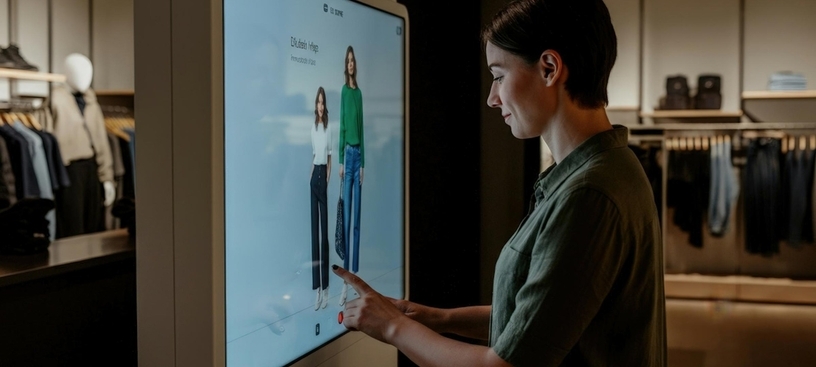
Smart Fitting Rooms and Mirrors: Interactive AI installations and smart mirrors allow customers to view clothing variations from multiple angles, virtually swap colors, or view complementary product suggestions to increase basket sizes.
Empathetic Retail Environments: Luxury and experiential brands are testing advanced AI that adjusts store atmospheric elements—such as music tempos or dynamic lighting colors—in real-time based on subtle shopper behaviors and sensory metrics.
Back-of-House: Operations & Supply Chain
Smart Inventory and Demand Forecasting: AI algorithms ingest local demographic trends, historic sales volumes, weather forecasts, and social media buzz to predict exact product demands. This approach reduces costly overstocking while curbing lost sales caused by out-of-stock items.
Autonomous In-Store Robotics: Heavy-lifting and mundane tasks are increasingly handled by AI-enabled robots that patrol aisles to scan shelves for misplaced or depleted inventory, clean spills, and verify price labels.
Dynamic Pricing and Merchandising: Retailers leverage AI to track local competitor prices and inventory levels, shifting prices dynamically via digital shelf tags to maximize profit margins without alienating price-sensitive consumers.
Loss Prevention and Shrinkage Reduction: Advanced AI point-of-sale (POS) systems analyze scanning patterns and video feeds to cross-verify physical items against scanned barcodes, preventing accidental miss-scans, checkout vendor fraud, and shoplifting.
The Store as a Fulfillment Node: Because modern customers expect seamless "Buy Online, Pick Up In Store" (BOPIS) fulfillment, AI manages back-of-house logistics to balance real-time walk-in inventories with local delivery networks.
Generative AI's Impact on Retail
The newest wave of retail innovation involves Generative AI.
Marketing Content Creation - AI-Powered Marketing Content Creation in Retail
AI can generate: Product descriptions. Social media content. Email campaigns. Advertising copy
One of the fastest-growing applications of AI in retail is marketing content creation. Instead of spending hours or days creating marketing materials manually, retailers can now use AI tools to generate high-quality content within minutes.
Product Descriptions. AI can automatically generate compelling and SEO-friendly product descriptions based on product specifications, features, and target audiences.
Traditional Description à AI-Enhanced Description: Faster product uploads. Consistent brand messaging. Improved SEO performance. Better customer engagement.
Social Media Content. Retailers often need a continuous stream of content for platforms such as Instagram, Facebook, TikTok, LinkedIn, and X. AI can generate: Captions. Hashtags. Promotional posts. Product launch announcements. Seasonal campaigns. Customer engagement content. Benefits: Increased posting frequency. Reduced content creation costs. Faster campaign execution. Consistent social media presence.
Email Marketing Campaigns. Email remains one of the highest ROI marketing channels in retail. AI can create: Promotional emails. Product launch emails. Welcome sequences. Abandoned cart reminders. Loyalty program communications. Seasonal promotions. Benefits: Higher open rates. Better personalization. Improved customer retention. Increased sales conversion.
Advertising Copy. AI can rapidly generate multiple versions of ad copy for testing across different audiences and platforms. Benefits: Faster ad creation. More A/B testing opportunities. Improved ad performance. Lower marketing costs. Marketing departments often spend significant resources on content production. AI helps retailers scale content creation while maintaining consistency and quality.
Leading AI Tools Used by Retail Businesses
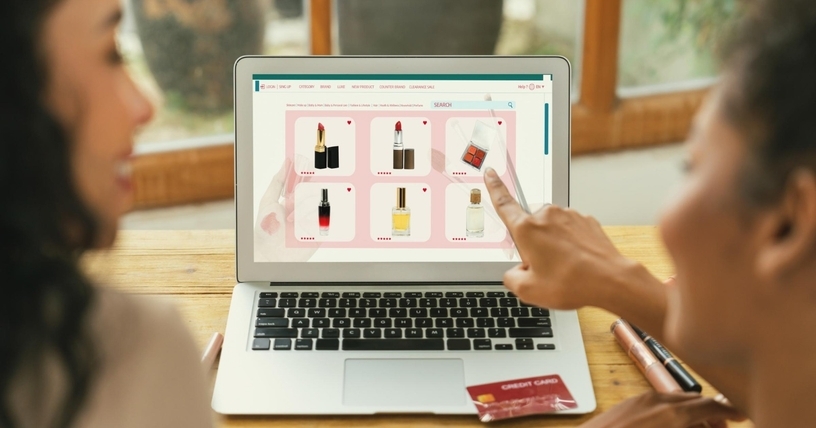
Many retailers now leverage platforms such as: ChatGPT by Open AI, Jasper AI, Copy.ai, Canva Magic Write, HubSpot AI Tools and Adobe Firefly. These platforms help retailers create content at scale while allowing marketing teams to focus on strategy, branding, and customer engagement.
For modern retailers, AI-generated marketing content is no longer simply a productivity tool. It has become a strategic advantage that enables brands to launch products faster, personalize customer communications, improve campaign performance, and compete more effectively in increasingly crowded digital marketplaces.
Virtual Shopping Assistants - The Future of Retail Customer Engagement
AI agents can: Recommend products. Compare alternatives. Answer questions naturally. Guide purchase decisions
Virtual Shopping Assistants are AI-powered digital agents designed to replicate the experience of interacting with a knowledgeable sales associate. Available through websites, mobile apps, messaging platforms, and voice assistants, these AI agents help customers navigate products, make informed decisions, and complete purchases more efficiently.
As Generative AI continues to evolve, virtual shopping assistants are becoming increasingly sophisticated, offering personalized and conversational experiences that can significantly improve customer satisfaction and sales performance.
Product Recommendations. One of the most valuable functions of a virtual shopping assistant is recommending products based on customer preferences, browsing behavior, purchase history, budget, and specific needs. Benefits: Personalized shopping experiences. Increased conversion rates. Higher average order values. Improved customer satisfaction. Retailers can also recommend complementary products, helping customers discover items they may not have considered.
Comparing Alternatives. Many customers struggle to choose between similar products. Virtual shopping assistants can simplify this process by presenting side-by-side comparisons. The AI assistant can compare: Price, Features, Performance, Battery life, Camera quality and Warranty options. This helps customers make informed decisions without needing to research multiple websites. Benefits: Reduced decision fatigue. Faster purchasing decisions. Lower cart abandonment rates. Greater customer confidence.
Natural Language Question Answering. Modern AI assistants use advanced natural language processing (NLP) to understand and respond to customer questions in a conversational manner. Benefits: 24/7 customer support. Faster response times. Reduced workload for customer service teams. Enhanced customer experience.
Guided Purchase Decisions. Beyond answering questions, virtual shopping assistants act as personal shopping advisors by guiding customers through the buying journey. Benefits: More informed purchases. Reduced returns and exchanges. Higher customer trust. Stronger brand loyalty.
Additional Capabilities of Next-Generation Shopping Assistants
Visual Search. The AI identifies matching or comparable items from the retailer's catalog.
Personalized Styling. Fashion and beauty retailers can provide: Outfit recommendations. Makeup suggestions. Accessory pairings. Seasonal trend advice
Voice Commerce. Customers can shop through voice commands, creating hands-free shopping experiences.
Multilingual Support. AI assistants can communicate with customers in multiple languages, enabling retailers to serve global markets more effectively.
Industries Leading Adoption. Virtual shopping assistants are becoming increasingly common in: Fashion and apparel. Beauty and cosmetics. Consumer electronics. Furniture and home décor. Grocery and food delivery. Automotive retail. Sports and outdoor equipment. Luxury goods.
Several major retailers and technology companies are investing heavily in AI-powered shopping experiences:
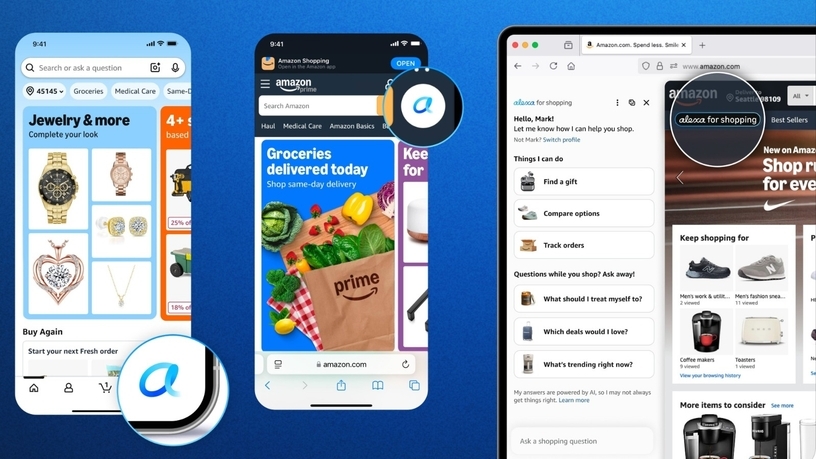
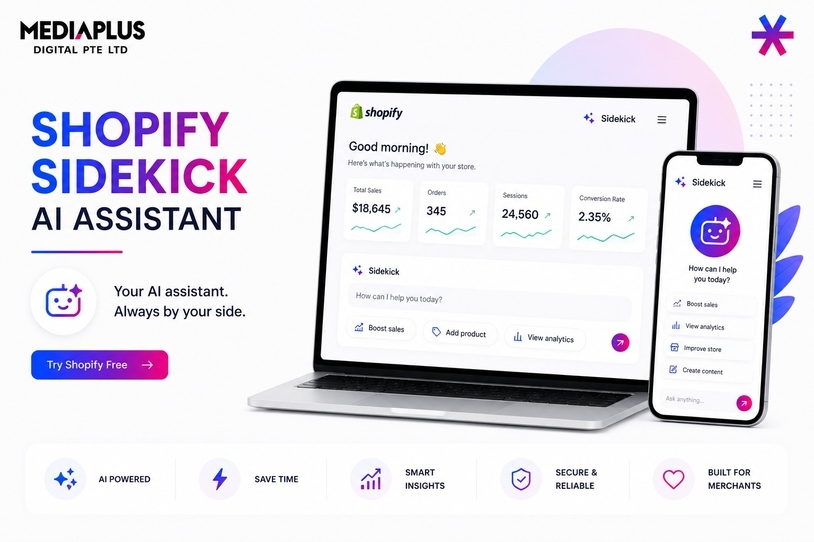
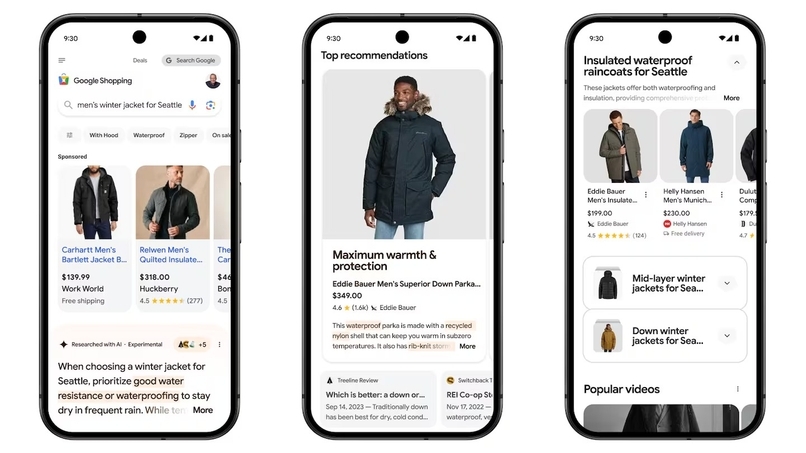
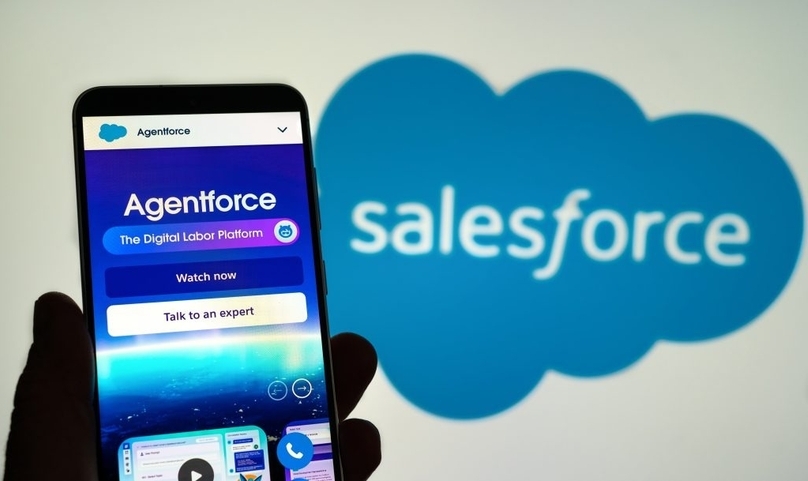
These solutions are helping businesses deliver personalized, scalable customer support while reducing operational costs.
Virtual shopping assistants are transforming retail from a transactional experience into a personalized consultation experience. By recommending products, comparing alternatives, answering customer questions naturally, and guiding purchase decisions, AI agents help retailers increase sales, improve customer satisfaction, and build stronger long-term relationships with shoppers.
For many retailers, virtual shopping assistants are becoming as essential as websites, mobile apps, and physical stores—serving as a digital sales associate available anytime, anywhere.
Product Design - Transforming How Retail Brands Create and Launch Products
Retail brands use AI to: Generate design concepts. Test product variations. Predict consumer interest. Fashion and home décor companies are increasingly adopting these tools.
Artificial Intelligence is increasingly changing the product design process across retail industries. Rather than relying solely on traditional market research and manual design workflows, brands can now use AI to generate ideas, evaluate product concepts, and predict market demand before investing in production.
This enables retailers to bring products to market faster, reduce development costs, and improve the likelihood of commercial success.
Generating Design Concepts. AI-powered design tools can rapidly generate multiple product concepts based on specific criteria such as materials, colors, dimensions, styles, and target demographics. The AI then produces numerous concept variations that designers can refine and develop further. Applications include: Furniture design. Fashion collections. Home décor products. Consumer electronics. Packaging design. Jewelry and accessories. Benefits: Faster ideation process. Increased creative exploration. Reduced design cycle time. More innovative product concepts. Rather than replacing designers, AI acts as a creative partner that accelerates brainstorming and visualization.
Testing Product Variations. Traditionally, companies often create multiple physical prototypes before selecting a final design. AI allows brands to test numerous variations digitally before committing to production. Variables can include: Color combinations. Materials. Shapes and dimensions. Packaging designs. Product features. Branding elements. Benefits: Lower development costs. Faster decision-making. Reduced material waste. Improved product optimization. Retailers can identify the most promising designs before investing in tooling, inventory, and marketing.
Predicting Consumer Interest. One of AI's most valuable capabilities is analyzing large datasets to predict how consumers may respond to new products. AI can evaluate: Historical sales data. Market trends. Search behavior. Social media discussions. Customer reviews. Competitor performance. Based on these insights, brands can estimate: Potential demand. Preferred product features. Likely customer demographics. Pricing sensitivity. Market acceptance. Benefits: Reduced product launch risk. More accurate demand forecasting. Better inventory planning. Higher probability of market success.
Emerging AI Design Applications
Generative Product Design. AI can automatically generate optimized product structures based on performance requirements and manufacturing constraints. Common industries include: Automotive. Consumer electronics. Furniture. Industrial products.
Packaging Innovation. AI helps brands create packaging that balances: Aesthetics. Sustainability. Cost efficiency. Shelf visibility. Consumer appeal.
Trend Forecasting. AI continuously monitors: Social media platforms. Fashion trends. Consumer behavior. Online search activity. This helps brands identify emerging opportunities before they become mainstream.
Digital Product Simulation. Companies can test product performance and customer interactions in virtual environments before production begins.
Industries Leading AI Product Design Adoption
AI-powered product design is increasingly used across: Fashion and apparel. Furniture and home décor. Beauty and cosmetics. Consumer electronics. Sports equipment. Automotive accessories. Luxury goods. Packaging and consumer products.
Leading Retailers Using AI
Artificial Intelligence has become a critical component of modern retail operations, enabling companies to improve customer experiences, streamline supply chains, optimize inventory management, and drive sales growth. Among the global retailers leading AI adoption are some of the world's largest and most influential retail organizations.
Amazon is widely regarded as one of the pioneers of AI-driven retail. The company integrates artificial intelligence across virtually every aspect of its business. Personalized product recommendations. Dynamic pricing optimization. Demand forecasting. Warehouse robotics and automation. Voice commerce through Amazon Alexa. AI-powered customer service. Amazon's recommendation engine is estimated to contribute a substantial portion of the company's e-commerce sales by suggesting products based on customer behavior and purchasing patterns. Business Impact: Higher customer retention. Faster order fulfillment. Improved operational efficiency. Enhanced shopping experiences.
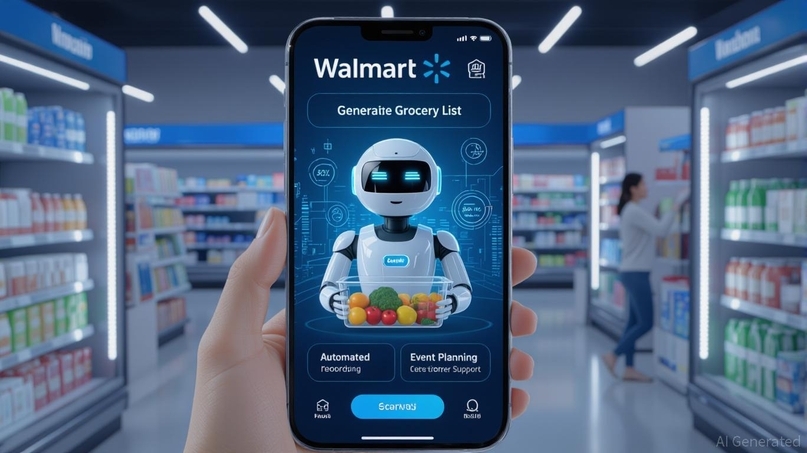
Walmart. As the world's largest retailer by revenue, Walmart has invested heavily in AI to improve supply chain management and store operations. Key AI Applications: Inventory forecasting. Shelf monitoring through computer vision. Supply chain optimization. Automated replenishment systems. Customer service chatbots. Predictive analytics. Walmart uses AI to process enormous amounts of data from thousands of stores worldwide, helping ensure products remain available while minimizing excess inventory. Business Impact: Reduced stock shortages. Lower logistics costs. Improved operational efficiency. Better inventory accuracy.

Target has embraced AI to improve both online and in-store customer experiences. Key AI Applications: Personalized promotions. Customer behavior analytics. Demand forecasting. Supply chain optimization. Digital marketing automation. By analyzing customer purchasing patterns, Target can deliver more relevant product recommendations and targeted marketing campaigns. Business Impact: Increased customer loyalty. Higher marketing effectiveness. Better inventory planning. Improved omnichannel experiences.
Alibaba is often considered one of the most technologically advanced retailers in the world. The company integrates AI throughout its e-commerce ecosystem. Key AI Applications: Intelligent product recommendations. Smart logistics networks. AI-powered customer service. Visual product search. Fraud detection. Livestream commerce optimization. Alibaba's AI-driven recommendation systems help millions of customers discover products tailored to their preferences. Business Impact: Higher sales conversion rates. Improved logistics efficiency. Enhanced customer engagement. Stronger marketplace performance.
JD.com has become a leader in retail automation and AI-powered logistics. Key AI Applications: Automated warehouses. Delivery route optimization. Inventory management. Demand forecasting. Smart fulfillment centers. Autonomous delivery technologies. The company has invested significantly in robotics and AI to improve delivery speed and operational efficiency. Business Impact: Faster deliveries. Lower operational costs. Improved customer satisfaction. Greater supply chain visibility.
Although Costco takes a more conservative technology approach than some competitors, it increasingly uses AI and advanced analytics to support decision-making. Key AI Applications: Inventory optimization. Demand forecasting. Pricing analysis. Supply chain planning. Membership behavior analytics. Costco's focus is on maintaining product availability while preserving its low-cost operating model. Business Impact: Efficient inventory turnover. Reduced waste. Better purchasing decisions. Enhanced member satisfaction.
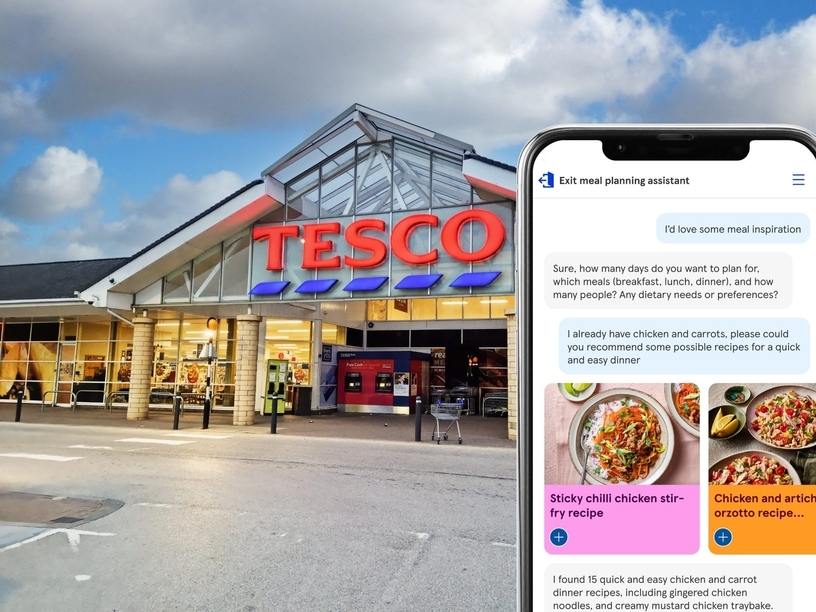
Tesco has emerged as one of Europe's leading adopters of AI in grocery retail. Key AI Applications: Personalized loyalty programs. Customer analytics. Demand forecasting. Food waste reduction. Supply chain optimization. Automated inventory management. Using AI, Tesco can better predict consumer demand and manage perishable inventory more effectively. Business Impact: Reduced food waste. Improved stock availability. More personalized promotions. Higher customer satisfaction.
Several leading companies have incorporated AI into product design and innovation processes:
· Nike uses data analytics and AI-driven insights to support footwear innovation and consumer trend analysis.
· Adidas leverages AI and digital design technologies to accelerate product development.
· IKEA utilizes AI for product visualization, customer insights, and home furnishing innovation.
· L'Oréal applies AI to beauty product development, personalization, and consumer research.
· PepsiCo uses AI-driven consumer data analysis to support new product innovation and flavor development.
AI is transforming product design from a largely intuition-driven process into a data-informed innovation strategy. By generating design concepts, testing product variations, and predicting consumer interest, retailers can develop products more efficiently while reducing risk and improving market fit.
As AI tools become more advanced, retailers will increasingly be able to identify trends earlier, launch products faster, and create offerings that align more closely with consumer preferences. The result is a more agile, innovative, and competitive retail business capable of adapting quickly to changing market demands.
As AI technologies continue to advance, leading retailers are moving beyond automation toward intelligent retail ecosystems that can anticipate customer needs, optimize operations in real time, and deliver highly personalized shopping experiences.
Companies such as Amazon, Walmart, Alibaba, and Tesco are demonstrating that AI is no longer simply a competitive advantage—it is becoming a core capability for success in the global retail industry. Retailers that effectively integrate AI into their operations are likely to achieve stronger customer loyalty, improved profitability, and greater resilience in an increasingly digital marketplace. These companies invest billions annually in AI, automation, data analytics, and digital transformation.

Future Trends in Retail AI
The next five years are expected to bring significant changes to the retail industry as Artificial Intelligence becomes increasingly integrated into every stage of the customer journey and business operation. From autonomous shopping assistants to fully automated supply chains, AI will help retailers become more efficient, personalized, and data-driven than ever before.
AI Shopping Agents That Purchase Products on Behalf of Consumers. One of the most anticipated developments in retail is the emergence of AI shopping agents capable of acting as personal purchasing assistants. The AI can then: Monitor inventory at home. Compare prices across retailers. Evaluate reviews and promotions. Place orders automatically. Schedule deliveries. Potential Benefits: Time savings for consumers. Automated replenishment of everyday items. Smarter purchasing decisions. Increased convenience. Retailers will increasingly optimize their platforms to interact directly with these AI agents rather than solely with human shoppers.
Hyper-Personalized Online Storefronts. Today's retailers already personalize recommendations, but future AI systems will create entirely unique shopping experiences for every customer. Each shopper may see: Different homepages. Personalized product selections. Customized promotions. Individual pricing offers. Tailored content and imagery. AI will continuously learn from: Browsing behavior. Purchase history. Location. Lifestyle preferences. Seasonal buying patterns. Potential Benefits: Higher conversion rates. Improved customer engagement. Increased loyalty. More relevant shopping experiences. Retail websites may eventually function as millions of individual storefronts rather than a single universal website.
Voice Commerce Through AI Assistants. Voice-enabled shopping is expected to become increasingly mainstream as AI assistants become more conversational and intelligent. Consumers may use smart devices to: Search for products. Compare alternatives. Place orders. Track deliveries. Manage subscriptions. The AI assistant could evaluate products and complete the transaction without requiring a screen. Potential Benefits: Faster purchasing processes. Hands-free convenience. Increased accessibility. Enhanced customer engagement. Voice commerce may become particularly important for routine purchases and smart home ecosystems.
Fully Automated Warehouses and Fulfillment Centers. Retail logistics operations are expected to become increasingly automated through AI, robotics, and machine learning technologies. Future fulfillment centers may feature: Autonomous robots. AI-driven inventory systems. Automated picking and packing. Intelligent quality control. Self-optimizing workflows. Potential Benefits: Faster order processing. Reduced labor costs. Improved accuracy. Greater scalability. Retail leaders are already investing heavily in warehouse automation to meet growing e-commerce demand.
Predictive Inventory Systems with Near Real-Time Demand Forecasting. Traditional forecasting relies heavily on historical sales data. Future AI systems will continuously analyze vast amounts of information to predict demand almost instantly. Data sources may include: Weather forecasts. Social media activity. Search trends. Economic indicators. Local events. Consumer sentiment. Potential Benefits: Reduced stockouts. Lower inventory costs. Improved cash flow. More efficient supply chains. Retailers will increasingly move from reactive inventory management to proactive demand prediction.
AI-Generated Marketing Campaigns Tailored to Individual Shoppers. Future AI platforms will generate personalized marketing campaigns at an unprecedented scale. Instead of one campaign targeting thousands of customers, retailers may create unique marketing experiences for each individual. AI can customize: Product recommendations. Email content. Advertisements. Promotional offers. Social media messaging. Landing pages. Potential Benefits: Higher conversion rates. Improved marketing ROI. Stronger customer relationships. Better engagement. Mass marketing may gradually give way to one-to-one marketing powered by AI.
Digital Twins of Stores for Operational Planning and Optimization. A digital twin is a virtual replica of a physical retail environment that continuously receives real-time operational data. Retailers can use digital twins to simulate: Customer traffic patterns. Store layouts. Staffing requirements. Product placements. Inventory flows. Potential Benefits: Better store performance. Improved customer experiences. More efficient operations. Reduced operational risks. Managers will be able to test changes virtually before implementing them in physical stores.
Augmented Reality Shopping Powered by AI. The combination of AI and Augmented Reality (AR) will transform how consumers evaluate products before making purchases. Future shoppers may be able to: Virtually try on clothing. Test cosmetics digitally. Place furniture in their homes. Visualize home renovations. Preview products in real-world environments. AI will enhance AR experiences by understanding customer preferences and recommending products that fit individual needs. Potential Benefits: Increased purchase confidence. Reduced product returns. Improved customer engagement. Better online shopping experiences. As AR technology becomes more accessible, virtual product experiences are expected to become a standard feature of online retail.
The Retail Store
The retail landscape is likely to be defined by highly intelligent, interconnected systems that seamlessly combine physical and digital commerce. AI will move beyond simple automation to become a strategic decision-making partner that helps retailers understand customers, optimize operations, and create personalized experiences at scale.
The retailers that successfully embrace these technologies will be better positioned to improve efficiency, strengthen customer loyalty, and remain competitive in an increasingly digital marketplace. Rather than replacing human creativity and expertise, AI will serve as a powerful tool that enables retailers to operate faster, smarter, and more effectively than ever before.
For retailers, AI is no longer just a technology experiment. It is becoming a core business capability that can: Increase revenue through personalization. Reduce operational costs. Improve inventory efficiency. Enhance customer experiences. Strengthen supply chain resilience. Enable faster business decisions. Whether it is a global retailer, a local store, or an e-commerce startup, AI is increasingly becoming a competitive advantage in the modern retail landscape.