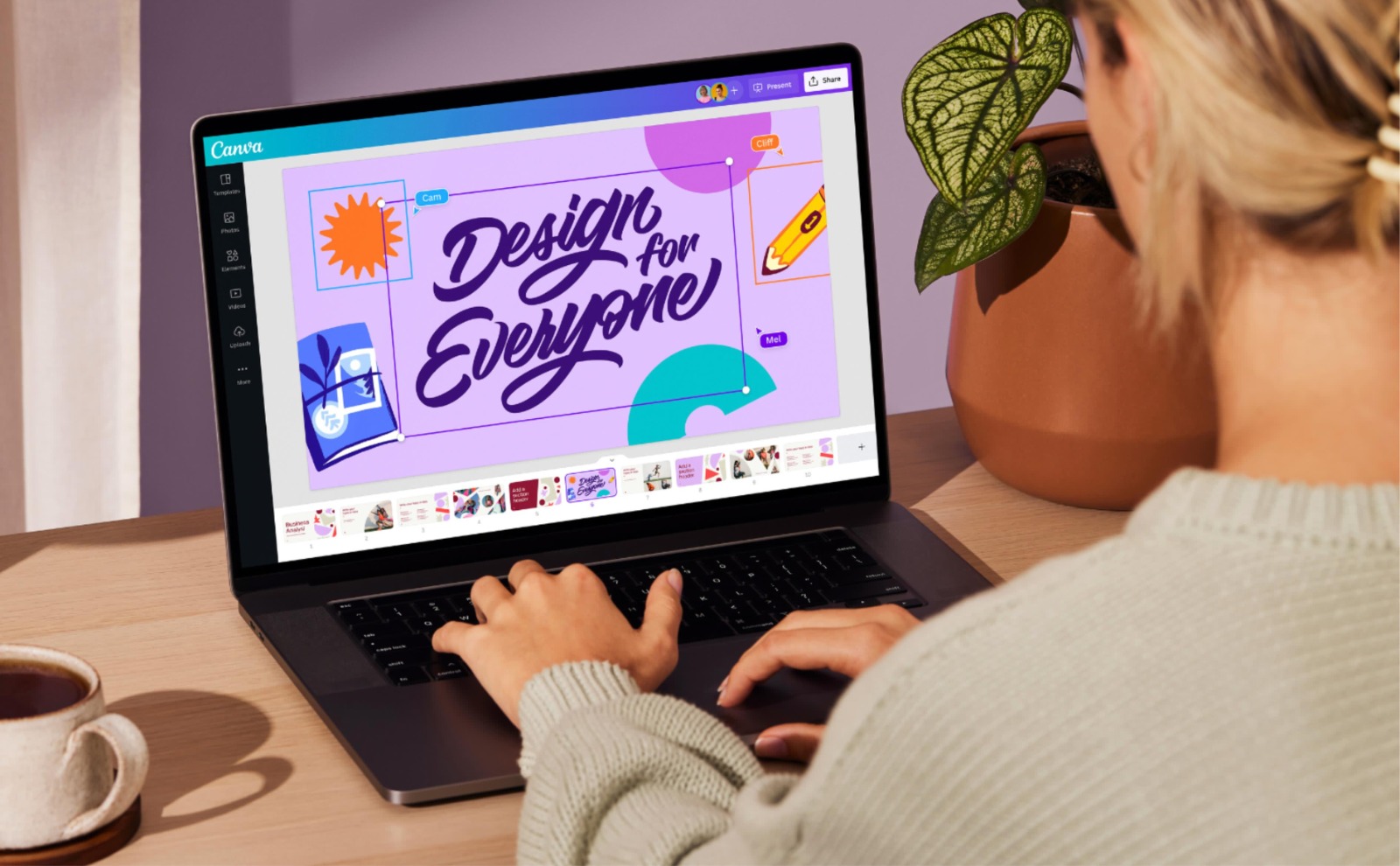
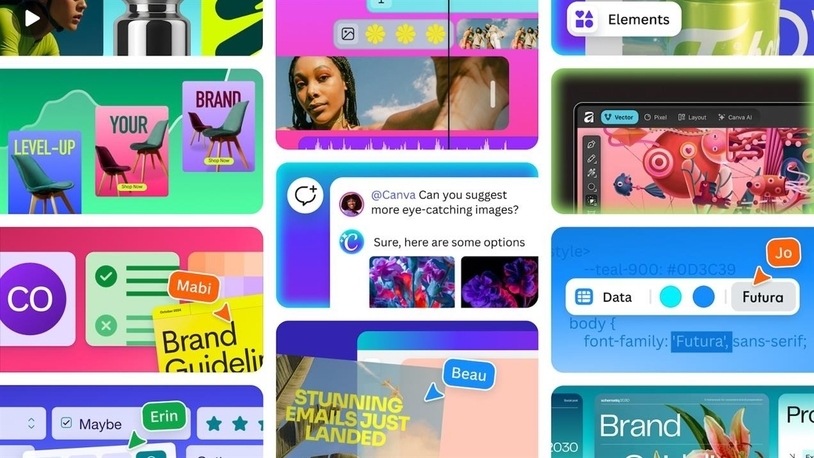
Discover how Canva evolved from a startup into a global content creation and marketing platform used by businesses, creators, and Fortune 500 companies.
Discover how Canva evolved from a startup into a global content creation and marketing platform used by businesses, creators, and Fortune 500 companies.
Image courtesy of Canva
Canva is one of the world's largest visual communication and content creation platforms. Founded in 2012 by Melanie Perkins, it started as a simple graphic design tool and has evolved into a broader marketing, branding, collaboration, and AI-powered content ecosystem.
Melanie Perkins is an Australian technology entrepreneur best known as the co-founder and chief executive officer of Canva. She is one of the world’s youngest self-made billionaires and a leading advocate for accessible, mission-driven technology. Her company’s intuitive design platform has transformed how individuals and businesses create visual content globally.
Born: May 1987, Perth, Western Australia. Nationality: Australian (Malaysian-Filipino heritage). Education: University of Western Australia (dropped out). Founded Canva: 2013 (with Cliff Obrecht & Cameron Adams). Net worth: ≈ US $7.6 billion (2026, Forbes). Philanthropy: 80 % of Canva stake pledged to Canva Foundation
Perkins displayed business instincts early, selling handmade scarves as a teenager. While tutoring design students at university, she noticed how difficult traditional software like Adobe Photoshop was to master. That frustration inspired Fusion Books, an online yearbook-design tool she launched in 2007. The concept became the prototype for Canva’s simplified, drag-and-drop design platform.
After more than 100 investor rejections, Perkins and her co-founders secured funding from Silicon Valley angel investors, including Bill Tai, and launched Canva in 2013. The Sydney-based startup grew rapidly, reaching unicorn status by 2019 and a private valuation above $40 billion by 2025. The platform now serves hundreds of millions of users in 190 countries, enabling real-time collaborative design across devices.
Perkins is recognized for compassionate, clarity-driven leadership that fuses purpose with profit. She champions gender equity—women hold over 40 % of Canva’s leadership roles—and emphasizes “tech for good.” Through the Canva Foundation, she and her husband have committed most of their equity to charitable causes addressing global poverty and climate change.
Named to Forbes’ World’s 100 Most Powerful Women and Self-Made Women lists and inducted into the Global Business Hall of Fame, Perkins exemplifies a new generation of socially conscious founders. Her legacy centers on democratizing design and proving that large-scale tech success can advance both creativity and positive global impact. Today, Canva is used by individuals, small businesses, marketers, creators, educators, and large enterprises worldwide.
Social Media Content. Marketers and content creators use Canva to create: Instagram posts & stories. Facebook ads. TikTok content. LinkedIn graphics. YouTube thumbnails. Pinterest pins
Marketing Materials. Businesses use Canva for: Digital advertisements. Email marketing visuals. Brochures. Flyers. Posters. Business presentations. Product catalogs
Branding. Canva offers Brand Kit tools that help companies maintain consistent: Logos. Fonts. Color palettes. Templates. Brand guidelines. This is especially useful for companies managing multiple marketing campaigns across different platforms.
Video Content. Canva now includes: Video editing. AI video generation. Motion graphics. Animated presentations. Short-form content creation. Many small businesses use Canva instead of more complex software for everyday marketing videos.
Unlike traditional design software such as: Adobe Photoshop. Adobe Illustrator. Figma. Canva focuses on drag-and-drop editing and ready-made templates, making design accessible to non-designers.
Huge Template Library. Canva provides hundreds of thousands of templates covering: Business. Education. Events. Restaurants. Fashion. Beauty. Real estate. E-commerce
Team Collaboration. Teams can: Share designs. Leave comments. Manage brand assets. Work simultaneously on projects. This has helped Canva gain adoption inside major corporations. Canva claims more than 95% of Fortune 500 companies use the platform.
Canva's AI Features. Over the past few years, Canva has invested heavily in AI. Popular AI tools include: Magic Design. Magic Write. Background Remover. AI Image Generator. AI Video Generator. Magic Resize. AI Presentation Builder.
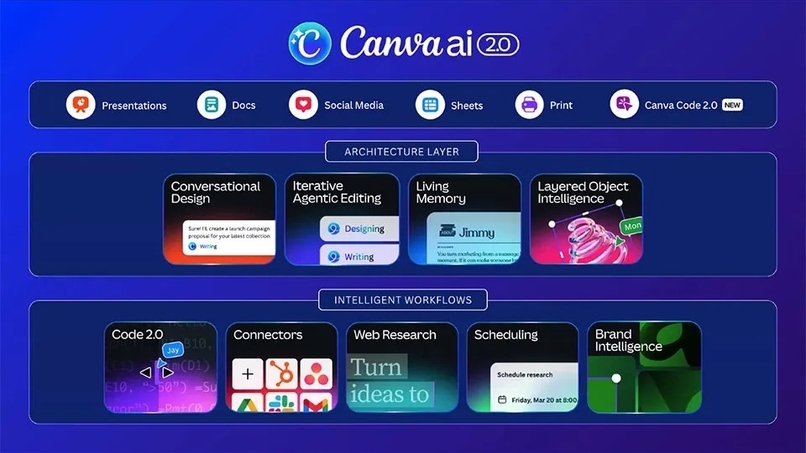
In 2026, Canva introduced Canva AI 2.0, which allows users to create marketing campaigns, presentations, graphics, and branded content through conversational prompts. Canva describes this as a shift from being a design platform with AI features to an AI-powered creative platform.
For marketing departments, Canva has become more than a design tool. Teams use it for: Content calendars. Social media campaigns. Ad creatives. Brand management. Presentation decks. Internal communications. Performance-focused marketing assets. Recent updates also include integrations with tools like: Slack. HubSpot. Gmail. This allows content creation and publishing workflows to happen in one platform.
Who Uses Canva?
Small Businesses: Restaurant owners. Online stores. Local brands. Startups
Content Creators: Influencers. YouTubers. Bloggers. Podcasters
Marketing Agencies: Social media management. Client presentations. Advertising campaigns
Large Enterprises. Companies such as: T-Mobile. Salesforce. Disney. FedEx
Many companies actually use both Adobe and Canva: Canva for fast marketing content and Adobe products for advanced branding, illustration, photography, and production work. Canva has grown into one of the largest creative software companies globally, reporting more than 265 million monthly users and over 31 million paid users. The company is increasingly positioning itself as an all-in-one marketing, branding, AI, and visual communication platform rather than only a graphic design tool.
For businesses, Canva is often viewed as a practical solution for producing high volumes of marketing and social media content quickly while maintaining brand consistency. For creators, it remains one of the easiest entry points into professional-looking design and content production.
The story of Canva is one of the most remarkable startup success stories of the modern technology era. What began as a simple idea to make graphic design easier for students eventually grew into one of the world's largest creative software companies, competing directly with giants like Adobe.
While teaching graphic design software at university in Australia, Melanie Perkins noticed that students struggled to learn complex design programs. Many design tools required months of training just to complete basic projects. Together with Cliff Obrecht, she launched Fusion Books in 2007, an online yearbook design platform for schools. Fusion Books became Australia's largest yearbook publisher and served as the testing ground for what would later become Canva. The founders realized that design software could be simplified and delivered through the browser.
2012: Building the Founding Team
The founders spent years pitching investors. Many rejected the idea because they believed professional design software would always remain complex. A major breakthrough came when former Google designer: Cameron Adams joined as technical co-founder. His experience helped transform the vision into a scalable product. This became the founding trio that would build Canva.
2013: Official Launch
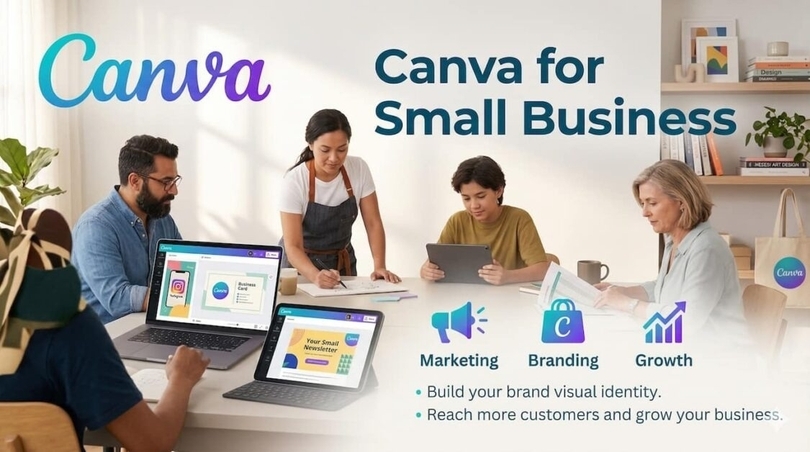
Canva officially launched in 2013. Before launch, the company created significant anticipation through a public waiting list that reportedly exceeded 50,000 users. Early Mission. Their mission was simple: Empower the world to design anything and publish anywhere. Instead of targeting professional designers, Canva targeted: Small businesses. Students. Teachers. Marketers. Content creators. Everyday users. This became one of Canva's most important strategic decisions.
2014: Early User Growth
Only one year after launch: More than 100,000 users joined. Over 2 million designs were created. Canva launched its iPad app. The company discovered something important: People wanted fast content creation rather than professional-level complexity. This insight would shape Canva's future product strategy.
2015: First Major Expansion
2015 became Canva's first major scaling year. Milestones included: Launch of Canva for Work (later renamed Canva Pro). 50 employees ("Canvanauts"). 50 million designs created. $15 million Series A funding. Company valuation reached approximately $165 million. This was when Canva started building subscription revenue rather than relying solely on free users.
2016–2017: Global Expansion
During this period Canva transformed from a startup into a global software company. Major achievements: Expansion into over 100 languages. Android app launch. Animation features. Canva Print services. Achieved profitability in 2017. Profitability was particularly significant because many high-growth technology startups were still losing money at the same stage.
2018: Becoming a Unicorn - was a landmark year.
Canva: Became a unicorn company (valuation above $1 billion). Raised major funding. Reached 1 billion designs created. Made its first acquisition by purchasing Zeetings, strengthening presentation capabilities. This signaled Canva's ambitions beyond simple graphic design.
2019–2020: The Remote Work Boom
The COVID-era digital transformation accelerated Canva's growth dramatically. By 2020: More than 30 million monthly users. Over 3 billion designs created. Valuation increased to $6 billion. As companies shifted online, Canva became essential for: Remote presentations. Social media marketing. Internal communications. Educational materials. Online business branding. Team adoption reportedly quadrupled during this period.
2021: $40 Billion Valuation
2021 became one of Canva's biggest milestones. Achievements included: $40 billion valuation. More than 60 million monthly active users. Presence in 190 countries. Nearing $1 billion annualized revenue. Enterprise adoption across global corporations. Major companies including: Salesforce. PayPal. Marriott International. Zoom began using Canva at enterprise scale.
2022: The Visual Suite Era
2022 marked Canva's transition from a design tool into a broader productivity platform. Key launches: Canva for Teams. Canva Docs. Canva Websites. Canva Whiteboards. First Canva Create event. Acquisition of Flourish (data visualization platform). More than 100 million monthly users. The company introduced the concept of the Visual Suite, allowing users to manage multiple forms of content creation within one ecosystem.
2023: 10-Year Anniversary
At its tenth anniversary, Canva had become the world's most widely used visual communication platform. Key milestones: 135 million monthly users. 15 billion total designs created. More than 200 designs created every second. Over 4,000 employees globally. The company also expanded its social impact initiatives through: Climate commitments. Tree-planting programs. The Canva Foundation. Large-scale philanthropy commitments by its founders.
2024–2026: The AI Transformation
The newest phase of Canva's growth focuses heavily on artificial intelligence. Recent developments include: Magic Design. Magic Write. AI image generation. AI presentation creation. AI video generation. Canva AI 2.0 platform expansion.
CEO Melanie Perkins has described Canva's evolution as moving: from a design platform with AI tools to an AI platform with design tools. Canva now reports that approximately 95% of Fortune 500 companies use the platform in some capacity. Industry estimates place Canva at: 260–300+ million monthly users. 30+ million paid users. Multi-billion-dollar annual revenue scale.
Several factors helped Canva expand worldwide faster than most software companies:
Simplicity First. Unlike traditional creative software, Canva focused on ease of use rather than technical complexity.
Freemium Model. Millions of users could start designing for free before upgrading.
Template Ecosystem. Canva made content creation faster through ready-made templates.
Global Localization. The platform expanded into more than 100 languages.
Mobile-First Accessibility. Canva worked across browsers, tablets, and smartphones.
Enterprise Expansion. The company successfully moved from consumers and creators into large organizations.
AI Integration. Rather than treating AI as a separate tool, Canva embedded it directly into the design workflow.
What started as a school yearbook platform in Australia evolved into a global visual communication ecosystem used by hundreds of millions of people, making Canva one of the most successful software companies ever built outside the United States. Canva's success is not simply about graphic design. The company identified a much larger opportunity: the growing global demand for content creation and visual communication.
Every business, creator, entrepreneur, school, nonprofit, and corporation now needs a constant stream of visual content. Canva positioned itself at the center of that demand by making design accessible to everyone, not just professional designers. Today, Canva is often studied alongside companies such as Adobe, Figma, HubSpot and Notion as an example of how a software company can build a global platform by solving a simple but universal problem.
Canva Solved a Massive Global Pain Point. Before Canva, creating professional marketing materials often required: Graphic design expertise. Expensive software. Specialized training. Multiple software programs. A small business owner who wanted to create: A Facebook advertisement. Restaurant menu. Instagram post. Sales presentation. Product catalog. Canva simplified this process into a drag-and-drop experience. Instead of targeting professional designers, Canva targeted the much larger market of: Small businesses. Entrepreneurs. Sales teams. Teachers. Students. Marketers. Content creators. This dramatically expanded the company's addressable market.
Canva Entered the Market at the Perfect Time. The rise of: Instagram. TikTok. YouTube. LinkedIn. E-commerce. Influencer marketing. Businesses no longer needed a few brochures each year. They suddenly needed: Daily social media posts. Weekly advertisements. Product launches. Video content. Presentations. Email marketing graphics. A restaurant might need dozens of graphics each month. A creator might need hundreds. Canva became the easiest solution for producing content at scale.
Canva Democratized Design. One of Canva's most important achievements was making design available to non-designers. Traditional design software often required: Weeks of training. Knowledge of layers. Advanced typography skills. Technical expertise. Canva focused on: Simplicity. Templates. This allowed a beginner to create a professional-looking design in minutes. The result was a huge expansion of the design market. Instead of serving millions of designers, Canva served hundreds of millions of everyday users.
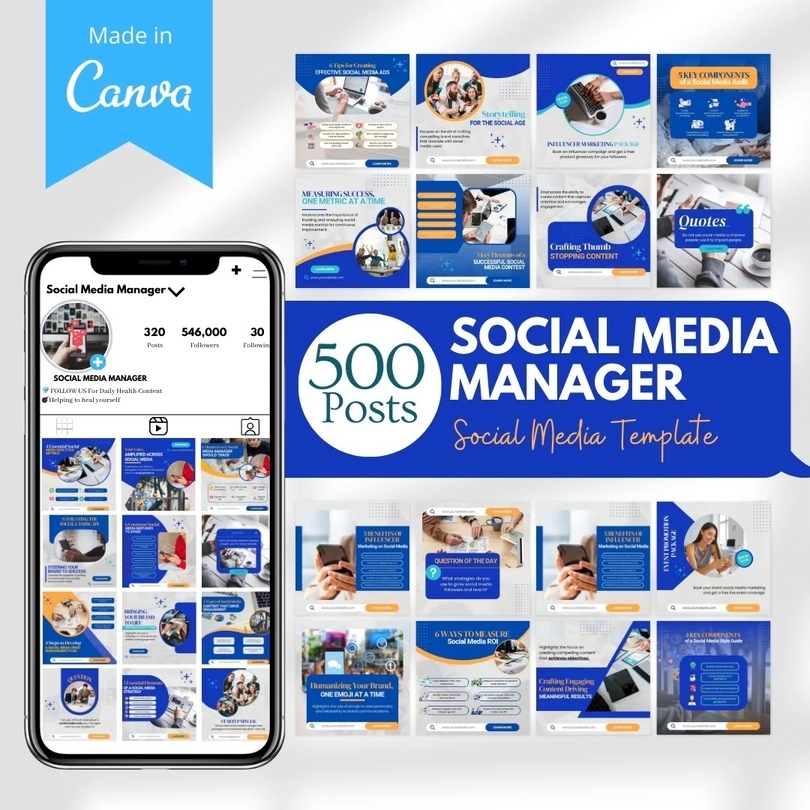
Templates Became Canva's Secret Weapon. Many people assume Canva sells software. In reality, Canva also sells speed. The platform offers templates for: Social media posts. Real estate listings. Restaurant promotions. Fashion campaigns. Presentations. Infographics. Business proposals. Users rarely start with a blank page. Instead, they customize existing templates. This reduces design time from hours to minutes. For marketers, time savings often matter more than advanced design features. Canva Built an Extremely Effective Freemium Model. Canva's business model is one of the strongest examples of freemium software. Millions of people can use Canva without paying. This creates: Brand awareness. User growth. Viral adoption. Businesses eventually upgrade for: Brand kits. Premium templates. Team collaboration. AI tools. Advanced exports. Because users already depend on Canva, conversion to paid plans becomes easier. This creates recurring subscription revenue.
Canva Became a Marketing Platform, Not Just a Design Tool. One of Canva's smartest strategic decisions was expanding beyond design. Today users can create: Presentations. Documents. Videos. Whiteboards. Websites. Social media content. Marketing campaigns. Instead of competing only with Adobe, Canva also competes with: Microsoft PowerPoint. Google Slides. Notion. Miro. The more functions Canva adds, the more valuable the platform becomes.
Canva Understands the Creator Economy. The creator economy has become one of the largest digital industries globally. Creators need: YouTube thumbnails. Instagram posts. Brand kits. Course materials. E-books. Presentations. Sponsorship proposals. Canva effectively became a creator operating system. Many creators run entire businesses using Canva as their primary design platform.
Canva Serves Both Small Businesses and Large Enterprises. Most software companies focus on one market. Canva serves both: Small Businesses - Canva helps entrepreneurs create professional content without hiring designers. Large Enterprises - Major corporations use Canva for: Internal communications. Marketing materials. Sales presentations. Brand consistency. This creates multiple revenue streams and reduces business risk.
AI Accelerated Canva's Growth. Recent AI investments have made Canva even more powerful. Features include: AI copywriting. AI image generation. AI presentations. AI video creation. AI design suggestions. Instead of replacing users, Canva uses AI to help users create content faster. This aligns perfectly with the needs of marketers and creators who must produce large amounts of content.
Canva Built a Global Community. Canva's growth was not driven primarily by traditional advertising. Much of its success came from: Word of mouth. Social sharing. Education programs. Schools and universities. Small business communities. Content creators. Every time someone shares a Canva design, the platform gains visibility. This creates a powerful network effect.
Canva benefits from several characteristics that investors and business leaders admire:
High-Margin Software Business - Once the platform is built, serving additional users costs relatively little.
Subscription Revenue - Monthly and annual subscriptions create predictable cash flow.
Global Scale - A single platform serves users in nearly every country.
Low Customer Acquisition Costs - Many users discover Canva through friends, colleagues, schools, and businesses.
Strong Retention - Businesses often store thousands of designs inside Canva, making switching less attractive.
The most important business lesson from Canva is that the company did not invent graphic design. Instead, Canva identified a complex task that millions of people struggled with and made it dramatically easier. While competitors focused on serving professional designers, Canva focused on everyone else. That decision transformed Canva from a startup founded in Australia into one of the most influential companies in marketing, content creation, branding, and visual communication worldwide.