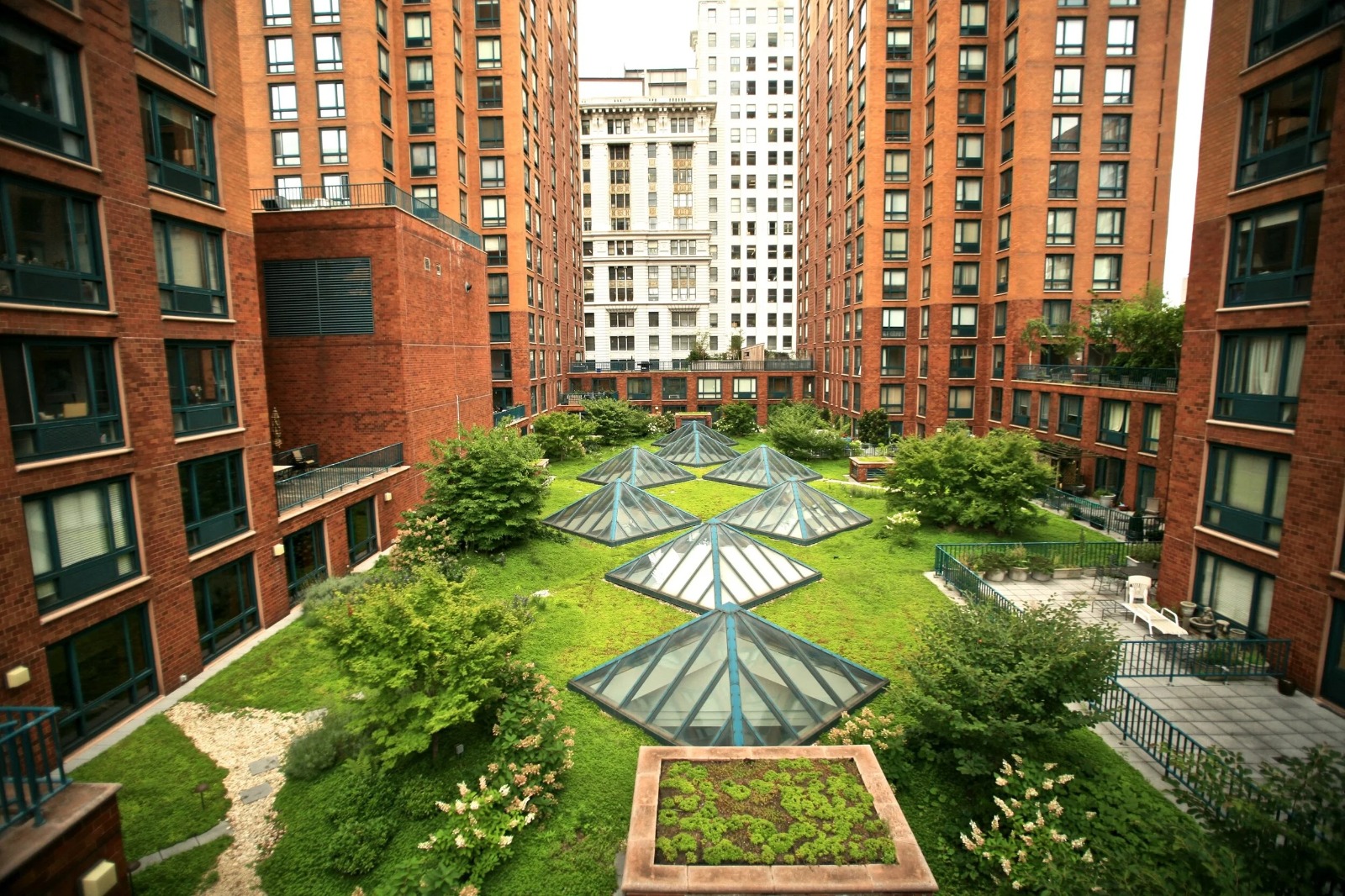
Climate change is reshaping New York City's real estate market, influencing property values, investment strategies, insurance costs, and sustainable development.
Climate change is reshaping New York City's real estate market, influencing property values, investment strategies, insurance costs, and sustainable development.
Image courtesy of Urbanstrong
New York City has long been recognized as one of the world's most valuable real estate markets. From luxury condominiums overlooking Central Park to commercial skyscrapers in Manhattan and growing residential neighborhoods across Brooklyn, Queens, the Bronx, and Staten Island, the city's property market has traditionally been viewed as a stable long-term investment.
Today, however, climate change is becoming one of the most influential factors affecting real estate decisions. Rising sea levels, stronger coastal storms, increased flooding, extreme heat, and evolving environmental regulations are changing how developers, investors, insurers, and homeowners evaluate property value and long-term risk. Rather than slowing the market, these challenges are driving innovation and encouraging a new generation of climate-resilient developments.
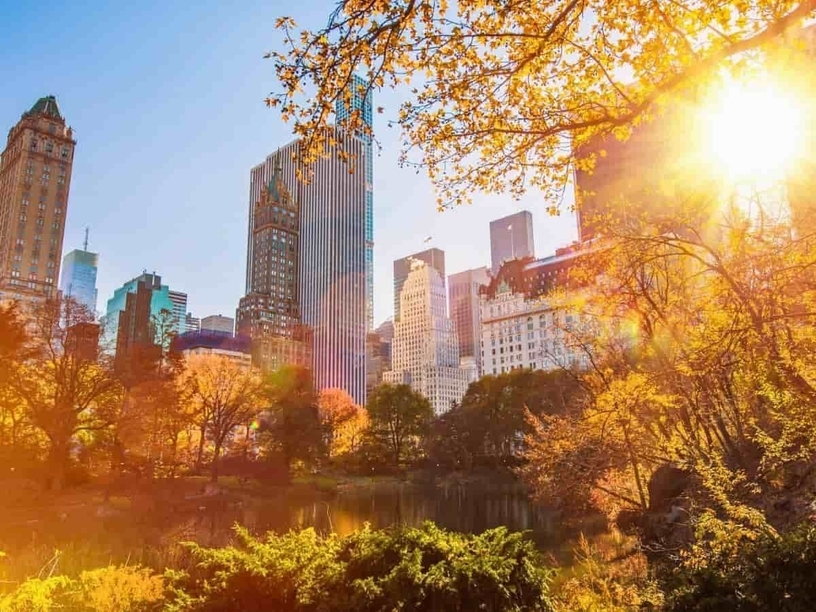
New York City's Growing Climate Challenges
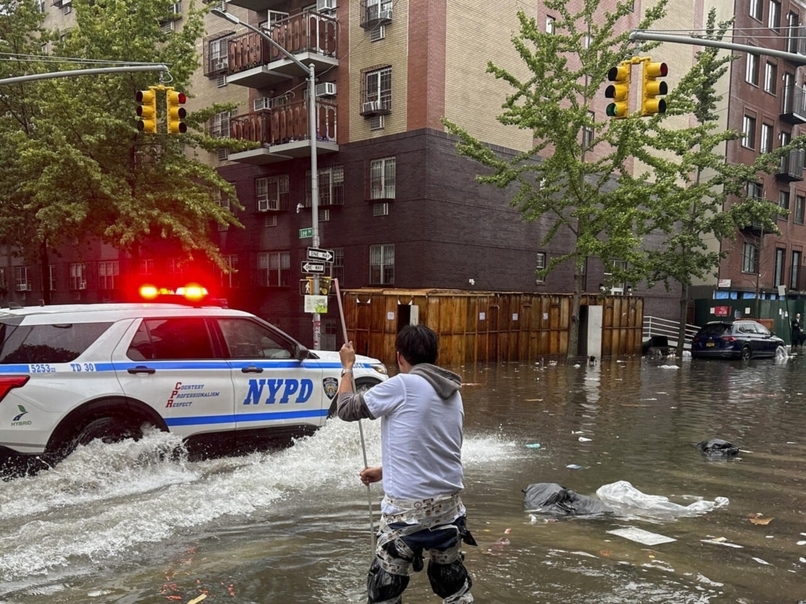
As a coastal metropolis, New York City faces several environmental risks that directly impact real estate. These include: Coastal flooding and storm surges. Sea-level rise. Heavy rainfall and flash floods. Extreme summer temperatures. Aging infrastructure under increased environmental stress
Events such as Hurricane Sandy demonstrated how vulnerable urban properties can be to severe weather. Since then, both public and private sectors have invested heavily in improving resilience through upgraded infrastructure, stricter building standards, and better emergency planning. Climate risk is no longer considered a distant possibility—it has become a key consideration in property ownership and investment.
Climate Risk Is Influencing Property Values
Location has always been one of the most important drivers of real estate value. Today, climate resilience is becoming just as important. Properties located in flood-prone areas may experience: Higher insurance premiums. Increased maintenance costs. More expensive financing requirements. Greater scrutiny from buyers and lenders. Conversely, buildings designed with flood protection, energy efficiency, and resilient infrastructure often attract stronger demand from investors seeking long-term stability. Increasingly, buyers are evaluating not only a property's neighborhood and amenities but also its ability to withstand future environmental challenges.
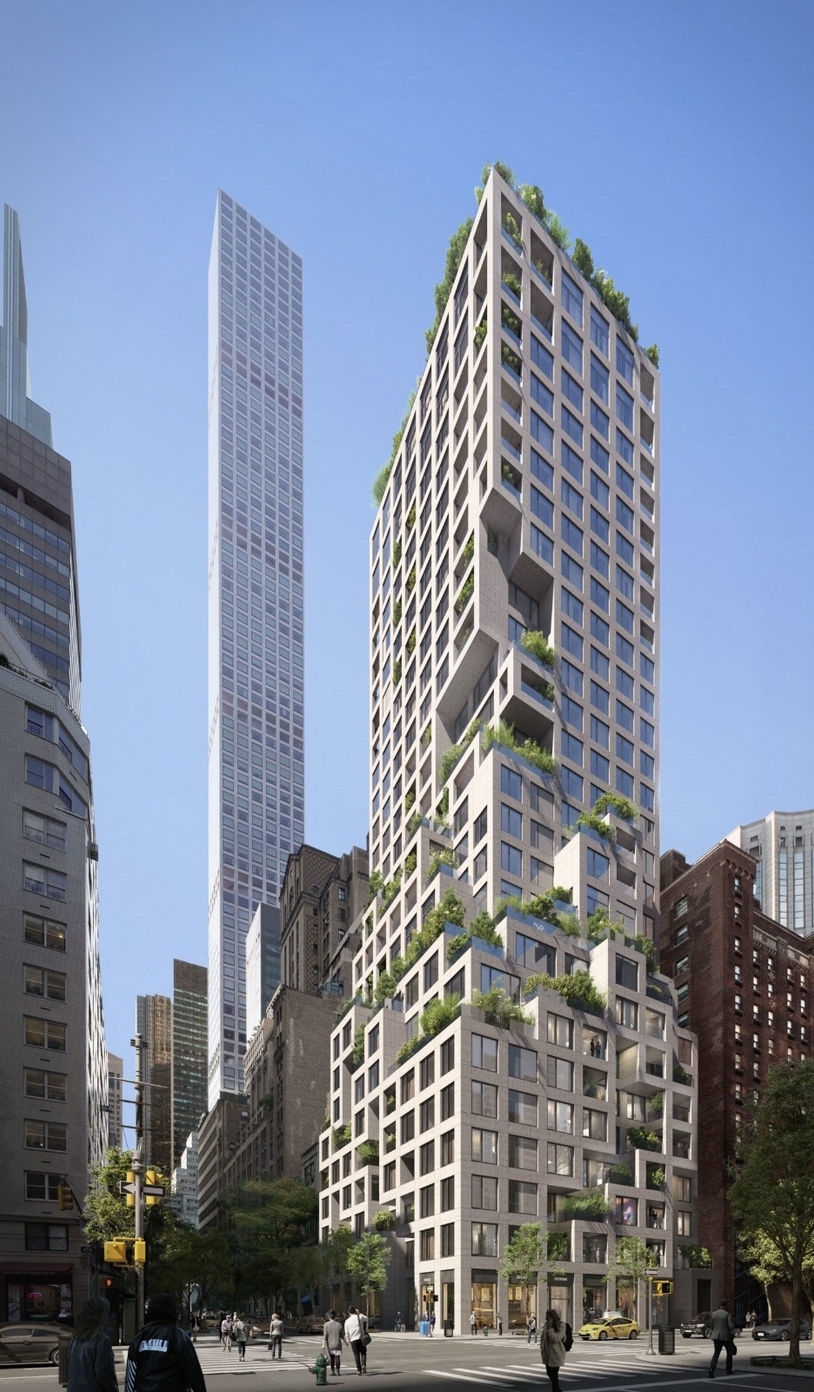
Developers Are Building for Resilience
Climate adaptation has become an essential component of modern real estate development in New York City. Many new residential and commercial projects now incorporate: Elevated building entrances. Flood-resistant construction materials. Advanced drainage systems. Green roofs and rooftop gardens. High-performance insulation. Renewable energy integration. Smart building management systems. These features help reduce operational costs while improving long-term property durability. Developers also recognize that environmentally responsible buildings are increasingly attractive to corporate tenants, institutional investors, and environmentally conscious homeowners.
Insurance Is Becoming a Critical Consideration
Insurance costs have become an increasingly important factor in property ownership. As climate-related events become more frequent, insurers are reassessing risks associated with flood zones and coastal properties. Premiums can vary significantly depending on a building's location, construction quality, and resilience measures. This shift is encouraging developers to exceed minimum building standards, as stronger resilience can help reduce long-term operating expenses and improve investment attractiveness. For buyers, understanding insurance costs is now just as important as evaluating mortgage rates or maintenance fees.
Sustainability Is Driving Investment Decisions
Environmental, Social, and Governance (ESG) principles have become increasingly influential within the global real estate industry. Institutional investors, pension funds, and international investment firms are paying closer attention to: Building energy efficiency. Carbon emissions. Environmental certifications. Climate adaptation planning. Long-term operational sustainability. Properties that meet higher sustainability standards often benefit from stronger investor confidence and greater market competitiveness. As capital increasingly flows toward sustainable assets, environmentally resilient buildings are becoming an attractive investment class.
Government Policies Are Accelerating Change
New York City has introduced ambitious environmental initiatives aimed at reducing carbon emissions and improving building performance. Owners of large commercial and residential buildings are increasingly expected to improve energy efficiency through upgrades such as: Efficient heating and cooling systems. Modern insulation. Energy-efficient lighting. Building automation technologies. While these improvements require investment, they also reduce operating expenses and enhance long-term property value. Government incentives and financing programs continue to encourage property owners to modernize older buildings.
Technology Is Transforming Climate-Ready Real Estate
Technology is playing an increasingly important role in helping buildings adapt to climate risks. Modern property management systems can monitor: Energy consumption. Water usage. Indoor air quality. Equipment performance. Weather-related risks. Artificial intelligence and predictive analytics are also helping building operators anticipate maintenance needs before costly failures occur. These smart technologies improve operational efficiency while enhancing occupant comfort and reducing environmental impact.
Opportunities for Investors
Although climate change introduces new risks, it also creates opportunities. Growing demand for resilient infrastructure is supporting sectors such as: Sustainable residential developments. Green office buildings. Energy-efficient renovations. Climate-resilient affordable housing. Smart building technologies. Urban infrastructure modernization. Investors who prioritize long-term resilience may benefit from stronger asset performance as climate considerations become increasingly integrated into market valuations.
For long-term real estate investment, New York City remains one of the world's most liquid and transparent property markets. While prices are among the highest globally, several neighborhoods continue to offer attractive opportunities due to ongoing development, infrastructure investment, and population growth.
Top Areas in New York City for Real Estate Investment:
Long Island City - Best for: Residential rentals and appreciation. Long Island City has transformed from an industrial district into one of NYC's fastest-growing residential neighborhoods. It offers: Strong rental demand from young professionals. Excellent subway access to Midtown Manhattan. Numerous luxury apartment developments. Growing office and retail sectors. Ideal for investors seeking steady rental income and long-term appreciation.
Downtown Brooklyn - Best for: Mixed-use and condominium investment. Downtown Brooklyn continues to expand with: Modern residential towers. Office developments. Universities nearby. Shopping and entertainment. Demand remains strong because of its proximity to Manhattan at comparatively lower prices.
Hudson Yards - Best for: Luxury investment. Hudson Yards represents one of the largest private real estate developments in U.S. history. Advantages include: Premium office space. Luxury condominiums. High-end retail. International appeal. Entry prices are high, but the area attracts affluent buyers and global investors.
Astoria - Best for: Rental properties. Astoria offers: Strong neighborhood character. Lower purchase prices than Manhattan. Stable rental demand. Growing popularity among professionals. Many investors view Astoria as one of Queens' most balanced markets.
Mott Haven - Best for: Long-term growth. Mott Haven has attracted increasing investment due to: Waterfront redevelopment. New apartment construction. Infrastructure improvements. Relatively affordable pricing. While still an emerging market, it offers higher growth potential than more established neighborhoods.
Can Foreigners Buy Real Estate in New York?
Yes. The United States generally does not prohibit foreign individuals from purchasing residential or commercial real estate. Foreign buyers can own property in their own name or through a legal entity such as an LLC. Foreign investors may typically buy: Condominiums. Single-family homes. Multi-family properties. Commercial buildings. Vacant land. Ownership rights are generally similar to those of U.S. citizens, though financing and tax rules may differ.
Key Regulations and Considerations for Foreign Investors
No U.S. Citizenship or Green Card Required. You do not need to be: A U.S. citizen, A permanent resident (Green Card holder) nor A U.S. resident. Foreign nationals from Indonesia, Singapore, Japan, Europe, and many other countries can legally purchase property.
Financing May Be More Limited. Foreign buyers often face: Larger down payment requirements (commonly 30–40%, depending on the lender). More documentation. Fewer mortgage options. Many international investors choose to purchase with cash to simplify the process.
Taxes. Foreign owners should be aware of: Annual property taxes. Income tax on rental income. Capital gains tax when selling. Potential withholding under the Foreign Investment in Real Property Tax Act (FIRPTA) on certain sales, subject to applicable rules and treaty considerations. Professional tax advice is strongly recommended before investing.
LLC Ownership. Many international investors purchase through a U.S. Limited Liability Company (LLC) because it may: Separate personal and business liabilities. Simplify ownership where there are multiple investors. Offer operational flexibility. The suitability of an LLC depends on your tax, legal, and investment objectives, so legal and tax advice is important.
Property Management. If you live outside the U.S., hiring a professional property management company can help with: Tenant screening. Rent collection. Maintenance. Compliance with local housing rules.
New York City remains attractive because of: One of the world's largest and most diverse economies. Strong demand for rental housing. International investor interest. High market liquidity. Long-term appreciation potential in many neighborhoods. However, investors should also consider: High acquisition costs. Property taxes and operating expenses. Insurance costs, especially in some coastal or flood-prone areas. Local landlord-tenant regulations, which can affect rental operations.
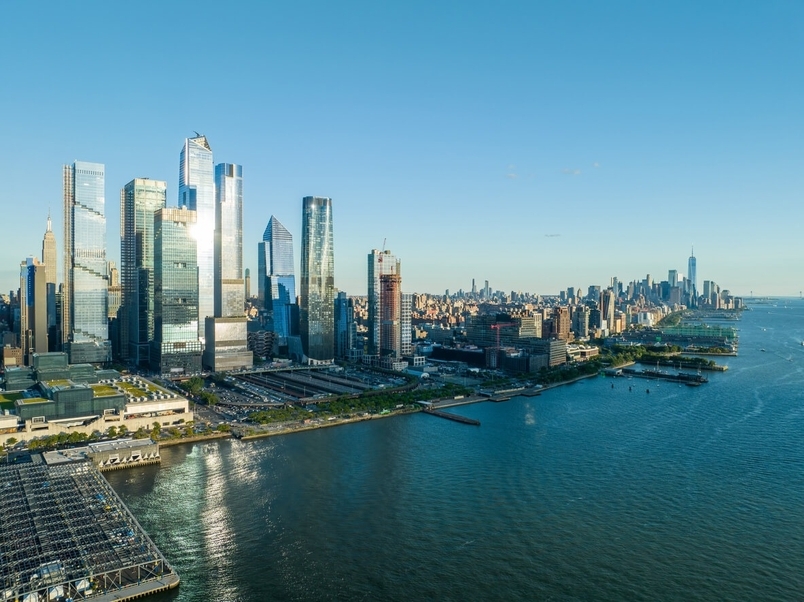
The Future of New York Real Estate
Climate change is transforming—not replacing—the fundamentals of New York City's real estate market. Future success will depend on balancing economic growth with environmental resilience. Developers, investors, policymakers, and homeowners are increasingly recognizing that sustainability is not simply an environmental objective but a core business strategy. Buildings designed to withstand future climate challenges are likely to remain competitive, attract higher-quality tenants, and retain stronger long-term value.
As one of the world's leading financial and real estate hubs, New York City is positioned to become a global model for climate-resilient urban development. The evolution of its property market demonstrates how innovation, sustainable design, and forward-looking investment strategies can help cities adapt to a changing climate while continuing to grow.