Climate change is reshaping New York City's real estate market, influencing property values, investment strategies, insurance costs, and sustainable development.
Explore how New York's creator economy is reshaping digital media, influencer marketing, podcasting, advertising, and business opportunities for entrepreneurs.
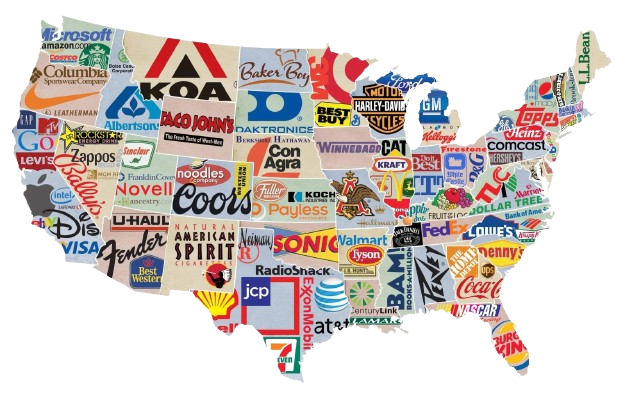
Explore the major U.S. business cities shaping finance, technology, logistics, and energy, and understand how regional strengths drive America's economic growth.
Buying or franchising a business in the U.S. offers faster entry than startups. Learn key differences in cost, control, financing, risk, and exit strategy to decide which path suits domestic and foreign investors. Across industries nationwide. Today. Now!
From humble kitchen beginnings to a $45B global powerhouse, Mars Incorporated has built an empire spanning M&M’s, Snickers, petcare, and more. Discover the Mars family’s secretive rise, strategic expansions, and how their brands became worldwide icons.
Nike’s global marketing blends powerful storytelling, digital innovation, and cultural relevance—reaching diverse audiences through sport, fashion, and values-driven campaigns across more than 190 countries worldwide.
Starbucks' diverse and adaptive distribution strategy has cemented its position as a leader in the global coffee market. By leveraging company-owned stores, licensing, retail partnerships, e-commerce, and delivery services.
KFC’s success lies in its ability to blend tradition with innovation. By maintaining a strong brand identity, embracing digital trends, localizing its offerings, optimizing worldwide distribution, and executing clever marketing campaigns.
Amazon’s journey from an online bookstore to a tech and retail powerhouse showcases its ability to adapt and innovate. While it faces challenges, its relentless pursuit of growth ensures that Amazon will remain a dominant force in global commerce.
Coca-Cola’s journey from a local soda company to a global brand is a testament to strategic business planning, strong branding, and effective market adaptation. By maintaining a balance between global standardization and local customization.