Explore cannabis industry growth, medical benefits, health risks, regulations, and top investment opportunities in global cannabis stocks.
Explore cannabis industry growth, medical benefits, health risks, regulations, and top investment opportunities in global cannabis stocks.
“Some products mentioned may have potential health risks depending on usage and individual conditions. Readers are advised to use responsibly, follow local regulations, and consult a healthcare professional if needed.”
Cannabis Dispensaries - Driving Retail Growth and New Business Opportunities
The cannabis industry has rapidly transformed from an underground market into one of the most dynamic regulated retail sectors in the United States. Over the past few years, legalization across multiple states has created a new commercial landscape filled with investment potential, job creation, and strong consumer demand. Among the most visible parts of this transformation are cannabis dispensaries, which have become a fast-growing retail segment in major cities such as New York, Los Angeles, and Chicago.
In New York alone, the number of legal cannabis dispensaries has more than doubled recently, while total market sales have surpassed $2.5 billion, signaling strong momentum in the industry. As governments continue issuing new licenses and consumers increasingly shift toward regulated products, cannabis retail and its supporting services are emerging as one of the most promising business ecosystems in modern urban economies.
A cannabis dispensary is a licensed retail store that sells cannabis products legally for medical or recreational use. These stores operate under strict regulatory frameworks that govern everything from product sourcing to packaging and security. Unlike traditional retail businesses, dispensaries must comply with detailed rules related to inventory tracking, age verification, and taxation.
Common products sold in dispensaries include: Cannabis flower. Pre-rolled joints. Edible products such as gummies and chocolates. Vape cartridges and oils. CBD wellness products. Topical creams and therapeutic items.
Modern dispensaries are increasingly designed to resemble premium retail environments, offering curated product displays, digital ordering systems, and customer education services. In many cities, cannabis stores are evolving into branded lifestyle destinations rather than simple retail outlets.
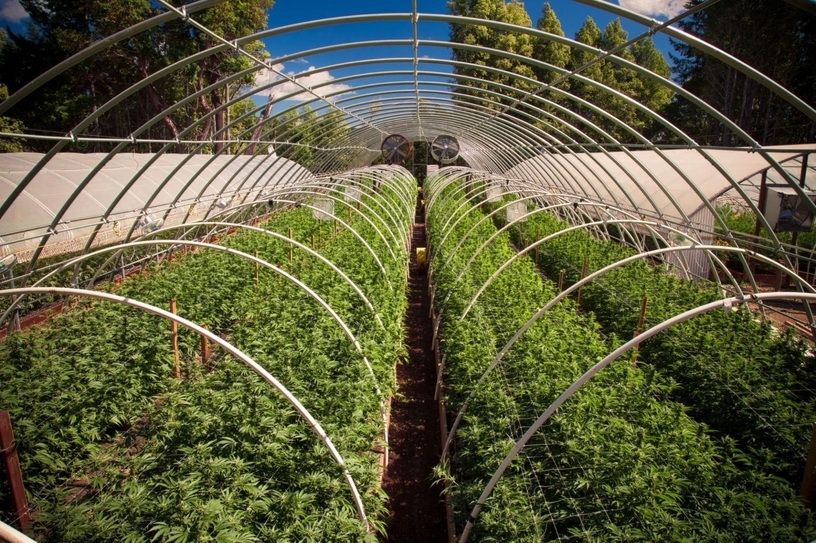
The rapid expansion of cannabis dispensaries is closely tied to legalization policies implemented across the United States. As more states approve recreational cannabis use, new regulated markets are created almost instantly. This shift replaces unregulated sales with licensed businesses that generate tax revenue and support economic development.
Legalization Expanding Market Access. Legalization is the single most important catalyst behind industry growth. When cannabis becomes legal in a state, businesses can operate openly, attract investors, and scale operations. Governments benefit from tax income, while consumers gain access to regulated products with quality controls.
Strong and Consistent Consumer Demand. Consumer demand for cannabis products remains strong across multiple demographics. Customers include recreational users, medical patients, wellness-focused consumers, and tourists visiting major cities. This broad customer base creates stable demand and repeat purchases, which are essential for retail sustainability.
Increased Licensing and Market Participation. Government agencies regulate the number of cannabis businesses through licensing programs. As more licenses are issued, new entrepreneurs enter the market, expanding retail availability and supporting industries. This structured growth model ensures compliance while allowing the industry to scale steadily.
The Expanding Cannabis Business Ecosystem. While dispensaries are the most visible part of the cannabis industry, they represent only one segment of a larger supply chain. The full ecosystem includes cultivation, manufacturing, distribution, packaging, retail, and delivery services. Each stage offers distinct business opportunities for entrepreneurs and investors.
Dispensary Retail Operations. Opening a cannabis dispensary is one of the most direct ways to enter the industry. Retail stores generate revenue through product sales, customer loyalty programs, and delivery services. Many dispensaries also build strong brand identities to differentiate themselves in competitive markets.
Startup costs for dispensaries vary widely depending on location and licensing requirements, but they typically range between: $250,000 and $1.5 million. Major cost components include: Business licensing and permits. Retail property lease. Security and surveillance systems. Inventory procurement. Compliance and legal services. Despite high startup costs, dispensaries can achieve attractive profit margins due to consistent demand and limited competition in regulated markets.
Cannabis Distribution Services. Distribution businesses handle the transportation and storage of cannabis products between manufacturers and retail stores. This segment is essential for maintaining supply chain efficiency and regulatory compliance. Distribution companies typically provide: Logistics and transportation. Inventory management. Regulatory documentation. Warehouse storage. Because distribution focuses on business-to-business operations rather than direct consumer sales, it can offer scalable growth opportunities with predictable revenue streams.
Cannabis Packaging and Labeling. Packaging has become one of the fastest-growing support sectors within the cannabis industry. Regulations require products to be sealed in child-resistant containers and labeled with detailed product information, including dosage and safety warnings. This creates demand for specialized services such as: Packaging manufacturing. Label printing. Compliance consulting. Branding and product design. For businesses experienced in regulated product packaging—such as food, beverages, or export goods—this segment presents a natural expansion opportunity.
Cannabis Delivery and E-Commerce. Delivery services are gaining popularity as consumers seek convenience and privacy. Many dispensaries now offer online ordering platforms that allow customers to purchase products and receive same-day delivery. The delivery model typically requires: Licensed drivers. Secure transportation systems. Order management software. Customer verification procedures. Compared with opening a physical retail store, delivery services often require lower startup investment while still benefiting from strong market demand.
The cannabis sector has attracted significant investment due to its combination of high demand, limited licenses, and expanding legalization. In many regions, the industry operates similarly to alcohol or pharmaceutical retail but with faster growth potential. Key reasons investors are entering the market include: Rapid industry expansion. Recurring customer purchases. High retail margins. Government-supported legalization. Opportunities across multiple business segments. As the market matures, larger companies are expected to enter the sector, leading to consolidation and stronger brand competition.

Challenges and Risks in the Cannabis Business
Despite its growth potential, the cannabis industry presents several challenges that entrepreneurs must carefully evaluate before entering the market.
Regulatory Complexity. Cannabis businesses operate under strict regulations that vary by state and city. Compliance requirements can change frequently, requiring ongoing monitoring and legal support.
Banking and Financial Restrictions. Some financial institutions remain cautious about working with cannabis businesses due to federal regulations. As a result, many operators face limited access to traditional banking services.
High Taxation. Cannabis products are often subject to higher taxes than conventional retail goods. These taxes can affect profitability and pricing strategies.
Increasing Competition. As more businesses receive licenses, competition within the market intensifies. Successful companies must differentiate themselves through branding, customer experience, and operational efficiency.
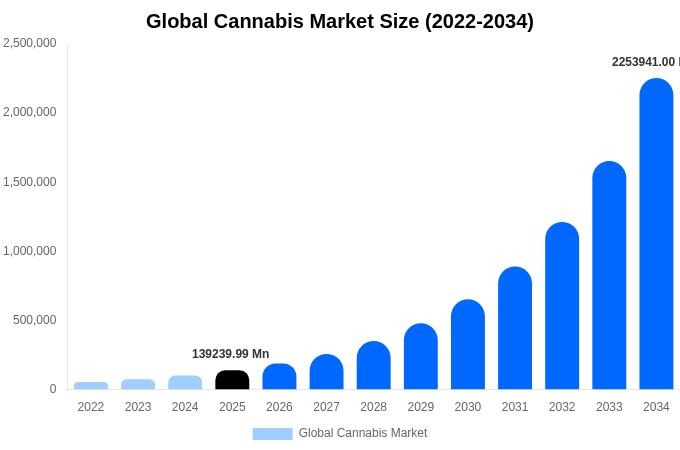
Industry analysts expect the cannabis market to continue expanding over the next decade as additional states legalize recreational use and consumers shift toward regulated products. Urban centers with large populations and tourism activity are likely to remain key growth areas.
Emerging trends include: Expansion of cannabis delivery services. Development of premium product brands. Growth in cannabis tourism. Increased investment in technology and logistics. Rising demand for compliant packaging solutions. These trends suggest that cannabis will remain one of the most dynamic retail industries in the United States.
Cannabis dispensaries have quickly become a significant part of the modern retail landscape, driven by legalization, consumer demand, and structured regulation. While retail stores remain the most visible segment, the broader industry includes numerous supporting businesses ranging from distribution and logistics to packaging and delivery services.
For entrepreneurs and investors, the cannabis sector represents a rapidly evolving market with multiple entry points and long-term growth potential. As regulations stabilize and consumer acceptance continues to rise, cannabis-related businesses are positioned to play an increasingly important role in the global retail economy.

Top cannabis companies in New York, focusing on licensed dispensaries and influential brands that are widely recognized in the market. New York’s cannabis industry is expanding rapidly, with more than 550 licensed dispensaries statewide and sales exceeding $2.5 billion, reflecting strong demand and ongoing legalization-driven growth.
Top Cannabis Dispensary Companies in New York
The Travel Agency - Retail Dispensary. Location: Union Square, Manhattan. Positioning: Premium retail cannabis brand. One of the most recognizable legal dispensaries in NYC. Strong branding and retail experience. Located in a high-traffic commercial district. This company represents the retail flagship model—similar to Apple Store–style positioning in cannabis retail.
FlynnStoned Cannabis Company Chelsea - NYS Licensed Cannabis Dispensary - Licensed Dispensary
Positioning: High-traffic neighborhood retail. Strong customer base in Manhattan. Rapid growth after legalization. Example of scalable urban retail operations.This is a typical fast-growing local operator, which is the backbone of the industry.
New York Cannabis Dispensary | NY Cannabis co | State legal recreational Cannabis Dispensary - Multi-location dispensary. Positioning: Mainstream urban cannabis retailer. Established brand presence in Manhattan. Expanding retail footprint. Serves both residents and tourists. Companies like this are moving toward chain-store models, similar to pharmacies or convenience stores.
Gotham - Boutique cannabis retailer. Positioning: Lifestyle and premium brand. Focus on curated products. Strong branding and customer experience. Growing presence in urban retail districts. This represents the boutique luxury segment of cannabis retail.
RISE Dispensary – Manhattan - Multi-state operator (MSO). Positioning: Corporate-scale cannabis retailer. Operates in multiple U.S. states. Strong supply chain and brand portfolio. Institutional-level investment backing. This type of company represents the corporate consolidation trend in the cannabis industry.
Top Cannabis Brands Operating in New York (Manufacturers / Producers)
These are not stores but product companies, similar to beverage or tobacco brands. Major examples: Ayrloom — leading brand with wide retail coverage. Hudson Cannabis — vertically integrated farm and producer. MFNY (Made For New York) — premium craft cannabis. Florist Farms — sustainable cannabis producer. Jaunty — popular vape and edibles brand. These brands dominate shelf space across dispensaries and are widely distributed across the state.
Business Structure of Top Cannabis Companies in New York. Typical model: Cultivation → Manufacturing → Distribution → Retail Dispensary → Delivery
Supporting industries: Packaging. Logistics. Security. Software. Real estate.
Top Medical Cannabis Companies Globally
Tier 1 Global Leaders (Largest Market Influence). These companies dominate the global market through scale, international expansion, and medical-grade production.
Canopy Growth Corporation – Canada. Global medical platform + strong R&D. One of the largest cannabis companies globally. Strong presence in Canada, Germany, Australia. Focus on medical cannabis brands like Spectrum Therapeutics. Canopy is shifting toward pharmaceutical-grade cannabis and international markets, not just recreational sales.
Tilray Brands - USA / Canada. Global distribution + EU medical dominance. One of the largest global cannabis companies after merging with Aphria. Strong footprint in Europe (Germany, Italy, Luxembourg). Produces EU-GMP certified medical cannabis products. Tilray is positioning itself as a global medical cannabis brand similar to pharmaceutical distribution companies.
Aurora Cannabis – Canada. Medical cannabis specialization. Strong focus on high-margin medical cannabis markets. EU-GMP certified production facilities. Major presence in Germany and Europe. Aurora is considered a pure-play medical cannabis company, focusing less on recreational markets.
Curaleaf Holdings - United States. Largest cannabis retail + international expansion. One of the largest cannabis operators in the U.S. Expanding into Europe and Australia. Vertically integrated: cultivation → distribution → retail. Curaleaf is building a global medical cannabis network, combining retail and pharmaceutical distribution.
Cronos Group – Canada. R&D + biotech focus. Backed by major investor Altria (tobacco giant). Strong emphasis on cannabinoid research and innovation. Expanding globally through branded products. Cronos is closer to a biotech cannabis company, not just a cultivator.

Pharmaceutical and Medical-Focused Leaders
These companies focus more on clinical research, drug development, and FDA-approved products.
GW Pharmaceuticals (now part of Jazz Pharmaceuticals) - United Kingdom. FDA-approved cannabis medicine. Developed Epidiolex. One of the first companies to turn cannabis into a regulated pharmaceutical drug. Products approved in multiple countries. This is the closest model to traditional pharmaceutical companies in cannabis. Jazz Pharmaceuticals - Ireland / USA. Cannabis-based drug commercialization. Acquired GW Pharmaceuticals. Focus on neurology and cannabinoid-based therapies.
MediPharm Labs – Canada. Pharmaceutical-grade extraction. Specializes in purified cannabis extracts and oils. Supplies medical markets globally.
Cara Therapeutics - United States. Cannabinoid-based drug development. Focuses on pain and neurological treatments. Clinical-stage biotech company.
Medical Marijuana Inc - United States. Early pioneer in cannabis commercialization. One of the first publicly traded cannabis companies. Strong presence in CBD and wellness products
The global medical cannabis industry is dominated by: Large cannabis corporations (Canopy, Tilray, Aurora). Retail + vertical integration players (Curaleaf). Biotech/pharma companies (GW Pharma, Jazz, Cara). North America alone accounts for nearly 50% of global market share, with Europe rapidly growing due to medical legalization.
The industry is shifting from agriculture → pharmaceutical-grade healthcare. Companies with EU-GMP certification and clinical research dominate long-term. The biggest opportunity lies in: Medical formulations. International distribution. Regulatory-compliant production.
Best Investment Opportunities in Cannabis Stocks
Cannabis stocks are considered high-growth but high-risk assets. Their performance depends heavily on: Legalization progress (especially U.S. federal policy). Profitability and cash flow. International expansion. Medical cannabis demand. Recent analysis shows the most actively traded and watched cannabis stocks include: Tilray. Canopy Growth. Aurora Cannabis. Cronos Group. WM Technology. SNDL.
Tier 1 Best Cannabis Stocks (Core Portfolio Picks)
These are the most recognized and widely traded cannabis stocks globally.
Tilray Brands (NASDAQ: TLRY). Global operations across Europe, Canada, and emerging markets. Diversified revenue (cannabis + beverages + wellness). Strong trading volume and investor interest. Investment angle. Best for long-term global growth exposure. Risk: Still not consistently profitable and highly volatile. Stock remains far below previous highs
Canopy Growth (NASDAQ: CGC). One of the earliest and largest cannabis companies. Strong brand portfolio. Backed historically by major corporate investors. Investment angle. Best for brand-driven recovery play. Risk: Heavy losses in recent years. Needs restructuring to improve profitability.
Aurora Cannabis (NASDAQ: ACB). Strong medical cannabis focus globally. Growing revenues driven by medical segment. Best for medical cannabis growth exposure. Risk: Stock still ~50% below its 52-week high. Highly volatile. Tier 2 Strong Growth and U.S. Market Leaders. These companies benefit from U.S. demand, which is the largest cannabis market globally.
Curaleaf Holdings (OTC: CURLF). One of the largest cannabis operators in the U.S. Strong revenue (~$300M+ quarterly range) and improving margins. Best for U.S. market dominance + retail scale. Vertically integrated (grow → distribute → sell)
Green Thumb Industries (OTC: GTBIF). Strong profitability compared to peers. Focus on premium retail and branded products. Best for profitability-focused investors.
Trulieve Cannabis (OTC: TCNNF). Dominates markets like Florida. Strong retail footprint. Best for state-level dominance strategy. Tier 3 Diversified and Alternative Cannabis Plays. These offer exposure beyond pure cultivation.
Cronos Group (NASDAQ: CRON). Backed by tobacco giant Altria. Focus on cannabinoid R&D. Best for biotech-style cannabis innovation.
WM Technology (NASDAQ: MAPS). Owns Weedmaps, a cannabis marketplace platform. Asset-light business model. Best for tech + cannabis hybrid exposure.
SNDL Inc. (NASDAQ: SNDL). Diversified into retail, investments, and alcohol. Aggressive expansion strategy. Best for turnaround/speculative play
Portfolio Strategy Example (Simple)
If you were building a balanced cannabis portfolio, it could look like:
Cannabis Stocks Are Highly Volatile. Prices swing significantly due to regulation changes. Many stocks still trade below past highs.
Profitability Is Still a Challenge. Many companies are not consistently profitable. Debt and cash flow remain concerns.
Biggest Catalyst Ahead. The most important future driver: U.S. federal legalization or banking reform. Unlock institutional investment. Improve profitability. Re-rate stock valuations. The best cannabis investment opportunities today fall into three categories:
The industry offers massive upside potential, but it remains: High risk, policy-driven, and still maturing. Health Benefits of Medical Cannabis and Regulation and Safety Standards in the Cannabis Industry
Medical cannabis has become an important part of modern healthcare in many countries, especially in the United States, Canada, Germany, Australia, and parts of Asia. As legalization expands, governments have introduced strict regulations to ensure product safety, quality control, and responsible distribution.
While cannabis carries health risks, controlled medical use has demonstrated therapeutic benefits for specific conditions when prescribed and monitored by healthcare professionals.

Health Benefits of Medical Cannabis
Medical cannabis is primarily used to manage symptoms rather than cure diseases. Its benefits come from compounds called cannabinoids, particularly: THC (tetrahydrocannabinol) — reduces pain, nausea, and muscle spasms. CBD (cannabidiol) — reduces inflammation, anxiety, and seizures.
Chronic Pain Management. One of the most common medical uses of cannabis is pain relief. Medical cannabis may help reduce: Nerve pain (neuropathic pain). Arthritis pain. Back pain. Cancer-related pain. Post-surgery pain. Cannabinoids interact with the body's endocannabinoid system, which regulates pain signals and inflammation. Business relevance: Pain management is the largest segment of the medical cannabis market globally.
Epilepsy and Seizure Disorders. Cannabis-based medications have shown strong effectiveness in treating certain seizure disorders. Examples of conditions: Severe childhood epilepsy. Treatment-resistant seizures. One of the most recognized medications is: Epidiolex. This CBD-based drug has been approved in multiple countries for treating rare forms of epilepsy. Benefits: Reduced seizure frequency. Improved quality of life. Better neurological stability.
Cancer Symptom Relief. Medical cannabis is commonly used to manage symptoms related to cancer and chemotherapy. Benefits include: Reduced nausea and vomiting. Increased appetite. Pain relief. Improved sleep. Cannabis is often prescribed alongside conventional cancer treatments to improve patient comfort.
Multiple Sclerosis and Muscle Spasticity. Cannabis can help reduce muscle stiffness and spasms in neurological disorders. Conditions treated: Multiple sclerosis. Spinal cord injuries. Neurological disorders. Benefits: Improved muscle control. Reduced spasticity. Enhanced mobility.
Anxiety and Sleep Disorders. Certain cannabis formulations, particularly those containing CBD, may help manage: Anxiety disorders. Insomnia. Stress-related conditions. Benefits: Improved sleep quality. Reduced anxiety symptoms. Better relaxation. Important note: Low-dose, medically supervised use is typically required to minimize side effects.
Appetite Stimulation and Weight Management. Medical cannabis is used to stimulate appetite in patients experiencing: Cancer-related weight loss. HIV/AIDS-related wasting syndrome. Chronic illness-related malnutrition. Benefits: Increased appetite. Improved nutritional intake. Better energy levels.
Most Common Approved Uses: Chronic pain. Epilepsy and seizures. Cancer symptom relief. Multiple sclerosis. Anxiety and sleep disorders. Appetite stimulation. Medical cannabis is typically prescribed when conventional treatments are ineffective or cause severe side effects.
Regulation and Safety Standards in the Cannabis Industry
The cannabis industry is one of the most heavily regulated consumer product sectors. Regulations focus on public health, product safety, and supply chain transparency, similar to pharmaceuticals, alcohol, and food industries.
Licensing and Legal Authorization. Every cannabis business must obtain government-issued licenses before operating. Typical license categories: Cultivation (farming). Manufacturing (processing). Distribution. Retail dispensary. Delivery service. Testing laboratory. Licenses ensure: Legal compliance. Product traceability. Controlled market entry.
Product Testing and Quality Control. Cannabis products must undergo laboratory testing before reaching consumers. Testing requirements typically include: THC and CBD potency. Pesticide contamination. Heavy metals. Mold and bacteria. Residual solvents. Purpose: Ensure product safety and consistent dosage.
Packaging and Labeling Standards. Cannabis packaging regulations are strict to protect consumers and prevent accidental use. Common requirements: Child-resistant packaging. Tamper-evident seals. Clear dosage information. Health warnings. Expiration dates. Batch numbers for traceability. These rules are similar to those used in pharmaceutical and food industries.
Age Restrictions and Sales Controls. Most jurisdictions enforce minimum age limits for cannabis purchases. Typical age requirements: 18 or 21 years old (depending on country or state). Retailers must: Verify customer identification. Maintain transaction records. Prevent underage sales.
Supply Chain Tracking Systems. Cannabis products are tracked from seed to sale using digital systems. These systems monitor: Plant growth. Harvest quantities. Inventory movement. Sales transactions. Purpose: Prevent illegal diversion and ensure regulatory compliance.
Security and Facility Requirements. Cannabis businesses must implement strict security measures. Common requirements: Surveillance cameras. Alarm systems. Restricted access areas. Secure storage. Cash management controls. Security compliance is mandatory due to the high-value nature of cannabis products.
Advertising and Marketing Restrictions. Cannabis marketing is tightly regulated. Typical restrictions: No advertising to minors. No false medical claims. Limited public promotion. Mandatory health warnings. These rules aim to balance commercial growth with public health protection.
Strong regulation creates: Consumer trust. Product safety. Market stability. Investor confidence. Industries with strict compliance requirements—such as pharmaceuticals, alcohol, and food exports—often develop higher barriers to entry but also more sustainable long-term growth.
Future Outlook for Medical Cannabis and Industry Regulation
Key trends expected over the next decade: Expansion of medical cannabis programs worldwide. Standardization of safety regulations. Growth in pharmaceutical-grade cannabis products. Increased clinical research. Stronger compliance and quality standards. As legalization spreads, regulatory frameworks will continue evolving to ensure responsible production and distribution.
Cannabis is widely used for recreational and medical purposes, but it carries potential health risks—especially with frequent, high-dose, or long-term use. As legalization expands globally, health authorities emphasize understanding both the benefits and risks to support responsible consumption and policy decisions.
The level of risk depends on several factors: Frequency of use. THC potency (strength). Age of the user. Method of consumption (smoking, vaping, edibles). Existing health conditions.
Mental Health Risks. One of the most significant areas of concern involves mental health, particularly with high-THC cannabis products. Anxiety and Panic Attacks. Short-term cannabis use can trigger: Anxiety. Panic attacks. Paranoia. Rapid heart rate. Higher THC levels increase the likelihood of these reactions. Depression and Mood Disorders. Regular cannabis use is associated with: Increased risk of depression. Reduced motivation. Emotional instability. Heavy use may worsen existing mental health conditions. Psychosis and Schizophrenia Risk. This is the most serious mental health concern. Cannabis can: Trigger psychosis (loss of contact with reality). Increase risk of schizophrenia in vulnerable individuals. Cause hallucinations or delusions. Risk is higher for: Teenagers. People with family history of mental illness. High-potency THC users.
Brain and Cognitive Effects. Cannabis affects brain function, especially memory, attention, and decision-making. Memory and Learning Problems. Common effects include: Short-term memory loss. Reduced concentration. Slower learning ability. Impaired decision-making. These effects can impact: Students. Drivers. Workers in safety-sensitive jobs. Brain Development Risks in Young People. The brain continues developing until about age 25. Cannabis use before this age can: Affect brain development. Reduce cognitive performance. Increase addiction risk. This is why most legal systems set minimum age limits (usually 21).
Addiction Risk. Cannabis can be addictive, though the risk is lower than substances like nicotine or alcohol. Cannabis Use Disorder. Recognized medical condition: Cannabis Use Disorder. Symptoms include: Cravings. Withdrawal symptoms. Loss of control over use. Continued use despite problems. Estimated risk: About 9–30% of users develop dependence. Higher risk with daily use. Higher risk with high-THC products.
Respiratory and Lung Problems. Smoking cannabis affects the lungs similarly to tobacco smoke.
Lung Irritation. Common symptoms: Chronic cough. Wheezing. Phlegm production. Bronchitis. Exposure to Smoke Toxins. Cannabis smoke contains: Tar. Carbon monoxide. Fine particles. These can damage lung tissue over time.
Cardiovascular Risks. Cannabis affects heart rate and blood pressure. Increased Heart Rate. Short-term effects include: Rapid heartbeat. Elevated blood pressure. Increased cardiac workload. Risk for People With Heart Conditions. Higher risk for: Heart attack. Stroke. Arrhythmia. Especially in: Older adults. People with cardiovascular disease.
Impaired Driving and Safety Risks. Cannabis significantly affects coordination and reaction time. Driving Under the Influence. Risks include: Slower reaction time. Poor judgment. Reduced motor coordination. Increased accident risk. This is one of the most common public safety concerns related to cannabis legalization.
Pregnancy and Child Health Risks. Cannabis use during pregnancy can affect fetal development. Potential risks: Low birth weight. Premature birth. Developmental problems. Behavioral issues in children. Health authorities strongly advise avoiding cannabis during pregnancy.
Risks From Edibles and High-Potency Products. Modern cannabis products are much stronger than in the past. Overconsumption Risk. Edibles can cause: Severe anxiety. Confusion. Vomiting. Hallucinations. Because: Effects take longer to start (30–120 minutes), leading users to take too much. High THC Potency. High-strength products increase risk of: Addiction. Psychosis. Cognitive impairment. Emergency room visits.
Long-Term Health Risks. Heavy or long-term cannabis use may lead to: Chronic bronchitis. Memory decline. Reduced productivity. Mental health disorders. Dependence. Risk increases with: Daily use. High-potency THC. Early-age use. Risk Levels by Usage Pattern. Low Risk: Occasional use. Low THC products. Adult users. Moderate Risk: Weekly use. Moderate THC. High Risk: Daily use. High THC products. Use before age 25.
Cannabis is not risk-free. The most significant health risks involve: Mental health problems. Addiction. Impaired brain function. Lung and heart effects. Safety risks such as impaired driving. However, risk levels vary widely depending on how often and how much cannabis is used, the strength of the product, and the user's health profile.