Explore the best countries to start a blockchain business including Singapore, Dubai, USA, Japan, and more. Learn about regulations, tax benefits, and startup ecosystems supporting blockchain innovation and global expansion.
Explore the best countries to start a blockchain business including Singapore, Dubai, USA, Japan, and more. Learn about regulations, tax benefits, and startup ecosystems supporting blockchain innovation and global expansion.
Image courtesy of VistaCreate
As blockchain technology continues to revolutionize industries—from finance and logistics to real estate and digital identity—entrepreneurs and investors are scouting the globe for the best countries to build their blockchain ventures. In 2025, regulation, market readiness, tax advantages, and government support are crucial factors that set leading blockchain hubs apart.
Blocks. Each block contains a list of transactions, a timestamp, and a cryptographic hash of the previous block. This links the blocks together in a chronological chain. Decentralization. No central authority controls the blockchain. Instead, it's maintained by a network of nodes (computers) that follow a consensus protocol to validate transactions. Transparency and Immutability. Once recorded, data in any block cannot be altered without changing all subsequent blocks, which requires consensus from the network—making it nearly tamper-proof. Consensus Mechanisms
Used to agree on the validity of transactions. Common mechanisms include: Proof of Work (PoW) – Used by Bitcoin. Proof of Stake (PoS) – Used by Ethereum 2.0 and others. Delegated Proof of Stake (DPoS) and others for scalability and efficiency.
How Blockchain Works. A transaction is requested. The transaction is broadcast to a peer-to-peer network of nodes. The network validates the transaction using a consensus algorithm. A verified transaction is combined with others to form a block. The new block is added to the existing blockchain. The update is distributed across all nodes.
Key Use Cases: Cryptocurrencies (e.g., Bitcoin, Ethereum). Smart Contracts – Self-executing contracts on platforms like Ethereum. Supply Chain Management – Tracking goods and verifying authenticity. Finance & Banking – Faster cross-border payments and clearing. Healthcare – Securing patient records and ensuring data integrity. Voting Systems – Tamper-resistant digital voting.
Cryptocurrency Market Capitalization. Analysts at Bernstein project that the overall cryptocurrency market capitalization could surge to $7.5 trillion by the end of 2025, up from approximately $2.6 trillion in early 2024. This growth is expected to be driven by unprecedented institutional adoption, with Bitcoin and Ethereum ecosystems leading the charge.
Total Value Locked (TVL) in DeFi. The total value locked across all blockchains in DeFi protocols has reached approximately $107 billion, with Ethereum leading at $59.7 billion, accounting for over 55% of the market share. Other notable blockchains include Solana with $8.25 billion and Binance Smart Chain with $5.63 billion in TVL.
Market Capitalization of Leading Cryptocurrencies: Bitcoin (BTC): Price at $103,817, with a market cap of approximately $1.9 trillion. Ethereum (ETH): Price at $2,669.51, with a market cap of approximately $320 billion. BNB: Price at $663.18, with a market cap of approximately $102 billion. Cardano (ADA): Price at $0.82645, with a market cap of approximately $28 billion. Solana (SOL): Price at $182.06, with a market cap of approximately $78 billion.
As of May 2025, several blockchain companies are gaining global prominence, driven by technological innovation, strategic partnerships, and expanding user bases. Here's an overview of some notable firms across various sectors:
Coinbase Global Inc. (COIN). A leading U.S.-based cryptocurrency exchange, Coinbase has been instrumental in bringing digital assets to mainstream investors. Acquired Deribit, the world's largest crypto options platform, for $2.9 billion, marking a significant expansion into the derivatives market. Set to join the S&P 500 index, reflecting its growing influence in the financial sector. Stock Performance: Currently trading at $256.90, with a recent uptick of 23.98%.
Animoca Brands. A Hong Kong-based company specializing in blockchain gaming and digital property rights. Planning a public listing in New York, capitalizing on favorable U.S. regulatory conditions. Reported unaudited earnings of $97 million on $314 million in revenue in 2024. Circle Internet Financial. Issuer of the USDC stablecoin, Circle plays a pivotal role in digital payments and finance. Filed for an IPO with a $5 billion valuation, backed by major financial institutions like JPMorgan and Citigroup. Manages approximately $43 billion in USDC circulation.
Consensys. A U.S.-based blockchain software company founded by Ethereum co-founder Joseph Lubin. Key Products: MetaMask: A widely used Ethereum wallet and browser extension. Infura: Provides scalable API access to the Ethereum network. Raised $450 million in a funding round led by ParaFi Capital, with participation from Microsoft and SoftBank.
StarkWare Industries. An Israeli company specializing in zero-knowledge proof technology to enhance blockchain scalability. Key Products: StarkEx: A scalability engine for decentralized applications. StarkNet: A decentralized Layer 2 network. Valuation: Estimated at $8 billion as of May 2022.
Aptos Labs. Founded by former Facebook employees, Aptos Labs is developing a scalable Layer-1 blockchain. Partnered with Microsoft and Google Cloud to integrate blockchain technology with AI and data services. Selected for Hong Kong's e-HKD pilot program to explore central bank digital currencies.
Uniswap Labs. A pioneer in decentralized finance (DeFi), Uniswap operates a leading decentralized exchange on the Ethereum blockchain. Raised $165 million in funding, valuing the company at $1.66 billion. Collaborated with traditional finance platforms like Fireblocks to integrate DeFi features.
Hedera Hashgraph. Offers a high-performance public distributed ledger using a unique Hashgraph consensus algorithm. Governance: Managed by a council including Google, IBM, and Boeing. Market Capitalization: Approximately $5.14 billion.
Fetch.ai. A platform combining blockchain and artificial intelligence to create autonomous agents for various applications. Raised $40 million in a funding round led by DWF Labs. Partnered with Deutsche Telekom to converge AI and blockchain technologies.
These companies exemplify the diverse applications and rapid growth within the blockchain industry, from financial services and decentralized finance to gaming and artificial intelligence integrations.
Here’s a deep dive into the most blockchain-friendly countries this year, and why they’re ideal for startups and investors alike.
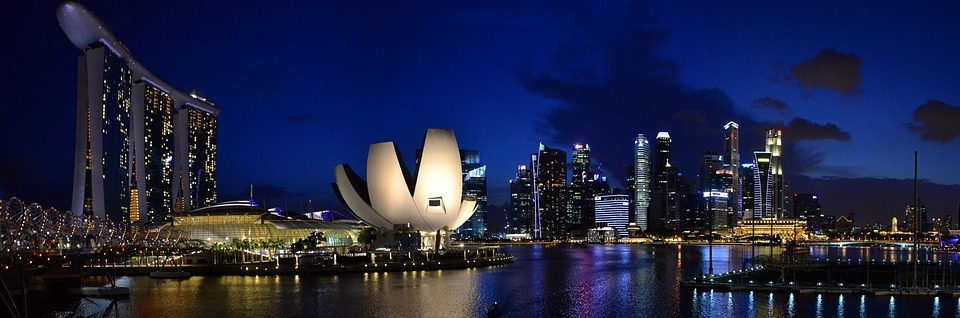
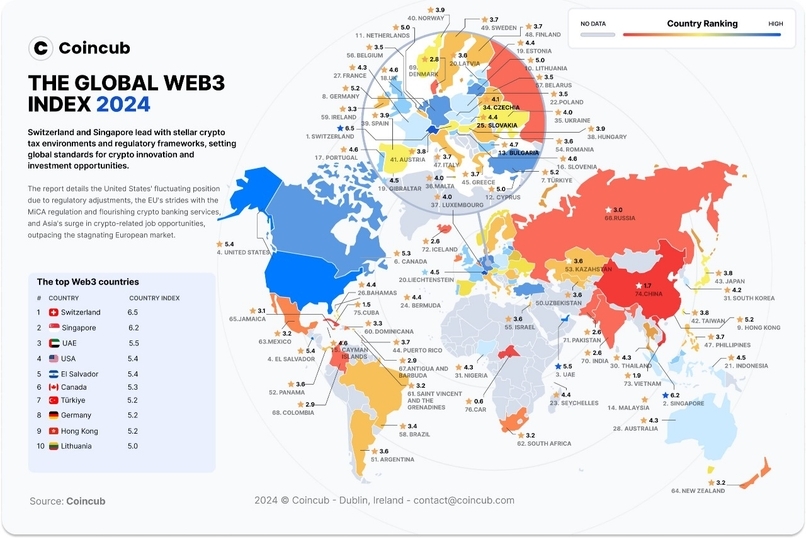
Singapore remains a global hotspot for blockchain innovation. Its Monetary Authority of Singapore (MAS) offers clear guidance on digital payment tokens, while the government actively promotes blockchain applications in finance, supply chain, and identity systems.
The Payment Services Act provides a clear licensing regime for digital payment token services, ensuring compliance with anti-money laundering (AML) and counter-terrorism financing (CTF) regulations.
Singapore has become a hub for blockchain innovation, with over 1,600 blockchain patents and 81 crypto exchanges operating as of 2024. The government actively supports blockchain research and development, contributing to its status as a leading crypto-friendly nation.
Why Singapore Stands Out: Clear and progressive crypto regulation. Access to ASEAN markets. Home to major players like Crypto.com and Binance Asia
Ideal for: Fintech platforms, tokenized assets, DeFi projects
Dubai’s Virtual Assets Regulatory Authority (VARA) has positioned the emirate as a haven for blockchain entrepreneurs. With 0% income tax and free zones like DMCC and DIFC offering business-friendly regulations, Dubai has become the Middle East’s blockchain capital.
Key Advantages: Transparent licensing for all virtual asset activities. Strong government push for blockchain in real estate and logistics. Large concentration of global blockchain firms
Ideal for: Crypto exchanges, tokenized real estate, enterprise blockchain
The U.S. remains the largest crypto economy and home to innovation hubs like San Francisco, Austin, and Miami. Despite regulatory uncertainty, steps like the FIT21 Act and pro-crypto state initiatives are restoring confidence. Securities and Exchange Commission (SEC), Commodity Futures Trading Commission (CFTC)
The Financial Innovation and Technology for the 21st Century Act (FIT21) aims to provide regulatory clarity by delineating responsibilities between the SEC and CFTC. Recent initiatives include the establishment of a Strategic Bitcoin Reserve and plans to modernize regulations to better accommodate the crypto industry. The U.S. is positioning itself as a leader in digital assets, with efforts to create a more favorable environment for blockchain businesses. Massive consumer and institutional market. High venture capital activity. Home to firms like Coinbase, ConsenSys, and OpenSea
Caution: Navigating the SEC, CFTC, and IRS can be complex.
Ideal for: DeFi, NFTs, Web3 apps, institutional platforms
Japan offers one of the world’s most mature regulatory environments for blockchain. With clear distinctions between cryptocurrencies, security tokens, and utility tokens, Japan is attractive to institutional players.
Highlights: Licensed exchanges under the Financial Services Agency (FSA). Focus on STOs, NFTs (especially gaming and anime). High consumer trust in digital services
Ideal for: Security Token Offerings, NFT gaming, enterprise blockchain use
The UK continues to lead in fintech and is integrating blockchain with traditional finance. The Financial Conduct Authority (FCA) provides clear rules for crypto asset service providers, and London serves as a key hub for tokenization and digital asset innovation.
Advantages: Advanced fintech ecosystem. Plans to issue a digital pound. Strong institutional backing
Ideal for: Digital securities, RegTech, fintech blockchain platforms
Australia is leveraging blockchain for real-world applications in agriculture, logistics, and sustainability. The government’s ongoing token mapping initiative signals a supportive regulatory stance. Key Drivers: Blockchain for carbon credits, identity verification, supply chains. Pro-innovation sandbox environments. Growing user adoption. Ideal for: RegTech, AgriTech, supply chain solutions
Malaysia: Malaysia’s blockchain scene is smaller but strategically growing. The Labuan offshore jurisdiction offers crypto-friendly tax incentives, and Islamic fintech innovations are integrating blockchain for halal compliance. Ideal for: Sharia-compliant fintech, crypto exchanges in Labuan
Indonesia: Indonesia is Southeast Asia’s sleeping giant. With tens of millions of crypto users and a mobile-first market, the country is transitioning its regulatory oversight to OJK and Bank Indonesia to build a more robust digital asset framework. Ideal for: Wallet apps, Web3 education, rural blockchain solutions. In 2025, the best countries for blockchain business combine regulatory clarity, market accessibility, and governmental vision. Whether you’re building the next big DeFi protocol, tokenizing real estate, or creating NFTs, choosing the right jurisdiction is critical. As of November 2024, Indonesia reported 22 million registered crypto asset customers, with transactions exceeding $37 billion. The regulatory shift is expected to provide long-term benefits for the financial sector and physical crypto trading in Indonesia.
Switzerland: Switzerland offers clear guidelines for Initial Coin Offerings (ICOs) and classifies tokens into payment, utility, and asset categories. Regulatory Body: Swiss Financial Market Supervisory Authority (FINMA). The city of Zug, known as "Crypto Valley," is renowned for its concentration of blockchain startups and favorable regulatory environment. Switzerland's balanced approach to regulation has attracted numerous blockchain enterprises seeking a stable and supportive ecosystem.
Hong Kong: Hong Kong has implemented guidelines for virtual asset trading platforms, ensuring compliance with AML and CTF regulations. Regulatory Body: Securities and Futures Commission (SFC). The city has embraced the crypto industry by establishing clear regulatory frameworks and encouraging Web3 entrepreneurship. Hong Kong's financial infrastructure and access to global markets make it a prime location for crypto enterprises.
South Korea: The Virtual Asset User Protection Act consolidates multiple crypto-related bills, providing definitions for digital assets and outlining penalties for offenses like insider trading and market manipulation. Regulatory Body: Financial Services Commission (FSC). The FSC is empowered to regulate cryptocurrency service providers and digital asset custodians, enhancing investor protection.
Blockchain is not just one type of business, but rather a technology platform that enables a wide variety of business models across different industries. At its core, blockchain is a distributed ledger technology (DLT) that records data in a secure, transparent, and immutable way. Here’s a breakdown of the types of businesses blockchain enables or transforms:
Cryptocurrency & Digital Assets. These businesses use blockchain to create and manage digital currencies and tokens. Examples: Bitcoin (BTC), Ethereum (ETH), Binance (BNB). Business Models: Mining, staking, transaction fees, crypto exchanges (Coinbase, Binance)
Blockchain Infrastructure & Platforms. These companies build the underlying architecture for others to develop blockchain apps. Examples: Ethereum, Solana, Avalanche, Polygon. Business Models: Gas fees (usage charges), enterprise licensing, developer tools
Decentralized Finance (DeFi). Offers financial services without traditional intermediaries (banks). Examples: Uniswap, Aave, Compound, MakerDAO. Services: Lending, borrowing, trading, yield farming, insurance
NFTs & Digital Collectibles. Enables ownership and trade of unique digital items (art, music, gaming items). Examples: OpenSea, Blur, Magic Eden, NBA Top Shot. Revenue Models: Marketplace fees, royalties, NFT drops
Blockchain Gaming. Combines play-to-earn models with in-game economies on the blockchain. Examples: Axie Infinity, The Sandbox, Illuvium. Monetization: In-game token economies, NFT sales, platform fees
Supply Chain & Provenance. Improves transparency, traceability, and efficiency in logistics and product sourcing. Examples: IBM Food Trust, VeChain, Everledger. Use Cases: Track origin of food, diamonds, fashion, pharmaceuticals
Digital Identity & Authentication. Blockchain enables self-sovereign identity where users control their own data. Examples: Civic, uPort, Sovrin. Applications: KYC/AML compliance, logins, document verification
Enterprise Blockchain Solutions. Custom blockchain networks built for companies and governments. Examples: Hyperledger, R3 Corda, ConsenSys Quorum. Industries: Finance, healthcare, real estate, energy, legal
Web3 & Decentralized Applications (dApps). Apps that run on decentralized networks instead of centralized servers. Examples: ENS (Ethereum Name Service), Arweave (decentralized storage), Brave Browser. Revenue: Utility tokens, community governance, decentralized hosting
Tokenization & Asset Management. Real-world assets (real estate, stocks, carbon credits) are digitized into tokens. Examples: Securitize, Tokeny, RealT. Applications: Fractional ownership, cross-border investment