Discover Australia’s thriving food export business, from dairy and meat to packaged foods, supplying premium, safe, and high-quality products to global markets.
Discover Australia’s thriving food export business, from dairy and meat to packaged foods, supplying premium, safe, and high-quality products to global markets.
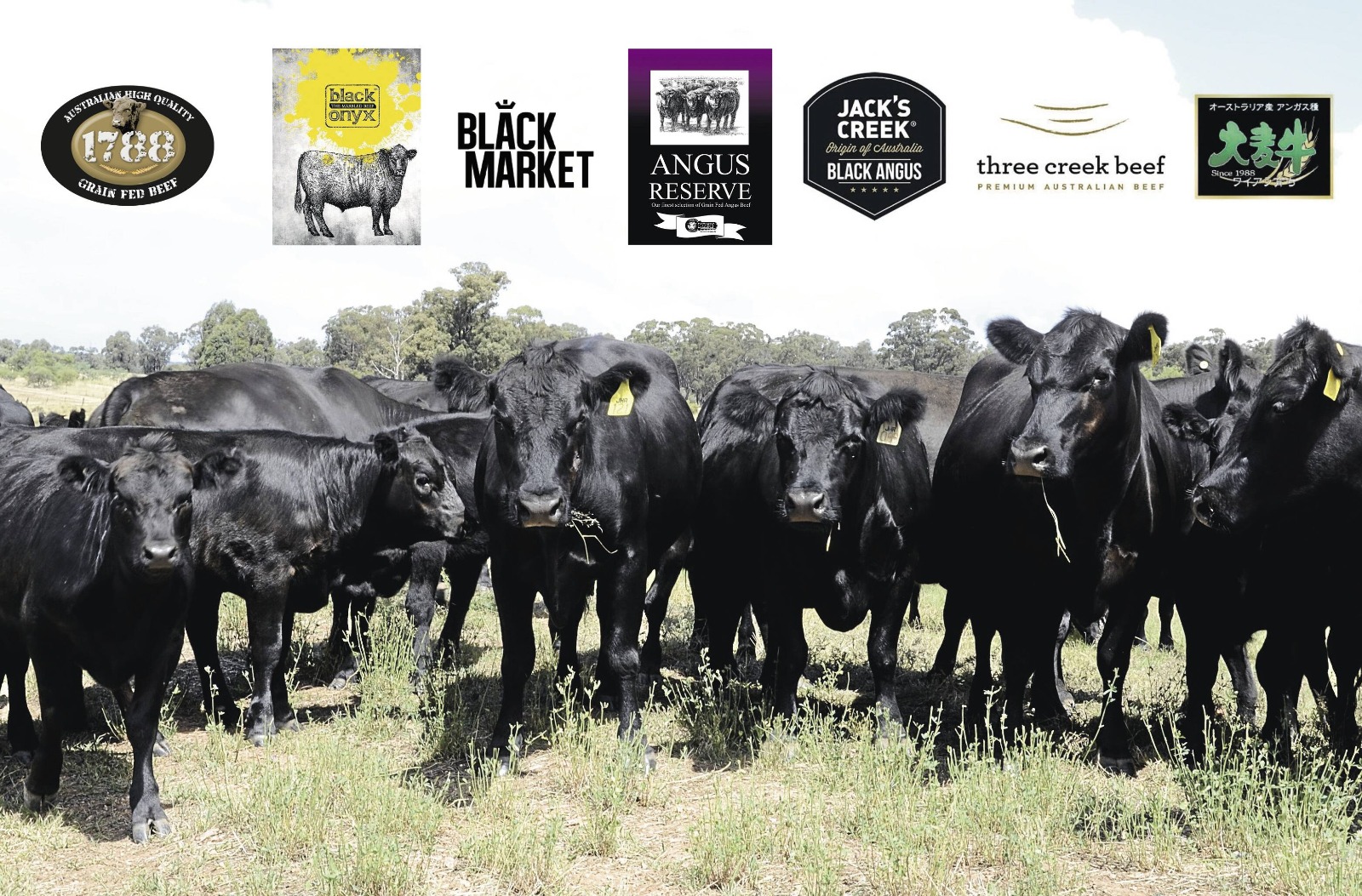
Angus breed dominates beef industry - Courtesy of The Land NSW
Australia has quietly become one of the most reliable food export engines in the world. Backed by strict safety standards, premium agricultural output, and deep trade ties with Asia, the country offers a strong foundation for entrepreneurs looking to build a scalable export business. For investors and operators in Southeast Asia, especially those already familiar with commodities or FMCG, Australia presents both a sourcing advantage and a branding opportunity.
Food Processing & Export in Australia is one of the country’s most established and globally competitive industries. It combines advanced agriculture, strict food safety standards, and strong trade relationships—especially with Asia and the Middle East. For someone like you who is already working in commodities, coffee, and export-oriented products, this sector offers very relevant business insights and partnership opportunities.
Industry value: ~AUD 160+ billion annually. Exports: Over 70% of agricultural production is exported. Major markets: China. Japan. South Korea. Indonesia. United Arab Emirates.
Australia Is Strong in Food Exports. Strict food safety and traceability systems. Premium-quality agricultural reputation. Free trade agreements with Asian markets. Advanced cold-chain logistics. Strong biosecurity and quality control.
Major Food Processing & Export Segments
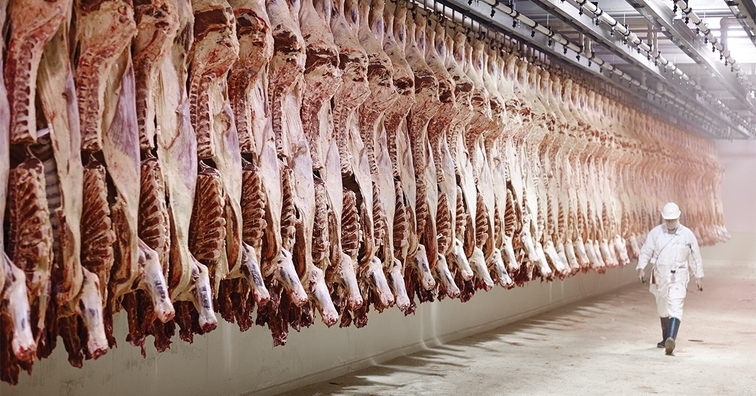
Meat Processing (Beef, Lamb, Poultry) — Australia’s #1 Food Export. Beef. Lamb. Mutton. Poultry. Processed meat. Top Export Markets: China. Japan. United States. Indonesia. Australia is one of the world’s largest beef exporters. Strong halal certification system. High demand from Asia and the Middle East.
Australia is widely recognized as one of the world’s leading exporters of premium beef, lamb, and poultry products. The country’s meat processing sector combines advanced technology, rigorous food safety systems, and internationally accredited facilities to supply supermarkets, restaurants, and food distributors across Asia, the Middle East, Europe, and North America.
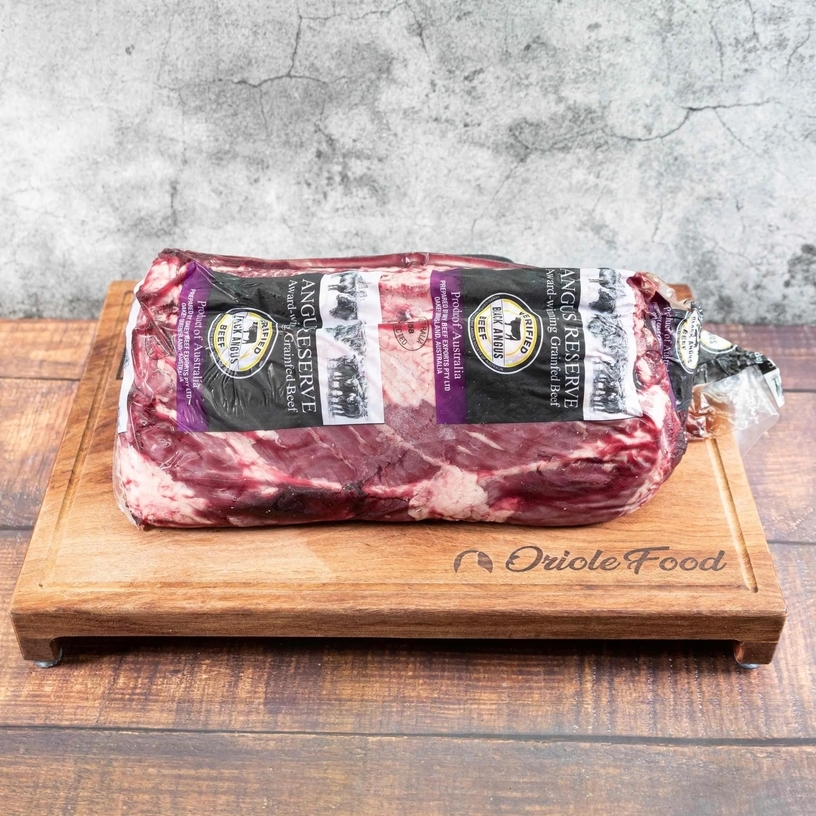
Modern beef and lamb processing lines in export-accredited facilities. Vacuum-packed premium Australian beef ready for global shipment. Large-scale processing operations with strict hygiene and quality controls. International trade exhibitions promoting Australian meat to global buyers
Leading Australian processors and exporters include JBS Australia, Teys Australia, Thomas Foods International, Fletcher International Exports, and V&V Walsh. These companies process millions of cattle and sheep annually and export to dozens of countries worldwide.
Australia’s export success is driven by: World-class food safety and traceability systems. Halal and kosher certifications for global markets. Premium grass-fed and grain-fed livestock. Efficient cold chain and container logistics. Strong reputation for quality and animal welfare.
Australian beef is especially prized for Angus, Wagyu, and MSA-graded products, while Australian lamb is renowned for its tenderness and flavor. Poultry products also play a significant role in serving growing demand across Asia and the Middle East.
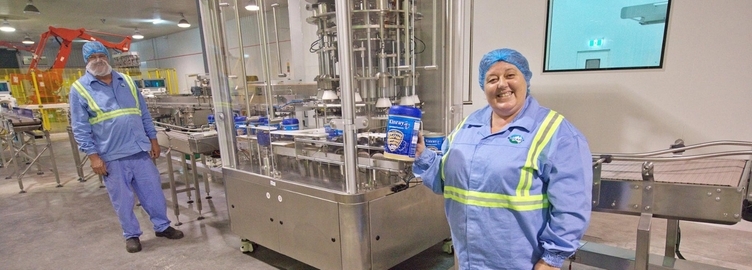
Dairy Processing — High-Value Export Category. Milk powder. Cheese. Butter. Infant formula. Yogurt. Major Export Destinations: China. Indonesia. Malaysia. Vietnam. Growth Drivers: Rising demand for premium dairy in Asia. Trusted food safety standards. Strong brand reputation.
Australia’s dairy processing sector is one of the country’s most valuable food export industries, transforming fresh milk into premium products such as cheese, butter, infant formula, skim milk powder, whey proteins, and specialty dairy ingredients. These products are exported extensively to Asia, the Middle East, and other international markets.
Automated milk reception, pasteurization, and homogenization systems. Milk powder drying and packaging facilities. Cheese production and maturation lines. Export-ready dairy ingredients packed in industrial and retail formats. Major Australian dairy processors include Bega Cheese, Saputo Dairy Australia, Lactalis Australia, Burra Foods, and Fonterra Australia.
Australia is known for exporting high-value dairy products such as: Infant nutrition and milk formula. Cheese and specialty cheeses. Butter and anhydrous milk fat. Whole and skim milk powders. Frozen milk concentrates and whey proteins. The industry benefits from strict food safety standards, pasture-based milk production, advanced processing technology, and strong export support from Austrade. Dairy processing adds substantial value to raw milk and supports regional manufacturing and export growth across the country.
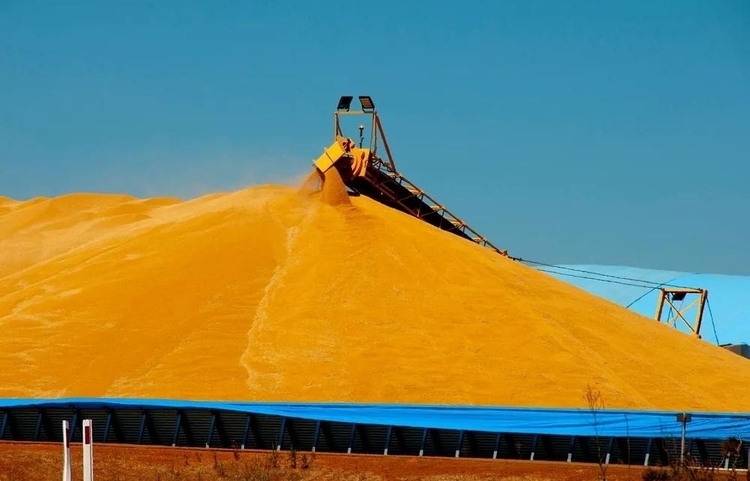
Grain & Cereal Processing — Large-Volume Export Sector. Key Products: Wheat. Barley. Oats. Flour. Processed cereals. Major Buyers: Indonesia. Philippines. China. Saudi Arabia. Australia is a top global wheat exporter. Strong demand from Southeast Asia. Stable long-term contracts.
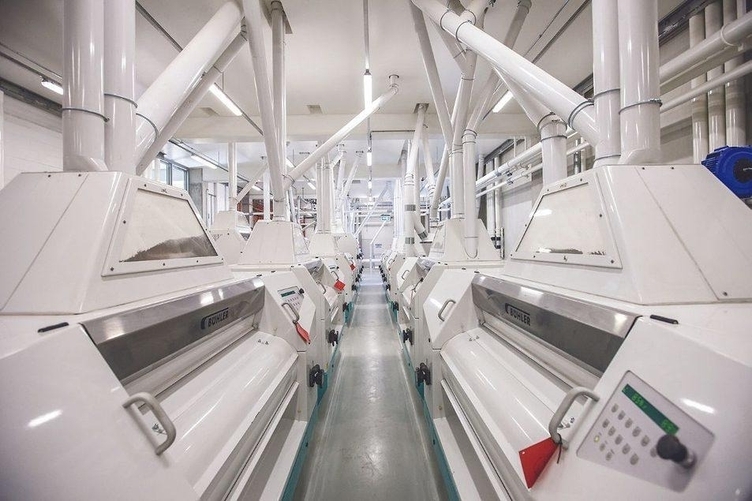
Australia’s grain and cereal processing industry is a large-volume export sector that converts wheat, barley, oats, sorghum, and other cereals into flour, malt, breakfast cereals, rolled oats, and specialty food ingredients. The country is globally recognized for producing reliable, high-quality grain supported by advanced storage, bulk handling, and export logistics systems.
Modern flour milling facilities processing Australian wheat. Oat and cereal manufacturing lines for consumer and industrial products. Bulk grain silos and automated storage systems. Export terminals loading grain and processed products into containers and bulk vessels
Key processed grain export products include: Wheat flour and bakery premixes. Rolled oats, oat bran, and oat flour. Malted barley for brewing and food production. Breakfast cereals and grain flakes. Animal feed ingredients and grain by-products. Australia’s grain sector is one of the nation’s most significant agricultural industries. In the 2024/25 season, Australian growers produced an estimated 62.5 million tonnes of grain with a gross production value of about A$26 billion.
Leading processors and exporters include Australian Flour Mills, Blue Lake Milling, and Premium Grain Handlers. These companies supply wheat flour, oats, grains, and cereal ingredients to food manufacturers and distributors worldwide.
Australia’s competitive advantages include: High-quality wheat and milling oats. Strict quality assurance and phytosanitary standards. Efficient rail, storage, and port infrastructure. Strong demand from Asia, the Middle East, and Africa. Processed grain and cereal exports add substantial value to Australia’s agricultural production and support global demand for flour, oats, malt, and cereal-based ingredients.
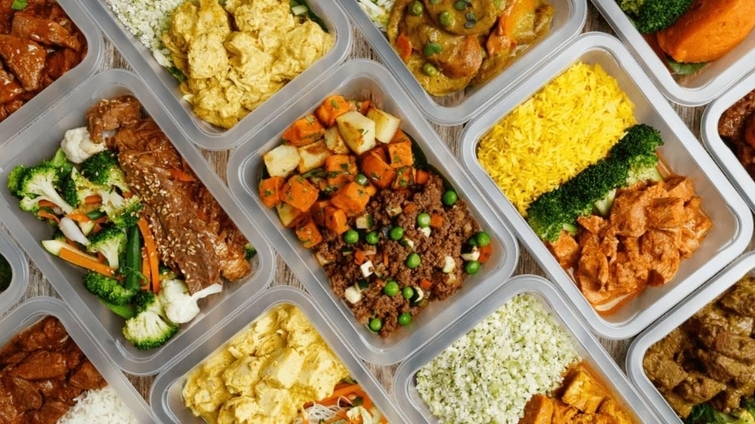
Processed & Packaged Foods — Fastest-Growing Segment. Ready meals. Snacks. Health foods. Organic products. Functional beverages. Rising demand for convenience foods. Growth of health and wellness trends. Strong export branding.
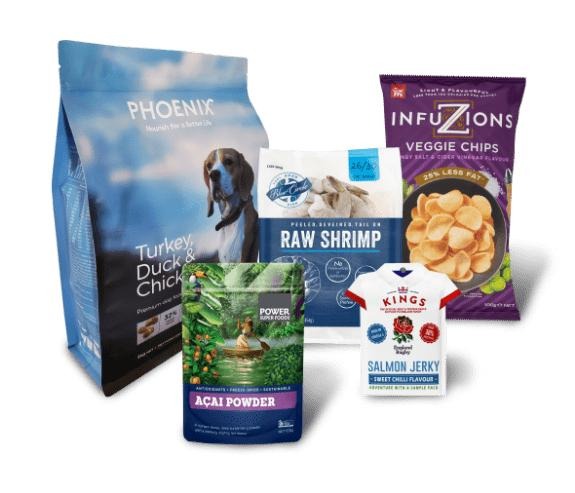
Processed and packaged foods are among Australia’s fastest-growing export categories, transforming agricultural ingredients into branded consumer products and value-added food ingredients. This sector includes snacks, breakfast cereals, sauces, ready meals, frozen foods, health foods, confectionery, and premium pantry products.
Automated filling, sealing, labeling, and carton packing lines. Snack and cereal manufacturing facilities. Ready-meal and frozen food production. Retail-ready packaged foods prepared for domestic and export markets. Key export products include: Breakfast cereals and granola. Biscuits, crackers, and snack foods. Sauces, condiments, and marinades. Frozen meals and prepared foods. Health foods, protein bars, and specialty nutrition products. Chocolate and confectionery. Leading Australian food manufacturers include Sanitarium Health Food Company, Arnott's Group, Nestlé Australia, Bega Group, and Freedom Foods Group.
Australia’s packaged food exports reached A$18.1 billion in 2023–24, making processed foods one of the country’s most significant value-added agrifood categories. Strong growth is driven by demand in Asia and the Middle East for safe, premium, and innovative food products.
Growth Trends in Australia’s Food Processing & Export Sector
Premium & Traceable Food Products. Consumers increasingly demand: Organic food. Halal-certified food. Sustainable sourcing. Traceable supply chains.
Asia-Focused Export Growth. Demand is rising in: Indonesia. Vietnam. India. China
Value-Added Processing. Shift from raw commodities to: Packaged foods. Ready-to-eat meals. Functional beverages. Branded products.
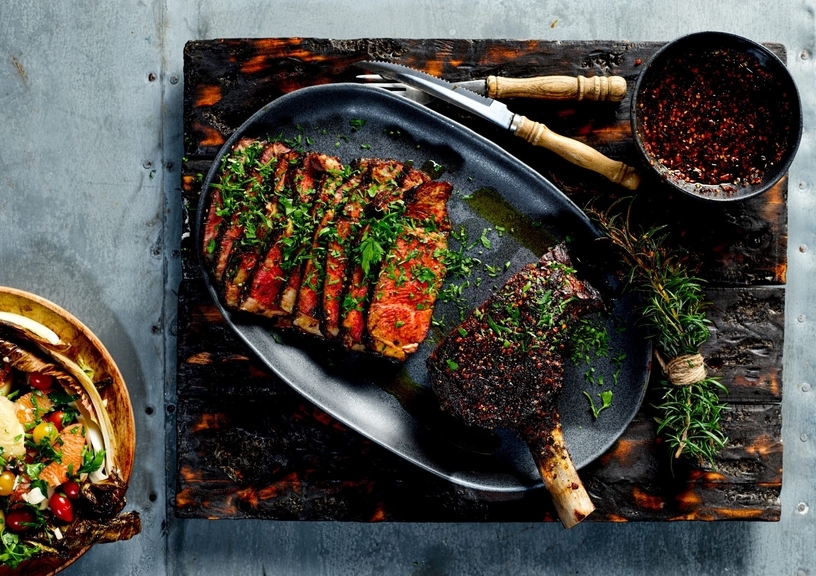
Low–Medium Investment Opportunities: Food Export Trading Company. Source products from Australia. Export to Asia or the Middle East. Focus on niche markets. Private Label / OEM Food Brand. Examples: Coffee. Snacks. Health foods. Sauces. Food Import & Distribution. Import Australian products into: Indonesia. Singapore. Malaysia
Medium–High Investment Opportunities: Food Processing Plant. Coffee roasting. Dairy processing. Meat processing. Snack manufacturing. Cold Storage & Logistics. Food exports require temperature control. Supply chains depend on reliable storage.
Most Promising Niches Right Now: Halal food exports. Premium coffee and specialty beverages. Organic and health foods. Plant-based foods. Ready-to-eat meals. Functional beverages. These niches align closely with your current direction in coffee, packaged goods, and export-oriented branding.
Fastest Entry (Low Risk): Food export trading. Private label food brand. Coffee or snack export.
Balanced Entry (Medium Risk): Contract manufacturing (OEM). Distribution partnership.
Long-Term Entry (Higher Investment): Food processing facility. Export logistics or cold storage.
Australia exports more than 70% of its agricultural production, making it one of the most export-dependent food economies globally. Its reputation is built on three key strengths: High-quality agricultural products. Strict food safety and traceability systems. Strong trade agreements with Asia. Major export destinations include China, Japan, South Korea, and Indonesia. Demand from these markets continues to grow due to rising middle-class consumption and increasing focus on food safety.

Meat and Livestock. Beef and lamb dominate Australia’s food export value. Premium segments such as Wagyu and grain-fed beef command high prices in Asian markets. Halal-certified meat also creates strong access to Southeast Asia and the Middle East. This category is not about volume alone. It is a premium positioning game, where branding, traceability, and certification directly impact margins.
Australia’s meat and livestock industry is one of the country’s largest agricultural sectors and a major contributor to global food supply. The industry includes cattle, sheep, goats, and poultry, producing premium beef, lamb, mutton, and other meat products for domestic consumption and export.
Large cattle stations in Queensland, the Northern Territory, and Western Australia. Sheep grazing in Australia’s major lamb-producing regions. Modern feedlots and livestock handling facilities. Export-oriented supply chains linking farms, processors, and ports. Australia exports meat and livestock products to more than 100 countries, with strong demand from China, Japan, South Korea, the United States, and the Middle East. Premium grass-fed and grain-fed beef, as well as high-quality lamb, are especially valued in international markets.
Leading industry organizations include Meat & Livestock Australia and Australian Lot Feeders' Association. Major exporters and processors include JBS Australia, Teys Australia, and Thomas Foods International.
The sector is internationally recognized for: Strict traceability through the National Livestock Identification System (NLIS). High animal welfare and biosecurity standards. Halal-certified processing for global markets. Efficient cold chain and export logistics. Australia’s red meat and livestock industry contributes tens of billions of dollars annually to the national economy and supports thousands of producers and regional communities.
Grains and Bulk Commodities. Wheat, barley, and oats are exported in massive volumes, particularly to Southeast Asia. Countries like Indonesia and Vietnam rely heavily on Australian grain imports. While margins are lower compared to premium products, this segment offers stable, long-term contracts and consistent demand.
Australia is one of the world’s leading exporters of grains and bulk agricultural commodities, supplying wheat, barley, canola, oats, sorghum, pulses, and oilseeds to markets across Asia, the Middle East, and Europe.
Vast wheat and barley fields during harvest season. Large-scale grain silos and storage infrastructure. Bulk handling and conveyor systems. Export terminals loading grain onto ships for international markets. Major export commodities include: Wheat. Barley. Canola. Oats. Sorghum. Chickpeas and lentils. Key organizations and exporters include GrainCorp, CBH Group, Viterra Australia, and Grains Australia.
High-quality grain production. Advanced bulk storage and port logistics. Strong phytosanitary and quality assurance systems. Reliable supply to international buyers. Grains and bulk commodities are among Australia’s most important agricultural exports, supporting food manufacturing, livestock feed, and global food security.
Dairy and Infant Nutrition. Australian dairy products are highly trusted across Asia. Infant formula, milk powder, and cheese are especially popular in markets like China and Malaysia. The success of this sector is driven by consumer trust in safety standards, making it one of the most defensible high-margin categories.
Australia’s dairy and infant nutrition sector is one of the country’s most valuable high-margin export industries. Fresh milk from pasture-based dairy farms is processed into premium products such as infant formula, milk powders, whey proteins, specialty nutrition ingredients, cheese, and butter for global markets.
Modern dairy farms supplying high-quality milk. Automated spray-drying facilities producing milk powder. Infant formula blending and canning lines. Export-ready nutritional products packaged to strict international standards. Major export products include: Infant formula and toddler milk. Whole and skim milk powder. Lactoferrin and whey protein concentrates. Cheese and butter. Specialty nutritional ingredients. Leading Australian companies in this sector include Bega Group, a2 Milk Company, Bellamy's Organic, Noumi Limited, and Burra Foods.
Australia’s reputation for stringent food safety, clean agricultural environments, and premium quality has made its infant nutrition products especially popular in markets such as China, Southeast Asia, and the Middle East. Dairy remains one of Australia’s most important value-added food export categories.
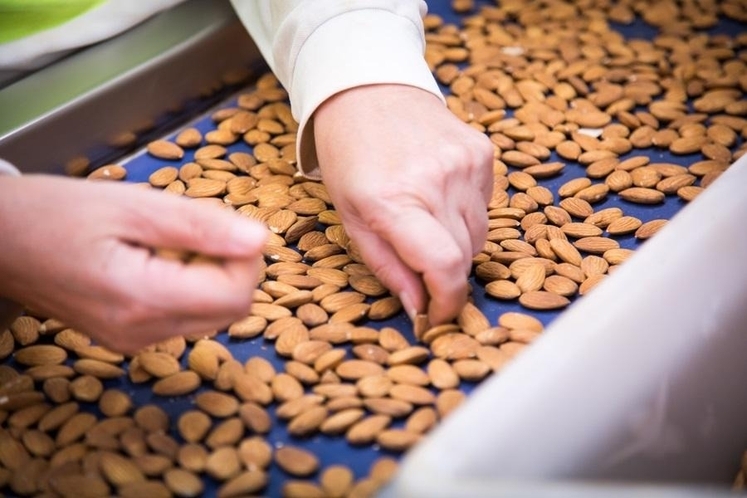
Fresh Produce and Nuts. Australia exports premium fruits such as cherries, grapes, and citrus, along with high-value nuts like almonds and macadamias. These products are often positioned as luxury or seasonal imports in Asian supermarkets. However, this category depends heavily on logistics efficiency and timing, as freshness is critical.
Australia’s fresh produce and nut industry is a major agricultural export sector, supplying premium fruits, vegetables, and tree nuts to markets across Asia, the Middle East, Europe, and North America.
Citrus orchards, vineyards, and berry farms. Almond and macadamia plantations. Automated sorting, grading, and packing facilities. Refrigerated export-ready produce and packaged nuts. Key export products include: Table grapes. Citrus (oranges, mandarins, lemons). Avocados and berries. Almonds. Macadamias. Walnuts and pistachios. Leading Australian companies and industry organizations include Select Harvests, Costa Group, Macadamias Australia, and Hort Innovation.
Australia’s advantages in this sector include: Counter-seasonal supply to Northern Hemisphere markets. Strict biosecurity and food safety standards. Advanced cold chain logistics. Strong reputation for premium quality and traceability. Fresh produce and nuts are among Australia’s fastest-growing agricultural exports, driven by increasing global demand for healthy, high-quality foods.
Processed and Packaged Foods. This is the fastest-growing segment. Instead of exporting raw materials, companies are moving into: Ready-to-eat meals. Health foods. Snacks and beverages. Functional and organic products. The advantage here is clear: higher margins, stronger branding, and less price competition.
Australia’s processed and packaged foods industry is one of the country’s fastest-growing value-added export sectors. Manufacturers transform local ingredients into branded consumer products such as breakfast cereals, biscuits, sauces, frozen foods, health foods, confectionery, and ready-to-eat meals.
Automated filling, sealing, labeling, and carton packing lines. Snack and cereal manufacturing facilities. Ready-meal and frozen food production. Retail-ready products prepared for domestic and export markets. Major export categories include: Breakfast cereals and granola. Biscuits, crackers, and snack foods. Sauces, condiments, and spreads. Frozen meals and prepared foods. Functional and health foods. Chocolate and confectionery. Leading Australian food companies include Arnott's Group, Sanitarium Health Food Company, Bega Group, Noumi Limited, and Nestlé Australia.
Australia’s processed food sector benefits from: High food safety and quality standards. Premium agricultural raw materials. Advanced manufacturing and packaging technology. Strong demand from Asia and the Middle East. Processed and packaged foods are a major contributor to Australia’s agrifood exports, helping convert raw agricultural commodities into higher-margin consumer and industrial products.
Beef & Red Meat — Australia’s #1 Food Export. Largest agricultural export by value (~17% share). Australia is among the top global beef exporters. Strong demand for premium, halal, and traceable meat. Key Asian Markets: China. Japan. South Korea. Indonesia. Wagyu / grain-fed beef. Halal frozen beef. Lamb & mutton. Business insight: This is a premium-margin category, not commodity. Branding + certification = higher profit.
Wheat & Grain Products — Massive Volume Exports. 2nd largest export (~13.8%). Australia is a top global wheat supplier. Key Products: Wheat. Barley. Oats. Flour. Major Buyers: Indonesia. Philippines. Vietnam. Business insight: This is high-volume, low-margin—ideal for trading companies and long-term contracts.
Dairy Products — High-Trust Premium Exports. Key Products: Milk powder. Infant formula. Cheese. Butter. Export Value: ~4.7% of total agricultural exports. Major Markets: China. Indonesia. Malaysia. Business insight: Dairy is driven by trust + safety perception, especially infant formula in Asia.
Horticulture (Fruits, Vegetables, Nuts). Key Products: Cherries. Grapes. Citrus fruits. Almonds & macadamia nuts. Export Value: ~4.8% of total. Key Markets: China. Hong Kong. Singapore. Business insight: This is premium seasonal export—high margin but sensitive to logistics.
Edible Oils & Oilseeds (Canola). Key Product: Canola seed & oil. Export Share: ~6.6% of agricultural exports. Main Buyers: Japan. China. Pakistan. Business insight: Important for food processing industries (oil, margarine, snacks).
Sugar & Processed Ingredients. Key Products: Raw sugar. Refined sugar. Food-grade ingredients. Export Share: ~4.2%. Markets: Indonesia. South Korea. Business insight: Essential for F&B manufacturing supply chains.
Pulses & Plant-Based Proteins (Emerging Growth). Key Products: Lentils. Chickpeas. Beans. Export Share: ~4.2%. Major Markets: India. Bangladesh. Pakistan. Business insight: This is tied to plant-based food trends and food security demand.
Australia’s food export system is tightly regulated. Exporters must comply with standards set by organizations such as Department of Agriculture, Fisheries and Forestry and Food Standards Australia New Zealand. Requirements typically include: Export permits and certifications. Food safety compliance (HACCP or equivalent). Proper labeling and traceability. Documentation for customs and biosecurity. While this may seem complex, it ultimately strengthens Australia’s reputation and allows exporters to command premium pricing globally.
Infrastructure and Logistics Advantage
Australia’s export infrastructure is highly developed, with major ports such as: Port of Melbourne. Port of Brisbane. Port of Sydney. These ports support: Cold-chain logistics for perishable goods. Bulk commodity shipping. Efficient containerized exports. For exporters targeting Asia, shipping routes are relatively short, reducing transit time and maintaining product quality.
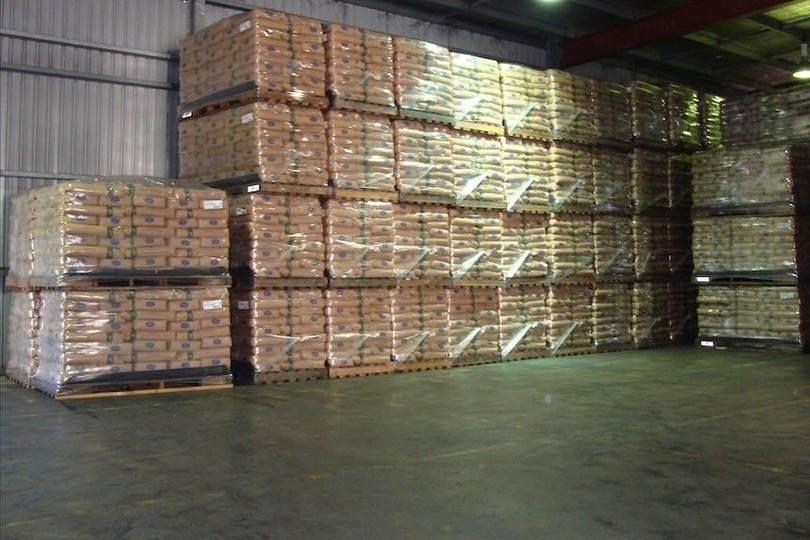
Trading and Distribution. This involves sourcing products from Australian suppliers and exporting them directly to overseas buyers. It requires lower investment but depends heavily on relationships and volume.
Private Label and OEM. Entrepreneurs create their own branded products using Australian manufacturers. This model is ideal for coffee, snacks, and health foods, offering better margins and long-term brand value.
Processing and Manufacturing. The most capital-intensive option, involving setting up production facilities. While costly, it provides full control over quality and supply chain.
Strategic Opportunity for Southeast Asian Entrepreneurs
For business operators in Indonesia and neighboring markets, the opportunity lies in combining: Australian raw material credibility. Local market knowledge. Strong branding and packaging. Instead of competing in bulk commodities, the smarter move is to focus on value-added products such as: Branded coffee and beverages. Premium snacks. Halal-certified packaged foods. This approach captures both trust (Australia) and market access (Asia).
Australia’s food export business sector combines manufacturing, packaging, warehousing, and global logistics to deliver premium food products to international markets. These images illustrate the full export chain—from automated packaging lines and warehouse consolidation to shipping containers loaded at major ports.
Bottled beverages and packaged foods on automated production lines. Warehouse staff preparing mixed orders for export. Refrigerated and dry goods storage facilities. Shipping containers being loaded for overseas distribution. Leading Australian food exporters include ANZ Food Export, Metcash International Export Services, and ACIT Group. These companies supply snacks, dairy products, fresh produce, frozen foods, and grocery products to customers across Asia, the Pacific, and the Middle East.
Typical export-ready products include: Packaged snacks and confectionery. Dairy and infant nutrition products. Frozen and chilled foods. Fresh produce and nuts. Beverages and health foods. Australia’s food export industry is trusted worldwide because of: Strict food safety and traceability systems. High-quality agricultural ingredients. Advanced cold chain and warehousing infrastructure. Efficient port and container logistics. This value-added sector helps Australian businesses transform local agricultural products into branded, higher-margin exports for supermarkets, distributors, and foodservice customers around the world.
Define Your Product & Target Market First (Don’t Skip This). Choose Your Product Category. Focus on high-demand export items: Beef / meat. Dairy. Grains. Coffee / beverages. Snacks / packaged foods. Pick Target Markets. Top export destinations: Indonesia. China. Vietnam. United Arab Emirates. Critical insight: Start with one product + one market. Expanding too early is a common failure.
Register Your Business in Australia. Key Requirements. You must register with: Australian Securities and Investments Commission (ASIC). Get an ABN (Australian Business Number). Register business name. Open Australian bank account. Business Structure Options: Sole trader (simple, low cost). Company (Pty Ltd) → recommended for export credibility. Tip: If you’re foreign, consider setting up with a local director or partner.
Understand Export Regulations & Licensing. Main Authorities. Department of Agriculture, Fisheries and Forestry. Food Standards Australia New Zealand. What You Need: Export registration (for certain products like meat, dairy). Health certificates. Phytosanitary certificates (for plant products). Export permits. Reality check: Meat & dairy = strict licensing. Packaged foods = easier entry.
Secure Your Supply Chain (Supplier or Manufacturing). Option A: Source from Existing Suppliers. Farms. Food processors. Wholesalers. Option B: OEM / Contract Manufacturing
Ensure Food Safety, Certification & Labeling. Key Certifications. HACCP (food safety). ISO 22000 (optional but strong). Halal certification (important for Indonesia & Middle East). Labeling Requirements: Ingredients. Nutrition panel. Country of origin. Expiry date. Important:
You must comply with BOTH: Australian standards. Import country regulations.
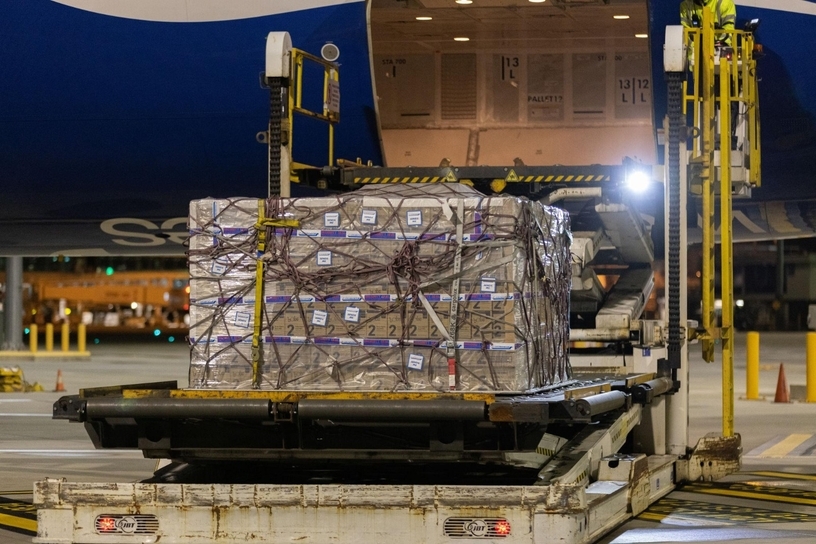
Set Up Export Logistics & Shipping. Choose Shipping Method: Sea freight (most common). Air freight (premium/perishable goods). Freight forwarder. Customs broker. Key Export Ports: Port of Melbourne. Port of Brisbane. Port of Sydney. Documents Needed: Commercial invoice. Packing list. Bill of lading. Certificate of origin.
Pricing Strategy & Payment Terms. Common Export Terms. FOB (Free on Board). CFR (Cost and Freight). CIF (Cost, Insurance, Freight). Payment Methods: Letter of Credit (LC) → safest. Telegraphic Transfer (TT). Open account (only with trusted buyers).
Build Your Sales Channels. How to Find Buyers. Trade shows (Foodex, Gulfood). Distributors in Asia. B2B platforms. Direct partnerships. Strategy: Start with 1–2 distributors per country. Focus on long-term contracts.
Scale with Branding & Value-Added Products. Move Beyond Raw Export. Why This Matters. Higher margins. Stronger brand control. Less price competition.
Common Mistakes to Avoid: Trying to export too many products at once. Ignoring import regulations in destination country. Weak branding (competing on price only). Poor logistics planning (especially cold chain). Choosing unreliable suppliers.
Looking ahead, several trends are shaping the industry: Growing demand for traceable and sustainable food. Expansion of halal-certified exports. Rapid growth in health and functional foods. Increasing shift toward premium packaged products. Exporters who adapt to these trends will be better positioned to scale beyond commodity trading into high-value global brands.
Australia’s food export sector is not just about agriculture—it is about trust, quality, and global positioning. For entrepreneurs willing to navigate regulations and invest in branding, it offers a clear path to building a profitable international business.
The real opportunity is no longer in simply exporting raw goods. It lies in transforming those goods into branded, value-added products tailored for Asian consumers. Those who understand this shift will not only enter the market—they will stand out in it.