Nektar Therapeutics is transforming its business model, shifting from PEGylation drug delivery to innovative immunotherapy and autoimmune treatments. This strategic evolution marks a new chapter in its biotech journey toward sustainable growth and medical
Nektar Therapeutics (NASDAQ: NKTR) presents a compelling case of corporate reinvention. Once primarily a technology-service company focused on polymer conjugation (most notably PEGylation) for partners, it has over recent years repositioned itself as a focussed therapeutics developer — particularly in immunology and inflammatory diseases. This article traces that transformation, analyses the reasons behind it, the strategic moves taken, and the current status and outlook.
Platform, Partnerships & PEGylation
Founded in 1990 and headquartered in San Carlos/San Francisco, Nektar built its early business model around enabling technologies — especially PEGylation (attaching polyethylene glycol polymers to molecules) and pulmonary/inhalation drug delivery.
Nektar’s PEGylation and related conjugation platforms were licensed to major pharma companies and helped produce approved drugs (via partners). The business model was often “service + tech + partner licence”, rather than owning and commercialising drugs end-to-end. The manufacturing/reagent side (e.g., PEG reagents, polymer manufacturing) was an important part of operations.
For many companies, this kind of business is lower-risk relative to full drug development. However, it tends to offer lower upside (since you’re mostly servicing others) and can face margin/competitive pressure.
Designed to stimulate regulatory T cells (Tregs) via the IL-2 receptor complex, aiming to restore immune balance in autoimmune/inflammatory conditions. In development for autoimmune/inflammatory diseases such as atopic dermatitis and alopecia areata. Phase 2b for atopic dermatitis (and presumably other indications) according to the latest pipeline.
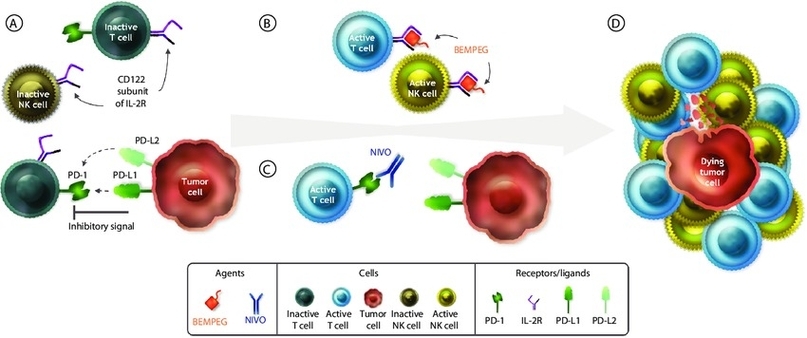
Targets the IL-2 pathway (CD122 sub-unit) to activate and expand CD8+ T cells and NK cells in the tumour micro-environment. Oncology – advanced melanoma in combination with checkpoint inhibitors. Development has been ongoing; this asset is part of the historical portfolio.
A PEGylated version of irinotecan (a chemotherapy agent) intended for improved PK/PD and tumour delivery. Metastatic breast cancer (and also ovarian/colorectal cancers per earlier data). Granted Fast Track designation by the FDA for metastatic breast cancer.
NKTR‑255 – IL-15 Receptor Agonist
Designed to activate the IL-15 receptor pathway, thereby expanding NK cells and memory CD8+ T cells for anti-cancer immunity. Oncology – in development for immune enhancement/oncology settings. Ongoing early-stage development (preclinical/Phase 1) as part of the newer immunology/oncology focus.
While these are not direct proprietary ‘products’ of Nektar in the sense of marketed drugs they launched themselves, Nektar’s technology platform (PEGylation/advanced polymer conjugation) enabled nine approved products via partners. Examples include: Cimzia (UCB) for Crohn’s disease / rheumatoid arthritis. PEGASYS (Roche) for hepatitis C. Neulasta (Amgen) for neutropenia. These illustrate Nektar’s legacy as a platform/licensing business before its transformation toward owning therapeutics.
Most of Nektar’s own product-candidates are investigational (i.e., not yet commercially marketed) — the company is still in the clinical/development stage for many of them. The current strategic focus is clearly immunology/inflammation (e.g., rezpegaldesleukin) and selective immune-modulation, rather than broad platform service/licensing.
The presence of legacy platform-enabled approved drugs reflects their historical business model, but moving forward the emphasis is on proprietary development. As is typical in biotech, the distinction between “product” and “candidate” is important — many of these remain in trial phases, not yet approved for general commercial use.
Despite the solid technology base, Nektar encountered several headwinds that prompted a strategic shift:
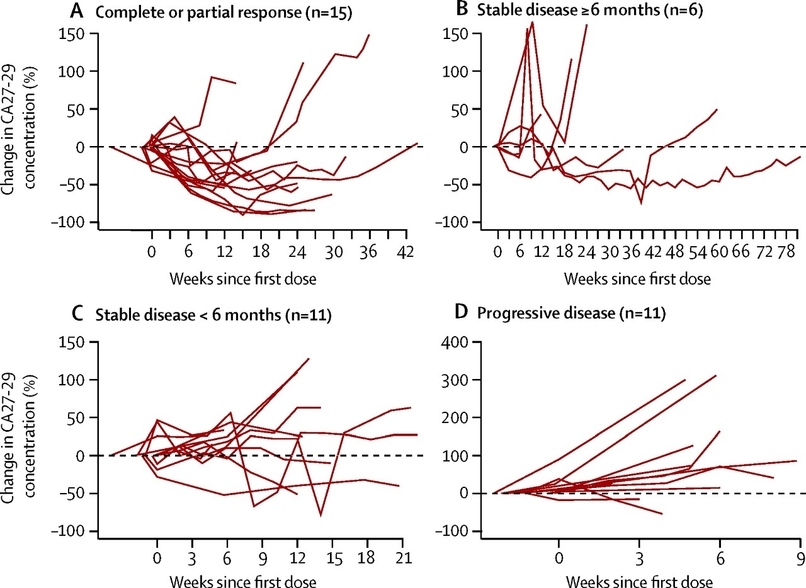
Development failures: Some of its higher-profile proprietary assets did not succeed as planned. For instance, the collaboration with Bristol Myers Squibb over the drug Bempegaldesleukin (also known as NKTR-214) ran into trouble when key trials failed.
Capital constraints & cost pressure: Running full drug-development programmes is expensive and risk-intensive. Nektar needed to address cash-burn and organisational size. In April 2022 it announced a plan to reduce workforce by ~70 % and extend its cash runway.
Changing biotech landscape: The broader industry trend was towards more focussed portfolios, clear go-to-markets, and strategic discipline. For Nektar, continuing a broad “platform + service + drug-development” mix likely meant less clarity and increased overhead.
These factors led to a clear pivot: from a company with broad tech/manufacturing + service + drug-pipeline ambitions, into a leaner, therapeutics-focussed organisation with clearer priorities.
In its April 2022 strategic reorganisation announcement, Nektar declared a focus on three pillars: (i) its lead immunology asset NKTR-358 (rezpegaldesleukin) via partner Eli Lilly and Company, (ii) its immunooncology candidate NKTR-255, and (iii) core research programs in auto-immune/immunology/oncology. Executive leadership changes: new CMO, changes in commercial officer, reflecting the shift in strategic direction. Massive workforce reduction: about 70 % in 2022, as part of cost and focus realignment.
In November 2024, Nektar announced the sale of its Huntsville, Alabama commercial-scale PEG-reagent manufacturing facility and reagent supply business to Ampersand Capital Partners for US $90 million ($70 m cash, $20 m equity) as part of its streamlining and focus shift.
This move reduced manufacturing burden, allowed monetisation of legacy capabilities, and helped extend cash runway (into Q4 2026 per the release) while retaining supply agreements for PEG reagents needed for its pipeline.
Realignment of pipeline and therapeutic focus
The lead asset, rezpegaldesleukin (NKTR-358), is now positioned in autoimmune/inflammatory indications (e.g., atopic dermatitis, alopecia areata) rather than broad oncology. NKTR-255 (an IL-15 receptor agonist) is positioned in immunooncology and cell-therapy potentiation rather than general PEG-conjugation business. Nektar’s annual report indicates an expectation to extend cash runway through mid-2026 thanks to restructuring in 2023.
What This Transformation Means in Practical Terms
• Business model shift - From: technology-platform + manufacturing + service + partner-licensing (with some proprietary pipeline) To: lean therapeutic development company focussed on selected assets in immunology/inflammatory diseases, having monetised non-core manufacturing/service businesses
• Organisational implications - Smaller head-count, leaner operations, fewer legacy manufacturing burdens.Concentration of R&D resources on fewer, higher-potential candidates.Stronger partner strategy (for instance with Lilly) enabling risk sharing and potential royalty upside.
• Financial implications - Divesting manufacturing assets frees up cash, reduces fixed costs, improves flexibility.Focused pipeline means fewer resource-drains in non-core areas and potentially lower cost of capital.But also means a higher dependency on clinical success of a narrower set of drugs.
• Strategic positioning - By pivoting into immunology and inflammation (particularly T-regulatory cell modulation, etc.), Nektar is moving into a hot area of biopharma where unmet need remains high.The transformation also allows Nektar to shed legacy parts of the business that may have had lower growth prospects (manufacturing service) and focus on areas with higher value-creation potential if successful.
Challenges & Risks of the New Model
While the transformation offers upside, it also introduces risks: With fewer assets, the company’s fate is more tightly linked to the success of its lead programmes (for example rezpegaldesleukin). Failure or delay in one can have outsized effect.
Therapeutics development remains high-risk and capital intensive; even a leaner company still needs substantial resources and strong execution. Market and regulatory risks: success in immunology/inflammation space often depends on trial design, biomarker performance, competitive positioning, and reimbursement landscape.
Execution risk in commercialisation (if the pipeline succeeds), including manufacturing, market access and scale-up. The sale of the manufacturing business reduces vertical control; reliance on contract supply may increase complexity or risk of supply disruption (though Nektar has addressed this via supply agreements).
As of their 2024 reporting, Nektar ended 2023 with approximately US $329.4 million in cash and marketable securities, and anticipates extending cash runway into mid-2026. The manufacturing facility sale announced in late 2024 further extends financial flexibility.
Pipeline progress: The rezpegaldesleukin programme is advancing into Phase 2b for atopic dermatitis and alopecia areata, signalling the company’s commitment to its immunology focus. Investor sentiment has responded: for example, announcements of promising results in immunology drives share-price movements (see related news).
In short, Nektar has repositioned itself from being primarily a “tech-platform/manufacturer/licensor” biotech into a focused immunology-therapeutics developer. The company appears to have enacted many of the necessary structural and strategic steps.
· For investors: The transformation means higher potential upside if the lead programmes succeed, but also higher risk because there is less diversification. The improved financial runway is a positive.
· For partners: Nektar may become a more streamlined partner, focusing on fewer collaborations but with deeper commitment and clarity.
· For patients and market: If Nektar’s immunology programmes succeed, patients could gain access to novel therapies in areas of unmet need.
· For industry observers: Nektar is a case-study of how biotech companies with legacy technology/manufacturing businesses can refocus into higher-value therapeutic development amid changing markets.
Nektar Therapeutics’ business transformation is a thoughtful and significant shift: shedding legacy manufacturing and services, focusing resources on fewer high-potential immunology programmes, and re-engineering its organisation for a leaner, therapeutics-driven model. The strategic rationale is clear: the biotech landscape rewards companies that can deliver differentiated therapeutics rather than broad, undifferentiated platforms.
However, the success of this transformation ultimately hinges on execution. The company must deliver on clinical milestones, manage costs, scale-up effectively, and navigate competitive and regulatory hurdles. If it can do so, the transformation will pay off in value creation — but the risks remain substantive.