Discover how 7-Eleven became a global franchise leader and why it offers strong opportunities for foreign investors looking to expand into high-growth convenience retail markets worldwide.
Discover how 7-Eleven became a global franchise leader and why it offers strong opportunities for foreign investors looking to expand into high-growth convenience retail markets worldwide.
Image courtesy of 7-Eleven
In the competitive landscape of U.S. franchising, few brands carry the global recognition, operational consistency, and revenue potential of 7-Eleven. With thousands of locations across the United States and a presence in multiple international markets, 7-Eleven has evolved from a simple convenience store into a highly optimized retail ecosystem—making it one of the most attractive franchise opportunities for both first-time investors and experienced operators.
Founded in 1927, 7-Eleven has built a reputation around convenience, accessibility, and adaptability. What began as an ice house storefront has transformed into a retail giant offering everything from snacks and beverages to fresh meals, financial services, and even last-mile delivery solutions.
Unlike many traditional retail brands struggling to adapt to digital disruption, 7-Eleven has embraced innovation. Through mobile apps, loyalty programs, and partnerships with delivery platforms, the brand has maintained relevance in a fast-changing consumer landscape.
One of the key reasons behind 7-Eleven’s popularity is its relatively unique franchise structure. Unlike many franchises that require you to build a store from scratch, 7-Eleven often provides fully equipped, operational stores.
Initial Investment: Typically ranges from $50,000 to $250,000 (depending on store size and location). Franchise Fee: Around $10,000 to $1,000,000 depending on the store. Ongoing Fees: Based on a percentage of gross profit rather than fixed royalties. Inventory & Equipment: Often included in the package. 7-Eleven stores are strategically located in high-traffic areas—urban centers, suburban neighborhoods, gas stations, and transportation hubs. This ensures a steady flow of customers throughout the day and night.
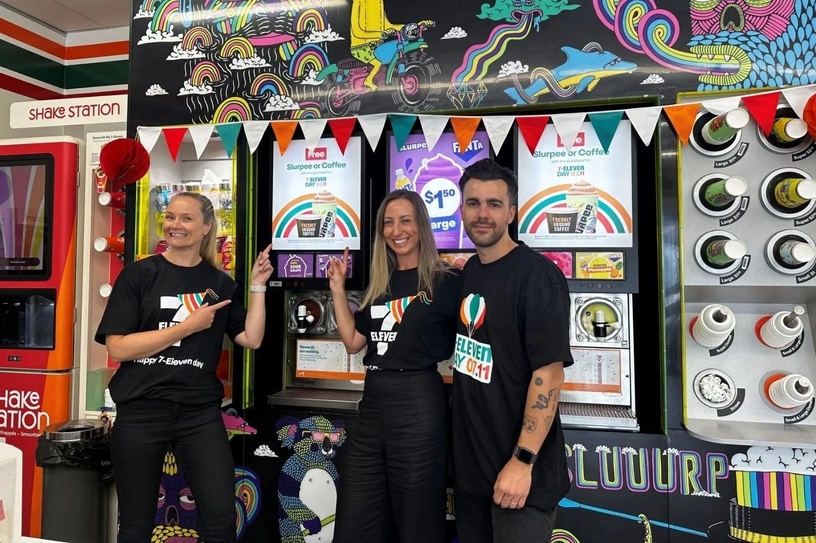
Core Revenue Drivers: Ready-to-eat food and beverages (including the iconic Slurpee). Convenience goods (snacks, groceries, household essentials). Fuel sales (at select locations). Financial services and bill payments. Delivery and online orders. The brand’s ability to combine multiple revenue streams within a single location creates a resilient business model that performs well even during economic fluctuations.
Brand familiarity plays a major role in franchise success. 7-Eleven’s globally recognized identity reduces the need for heavy local marketing, allowing franchisees to benefit from built-in customer trust. The company’s loyalty programs and mobile app ecosystem further enhance repeat business. Customers are incentivized through rewards, discounts, and personalized promotions—driving consistent foot traffic.
Franchisees are not left to navigate the business alone. 7-Eleven provides extensive support, including: Comprehensive training programs. Site selection and store setup assistance. Inventory management systems. Marketing and promotional campaigns. Ongoing operational guidance. Among these, 7-Eleven stands out for its cash flow consistency and daily consumer demand, making it less dependent on seasonal or subscription-based fluctuations.
Despite its many advantages, investing in a 7-Eleven franchise is not without challenges: Long Operating Hours: Many stores operate 24/7, requiring strong staffing management. Profit Margin Sensitivity: High sales volume is essential to maintain profitability. Operational Intensity: Inventory, staffing, and customer service must be consistently managed. However, for disciplined operators, these challenges are manageable and often outweighed by the revenue potential.
The U.S. convenience store market continues to grow, driven by changing consumer habits that prioritize speed and accessibility. Urbanization, increased mobility, and demand for ready-to-eat meals all contribute to this expansion.
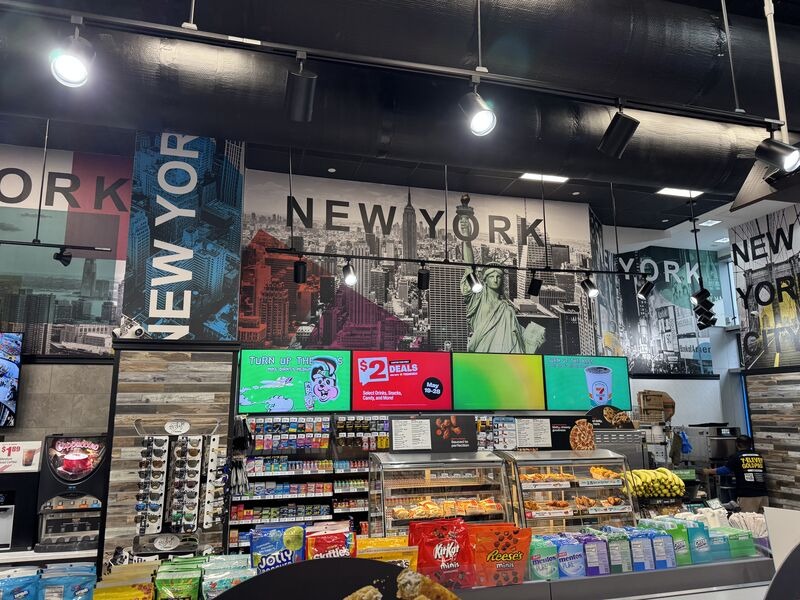
7-Eleven is actively upgrading its stores with modern layouts, expanded fresh food offerings, and digital integrations—positioning itself for long-term growth. Additionally, the brand’s focus on delivery services and partnerships with third-party platforms ensures it remains competitive in the evolving retail landscape. For investors seeking a business with: Strong brand recognition. Consistent daily revenue. Proven operational systems. Scalable growth potential. It is particularly well-suited for entrepreneurs who are hands-on, operationally focused, and comfortable managing a fast-paced retail environment.
In the world of franchising, consistency and adaptability are key indicators of long-term success. 7-Eleven has demonstrated both for nearly a century, evolving with consumer needs while maintaining a reliable and profitable business model. For those looking to enter the U.S. market or diversify their investment portfolio, 7-Eleven remains one of the most dependable and accessible franchise opportunities available today.
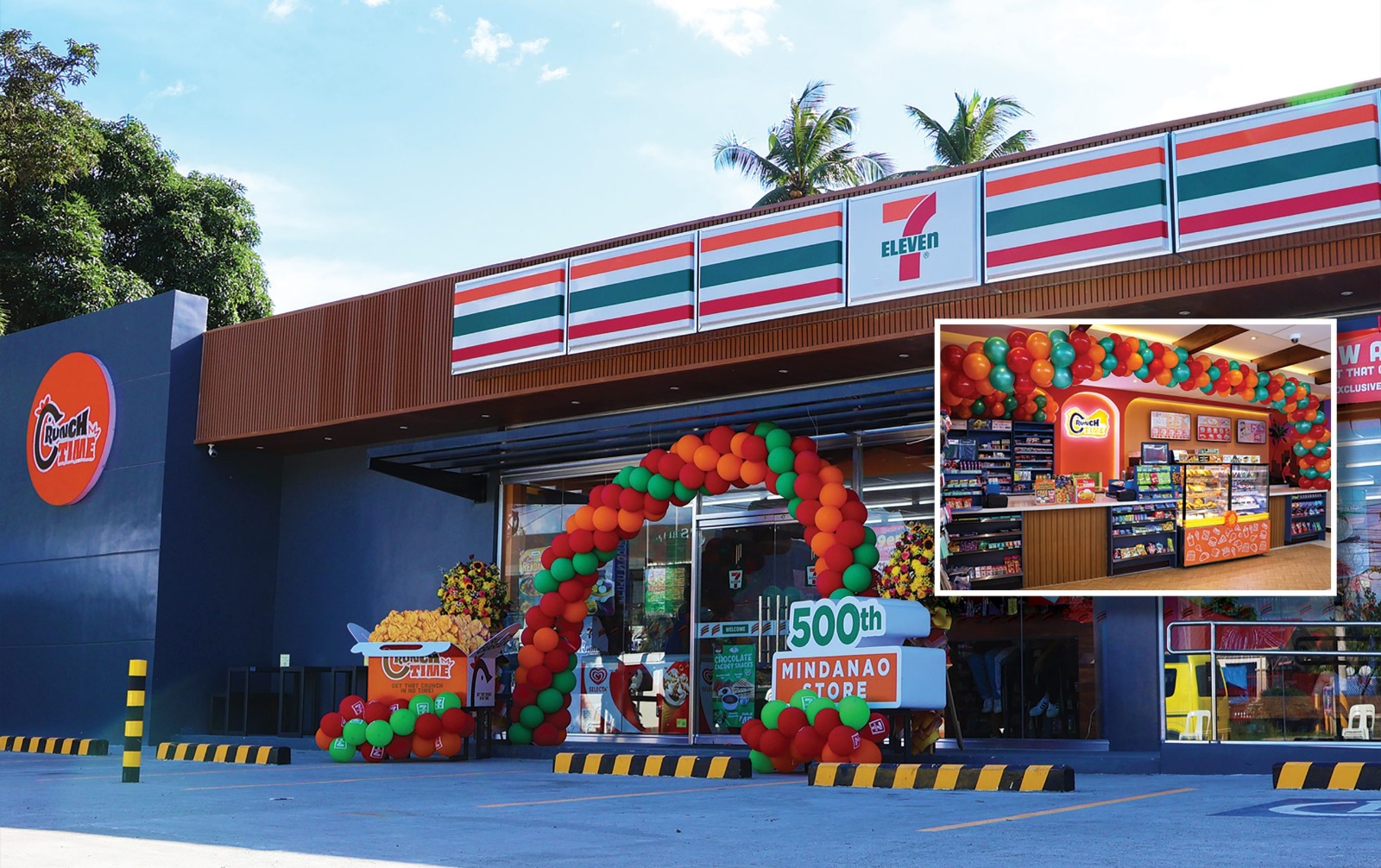
For international investors seeking a proven retail concept with global appeal, 7-Eleven presents a compelling opportunity. While the brand is deeply rooted in the United States, its strongest growth story has arguably unfolded overseas—particularly in Asia, where localized innovation and disciplined operations have transformed it into a dominant convenience retail force.
Bringing 7-Eleven into a new country, however, is not as simple as opening a single franchise unit. It requires a strategic approach, long-term commitment, and a deep understanding of both the brand and the local market. Unlike typical franchise systems that allow individuals to open single outlets, 7-Eleven often expands internationally through a master franchise or license agreement. This means investors are granted the rights to develop and operate the brand across an entire country or region.
Successful examples include: Seven & I Holdings – the parent company overseeing global strategy. CP All – operator of thousands of 7-Eleven stores in Thailand. President Chain Store Corporation – a major force behind Taiwan’s highly advanced convenience store ecosystem. These companies didn’t just import the brand—they adapted it, scaled it, and integrated it into everyday consumer life.
The global success of 7-Eleven lies in its ability to blend standardization with localization. Strong Brand Recognition – Instant credibility in most markets. Flexible Store Formats – From urban micro-stores to fuel-integrated outlets. High-Frequency Consumption Model – Daily essentials drive repeat visits. Operational Systems – Proven supply chain, inventory, and POS systems. In countries like Japan and Thailand, 7-Eleven has evolved far beyond a convenience store—offering bill payments, banking services, ready-to-eat meals, and even e-commerce pickup points.
Market Entry Strategy for Foreign Investors - Bringing 7-Eleven into a new country requires a structured and phased approach.
Secure Licensing and Partnership. Investors must negotiate directly with Seven & I Holdings to obtain master franchise rights. This process involves: Financial capability assessment. Retail and operational experience. Long-term expansion plan.
Conduct Market Feasibility Studies. Understanding local consumer behavior is critical. Key factors include: Urban density and foot traffic patterns. Local eating habits and product preferences. Existing competition (local minimarkets, supermarkets, kiosks). Regulatory environment and foreign ownership laws.
Build a Localized Supply Chain. One of the biggest success factors is fresh food and daily essentials availability. Investors must: Partner with local suppliers. Develop cold chain logistics. Ensure consistent product quality.
Pilot and Scale. Most successful operators start with a small number of pilot stores, refining operations before scaling aggressively.
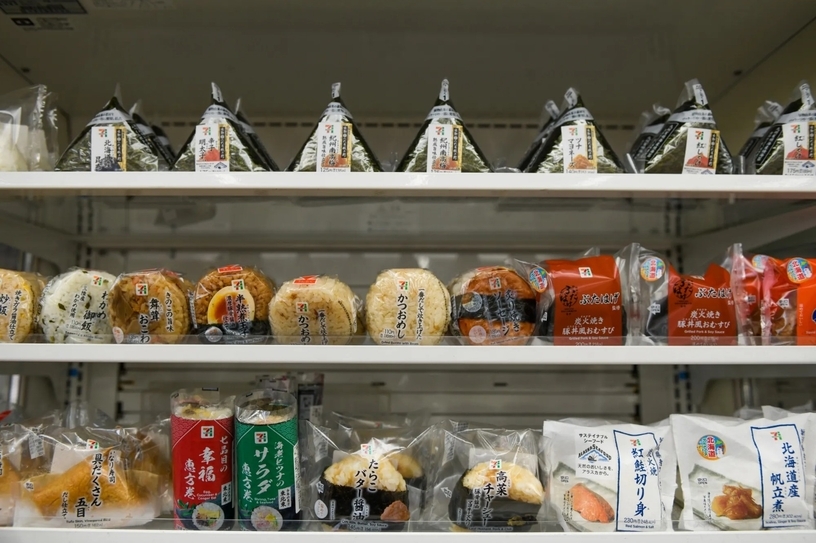
A common mistake among foreign investors is assuming that the U.S. model can be replicated directly. In reality, localization is what determines success. In Japan: premium bento meals, high-quality coffee, and efficient logistics. In Thailand: ready-to-eat street food alternatives and 24/7 accessibility. In Taiwan: multifunctional stores offering printing, ticketing, and payments. This ability to integrate into daily routines transforms 7-Eleven from a convenience store into an essential service hub.
Unlike single-unit franchises, entering as a country operator requires significant capital investment. Multi-million dollar investment capacity. Infrastructure development (warehousing, logistics, IT systems). Long-term ROI horizon (5–10 years for full-scale profitability). However, once scaled, the model offers: High-volume daily transactions. Strong cash flow stability. Opportunities for vertical integration (private label products, distribution).
While the upside is substantial, there are real challenges: Regulatory Barriers: Foreign ownership restrictions in some countries. Cultural Misalignment: Misreading local preferences can limit adoption. Operational Complexity: Managing hundreds of stores requires strong systems. Competition: Local convenience chains may already dominate the market. Success requires not just capital, but execution discipline and adaptability.
For investors targeting growth, emerging markets present significant potential. Regions in Southeast Asia, South Asia, the Middle East, and parts of Africa are seeing: Rising urban populations. Increasing demand for convenience retail. Growth in middle-class spending. Countries with underdeveloped convenience store ecosystems are particularly attractive, offering first-mover advantage.
For entrepreneurs already involved in sectors like: Food and beverage. Logistics and distribution. Retail and consumer goods. 7-Eleven can create powerful synergies. For example, investors can integrate local products into the supply chain or develop private-label goods tailored to regional tastes.
Expanding 7-Eleven into new international markets is not just a franchise opportunity—it is a large-scale business venture that blends retail, logistics, and consumer behavior strategy. For foreign investors with the right resources and vision, it offers a unique chance to build a nationwide retail network anchored by one of the most recognized brands in the world. The key to success lies in understanding one principle: 7-Eleven is not just about convenience—it’s about becoming part of everyday life in every market it enters.
1. Japan – The Global Leader
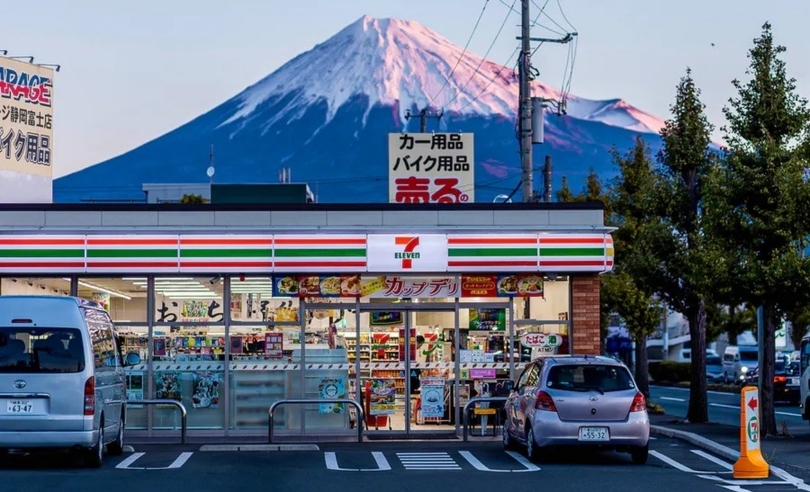
~21,500+ stores. Represents ~25% of all 7-Eleven stores worldwide. Japan is the most successful 7-Eleven market in the world. The brand is deeply integrated into daily life, offering: Fresh meals (bento, sushi). ATMs, bill payments. E-commerce pickup services. Japan proves that localization + operational excellence = massive scale
2. Thailand – The Most Aggressive Expansion Model. ~14,800+ stores. Operated by CP All. Thailand is often considered the best franchise execution model outside Japan: Stores in every province. Extremely high density (even small towns). Strong local partner + aggressive rollout = dominance
3. United States – The Original Market. ~12,000–13,000 stores. Despite being the birthplace, the U.S. is not the largest market anymore. More competition (gas stations, retail chains). Less localization compared to Asia
4. South Korea – High-Density Urban Model. ~11,000–13,000 stores. South Korea has one of the highest convenience store densities per capita. Urban lifestyle + 24/7 consumption habits
5. Taiwan – One of the Most Saturated Markets. ~6,800+ stores . A 7-Eleven almost every few blocks. Advanced services (printing, ticketing, payments). Convenience stores become multi-service hubs
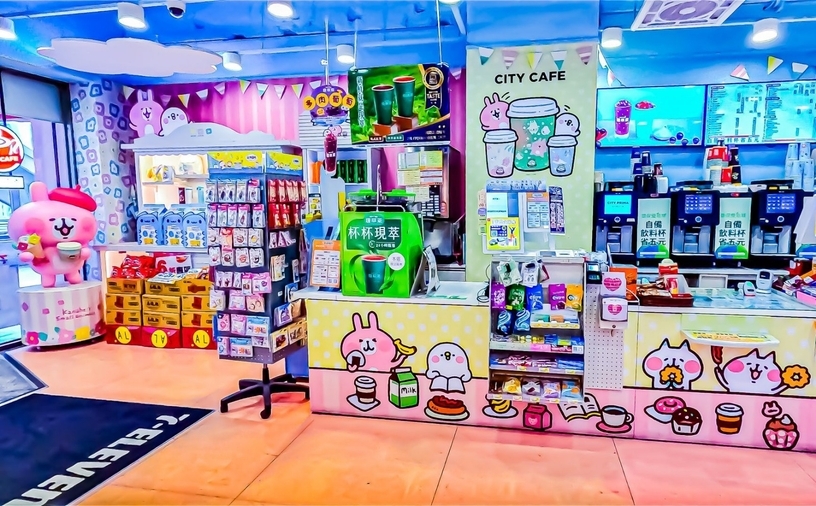
Asia Dominates the 7-Eleven Ecosystem. The top markets are mostly in Asia: Japan. Thailand. South Korea. Taiwan. This shows the concept thrives where: High population density. Strong convenience culture. Demand for ready-to-eat food. Top-performing countries are operated by powerful local companies, such as: CP All (Thailand). Seven & I Holdings (Japan). You need a strong local operator, not just capital.
Localization Is More Important Than Brand. The U.S. created the brand—but Asia perfected it. Winning formula: Local food. Local services. Local consumer habits. Biggest Opportunities Are NOT in Saturated Markets. Highly saturated: Japan. Thailand. Taiwan. Emerging opportunities: Southeast Asia (Vietnam, Cambodia). Middle East. Africa. The biggest 7-Eleven markets are not just large—they are deeply localized and highly operationally disciplined.