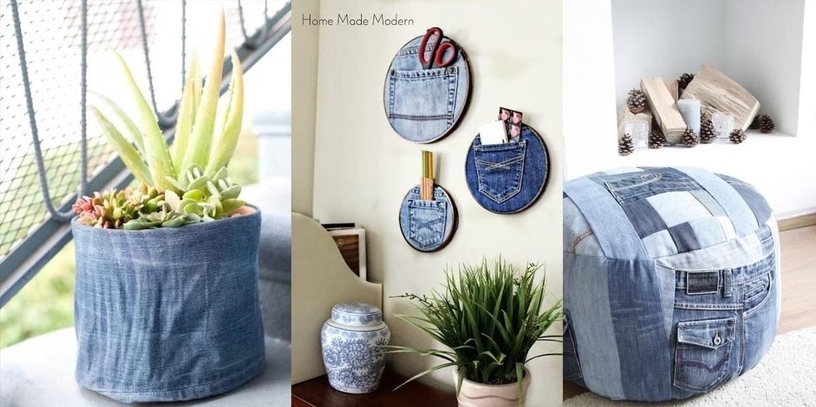
Explore denim wall art and panels as a modern interior design trend. Discover styles, benefits, sustainability insights, and how denim walls transform homes, offices, and boutique spaces with texture and eco-friendly appeal.
Explore denim wall art and panels as a modern interior design trend. Discover styles, benefits, sustainability insights, and how denim walls transform homes, offices, and boutique spaces with texture and eco-friendly appeal.
Image courtesy of Houzz
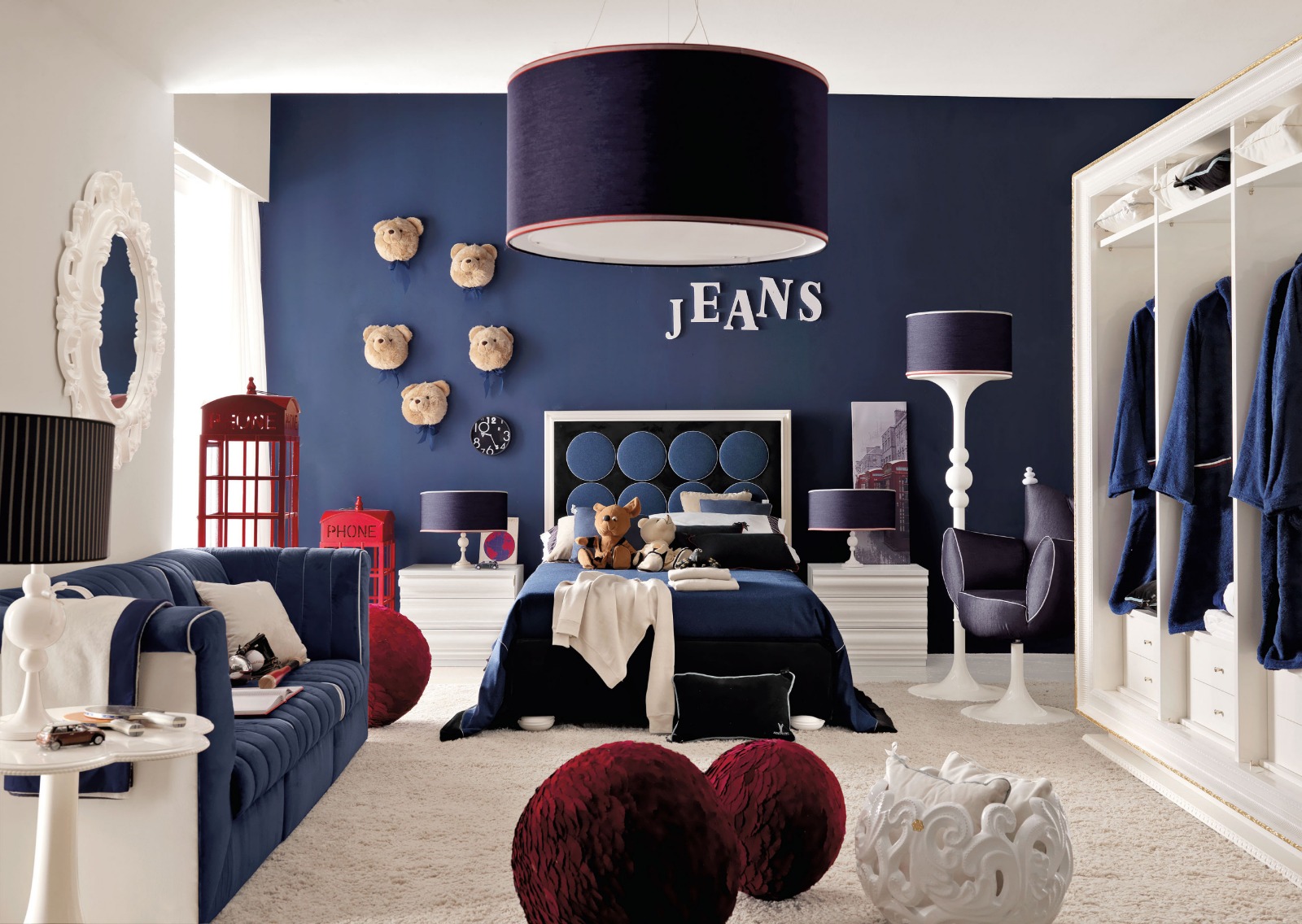
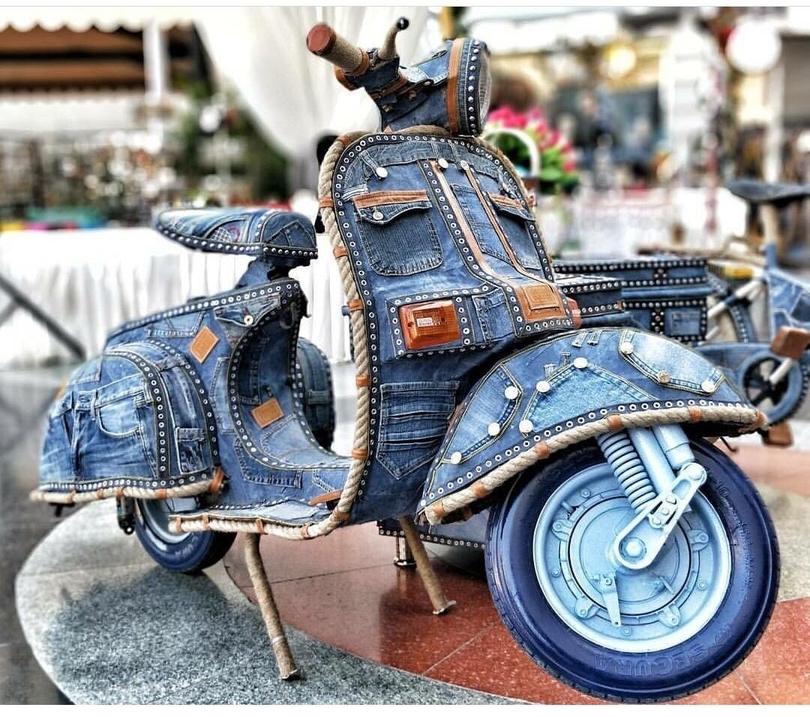
Denim is no longer just a fashion staple. Once reserved for jeans, jackets, and casual wear, denim has entered the world of interior design, becoming a versatile and stylish material for modern homes. Denim decor blends durability, nostalgia, and contemporary aesthetics, making it popular among designers, DIY enthusiasts, and eco-conscious homeowners. From sofas and cushions to wall art and curtains, denim is redefining interior styling with a casual yet sophisticated character.
Denim has a rich history dating back to the 19th century, originally designed as a rugged fabric for miners and workers. Its durability and timeless appeal have made it a cultural icon. Today, interior designers are embracing denim for the same reasons fashion brands love it—strength, versatility, and timeless style.
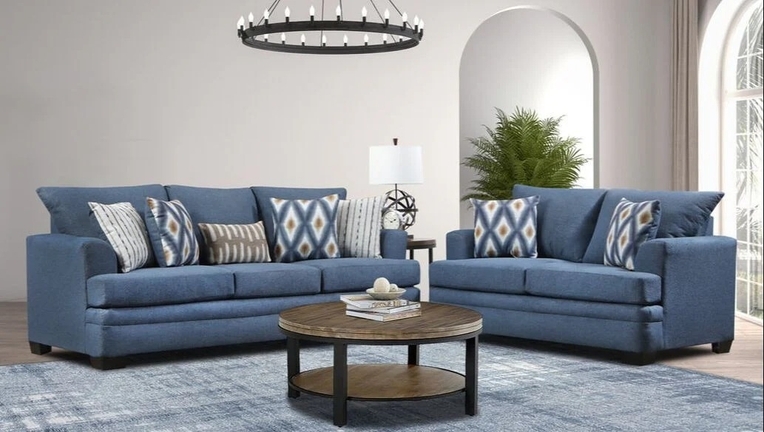
Denim upholstery offers a relaxed yet refined look. Unlike traditional fabrics, denim adds texture and a casual tone that works well in modern, industrial, and rustic interiors. Designers often mix denim with leather or wood furniture to create a balanced contrast between rugged and luxury elements.
Denim upholstery is emerging as one of the most distinctive trends in contemporary interior design. Traditionally associated with casual fashion, denim is now being reimagined as a premium upholstery fabric for sofas, armchairs, dining chairs, and accent seating. This shift reflects changing consumer preferences toward relaxed luxury, durability, and sustainable materials.
Designers and homeowners alike are discovering that denim upholstery offers a unique balance between comfort, style, and practicality.
Modern Minimalist Interiors. Denim sofas in dark indigo or charcoal tones create a sleek yet relaxed look in minimalist spaces. When paired with neutral walls, clean lines, and wooden furniture, denim adds warmth without overpowering the design.
Industrial and Loft Spaces. In industrial interiors, denim chairs and sofas complement exposed brick, concrete walls, and metal fixtures. Raw denim shades enhance the urban and masculine aesthetic commonly found in loft apartments.
Scandinavian and Nordic Homes. Light-washed denim upholstery works beautifully in Scandinavian interiors, where natural light, pale wood, and soft neutral colors dominate. Denim adds texture while maintaining a bright and airy atmosphere.
Bohemian and Eclectic Interiors. Patchwork denim upholstery and embroidered denim chairs are popular in bohemian settings. These pieces create a handcrafted, artistic vibe and often become statement furniture.
Raw Indigo Denim. Deep blue raw denim is favored in luxury interiors and high-end furniture collections. It creates a bold statement and pairs well with leather, marble, and brass accents.
Washed and Distressed Denim. Washed denim offers a softer, vintage-inspired look. Distressed finishes create a casual, relaxed atmosphere, ideal for cozy living spaces and cafes.
Patchwork Denim Upholstery. Patchwork designs made from recycled jeans fabrics are trending in sustainable interior design. Each piece is unique, making it attractive to design-conscious consumers.
Printed and Patterned Denim. Some designers use printed denim with subtle patterns or textures to elevate the fabric’s visual appeal while maintaining its classic character.
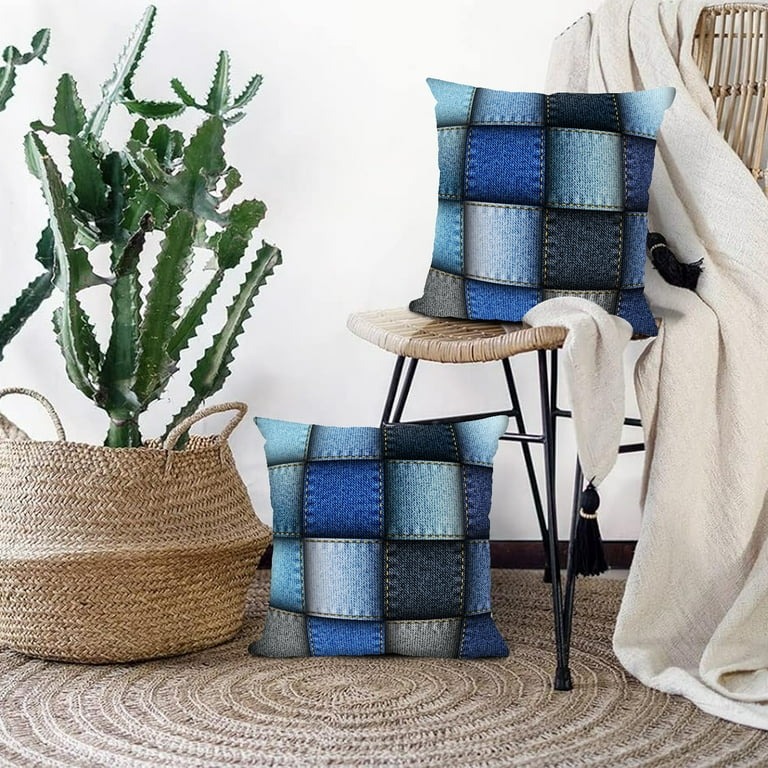
Denim cushions are one of the easiest ways to introduce denim into a home. They add texture without overwhelming the space and pair well with neutral tones such as white, beige, and gray.
Patchwork denim pillows create a bohemian or vintage aesthetic. Embroidered denim cushions add artisanal character, Distressed denim pillows enhance industrial and minimalist interiors. This trend is especially popular in cafes, boutique hotels, and creative studios.
Denim cushions and throw pillows are among the easiest and most stylish ways to introduce denim into interior design. Unlike large furniture pieces, cushions provide a low-commitment entry point while instantly adding texture, character, and personality to a space. From luxury villas to urban apartments and boutique cafes, denim pillows are becoming a signature décor element that blends casual comfort with contemporary aesthetics.
Patchwork Denim Cushions. Patchwork cushions made from recycled jeans are one of the most popular trends. Each piece features different denim shades and stitching patterns, creating a handcrafted, artisanal look. These cushions are widely used in bohemian, rustic, and eco-friendly interiors.
Embroidery and Decorative Stitching. Embroidered denim cushions add a luxury handcrafted feel. Decorative stitching, tribal patterns, or minimalist geometric designs elevate denim from casual fabric to premium décor.
Distressed and Washed Denim Pillows. Distressed denim cushions create a relaxed, lived-in aesthetic. They are ideal for industrial lofts, modern apartments, and creative studios where casual comfort is part of the design identity.
Minimalist Solid Denim Cushions. Solid indigo or charcoal denim cushions with clean edges suit modern, Scandinavian, and luxury interiors. These pillows act as subtle accents that enhance texture without dominating the space.
Living Rooms. Denim cushions are often layered on neutral sofas to create contrast and visual interest. Designers mix denim with linen, velvet, or leather cushions to achieve a balanced look.
Bedrooms. In bedrooms, denim throw pillows add a casual and cozy touch, especially in modern or coastal-themed interiors. Light-washed denim cushions pair well with white bedding and wooden furniture.
Outdoor and Semi-Outdoor Spaces. Heavy-duty denim cushions are sometimes used for patios, balconies, and garden seating due to their durability and resistance to wear.
Commercial Spaces. Cafes, boutique hotels, fashion stores, and co-working spaces use denim cushions to express creativity and lifestyle branding. Denim accents reinforce themes of authenticity, craftsmanship, and modern lifestyle culture.
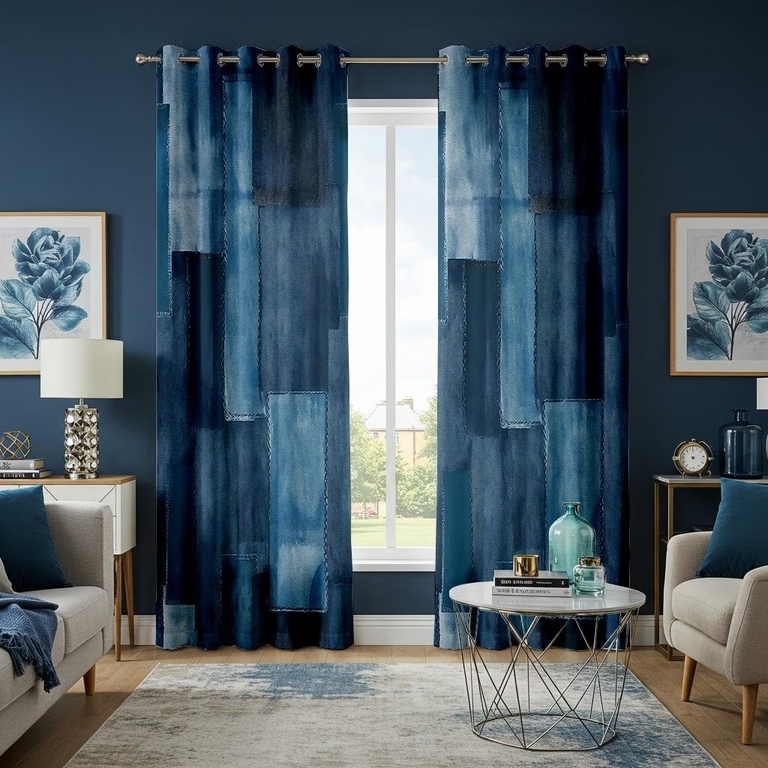
Denim curtains provide a soft industrial feel while offering privacy and light filtering. Lightweight washed denim fabrics are commonly used for modern interiors, while heavier raw denim suits loft-style or urban spaces. Designers often pair denim curtains with sheer fabrics to balance light and texture.
Denim curtains and window treatments are emerging as a distinctive trend in contemporary interior design. While curtains have traditionally been made from cotton, linen, or synthetic fabrics, designers are increasingly experimenting with denim to introduce texture, durability, and a modern casual aesthetic. Denim is a durable, tightly woven fabric originally designed for heavy use. These characteristics make it suitable for window treatments, especially in modern homes and commercial spaces.
Light-Washed Denim Curtains. Light-washed denim curtains are ideal for Scandinavian and coastal interiors. They soften sunlight while maintaining an airy, relaxed atmosphere. These curtains pair well with white walls, wooden floors, and neutral furniture.
Raw Indigo Denim Curtains. Deep indigo denim curtains create a bold statement and are popular in modern luxury interiors and industrial lofts. They add drama and contrast, especially when combined with concrete walls or metal finishes.
Patchwork Denim Curtains. Patchwork curtains made from recycled denim panels are a growing trend in sustainable and bohemian interiors. Each panel features unique shades and stitching, creating an artisanal and handcrafted look.
Sheer-Denim Blends. Some designers blend denim with lighter fabrics to create semi-sheer curtains. This hybrid approach balances texture with lightness, making denim suitable even for smaller spaces.
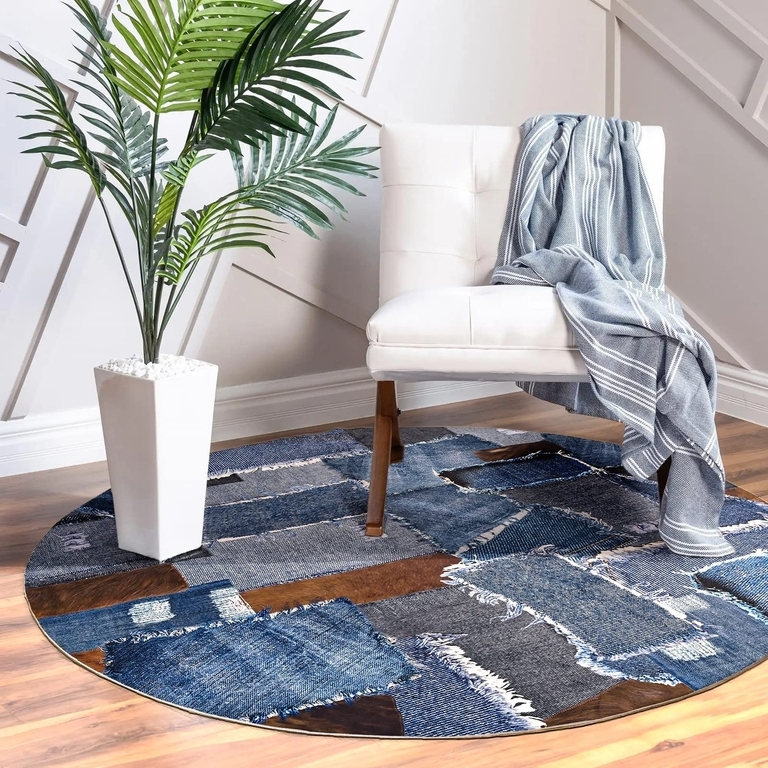
Denim rugs made from recycled jeans are gaining popularity in sustainable interior design. These rugs are crafted by stitching denim strips into patterns, creating a textured and durable floor covering.
Denim rugs and floor décor are emerging as a creative and sustainable trend in modern interior design. Traditionally, rugs are made from wool, jute, cotton, or synthetic fibers. Today, designers and eco-conscious consumers are turning to denim as a durable, textured, and visually distinctive flooring material. From handcrafted patchwork rugs to contemporary woven denim carpets, this trend blends sustainability, craftsmanship, and modern lifestyle aesthetics.
Patchwork Denim Rugs. Patchwork rugs made from recycled jeans are the most iconic denim floor décor. Strips or panels of denim are stitched together, creating geometric patterns and handcrafted textures. Each rug is unique, making it attractive for design-conscious consumers.
Braided and Woven Denim Rugs. Braided denim rugs are made by twisting denim strips into ropes and weaving them into circular or rectangular shapes. These rugs are popular in rustic, farmhouse, and bohemian interiors.
Flatweave Denim Rugs. Flatweave denim rugs offer a sleek and contemporary look. They are thinner and suitable for modern apartments, offices, and minimalist interiors.
Printed or Patterned Denim Carpets. Some designers print patterns on denim-based carpets to create modern or artistic designs, blending fashion-inspired textiles with interior flooring.
Scandinavian and Nordic Interiors. Light-washed denim rugs pair perfectly with pale wood floors, white walls, and minimal furniture, adding texture without overwhelming the space.
Industrial and Loft Spaces. Dark indigo or charcoal denim rugs complement concrete floors, metal furniture, and exposed brick, enhancing the urban aesthetic.
Bohemian and Eclectic Homes. Patchwork and braided denim rugs are ideal for boho interiors, layered with cushions, plants, and artisanal décor.
Modern Luxury Homes. Tailored flatweave denim rugs in deep blue tones add subtle luxury and contrast to marble floors and designer furniture.
Commercial Applications of Denim Floor Décor. Denim rugs are increasingly used in commercial interiors: Boutique hotels use denim rugs to create lifestyle-focused interiors. Cafes and restaurants use denim floor décor for casual urban ambiance. Fashion boutiques use denim rugs to reinforce brand identity. Creative offices and co-working spaces use denim rugs to express innovation and authenticity. Denim flooring décor helps brands differentiate their interior experience.
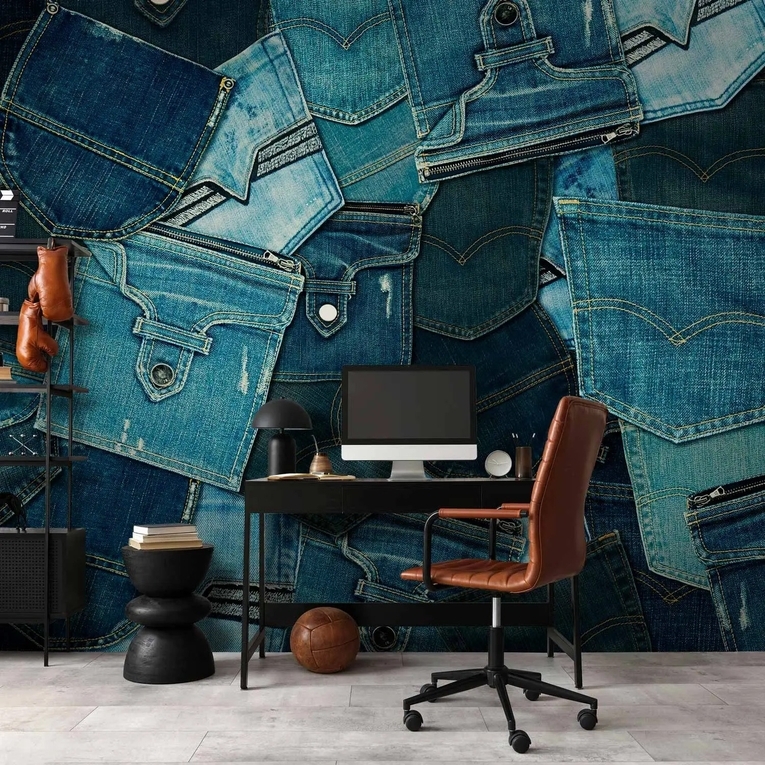
Denim wall décor includes framed denim artwork, patchwork panels, and fabric wall hangings. Designers use denim to add texture to minimalist walls, especially in modern apartments and creative offices. Some interior brands even create denim acoustic panels, combining aesthetics with functional sound absorption.
Denim wall art and panels are redefining how textiles are used in interior architecture. Beyond furniture and soft furnishings, denim is now being applied to walls as a decorative and functional material. Designers are using denim to add texture, depth, and storytelling to interiors, transforming walls into statement features. From luxury homes to creative offices and boutique hotels, denim wall décor is becoming a distinctive design signature.
Patchwork Denim Wall Panels. Patchwork panels are created by stitching together different denim fabrics into geometric or abstract patterns. These panels are often framed or installed as feature walls, creating a handcrafted and artistic aesthetic.
Framed Denim Artwork. Framed denim pieces resemble textile art. Designers use embroidery, stitching, or printed graphics on denim fabric to create modern wall art pieces suitable for living rooms, bedrooms, and offices.
Acoustic Denim Panels. Denim acoustic panels are designed to absorb sound while enhancing interior aesthetics. These panels are commonly used in home theaters, offices, studios, and co-working spaces.
Large-Scale Denim Wall Coverings. Some luxury interiors use continuous denim fabric panels as wall coverings, similar to wallpaper. This approach creates a bold and immersive visual experience, especially in modern apartments and boutique hospitality projects.
Modern Minimalist Interiors. In minimalist spaces, denim wall panels act as a focal point, adding texture without excessive ornamentation. Solid indigo panels work well with neutral walls and clean furniture lines.
Industrial and Loft Spaces. Denim wall décor complements exposed brick, concrete, and metal finishes. Dark denim tones enhance the urban and masculine aesthetic of loft interiors.
Scandinavian and Nordic Homes. Light-washed denim wall art pairs well with pale wood and white walls, adding subtle texture while maintaining a bright and airy environment.
Creative and Artistic Spaces. Studios, fashion offices, and co-working spaces use denim walls to express creativity and lifestyle branding. Denim reinforces themes of craftsmanship, authenticity, and modern culture.
Denim wall décor presents strong opportunities for interior brands and manufacturers: Interior brands can develop denim wall panel collections for residential and hospitality projects. Acoustic panel manufacturers can integrate recycled denim fibers into soundproofing solutions. OEM textile manufacturers can supply denim panels to global interior brands. Export businesses in Indonesia can leverage craftsmanship and sustainable storytelling to target international markets. With growing demand for sustainable architecture materials, denim wall panels represent a niche but premium market segment.
Denim décor is not limited to homes. Many cafes, restaurants, fashion boutiques, and co-working spaces use denim to express creativity and brand identity. Fashion boutiques: Denim panels and furniture reinforce brand storytelling. Cafes and bars: Denim cushions and stools create a relaxed urban vibe. Hotels: Denim accents in boutique hotels reflect modern lifestyle branding. Denim décor helps businesses connect with younger, design-conscious consumers who value authenticity and sustainability.
One of the biggest drivers of denim décor is sustainability. The fashion industry generates massive textile waste, and denim is one of the most discarded materials. Repurposing old jeans into home décor reduces landfill waste and carbon footprint.
Sustainable denim décor practices include:
Brands and designers are increasingly marketing denim décor as eco-luxury, appealing to conscious consumers.
Balance with Neutral Colors. Denim works best with neutral palettes such as white, beige, gray, and wood tones. This prevents the space from looking too casual or overwhelming.
Mix Textures. Combine denim with leather, linen, wood, and metal to create depth and sophistication.
Use Denim as an Accent. Instead of full denim furniture, start with cushions, throws, or wall art for a subtle and stylish touch.
Choose the Right Shade. Dark indigo for luxury and modern interiors. Washed denim for casual and Scandinavian style. Patchwork denim for bohemian or creative spaces.
Denim décor is more than a trend—it reflects lifestyle values such as authenticity, sustainability, and individuality. Just as denim clothing symbolizes freedom and casual confidence, denim interiors create relaxed and personal living spaces. For designers and homeowners, denim décor offers an affordable way to experiment with texture, color, and storytelling in interiors.
Denim décor also presents strong business potential:
With global demand for eco-friendly home décor growing, denim décor represents a niche with strong branding and storytelling potential.
Denim décor is transforming classic blue jeans into modern interior design elements. From sofas and cushions to rugs and wall panels, denim adds durability, texture, and sustainability to homes and commercial spaces. As consumers increasingly value eco-friendly materials and unique design, denim décor is positioned to become a lasting trend in global interior design.