Explore Kyoto’s timeless charm at your own rhythm. From tranquil temples and historic streets to flavorful cuisine and scenic nature spots, discover how to enjoy the city’s beauty, culture, and calm without the rush.
Explore Kyoto’s timeless charm at your own rhythm. From tranquil temples and historic streets to flavorful cuisine and scenic nature spots, discover how to enjoy the city’s beauty, culture, and calm without the rush.
京都市 · Kyoto City, Japan’s cultural heart, is a city where tradition meets tranquility.
Kyoto is a city where time slows down, allowing travelers to truly immerse themselves in its beauty, history, and traditions. Whether you're strolling through the historic streets of Gion, marveling at the golden glow of Kinkaku-ji, or savoring a delicate cup of matcha in a traditional teahouse, every experience in Kyoto feels like a moment frozen in time.
Each season brings a new charm, from cherry blossoms in spring to vibrant autumn foliage, making every visit unique. Beyond the temples and gardens, Kyoto’s essence lies in its quiet alleys, serene riverbanks, and the warmth of its people.
For those seeking a journey filled with culture, tranquility, and unforgettable sights, Kyoto is the perfect destination. Take your time, embrace the city's timeless elegance, and let Kyoto’s magic leave an everlasting impression.
Whether you’re a history enthusiast, a foodie, or simply seeking a peaceful retreat, Kyoto offers an unforgettable experience for every kind of traveler. From breathtaking temples to serene gardens and delightful culinary experiences, here’s how to enjoy a leisurely visit to Kyoto.
No trip to Kyoto is complete without exploring its historic districts. Start in Higashiyama, where narrow streets are lined with traditional wooden houses, artisan shops, and cozy teahouses. Visit the iconic Kiyomizu-dera Temple, known for its stunning views of the city, and stroll through Ninenzaka and Sannenzaka, two picturesque streets with well-preserved architecture.
Discover Kyoto’s Historic Heart: Higashiyama District
No visit to Kyoto is truly complete without stepping into Higashiyama, one of the city’s best-preserved historic districts. Nestled on the eastern slopes of Kyoto, this area offers a glimpse into the city’s past, where the charm of old wooden machiya townhouses, stone-paved lanes, and hanging lanterns remain beautifully intact.
Begin your journey at Kiyomizu-dera Temple, a UNESCO World Heritage Site perched on a hillside with sweeping views of Kyoto. The temple’s famous wooden terrace, supported by hundreds of wooden pillars, overlooks a forested valley and is especially breathtaking during cherry blossom and autumn leaf seasons. Don’t forget to visit the Otowa Waterfall at the base, where visitors drink from its three streams for longevity, academic success, or love.
From the temple, descend into Ninenzaka and Sannenzaka, two iconic pedestrian streets full of Kyoto character. These gently sloping lanes are lined with traditional shops, artisan boutiques, and teahouses selling local sweets, handcrafted souvenirs, and pottery. You might spot women in kimono walking past preserved wooden buildings, creating a postcard-perfect scene. Look out for hidden cafés, incense shops, and historic ryokan inns that offer a taste of traditional Japanese hospitality.
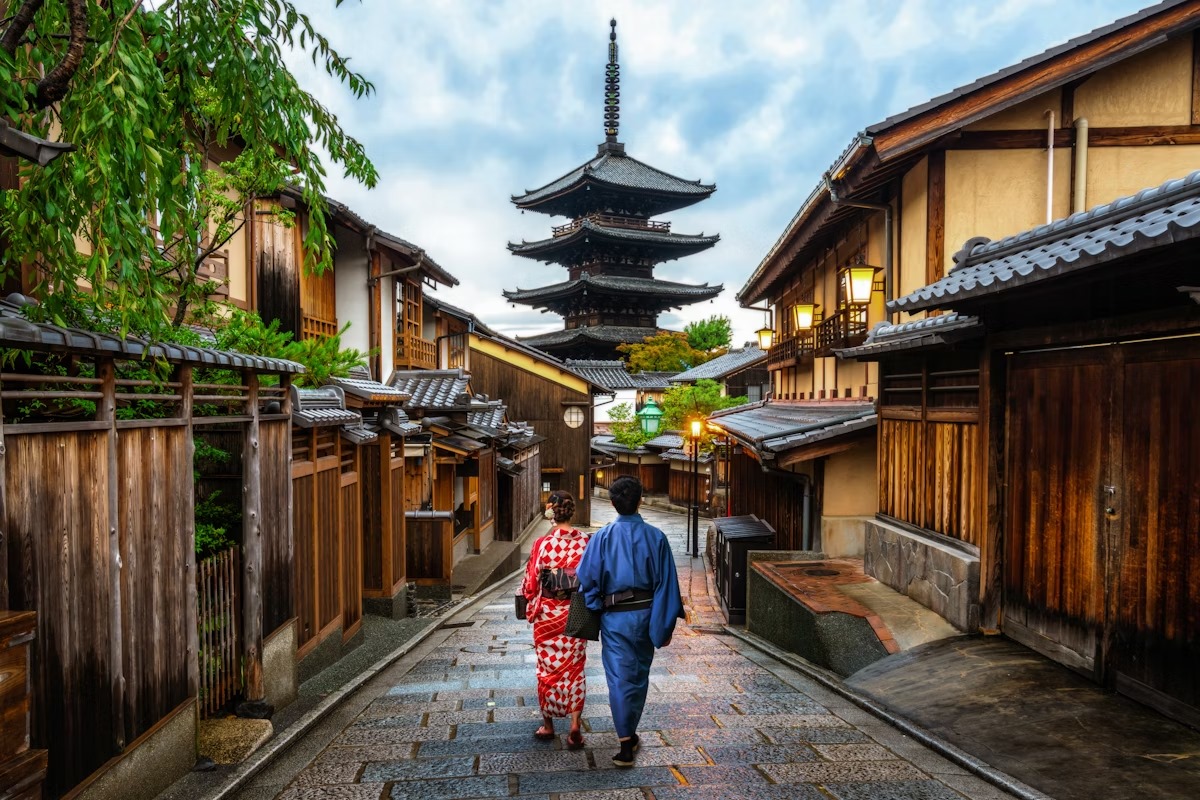
Whether you’re shopping for Kyoto crafts, tasting matcha soft serve, or simply soaking in the old-world ambiance, Higashiyama offers a truly unforgettable Kyoto experience.
For a deeper dive into Kyoto’s charm, head to Gion, the famous geisha district. At dusk, you might catch a glimpse of a geisha or maiko hurrying between teahouses, adding to the district’s mystique.
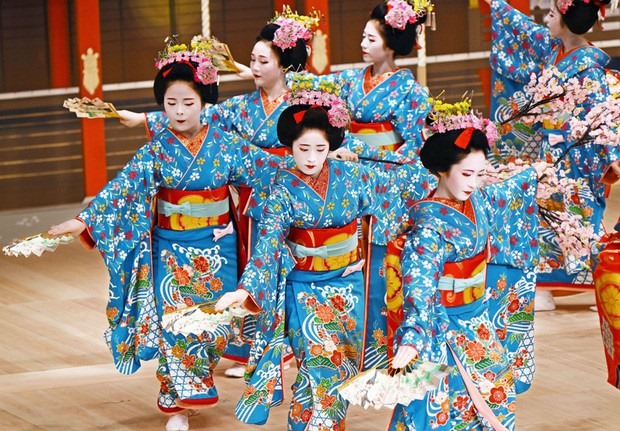
Gion is the soul of Kyoto’s traditional culture—a district where the elegance of old Japan still lives and breathes. Located just east of the Kamo River and near Yasaka Shrine, Gion is famous as the heart of Kyoto’s geisha (or “geiko” in Kyoto dialect) community.
Wander through the historic Hanamikoji Street, where time seems to slow down. Here, rows of beautifully preserved machiya (wooden townhouses) line the stone-paved street, many of them functioning as exclusive teahouses (ochaya) where geiko and maiko (apprentice geisha) entertain with refined performances of music, dance, and conversation. Although spotting a geiko in the evening is rare, it’s not impossible—particularly if you're walking quietly just before dusk.
A short stroll takes you to Shirakawa Lane, a quieter, less crowded area of Gion running along a willow-lined canal with small stone bridges and elegant inns. It's especially atmospheric at night when the lanterns light up the narrow alleys, creating a sense of timeless romance. In spring, cherry blossoms reflect off the water, making it one of the most photogenic spots in Kyoto.
While much of Gion retains its exclusive, refined air, you’ll also find traditional sweet shops, Kyoto-style kaiseki restaurants, and small galleries showcasing local crafts and antiques. To deepen your cultural experience, consider booking a ticket for a geisha performance at Gion Corner, where several traditional Japanese arts—such as tea ceremony, flower arranging, and kyo-mai (Kyoto-style dance)—are introduced in a digestible format for visitors.
Kyoto is home to over 1,600 temples and shrines, each with its own unique beauty. Among the must-visits are:

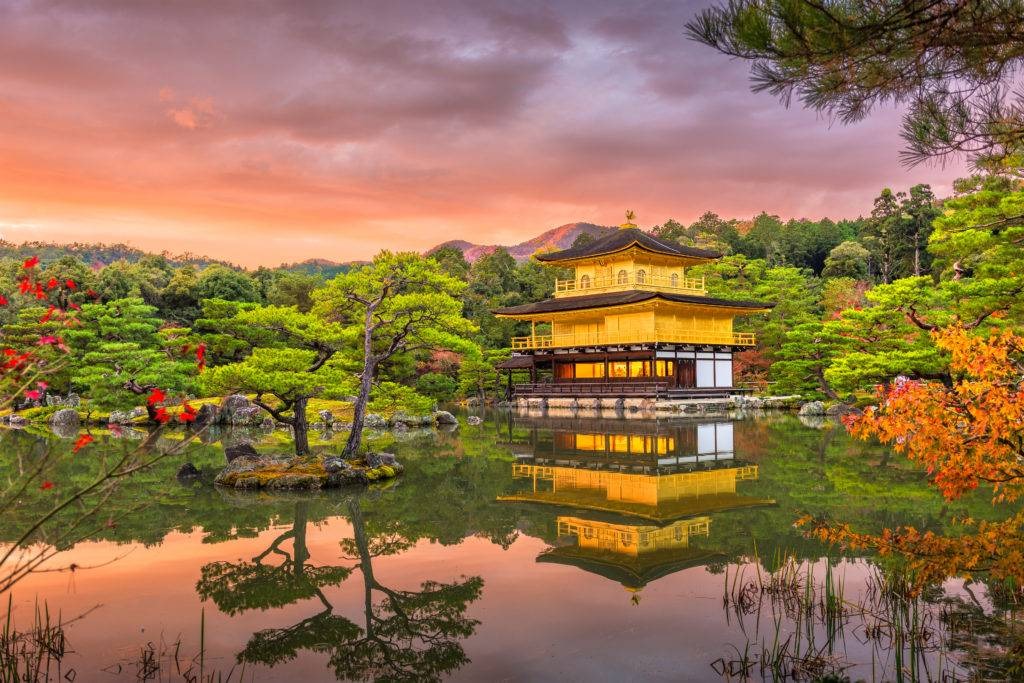
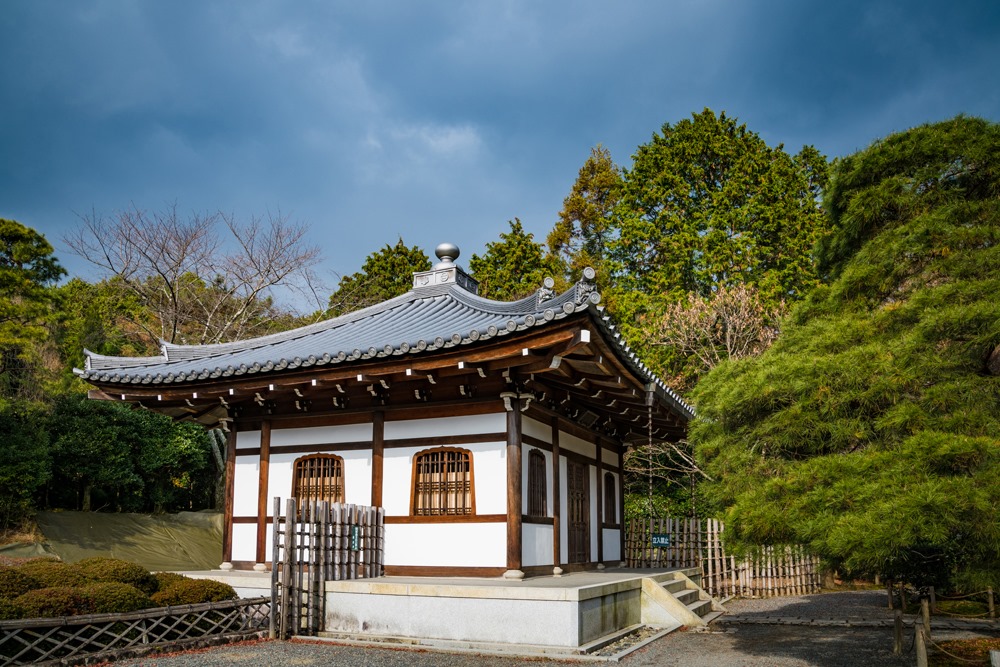
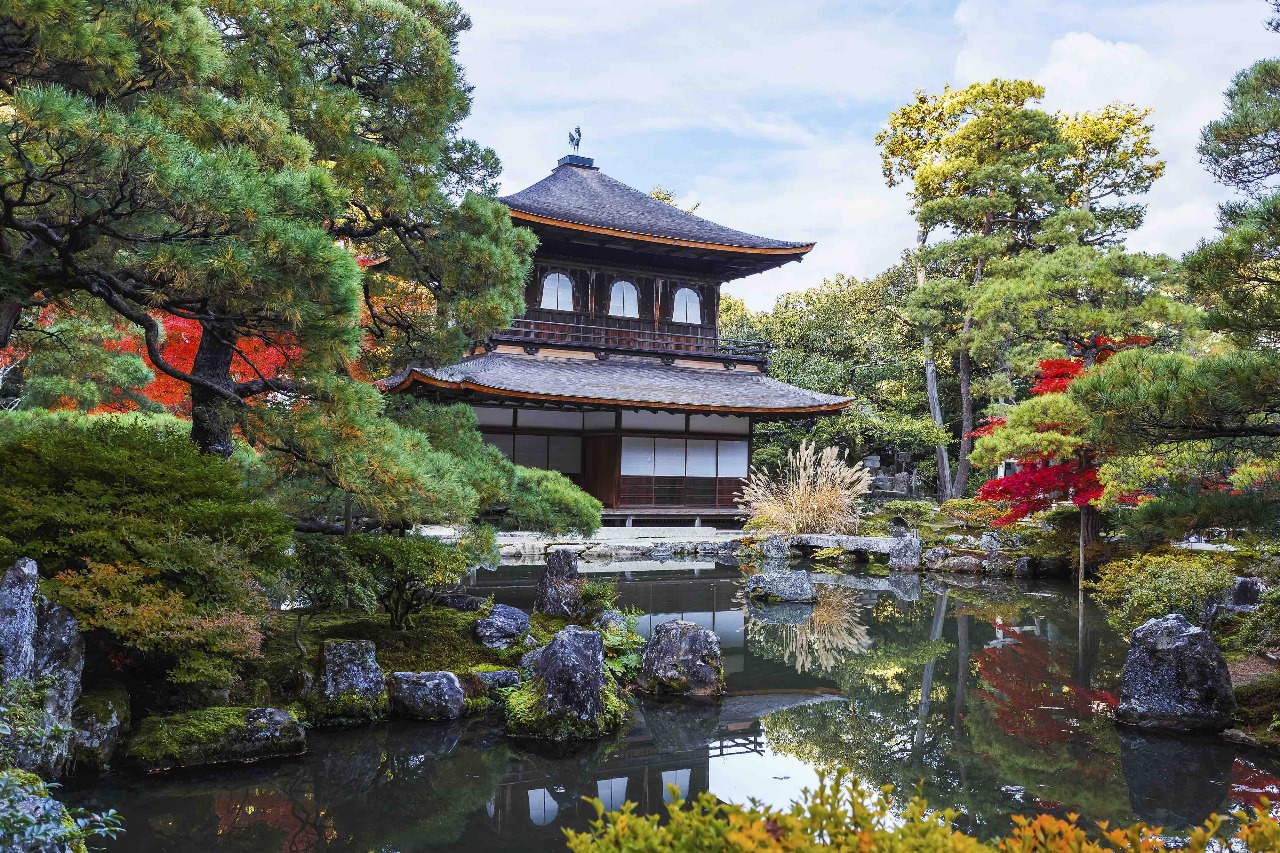
For those looking to unwind, Kyoto’s meticulously designed gardens offer a perfect retreat. Shosei-en Garden, near Kyoto Station, is a hidden gem ideal for a quiet stroll. Tucked just a short walk from Kyoto Station, Shosei-en Garden is a serene oasis often overlooked by tourists. Originally part of the Higashi Hongan-ji Temple estate, it combines traditional Japanese landscaping with a touch of natural wildness. The garden features a large pond, quaint teahouses, arched bridges, and seasonal blooms like cherry blossoms and irises. Its pathways lead through tranquil scenery ideal for a reflective walk, making it perfect for travelers seeking peace in the heart of the city.
Katsura Imperial Villa features one of the finest examples of Japanese garden design, while Tofuku-ji Temple’s Zen Garden provides a meditative atmosphere with its raked sand patterns and moss landscapes.
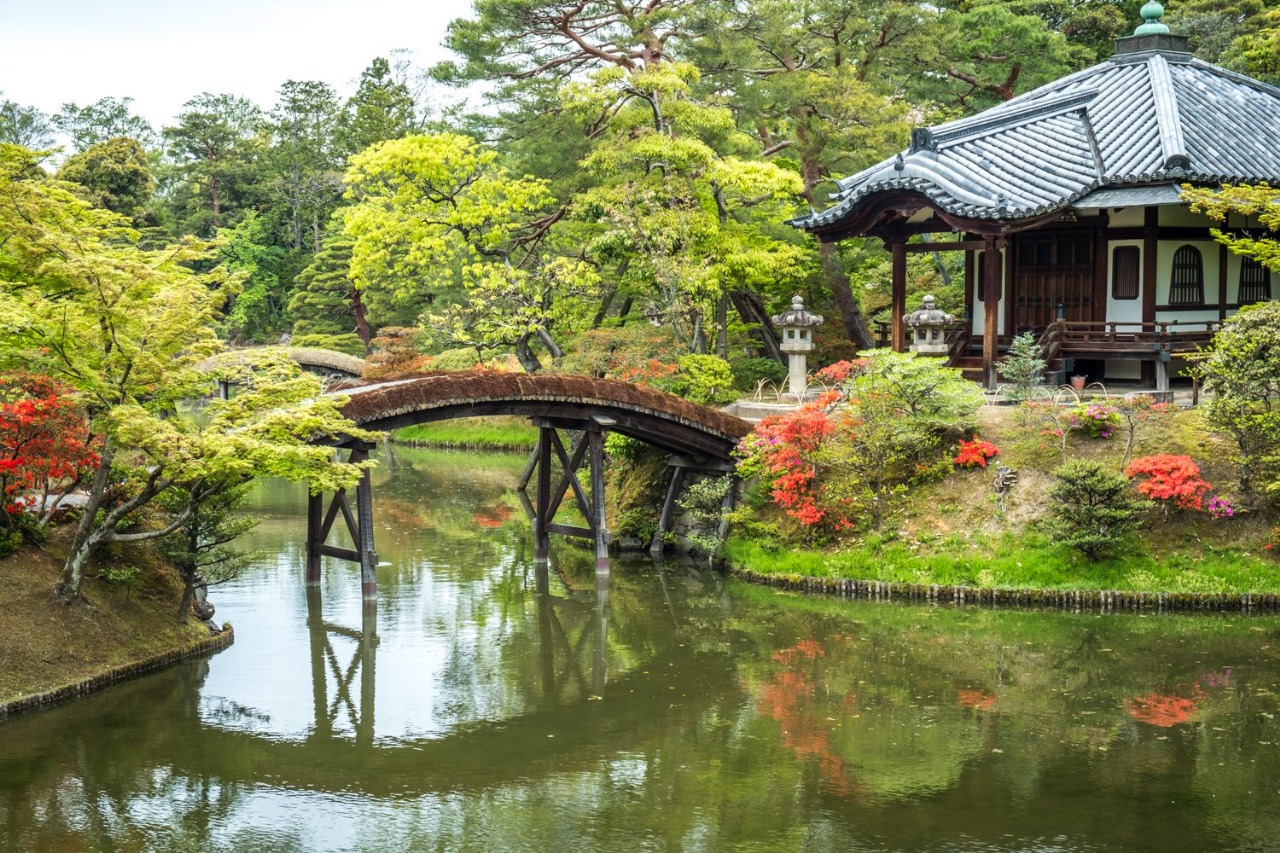
Regarded as a masterpiece of Japanese architecture and garden design, Katsura Imperial Villa exemplifies harmony between buildings and nature. Built in the 17th century for the Imperial family, it features a circular strolling garden that leads visitors around a central pond with islands, bridges, and artfully placed pine trees. The design incorporates shakkei (borrowed scenery), drawing in views of the distant mountains. Visits require advance reservations, but it’s a must-see for those who appreciate elegant simplicity and spatial perfection in landscape architecture. 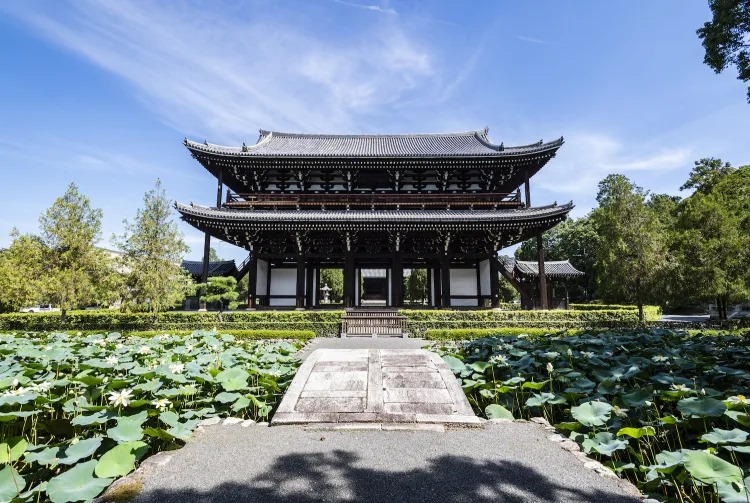
Famous for its dramatic autumn foliage, Tofuku-ji also houses one of Kyoto’s most meditative dry landscape gardens, designed by modern garden master Mirei Shigemori. The Zen garden here is a contemporary interpretation of classic Zen aesthetics, featuring checkerboard moss patterns, raked gravel, and carefully positioned rocks that inspire introspection. The temple grounds are expansive, and the Hojo Garden, in particular, offers four different garden styles around a single building—each evoking stillness and balance.
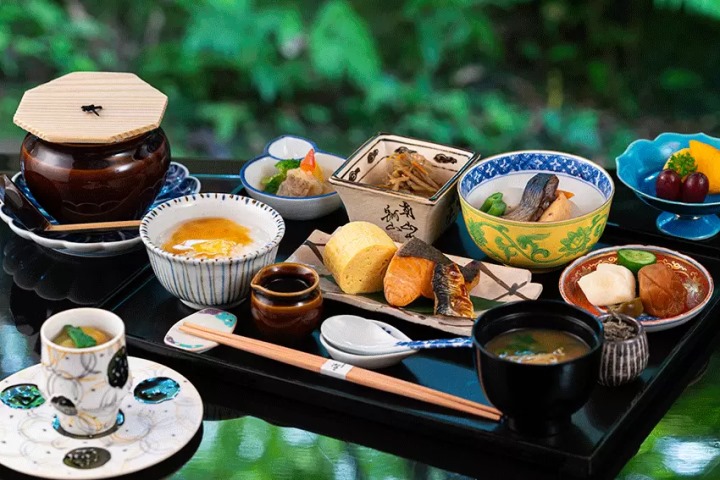
Don’t forget to stop by Nishiki Market, a vibrant food street known as “Kyoto’s Kitchen,” where you can sample everything from matcha sweets to fresh seafood skewers. Nishiki Market – Kyoto’s Kitchen
Nicknamed “Kyoto’s Kitchen,” Nishiki Market is a vibrant, narrow shopping street packed with over a hundred food stalls and specialty shops stretching for five blocks in the city center. This bustling marketplace has been operating since the 1600s and offers an authentic taste of Kyoto’s rich culinary heritage.
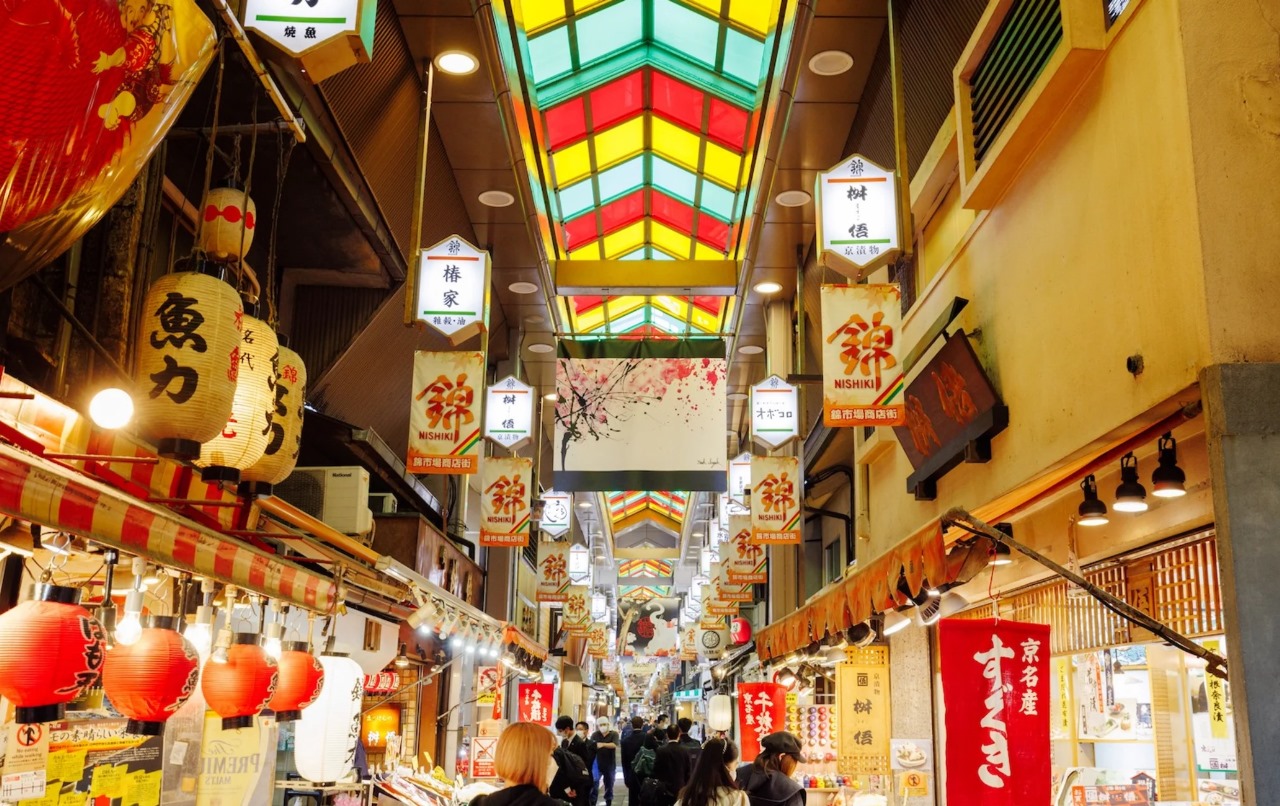
Nishiki is not just a place to eat—it's a cultural experience. The market reflects the seasonal rhythms of Kyoto life and is full of traditional ingredients used in kaiseki (Japanese haute cuisine). It’s also a great spot to pick up local kitchenware, handcrafted knives, and souvenirs.
Whether you're a foodie or a curious traveler, Nishiki Market is a must-visit for tasting Kyoto's flavors, meeting friendly shopkeepers, and immersing yourself in the city’s everyday charm.
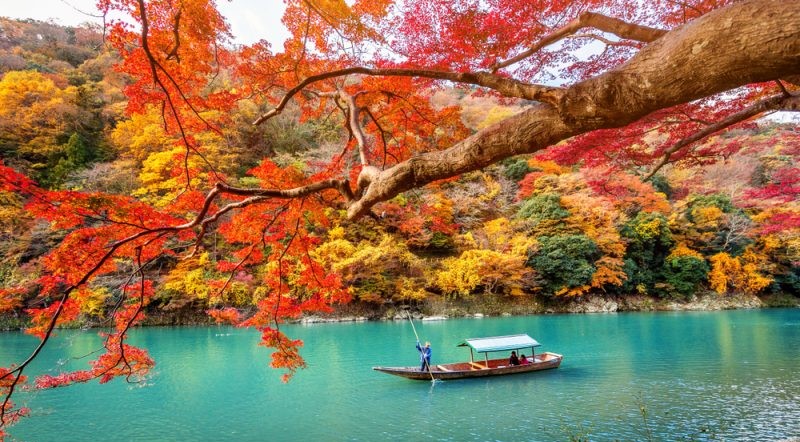
Each season brings a new charm to Kyoto. In spring, cherry blossoms bloom across the city, with Maruyama Park and the Philosopher’s Path offering the best viewing spots. Autumn transforms Kyoto into a fiery canvas of red and orange, making Arashiyama’s Bamboo Grove and Tofuku-ji Temple especially breathtaking. Even in winter, the snow-dusted temples and steaming onsen (hot springs) in the outskirts provide a magical experience.
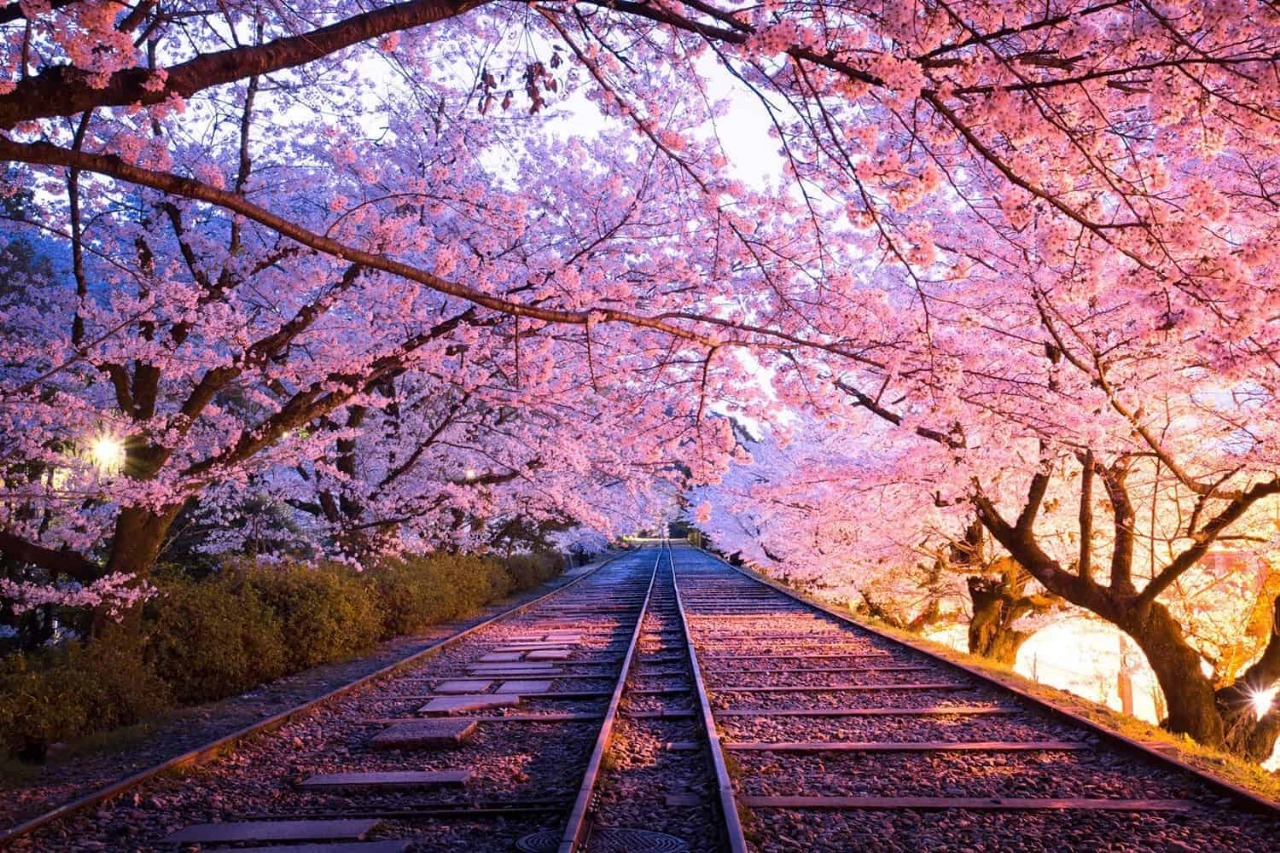
Spring in Kyoto is nothing short of enchanting. From late March to early April, the city comes alive in soft shades of pink and white as sakura (cherry blossoms) bloom throughout parks, temple grounds, and riversides.
Maruyama Park, located next to Yasaka Shrine in Gion, is one of the city’s most iconic hanami (flower viewing) spots, famous for its majestic weeping cherry tree illuminated at night. Meanwhile, the Philosopher’s Path, a serene walkway lined with hundreds of cherry trees, offers a peaceful, reflective stroll alongside a canal connecting Ginkaku-ji and Nanzen-ji. The fleeting nature of the blossoms enhances the season's poetic, dreamlike quality.

From mid-November to early December, Kyoto transforms into a painter’s palette of fiery reds, deep oranges, and golden yellows. This is the momiji (autumn leaves) season, and it’s just as celebrated as spring.
In Arashiyama, the Bamboo Grove takes on a surreal atmosphere when framed by colorful foliage, especially around Tenryu-ji Temple and along the Hozugawa River. Tofuku-ji Temple is another top autumn destination, with dramatic views of maple-filled ravines and traditional wooden bridges that draw photographers and leaf-peepers alike. The cool, crisp air enhances long temple walks and scenic garden views, making autumn a favorite for many visitors.
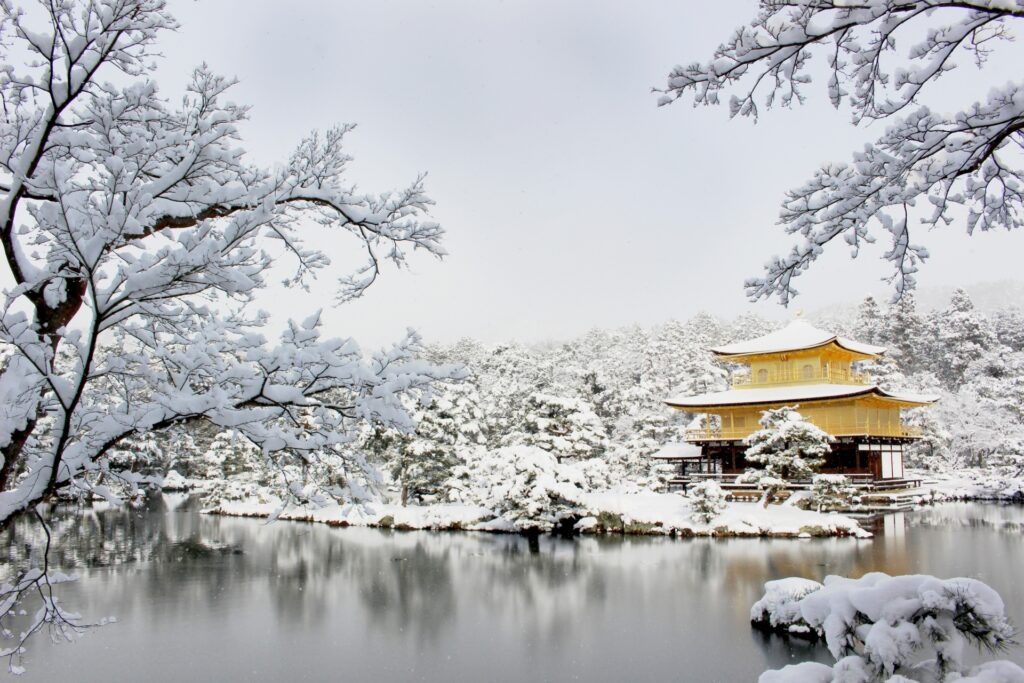
Though less crowded, winter in Kyoto has a quiet, mystical allure. From December through February, snow occasionally blankets temple rooftops and moss gardens, adding a peaceful, monochromatic beauty to places like Kinkaku-ji and Ryoan-ji.
This is also the perfect season to explore outskirts like Kurama or Kibune, where steaming onsen baths in the snow offer the ultimate relaxation. The lower tourism flow means more intimate experiences in teahouses, gardens, and historic streets like Gion—ideal for slow travel and reflection.
If you have extra time, consider a day trip to Uji, a town famous for its high-quality green tea and the stunning Byodo-in Temple. Alternatively, visit Ohara, a rural escape with serene temples like Sanzen-in, perfect for a quiet getaway.
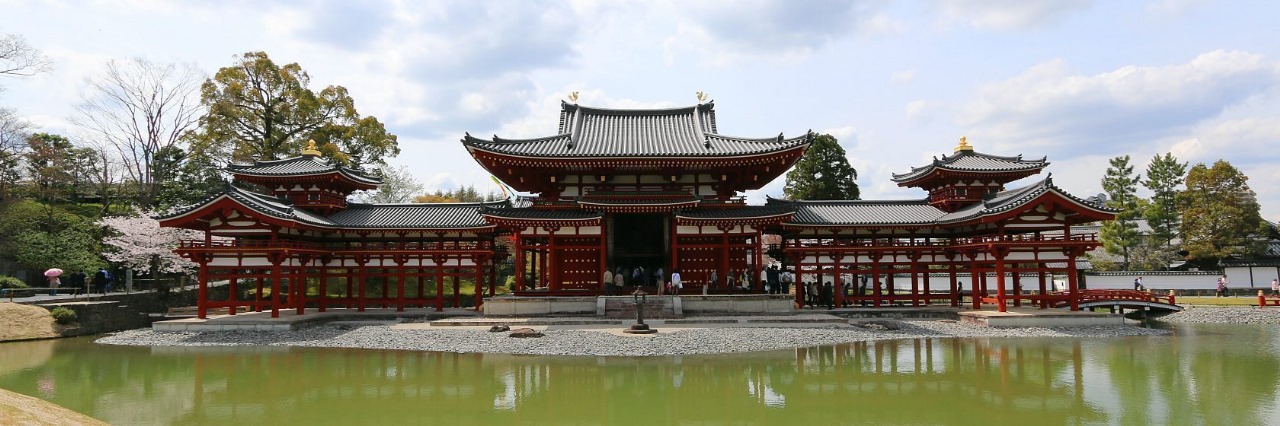
Located just 30 minutes south of Kyoto by train, Uji is a picturesque riverside town renowned for producing some of Japan’s highest-quality green tea, especially matcha. Tea culture is deeply embedded in the town’s identity, with countless teahouses, shops, and museums offering tastings and hands-on experiences such as tea ceremonies and matcha grinding.
The star attraction is the UNESCO World Heritage-listed Byodo-in Temple, an exquisite 10th-century Buddhist temple best known for its Phoenix Hall, which is depicted on the ¥10 coin. With its elegant architecture and reflecting pond, it offers one of the most photogenic scenes in the region. Uji is perfect for tea lovers, history buffs, or anyone looking to explore a smaller, less touristy destination rich in tradition and natural beauty.

Tucked away in the northern hills of Kyoto, Ohara is a peaceful countryside escape just an hour from the city center. Surrounded by forested mountains and rice terraces, Ohara feels like stepping into another era—one where time slows down.
The highlight here is Sanzen-in Temple, known for its moss-covered gardens, soothing streams, and humorous little stone statues called warai jizo nestled among the greenery. The temple’s tranquil atmosphere and scenic walking paths make it a favorite spot for travelers seeking quiet reflection. Ohara also offers local produce markets and charming ryokan inns where you can stay overnight and enjoy seasonal kaiseki meals.
Kyoto is a city that invites travelers to slow down and soak in its timeless beauty. Whether you’re savoring a cup of matcha in a centuries-old teahouse, admiring a temple’s intricate architecture, or strolling through a peaceful garden, Kyoto offers a perfect blend of history, culture, and relaxation. For those seeking a leisure-filled escape, Kyoto is truly a dream destination.