HDB Singapore: Where Smart Living Meets Community and Style
Discover why HDB flats in Singapore offer more than just housing—think smart design, vibrant communities, green living, and stylish interiors. From Tiong Bahru to Dawson, explore how HDB living combines lifestyle, culture, and comfort in every block.
When people think of Singapore, gleaming skyscrapers and luxury condos often come to mind. But step into the heart of the Lion City and you’ll discover a uniquely Singaporean way of life—HDB living. Built with both function and community in mind, Housing & Development Board (HDB) flats are not just homes; they’re where lifestyle, heritage, and innovation come together.
The Housing & Development Board (HDB) is Singapore's public housing authority, established in 1960. It plays a central role in providing affordable, quality housing to Singaporeans. Over 80% of Singapore’s resident population lives in HDB flats, and about 90% of those own their homes, thanks to Singapore’s public home ownership model.
More Than Just Public Housing
Since the 1960s, HDB has played a central role in Singapore’s housing success story. Today, over 80% of Singaporeans live in HDB flats, and these homes have evolved far beyond their humble beginnings. From heritage-rich neighborhoods like Tiong Bahru and Queenstown to smart townships like Punggol and Dawson, HDB flats reflect Singapore’s journey from kampungs to global city.
What makes HDB living special is the focus on lifestyle and community. Think morning walks through lush parks, kids playing downstairs while grandparents garden nearby, and neighbours gathering for kopi chats at the hawker centre.
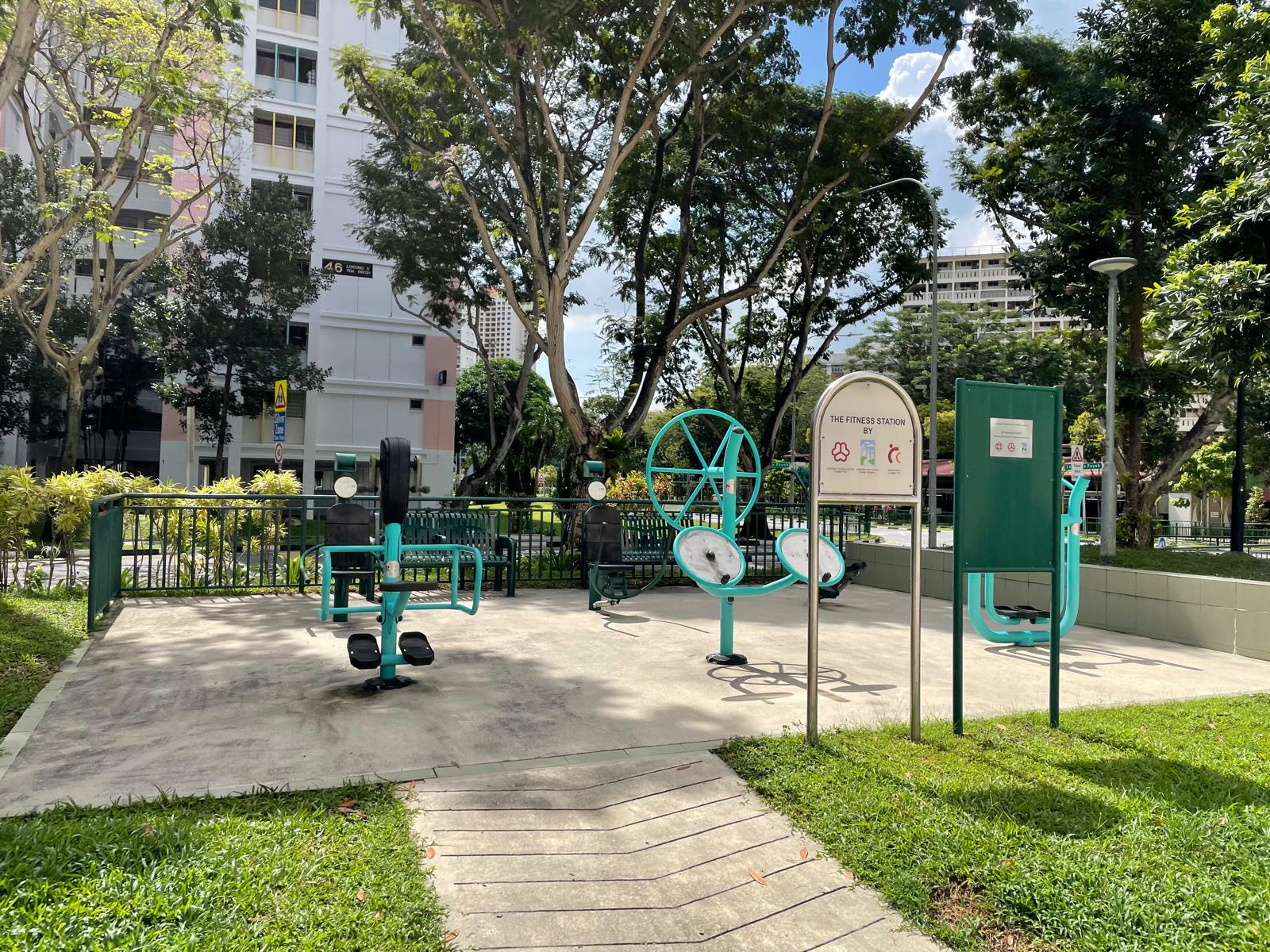
Modern HDB towns are planned with a clear vision: Green spaces at every corner. Hawker centres, clinics, supermarkets, and schools within walking distance. Accessible transport and car-lite pathways. Sky gardens, community farms, and fitness zones. Living in an HDB flat is like having the convenience of a small town—right at your doorstep.
Types of HDB Flats
HDB offers a variety of flat sizes to suit different needs:
1-Room & 2-Room Flexi: For singles or elderly.
3-Room: Suitable for small families.
4-Room & 5-Room: Popular among larger families.
Executive Flats & Maisonettes: Larger and no longer built, but still available on resale.
Build-to-Order (BTO) Scheme.New flats are launched under the BTO scheme, where construction begins only after a certain number of bookings are received. Applicants apply in advance, and the wait time is around 3–5 years.
Resale Market.Older HDB flats can be bought on the open market by eligible buyers. CPF Housing Grants are available to make resale flats more affordable.
CPF (Central Provident Fund) Usage.Buyers can use their CPF savings to pay for HDB flats.Loans are available through HDB or banks.
Design & Community Integration.HDB estates are self-sufficient, typically integrated with: Markets and hawker centres. Schools. Parks and recreational spaces. MRT/bus interchanges.
Upgrading & Renewal Programs.HDB flats are maintained and periodically upgraded via programs like: Home Improvement Programme (HIP). Neighbourhood Renewal Programme (NRP). Lift Upgrading Programme (LUP)
Flat Pricing & Affordability.HDB prices are subsidized for first-time buyers. Prices vary based on location, flat size, lease balance, and market demand.
Eligibility.Generally restricted to:Singapore Citizens (and Permanent Residents under specific schemes). Family nucleus or single above age 35. Income ceilings apply (especially for new BTO flats)
Whether you live in a 3-room flat or a 5-room unit, HDBs offer incredible potential for creative interior design. Thanks to clean layouts and modern renovation guidelines, homeowners can design everything from cozy Scandinavian corners to minimalist Japandi-inspired homes.
Here’s why interior design lovers adore HDB flats: Open-plan living and dining areas ideal for multi-use styling. Custom cabinetry to maximize storage in smaller bedrooms. Versatile kitchens perfect for both function and flair. Many new flats come with smart home-ready fittings
Looking for inspiration? Flats at SkyVille @ Dawson feature high ceilings and panoramic views—perfect for airy, biophilic decor. Meanwhile, Tiong Bahru’s walk-up HDBs provide the ideal backdrop for vintage-modern styling.
Each HDB town has its own charm: Tiong Bahru: Art Deco architecture, trendy cafes, and a strong sense of nostalgia. Queenstown: Singapore’s first satellite town with wide boulevards and rich history. Toa Payoh: Heartland living at its finest, with temples, sports complexes, and bustling markets. Punggol: A model “eco-town” with waterfront parks, cycling trails, and smart technology. Dawson: Vertical green living in a future-ready urban enclave. Even within the ultra-urban Chinatown, you’ll find compact HDB units integrated with shophouses and wet markets—the very definition of heritage-meets-modern living.
Here are 6 iconic HDB developments that represent Singapore’s housing history and urban evolution—each a milestone in the city-state's transformation from kampongs to world-class public housing:
Tiong Bahru (Built in 1936–1950s)
Singapore’s First Public Housing Estate - Where Singapore’s Public Housing Story Began
Built by the Singapore Improvement Trust (SIT) in the 1930s, Tiong Bahru was the first public housing estate in Singapore—predating the Housing & Development Board (HDB)—predecessor of HDB—Tiong Bahru is the birthplace of public housing in Singapore. Art Deco and Streamline Moderne style low-rise walk-up apartments. A blend of old and new—heritage flats stand beside trendy cafes and boutique shops. It’s a preserved conservation area, attracting artists and expats.
Located in Bukit Merah, near the city centre, Tiong Bahru is one of Singapore’s oldest housing estates—just minutes away from Orchard Road, yet retaining a tranquil, laid-back charm.
The name "Tiong Bahru" means “New Cemetery” in Hokkien and Malay, as the area was once used for burials before redevelopment. It was initially built for middle-income families, civil servants, and later, civil defense personnel during World War II.
Art Deco-inspired architecture, influenced by European modernist styles like Streamline Moderne. Low-rise walk-up apartments (2 to 4 stories) with curved balconies, porthole windows, spiral staircases, and rooftop terraces. Designed for good airflow and sunlight—forward-thinking urban planning for its time. Some blocks were later given conservation status in 2003 to protect their architectural heritage.
Tiong Bahru is a melting pot of nostalgia and modernity: Once home to Chinese literati and famous writers, including those from the “Mahjong Literature Club,” giving it literary and cultural prestige. Now known for its indie bookstores, art galleries, cafes, and yoga studios, attracting creatives, expats, and young professionals. Traditional elements like bird-singing corners and old coffee shops still exist alongside specialty bakeries and brunch spots.
Tiong Bahru Market & Food Centre: Famous for local delights like chwee kueh, lor mee, and prawn noodles. Wet market, supermarket, salons, traditional medicine shops—all within walking distance. Close proximity to Singapore General Hospital, Outram MRT interchange, and central business district.
Tree-lined streets and pocket parks give it a calm, neighborhood feel. Residents often know each other by name, creating a close-knit, village-like community in the heart of the city. Sidewalk cafes and communal courtyards encourage interaction and relaxation.
Conservation flats in Tiong Bahru are highly sought-after, with premium prices despite their age—due to charm, location, and historical value. A mix of heritage blocks and modern HDB developments, like the newer [Kim Tian] blocks nearby, cater to different buyer profiles.
Embodies Singapore’s housing legacy—from colonial-era planning to modern urban renewal. Serves as a model of preservation and reinvention: proving that public housing can be both functional and beautiful. A living story of Singapore’s transformation from a sleepy colonial town to a global city—through the lens of one estate.
Queenstown (1950s–1960s) - Singapore’s First Satellite Town
After independence, Queenstown became the prototype for HDB towns with schools, markets, and amenities integrated from the start. Home to Singapore’s first HDB point block, sports complex, and branch library. Mature estate with modern upgrades and a nostalgic charm, reflecting HDB's evolution from basic housing to lifestyle planning.
Situated in the central-west region of Singapore, Queenstown is strategically located between the city center and mature residential hubs like Bukit Merah and Clementi. It’s well-connected via MRT (Queenstown, Commonwealth, and Buona Vista stations) and major roads.
Named in honor of Queen Elizabeth II’s coronation in 1953, Queenstown is Singapore’s first satellite town, meaning it was planned with full amenities to function independently from the city center. Development began in the early 1950s under the Singapore Improvement Trust (SIT), then taken over by HDB in the 1960s. It was a testbed for large-scale public housing and town planning, setting the template for future towns like Toa Payoh and Ang Mo Kio.
Queenstown holds several national “firsts” in housing and infrastructure: First HDB point block (Block 160 Mei Ling Street). First branch library (Queenstown Public Library), opened in 1970. First sports complex (Queenstown Stadium & Swimming Complex). Alexandra Hospital, a key health facility since the British era. First neighborhood shopping centre (Queensway Shopping Centre)—an early retail hub famous for sportswear and custom shoes
Early flats featured 10- to 16-storey slab blocks and point blocks with basic amenities and large communal spaces. Many low-rise walk-ups and high-rise blocks still stand today, giving the town a layered architectural identity. Over time, older flats have been rejuvenated through the Selective En bloc Redevelopment Scheme (SERS) and upgrading programs, with modern BTO (Build-To-Order) projects rising beside heritage blocks.
Queenstown is rich in green spaces like Dawson Sky Gardens, Ridout Tea Garden, and Alexandra Canal Linear Park, offering quiet corners for walks, jogs, and family time. Newer developments like SkyVille @ Dawson and SkyTerrace @ Dawson feature sky gardens, vertical greenery, and community farming plots. The blend of greenery and architecture reflects HDB’s evolution from housing provider to urban lifestyle planner.
My Queenstown Heritage Trail allows visitors and residents to explore over 40 historical landmarks, from churches and schools to old cinemas and market squares. Once a quiet, kampung-style neighborhood, Queenstown now balances heritage with progress, with residents that include elderly locals, young professionals, and expats. The area has become a popular filming location for local dramas and documentaries on Singapore’s urban transformation.
Integrated with retail malls (e.g., Anchorpoint, IKEA Alexandra, Dawson Place), community clubs, hawker centres, schools, and healthcare facilities. Close to major educational institutions like National University of Singapore (NUS), Singapore Polytechnic, and Fairfield Methodist School. Excellent public transport connectivity via the East-West Line and nearby Circle Line interchanges.
Queenstown’s mature status and central location make it one of the most desirable HDB towns for resale flats. SERS and BTO launches have rejuvenated interest among young homeowners and investors. Dawson’s transformation into a high-density yet livable eco-district sets the benchmark for the future of HDB towns.
Queenstown tells the story of Singapore’s first attempt at planned urban living—from low-cost, post-war housing to smart, green estates. It represents the foundation of modern Singapore's housing success, where the needs of community, sustainability, and connectivity are seamlessly met. A rare town where history meets innovation, and where public housing isn't just shelter—but part of a thoughtful, evolving national identity.
Singapore’s Model Town - The Heart of Singapore’s Public Housing Revolution
Toa Payoh was showcased to foreign dignitaries as proof of successful public housing. Hosted Queen Elizabeth II’s visit in 1972 and housed Singapore’s first HDB flats with elevators. A well-loved heartland with schools, parks, and a bustling town centre.
Nestled in Central Singapore, Toa Payoh enjoys a prime location just minutes from Orchard Road and the Central Business District (CBD). Bounded by key expressways (CTE and PIE) and served by Toa Payoh MRT, Braddell MRT, and an integrated bus interchange, it is one of Singapore’s most accessible towns.
Toa Payoh (Hokkien for “Big Swamp”) was once a large, swampy squatter settlement and vegetable farming area. In 1964, Toa Payoh was developed as Singapore’s first town fully planned and built by the Housing & Development Board (HDB) after independence. Officially opened in 1968, it became the model new town that set standards for all future HDB estates.
Toa Payoh was used as a showcase for Singapore’s housing success to foreign leaders and dignitaries. Queen Elizabeth II visited in 1972, planting a tree at Block 53—a famous red-brick circular block now called the "VIP Block." Hosted the 1973 Southeast Asian Peninsular Games, the precursor to today’s SEA Games.
Toa Payoh was revolutionary in its layout and facilities: First town to feature neighbourhood planning with distinct zones (Central, East, West, North, South). First to include a town centre with shopping, a library, cinema, and offices, creating a self-sufficient living environment. Featured multi-storey car parks, schools, clinics, and religious sites planned into the residential matrix.
Toa Payoh Town Centre is still a thriving heartland retail and F&B hub with eateries, salons, and markets. Toa Payoh Swimming Complex, Stadium, and Sports Hall support active lifestyles. Close to prestigious schools like CHIJ Toa Payoh, Pei Chun Public School, and Beatty Secondary. Key healthcare facilities include Toa Payoh Polyclinic and easy access to nearby Tan Tock Seng Hospital.
Toa Payoh features mature trees, neighbourhood parks, and the central Toa Payoh Town Park, famous for its pond, Chinese-style pagoda, and romantic walking paths. Upgraded with barrier-free access, modern lifts, and connectivity to park connectors and cycling paths.
Original blocks include slab blocks and point blocks from the 1960s, many upgraded through Home Improvement Programme (HIP). Block 53 ("VIP Block"): Unique Y-shaped design, used for hosting foreign dignitaries. Recent BTO projects in Toa Payoh Lorong 1 and Lorong 4 bring modern design and amenities to the area. Mix of rental and owner-occupied flats fosters socioeconomic diversity.
A multigenerational community—many residents have lived here for decades, alongside young families moving into newer flats. Strong sense of “kampung spirit” and grassroots involvement. Home to places of worship for various religions—churches, temples, and mosques—supporting its multicultural harmony. Famous for local hawker legends, like Toa Payoh Hwa Heng Beef Noodles and Chey Sua Carrot Cake.
Living in Toa Payoh Today. Considered a mature estate with modern convenience. HDB resale flats in Toa Payoh are in high demand due to central location, schools, and amenities. BTO launches are rare and oversubscribed—making Toa Payoh a coveted location for families and investors.
The first HDB new town built entirely from scratch post-independence. A town that transformed Singapore’s public housing model from basic shelter to vibrant community living. It proves that public housing can grow with time, remain relevant, and continue to serve residents across generations.
Punggol (2000s–Present)
Singapore’s First Eco-Town Smart Waterfront Town
Represents the modern, sustainable vision of HDB. Smart technologies, green buildings, Punggol Waterway Park, and integrated cycling paths. A futuristic waterfront town combining eco-living with digital connectivity—HDB of the 21st century.
Punggol is located in northeastern Singapore, bordered by Sengkang, Pasir Ris, and the Johor Strait. Though once remote, Punggol is now highly accessible via North East MRT Line (Punggol & Damai stations), LRT system, TPE expressway, and upcoming Cross Island Line (CRL).
Originally a fishing village and plantation area, Punggol’s name comes from the Malay word “penggolek”, meaning "to throw sticks at fruit trees." Historically known for rural farms and seafoodeateries, the area retained a rustic charm until the early 2000s. The turning point came in 1996, when the government announced the Punggol 21 Vision—a bold plan to create a modern waterfront town.
Under the updated Punggol 21+ Masterplan (2007), Punggol evolved into a digitally connected, eco-friendly town with a “living lab” approach to urban innovation. Built with sustainable practices, including solar-ready roofs, pneumatic waste systems, smart energy grids, and eco-corridors. Town-wide smart sensors monitor traffic, lighting, and waste, making Punggol a model of smart HDB living.
Waterfront & Green Lifestyle. The town is flanked by Punggol Waterway, a 4.2 km-long man-made river dubbed the “Venice of Singapore”. Residents enjoy scenic jogging, cycling, and waterfront boardwalks at: Punggol Waterway Park. Coney Island. Punggol Promenade. Lorong Halus Wetlands. Punggol is a Green Town, designed with extensive landscaping, rain gardens, and car-lite urban nodes.
Modern Architecture & Housing Types. All HDB flats in Punggol are new-generation designs, often with: Sky gardens. Thematic facades. Smart home features. Multi-story car parks with rooftop gardens. Notable projects: Waterway Terraces – iconic wavy design fronting the canal. Punggol Northshore & Punggol Point – first Smart & Sustainable Precincts with high-speed fibre in every unit. Matilda Court – themed after the historic Matilda House
Amenities & Institutions. Punggol Town Hub (One Punggol) – integrated community facility with: Library. Hawker centre. Community club. Healthcare clinics. Waterway Point Mall – the town’s main retail and entertainment center, connected directly to the MRT and LRT. Nearby healthcare and future educational institutions include: Punggol Polyclinic. Upcoming Singapore Institute of Technology (SIT) Campus.
Community & Demographics. Punggol has one of Singapore’s youngest populations, largely made up of: Young couples. First-time homeowners. Young families with children. Strong community engagement through town events, green initiatives, and parent-child activities. Modern HDB precincts are child- and elder-friendly, with inclusive playgrounds, ramps, fitness zones, and community gardens.
Future Developments: Punggol Digital District (PDD) – Singapore’s first enterprise district integrating business parks, education (SIT), and homes. Upcoming MRT lines like the Cross Island Line and North East Line Extension will boost accessibility. Continuous rollout of smart initiatives and eco-tech infrastructure
Punggol is A symbol of Singapore’s forward-looking public housing vision. Successfully marries lifestyle, sustainability, and technology. Offers residents a resort-style waterfront life while remaining affordable and community-centric. Reflects how HDB towns can evolve with digital and environmental goals without losing a human touch.
Dawson (SkyVille & SkyTerrace @ Dawson, 2015)
The Future of Public Housing in a Heritage Neighborhood
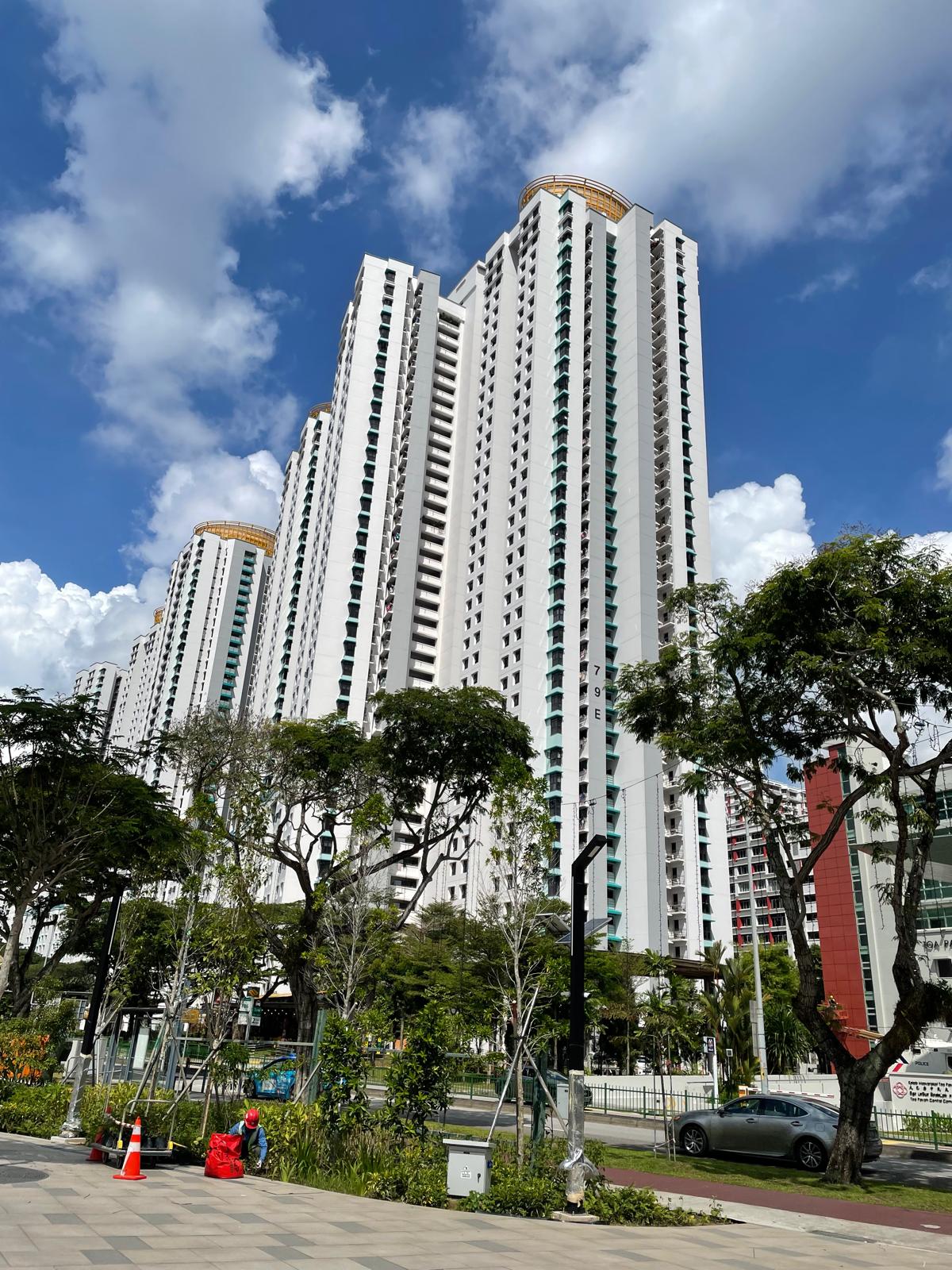
A flagship "Housing-in-a-Park" concept with award-winning architectural design. Sky gardens, vertical greenery, solar panels, community spaces, and stunning views of the city skyline. A symbol of how public housing in Singapore now rivals private condos in quality and lifestyle.
Dawson is a subzone within Queenstown, located between Margaret Drive and Alexandra Road. It enjoys prime central location with excellent connectivity: Queenstown MRT (5–10 mins walk). Direct bus routes to Orchard, Raffles Place, and Holland Village. Close to AYE & major arterial roads
Dawson’s roots trace back to the 1950s–60s as part of early Queenstown, with kampungs, SIT flats, and even a bustling wet market. By the 2000s, many flats were aging and underutilized. The area was redeveloped under the “Remaking Our Heartland” programme (2007), repositioning Dawson as a flagship for public housing renewal.
Dawson’s BTO precincts are designed by award-winning architecture firms, combining aesthetics, livability, and sustainability:
SkyVille @ Dawson. Designed by WOHA Architects. Emphasizes community living vertically with: Sky gardens every 11 floors. Three "villages" within the block to foster neighborly ties. Natural ventilation, shaded corridors, and stunning views of the city.
SkyTerrace @ Dawson. Designed by SCDA Architects. Features terraced greenery, sky bridges, and communal decks. Offers duplex units ideal for multi-generational families. Design integrates landscape with vertical architecture, often compared to private condominiums.
Dawson exemplifies eco-urbanism in HDB design: Lush greenery with green roofs, vertical gardens, and rainwater harvesting. Built using precast technology and energy-saving materials. Blocks oriented to maximize natural lighting and airflow. Pneumatic waste disposal systems and car-lite planning
Community & Demographics. Dawson attracts a younger, design-conscious crowd, including: Young couples. Professionals working in CBD. Families wanting urban convenience without private condo prices. Community spaces are thoughtfully included: Gardening zones. Function pavilions. Elderly fitness corners and barrier-free pathways. The estate also honors seniors from the original Queenstown flats with elder-friendly features and heritage markers.
Amenities & Nearby Attractions: Dawson Place Mall (NTUC, clinics, food court). SkyVille Food Court and Margaret Drive Hawker Centre (2022) with nostalgic favorites. Queenstown Public Library, sports complex, and primary schools all within walking distance. Short rides to IKEA Alexandra, Anchorpoint Mall, and Tanglin Mall.
Types of Flats & Real Estate Value: Dawson flats are premium BTOs, launched between 2010–2016. Units range from 3-room to 5-room and dual-key flats. Considered luxury public housing with: Private-like façade design. Smart layout. High floor-to-ceiling windows. Resale demand is very strong—some 5-room flats have reached above $1 million SGD.
Dawson proves that public housing can be elegant, sustainable, and socially inclusive. Represents the future of HDB design: blending community, nature, and design excellence. A benchmark for future developments such as Mount Pleasant, Tengah, and the Greater Southern Waterfront.
HDB in Chinatown: A Rare Urban Enclave
Chinatown lies within the Outram Planning Area, in Singapore’s Central Region. It’s primarily known for its rich cultural heritage, shophouses, temples, and vibrant street life. However, public housing does exist in and around Chinatown, especially: Cantonment Road. Upper Cross Street. Outram Park vicinity. Keong Saik Road / Kreta Ayer area.
Key HDB Developments Near Chinatown. Pinnacle @ Duxton: Located at Cantonment Road (on the edge of Chinatown). One of Singapore’s most iconic HDB projects. Features: 50-storey high-rise blocks. Two sky gardens. Urban skyline views of Chinatown and CBD. Represents luxury-tier HDB housing with condo-like design.
Upper Cross Street / Chinatown Complex Blocks. Older HDB flats integrated with markets, hawker centers, and shops. Part of integrated urban living, where HDB flats are above commercial podiums. Units are usually smaller, popular with elderly residents and singles.
People’s Park HDBs. Nearby older flats with strong community spirit and deep cultural roots. Many units house long-time Chinese families or elderly residents. Near Kreta Ayer CC, wet markets, and traditional Chinese medical halls.
Demographics & Living Experience. Predominantly elderly residents who’ve lived there for decades. Flats are generally smaller (1–3 room types) with rental and studio options. Close-knit neighborhood with Chinese dialect-speaking residents, traditional medicine shops, and temples integrated with daily life. Very walkable, with access to Chinatown MRT (NE/DT Line), Maxwell MRT, and buses.
What Makes Chinatown HDBs Unique? Urban-Heritage Blend: You live in the heart of a cultural district, next to temples, markets, and shophouses. Accessibility: Walkable to CBD, Tanjong Pagar, Clarke Quay. High Demand: Due to limited supply and strategic location, resale flats here command premium prices despite age. Lifestyle: Excellent for retirees or young professionals seeking compact living in a lively environment.
URA’s Central Area Master Plan includes revitalization of Chinatown and Outram, including: Refreshed public housing. Integration with heritage tourism. Conservation of street culture and community life.
What sets HDB apart isn’t just the affordability or efficiency—it’s the sense of belonging. Each block, void deck, and garden is designed to bring people together. You’ll find intergenerational playgrounds, seniors' corners, and murals painted by residents themselves.
And let’s not forget sustainability. Today’s HDBs are leading the way in green building, with: Solar panels. Rainwater collection systems. Vertical farming plots. Smart waste disposal and energy monitoring.
In many ways, HDB flats are the soul of Singaporean life. They’re functional yet stylish, affordable yet forward-looking. Whether you’re a first-time homeowner or a design-savvy renovator, an HDB flat gives you the freedom to create your dream space—while staying deeply connected to your neighbours and culture.
Looking for inspiration for your next home makeover? Start by exploring the stories behind Singapore’s iconic HDB towns—you just might fall in love with one.