
Explore the new makeup aesthetics taking over social media—from skin-first minimalism and sad blush to glossy textures, monochrome looks, soft grunge, and futuristic glam shaping modern beauty trends worldwide.
Explore the new makeup aesthetics taking over social media—from skin-first minimalism and sad blush to glossy textures, monochrome looks, soft grunge, and futuristic glam shaping modern beauty trends worldwide.
Crybaby Makeup | Image courtesy of The Fashiongton Post
Social media has become the world’s most influential beauty runway. New makeup aesthetics now spread globally in days—sometimes hours—reshaping how people experiment with beauty, identity, and self-expression.
Makeup trends are no longer about rigid rules or heavy glam. Instead, they reflect emotion, individuality, skin health, and digital culture. Here are the new makeup aesthetics dominating social media right now—and why millions are embracing them.
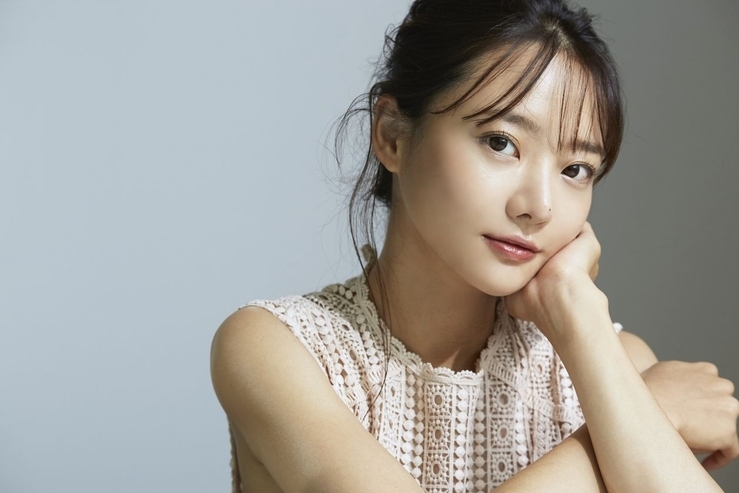
One of the biggest shifts across social media is the move toward skin-first makeup. Instead of full-coverage foundations, creators are focusing on sheer tints, concealers only where needed, and a natural glow that shows real skin texture. This aesthetic is heavily influenced by: Skin barrier awareness. K-beauty routines. Dermatologist-led content.
Products like skin tints, cream blushes, and lightweight illuminators dominate tutorials. The result is effortless, everyday beauty that feels realistic and achievable. Audiences are prioritizing skin health, authenticity, and comfort over perfection.
A modern makeup aesthetic that prioritizes healthy, real-looking skin over heavy coverage, contouring, or dramatic transformation. Instead of masking the face, this approach enhances what’s already there—freckles, texture, natural glow included. Popular across TikTok, Instagram, and K-beauty circles, Skin-First Minimalism sits at the intersection of skincare, wellness, and makeup. The goal isn’t perfection—it’s clarity, balance, and freshness.
This aesthetic reflects a wider cultural shift:
Real Skin Texture Is Visible. These aesthetic embraces pores, fine lines and natural unevenness. Matte, flat finishes are replaced by soft-focus, satin, or natural glow. Skin looks hydrated, not airbrushed.
Lightweight Coverage Only Where Needed. Instead of a full face of foundation: Concealer is used selectively (under eyes, redness, blemishes). Skin tints or BB creams replace heavy bases. Coverage blends seamlessly into bare skin. The face still looks like skin—even up close.
Skincare and Makeup Are Blended. Many products used in this aesthetic are hybrid formulas, such as: Tinted moisturizers with SPF. Serum foundations. Cream blushes with nourishing oils. Lip oils instead of lipsticks. The routine feels closer to skincare than traditional makeup.
Soft, Neutral Color Palette. Colors are subtle and flattering: Peach, nude, rose, soft brown. No harsh contour lines. Blush melts into the skin. Everything looks diffused, never overdone.
Effortless, Low-Maintenance Finish. The look should survive: Long days. Humid weather. Natural movement. No heavy setting powder. No thick layers. The face remains comfortable and flexible.
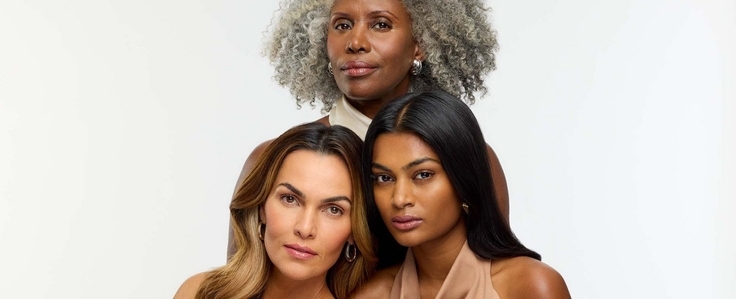
A simple but effective skincare routine: Gentle cleanser. Hydrating toner or essence. Lightweight moisturizer. Daily sunscreen (non-negotiable). Healthy skin reduces the need for coverage. Pro tip: Consistency matters more than using many products.
Use a Sheer Base (or Skip It). Choose one: Skin tint. Tinted moisturizer. Serum foundation. Or no foundation at all. Apply with fingers or a damp sponge for the most natural finish. Avoid: Thick layers or full-coverage formulas.
Spot Conceal Strategically. Use a creamy concealer only where necessary: Under eyes. Around the nose. Blemishes. Blend edges softly so it disappears into the skin.
Choose Cream-Based Products. Creams mimic natural skin better than powders. Best options: Cream blush. Cream bronzer (optional). Liquid highlighter with subtle sheen. Tap products in with fingers for a skin-like finish.
Keep Brows and Eyes Soft. Brush brows upward with clear or light brow gel. Skip heavy brow carving. Use neutral eyeshadows or just mascara. The eyes should look awake, not dramatic.
Finish with Hydrated Lips. Replace matte lipsticks with: Lip balm. Lip oil. Sheer tinted gloss. Lips should look healthy, not overdrawn.
Skin-first minimalism resonates strongly with Gen Z and millennials, busy professionals, people living in warm or humid climates, and anyone who prefers a more natural approach to beauty. Its lightweight, breathable finish makes it ideal for daily wear, travel, work-from-anywhere lifestyles, and camera-friendly social content, where looking fresh without heavy makeup is key.
The aesthetic has gained massive traction on social media because it feels achievable and relatable rather than overly polished. It aligns closely with wellness culture, emphasizing healthy skin over heavy coverage, and performs exceptionally well on camera, especially in natural light where texture and glow are more visible.
Most importantly, skin-first minimalism represents a shift in how beauty is defined. Instead of focusing on correcting flaws, it prioritizes care, confidence, and authenticity—making it a modern beauty philosophy rather than just a passing trend. Skin-First Minimalism isn’t about doing less—it’s about doing what matters most. When skin is healthy and makeup is intentional, beauty looks effortless, confident, and real.

Popularized on TikTok, Sad Blush places muted beige, dusty rose, or soft plum blush across the cheeks and nose for a slightly melancholic, romantic look. Unlike traditional blush styles, this aesthetic embraces: Understated color. Diffused application. Natural facial emotion.
It pairs well with bare lips, soft brows, and minimal eye makeup, creating a poetic, almost cinematic effect. Gen Z embraces emotional storytelling, and this look visually reflects mood, softness, and introspection.
Sad Blush, sometimes called emotional makeup, is one of the most unexpected yet poetic aesthetics to rise on social media. Rather than chasing brightness or sculpted perfection, this trend leans into soft melancholy, vulnerability, and human emotion. Popularized on TikTok and embraced by Gen Z creators, Sad Blush transforms makeup into a form of quiet storytelling—where mood matters more than glamour.
Sad Blush is characterized by a muted, diffused flush placed higher on the cheeks and across the bridge of the nose, mimicking the natural redness that appears when someone is emotional, cold, or introspective.
Unlike traditional blush trends that aim to look cheerful or lifted, Sad Blush is subtle, understated, slightly somber and romantic rather than playful. The result feels raw, cinematic, and deeply personal.
Muted, Neutral Blush Tones. The color palette avoids bright pinks and corals. Instead, it favors: Beige rose. Dusty mauve. Soft plum. Muted berry. Brown-rose. These shades resemble a natural, internal flush rather than makeup.
Diffused, Imperfect Application. Blush is not sharply blended or sculpted. Instead: Edges remain soft. Placement looks slightly undone. The flush feels organic, not precise. The goal is emotion—not symmetry.
Blush Placement Tells a Story. Sad Blush placement often includes: High on the cheeks. Across the nose bridge. Light touch on temples. This placement creates a fragile, exposed look that feels intimate on camera.
Minimal Supporting Makeup. To let the blush speak emotionally: Skin remains natural and sheer. Brows are soft and brushed up. Eyes are bare or lightly defined. Lips are neutral or softly tinted. Nothing competes with the blush.
Matte or Satin Textures. Glossy finishes are rarely used. Instead: Soft matte. Natural satin. These textures enhance the muted, emotional tone of the look.

How to Achieve Sad Blush & Emotional Makeup
Start with Natural Skin. Use a light base or just skincare. Skin texture should remain visible. Avoid heavy foundation—it removes the emotional realism.
Choose the Right Blush Formula. Best options: Cream blush for a lived-in look. Soft powder blush for subtle diffusion. Avoid shimmer or high shine.
Apply Blush Gently. Use fingers or a soft brush. Tap lightly onto cheeks and nose. Blend edges softly, not fully erased. Build slowly—less is more.
Keep Eyes Bare or Soft. Options include: No eyeshadow. Soft taupe or muted brown wash. Minimal mascara. The eyes should feel reflective, not dramatic.
Finish with Natural Lips. Choose: Nude balm. Muted rose tint. Bare lips with lip care only. Avoid bold or glossy finishes.
Sad Blush resonates so strongly because it sits at the intersection of beauty and emotion. For Gen Z, makeup is no longer about flawless perfection but about honest self-expression, and this aesthetic mirrors that mindset by visually translating feeling into form.
It also represents a quiet rebellion against performance-driven makeup. Sad Blush rejects the expectation that beauty must always appear cheerful, seductive, or polished, instead making room for softness, stillness, and emotional nuance. In doing so, it validates vulnerability as something visually compelling rather than something to be concealed.
Visually, the look is highly cinematic and camera-friendly, thriving in natural light, soft-focus video, and story-led content—key ingredients for social media virality. It has become especially popular among Gen Z creatives, fashion editors, and minimal makeup lovers who see makeup not as a mask, but as a reflection of mood, artistry, and inner state.
Sad Blush proves that beauty doesn’t need to shout to be powerful. In a digital world full of high-energy visuals, this aesthetic stands out by being quiet, emotional, and deeply human. It’s not about looking sad—it’s about allowing emotion to exist in beauty.
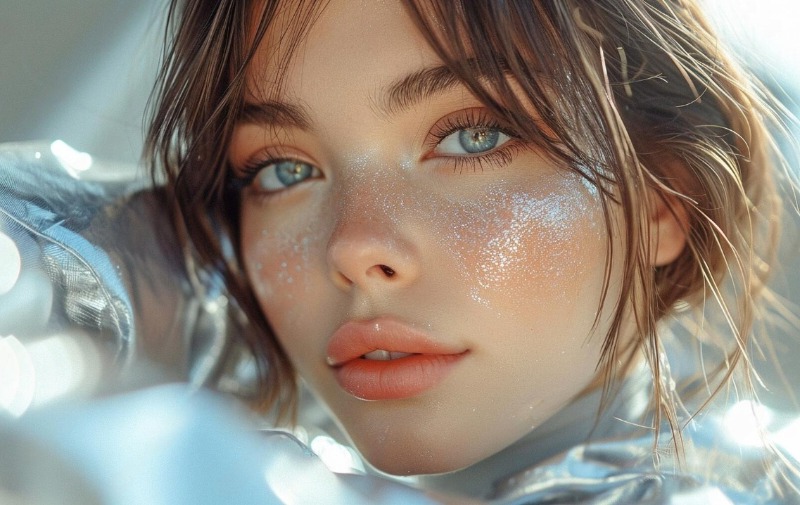
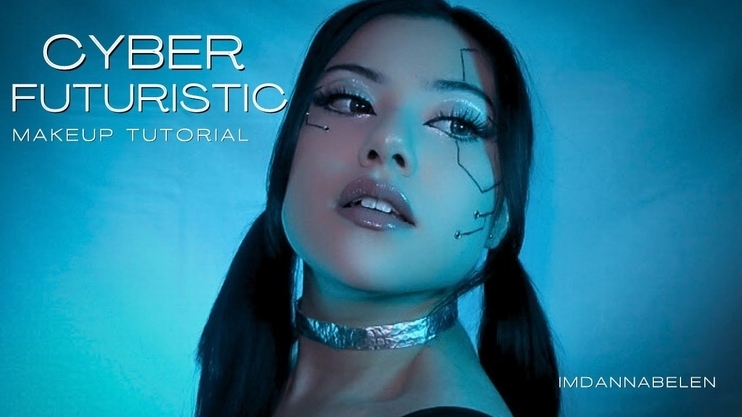
On the opposite end of minimalism is Glitchy Glam—a futuristic makeup aesthetic inspired by digital art, AI visuals, and cyber culture. Common elements include: Graphic eyeliner. Metallic pigments. Chrome finishes. Pixelated or asymmetrical designs. This aesthetic thrives on bold experimentation and performs extremely well in short-form video content. As AI and digital creativity grow, beauty becomes a canvas for futuristic self-expression.
If Skin-First Minimalism and Sad Blush celebrate softness and emotion, Glitchy Glam moves in the opposite direction—bold, experimental, and unapologetically futuristic. This aesthetic turns makeup into digital art, inspired by AI visuals, cyber culture, gaming graphics, and virtual avatars. Born and amplified on social media, Glitchy Glam thrives in short-form video, where high contrast, metallic textures, and graphic lines capture attention instantly.
Glitchy Glam is a makeup aesthetic that mimics digital distortion and futuristic design. Think of visual elements that feel slightly “off”—intentional asymmetry, pixel-like patterns, sharp geometry, and reflective finishes.
It draws influence from: AI-generated imagery. Cyberpunk fashion. Gaming and metaverse avatars. Digital art and motion graphics. The face becomes a canvas for experimental self-expression rather than everyday beauty.
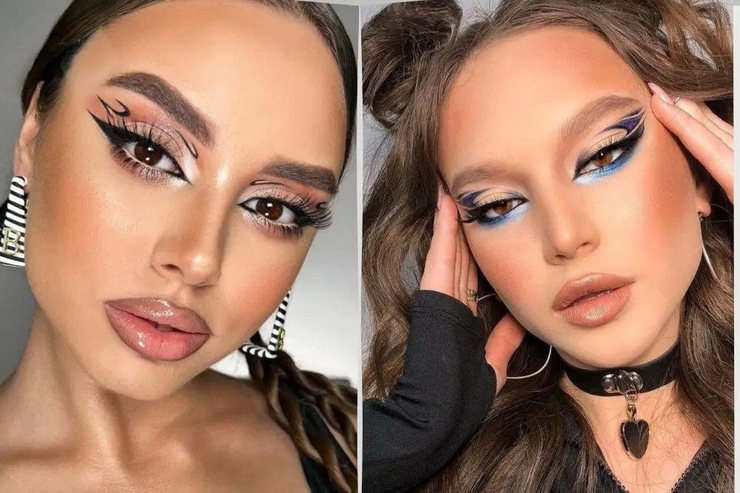
Graphic, Architectural Shapes. This aesthetic favors: Sharp eyeliner wings. Floating creases. Geometric eye shapes. Abstract line work. Precision matters, but perfection doesn’t—intentional irregularity is part of the look.
Metallic, Chrome & Holographic Finishes. Textures are futuristic and reflective: Chrome pigments. Liquid metallic eyeshadows. Foil-like finishes. Holographic highlights. These finishes react dramatically to light and movement on camera.
Bold Contrast & High Saturation. Colors are often: Electric blue. Neon green. Silver. Jet black. Cyber purple. The contrast between light and dark is strong, making the look visually striking even in fast-scrolling feeds.
Intentional Asymmetry. Unlike traditional glam, Glitchy Glam often embraces: Uneven eyeliner. One-eye designs. Off-center accents. This creates a “glitch” effect that feels modern and digital.
Skin as a Neutral Base. Interestingly, the skin is usually kept simple: Light, even base. Minimal contour. Natural or satin finish. This allows the graphic elements to take center stage.
Create a Clean, Neutral Base. Use a lightweight foundation or skin tint to even out the complexion. Avoid heavy contouring—clarity matters more than dimension here.
Design the Eye Look First. Glitchy Glam is eye-focused. Try: Graphic eyeliner in black or metallic shades. Floating liner above the crease. Double-wing designs. Sharp, angular shapes. Mapping the design before filling it in helps with control.
Layer Metallic or Chrome Pigments. Apply metallic shadows or chrome pigments using: Flat synthetic brushes. Fingertips for maximum impact. Focus on high points of the eye or specific graphic areas rather than blending everything together.
Add “Glitch” Details. Optional but impactful details include: Dots, lines, or breaks in eyeliner. Pixel-inspired accents. Small reflective elements under the eye. These subtle disruptions make the look feel intentional and digital.
Keep Lips Simple. Most Glitchy Glam looks pair bold eyes with: Nude lips. Clear gloss. Soft matte neutral tones. This keeps the focus on the eyes and overall composition.
Glitchy Glam is exploding on social media because it’s tailor-made for short-form video. Metallic textures, chrome finishes, and sharp graphic lines reflect light instantly, creating high-impact visuals that work perfectly for TikTok transitions, Reels, and fast-paced visual storytelling.
Beyond aesthetics, Glitchy Glam reflects the digital age itself. As AI, gaming culture, avatars, and virtual identities become part of everyday life, this makeup style mirrors how people express themselves online—fluid, experimental, and unconstrained by traditional beauty rules.
Most importantly, Glitchy Glam encourages total creative freedom. There are no fixed techniques or expectations; each look can be abstract, futuristic, or deeply personal. That openness fuels experimentation and virality, making it especially popular among Gen Z creators, makeup artists, and fashion-forward audiences who see beauty as art, impact, and self-expression rather than everyday routine.
Glitchy Glam proves that makeup can exist beyond realism. It doesn’t aim to flatter—it aims to fascinate. In a world shaped by screens, algorithms, and virtual spaces, this aesthetic captures the beauty of controlled chaos.
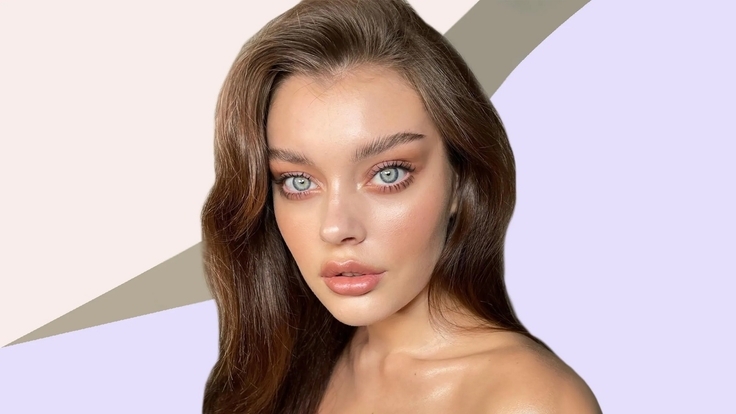
Monochrome makeup uses the same shade across eyes, cheeks, and lips, creating a cohesive and polished look with minimal effort.
Popular shades include: Peach. Mauve. Terracotta. Soft brown. Rosy nude. Cream and liquid textures are favored, making the look adaptable for daily wear or travel-friendly routines. It’s beginner-friendly, time-saving, and visually satisfying on camera.
In a social media landscape filled with fast trends and bold experimentation, Monochrome Face Looks stand out for their simplicity, cohesion, and quiet sophistication. This aesthetic uses one color family across the eyes, cheeks, and lips, creating a polished look that feels intentional yet easy.
Loved by beauty editors, minimalist creators, and everyday makeup wearers alike, monochrome makeup proves that restraint can be just as impactful as drama.
Monochrome makeup centers around a single dominant shade, subtly adapted across the face using different textures and intensities. Instead of contrasting colors, the look relies on harmony and balance. The result is: Clean. Coordinated. Naturally flattering. It’s makeup that looks complete without looking overdone.
One Color Story, Multiple Textures. While the color remains consistent, textures vary: Cream blush. Satin eyeshadow. Soft matte or glossy lips. This variation adds depth without complexity.
Seamless Blending Across Features. The same shade flows naturally from: Eyes → cheeks → lips. Nothing feels disconnected. The face reads as one cohesive canvas.
Soft Definition, Not Heavy Sculpting. Contouring is minimal or skipped entirely. Instead: Color placement defines the face. Natural bone structure remains visible. This enhances facial harmony rather than reshaping it.
Universally Flattering Color Families. Popular monochrome shades include: Peach. Rose. Mauve. Terracotta. Warm brown. Soft berry. These tones adapt well across different skin tones.
How to Achieve Monochrome Face Looks
Start with a Natural Base. Keep skin even and fresh using: Skin tint or light foundation. Spot concealer only where needed. The base should act as a clean backdrop for the color story.
Choose Your Signature Shade. Pick one shade family based on mood or skin tone: Warm → peach, terracotta. Cool → mauve, rose. Neutral → nude brown. Consistency is key.
Apply Color to Cheeks First. Blush sets the tone of the look. Use cream or liquid blush. Blend upward for a lifted effect. Keep edges soft. This becomes the anchor for the rest of the face.
Use the Same Shade on Eyes. Apply the same blush or a matching eyeshadow: Sweep lightly over lids. Blend into crease. Avoid sharp edges. This creates effortless continuity.
Finish with Matching Lips. Choose a lip color within the same family: Sheer tint for daytime. Satin or soft matte for evening. Avoid overly bold contrast.
Monochrome makeup is everywhere on social media because it’s visually clean and instantly scroll-stopping. Using a single color family across eyes, cheeks, and lips creates a cohesive look that reads clearly on screen, making it ideal for Instagram photos, beauty flat lays, and quick, easy-to-follow tutorials.
It’s also time-saving and beginner-friendly. Fewer products mean a simpler routine, less decision fatigue, and a lower barrier for experimentation—perfect for people who want polished results without mastering complex techniques.
Beyond aesthetics, monochrome face looks fit seamlessly into modern, minimalist lifestyles. One color story reduces the need for a full makeup kit, making it ideal for travel, capsule makeup bags, and on-the-go touch-ups. That’s why it resonates with minimalists, professionals, and fashion-forward audiences alike, working equally well for everyday wear and more elevated occasions. Monochrome Face Looks remind us that makeup doesn’t need layers to feel complete. When color is intentional and harmonious, simplicity becomes a statement.
Gloss is officially back—but with a modern twist. Social media is filled with jelly-textured blushes, glossy eyelids, and lip oils that give a hydrated, youthful glow.
This aesthetic focuses on: Translucent shine. Lightweight formulas. Fresh, luminous finishes. It aligns closely with skincare-infused makeup products. Consumers want makeup that feels comfortable, nourishing, and visually fresh.
If matte makeup once defined polish, today’s social media beauty landscape is ruled by shine that looks hydrated, healthy, and alive. Jelly, dewy, and glossy textures have taken over feeds across TikTok, Instagram, and K-beauty platforms, redefining what modern glow looks like. This aesthetic is less about sparkle and more about moisture-driven radiance—skin that appears plump, fresh, and naturally luminous.

This makeup aesthetic focuses on translucent, light-reflective finishes that mimic well-hydrated skin. Products feel cushiony, flexible, and skin-like rather than heavy or glittery. The look is inspired by: Glass skin skincare routines. Skincare-infused makeup. Youthful, fresh-faced beauty. Instead of covering the skin, these textures enhance its natural bounce and light reflection.
Translucent, Buildable Formulas. Jelly and glossy products are: Sheer by default. Easy to layer. Never opaque or cakey. They allow skin and lip tone to show through, keeping the look natural.
High Moisture, Low Weight. These textures often feel like skincare: Gel blushes. Lip oils. Serum highlighters. Glossy eye tints. They sit comfortably on the skin without stiffness.
Strategic Shine Placement. Glow is intentional, not all-over: Tops of cheeks. Inner corners of eyes. Center of lips. Eyelids for editorial looks. This prevents the face from looking oily while still appearing luminous.
Soft, Youthful Finish. The overall effect is: Fresh. Plump. Effortless. This aesthetic avoids heavy definition, letting light do the work. How to Achieve Jelly, Dewy & Glossy Textures
Prep with Hydration. Dewy makeup starts with skincare: Hydrating serum. Lightweight moisturizer. Dewy or satin-finish sunscreen. Well-prepped skin ensures shine looks intentional.
Use a Sheer Base. Opt for: Tinted moisturizer. Skin tint. Serum foundation. Avoid matte or full-coverage bases, which fight against the glow.
Apply Jelly or Cream Blush. Choose blushes with: Gel or jelly texture. Soft shine or satin finish. Tap onto cheeks with fingers for a natural flush.
Add Gloss in Unexpected Places. Beyond lips, gloss appears on: Eyelids (lightly). Inner eye corners. High points of cheeks. Keep application minimal to avoid creasing.
Finish with Lip Oil or High-Shine Balm. Glossy lips should look: Cushiony. Hydrated. Smooth, not sticky. Lip oils are especially popular for this reason.
This aesthetic is dominating social media because it instantly signals healthy, well-cared-for skin. Glossy, jelly-like textures visually communicate hydration and freshness—values that resonate strongly in today’s beauty culture, where glow is often associated with wellness rather than heavy coverage.
Dewy finishes are also highly camera-friendly. They reflect natural light in a flattering way, making them especially effective in daylight videos, soft-focus photography, and minimal makeup content where skin is the main focus. This subtle luminosity translates beautifully across social platforms, helping looks feel effortless yet polished.
At the same time, jelly, dewy, and glossy makeup blurs the line between skincare and cosmetics, reinforcing the rise of hybrid, multitasking products. The aesthetic is ideal for minimal makeup lovers, skincare-first routines, and warm or humid climates, and it’s especially popular with younger audiences who favor natural radiance for everyday, fresh-faced looks.
Jelly, dewy, and glossy textures prove that glow doesn’t have to be dramatic to be powerful. In a beauty world shifting toward softness and authenticity, hydration has become the ultimate luxury.

Inspired by late ’90s and early 2000s beauty, Soft Grunge brings back: Smudged eyeliner. Muted smoky eyes. Cool-toned lips. Minimal face makeup. Unlike traditional grunge, this version is softer, wearable, and more refined—perfect for everyday social media looks. Nostalgia continues to influence Gen Z and millennial beauty trends.
Nostalgia continues to shape beauty trends, and Soft Grunge is its most wearable evolution yet. Inspired by late ’90s and early 2000s makeup, this aesthetic brings back attitude and edge—but softens it for modern sensibilities and social media. Instead of heavy black eyeliner and full matte faces, today’s Soft Grunge is diffused, relaxed, and intentionally imperfect.
Soft Grunge blends rebellion with restraint. It takes classic grunge elements and reinterprets them through: Lighter textures. Softer blending. Modern skin-focused bases. The look feels undone, cool, and effortless—never overstyled.
Smudged, Lived-In Eyes. Eyes are the focus, featuring: Smudged eyeliner. Muted smoky eyes. Soft charcoal, brown, or taupe tones. Precision is not the goal—movement and texture are.
Cool-Toned Color Palette. Unlike warm glam trends, Soft Grunge favors: Ash brown. Grey. Muted plum. Cool nude. Soft black. These shades add mood without overpowering the face.
Minimal, Natural Skin. Skin remains understated: Light foundation or skin tint. Little to no contour. Soft matte or satin finish. The contrast between clean skin and edgy eyes defines the look.
Subtle, Moody Lips. Lips are muted and effortless: Blotted lipstick. Soft matte nude. Muted berry or brown. No sharp lines—everything feels worn-in.
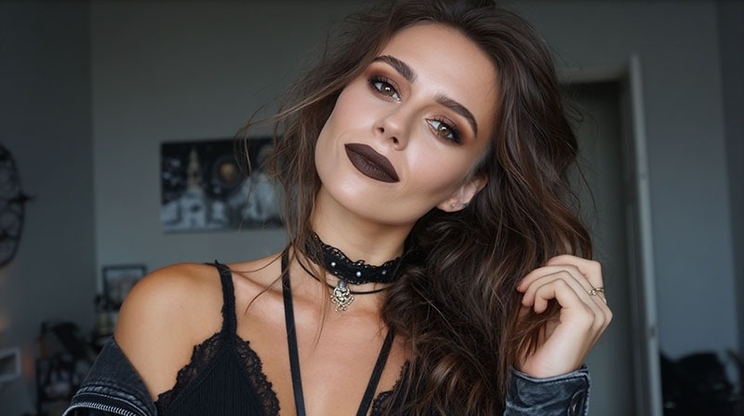
How to Achieve Soft Grunge Makeup
Start with a Simple Base. Keep skin even but natural. Avoid heavy glow or heavy matte finishes.
Smudge the Eyes. Use a pencil liner or dark shadow: Apply along lash line. Smudge with fingers or a brush. Keep edges soft and irregular. Mascara can be minimal or skipped entirely.
Add Soft Shadow. Blend muted shades lightly into the crease or lower lash line—nothing sharp or dramatic.
Finish with Neutral Lips. Choose lip products that look effortless, as if applied without a mirror.
Soft Grunge is back on social media because it captures Y2K nostalgia without feeling costume-like or outdated. Its smudged liners, muted tones, and undone finishes offer a sharp contrast to clean-skin and ultra-polished beauty trends. More importantly, it feels expressive and non-performative—appealing to creators who want to look cool, moody, and individual rather than perfectly put together.
Taken together, trends like Skin-First Minimalism, Sad Blush, Glitchy Glam, Monochrome Looks, Jelly Textures, and Soft Grunge point to a larger shift in beauty culture. The common thread isn’t a specific look, but a mindset: modern beauty values expression over perfection. Makeup is no longer about correcting flaws—it’s about communicating mood, identity, and personal taste.
Social media has transformed makeup into a creative language. Skin-first trends emphasize care and authenticity, emotional makeup reflects inner states, futuristic looks mirror digital culture, minimal and monochrome styles favor simplicity, glossy textures celebrate health, and grunge revivals reclaim individuality. Beauty today is fluid, personal, and deeply connected to how people feel—not just how they appear.
The makeup aesthetics taking over social media aren’t about copying one ideal face. They’re about choosing a mood, a message, or a moment—and wearing it confidently. As trends continue to evolve at digital speed, the future of beauty belongs to those who experiment freely, break rules intentionally, and define beauty on their own terms.

Social media has removed borders in beauty. Regional makeup styles are now influencing global trends, including:
Creators worldwide remix these aesthetics into hybrid styles. Global beauty inspiration feels more inclusive and culturally rich. These new makeup aesthetics signal a shift toward: Individual expression over rigid standards. Hybrid skincare-makeup products. Short-form, creator-driven trend cycles. Emotion, identity, and storytelling in beauty. Brands that succeed are those that listen to creators, embrace flexibility, and move quickly with social-first launches.
Makeup on social media is no longer just about looking good—it’s about how you feel, who you are, and how you express yourself digitally. Whether it’s minimal skin-first beauty, futuristic glam, or nostalgic grunge, today’s makeup aesthetics empower creativity without rules. And as platforms evolve, one thing is clear: social media will continue to define the future of beauty.







.jpeg)
