Artificial intelligence is reshaping how people learn languages worldwide. From AI tutors to real-time conversation tools, discover how technology is turning language learning into a global lifestyle habit.
Artificial intelligence is reshaping how people learn languages worldwide. From AI tutors to real-time conversation tools, discover how technology is turning language learning into a global lifestyle habit.
Image courtesy of Great Learning
Not long ago, learning a new language followed a familiar script: evening classes, thick textbooks, audio CDs, and awkward conversations that rarely reflected how people actually speak. Progress was slow, confidence came even slower, and many learners quit before ever becoming conversational.
Today, artificial intelligence is quietly reshaping that entire experience. Language learning has moved beyond classrooms and curriculums and into daily life—guided by algorithms that listen, adapt, and respond like a personal coach. Around the world, AI is turning language learning into something more natural, flexible, and human.
From Memorization to Real Communication
Traditional language education often prioritized rules over reality. Students memorized grammar structures, filled in worksheets, and passed exams—yet struggled to hold a simple conversation.
AI changes the focus entirely. Instead of asking learners to master rules first, AI encourages them to communicate. Speech recognition, natural language processing, and adaptive feedback allow learners to speak early and often, correcting mistakes in context rather than in isolation. This shift mirrors how humans naturally learn languages: through listening, imitation, and repetition. AI doesn’t just teach what to say—it helps learners understand how and when to say it.
A Personalized Learning Experience
One of AI’s most powerful contributions to language learning is personalization. No two learners progress at the same speed or struggle with the same challenges. AI systems continuously analyze user behavior to adjust lessons in real time.
If pronunciation is a weak point, the system focuses more on speaking drills. If vocabulary retention is an issue, words reappear in new contexts. If a learner advances quickly, lessons become more complex without waiting for the rest of a class to catch up. Over time, the experience feels less like following a syllabus and more like working with a tutor who understands individual strengths, habits, and goals.
Learning Without Fear or Pressure
Fear of making mistakes is one of the biggest barriers in language learning. Speaking incorrectly in front of teachers or classmates can be intimidating, especially for adult learners.
AI removes that pressure. Learners can practice speaking anytime, anywhere, without judgment. Mistakes become part of the process rather than something to be embarrassed about. This psychological safety encourages more frequent practice, which is essential for fluency. When learners speak more often, confidence grows—and progress follows naturally.
AI has transformed language learning from a scheduled activity into a lifestyle habit. Today, people no longer limit language learning to classrooms or scheduled study time. Instead, they practice languages during their morning commute, while cooking dinner, between meetings, or late at night before bed—fitting short, consistent sessions into everyday moments of life.
Short, adaptive sessions fit into modern routines, making consistency easier to maintain. Learning no longer requires carving out large blocks of time—it blends seamlessly into everyday moments. This shift is especially important in a fast-paced world where time is limited but global communication is increasingly essential.
Beyond Words: Learning Culture and Context
Language is more than vocabulary—it’s culture, tone, and social nuance. AI-powered platforms are increasingly incorporating these elements into their lessons.
Learners are exposed to everyday slang and idiomatic expressions, regional accents and variations, and the cultural etiquette that shapes real conversations. They also practice through realistic scenarios such as ordering food, attending meetings, or traveling. By learning language in context, users develop cultural awareness alongside linguistic skills, making communication feel more natural and significantly reducing cross-cultural misunderstandings.
In the past decade, learning a new language often meant classrooms, textbooks, and flashcards. Artificial Intelligence (AI) has transformed that experience completely—bringing immersive, personalized language learning into the palms of our hands. Today, learners of all ages use smart apps that adapt lessons, simulate real conversations, and help anyone around the globe speak new languages more naturally and efficiently than ever before.
Personalized Learning Paths. Traditional language courses follow a fixed curriculum. AI, on the other hand, adjusts content based on your skills, weaknesses, and pace. Whether you’re a total beginner or already intermediate, the lessons evolve with you—just like a real tutor would. This tailored learning helps learners stay motivated and progress faster.
Conversational Practice Anytime. Knowing grammar rules is one thing—speaking is another. AI chatbots embedded in many apps simulate real conversations, giving learners a space to speak, make mistakes, and improve without fear of judgment. This instant feedback builds confidence and fluency.
Real-World Context & Immersion. Immersive AI systems create scenarios that mimic real life—ordering food at a café, introducing yourself in a new city, or negotiating in a business meeting. This contextual learning accelerates understanding and makes language practical, not theoretical.
Access for Everyone. AI doesn’t sleep. It’s available 24/7, affordable, and widespread. Students in small towns, travelers preparing for a trip, and professionals brushing up for work can learn anytime, anywhere—breaking barriers that traditional classrooms once imposed.
Duolingo (and Duolingo Max). Perhaps the most famous language app globally, Duolingo uses AI to tailor lessons and challenge users appropriately. Its gamified platform, adaptive learning engine, and AI chatbots make learning fun and effective in dozens of languages.
HelloTalk. HelloTalk connects learners with real native speakers around the world for live text, voice, or video chats. The social aspect, combined with AI translation and correction tools, makes practice feel natural and cultural exchanges richer.
ELSA Speak. Focused on pronunciation and accent, ELSA uses real-time AI feedback to correct intonation and speech patterns. It’s especially popular among learners aiming to sound more like native speakers.
Rosetta Stone. A longstanding language brand, Rosetta Stone now blends AI with immersive learning. Its dynamic exercises adapt to your voice and comprehension level, helping you intuitively grasp language the way children do.
LingQ. For learners who prefer reading and listening, LingQ uses AI to recommend texts, audio, and lessons tailored to your interests. It’s great for building vocabulary in context and exploring real-world content.
Across the world, learners are experimenting with new ways AI can support language mastery:
· Casual learners use apps like Duolingo for daily vocabulary and grammar practice.
· Travelers use real-time translation features to communicate abroad.
· Professionals use pronunciation apps like ELSA to prepare for meetings or interviews in foreign languages.
· Language enthusiasts connect with native speakers through platforms like HelloTalk.
Some communities are even building AI tools for lesser-spoken languages, helping preserve linguistic diversity while expanding global communication.
In many parts of the world, access to high-quality language education was once limited by cost, geography, or availability of teachers. Today, a smartphone and internet connection can provide access to advanced learning tools powered by the same technology used in leading global institutions.
This accessibility has real-world impact. Language skills open doors to remote work, international education, and cross-border collaboration. For millions of learners, AI isn’t just helping them learn a language—it’s helping them participate in a global economy.
Despite common concerns, AI is not replacing human language teachers but reshaping their role in more meaningful ways. Educators increasingly use AI tools to track student progress with greater accuracy, quickly identify learning gaps, and customize lessons to individual needs. By handling repetitive practice and assessments, AI frees teachers to spend more time on conversation, cultural exchange, mentorship, motivation, and the development of deeper communication skills that only humans can provide.
The Role of Voice and Conversation
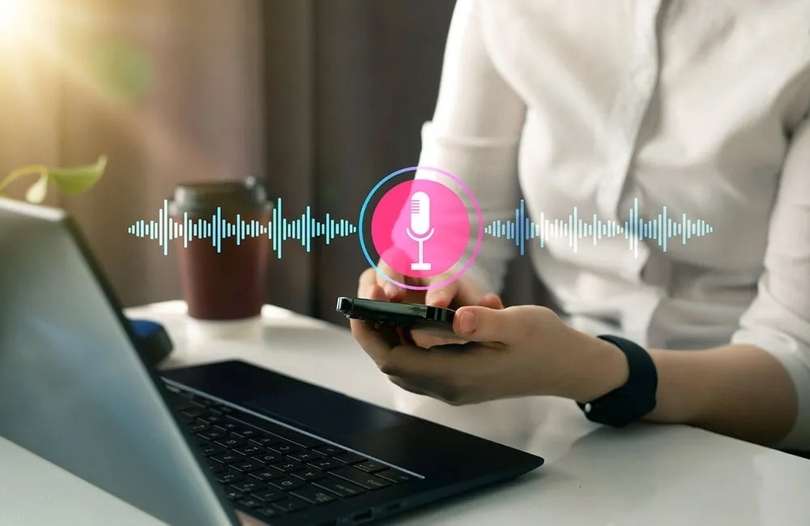
Recent advances in voice technology have pushed AI language learning to a new level, allowing learners to engage in simulated conversations that feel increasingly natural, complete with pauses, corrections, and follow-up questions. These tools help users refine pronunciation and rhythm, respond spontaneously instead of relying on memorized scripts, and strengthen listening skills through real-world speech patterns. As voice AI continues to improve, the boundary between practice and real conversation grows ever thinner.
The future of AI-powered language learning is shifting toward seamless integration with everyday life. Emerging developments are likely to include real-time pronunciation coaching during live conversations, wearable devices that offer instant language support, emotion-aware systems that adjust difficulty based on confidence or stress, and immersive environments that blend learning with virtual experiences. As these technologies mature, learning a new language may feel less like studying and more like naturally interacting with the world around us.
AI has transformed language learning from a structured, intimidating process into a flexible, personal, and globally accessible experience. It encourages people to speak sooner, practice more often, and learn in ways that reflect real life—not textbooks. More importantly, it helps people connect across cultures with confidence and curiosity.
In an increasingly interconnected world, language is no longer just a skill—it’s a bridge. And AI is helping millions of people cross it, one conversation at a time.