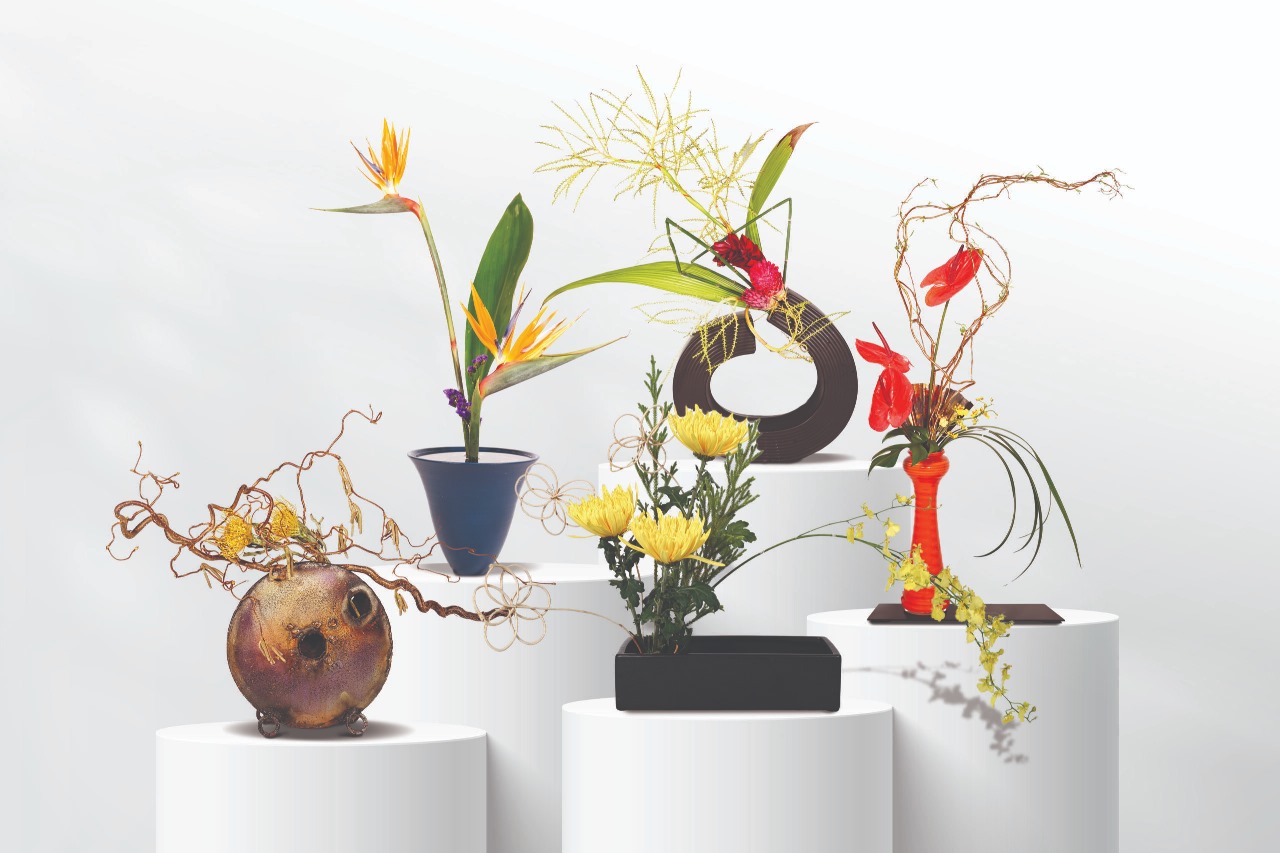
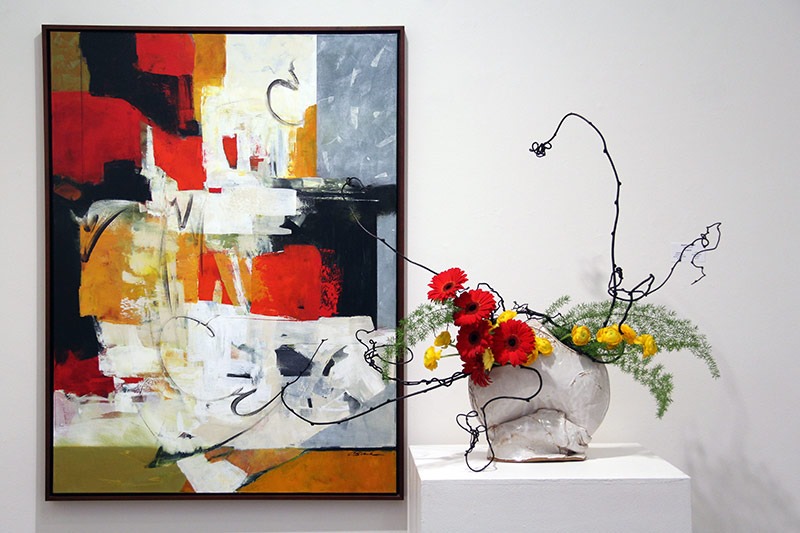
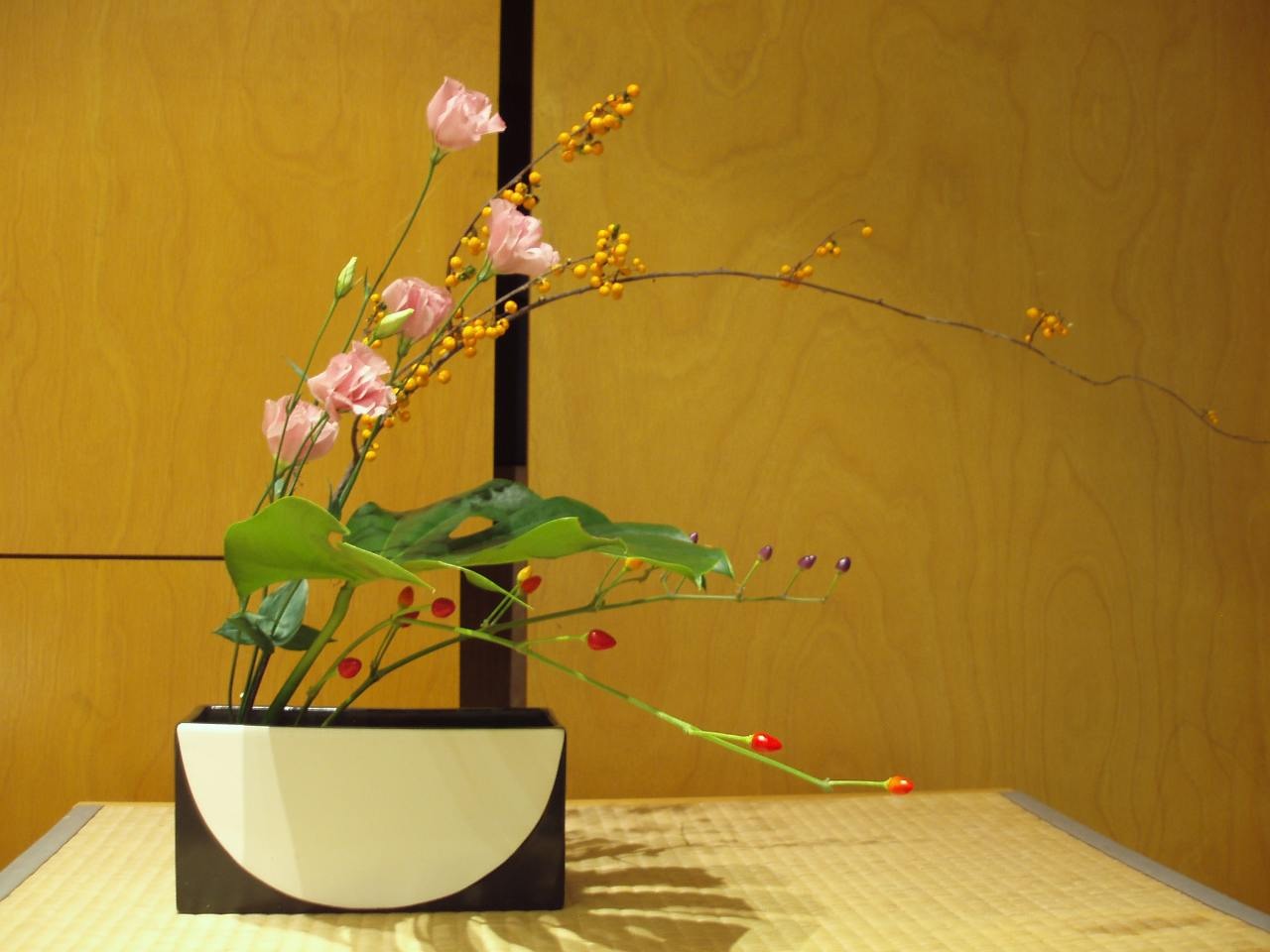
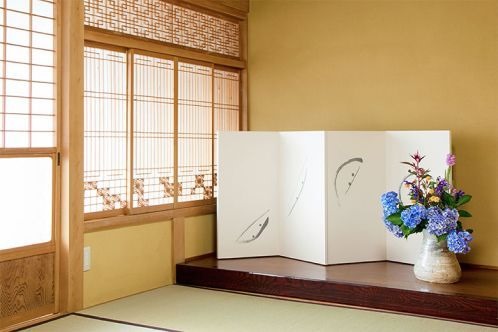
As interest in mindfulness and traditional arts grows worldwide, Ikebana is seeing a resurgence beyond Japan. Schools are offering online courses, and contemporary artists are integrating Ikebana into modern interior design and art installations.
As interest in mindfulness and traditional arts grows worldwide, Ikebana is seeing a resurgence beyond Japan. Schools are offering online courses, and contemporary artists are integrating Ikebana into modern interior design and art installations.
Image courtesy of maxi.art
Ikebana, the centuries-old Japanese art of flower arrangement, continues to thrive in the modern era, blending tradition with contemporary aesthetics. As global interest in Japanese culture grows, more visitors are flocking to Japan to learn and experience Ikebana firsthand, turning it into a flourishing cultural tourism attraction.
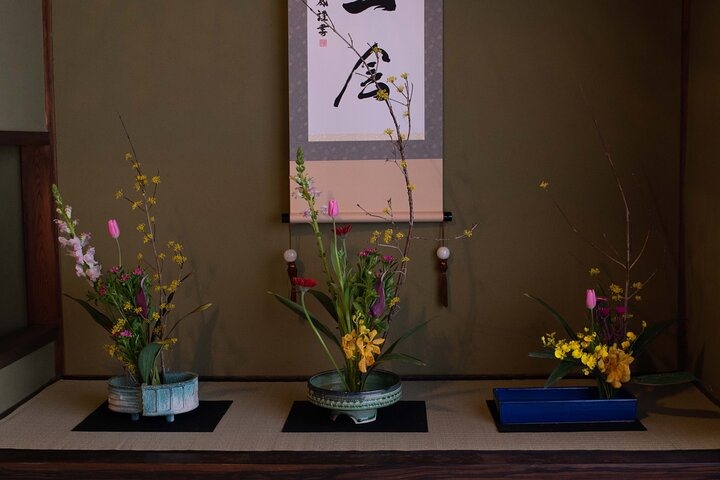
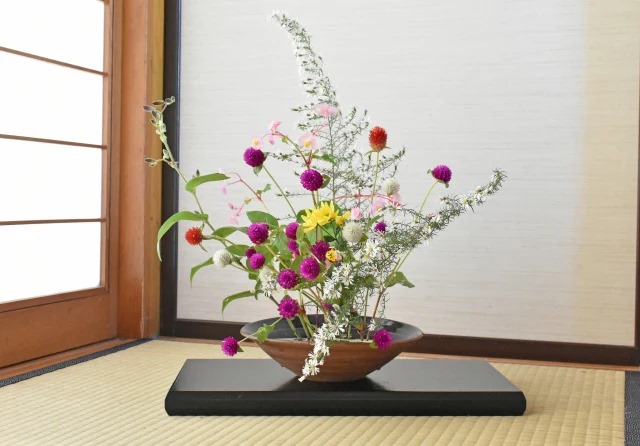
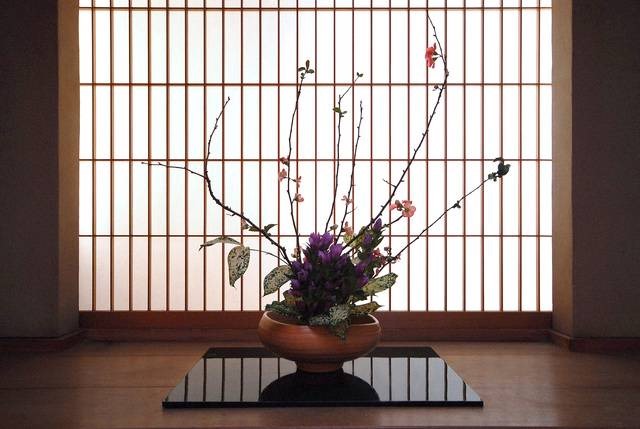
Originating in the 6th century as Buddhist floral offerings, Ikebana has since evolved into a sophisticated art form that emphasizes harmony, balance, and the natural beauty of flowers. The practice is deeply influenced by Zen principles, focusing on asymmetry, empty space, and the relationship between different elements in an arrangement.
Among the most prominent schools of Ikebana are Ikenobo, Ohara, and Sogetsu, each with its own unique approach. Ikenobo, the oldest school, preserves traditional methods, while Sogetsu embraces creativity and modern interpretations, making it more accessible to contemporary audiences.
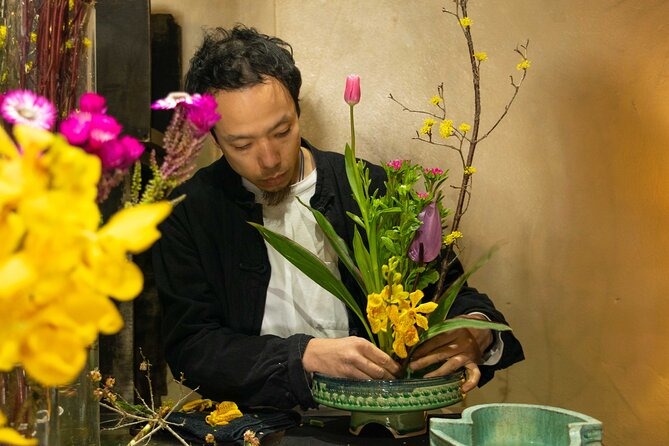
Unlike Western floral arrangements that focus on volume and color, Ikebana follows a minimalist approach. A standard arrangement consists of three main elements: heaven (shin), earth (tai), and man (soe), each represented by carefully selected stems and flowers. Commonly used plants include cherry blossoms, chrysanthemums, and irises, chosen based on seasonal availability and symbolism.
To create an Ikebana arrangement, practitioners must follow these steps:
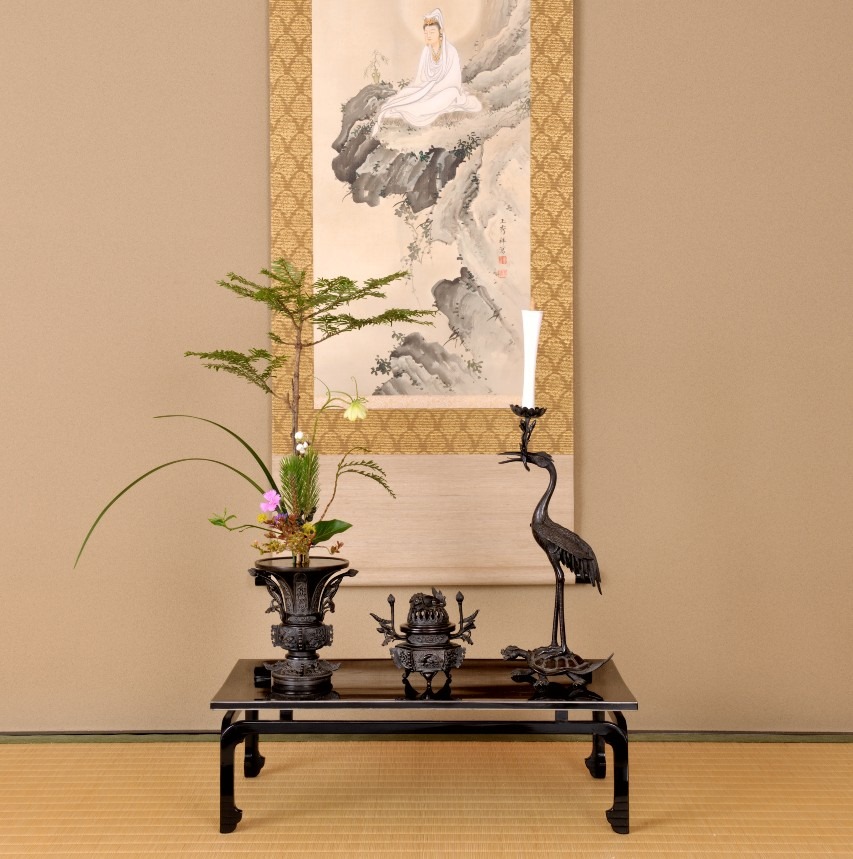
With Japan’s rising popularity as a cultural tourism destination, Ikebana has become an essential experience for international visitors. Kyoto, Tokyo, and Osaka are home to numerous workshops where tourists can take short courses led by master instructors.
Some of the most renowned Ikebana schools offering courses include:
In addition, seasonal Ikebana exhibitions at museums and temples, such as the Kyoto National Museum and Meiji Shrine, attract thousands of visitors eager to witness live demonstrations by grand masters.
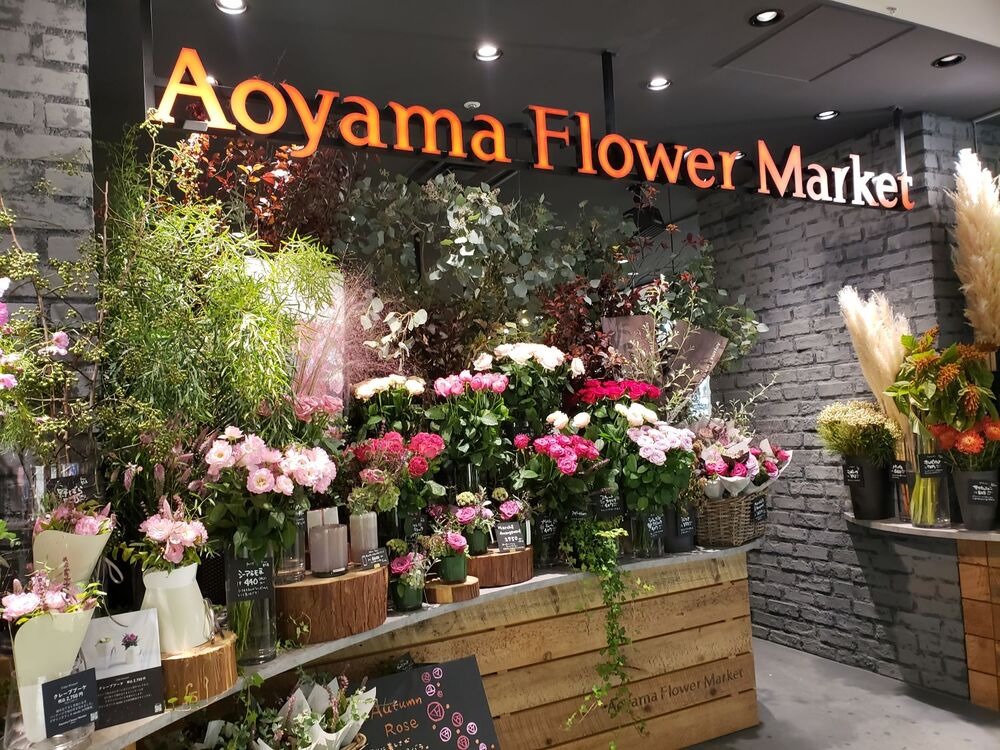
For those inspired to practice Ikebana at home, Japan offers numerous specialty flower shops and markets:
Online retailers also provide Ikebana tools and fresh flowers for international enthusiasts eager to bring the Japanese floral tradition into their own homes.
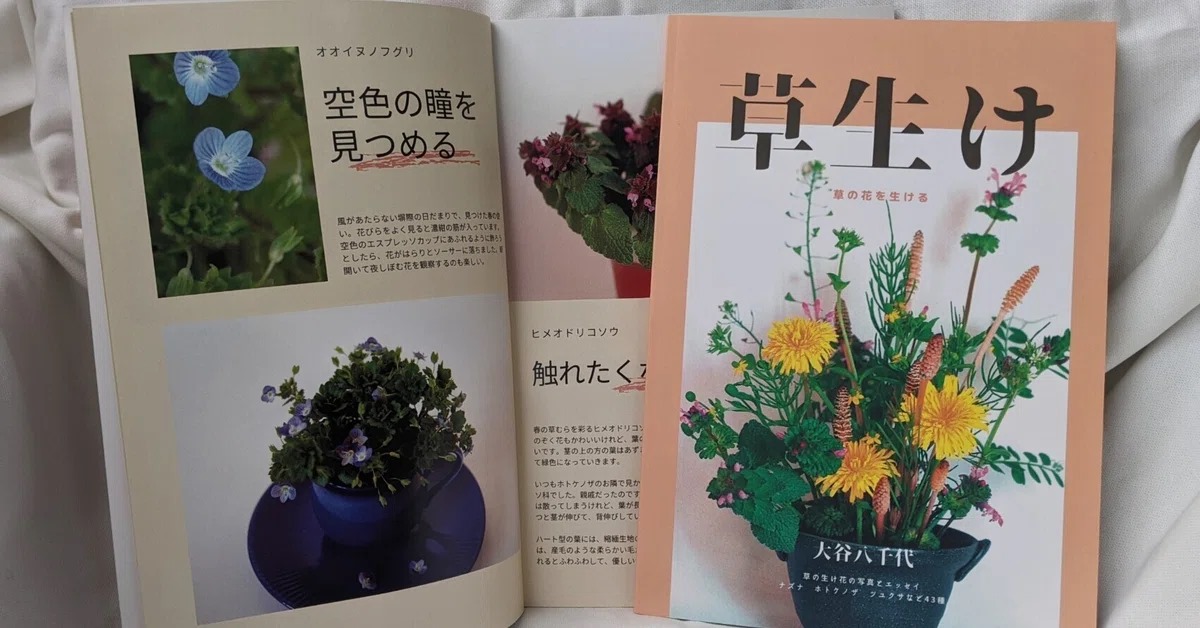
For those who wish to master Ikebana without traveling to Japan, several books offer detailed guidance on techniques, styles, and philosophy:
These books serve as excellent resources for both beginners and advanced practitioners, offering insights into the philosophy and techniques of Ikebana.