Tennis Fashion Evolution From Court Classics to Luxury Runways
Tennis fashion blends sport and luxury, from Lacoste and Fred Perry polos to Chanel’s elegance and Dior’s pleats. Today’s collabs like Adidas x Gucci, Off-White x NikeCourt, and Onitsuka Tiger x Valentino bring tenniscore to the runway and street style.
For decades, tennis has been more than a sport—it has been a style blueprint. From the crisp polo shirt to pleated skirts and sleek sneakers, tennis has inspired some of the most iconic fashion houses and collaborations. What began on the court has evolved into a global aesthetic now known as tenniscore, blending athletic functionality with luxury elegance.
Tennis-inspired high fashion has been gaining momentum in recent years, blending the sport’s heritage of elegance, minimalism, and athletic sophistication with luxury design. Here are some key points about it: Tennis has always had a fashion element—white skirts, polos, pleated dresses, cardigans, and headbands. Icons like René Lacoste (who later founded the Lacoste brand) and Suzanne Lenglen (a French tennis star in the 1920s known for chic outfits designed by Jean Patou) set the stage for tennis being both athletic and stylish. Wimbledon’s all-white dress code further cemented tennis as the “elegant” sport compared to others.
Luxury Brands in Tennis Fashion
· Lacoste, Fred Perry, and Sergio Tacchini – classic tennis players turned into fashion houses.
· Ralph Lauren – long-standing partnership with Wimbledon, creating modern prep and tennis-inspired collections.
· Chanel – Coco Chanel herself designed tennis-friendly outfits in the 1920s, and Karl Lagerfeld often drew on sporty elegance in later collections.
· Dior, Louis Vuitton, and Prada – recently incorporated tennis skirts, polos, and court sneakers into high-fashion collections.
Modern Collabs & Streetwear Crossovers
· Adidas x Gucci (2022) – tennis-inspired sneakers, polos, and retro tracksuits with luxury twists.
· Nike x Sacai and Off-White x NikeCourt – blending tennis performance wear with avant-garde streetwear.
· Onitsuka Tiger – exploring court shoes as lifestyle fashion.
· Tennis skirts and pleated mini skirts have resurfaced as “tenniscore”, embraced by Gen Z on TikTok and Instagram.
Celebrity & Cultural Influence
· Serena Williams – brought boldness to tennis fashion, including catsuits, tutus, and collaborations with Nike.
· Roger Federer – with Uniqlo, showing minimalist yet refined tennis fashion.
· Zendaya – wore a Loewe tennis-inspired gown for Challengers promotions (2024).
· Pop culture through movies like Challengers (starring Zendaya) and even anime aesthetics (Prince of Tennis) has made tennis fashion cool beyond the court.
Current Trend: "Tenniscore"
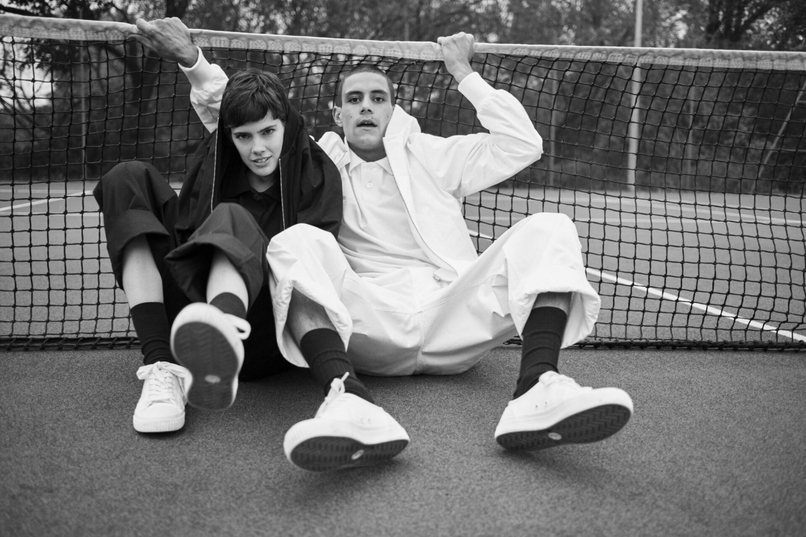
· Pleated skirts, polo shirts, cable-knit vests, cardigans, and white sneakers are dominating both runways and streetwear.
· Brands like Miu Miu and Thom Browne have heavily leaned into tennis silhouettes.
· It ties into the broader "quiet luxury" and "old money aesthetic" trend, where clean lines and preppy sportwear feel timeless and refined.
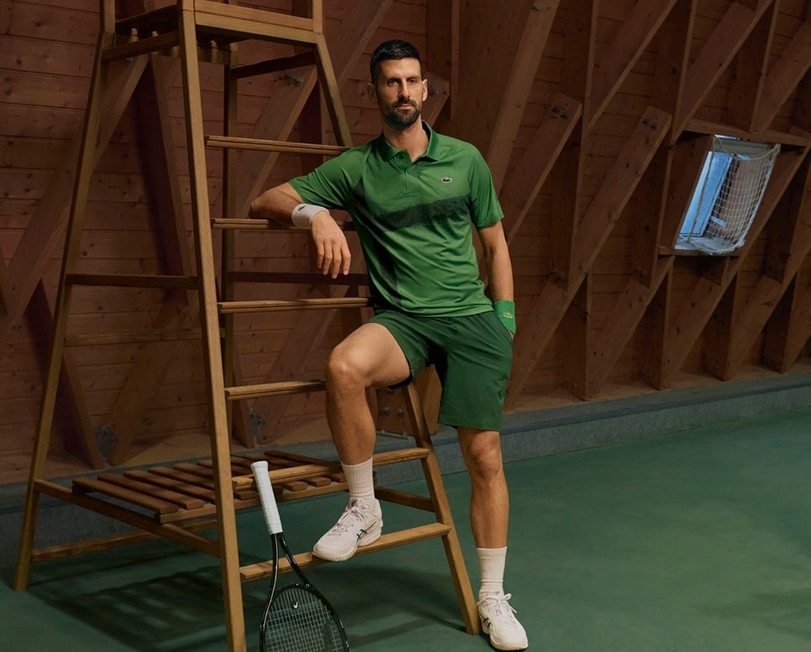
René Lacoste, nicknamed “The Crocodile”, transformed tennis fashion in 1933 by introducing the polo shirt. Lightweight, breathable, and effortlessly stylish, it replaced the stiff long-sleeved shirts of the era. Today, Lacoste stands as a global fashion label, still rooted in sporty elegance with polos, sneakers, and modern streetwear.
Founder: René Lacoste (1904–1996), French tennis champion nicknamed “The Crocodile” Founded: 1933
René Lacoste was a seven-time Grand Slam champion and part of France’s legendary “Four Musketeers.” Known for his relentless style of play, which earned him the nickname “The Crocodile.” In the 1920s, Lacoste disliked the stiff, long-sleeved shirts players wore and designed his own short-sleeved cotton piqué shirt with a flat collar—revolutionary at the time.
1933: Together with André Gillier (owner of the largest French knitwear manufacturing firm), Lacoste launched the Lacoste polo shirt, branded with the embroidered green crocodile logo. This polo became synonymous with both tennis and leisure elegance, soon adopted for golf and casualwear.
1960s–1980s: Lacoste expanded globally, particularly in the U.S., where the “preppy” movement embraced the polo.
Today: Lacoste is a luxury-sport lifestyle brand offering apparel, footwear, leather goods, fragrances, and eyewear. It remains central to “sport-chic” fashion.
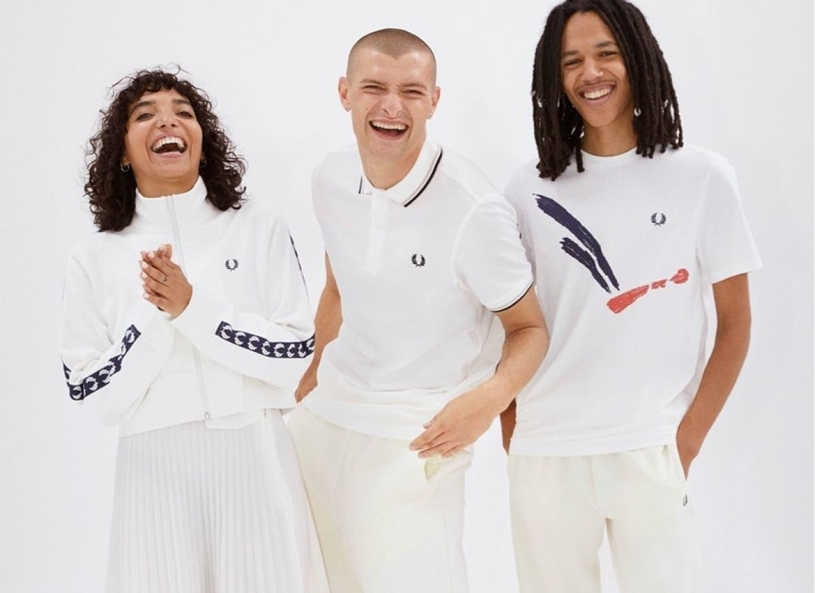
Three-time Wimbledon champion Fred Perry followed a similar path in 1952 with his own polo shirt line. Instantly recognizable by its laurel wreath logo, Fred Perry bridged tennis tradition with subcultures, becoming a staple in Britain’s Mod movement and beyond. Its influence now stretches far beyond the courts, blending sport and street in equal measure.
Founder: Fred Perry (1909–1995), British tennis player and three-time Wimbledon champion Founded: 1952
Fred Perry was the first player to win all four Grand Slam titles (career Grand Slam) in singles. He had a charismatic personality and working-class background, which made him a cultural icon in Britain during the 1930s. Initially collaborated with Austrian footballer Tibby Wegner to design a sweatband, then later the iconic polo shirt.
1952: Launched the Fred Perry polo shirt, embroidered with the laurel wreath logo (a nod to Wimbledon’s symbol). Unlike Lacoste, Fred Perry quickly became intertwined with youth culture and subcultures:
1950s–60s: Adopted by British mods.
1970s–80s: Embraced by punk, ska, and Britpop musicians.
1990s–2000s: Worn by indie and alternative bands.
Fred Perry remains one of the few heritage brands associated with both sport and music, balancing classic polos with edgy collaborations (e.g., Raf Simons, Comme des Garçons, Amy Winehouse Foundation).
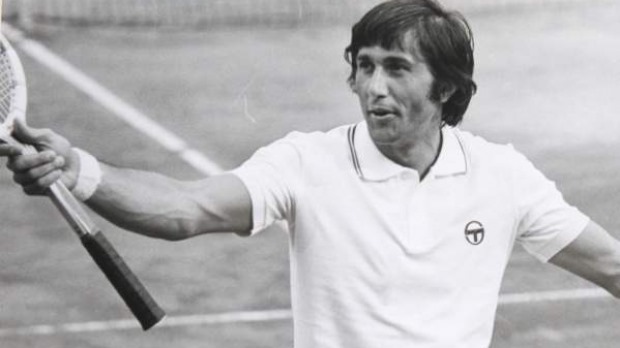
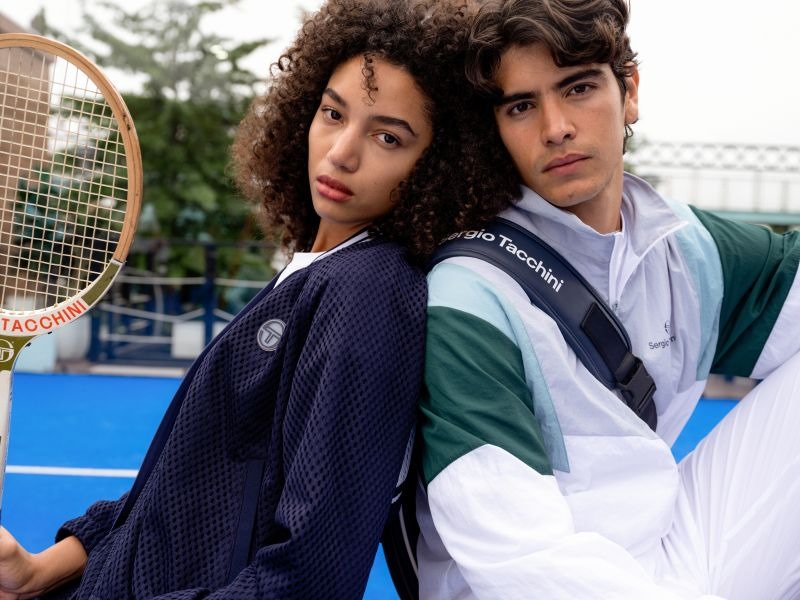
Former Italian tennis player Sergio Tacchini introduced bold colors and cuts to tennis apparel in the 1960s. While tennis whites dominated, Tacchini’s designs broke tradition with vibrant tracksuits and stylish kits. His brand became synonymous with both athletic performance and off-court cool, influencing luxury athleisure decades before it was a trend.
Founder: Sergio Tacchini (1938–2020), Italian tennis player. Founded: 1966
Sergio Tacchini was a professional player on the Italian Davis Cup team. Dissatisfied with the dominance of all-white tennis attire in the 1960s, he wanted to bring color, flair, and Italian tailoring to tennis fashion.
1966: Founded Sandys S.p.A., which later became Sergio Tacchini S.p.A. Known for pioneering colored tennis apparel, breaking Wimbledon’s all-white tradition in other tournaments. Worn by legends like John McEnroe, Pete Sampras, Novak Djokovic, and Martina Hingis. Expanded into tracksuits, sneakers, and streetwear, becoming particularly iconic in the 1980s and 1990s hip-hop culture in the U.S. and UK. Today: The brand enjoys a revival through retro streetwear collaborations and vintage sportswear enthusiasts.
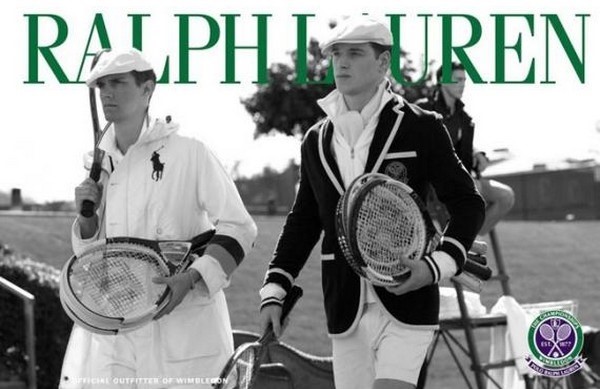
No brand embodies American prep like Ralph Lauren. Through the Polo line, Ralph Lauren borrowed from tennis whites, pleated skirts, and sporty knits to define a lifestyle of leisure and luxury. The brand also became synonymous with tennis culture by designing official uniforms for the U.S. Open, reinforcing its place in modern sport-luxe style.
Founder: Ralph Lauren (born 1939), American designer and entrepreneur. Founded: 1967
While Ralph Lauren didn’t play professional tennis, he deeply embraced tennis aesthetics—polos, pleats, clean whites, and preppy country club style. In the U.S., Ralph Lauren became the fashion brand most associated with “American Prep,” which naturally overlaps with tennis-inspired clothing.
2005: Became the official outfitter of Wimbledon, dressing ball boys, girls, and on-court officials — marking the first time Wimbledon allowed a commercial brand partnership. This solidified Ralph Lauren’s role in tennis fashion. Also sponsors the US Open and other tennis-related events, linking the brand to the sport’s heritage of sophistication and elegance.
1967: Started with a line of men’s ties under the brand Polo. Expanded into polo shirts, cable-knit sweaters, pleated skirts, and cardigans, many of which carry a tennis-friendly aesthetic. Unlike Lacoste or Fred Perry, Ralph Lauren’s polo became a symbol of aspiration and lifestyle, not just sport.
Signature lines: Polo Ralph Lauren – classic, sporty-preppy with tennis inspirations. Ralph Lauren Purple Label – luxury tailoring, often influenced by refined sporting culture. Ralph Lauren Sport – direct crossover into activewear.
Cemented tennis fashion as part of the “old money” aesthetic, with Wimbledon whites, elegant vests, and polished polo shirts being at the core of Ralph Lauren campaigns. Celebrities like Zendaya, Gigi Hadid, and Roger Federer have worn Ralph Lauren’s tennis-inspired outfits off court. Today, the brand represents not just clothing but a lifestyle of sophistication and heritage—tennis being one of its strongest cultural anchors.
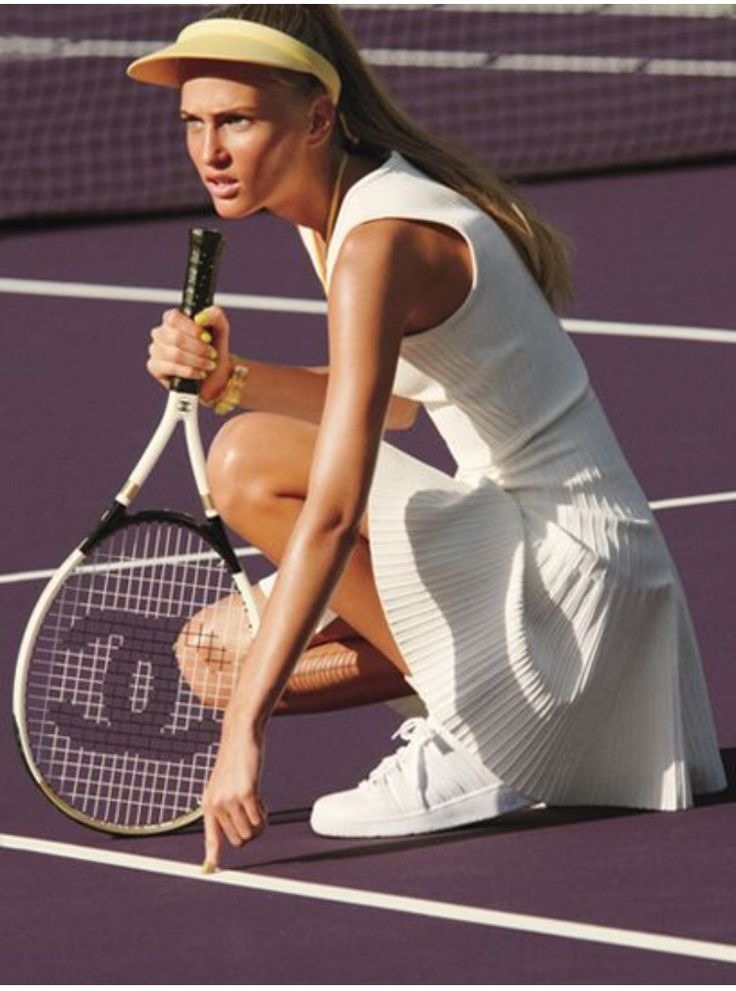
Coco Chanel herself revolutionized women’s sportswear in the 1920s. Inspired by tennis, she popularized jersey fabrics, pleated skirts, and sleeveless dresses—offering women comfort and elegance both on and off the court. Today, Chanel continues to echo tennis aesthetics with modern collections that pay homage to its sporty heritage.
1910s–1920s: Coco Chanel pioneered sportswear for women, breaking away from corsets and heavy gowns. She introduced jersey fabric (previously used only for men’s underwear) into women’s everyday wear, creating lightweight, flexible dresses and separates. This made movement easier—perfect for leisure sports like tennis, sailing, and golf.
Suzanne Lenglen, the French tennis star of the 1920s, famously wore Chanel-designed tennis outfits: short pleated skirts, sleeveless tops, and headbands. This was radical at the time, blending freedom, elegance, and athletic practicality. Chanel essentially helped invent the concept of “athletic chic” long before it became mainstream.
Chanel never became a direct sportswear brand like Lacoste or Fred Perry, but it consistently drew inspiration from leisure sports: tennis whites, sailor stripes, and riding jackets. Karl Lagerfeld (1980s–2019): reinterpreted Coco’s sporty elegance, often including tennis rackets, balls, or pleated skirts in runway presentations. Chanel sneakers, tennis skirts, and athletic-inspired knitwear became a staple in modern collections. The brand embodies sport-luxe minimalism, but with Parisian sophistication.
Chanel remains associated with tennis-inspired silhouettes: pleated minis, cardigans over dresses, clean whites, and headbands. Tennis-themed accessories often appear in Chanel campaigns and limited collections. Celebrities like Kristen Stewart and Lily-Rose Depp have worn Chanel looks that echo tennis aesthetics, especially during summer collections. With the rise of tenniscore, Chanel’s archives are often cited as the original blueprint for feminine, elegant sportswear.
Founder: Christian Dior (1905–1957). Founded: 1946, Paris.
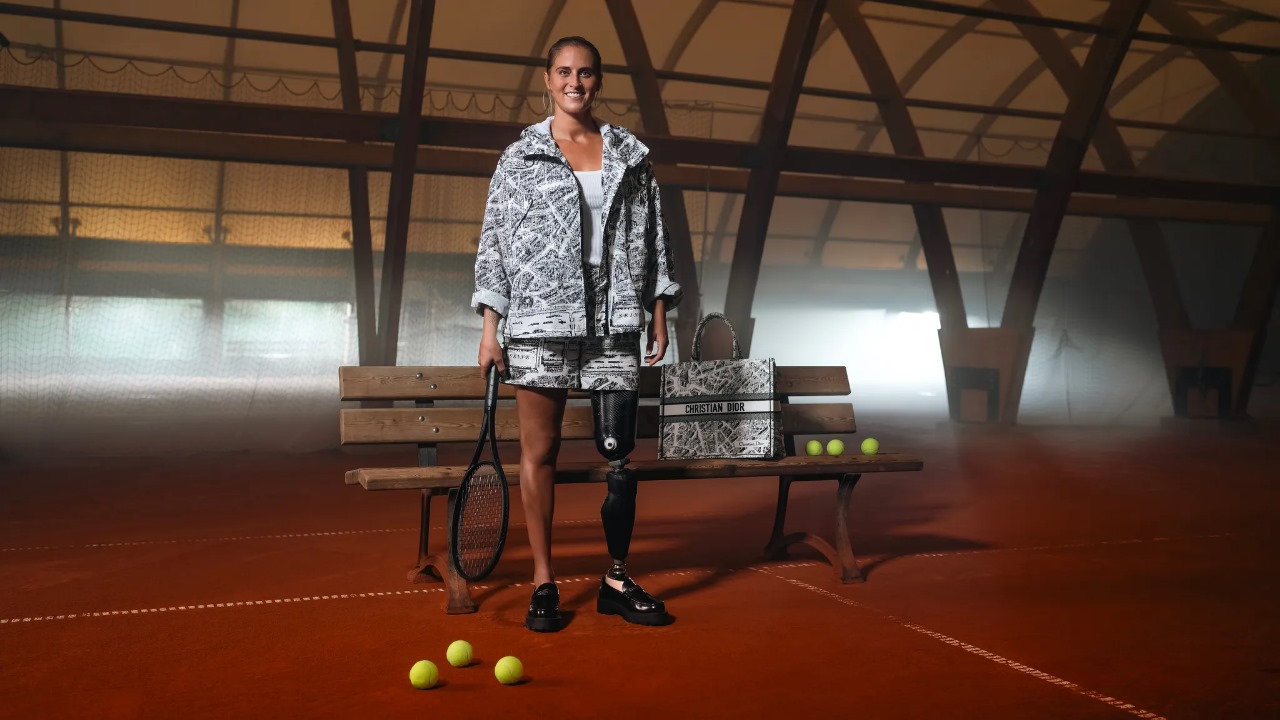
Dior didn’t design tennis uniforms directly, but the house has long referenced sporty femininity through pleats, skirts, and clean tailoring. Maria Grazia Chiuri (Creative Director since 2016) has leaned into tennis-inspired looks with pleated minis, polo-style tops, and white ensembles that echo tennis uniforms. Dior sneakers (like the Dior Vibe line) often channel sporty court aesthetics. Collaborations: Dior has yet to sponsor a major tennis tournament, but its campaign styling often uses tenniscore themes (clean whites, pleats, headbands).
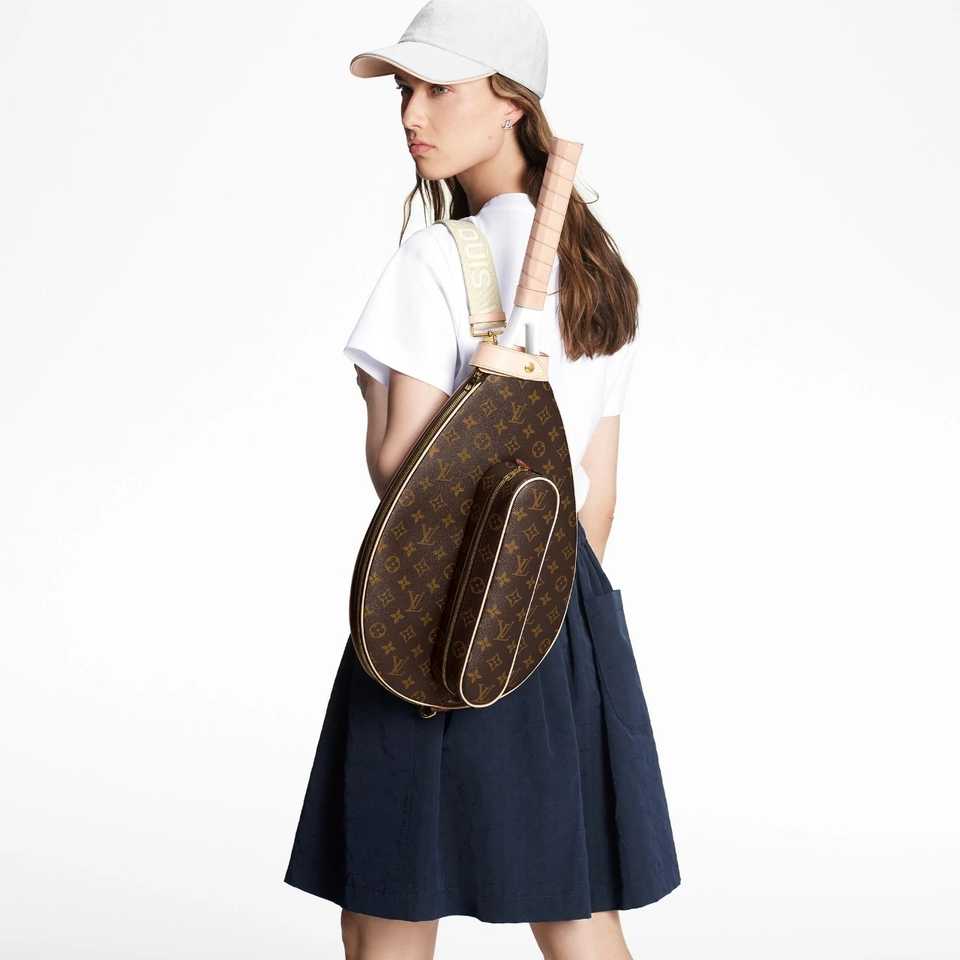
Dior aligns tennis fashion with Parisian elegance—delicate, feminine, but still sporty. Seen as part of Dior’s broader move into athleisure-luxe. Louis Vuitton tapped into tennis culture with vintage-inspired monogram bags and sporty silhouettes.
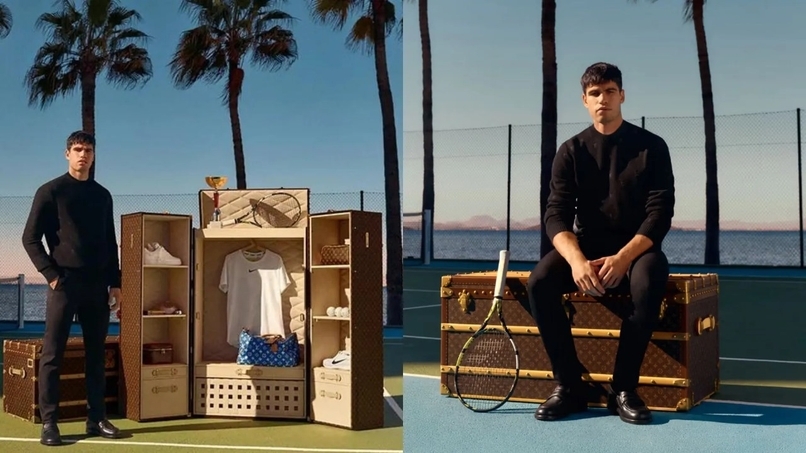
1920s–1930s: LV made custom tennis cases and trunks for rackets and balls, merging function with fashion. In recent years, LV has returned to this heritage with limited tennis-inspired bags and accessories. Under Nicolas Ghesquière and Virgil Abloh (menswear, 2018–2021), Vuitton explored athletic silhouettes, often referencing tennis sneakers and pleats in collections.
Louis Vuitton connects tennis to luxury travel and heritage craftsmanship. Think: tennis trunks, court sneakers, and refined whites. Today, LV stands more for lifestyle tennis culture rather than actual court wear.
Prada blended minimalism with performance, showcasing sleek tennis skirts and crisp whites in ready-to-wear lines.
Founder: Mario Prada (1913), expanded under Miuccia Prada (since 1978). Founded: 1913, Milan
Prada has the deepest performance sportswear crossover of the three, thanks to its Linea Rossa (Red Line) line. 1990s–2000s: Prada leaned heavily into minimalist sportswear aesthetics, influencing tennis-inspired fashion. Prada sneakers and pleated skirts are staples in the tenniscore movement.
Adidas x Prada collaboration (2020–2023): Featured reinvented tennis sneakers (Superstar, Luna Rossa 21) and athleisure pieces. Brought Prada firmly into tennis-inspired luxury sportswear.
Prada positions tennis fashion as tech-luxe minimalism: clean lines, high-quality materials, performance-inspired tailoring. Prada’s sub-label Miu Miu has also leaned into pleated mini tennis skirts and “youth tennis chic,” making it a Gen Z favorite. These maisons prove that tennis has always been fertile ground for couture reinterpretation.
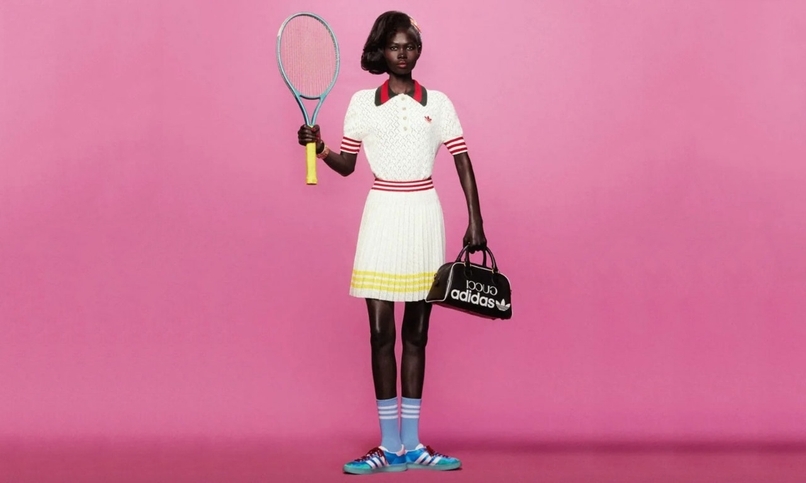
In 2022, Adidas and Gucci joined forces to revive retro tennis-inspired looks. Their collection featured sneakers, polos, and tracksuits with bold Gucci flourishes—melding vintage athletic aesthetics with high-end streetwear appeal. It was a defining moment where heritage sportswear met luxury branding.
Launched in June 2022, the Adidas x Gucci collection brought together two powerhouse brands: Adidas → rooted in sports performance and athletic heritage (tennis, track, soccer). Gucci → under Alessandro Michele (Creative Director at the time), known for maximalist, retro-inspired luxury with eclectic aesthetics.
The collaboration aimed to blur the lines between sportswear and luxury, revisiting Adidas’s 1970s–1980s tennis archive while infusing Gucci’s high-fashion eccentricity.
Sneakers: Reinvented versions of the Adidas Gazelle and Stan Smith in Gucci’s bold colors, monograms, and GG canvas. Court-ready silhouettes with luxury details like suede, velvet, and premium leather.
Polos & Tennis Dresses: Retro-style polos with Adidas’s 3-stripes fused with Gucci’s bold palettes and monogrammed trims. Pleated tennis-inspired skirts and dresses, channeling classic court style.
Tracksuits: 1970s-style retro tracksuits featuring Adidas stripes on Gucci fabrics. Color-blocking in bold reds, greens, and yellows, referencing both brands’ heritage palettes.
Accessories: Tennis-inspired bags, bucket hats, and socks blending athletic function with Gucci’s monogram canvas. Even duffels and racket-style bags, nodding to tennis’s luxury-sport crossover.
The campaign was shot with a distinctly retro tennis vibe, blending 1970s courtside chic with maximalist Gucci styling. Models were styled in exaggerated sporty-luxury looks: headbands, sneakers with formal wear, and track jackets layered with silk pieces. The messaging reinforced the rise of “tenniscore” and retro sports nostalgia in high fashion.
The collab was a crossover hit: appealing to sneakerheads, luxury shoppers, and fashion enthusiasts. It reinforced how tennis-inspired fashion has become mainstream in luxury—no longer just polos and whites, but bold reinterpretations. Popular among Gen Z and millennials for its playful yet status-driven appeal. Secondary markets (like StockX and Grailed) still see strong resale demand for Adidas x Gucci sneakers and tracksuits.
Nike has long dominated sportswear, but its partnerships with avant-garde designers brought tennis fashion into the future: Nike x Sacai experimented with layered sneakers and hybrid sportswear silhouettes. Off-White x NikeCourt, under Virgil Abloh, delivered deconstructed tennis apparel and accessories, fusing performance with runway edge.
First Collaboration: 2015, ongoing (not exclusively tennis, but heavily sports-inspired). Sacai, founded by Chitose Abe in 1999, is known for deconstruction, hybrid silhouettes, and blending sportswear with couture. Nike x Sacai collaborations usually reinterpret classic Nike sneakers and apparel through layering, exaggeration, and structural twists.
While Sacai is not strictly a “tennis brand,” its collaborations channel retro sports aesthetics often overlapping with tenniscore: Nike x Sacai LDWaffle sneakers → layered retro runners often styled with tennis skirts and polo looks. Nike x Sacai apparel drops included pleated skirts, polos, and sporty knits, echoing tennis uniforms but with deconstructed edges. The design philosophy: merging tennis’s clean white uniformity with avant-garde layering. Nike x Sacai sneakers became cultural icons, worn by fashion insiders and celebrities. The collection emphasized how tennis-inspired fashion could be elevated into experimental couture streetwear.
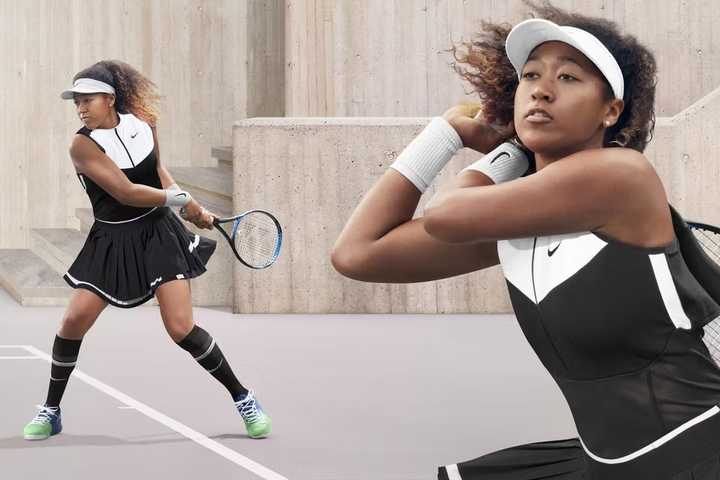
Designed by Virgil Abloh, Off-White founder and then Louis Vuitton Menswear Director. Part of Abloh’s “Queen Collection” for Serena Williams, debuted at the US Open 2018.
NikeCourt Flare 2 sneakers redesigned with Off-White’s deconstructed aesthetic (translucent panels, text graphics). Serena’s on-court dresses: One-shoulder tulle dress with Nike performance fabric → merging ballet, streetwear, and tennis. Bold colors (lavender, black, neon) that broke away from traditional tennis whites. Apparel featured signature Off-White details: quotation marks (“LOGO”), asymmetry, layered tulle over performance materials.
Serena’s outfits were a watershed moment in tennis fashion, redefining what could be worn on the court. Off-White x NikeCourt elevated tennis gear to avant-garde couture, while keeping it performance-ready. Cemented Virgil Abloh’s belief that sport is cultural fashion — not just function.
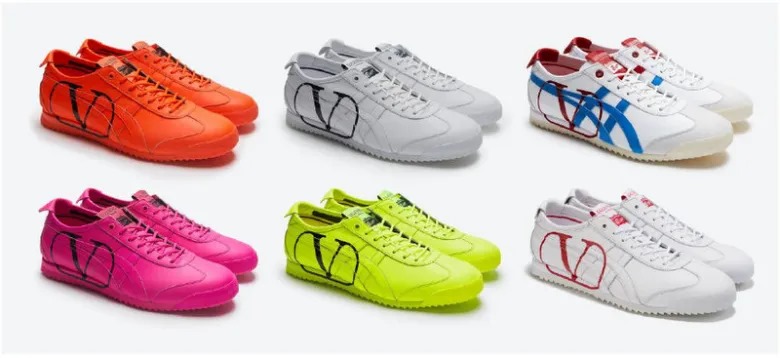
Japanese heritage sneaker brand Onitsuka Tiger has also crossed into luxury through collaborations with labels like Valentino. These partnerships elevate its iconic tennis-style sneakers into high-fashion statements, proving the versatility of tennis-inspired footwear in the luxury sphere.
Founder: Kihachiro Onitsuka. Founded: 1949, Kobe, Japan
Originally founded to help rebuild postwar Japan through sports, Onitsuka Tiger became Japan’s leading sports footwear brand. Gained global recognition in the 1960s–70s as a performance sneaker company, with designs for basketball, running, and tennis. Its Mexico 66 sneakers, with the now-iconic crossed stripes, became especially popular for court sports, including tennis. Eventually merged into ASICS in 1977, but Onitsuka Tiger was later revived as a heritage lifestyle brand in the 2000s.
Retro Tennis-Inspired Sneakers. The Mexico 66, GSM (Game, Set, Match), and Tiger Corsair lines were rooted in tennis and court culture. These silhouettes became popular off-court as lifestyle sneakers, embraced for their minimalism and vintage athletic vibe.
Fashion Collaborations. Onitsuka Tiger has collaborated with luxury designers and fashion houses, bridging sport and couture: Onitsuka Tiger x Valentino (2020): Redesigned the Mexico 66 with Valentino’s bold “V” logo. Blended Japanese sports heritage with Italian luxury fashion. Onitsuka Tiger at Milan Fashion Week: Since the 2010s, the brand has been showcasing collections at MFW, often highlighting sleek, minimalist sneakers paired with fashion-forward apparel. Onitsuka Tiger x Andrea Pompilio: Italian designer Andrea Pompilio collaborated on a number of collections, giving sneakers couture-inspired shapes, materials, and runway appeal.
Became globally iconic when Uma Thurman wore the yellow Mexico 66s in Quentin Tarantino’s Kill Bill (2003) — a cultural crossover moment that made the shoes fashion staples. The brand is now considered heritage-luxury streetwear rather than just sportswear. Unlike Adidas or Nike collabs, Onitsuka Tiger leans into subtle luxury and craftsmanship, with a Japanese minimalist sensibility.
From Lacoste’s polo to Gucci’s retro tracksuits, tennis continues to shape the way we dress. What started as functional sportswear has become an aesthetic language of luxury, minimalism, and timeless elegance. Whether through heritage labels or daring collaborations, tennis-inspired fashion stands as a bridge between performance and prestige—making the court a runway in its own right.












.jpeg)