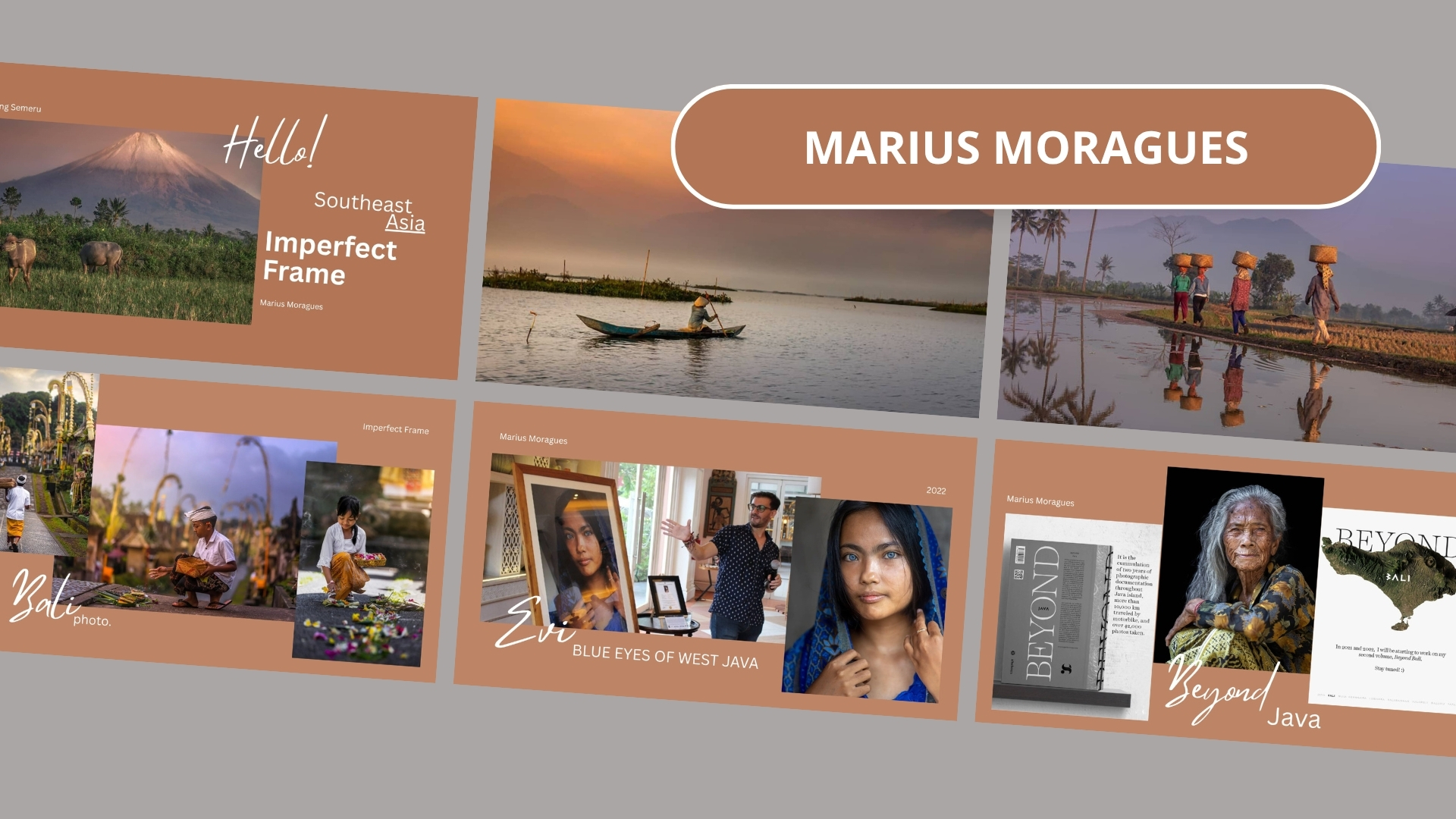
French photographer Marius Moragues captures the soul of Indonesia through his project Imperfect Frame. From portraits of villagers to cultural landscapes, his work reveals the nation’s true beauty — raw, emotional, and deeply human beyond the tourist len
A French Photographer Who Captures the Soul of the Archipelago
In a world flooded with glossy, curated travel photos, genuine storytelling through art has become a rare treasure. One artist who embodies this authenticity is Marius Moragues, a French photographer whose deep affection for Indonesia shines through every frame. His works go beyond aesthetics — they reveal humanity, emotion, and the quiet beauty of daily life across the islands.
Born in Carcassonne, France, Marius first came to Indonesia in 2015 as a volunteer in Jambi. While working as an English teacher at a French school, he began exploring the archipelago with a camera — not as a professional photographer at first, but as someone drawn to capture real human stories and culture.
He later founded Imperfect Frame, a long-term photography project dedicated to documenting Indonesia’s diverse people and traditions with honesty and empathy. Today, his works are exhibited in Bali and featured in art publications worldwide.
Humanism and Authenticity Marius doesn’t just photograph people — he connects with them. His portraits of farmers, elders, and children radiate emotion and dignity. He often spends days in a village, building trust before taking a single picture. This patience allows his subjects to appear natural, unposed, and profoundly human.
Stories Behind the Images Each image carries a story: who the person is, how they live, what culture shapes their daily life. For Marius, photography is not about perfection — it’s about meaning. Every frame becomes a cultural and emotional document rather than a decorative image.
Journey Through the Islands His travels span Java, Bali, Lombok, and beyond — and his future projects include Kalimantan, Sulawesi, Maluku, and Papua. He often rides a motorbike to remote areas, seeking unfiltered moments of real Indonesian life far from the tourist lens.
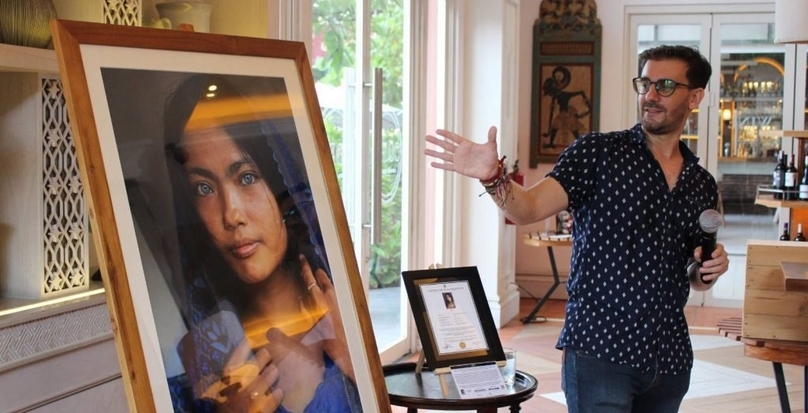
“Evi, the Blue-Eyed Girl from West Java” Perhaps his best-known photograph: a portrait of Evi, an 18-year-old girl from West Java with striking blue eyes despite no European ancestry. This image went viral, not just for its visual impact but also for the story behind it — Marius traveled (on motorbike) for hours to meet her, documented the encounter with care, then returned to her house with a printed framed photo to give to her personally.
Courtesy of deteksipostProject “Imperfect Frame” This is more than just one photo; it’s his ongoing, signature project. Started in 2017, Imperfect Frame is his visual tribute to Indonesia — its people, its cultures, its everyday moments and its unsung beauty. Over this project he’s taken 100,000+ photographs and traveled more than 50,000 kilometers across Indonesia on a motorbike. The philosophy behind “Imperfect Frame” is that what might look “imperfect” on the surface often holds deeper strength, emotion, identity. It focuses on human interest — especially portraits of elders, children, people in remote areas, traditional cultural settings. Courtesy of suratduniaPhoto Books: Beyond Java & Java
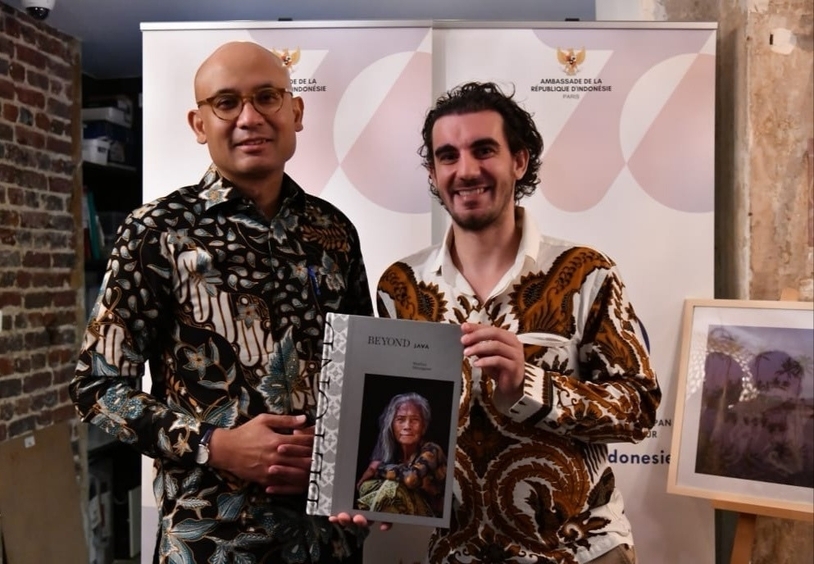
Beyond Java is a photography book (English & French) that attempts to show more than just the tourist side of Java — to explore traditions, people, life off the beaten path. Later, he also produced a shorter book simply called Java. These books are physical, collectible — not only digital/online content.
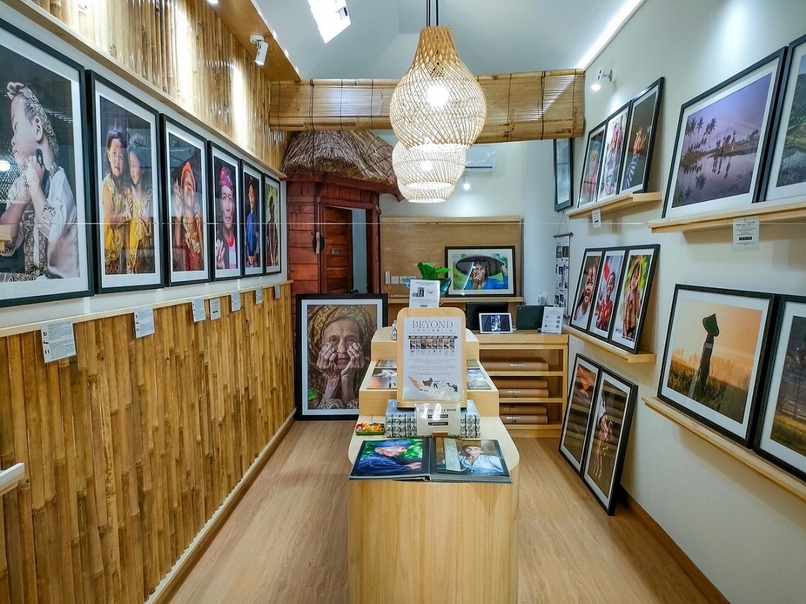
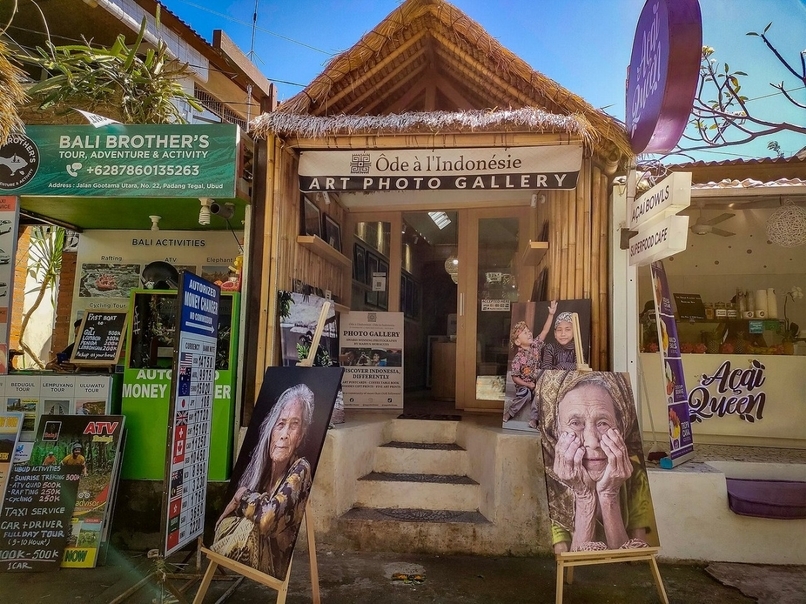
“Ôde à l’Indonésie” Gallery in Ubud, Bali His first physical gallery space, which opened as part of his work. The gallery displays many of his best photographs (portraits, ethnographic, cultural), plus travel stories, local people, and rarely-seen moments from across Indonesia.
Exhibition “Bali’s Timeless Legacy” A curated exhibition (in Sanur, in Maison Aurelia) featuring ~20 of his photographs that capture the essence of Bali — its traditions, heritage, and timeless charm. This show has been cited as a highlight of his work, showing how he frames culture and beauty with both respect and artistry.
The Beauty of Indonesia Through His Lens
Marius’s work reveals that Indonesia’s beauty lies not only in its landscapes but in its people:
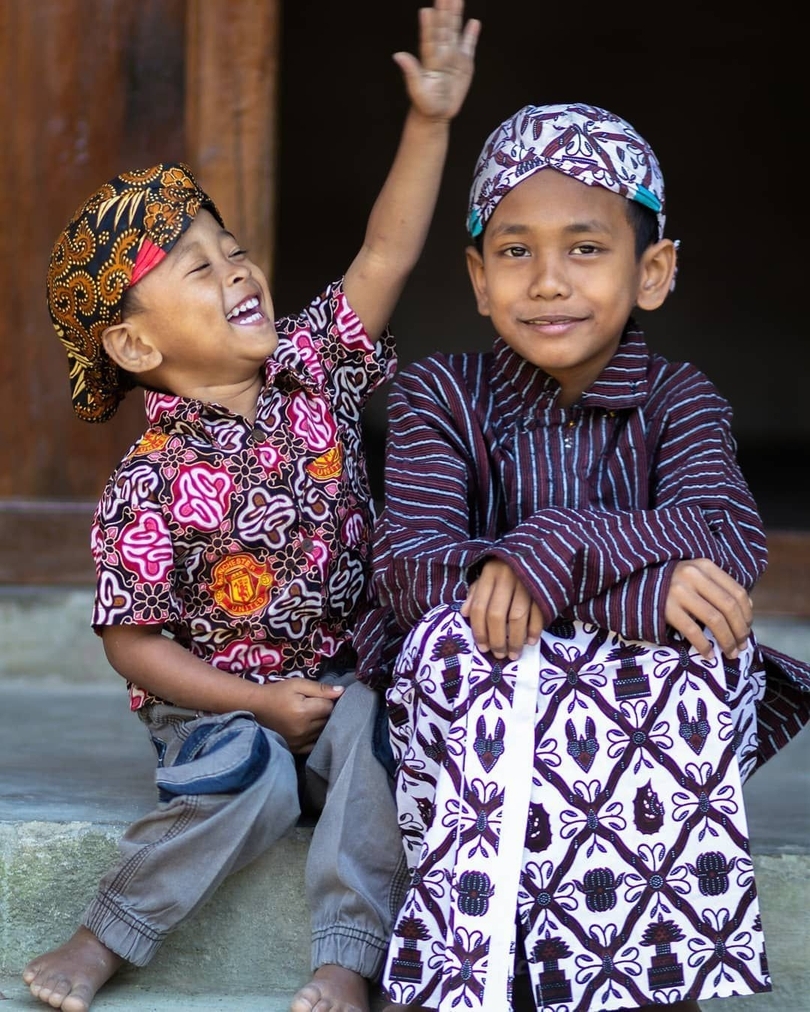
· Cultural Diversity: From traditional clothing and rituals to languages and daily customs, he documents the intricate mosaic of Indonesia’s heritage.
· Human Warmth: Smiles, gestures, and the simple kindness of villagers fill his photos with life.
· Hidden Landscapes: His images capture not only majestic volcanoes or beaches but also quiet scenes of rural harmony and craftsmanship.
· Identity and Storytelling: Each region’s distinct personality becomes a living narrative through his photographs.
Challenges and Reflections
Language and Trust: Communication in remote areas can be difficult, as some locals speak only their regional dialects. Marius often learns a few key words to bridge the gap and earn their trust.
Pandemic Pause: The COVID-19 pandemic temporarily halted his travels, but he used the time to reflect and refine his approach. Once travel resumed, his passion reignited stronger than ever.
Emotional Depth Over Technical Perfection: For him, the hardest part isn’t lighting or composition — it’s forming genuine human connections so that emotions, not just faces, come through.
Why His Work Matters
· Cultural Preservation: His photographs are more than art — they’re visual archives of traditions and lifestyles that may soon disappear.
· Changing the Narrative: Many portray Indonesia as exotic or purely touristic. Marius’s lens shifts the focus toward authenticity and humanity.
· Cross-Cultural Inspiration: His journey shows how art transcends borders — a French artist embracing Indonesia not as an outsider, but as a storyteller among its people.
Marius Moragues reminds us that the true beauty of Indonesia isn’t just in its landscapes or landmarks, but in its people, stories, and spirit. Through his lens, we see more than faces — we see resilience, kindness, and a quiet pride that defines the heart of the archipelago.
His art invites us to slow down, to look deeper, and to remember that beauty often lives in imperfection — in fleeting smiles, weathered hands, and the light that touches both land and soul.