Master your short game like a pro! Learn how to save pars from 30 yards with precise wedge control, smart shot selection, first-bounce planning, and structured practice drills that turn missed greens into consistent scoring opportunities.
Master your short game like a pro! Learn how to save pars from 30 yards with precise wedge control, smart shot selection, first-bounce planning, and structured practice drills that turn missed greens into consistent scoring opportunities.
At the elite level of golf, scoring efficiency inside 30 yards is not based on touch alone—it is the result of precise biomechanics, predictable launch conditions, and statistical decision-making. Tour professionals treat short-game shots as controlled scoring patterns, not improvised recovery attempts.
This technical breakdown focuses on wedge mechanics, launch and spin control, shot-selection models, and tour-caliber practice structures that allow professionals to save par at a remarkably high rate.
From a performance analytics standpoint, shots inside 30 yards fall into the scoring zone, where strokes-gained data shows clear separation between professionals and amateurs.
Key benchmarks:
The goal is not proximity alone, but predictable first-bounce behavior and controlled rollout.

Wedge Control Mechanics: Controlling Low Point, Launch, and Speed
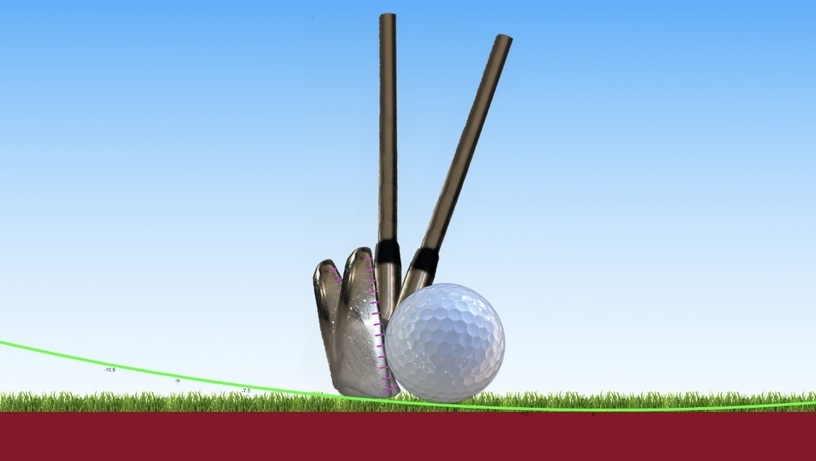
Low-Point Control (Primary Skill). Elite wedge players deliver the club with: A low point 2–4 inches ahead of the ball. Shallow angle of attack (typically –4° to –7°). Minimal vertical face rotation through impact. This ensures clean contact, consistent launch, and stable spin rates—especially critical on partial swings.
Dynamic Loft and Shaft Conditions. From 30 yards and in, professionals manage dynamic loft more than static loft. Common impact characteristics: Slight forward shaft lean (not excessive). Face slightly open relative to target line. Clubhead traveling left of the face (for right-handed players). This geometry produces a neutral-to-low launch with controlled spin, avoiding the high-spin volatility amateurs often encounter.
Speed Control via Swing Length (Not Acceleration). Professionals eliminate hand speed manipulation by using fixed backswing lengths. Typical wedge swing mapping: Hip-high backswing: low flight, release-oriented pitch. Chest-high backswing: standard scoring pitch. Shoulder-high backswing: higher launch, reduced rollout. Downswing tempo remains constant; distance is regulated by arc length, not force.
Trajectory Management: Launch Windows, Not Shot Shapes
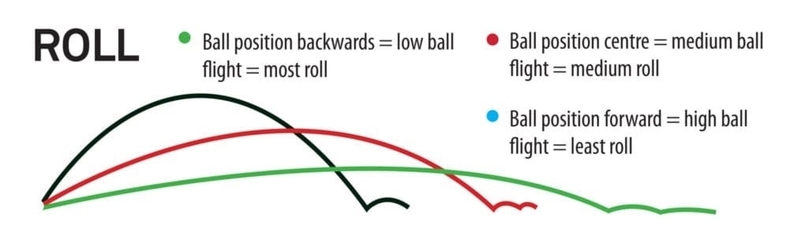
Elite players focus less on shaping the ball left or right and more on managing trajectory windows to control outcomes. Instead of curving shots, they define a precise launch height relative to visual references such as the flagstick or tree line, select a landing angle that matches the firmness of the green, and plan a specific carry-to-roll ratio. By thinking in terms of trajectory windows rather than shot shapes, professionals reduce their reliance on spin and achieve more consistent results across varying turf conditions and changing weather.

Shot Selection Models: Risk Reduction Over Shot Difficulty
Inside 30 yards, professionals rely on a clear decision hierarchy that prioritizes predictability over flair. They first assess whether the ball can land on the green early, then evaluate if it can release consistently toward the hole, and finally consider whether a miss will finish pin-high or slightly long rather than short. High-lofted shots are reserved for specific situations — such as when the landing area is extremely tight, the green slopes away, or a forced carry over trouble is unavoidable. In most cases, pros favor a low-launch pitch with forward momentum, as it offers greater margin for error and more reliable distance control.
Lie-Based Technique Adjustments
From tight fairways or firm lies, professionals adopt a narrow stance with the handle slightly forward to reduce bounce interaction and ensure clean contact. In light rough, they adjust by using a slightly steeper angle of attack, adding a touch more loft to maintain launch, and minimizing face rotation to stabilize the strike. On grainy or wet lies, pros anticipate lower spin, choose more conservative landing targets, and focus heavily on ball-first contact. Across all conditions, the key adjustment is not swing speed, but precise control of entry point and strike depth to maintain consistent results.
Green Interaction: Planning for First Bounce
Short-game specialists focus on where the ball first lands rather than where it ultimately stops. They carefully assess green firmness, slope direction at the intended landing zone, and grain or moisture conditions to predict how the ball will react upon contact. By planning around first-bounce location, pros can let the ball decelerate naturally, producing consistent leave distances that frequently leave them within a six-foot range for par-saving opportunities.

Practice Structure: Tour-Caliber Short-Game Training
Variable Distance Matrix. Pros train wedge shots across random distances: 8, 12, 18, 24, and 30 yards. Multiple trajectories per distance. One attempt per scenario. This develops distance calibration under uncertainty, mirroring on-course demands.
Up-and-Down Conversion Tracking. Instead of focusing on contact quality, professionals track: Conversion percentage. Miss patterns. Leave distances. The objective is outcome efficiency, not visual perfection.
Constraint-Based Drills. Common constraints include: Maximum ball height limits. Mandatory first-bounce zones. One-club-only sessions. Constraints force technical consistency and decision discipline.

Equipment Considerations: Functional Gapping
On tour, short-game setups prioritize clear roles for each wedge rather than simply carrying multiple options. A typical configuration includes one low-bounce scoring wedge for tight lies, one mid-bounce versatile wedge for general approach shots, and one high-loft specialty wedge for delicate or forced carries. Shaft weight and profile are carefully matched to the player’s iron set, ensuring consistent tempo, feel, and delivery across all clubs.
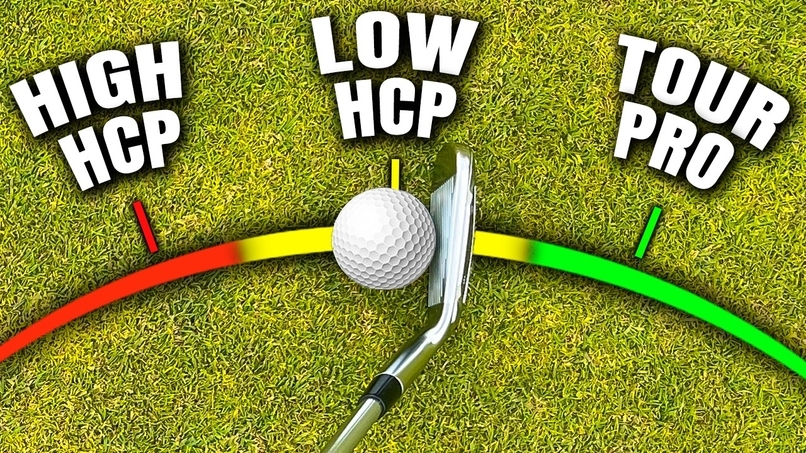
Mental Framework: Scoring Bias, Not Recovery Bias
For professionals, missing the green is treated as a normal part of the game rather than a failure. From 30 yards, they aim to leave the ball for an uphill putt, with a preference for missing long rather than short-sided, which reduces the risk of a difficult recovery. By prioritizing commitment over creativity, this scoring-first mindset lowers tension, enhances confidence, and leads to more reliable strikes around the green.
Applying Pro-Level Technical Principles
For advanced amateurs, meaningful short-game improvement stems from disciplined, technical focus. Key areas include mastering low-point control, minimizing trajectory variability, practicing outcome-based drills, and avoiding unnecessary loft that can compromise consistency. Ultimately, short-game excellence is less about artistry and more about applying controlled physics repeatedly to produce predictable, repeatable results around the green.
Professional golfers save pars from 30 yards and in by removing randomness. Through precise wedge mechanics, conservative shot models, and structured practice, they transform missed greens into scoring opportunities.
Adopt these technical principles, and your short game will become a reliable scoring asset rather than a source of lost strokes.