
Explore how luxury skincare brands like La Prairie, Augustinus Bader, Shiseido Men, Sisley Paris, and Clé de Peau Beauté are shaping modern masculinity through science-driven, understated men’s grooming.
Explore how luxury skincare brands like La Prairie, Augustinus Bader, Shiseido Men, Sisley Paris, and Clé de Peau Beauté are shaping modern masculinity through science-driven, understated men’s grooming.
How Skincare, Fragrance Layering, and Hair Care Became Everyday Essentials
For decades, men’s grooming existed on the margins of the beauty industry—often limited to basic shaving cream, a single bottle of aftershave, and whatever shampoo happened to be in the shower. Today, that perception has fundamentally changed. Men’s grooming is no longer a niche market or a quiet corner of the industry; it is a fast-evolving, culture-shaping segment that reflects changing lifestyles, values, and definitions of self-care.
From multi-step skincare routines to fragrance layering and specialized hair treatments, modern grooming has become both functional and expressive. It is less about vanity and more about confidence, health, and personal identity.
The Shift From Utility to Self-Care
Historically, grooming products for men were marketed around practicality and efficiency—“one product, multiple functions.” While convenience still matters, today’s male consumers are far more informed and selective.
Men are now actively learning about: Skin types and conditions. Ingredient performance and safety. Long-term skin health rather than quick fixes. This shift mirrors a broader cultural change where self-care is no longer viewed as indulgent or gendered. Grooming has become part of daily maintenance, similar to fitness, nutrition, and mental well-being.
The most visible evolution in men’s grooming is skincare. What once began with a basic cleanser has expanded into routines that rival those traditionally associated with women’s beauty.
Men today understand concepts such as: Skin barrier protection. Hydration versus oil control. Sun protection and premature aging. Products like serums, toners, chemical exfoliants, and moisturizers with active ingredients are now mainstream rather than intimidating. Minimal, But Effective Unlike trend-heavy routines, men’s skincare generally favors: Fewer steps. Lightweight textures. Fragrance-free or subtle formulations.
The focus is on efficiency without sacrificing performance. This explains the popularity of dermatologist-backed brands and Japanese or European skincare labels that emphasize formulation over marketing.
A New Form of Personal Expression
Fragrance has also evolved beyond the single-signature-scent approach. Modern men are increasingly experimenting with fragrance layering—combining different scent profiles to create something personal and adaptable. Layering allows wearers to: Adjust scents based on mood or occasion. Transition from day to night effortlessly. Express individuality rather than follow trends
A fresh citrus base might be paired with woody or musky notes, while softer floral or herbal elements add complexity. This approach transforms fragrance into a wardrobe rather than a one-time choice.
There is also a noticeable shift away from overpowering scents. Today’s preferences lean toward: Skin-close fragrances. Natural or refined compositions. Longevity without aggression. The result is a more sophisticated, modern relationship with scent.
Beyond Shampoo and Styling Gel
Hair care has become another key pillar in men’s grooming, driven by greater awareness of scalp health and hair longevity. Men are increasingly treating the scalp as an extension of skincare, leading to: Scalp exfoliants. Anti-hair loss treatments. Nourishing tonics and serums. This approach is particularly relevant in urban environments where pollution, stress, and climate affect hair quality.
Tailored Styling. Styling products have also matured. Instead of stiff gels, men now prefer: Lightweight pomades. Natural-finish clays. Creams that enhance texture rather than control it. The emphasis is on movement, flexibility, and a groomed—but not obvious—look.
Where Science, Restraint, and Long-Term Skin Health Converge. As men’s grooming matures, skincare has become its most defining pillar. No longer driven by quick fixes or aggressive claims, luxury skincare for men now centers on longevity, skin health, and formulation integrity. The brands leading this movement are not loud or experimental for the sake of novelty—they are precise, research-driven, and quietly confident. From cellular science to botanical expertise and Japanese precision, these luxury skincare houses reflect how modern men approach self-care: informed, selective, and intentional.
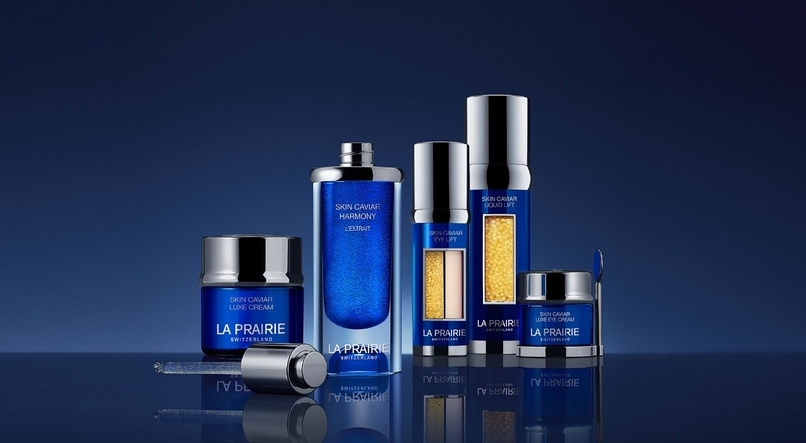
La Prairie: Skincare as Long-Term Investment
La Prairie occupies a unique space in luxury skincare, where science meets discretion. Known for its cellular research and minimalist design language, the brand appeals to men who view skincare not as routine maintenance, but as a long-term investment in skin vitality.
For mature and high-net-worth consumers, La Prairie represents: Advanced skin science rather than cosmetic trends. Products designed to age with the user. A quiet form of luxury that prioritizes results over visibility. In the context of modern masculinity, La Prairie aligns with men who value consistency, longevity, and refinement—those who prefer fewer products, but demand uncompromising quality.

Augustinus Bader: Precision Without Excess
Augustinus Bader has become a defining name in science-led skincare, resonating strongly with creative professionals, entrepreneurs, and executives. Its appeal lies in its clarity: a streamlined approach built around research, not embellishment.
The brand reflects a growing preference among men for: Fewer steps with higher efficacy. Formulations rooted in regeneration and repair. Skincare that integrates seamlessly into busy lifestyles. Augustinus Bader fits perfectly into the “less but effective” narrative. It speaks to men who value intelligence over ornamentation, and who see skincare as part of performance—mental, physical, and professional.
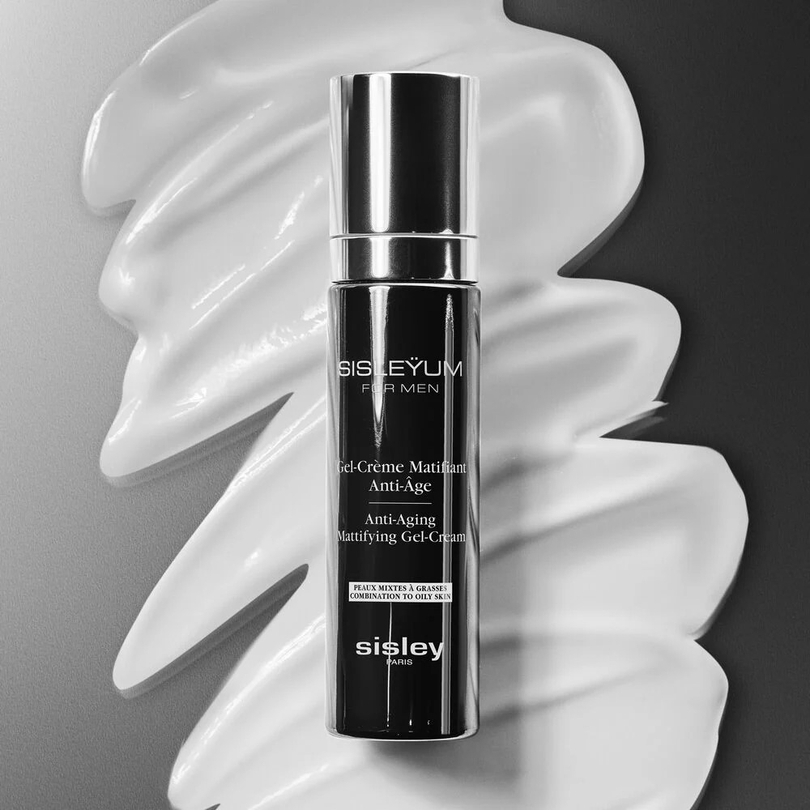
Sisley Paris: Botanical Science With Refinement
Sisley Paris brings a different kind of luxury to men’s skincare—one grounded in botanical research and sensorial balance. The brand bridges performance and pleasure, offering visible results without the weight of overly complex routines.
For men, Sisley Paris represents: Nature-backed formulations with scientific rigor. Skincare that feels indulgent yet purposeful. Refinement without intimidation. Sisley appeals to men who appreciate craftsmanship and balance—those who want effective skincare that enhances daily rituals rather than complicates them.
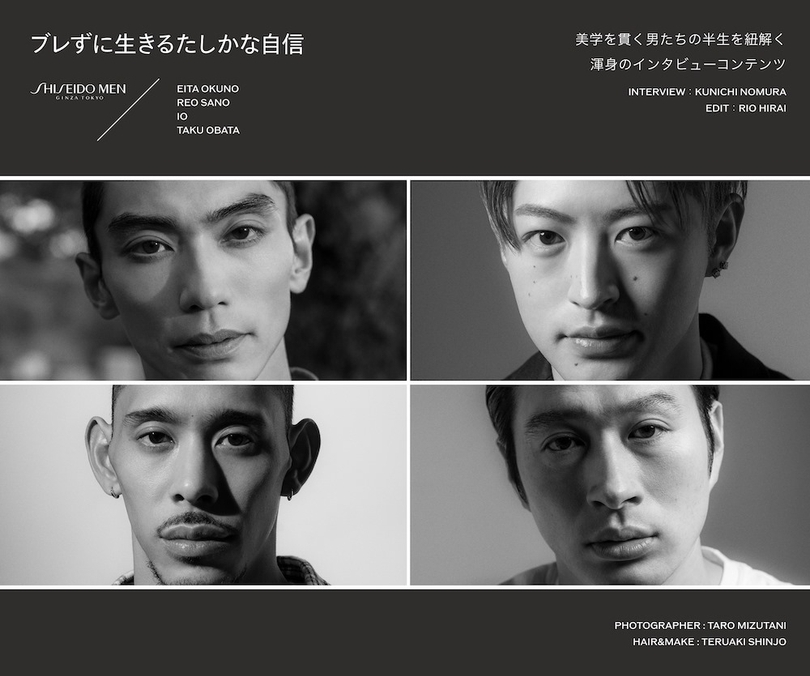
Shiseido Men: Precision Rooted in Japanese Philosophy
Shiseido Men reflects the Japanese approach to grooming: thoughtful, preventative, and deeply respectful of the skin barrier. Rather than focusing solely on correction, the brand emphasizes protection, hydration, and long-term balance.
Its relevance in men’s grooming lies in: An educated approach to skin physiology. Lightweight, efficient formulations. A philosophy that aligns skincare with lifestyle harmony. Shiseido Men resonates strongly with Asian grooming sensibilities and globally minded consumers who prioritize subtle improvement over dramatic change.
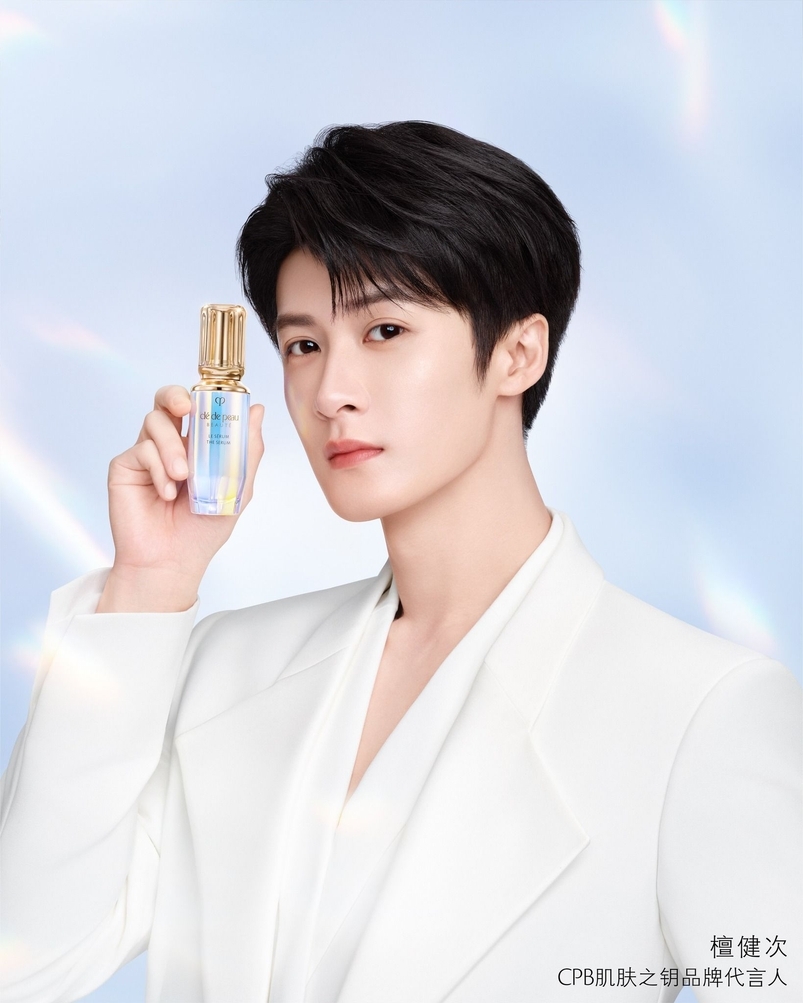
Clé de Peau Beauté represents the pinnacle of understated luxury in skincare. Known for its advanced formulations and elegant restraint, the brand appeals to men who value discretion and excellence in equal measure.
Rather than visible transformation, Clé de Peau focuses on: Skin clarity and resilience. Precision formulation over trend-driven actives. A grooming experience that feels personal and private. It is skincare for men who do not seek recognition for their routines—only results.
Skincare as a Reflection of Modern Masculinity
Together, these brands reveal a shared philosophy: modern men approach skincare with the same mindset they apply to career, design, and lifestyle choices. They value research, longevity, and quiet confidence.
Luxury skincare today is not about chasing youth or perfection. It is about maintaining skin health, preserving presence, and investing in oneself with intention.
As masculinity continues to evolve, skincare will remain one of its most telling expressions—not because it is visible, but because it is thoughtful.
Maison Francis Kurkdjian. Designed for scent layering and skin chemistry. Ideal for discussing fragrance as personal identity. Appeals to connoisseurs rather than trend followers.
Le Labo. Minimalist, customizable, and lifestyle-driven. Strong connection to creative and urban audiences. Excellent example of fragrance as a wardrobe.
Byredo. Artistic storytelling and subtle compositions. Fits the shift toward softer, skin-close fragrances. Relevant for modern masculinity narratives.
Creed. Heritage craftsmanship with contemporary relevance. Works well when referencing investment-worthy fragrances.
D.S. & Durga. Niche luxury with experimental notes. Perfect for men exploring fragrance layering beyond mainstream scents.
Aesop. Design-led grooming with serious formulations. Appeals to men who value ritual and aesthetics. Strong match for scalp-as-skin discussions.
Davines. Sustainable luxury with salon-grade performance. Relevant for tailored hair routines and ethical grooming.
Oribe. High-end styling products with flexible finishes. Fits narratives around movement, texture, and refinement.
Baxter of California. Classic American grooming with modern upgrades. Good bridge between heritage and contemporary care.
Rahua. Natural, performance-focused hair care. Suitable for eco-conscious luxury consumers.
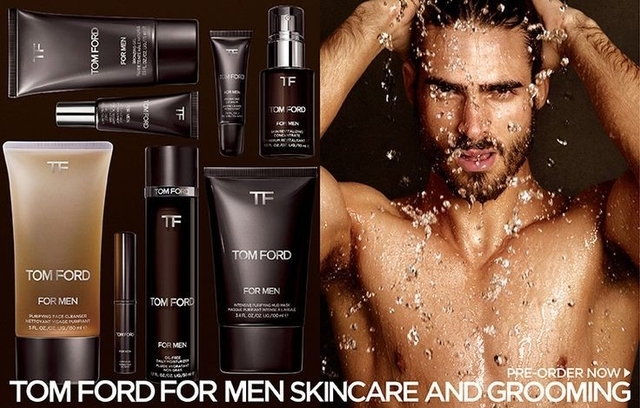
Tom Ford Beauty: Confidence With Precision
Tom Ford Beauty embodies a modern form of masculinity that is assertive yet controlled. The brand’s identity is rooted in clarity and confidence, expressed through clean design, refined fragrance structures, and grooming essentials that feel purposeful rather than excessive.
What sets Tom Ford Beauty apart is its cross-category coherence. Skincare, fragrance, and grooming are not treated as separate worlds, but as parts of a single lifestyle. This approach appeals to men who value consistency—those who prefer fewer choices, but higher standards.
Rather than chasing trends, Tom Ford Beauty focuses on: Strong yet elegant scent profiles. Skincare that feels direct and results-driven. Grooming products that enhance presence without distraction. It represents a masculinity that is self-assured, composed, and unapologetically refined.
Hermès Beauty: The Power of Quiet Luxury
If Tom Ford Beauty speaks in confident tones, Hermès Beauty communicates through silence and restraint. Known for its heritage in craftsmanship, Hermès extends its philosophy seamlessly into beauty—particularly in fragrance and skincare.
Hermès Beauty aligns with men who prefer understatement. Its approach is not about transformation, but refinement. Scents are often intimate and layered, designed to sit close to the skin rather than announce themselves.
Key characteristics of Hermès Beauty’s masculine appeal include: Thoughtful compositions that evolve slowly. Minimalist design that values material and form. An emphasis on longevity and balance. In the context of modern masculinity, Hermès Beauty represents confidence without display. It is grooming for men who understand that sophistication does not require explanation.
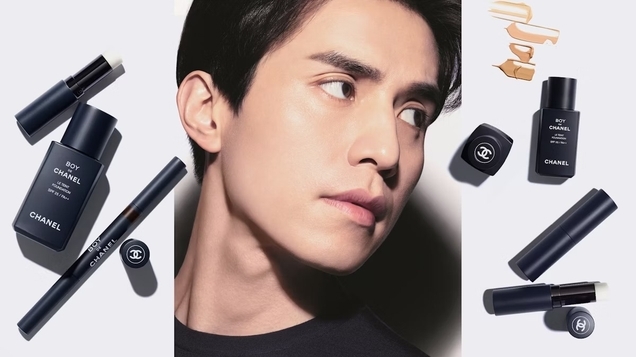
Chanel Boy de Chanel: Redefining Grooming Norms
Chanel Boy de Chanel occupies a distinct cultural position. Rather than reinforcing traditional masculinity, it questions and redefines it. The line approaches men’s grooming through elegance, subtle enhancement, and freedom of expression.
Boy de Chanel removes the pressure of masculinity from beauty routines. Products are designed to be intuitive and discreet, encouraging men to engage with grooming without labels or expectations.
What makes Boy de Chanel culturally significant is its message: Grooming is not gendered. Enhancement is not concealment. Elegance is a form of confidence. By framing beauty as a personal choice rather than a statement, Chanel contributes to a broader conversation about identity and self-expression.
Together, these brands illustrate how luxury beauty is reshaping men’s grooming—not through louder messaging, but through clarity of vision. Modern masculinity is no longer about conforming to a single image. It is fluid, intentional, and deeply personal.
Men today are choosing grooming routines that reflect: How they live. How they move through the world. How they define success and self-respect. Luxury beauty brands, when done right, do not tell men who to be. They simply provide the tools to be themselves.
As the conversation around masculinity continues to evolve, grooming will remain an important medium of expression. The future will favor brands that respect intelligence, value restraint, and understand that confidence is built quietly.
The rise of men’s grooming is deeply interconnected with broader shifts in fashion, social media, and global beauty culture. Designers increasingly integrate grooming aesthetics into runway presentations, while modern barbershops have evolved into lifestyle spaces that offer identity, community, and self-expression beyond basic services. At the same time, Asian beauty philosophies—particularly from Japan and Korea—have played a pivotal role in normalizing skincare for men worldwide. Together, these influences have helped dismantle outdated stigmas and created an environment where experimentation and personal care are embraced without judgment.
What truly defines the growth of men’s grooming is not product quantity, but mindset. Grooming today reflects a broader, more inclusive definition of masculinity—one that values health, self-awareness, and personal standards.
Men no longer groom simply to meet expectations; they do it for themselves. Whether it’s maintaining clear skin, choosing a signature scent, or investing in proper hair care, grooming has become a quiet form of self-respect.
As men’s grooming continues to evolve, its future is likely to center on simpler, science-backed formulations that deliver clear results without unnecessary complexity. Greater emphasis will also be placed on sustainable packaging and ethical sourcing, reflecting growing consumer awareness around environmental and social responsibility. Most importantly, products will be designed around real lifestyles rather than outdated stereotypes, signaling that men’s grooming is no longer about catching up to the beauty industry, but actively reshaping it on its own terms.








.jpeg)
