Discover how golf fitness improves distance, consistency, and endurance with simple routines designed to help golfers perform better on every round.
Discover how golf fitness improves distance, consistency, and endurance with simple routines designed to help golfers perform better on every round.
Image courtesy of pga
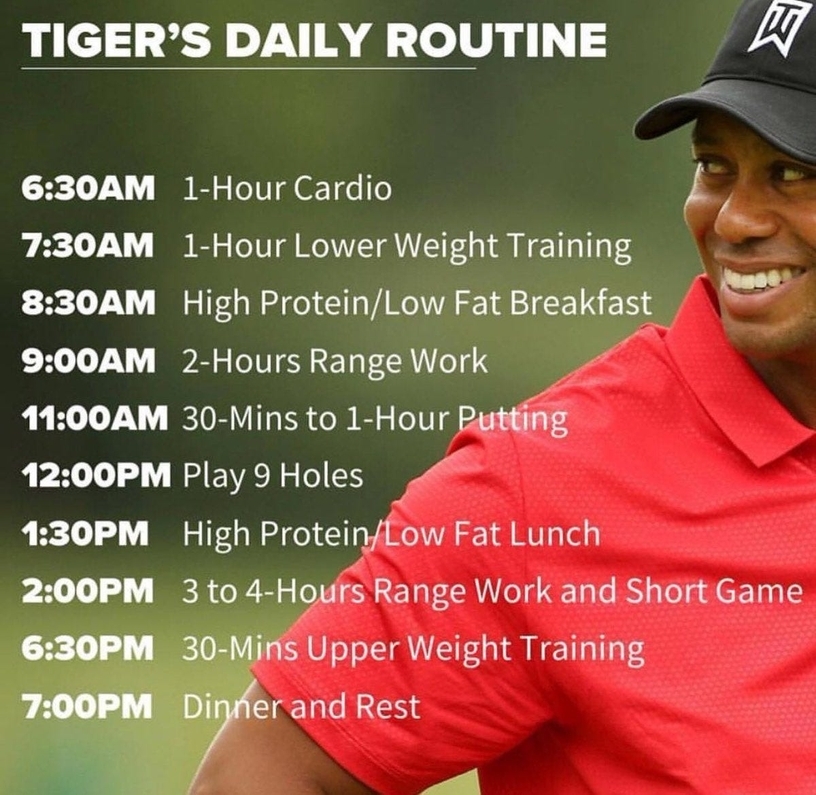
Golf is no longer just a game of technique and touch. Today, physical fitness plays a decisive role in how far you hit the ball, how consistent your swing feels, and how well your body holds up over 18 holes. Modern professionals like Rory McIlroy and Tiger Woods have demonstrated that strength, mobility, and conditioning are essential components of elite performance.
Professionals today treat fitness as seriously as swing mechanics. Players like Tiger Woods, Rory McIlroy, and Brooks Koepka transformed the perception of golfers from purely technical players to high-performance athletes. For everyday golfers, golf fitness offers a practical path to improvement without completely rebuilding swing mechanics. With the right exercises and routines, players can gain distance, improve balance, reduce fatigue, and lower the risk of injury. This article explores how golf fitness works, why it matters, and how golfers at any level can integrate it into their weekly routine.
In earlier decades, golfers focused primarily on practice rounds and swing repetition. Fitness training was often viewed as optional or even unnecessary. That perception changed dramatically in the late 1990s and early 2000s when professional players began incorporating structured fitness programs into their preparation.
Strength and conditioning soon became standard practice across professional tours. Players recognized that physical limitations often prevented technical improvements. Tight hips could restrict rotation, weak core muscles could reduce stability, and poor endurance could lead to inconsistent swings late in the round.
Today, fitness is considered a performance tool rather than an accessory. Even amateur golfers increasingly recognize that improving physical condition can deliver measurable gains in distance, control, and overall enjoyment of the game.
Golf fitness is a specialized training approach designed to improve the physical abilities required for golf performance. Unlike bodybuilding or general gym workouts, golf fitness targets the golf swing movement pattern, especially the rotational forces placed on the body.
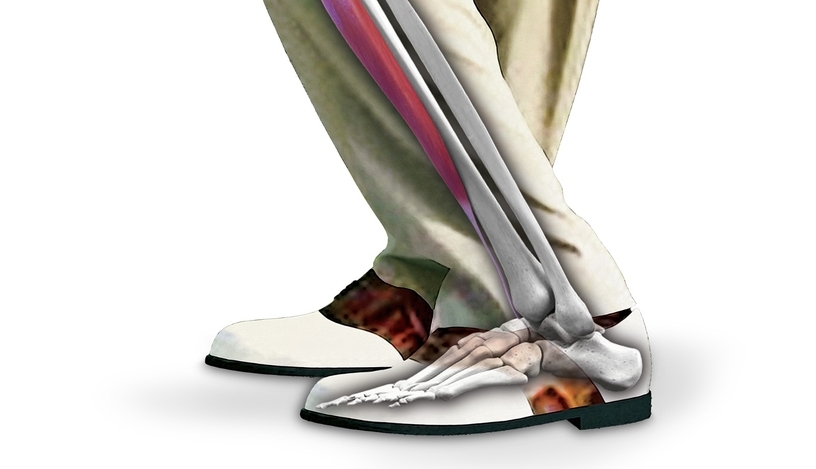
Mobility is the foundation of an efficient golf swing. It allows the body to rotate smoothly and maintain proper posture throughout the motion. Without adequate flexibility, golfers may struggle to complete a full backswing or generate consistent power. Key areas of focus include the hips, shoulders, thoracic spine, and ankles. These joints control rotation and balance during the swing. Improved mobility can lead to a smoother tempo, better contact, and reduced strain on the lower back. For many golfers, mobility training produces noticeable improvements within a few weeks. Increased range of motion often translates into longer drives and more comfortable rounds.
Mobility allows you to achieve a full backswing and proper follow-through. Hips. Thoracic spine (upper back). Shoulders. Ankles. Longer backswing. Better swing plane. Reduced risk of back injury. Increased clubhead speed. Common mobility exercises: Hip rotations. Thoracic spine rotations. Shoulder dislocations. Ankle dorsiflexion drills.
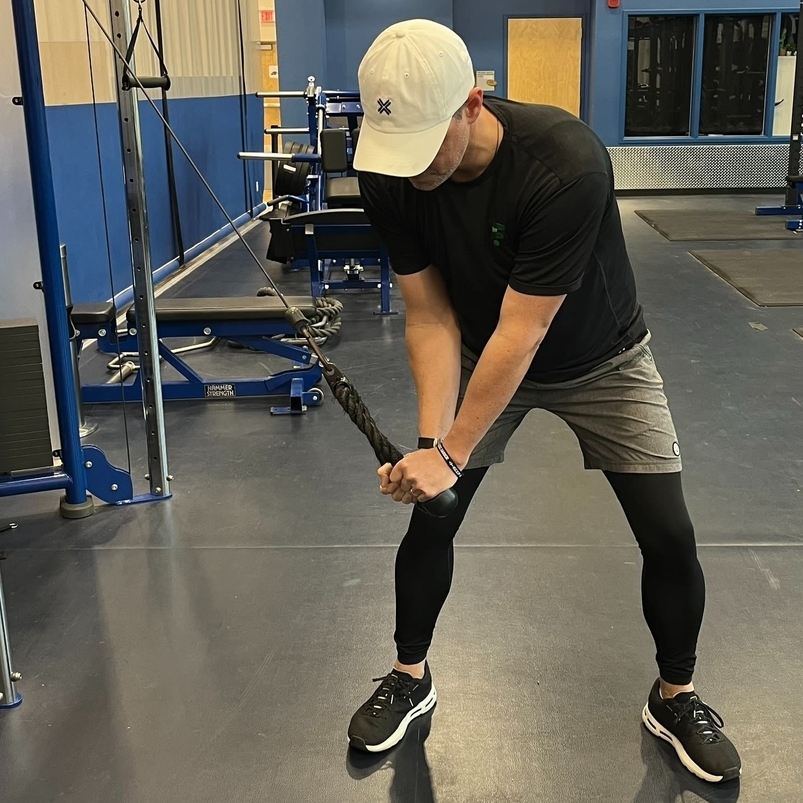
Strength training provides the structural support needed to maintain balance and control throughout the swing. Rather than focusing on building large muscles, golf fitness emphasizes functional strength—especially in the core and lower body. Strong muscles help stabilize the spine and maintain posture during rotation. This stability improves accuracy and consistency, particularly under pressure or fatigue.
Common strength exercises for golfers include squats, lunges, planks, and resistance band movements. These exercises strengthen the muscles responsible for generating power while protecting joints from excessive stress. Strength in golf is about control and stability, not bulk muscle.
Important muscle groups: Core. Glutes. Hamstrings. Back. Shoulders. More consistent ball striking. Improved posture. Increased driving distance. Better control under pressure. Key strength exercises: Squats. Deadlifts. Planks. Rotational cable exercises.
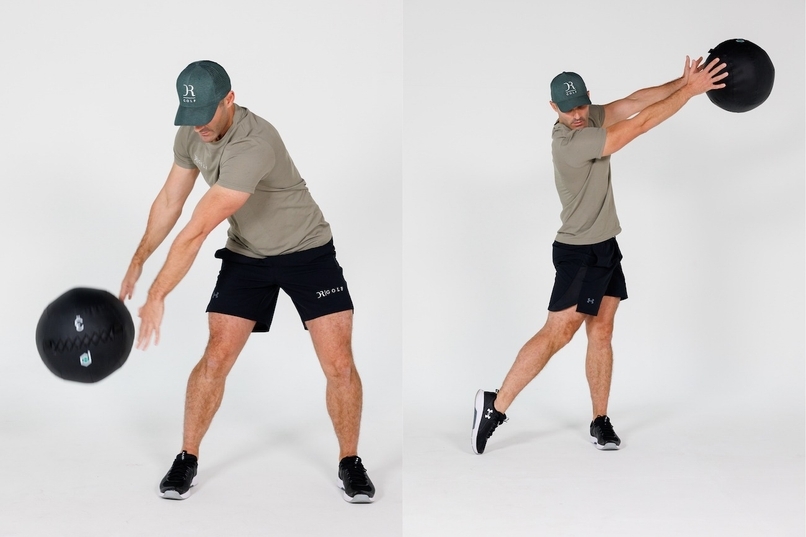
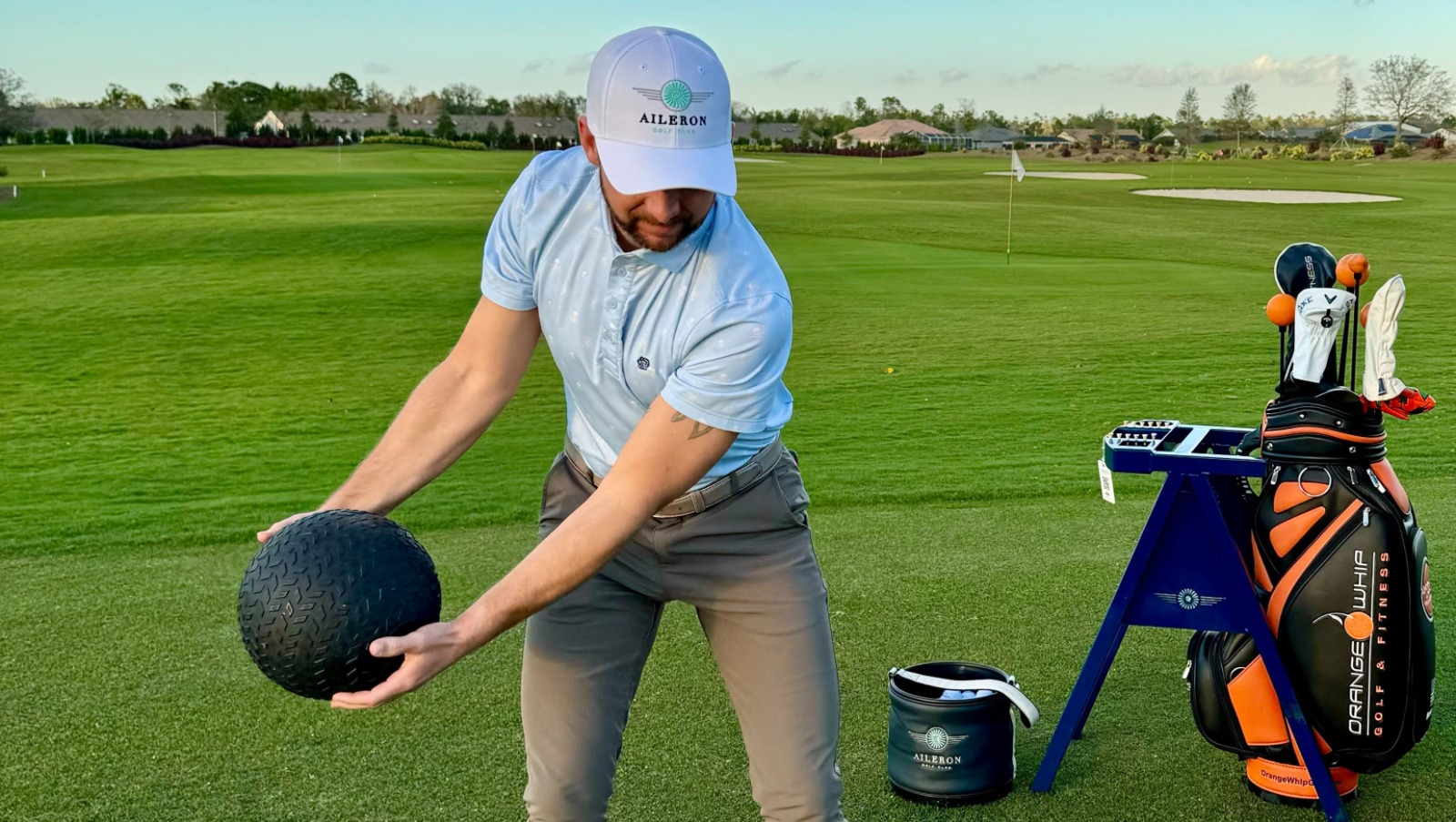
Power is the ability to generate force quickly, and in golf, it directly influences clubhead speed. Faster clubhead speed typically produces greater distance, allowing players to reach greens in fewer shots. Power training focuses on explosive movements that mimic the golf swing. Medicine ball throws, jump squats, and rotational exercises train the body to produce energy efficiently.
Even moderate improvements in power can result in meaningful gains. Many golfers report distance increases of 10 to 20 yards after consistent speed and power training. Power is the ability to generate force quickly — this is directly linked to clubhead speed. Longer drives. Higher ball speed. Better scoring opportunities. Popular power exercises: Medicine ball rotational throws. Jump squats. Resistance band swings. Speed training drills.

A typical round of golf can last four to five hours and involve walking several kilometers. Maintaining energy and focus throughout the round requires cardiovascular endurance. Endurance training helps golfers stay sharp during the final holes, when fatigue often leads to mistakes. Walking, cycling, swimming, and light jogging are effective ways to build stamina.
Recovery is equally important. Stretching, hydration, and adequate rest allow the body to repair and prepare for the next round. Proper recovery reduces soreness and lowers the risk of overuse injuries. Golf is played on uneven terrain, often over 4–5 hours, making stability essential. More accurate shots. Better swing control. Reduced swing breakdown late in the round. Common stability exercises: Single-leg balance drills. BOSU ball training. Core stabilization exercises.
Golf fitness delivers benefits that extend beyond distance. Many improvements are subtle but significant over time.
Improved consistency - Better balance and stability lead to more reliable ball striking.
Increased distance - Enhanced strength and power translate into faster swing speed.
Reduced injury risk - Stronger muscles protect joints and reduce strain on the back and shoulders.
Greater endurance - Improved fitness helps maintain performance during long rounds.
Enhanced confidence - Physical readiness often improves mental focus and overall enjoyment of the game.
For golfers who play regularly, these benefits accumulate quickly. Small physical improvements can lead to meaningful reductions in scores.

Distance Is Now a Competitive Advantage. Modern golfers are significantly longer off the tee due to fitness and speed training. Examples: Bryson DeChambeau increased his driving distance dramatically after a structured fitness program. Professional tours now emphasize strength and speed training.
Injury Prevention and Longevity. Golf injuries commonly affect: Lower back. Elbows. Shoulders. Wrists. Golf fitness helps: Reduce injury risk. Improve recovery. Extend playing years. This is especially important for: Frequent golfers. Older players. Competitive amateurs.
Better Performance Without Swing Changes. One of the biggest advantages of golf fitness: You can improve your game without changing your swing technique. Many golfers gain:
Simply by improving physical capability.
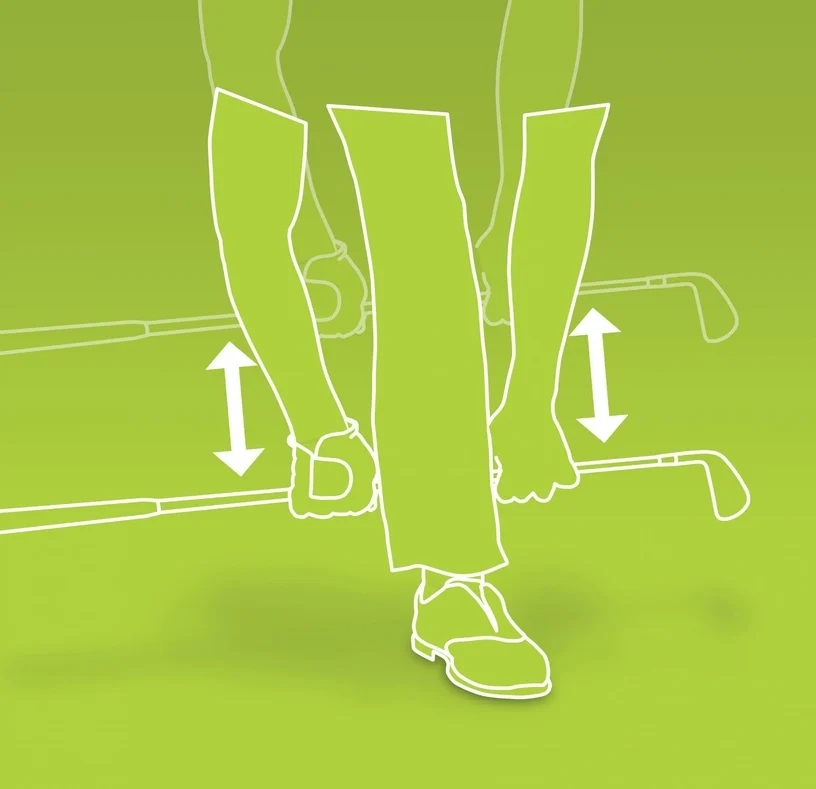
Typical Weekly Golf Fitness Plan - A Practical Weekly Golf Fitness Routine
2–3 sessions per week
Day 1 — Mobility and Core Strength. Focus on stretching and stability exercises. Include hip rotations, shoulder stretches, and plank variations.
Day 2 — Power + Speed — Strength Training. Perform lower-body and core exercises such as squats, lunges, and resistance band movements.
Day 3 — Stability + Recovery — Power and Conditioning. Incorporate explosive exercises like medicine ball throws and short cardio sessions.
Session duration: 30–60 minutes. A structured routine does not require long hours in the gym. Many effective programs involve just two or three sessions per week. Each session typically lasts between 30 and 60 minutes. Consistency matters more than intensity. Gradual progress reduces injury risk and supports long-term improvement.
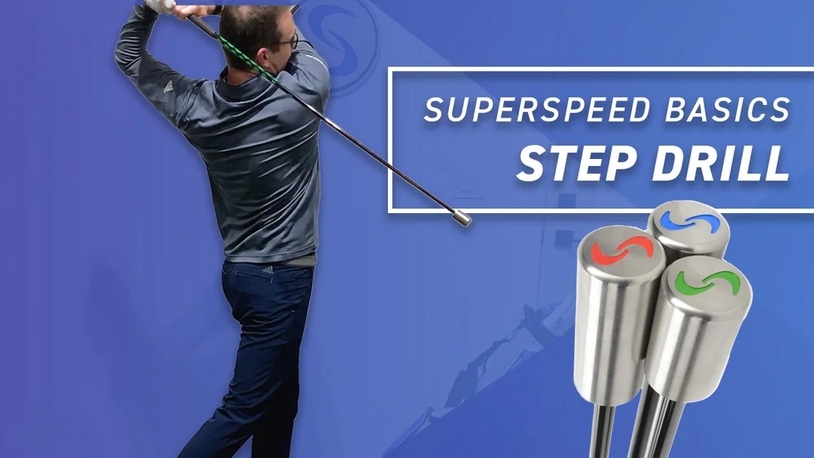
Many golf fitness exercises can be performed with simple equipment. These tools are affordable, portable, and easy to use at home or in the gym.
Common equipment includes:
These items help golfers train specific movement patterns and improve strength without complex machines.
Golf fitness is beneficial for players of all ages and skill levels. Whether someone is new to the game or plays regularly, physical conditioning can improve performance and comfort on the course. Beginners build a strong foundation and learn proper movement patterns. Intermediate players improve consistency and distance. Competitive golfers gain a performance advantage. Senior golfers maintain mobility and reduce injury risk. The key is to start gradually and focus on exercises that match individual ability.

Golf is a lifelong sport, and maintaining physical health is essential for long-term enjoyment. Fitness training supports both performance and durability, allowing golfers to play more rounds with less discomfort.
As the game continues to evolve, fitness will remain a central element of success. Players who invest in their physical condition often see steady improvements in distance, accuracy, and overall confidence.
For readers and audiences interested in golf improvement—especially those following instructional content or performance-focused articles—golf fitness represents one of the most practical and measurable ways to elevate the game.