
Levi's journey from functional workwear to global everyday fashion reflects the power of heritage, branding, and cultural influence. Explore how denim became a universal style standard.
Levi's journey from functional workwear to global everyday fashion reflects the power of heritage, branding, and cultural influence. Explore how denim became a universal style standard.
Image courtesy Levi's
Few fashion brands have shaped everyday style as profoundly as Levi's. From rugged workwear roots in the 19th century to its position as a global fashion staple today, Levi's represents authenticity, durability, and timeless design. Whether worn on city streets, college campuses, or creative workplaces, Levi's denim continues to define casual fashion across generations. This article explores how Levi's built its legacy, why its products remain relevant, and how the brand continues to influence modern fashion trends in the United States and worldwide.
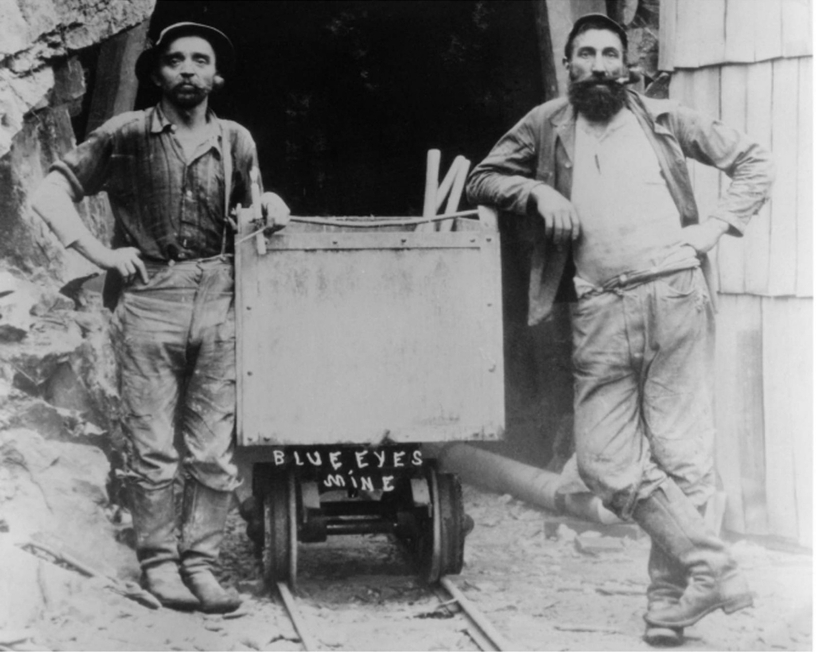
The origins of Levi's trace back to Levi Strauss, who established his business in San Francisco in 1853. During the era of the California Gold Rush, miners needed durable clothing that could withstand tough working conditions.
The story of Levi's began with Levi Strauss, a German immigrant who moved to San Francisco during the California Gold Rush in 1853. In 1873, Strauss and tailor Jacob Davis introduced reinforced denim pants using copper rivets. This innovation laid the foundation for modern blue jeans and transformed Levi's into a pioneer of functional fashion.
In 1873, Strauss partnered with tailor Jacob Davis to patent the first riveted work pants—what we now know as blue jeans. This innovation made the garments strong enough for miners, laborers, and cowboys.
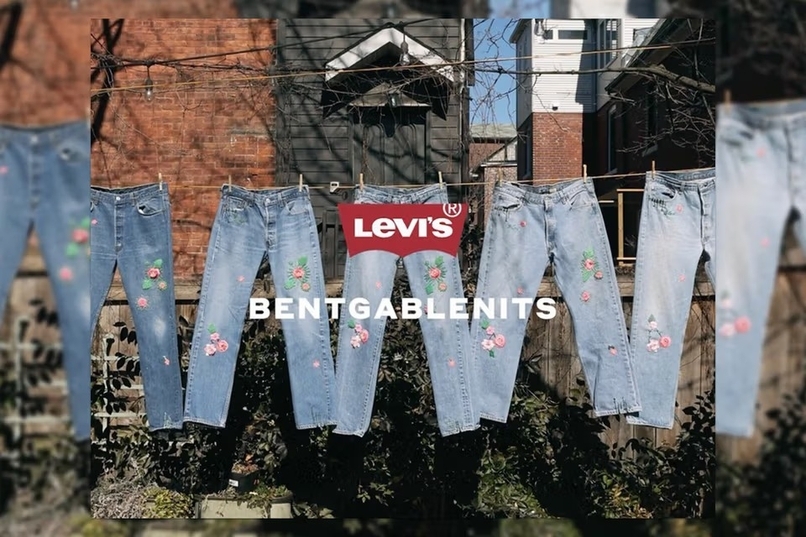
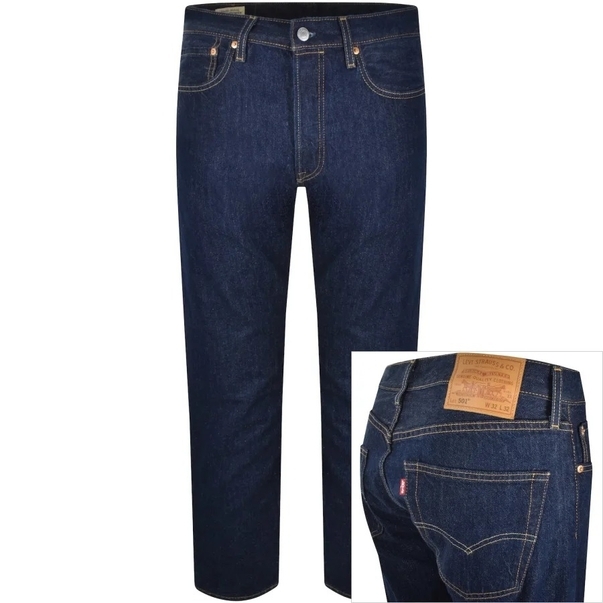
Signature Products That Defined the Brand - Levi's 501 Original Fit Jeans - The Legendary 501 Jeans
The most famous Levi's product, introduced in the late 1800s. First mass-produced blue jean. Button fly design. Straight-leg classic fit. Symbol of timeless denim style. One of the reasons Levi's remains relevant is its ability to maintain iconic designs while adapting to modern tastes. Several signature pieces have become staples in wardrobes around the world.
The Levi's 501 Original Fit Jeans is widely considered the most recognizable pair of jeans ever produced. Known for its straight-leg silhouette and button-fly closure, the 501 represents the original blueprint for modern denim. Fashion enthusiasts appreciate the 501 for its versatility. It pairs easily with casual T-shirts, tailored jackets, or even smart-casual outfits, making it suitable for both relaxed weekends and urban lifestyles.
While heritage remains important, Levi's continues to innovate with modern fits designed for evolving fashion preferences. Popular contemporary styles include:
These designs demonstrate how Levi's balances tradition with modern fashion trends. Remain core to Levi's global sales and brand identity. Originally designed as workwear, Levi's expanded into mainstream fashion during the 20th century. The brand became associated with youth culture, rebellion, and self-expression—especially in the 1950s and 1960s. Hollywood icons like: James Dean and Marlon Brando helped popularize denim as everyday fashion rather than just work clothing. Today, Levi's sells products in 100+ countries and operates thousands of retail stores worldwide. Core Product Categories: Denim jeans. Jackets. T-shirts. Shirts. Accessories. Women's and men's apparel.
Levi's has also invested heavily in sustainability initiatives, including water-saving manufacturing processes and recycled materials. Over time, the brand evolved beyond utility clothing. By the mid-20th century, Levi's had become associated with youth culture, individuality, and self-expression. Hollywood icons like James Dean and Marlon Brando helped popularize denim as a symbol of rebellion and effortless style.
Fashion trends change rapidly, yet Levi's continues to maintain strong global demand. Several factors explain the brand's enduring popularity.
Timeless Design. Levi's products rarely go out of style. Classic denim silhouettes remain fashionable across decades, making them reliable wardrobe investments.
Versatility Across Occasions. Levi's clothing works in multiple settings, including: Casual everyday wear. Travel and leisure. Smart-casual office environments. Weekend social gatherings. This versatility aligns with modern lifestyles that prioritize comfort and practicality.
Strong Brand Heritage. With more than 170 years of history, Levi's carries a legacy that few fashion brands can match. Consumers often associate the brand with authenticity and craftsmanship.
Global Cultural Influence. Levi's has become a universal fashion language. From New York City to Tokyo, denim remains a core element of urban style.
These celebrities have officially partnered with Levi's in major campaigns. These partnerships show how Levi's targets younger consumers and global markets.
Hollywood and Film Stars
Many actors are frequently photographed wearing Levi's in everyday style or movie roles. Ryan Gosling. Leonardo DiCaprio. Johnny Depp. Channing Tatum. Robert Pattinson. Zac Efron. These celebrities have been seen wearing Levi's jeans or jackets at public appearances and media events.
Music and Pop Culture Icons
Levi's has long been associated with musicians and youth culture. Beyoncé. Rihanna. Justin Timberlake. Bruce Springsteen. Adam Levine. Music artists have historically helped popularize denim as a symbol of casual and rebellious style.
Female Fashion Icons and Style Influencers
These celebrities are frequently cited in fashion media as loyal Levi's wearers. Jennifer Aniston. Kendall Jenner. Hailey Bieber. Taylor Swift. Princess Diana. These figures helped maintain Levi's reputation as a timeless wardrobe staple across generations.
In recent years, sustainability has become a major focus in the fashion industry. Levi's has responded by introducing environmentally conscious production methods. Key sustainability initiatives include: Water-saving manufacturing techniques. Use of recycled cotton and materials. Durable construction designed to extend product lifespan. Programs encouraging clothing repair and reuse. These efforts reflect growing consumer demand for responsible fashion choices.
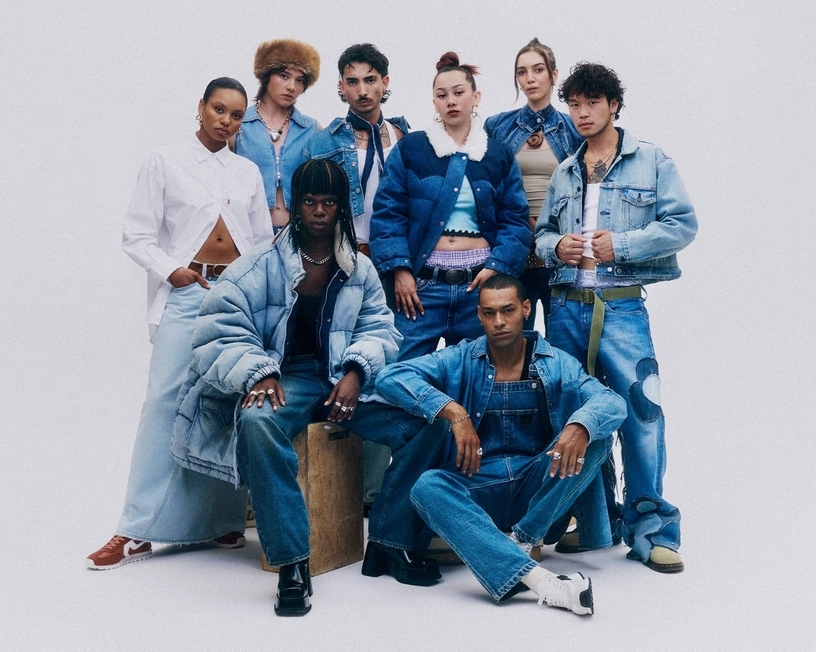
Modern fashion emphasizes individuality and comfort, and Levi's fits naturally into this trend. Styling options continue to expand across genders and age groups.
Popular Styling Ideas
Minimalist Casual. Levi's jeans. Plain white T-shirt. Sneakers.
Smart Casual. Dark-wash Levi's denim. Button-down shirt. Leather shoes.
Streetwear Inspired. Oversized Levi's jacket. Graphic T-shirt. Sneakers.
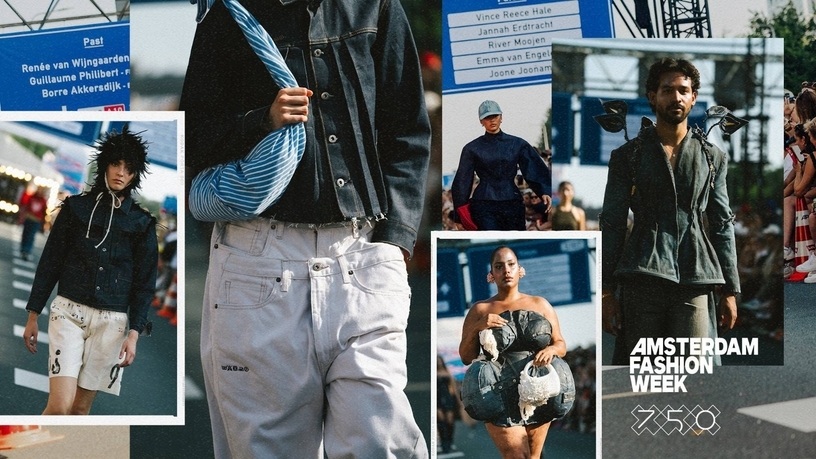
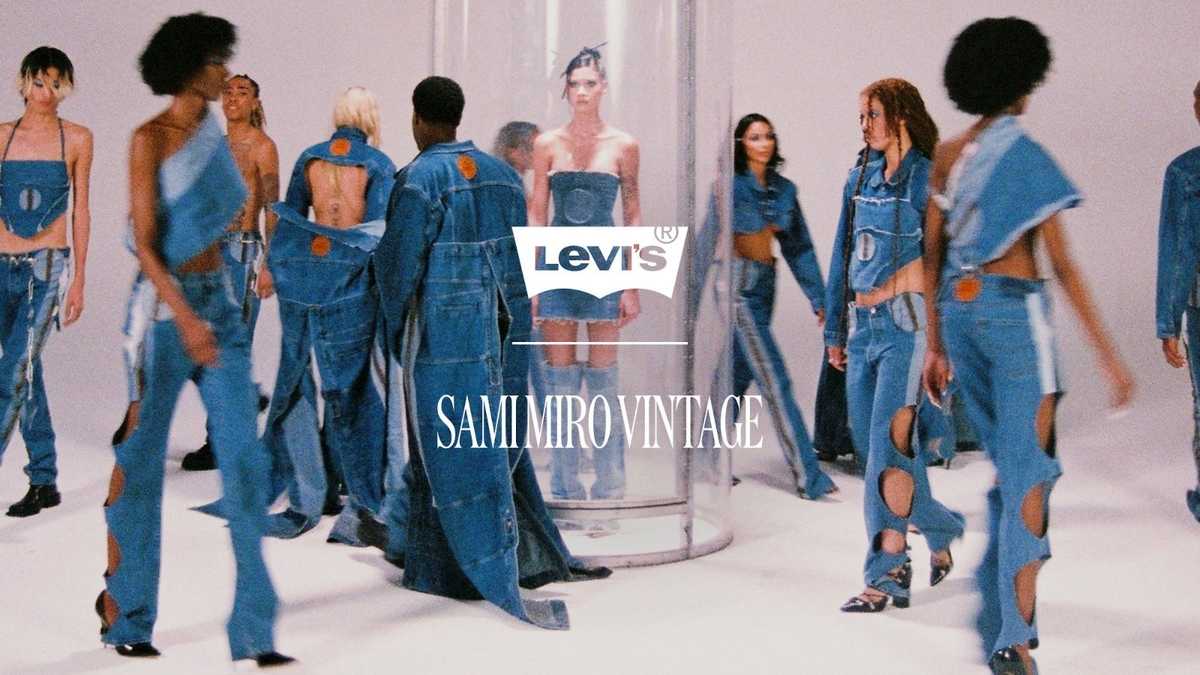
Levi's does participate in New York Fashion Week (NYFW), but in a different way compared to traditional luxury runway houses. Instead of being a constant headline runway brand like Ralph Lauren or Marc Jacobs, Levi's typically engages through collaborations, cultural events, showroom presentations, and designer partnerships. This approach reflects Levi's identity as a heritage denim and lifestyle brand rather than a seasonal high-fashion label.
Levi's Official Runway Presence at New York Fashion Week. Levi's has appeared on the NYFW calendar at key moments. The brand presented a full collection during the Fall/Winter 2012–2013 season, marking a notable step into the runway spotlight. Levi's also supports emerging designers and menswear initiatives connected to NYFW events and industry programs. Levi's participates strategically rather than every season. Their focus is on brand storytelling, denim innovation, and partnerships.
Collaborations on the NYFW Runway. Levi's is frequently visible through collaborations with designers who showcase collections during NYFW. In Fall 2022, fashion label No Sesso debuted a collection at NYFW featuring pieces developed with Levi's denim. These collaborations allow Levi's to: Stay culturally relevant. Reach younger audiences. Experiment with creative design directions.
Levi's Role in NYFW Culture and Street Style. Even when not on the runway, Levi's is highly visible during Fashion Week.
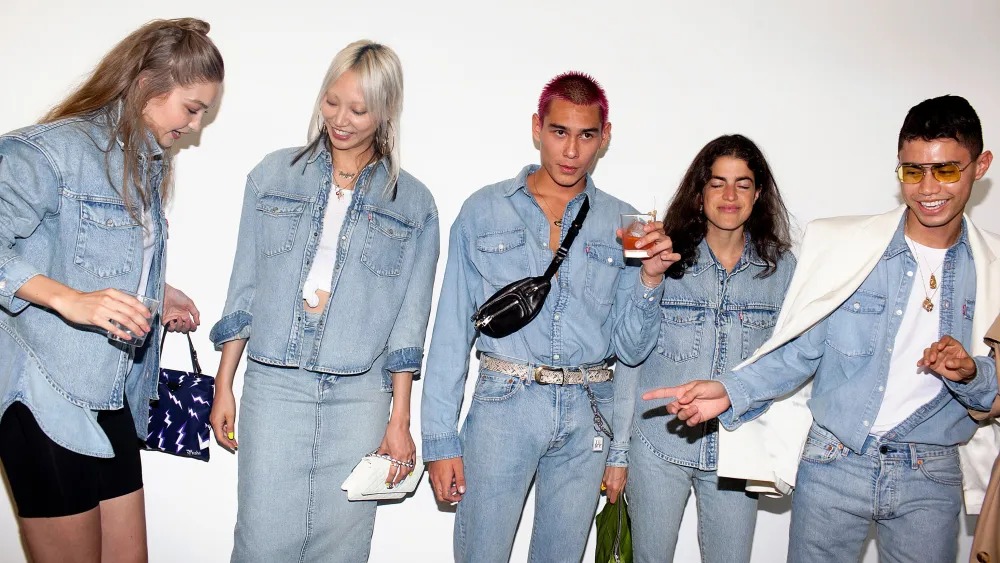
Street Style Influence. Celebrities, editors, and influencers often wear Levi's during NYFW events. Models and fashion attendees frequently incorporate classic denim into off-runway outfits. Denim remains a recurring trend during NYFW seasons, including modern textures and layered styling.
Fashion Week operates primarily around seasonal collections, while Levi's focuses on timeless products. New York Fashion Week itself is one of the global “Big Four” fashion weeks held twice annually to showcase upcoming collections to buyers and media.
Levi's strategy aligns with: Heritage branding. Denim innovation. Long product life cycles. Lifestyle positioning. Instead of releasing entirely new designs every season, Levi's updates iconic pieces like: Levi's 501 Original Fit Jeans. Levi's Trucker Jacket
Today, Levi's plays a cultural and commercial role at NYFW rather than a purely couture role. Designer collaborations. Brand activations and pop-ups. Influencer and media events. Denim heritage showcases. Retail and showroom presentations. This model is common among major American lifestyle brands.
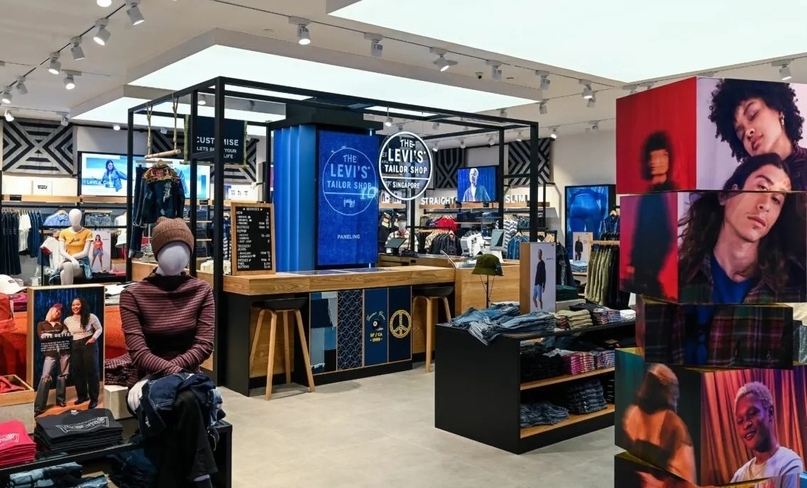
Today, Levi Strauss & Co. operates in more than 100 countries and remains one of the most recognizable names in apparel. The brand's presence is especially strong in: United States. Europe. Japan. Southeast Asia. Australia. Retail stores, e-commerce platforms, and collaborations with designers and celebrities continue to expand Levi's global visibility.
The rise of Levi's from rugged workwear to everyday fashion is one of the most influential stories in modern clothing. What began as durable pants for miners evolved into a universal wardrobe staple worn by students, professionals, travelers, and celebrities across continents. Understanding this transformation helps explain why Levi's remains a dominant name in global fashion today.
The foundation of Levi's success started with practicality. In 1873, Levi Strauss and Jacob Davis created reinforced denim pants designed for laborers during the California Gold Rush in San Francisco. These jeans became known for: Strength and durability. Practical design. Long-lasting wear. Reliability for physical work. Products that solve real problems often gain trust first—then popularity. This reputation for durability laid the groundwork for global adoption.
Hollywood and Pop Culture Turned Denim Into Style. Levi's transition from workwear to fashion accelerated in the mid-20th century when film and music stars began wearing jeans off-duty and on screen. Influential figures included: James Dean. Marlon Brando. Marilyn Monroe. Their casual denim looks helped redefine jeans as symbols of: Youth culture. Rebellion. Freedom. Modern lifestyle. By the 1960s and 1970s, jeans had become mainstream fashion rather than just work clothing.
Levi's growth into everyday fashion worldwide happened through aggressive international expansion during the late 20th century. Major markets included: United States. Japan. United Kingdom. Germany. India. Retail stores, department stores, and later e-commerce platforms allowed Levi's to reach customers in both developed and emerging markets.
Global availability turned denim into a universal fashion standard. Standardized Styles That Work Everywhere. One of the biggest reasons Levi's became everyday fashion is its consistent, recognizable designs. Iconic products include: Levi's 501 Original Fit Jeans. Levi's 511 Slim Fit Jeans . Levi's Trucker Jacket. These items share common characteristics: Simple silhouettes. Neutral colors. Easy styling. Cross-gender appeal. Multi-season usability. Consumers can wear the same product in different countries, climates, and lifestyles.

Adoption by Youth and Street Culture. Youth culture has consistently driven Levi's popularity. From the 1980s onward, jeans became essential in: University campuses. Urban streetwear. Music and entertainment scenes. Casual workplaces. Cities that helped shape denim culture include: New York City. Los Angeles. Tokyo. London. These fashion capitals spread denim trends globally through media, film, and retail.
Versatility Across Lifestyles. Levi's became everyday fashion because it fits into many situations without looking out of place. Casual Wear: Daily errands. Travel. Social activities. Workwear: Offices with relaxed dress codes. Creative industries. Retail and hospitality. Leisure and Lifestyle: Weekend outings. Dining and entertainment. Outdoor activities. One product works across multiple environments.
Smart Branding and Consistent Identity. Levi's built one of the strongest brand identities in fashion. Core brand messages include: Authenticity. Heritage. Durability. Individual expression. The company behind the brand, Levi Strauss & Co., maintained consistent marketing while adapting to changing consumer trends.
Retail Accessibility and Pricing Strategy. Another major factor in Levi's global success is accessibility. Levi's products are typically positioned in the: Mid-premium price segment. Affordable for mass consumers. Perceived as quality products. Competitive with fast fashion and premium brands. This balance helped Levi's become everyday fashion rather than luxury-only clothing.
Adaptation to Modern Fashion Trends, Levi's continues to evolve to stay relevant. Recent strategies include: Stretch denim technology. Sustainable materials, Gender-neutral designs. Digital retail and online sales. Collaborations with designers and celebrities. These innovations keep the brand aligned with modern consumer expectations.
Levi's became everyday fashion globally because it combined durability, cultural influence, accessibility, and timeless design. The transformation happened through: Functional workwear origins. Celebrity and pop culture adoption. Global expansion. Simple, versatile designs. Youth and street culture influence. Consistent branding. Accessible pricing. Continuous innovation. This combination turned Levi's from a practical garment into one of the most universal fashion items in the world.
The Future of Levi's in Fashion
As fashion continues to evolve, Levi's remains positioned to adapt while preserving its heritage. Trends such as sustainable materials, digital retail, and personalized styling are expected to shape the brand's next chapter. For consumers, Levi's represents more than clothing. It symbolizes reliability, self-expression, and a connection to fashion history. In a world of fast-changing trends, the enduring appeal of Levi's demonstrates the lasting power of classic design and authentic craftsmanship.








.jpeg)
