Discover how AI, robotics, and digital tools are transforming restaurants and fast food chains in the US. Learn how technology drives efficiency, cuts costs, and enhances customer experience for business owners.
Discover how AI, robotics, and digital tools are transforming restaurants and fast food chains in the US. Learn how technology drives efficiency, cuts costs, and enhances customer experience for business owners.
Image courtesy of QSR Web
In the U.S., restaurants and fast-food chains are rapidly adopting technology to improve speed, convenience, efficiency, and customer experience. Here are the major technologies in the American restaurant and fast-food industry:
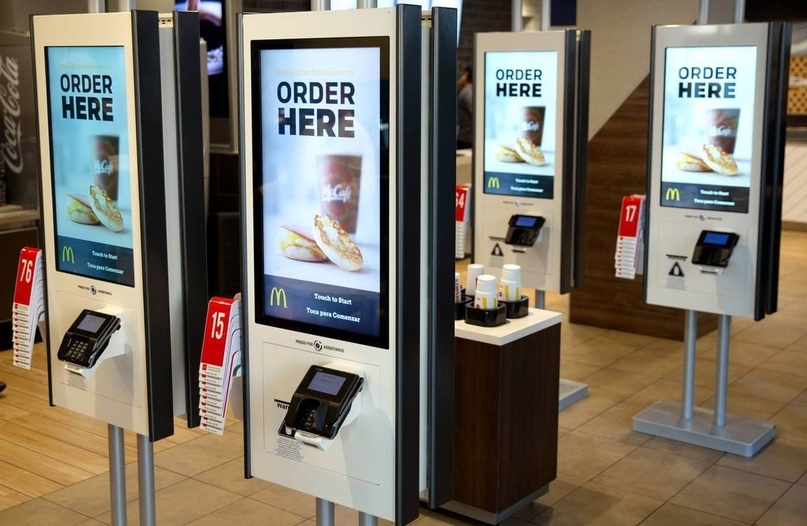
Digital Ordering & Delivery. Mobile Apps & Loyalty Programs (McDonald’s, Starbucks, Chick-fil-A use apps for ordering, rewards, and payment). Third-Party Delivery Platforms (DoorDash, Uber Eats, Grubhub). Self-Ordering Kiosks (touchscreens at McDonald’s, Taco Bell, Panera Bread). Drive-Thru AI (McDonald’s, Wendy’s, White Castle testing AI-powered drive-thru voice ordering).
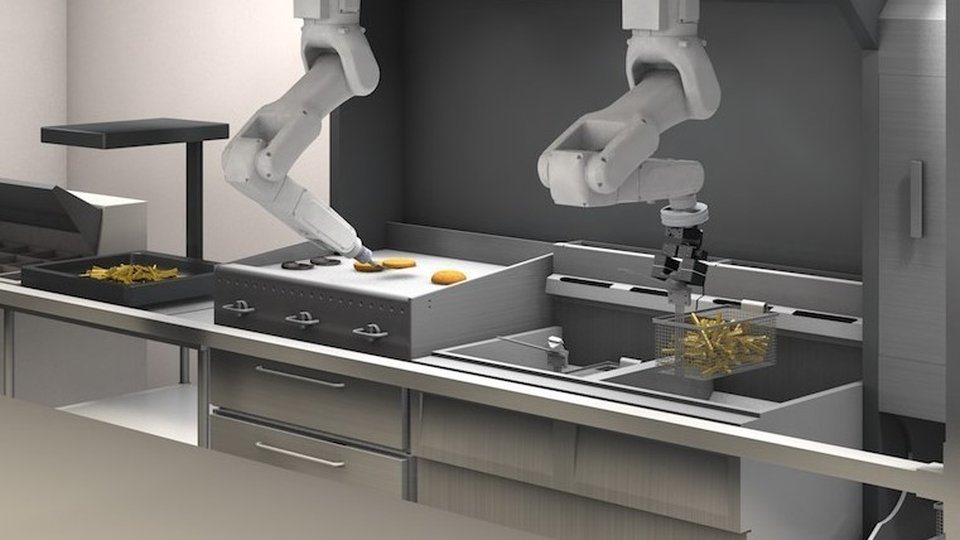
Automation & Robotics. Kitchen Automation: Robotic fryers, burger-flipping robots (e.g., Miso Robotics’ "Flippy" used by White Castle). Pizza-making robots (Domino’s, Picnic Robotics). Automated Drink Dispensers (Coca-Cola Freestyle machines, robotic bartenders). Delivery Robots & Drones: Starship Technologies (robot food delivery in college campuses). Domino’s drone and autonomous car delivery pilots.
AI & Data Analytics. Personalized Recommendations (apps suggest menu items based on past orders). Dynamic Pricing (testing surge pricing for peak hours). Predictive Ordering & Inventory (AI helps reduce food waste, forecast demand). AI-powered Marketing (customer data drives targeted promotions).
Contactless & Digital Payments. Mobile Wallets (Apple Pay, Google Pay). QR Code Menus & Ordering (popularized during COVID-19, still used widely). Cryptocurrency Payments (some restaurants experimenting with Bitcoin).
Smart Kitchens & IoT. Connected Kitchen Equipment (monitors temperature, cooking times, maintenance needs). Energy Efficiency Systems (smart HVAC and lighting for cost savings).
Customer Engagement & Experience. AR/VR Menus (see 3D visuals of dishes before ordering). Tabletop Tablets (Chili’s, Olive Garden use tablets for ordering and payments). Voice Ordering (Domino’s Alexa and Google Assistant integration).
Sustainability Technology. Food Waste Tracking (Winnow, Leanpath AI monitors kitchen waste). Eco-friendly Packaging Tech (biodegradable materials, smart recycling). U.S. restaurants and fast-food chains are moving toward AI-driven, contactless, automated, and sustainable operations. The trend is about speed, personalization, and efficiency—meeting modern consumer expectations while cutting costs.
The American restaurant and fast food industry is rapidly evolving with the integration of advanced technology. From AI-powered drive-thrus to robotic fryers, innovations are reshaping daily operations and redefining customer expectations. For business owners, adopting the right technology has become more than a trend—it is now a necessity for efficiency, profitability, and long-term competitiveness.
Digital ordering platforms, mobile apps, and self-service kiosks are reducing wait times and improving order accuracy. Panera Bread and McDonald’s have become industry leaders in deploying kiosks and mobile ordering systems, while contactless payment options such as Apple Pay and QR code menus speed up transactions and minimize cash-handling errors.
Streamlined Operations. Automated Ordering (Kiosks & Mobile Apps) → Reduces front-counter staff needs, cuts human error in orders, and speeds up service. AI Drive-Thru Systems → Handles peak-hour traffic more efficiently than human staff, reducing wait times. Tabletop Tablets → Guests can order/refill/pay without waiting for servers, turning tables faster. Lower labor costs + higher order accuracy + faster turnover.
Labor Cost Optimization. Robotics (e.g., fryers, burger-flippers, pizza makers) → Handles repetitive kitchen tasks, freeing staff to focus on customer-facing roles. Automated Scheduling Software → AI predicts peak hours and adjusts staffing levels automatically. Prevents overstaffing/understaffing, cuts payroll inefficiencies.
Inventory & Supply Chain Control. IoT Sensors in Freezers & Ovens → Prevent spoilage by monitoring temperature in real-time. AI Inventory Forecasting → Predicts demand based on past sales, weather, or events (e.g., big sports games). Digital Supplier Integration → Automates stock ordering to prevent shortages or overstock. Reduces food waste, saves costs, ensures consistent menu availability.
Faster Customer Transactions. Mobile & Contactless Payments → Speeds up checkout, reduces cash-handling errors. QR Code Ordering → Eliminates bottlenecks in busy dining rooms. Shorter lines, more customers served in less time.
Data-Driven Decision Making. Analytics from POS Systems → Tracks best-selling items, peak hours, and staff performance. Customer Behavior Insights → Apps track loyalty, repeat orders, and feedback. Dynamic Menu Adjustments → AI can suggest promotions or remove slow-selling items. Better pricing, smarter marketing, and higher revenue.
Enhanced Customer Experience (Efficiency Boost). Personalized Offers & Rewards → Encourages repeat visits (e.g., Starbucks Rewards AI personalization). Order Tracking (Delivery & Pickup) → Reduces customer complaints about delays. Frictionless Service → The smoother the service, the faster customers return, boosting sales. Stronger customer loyalty, steady cash flow.
Technology drives efficiency for restaurant and fast-food owners by cutting labor costs, reducing waste, speeding up service, improving decision-making, and boosting customer loyalty. The end result is higher margins and scalability.

Fast food operators are embracing robotics to handle repetitive tasks. White Castle, for instance, uses Miso Robotics’ “Flippy” to automate frying, while Domino’s tests automated pizza-making systems. These technologies not only improve consistency but also allow staff to focus on customer service and higher-value responsibilities.
Smarter Inventory and Supply Chain Management. Artificial intelligence and IoT-enabled systems are changing the way restaurants manage supplies. Vendors like Leanpath and Winnow provide waste-tracking solutions, helping kitchens cut costs and reduce their environmental impact. Real-time monitoring of refrigerators and ovens ensures compliance with food safety standards while preventing unnecessary losses.
Industry Leaders Setting the Pace. Several major players illustrate how technology is being applied effectively:
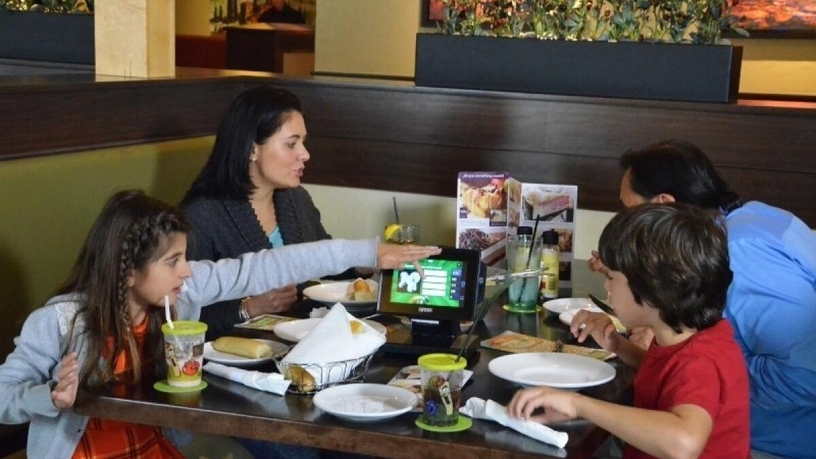
Olive Garden (Darden Restaurants). Olive Garden uses AI-driven supply chain forecasting and tabletop tablets for guest ordering and payment. Uses tabletop tablets for ordering, bill payment, and gaming while waiting. AI-driven supply chain management to forecast ingredient needs. Loyalty app integration for personalized rewards.

Chili’s Grill & Bar. Chili’s Grill & Bar introduced Ziosk tablets and digital curbside pickup systems to enhance service efficiency. Early adopter of Ziosk tablets on tables (guests order, pay, and leave feedback digitally). Kitchen automation systems to speed up food prep and monitor inventory. Digital loyalty and curbside pickup systems during high-demand times.

Panera Bread. Panera Bread leverages predictive ordering and mobile app personalization to manage peak demand. Self-order kiosks and mobile app ordering across most locations. AI-powered personalization in its MyPanera loyalty program. Uses predictive ordering to prepare food during peak hours. Early adopter of contactless dine-in QR code ordering.
McDonald’s. McDonald’s deploys AI voice assistants in drive-thrus and operates thousands of self-order kiosks nationwide. AI-powered drive-thru ordering (via Dynamic Yield technology). Self-order kiosks widely deployed nationwide. Testing automated fryers and robotic kitchens. Mobile app loyalty program drives repeat business.
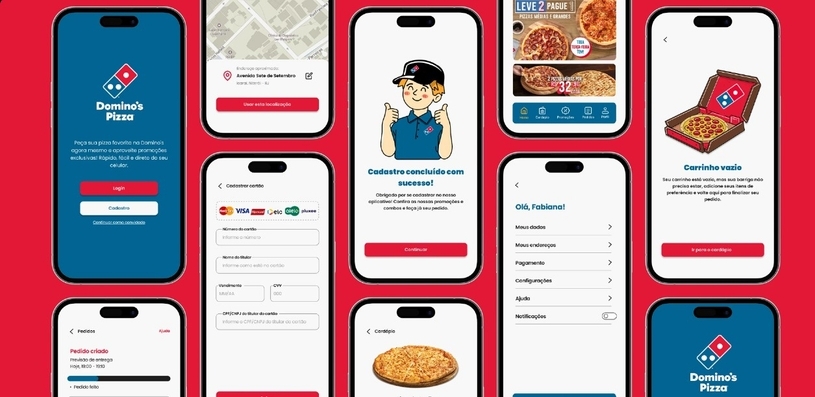
Domino’s Pizza. Domino’s Pizza relies on advanced delivery tracking, autonomous vehicle pilots, and voice-enabled ordering. Leader in pizza delivery tracking technology (“Domino’s Tracker”). Testing drone and autonomous car deliveries. AI order-taking via voice assistants (Domino’s app, Alexa, Google Assistant). Predictive intelligence for topping combinations and demand.
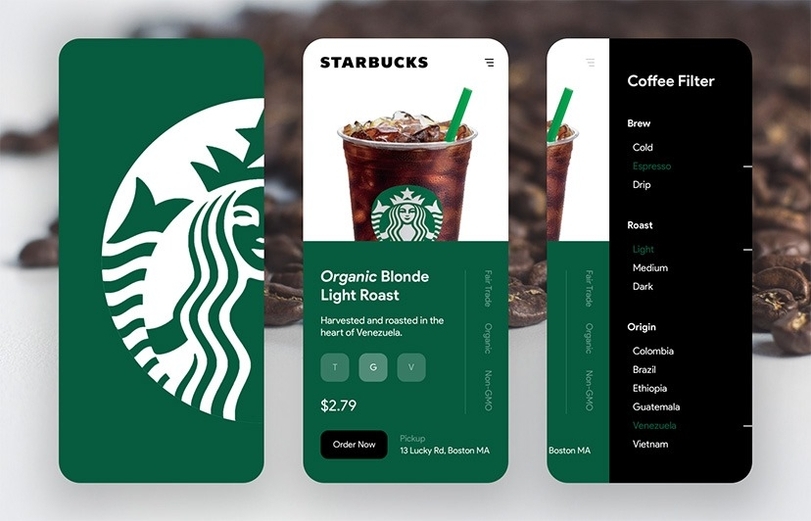
Starbucks. Starbucks drives customer loyalty through AI-powered personalization and a mobile app responsible for a significant share of its U.S. sales. Mobile ordering app accounts for more than 25% of U.S. transactions. AI-driven personalization in its rewards program (suggesting drinks). Voice ordering via Alexa. Testing AI predictive inventory to reduce waste. Contactless drive-thru and curbside pickup systems.
Restaurants like Olive Garden, Chili’s, and Panera use tech for table service, loyalty, and supply chain efficiency. Fast-food leaders like McDonald’s, Domino’s, and Starbucks use AI, robotics, and mobile-first ordering to maximize speed, accuracy, and customer engagement.
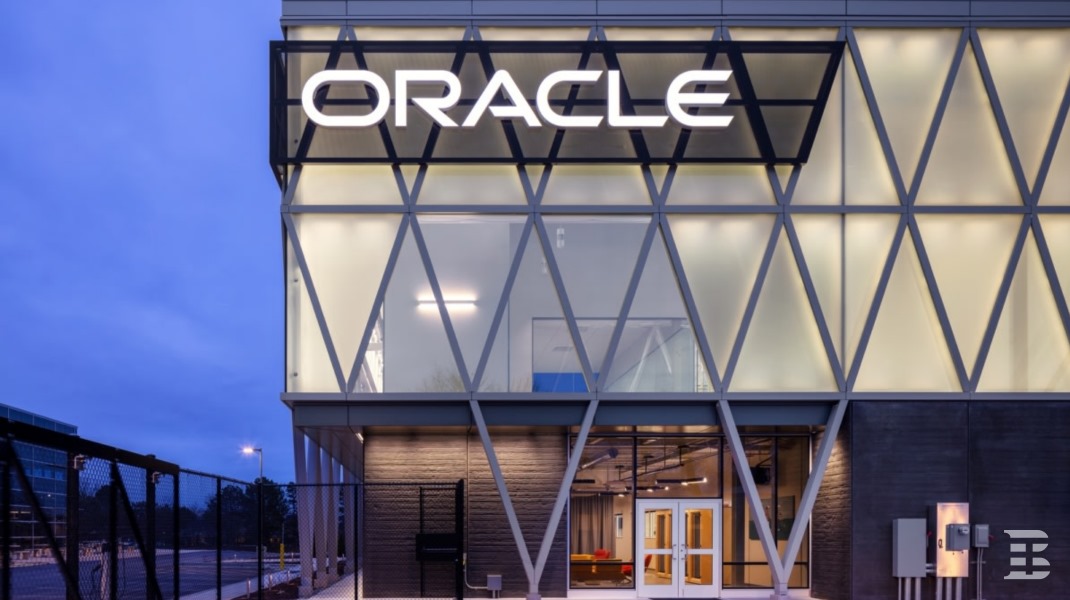
The adoption of these innovations is powered by specialized technology vendors: Toast, Oracle MICROS, and Square deliver POS and ordering platforms. Miso Robotics and Presto Automation focus on robotics and AI-driven operations. Olo and DoorDash Drive streamline online ordering and delivery integration. Paytronix and LevelUp provide customer loyalty and engagement systems. Leanpath and Winnow enable sustainability through food waste management.
These providers play a crucial role in enabling restaurants to scale efficiently and adapt to changing consumer behavior. lot of the advanced technologies used by U.S. restaurants and fast-food chains are powered by specialized vendors and suppliers. Here are some of the key players behind the scenes:
POS Systems & Ordering Platforms
· Toast → Widely used in restaurants for POS, online ordering, and analytics.
· Square for Restaurants → POS, mobile payment, and inventory management.
· Revel Systems → Cloud-based POS system used in quick-service chains.
· Oracle MICROS → Popular with large chains for restaurant POS + back-office.
Self-Ordering Kiosks & Tabletop Tech
· Ziosk → Provider of tablets for tables (used by Chili’s, Olive Garden).
· Elo Touch Solutions → Touchscreen hardware for kiosks.
· Diebold Nixdorf → Self-service kiosks used by McDonald’s and others.
AI, Automation & Robotics
· Miso Robotics → Maker of "Flippy" (robotic fry cook) used by White Castle, CaliBurger.
· Presto Automation → AI voice assistants for drive-thru ordering (used by Del Taco, Checkers).
· Dynamic Yield (McDonald’s-owned, now part of Mastercard) → AI personalization for menus and drive-thru.
· Picnic Robotics → Automated pizza-making platform.
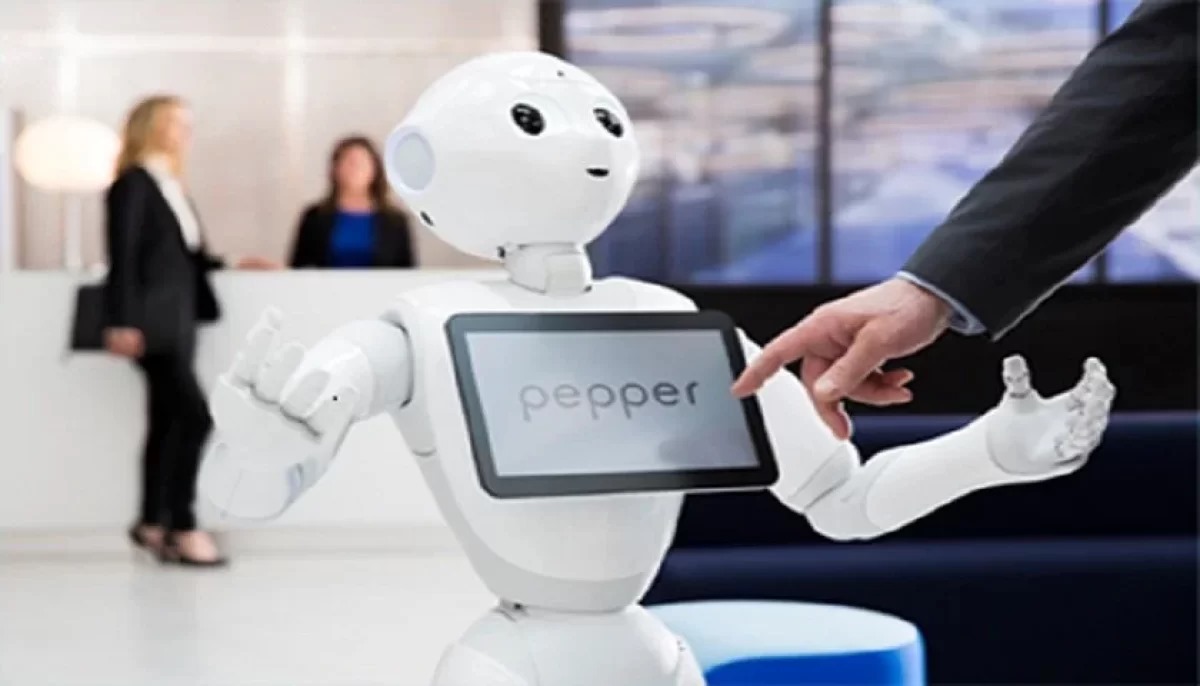
· Bear Robotics → Robot servers for restaurants (food runners).
Delivery & Logistics Tech
· Olo → Digital ordering + delivery integration platform (used by Wingstop, Shake Shack, Five Guys).
· DoorDash Drive / Uber Eats API / Grubhub Direct → White-label delivery for restaurants.
· Starship Technologies → Food delivery robots (used on campuses).
· Nuro → Autonomous delivery vehicles (Domino’s pilot).
Payment & Loyalty Systems
· Paytronix → Customer loyalty, rewards, and digital engagement (used by Panera Bread).
· LevelUp (by Grubhub) → Mobile payments & loyalty integrations.
· Square / Stripe → Contactless payments.
Inventory & Kitchen Management
· Kitchen United → Ghost kitchens + tech integration.
· BlueCart → Restaurant supply chain and inventory software.
· Leanpath / Winnow → AI systems to track and reduce food waste.
· HotSchedules (by Fourth) → Workforce scheduling + labor management.
The backbone of restaurant and fast-food tech in America is powered by POS & ordering vendors (Toast, Oracle MICROS, Olo), automation innovators (Miso Robotics, Presto, Dynamic Yield), delivery enablers (DoorDash Drive, Nuro, Starship), and customer engagement platforms (Paytronix, LevelUp).
The Business Case for Owners. For restaurant and fast food owners, the business benefits of technology are clear:
1. Labor Optimization – Robotics and AI scheduling reduce payroll inefficiencies.
2. Higher Sales Volume – Faster ordering systems increase customer throughput.
3. Cost Control – Smart inventory management minimizes waste and lowers expenses.
4. Customer Retention – Personalized apps and loyalty programs drive repeat business.
Technology is no longer optional in the restaurant and fast food sector—it is a strategic investment that drives efficiency, improves customer experience, and ensures long-term competitiveness. As consumer expectations evolve, the businesses that adopt AI, automation, and digital engagement tools will be the ones shaping the future of dining in America.